




Penn Hills sits on terrain shaped by Plum Creek and Thompson Run watersheds, creating natural drainage challenges across the community. Properties in areas like Rosedale Terrace and Crescent Hills experience basement seepage during spring thaws when snowmelt saturates the clay-heavy soil common throughout Allegheny County. The housing stock includes thousands of homes built between 1950 and 1970, many with original cast iron drain lines now approaching failure points.
Winter freeze-thaw cycles stress plumbing systems throughout Duff, Universal, and Penn Hills proper. When temperatures drop below 20 degrees for extended periods, pipes in exterior walls and unheated crawlspaces rupture without warning. The result is gallons of water flooding finished basements and damaging HVAC systems, electrical panels, and personal belongings.
Penn Hills also faces storm surge from severe weather moving through the Allegheny Valley. Properties near Frankstown Road and Saltsburg Road experience street flooding that backs up through foundation drains. Without immediate water removal and structural drying, mold colonizes within 48 to 72 hours. Pennsylvania's humid summers accelerate microbial growth once water intrusion occurs.
Reliance Water Damage Restoration Pittsburgh has served Allegheny County for years, building relationships with insurance adjusters, plumbers, and property managers throughout Penn Hills. We know the difference between a slab foundation flooding in Lincoln Park versus a hillside walkout basement issue in Rosedale Terrace. Our technicians understand local construction methods, recognize common failure points in homes built during Penn Hills' growth decades, and adapt restoration strategies to match each property's unique challenges.
We maintain response vehicles staged to reach any Penn Hills neighborhood within 60 minutes of your call. Our dispatch system prioritizes active water events over scheduled followups because we know every hour of standing water increases total damage exponentially. When you call at 2 AM with a flooded basement, we answer the phone and roll a truck, not an answering service.
Our approach focuses on thorough mitigation, not just surface cleanup. We use truck-mounted extraction units that pull water from carpet padding and subfloors, then deploy commercial dehumidifiers and air movers to dry structural materials below 15 percent moisture content. We take thermal images to find hidden moisture in wall cavities and document moisture readings daily. Insurance companies trust our reports because we follow IICRC S500 standards and provide detailed photo documentation of every affected area.
Penn Hills families choose us because we treat your emergency like it's happening in our own home. We move furniture, protect unaffected areas with plastic barriers, and explain each step of the restoration process. You get a project manager's direct cell phone number, not a call center. We coordinate with your insurance adjuster, provide detailed estimates, and push back when carriers try to deny legitimate claims.

We guarantee arrival within one hour across all Penn Hills neighborhoods. Our trucks carry industrial extraction equipment, thermal cameras, and moisture meters. We start water removal the moment we arrive, not after driving back to a warehouse for equipment. Fast response prevents secondary damage and reduces total restoration costs.

We photograph every damaged area, document moisture readings throughout the drying process, and provide detailed estimates that match Xactimate pricing software used by insurance adjusters. Our reports stand up to scrutiny because we follow industry standards. We attend adjuster meetings and advocate for full coverage of legitimate damages.
Our team holds Water Damage Restoration and Applied Structural Drying certifications from the Institute of Inspection, Cleaning and Restoration Certification. We follow scientifically validated drying protocols, not guesswork. Our training covers psychrometrics, moisture mapping, and antimicrobial application. We dry buildings correctly the first time.
Water damage takes many forms in Penn Hills properties. A supply line rupture creates different challenges than a sewer backup or roof leak. Reliance Water Damage Restoration Pittsburgh provides complete water removal and structural drying services, along with reconstruction to return your property to pre-loss condition.
Our service range covers emergency water extraction, structural drying and dehumidification, content cleaning and storage, antimicrobial treatment, sewage cleanup, and full reconstruction. We handle everything from initial mitigation through final repairs, coordinating subcontractors for electrical, plumbing, and HVAC work when needed.
We categorize water damage by contamination level following industry standards. Category 1 water from supply lines requires different treatment than Category 2 gray water from appliance discharge or Category 3 black water from sewage backups. Each category demands specific safety protocols, disposal methods, and cleaning procedures. We assess the water source immediately and implement appropriate containment measures to protect your health and prevent cross-contamination.
Our approach combines rapid water removal with scientific drying methods. We don't just run fans and hope for the best. We calculate grain depression and vapor pressure to optimize equipment placement, then monitor drying progress with moisture meters and thermal imaging. This precision prevents mold growth and ensures insurance companies can't deny claims due to incomplete mitigation.
Immediate response to active flooding in Penn Hills homes and businesses. We deploy truck-mounted extraction units that remove hundreds of gallons per hour from carpets, padding, and subfloors. Our technicians identify the water source, stop ongoing intrusion, and remove standing water before it migrates to unaffected areas. We document pre-existing conditions and initial moisture levels for insurance purposes. Service includes emergency board-up, content protection, and antimicrobial application to prevent microbial growth during the drying phase.
Scientific drying protocols using commercial dehumidifiers, air movers, and negative air machines. We monitor temperature, humidity, and material moisture content daily until all affected materials reach equilibrium moisture levels below 15 percent. Our process includes thermal imaging to detect hidden moisture in wall cavities and ceiling assemblies. We remove wet insulation, drill weep holes in baseboards when needed, and create drying chambers to accelerate evaporation. Daily documentation proves proper mitigation for insurance adjusters and prevents mold liability.
Specialized response to sewage backups and toilet overflows in Penn Hills properties. Our technicians wear personal protective equipment and follow EPA guidelines for handling contaminated materials. We remove affected contents, extract sewage water, dispose of non-salvageable materials, and apply hospital-grade disinfectants. All porous materials contacted by sewage get removed and replaced. We treat subfloors with antimicrobials and verify contamination clearance before reconstruction begins. Service includes odor control and air scrubbing to remove airborne pathogens.
Penn Hills homeowners face water intrusion from multiple sources throughout the year. The area's clay soil creates hydrostatic pressure against foundation walls during wet seasons. Spring snowmelt and summer storms overwhelm outdated sump pump systems. Aging plumbing in homes built during Penn Hills' suburban expansion creates rupture risks.
Properties in low-lying areas near Plum Creek and Thompson Run experience groundwater seepage through foundation cracks and floor-wall joints. Homes built on hillsides deal with surface water running toward foundations during heavy rain. Without proper grading and functional gutters, water pools against basement walls and finds entry points through deteriorated mortar joints.
Winter weather stresses plumbing systems across all Penn Hills neighborhoods. Exterior hose bibs without frost-free valves burst when temperatures stay below freezing for extended periods. Pipes in exterior walls and unheated garages rupture overnight, flooding finished spaces before homeowners wake. The resulting damage requires extensive drywall removal, insulation replacement, and structural drying.
Foundation seepage through cracks, floor drains backing up during heavy rain, and failed sump pumps create standing water in finished basements. Penn Hills' clay soil holds moisture and creates hydrostatic pressure against foundation walls. Water wicks up drywall, saturates carpet padding, and damages stored belongings. Immediate extraction and dehumidification prevent mold growth and structural deterioration.
Frozen pipes in exterior walls rupture during cold snaps, releasing gallons of pressurized water into living spaces. Washing machine hoses fail without warning, flooding laundry rooms and adjacent areas. Water heater tank failures dump 40 to 50 gallons across basement floors. Supply line leaks behind walls go unnoticed until ceilings sag or flooring buckles. Fast response limits damage and reduces restoration costs.
Severe weather moving through the Allegheny Valley causes roof damage and gutter overflow. Water enters through compromised flashing, damaged shingles, and clogged downspouts. Attic insulation absorbs water, then drips onto ceilings below. Slow leaks create hidden damage inside wall cavities. We find moisture with thermal imaging, extract water from building materials, and coordinate roof repairs with qualified contractors.
Main sewer line blockages cause toilets and drains to back up into Penn Hills homes. Tree root intrusion into clay sewer pipes creates chronic stoppages. Floor drains overflow during heavy rain when municipal systems reach capacity. Sewage contamination requires specialized cleaning protocols and disposal of affected materials. We treat contaminated areas with EPA-registered disinfectants and document remediation for health department compliance.
Water damage creates stress and uncertainty for Penn Hills homeowners. You need clear answers about what happens next, how long restoration takes, and what your insurance covers. Reliance Water Damage Restoration Pittsburgh provides transparent communication from first contact through final inspection.
When you call our emergency line, you speak with a trained technician who asks specific questions about your situation. We need to know the water source, how long water has been present, and which areas are affected. This information helps us bring the right equipment and prepare accurate estimates for insurance purposes.
We arrive within 60 minutes and immediately assess damage severity. Our project manager walks through affected areas with you, explains what we'll do, and provides a detailed scope of work. We answer questions about timeline, insurance coverage, and what you should do with damaged belongings. You receive a written estimate before work begins, along with direct contact information for your assigned project manager.
Throughout the restoration process, we maintain daily communication about drying progress and any discoveries that change the scope. We text photos showing moisture readings and equipment placement. When insurance adjusters visit the property, we attend meetings and advocate for complete coverage of necessary repairs.
We answer emergency calls 24 hours a day and dispatch technicians immediately. Upon arrival, we identify the water source and stop ongoing intrusion. We photograph all affected areas and document initial moisture readings. You receive a detailed written estimate that includes water extraction, structural drying, antimicrobial treatment, content manipulation, and reconstruction. We explain insurance claim procedures and help you understand coverage limits and deductibles.
Our technicians visit your property daily during active drying to take moisture readings and adjust equipment. We document progress with photos and moisture maps. Your project manager texts updates showing drying progress and discusses any changes to the original scope. We coordinate with your insurance company throughout the process and push back against improper claim denials. You always have direct access to the person managing your project.
We don't remove equipment until moisture readings confirm complete drying. Final verification includes thermal imaging to check for hidden moisture and documentation showing all materials have reached acceptable moisture levels. After drying, we coordinate reconstruction including drywall replacement, flooring installation, and paint. We handle permits when required and schedule municipal inspections. You receive final documentation proving proper restoration for future property transfers.
Every water damage situation requires immediate action followed by systematic drying and reconstruction. Our three-phase approach ensures complete mitigation and prevents secondary damage.
We arrive at your Penn Hills property within 60 minutes of your call. Our technicians identify the water source, stop ongoing intrusion, and begin extraction immediately. Truck-mounted vacuums remove standing water from carpets, padding, and hard surfaces. We pull furniture away from wet walls, remove soaked contents, and protect unaffected areas with plastic barriers. We apply antimicrobial treatment to all affected surfaces to prevent mold growth during drying. Initial documentation includes photos, moisture readings, and detailed notes for insurance claims.
We deploy commercial dehumidifiers and air movers in strategic locations to create optimal drying conditions. Our equipment removes moisture from the air while promoting evaporation from wet materials. We monitor temperature, humidity, and material moisture content daily. Thermal imaging reveals hidden moisture in wall cavities and ceiling assemblies. We remove wet insulation, drill weep holes in trim when needed, and adjust equipment placement to maximize efficiency. Drying continues until all materials reach equilibrium moisture content below industry standards.
After verification of complete drying, we begin reconstruction. Our crews replace drywall, install new flooring, repair damaged trim, and match existing paint colors. We coordinate plumbing repairs, electrical work, and HVAC restoration with licensed contractors. All work meets local building codes and passes municipal inspections when required. Final walkthrough ensures your Penn Hills property returns to pre-loss condition. We provide complete documentation including photos, invoices, and certificates of completion for your insurance company and personal records.
Professional water damage restoration follows scientific protocols established by the Institute of Inspection, Cleaning and Restoration Certification. The IICRC S500 Standard and Reference Guide for Professional Water Damage Restoration provides the framework all legitimate restoration companies use in Pennsylvania.
Water damage classification depends on contamination level. Category 1 water originates from sanitary sources like supply lines and poses no substantial health risk. Category 2 gray water contains some contamination from sources like washing machines or dishwashers. Category 3 black water is grossly contaminated and includes sewage, river flooding, or any water that has contacted Category 3 sources. Treatment protocols change dramatically based on category.
Pennsylvania does not require specific licensing for water damage restoration contractors, making proper certification crucial. IICRC certification requires 70 hours of classroom instruction covering psychrometrics, moisture measurement, microbial remediation, and structural drying. Certified technicians understand vapor pressure, grain depression, and specific humidity calculations that determine equipment needs and drying time.
Structural drying follows established protocols based on building materials and moisture content. Wood framing must dry below 15 percent moisture content to prevent decay and microbial growth. Concrete and masonry require different drying approaches due to low permeability. Hardwood flooring can be saved if drying begins within 48 hours, but laminate flooring swells irreversibly and requires replacement.
Insurance claims in Pennsylvania follow replacement cost value or actual cash value policies. Replacement cost covers full repair expenses without depreciation. Actual cash value deducts depreciation based on material age and condition. Understanding your policy type determines out-of-pocket costs for restoration work.
Mold growth begins within 48 to 72 hours when relative humidity exceeds 60 percent and temperature stays above 40 degrees. Pennsylvania's humid summers create ideal conditions for rapid colonization. Proper dehumidification keeps relative humidity below 60 percent and prevents mold liability. If mold growth exceeds 10 square feet, Pennsylvania Department of Labor and Industry requires certified mold remediation following industry standards.
Documentation protects homeowners and contractors during the claims process. We photograph all affected areas before beginning work, take daily moisture readings, and maintain detailed logs showing drying progress. This evidence prevents insurance companies from denying legitimate claims or arguing that damage existed before the loss event.
The IICRC S500 standard governs professional water damage restoration across Pennsylvania. Certified technicians complete training in psychrometrics, structural drying, and contamination protocols. Proper certification ensures contractors understand vapor pressure, grain depression, and moisture measurement. Pennsylvania does not require state licensing for restoration work, making IICRC certification the only verification of competency.
Restoration costs depend on water category, affected area size, and material saturation depth. Category 3 sewage cleanup costs more due to disposal requirements and contamination protocols. Structural drying expenses increase with humidity levels and building material types. Insurance deductibles and policy types affect out-of-pocket costs. Replacement cost policies cover full repair expenses while actual cash value policies deduct depreciation based on material age.
Complete structural drying takes three to seven days depending on saturation levels and building materials. Wood framing must reach below 15 percent moisture content to prevent decay. Concrete dries slower than wood due to low permeability. Daily monitoring with moisture meters and thermal imaging confirms drying progress. Equipment removal before complete drying allows mold growth and creates insurance liability. Pennsylvania's humid climate extends drying time compared to arid regions.
Pennsylvania Department of Labor and Industry requires certification for mold remediation exceeding 10 square feet. Mold colonizes within 48 to 72 hours when relative humidity exceeds 60 percent and temperature stays above 40 degrees. Proper dehumidification during water damage restoration prevents mold growth and eliminates remediation costs. Certified contractors follow containment protocols, use HEPA filtration, and dispose of contaminated materials according to state guidelines.
Professional water damage restoration information for Penn Hills, Pennsylvania homeowners. Covers emergency water extraction procedures, structural drying protocols, insurance claim documentation, and common water damage issues affecting Penn Hills properties. Explains IICRC S500 restoration standards, moisture measurement techniques, and mold prevention strategies. Details rapid response procedures for burst pipes, basement flooding, sewage backups, and storm damage across Allegheny County communities including Duff, Universal, Rosedale Terrace, and Crescent Hills.
Reliance Water Damage Restoration Pittsburgh serves every neighborhood across Penn Hills and throughout the greater Allegheny County area. We maintain rapid response capability to Duff, Universal, Rosedale Terrace, Crescent Hills, Lincoln Park, and all surrounding communities.
Properties in Duff and Universal face unique challenges due to terrain and housing age. Many homes in these areas were built during the 1960s and 1970s, creating common plumbing failure points as original cast iron drain lines reach the end of their service life. We've restored dozens of homes in these neighborhoods and recognize construction patterns specific to that era of development.
Rosedale Terrace and Crescent Hills properties often sit on hillsides with walkout basements. Surface water runs toward foundations during heavy rain, entering through window wells and foundation cracks. We understand how water moves across sloped lots and implement drainage solutions during reconstruction to prevent future intrusion.
Lincoln Park homes near the Allegheny County border experience storm water issues during severe weather. Properties close to Frankstown Road deal with street flooding that backs up through foundation drains. Our experience with municipal drainage patterns helps us anticipate problems and implement effective mitigation strategies.
We also serve communities surrounding Penn Hills including Plum, Verona, Wilkinsburg, Churchill, and Forest Hills. Our coverage extends throughout the Monroeville area and across eastern Allegheny County. Properties near major corridors like Route 22, Saltsburg Road, and Universal Road receive priority response due to our strategic equipment staging.
Our familiarity with Penn Hills extends beyond geography. We understand local soil conditions, recognize construction methods used during different development periods, and maintain relationships with municipal inspectors who review our reconstruction work. When basements flood in older Penn Hills neighborhoods, we know whether properties have clay tile drain lines or modern PVC systems. This knowledge speeds restoration and prevents complications during the drying process.
Penn Hills homeowners trust us because we're part of the community we serve. Our technicians live in Allegheny County, drive the same roads you drive, and understand the challenges you face. When water damage strikes your home, you get neighbors who care about doing the job right, not a corporate franchise that treats your emergency like a claim number.
Most water damage restoration companies in Penn Hills offer 24/7 emergency response and arrive within 1-4 hours of your call. Response time depends on the company's availability, your location in Penn Hills, and current weather conditions. Fast response prevents mold growth, which starts within 24-48 hours of water exposure. When you call, the company will assess your situation over the phone and dispatch a team immediately. Quick action saves your belongings and reduces overall damage to your property.
Water damage restoration expenses in Penn Hills vary based on the extent of damage, water source, affected square footage, and required services. A small leak affecting one room costs less than extensive flooding across multiple floors. Clean water incidents typically cost less to remediate than contaminated water from sewage or flooding. The restoration company will inspect your property and provide a detailed estimate before starting work. Your insurance policy determines your out-of-pocket expenses for covered events.
Water damage restoration in Penn Hills homes typically takes 3-7 days for standard cases. The timeline depends on water category, affected materials, structural damage extent, and drying conditions. A small bathroom leak takes 2-3 days to dry and restore. Basement flooding affecting multiple rooms needs 5-10 days. Severe structural damage requires weeks for complete restoration. Your restoration company monitors moisture levels daily and adjusts the timeline as needed. Proper drying prevents mold and ensures lasting results.
Most water damage restoration companies in Penn Hills offer 24/7 emergency response and arrive within 1-4 hours of your call. Response time depends on the company's availability, your location in Penn Hills, and current weather conditions. Fast response prevents mold growth, which starts within 24-48 hours of water exposure. When you call, the company will assess your situation over the phone and dispatch a team immediately. Quick action saves your belongings and reduces overall damage to your property.
Water damage restoration expenses in Penn Hills vary based on the extent of damage, water source, affected square footage, and required services. A small leak affecting one room costs less than extensive flooding across multiple floors. Clean water incidents typically cost less to remediate than contaminated water from sewage or flooding. The restoration company will inspect your property and provide a detailed estimate before starting work. Your insurance policy determines your out-of-pocket expenses for covered events.
Water damage restoration in Penn Hills homes typically takes 3-7 days for standard cases. The timeline depends on water category, affected materials, structural damage extent, and drying conditions. A small bathroom leak takes 2-3 days to dry and restore. Basement flooding affecting multiple rooms needs 5-10 days. Severe structural damage requires weeks for complete restoration. Your restoration company monitors moisture levels daily and adjusts the timeline as needed. Proper drying prevents mold and ensures lasting results.
Your homeowners insurance in Penn Hills typically covers sudden and accidental water damage from burst pipes, appliance malfunctions, and roof leaks. Most policies exclude gradual damage from poor maintenance, flooding from external sources, and sewer backups unless you have specific riders. Review your policy declarations page to understand your coverage limits and deductibles. File a claim immediately after discovering damage. Your insurance company will send an adjuster to evaluate your claim and determine coverage eligibility.
You need professional water damage restoration in Penn Hills when you notice standing water, wet drywall or ceilings, musty odors, visible mold growth, warped flooring, or water stains. Discolored walls indicate hidden moisture. Increased humidity and condensation on windows signal excess moisture. Peeling paint or wallpaper shows water intrusion behind surfaces. Soft or spongy floors mean structural damage. Contact a restoration company immediately if you experience any of these signs. Waiting allows mold growth and increases structural damage.
You might stay in your Penn Hills home during water damage restoration if the affected area is small and isolated. When crews work in a single room, you maintain access to other living spaces. Extensive damage affecting multiple rooms, contaminated water, or mold growth requires temporary relocation. Restoration equipment runs continuously and creates noise. Powerful dehumidifiers and air movers make rooms uncomfortable. Your restoration company will assess the situation and recommend whether staying is safe and practical for your family.
Penn Hills water damage restoration companies use thermal imaging cameras to detect temperature differences behind walls and ceilings. These cameras reveal hidden moisture without destructive testing. Moisture meters measure water content in wood, drywall, and other materials. Hygrometers track humidity levels throughout your home. Technicians probe suspected areas with pin or pinless moisture detection tools. They document moisture readings at multiple locations and create moisture maps. This technology ensures complete water extraction and prevents hidden mold growth in wall cavities and subfloors.
Water damage restoration in Penn Hills focuses on immediate emergency response, water extraction, drying, and preventing further damage. Restoration returns your home to pre-loss condition through cleaning, sanitizing, and dehumidification. Water damage repair addresses structural fixes and cosmetic improvements after restoration completes. Repair includes replacing drywall, repainting, installing new flooring, and rebuilding damaged structures. Most companies offer both services. Restoration happens first to stabilize your property. Repair work begins after complete drying and moisture elimination.
Yes, Penn Hills water damage restoration companies regularly work with insurance adjusters to streamline your claim process. They document damage with photos and detailed reports for your insurance company. Many companies help you understand your policy coverage and file claims correctly. They provide estimates and invoices in formats insurance companies require. Some restoration companies bill your insurance company directly after you pay your deductible. This collaboration speeds up approval and payment. Choose a restoration company experienced with insurance protocols for smoother claims processing.
Water damage restoration companies in Penn Hills use industrial-grade equipment including truck-mounted and portable water extractors that remove standing water. High-velocity air movers create airflow for faster drying. Commercial dehumidifiers remove moisture from the air and materials. Air scrubbers filter airborne contaminants and mold spores. Moisture meters and thermal imaging cameras detect hidden water. Technicians use antimicrobial treatments to prevent mold growth. Specialized drying equipment targets hardwood floors, walls, and structural components. Professional equipment dries your home faster and more thoroughly than consumer products.
Your homeowners insurance in Penn Hills typically covers sudden and accidental water damage from burst pipes, appliance malfunctions, and roof leaks. Most policies exclude gradual damage from poor maintenance, flooding from external sources, and sewer backups unless you have specific riders. Review your policy declarations page to understand your coverage limits and deductibles. File a claim immediately after discovering damage. Your insurance company will send an adjuster to evaluate your claim and determine coverage eligibility.
You need professional water damage restoration in Penn Hills when you notice standing water, wet drywall or ceilings, musty odors, visible mold growth, warped flooring, or water stains. Discolored walls indicate hidden moisture. Increased humidity and condensation on windows signal excess moisture. Peeling paint or wallpaper shows water intrusion behind surfaces. Soft or spongy floors mean structural damage. Contact a restoration company immediately if you experience any of these signs. Waiting allows mold growth and increases structural damage.
You might stay in your Penn Hills home during water damage restoration if the affected area is small and isolated. When crews work in a single room, you maintain access to other living spaces. Extensive damage affecting multiple rooms, contaminated water, or mold growth requires temporary relocation. Restoration equipment runs continuously and creates noise. Powerful dehumidifiers and air movers make rooms uncomfortable. Your restoration company will assess the situation and recommend whether staying is safe and practical for your family.
Penn Hills water damage restoration companies use thermal imaging cameras to detect temperature differences behind walls and ceilings. These cameras reveal hidden moisture without destructive testing. Moisture meters measure water content in wood, drywall, and other materials. Hygrometers track humidity levels throughout your home. Technicians probe suspected areas with pin or pinless moisture detection tools. They document moisture readings at multiple locations and create moisture maps. This technology ensures complete water extraction and prevents hidden mold growth in wall cavities and subfloors.
Water damage restoration in Penn Hills focuses on immediate emergency response, water extraction, drying, and preventing further damage. Restoration returns your home to pre-loss condition through cleaning, sanitizing, and dehumidification. Water damage repair addresses structural fixes and cosmetic improvements after restoration completes. Repair includes replacing drywall, repainting, installing new flooring, and rebuilding damaged structures. Most companies offer both services. Restoration happens first to stabilize your property. Repair work begins after complete drying and moisture elimination.
Yes, Penn Hills water damage restoration companies regularly work with insurance adjusters to streamline your claim process. They document damage with photos and detailed reports for your insurance company. Many companies help you understand your policy coverage and file claims correctly. They provide estimates and invoices in formats insurance companies require. Some restoration companies bill your insurance company directly after you pay your deductible. This collaboration speeds up approval and payment. Choose a restoration company experienced with insurance protocols for smoother claims processing.
Water damage restoration companies in Penn Hills use industrial-grade equipment including truck-mounted and portable water extractors that remove standing water. High-velocity air movers create airflow for faster drying. Commercial dehumidifiers remove moisture from the air and materials. Air scrubbers filter airborne contaminants and mold spores. Moisture meters and thermal imaging cameras detect hidden water. Technicians use antimicrobial treatments to prevent mold growth. Specialized drying equipment targets hardwood floors, walls, and structural components. Professional equipment dries your home faster and more thoroughly than consumer products.
While we provide rapid mobile service directly to your location, you can also find our physical business location on the map below. This map highlights our primary service area and shows our commitment to serving the Pittsburgh community. We are always ready to dispatch our expert team to your home or business, no matter where you are in our service region. Feel free to use the interactive map to get directions or to visualize our proximity to you.
Address:
Penn Hills, PA, 15147

Why Sharpsburg street flooding often leads to sewer backups in your home\n\nWhen heavy rain hits Sharpsburg the streets can fill with water faster than the drainage system can handle. That standing water is more than…
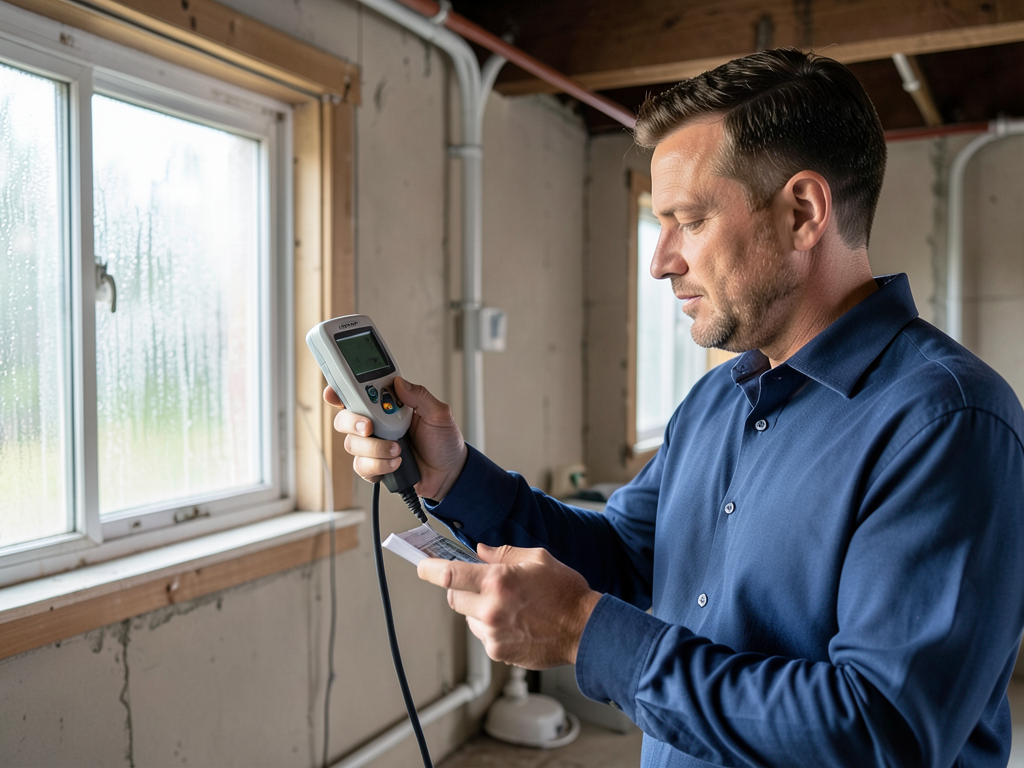
Simple ways to measure the humidity in your Baldwin home without expensive tools High humidity…
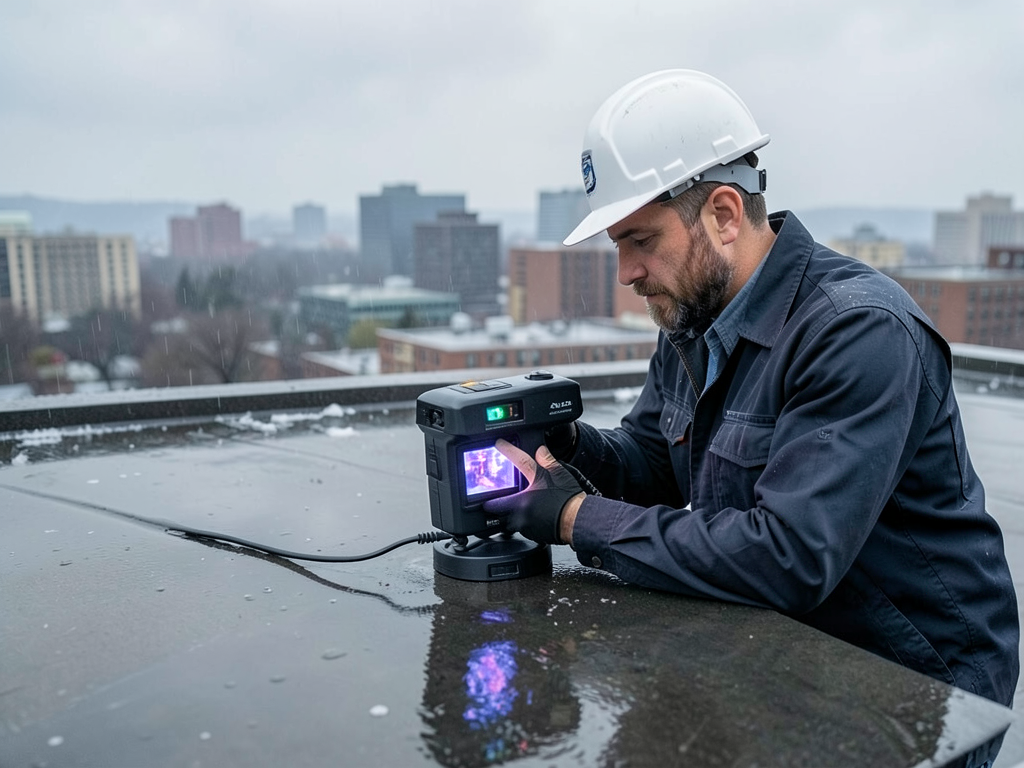
Dealing with water pooling on your South Side flat roof after a heavy storm Water…
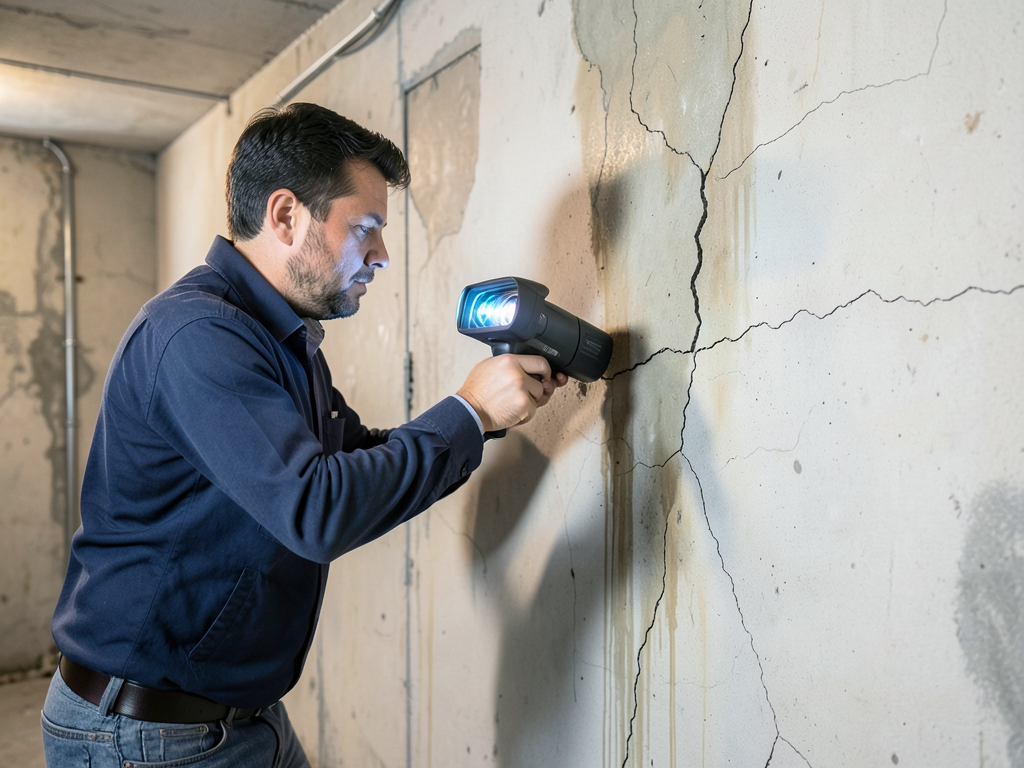
Why the steep hills in Observatory Hill might be cracking your foundation Living on Pittsburgh’s…
Every hour of delay increases total damage and restoration costs. Call Reliance Water Damage Restoration Pittsburgh now at (412) 382-8788. We answer 24/7 and arrive within 60 minutes anywhere in Penn Hills. Stop the damage before it spreads.