




McCandless sits in the glaciated Allegheny Plateau, where clay-heavy soils drain poorly and trap moisture against foundations. When spring thaws hit or summer storms dump two inches in an hour, basements flood fast. The Township's older housing stock in neighborhoods like Peebles and Harts Run features stone foundations built before modern waterproofing standards, making them vulnerable to seepage during freeze-thaw cycles.
Pennsylvania's humid continental climate creates another problem. Summer humidity above 70 percent turns any water intrusion into a mold factory within 48 hours. Homes near Duncan Run or Lowries Run face elevated groundwater during wet seasons, putting constant pressure on basement walls and floor slabs.
The combination of clay soil, aging infrastructure, and high humidity means McCandless water damage requires fast extraction and aggressive drying. Standing water in a basement does not just sit there. It wicks into drywall, soaks into floor joists, and saturates insulation. Without professional water removal and dehumidification within the first 24 hours, you are looking at structural damage and mold remediation on top of the original problem.
Reliance Water Damage Restoration Pittsburgh has served McCandless homeowners and businesses for over 15 years, responding to water emergencies from Ingomar to Duncan Manor. Our technicians live in the North Hills, which means we understand local construction methods, know which neighborhoods flood during heavy rain, and arrive at your property fast because we are already nearby.
We run a 24/7 dispatch center, not an answering service. When you call at 2 AM because a pipe burst in your utility room, you get a technician who is already loading equipment into a truck. Our response vehicles carry truck-mounted extractors that pull 150 gallons per hour, commercial-grade air movers, and low-grain refrigerant dehumidifiers. We do not show up with a shop vac and hope for the best.
Insurance companies know us because we document everything with thermal imaging and moisture meters, providing the detailed reports adjusters need to approve claims quickly. We bill insurance directly in most cases, which means you are not fronting thousands of dollars while waiting for reimbursement. Our estimators are IICRC-certified and speak the language insurance adjusters understand.
We also hold certifications in water damage restoration, applied structural drying, and mold remediation. When a water loss turns into a microbial growth situation, we handle both problems under one roof instead of forcing you to coordinate multiple contractors. From emergency water extraction to final reconstruction, Reliance manages the entire process so you deal with one company, one timeline, and one point of contact.

Our technicians deploy from our North Hills location, reaching McCandless properties in under an hour. Water damage spreads fast, wicking into walls and subfloors with every passing minute. We stop the clock on additional damage by arriving equipped and ready to extract standing water immediately, not hours later when the destruction has doubled.

We work with every major insurance carrier and handle claims documentation from photos to moisture readings. Our estimators prepare detailed Xactimate reports that adjusters approve quickly, and we bill your insurance company directly in most cases. You sign the authorization and we handle the paperwork while you focus on getting your life back to normal.
Every water damage technician on our team holds certification from the Institute of Inspection, Cleaning and Restoration Certification. We follow industry-standard drying protocols, use calibrated moisture detection equipment, and document every step of the mitigation process. This is not guesswork. We apply science-based drying techniques that prevent secondary damage and mold growth.
We have dried out hundreds of McCandless basements and know which neighborhoods sit in flood zones, which streets lose power during storms, and which construction methods require special handling. When you call a national franchise, you get a subcontractor who has never seen your street. When you call Reliance, you get a local team that understands North Hills water problems.
Water damage takes many forms, from catastrophic basement floods to slow leaks that hide inside walls for months. Reliance handles every type of water intrusion with the same urgency and thoroughness, whether we are pumping out three feet of standing water or tracking down a hidden supply line leak. Our service range covers emergency water removal, structural drying, mold remediation, and full reconstruction.
We categorize water damage by contamination level and source. Clean water from a supply line requires different protocols than gray water from an appliance discharge or black water from a sewer backup. Each category demands specific safety procedures, disposal methods, and drying techniques. Our technicians assess the water source on arrival and implement the appropriate remediation protocol immediately.
McCandless properties also face seasonal water challenges that require specialized approaches. Spring flooding demands rapid extraction and dehumidification before mold takes hold. Winter pipe bursts require emergency board-up services to protect exposed areas. Summer humidity means aggressive drying even for small leaks. We adjust our mitigation strategy based on the season, the water source, and the materials affected.
When water floods your basement or main floor, every minute increases the damage. We deploy truck-mounted extractors and submersible pumps to remove standing water immediately, then place commercial air movers and dehumidifiers to dry structural materials before they warp, swell, or develop mold. Our emergency response includes content pack-out if necessary, protecting your belongings while we dry the structure. We work around the clock on active drying jobs because water does not take breaks.
Removing standing water is only the first step. Water soaks into drywall, insulation, hardwood floors, and subfloors, creating hidden moisture pockets that cause rot and mold. We use thermal imaging cameras and moisture meters to map wet areas, then position air movers and dehumidifiers in calculated patterns to create airflow across all affected surfaces. Our technicians monitor moisture levels daily, adjusting equipment placement until every material reads dry on calibrated meters. This prevents callbacks and ensures your insurance claim closes properly.
Sewer backups and toilet overflows introduce harmful bacteria, viruses, and parasites into your home. We treat contaminated water with full personal protective equipment, removing all affected porous materials like carpet and drywall per IICRC S500 standards. Hard surfaces get disinfected with EPA-registered antimicrobial solutions. We set up negative air pressure and HEPA filtration to prevent cross-contamination during cleanup, then dry and sanitize the space completely. Black water cleanup requires specialized training and equipment that most restoration companies lack.
McCandless properties deal with recurring water problems tied to local geography and aging infrastructure. Homes built in the 1960s and 1970s feature galvanized supply lines that corrode from the inside, causing pinhole leaks and sudden ruptures. Basement sump pumps fail during spring storms when they are needed most, allowing groundwater to flood finished lower levels. Clay soil prevents proper drainage around foundations, keeping exterior walls damp and vulnerable to seepage.
The Township's mature tree canopy adds another risk factor. Root intrusion damages sewer laterals, causing backups during heavy rain when the municipal system is already stressed. Downspouts that discharge too close to foundations funnel roof runoff directly against basement walls. Many older homes lack proper grading, directing surface water toward the house instead of away from it. These problems compound during wet seasons, when saturated soil loses its ability to absorb additional moisture.
McCandless basements rely on sump pumps to manage groundwater, especially in low-lying areas near Duncan Run. When pumps fail during spring storms or lose power during outages, water rises fast. A failed sump pump can flood a finished basement with six inches of water in under an hour, destroying carpet, drywall, and stored belongings before you notice the problem.
Pennsylvania winters hit hard, and pipes in exterior walls or unheated crawl spaces freeze when temperatures drop below 20 degrees. Frozen pipes burst when they thaw, releasing hundreds of gallons into walls and ceilings. The damage often goes unnoticed until water stains appear or ceilings start sagging, by which point the destruction has spread throughout multiple rooms.
Slow supply line leaks hide inside walls for months, silently destroying framing and insulation while feeding mold growth. You might notice higher water bills, musty odors, or unexplained soft spots in floors before you discover the source. These hidden leaks cause extensive damage because water spreads along framing members and soaks into adjacent rooms before becoming visible.
Washing machine hoses rupture without warning, releasing 10 gallons per minute onto laundry room floors. Water heaters fail and dump 50 gallons into basements. Dishwasher supply lines crack and flood kitchens overnight. These appliance failures happen suddenly and cause immediate damage to flooring, cabinets, and wall assemblies. The water spreads fast because appliances sit on main floors where gravity pulls water into lower levels.
The moment you discover water damage, your priority is stopping the destruction and protecting your property. When you call Reliance Water Damage Restoration Pittsburgh, you get a trained dispatcher who asks specific questions about the water source, the amount of standing water, and which areas are affected. This information helps us load the right equipment and prepare for the specific conditions we will face.
We do not make you wait for business hours or schedule an appointment for next week. Water damage requires immediate response, which is why we operate 24 hours a day, 365 days a year. Our dispatch system tracks available crews in real time and sends the closest team to your McCandless property within 60 minutes. The technicians arrive in marked vehicles with all necessary equipment already loaded, from extraction tools to moisture detection devices.
You will work with the same project manager from first contact through final reconstruction. This person becomes your single point of contact for questions about the drying process, insurance documentation, and repair timelines. They explain each step of the mitigation process in plain language and keep you informed as conditions change. Our goal is to remove uncertainty from an already stressful situation by communicating clearly and delivering on every commitment we make.
Our technicians arrive equipped with protective gear, extraction equipment, and moisture detection tools. We locate the water source first and stop the flow if possible, whether that means shutting off a supply valve or coordinating with a plumber for emergency repairs. We then assess the extent of damage using thermal imaging cameras that reveal hidden moisture in walls and ceilings. You receive a verbal explanation of what we found, what needs to happen next, and what the timeline looks like. We start water extraction immediately while completing documentation for your insurance claim.
Structural drying takes three to five days depending on materials affected and environmental conditions. Our technicians visit your property daily to take moisture readings, adjust equipment placement, and monitor drying progress. You receive updates each day explaining what changed, what we adjusted, and when we expect to reach dry standards. We use calibrated moisture meters that provide objective data, not guesses. When materials reach acceptable moisture levels, we document final readings and remove all drying equipment. You see the data that proves the job is complete.
After drying and remediation, damaged materials need replacement. Reliance handles reconstruction in-house, from replacing drywall and insulation to reinstalling flooring and trim. You do not coordinate multiple contractors or manage separate timelines. Our reconstruction crews work directly with the mitigation team, ensuring repairs match the scope of damage documented in your insurance claim. We return your property to pre-loss condition or better, handling permits, inspections, and final walk-throughs so you sign off on a completed project.
Water damage restoration follows a proven sequence that stops ongoing damage, removes moisture completely, and restores your property to pre-loss condition. We do not skip steps or rush the process. Each phase builds on the previous one to ensure thorough mitigation and prevent future problems like mold growth or structural failure.
We remove standing water using truck-mounted extractors and submersible pumps, pulling hundreds of gallons per hour from affected areas. Our technicians extract water from carpets using weighted wands that force water from padding and subfloors. We remove soaked materials like carpet padding and wet insulation that cannot be dried effectively. This phase happens immediately upon arrival and continues until all extractable water is removed. The faster we extract, the less damage occurs to structural materials.
After extraction, hidden moisture remains in walls, floors, and framing. We place commercial air movers in calculated patterns to create airflow across all wet surfaces, evaporating trapped moisture into the air. Low-grain refrigerant dehumidifiers remove this moisture from the air, maintaining optimal vapor pressure gradients that accelerate drying. We monitor moisture levels in wood framing, drywall, and concrete using penetrating and non-invasive meters, adjusting equipment daily until all materials reach dry standards per IICRC S500 guidelines.
Once drying is complete and documented, we rebuild damaged areas using materials that match or exceed original quality. This includes replacing drywall, insulation, flooring, trim, and paint. Our reconstruction crews handle everything from minor repairs to complete room rebuilds, working from the insurance scope to ensure all covered damage gets repaired. We schedule final inspections, obtain necessary permits, and coordinate with your insurance adjuster for claim closure.
Water damage restoration is not just about removing visible water. Professional mitigation requires understanding psychrometrics, material porosity, and the relationship between temperature, humidity, and evaporation rates. The Institute of Inspection, Cleaning and Restoration Certification publishes the ANSI/IICRC S500 Standard for Professional Water Damage Restoration, which establishes science-based protocols for drying structures and contents.
Successful drying depends on creating and maintaining proper vapor pressure differentials. When air moving across a wet surface has lower relative humidity than the moisture content of that material, water evaporates into the air. Dehumidifiers remove this moisture from the air, maintaining low humidity levels that sustain evaporation. The relationship between temperature and humidity is critical. Warmer air holds more moisture, which is why we sometimes heat affected areas to accelerate drying.
Different materials dry at different rates and require different approaches. Hardwood flooring must dry slowly to prevent cupping and cracking. Drywall wicks water vertically, requiring air movement up wall surfaces. Concrete holds moisture in deep pores that take weeks to dry without proper equipment. We adjust our drying strategy based on the specific materials affected, using thermal imaging to track moisture migration and moisture meters to verify dryness.
Pennsylvania's building codes require proper ventilation and moisture control in occupied structures. When water damage compromises insulation or vapor barriers, we follow code requirements for replacement and reassembly. This is especially important in McCandless homes built before modern moisture management standards, where improper repairs can create condensation problems and mold growth even after the original water damage is resolved.
Restoration costs depend on water category, affected square footage, and materials impacted. Category 1 clean water costs less to mitigate than Category 3 sewage because contaminated water requires disposal of porous materials and antimicrobial treatment. Hardwood floor drying costs more than carpet drying because wood requires specialized mat systems and extended timelines. Emergency response fees apply for after-hours calls. Most costs are covered by insurance when you file a claim promptly.
Structural drying takes three to five days for most residential water losses affecting drywall and framing. Hardwood floors require five to seven days minimum. Concrete foundations can take two to three weeks to dry completely. These timelines assume proper equipment placement and environmental controls. We cannot guarantee exact timelines because variables like outdoor humidity, material density, and hidden moisture pockets affect drying rates. We can guarantee we will monitor daily and adjust our approach until materials reach proven dry standards.
Pennsylvania does not regulate mold remediation at the state level, but insurance companies require documentation when mold is discovered. We follow IICRC S520 Mold Remediation Standards, which establish containment, removal, and disposal protocols. When water damage leads to mold growth, we document the affected area, set up containment barriers, remove contaminated materials, and clean surfaces with HEPA filtration and antimicrobial treatments. Sellers must disclose known mold problems, making proper remediation essential for property value.
Professional water damage restoration process demonstrated for McCandless, Pennsylvania properties. Video covers emergency water extraction techniques, structural drying protocols, insurance documentation procedures, and complete restoration services. Viewers learn what to expect during the first 60 minutes of emergency response, how IICRC-certified technicians assess water damage, and why McCandless homes face unique water damage risks from clay soil, aging infrastructure, and seasonal weather patterns. Includes information on basement flood response, burst pipe mitigation, sewage cleanup, and reconstruction timelines.
Reliance Water Damage Restoration Pittsburgh serves the entire McCandless footprint, from the residential neighborhoods of Peebles and Harts Run to the commercial corridors along McKnight Road and Duncan Avenue. Our technicians know the North Hills terrain and understand how water moves through properties in different parts of the Township. Homes in the eastern sections near Duncan Manor often deal with basement seepage during spring runoff because the terrain slopes toward Duncan Run, while properties in Ingomar and the western sections face different challenges related to older sewer laterals and mature tree root intrusion.
The neighborhoods surrounding Wexford Run see elevated groundwater during prolonged rain events, putting pressure on foundation drainage systems and sump pumps. We have responded to dozens of basement floods in this area and know which streets are most vulnerable when storms hit hard. Properties in the Arcadia Drive and Glencairn Drive areas feature split-level construction common to 1960s development, where water from upper-level leaks flows down interior stairwells and damages multiple floors before homeowners discover the source.
Commercial properties along the McKnight Road commercial district face unique water damage risks from flat roof failures and HVAC condensate line problems. We work with property managers and business owners throughout McCandless to handle water emergencies that threaten inventory, equipment, and business operations. Our response protocol for commercial losses prioritizes business continuity, getting you operational again while we handle the detailed work of drying structures and filing insurance claims.
McCandless borders Hampton Township, Ross Township, and the city of Pittsburgh's North Side, which means we are already serving properties within minutes of your location regardless of which section of the Township you call home. The neighborhoods around Duncan and Lowries Runs require special attention to foundation waterproofing and drainage because proximity to these waterways raises flood risk during heavy precipitation. Our familiarity with local geography and construction methods means we arrive prepared for the specific challenges your property faces, whether that is clay soil drainage problems, aging galvanized plumbing, or roof drainage issues common to multi-level homes built on hillside lots.
Yes. Water damage spreads fast and destroys structural materials, insulation, and finishes. In McCandless, high humidity levels accelerate deterioration and create conditions for mold growth within 24 to 48 hours. Professional restoration prevents secondary damage that costs significantly more to fix later. Technicians extract water, dry hidden moisture in walls and subfloors, and document the process for insurance claims. Ignoring water damage leads to rot, electrical hazards, and health risks. The investment protects your property value and prevents expensive structural repairs down the road.
Costs vary based on damage severity, water category, and affected square footage. Minor leaks affecting one room start lower, while major flooding or sewage backups requiring demolition cost more. McCandless homes with finished basements or older plumbing systems face higher risks. Factors include water extraction time, drying equipment rental, antimicrobial treatments, and reconstruction needs. Insurance typically covers sudden incidents like burst pipes, reducing your out-of-pocket expense. Get a detailed estimate after inspection. Most reputable companies work directly with your insurer to streamline the claims process and minimize your financial burden.
Most projects take three to seven days for drying and initial restoration. Simple water extraction and drying finish faster. Extensive flooding, sewage contamination, or structural damage requiring demolition extends timelines to two weeks or longer. McCandless homes with crawl spaces or poor ventilation need additional drying time due to humidity retention. Technicians monitor moisture levels daily using meters to ensure complete drying before reconstruction begins. Mold remediation adds time. Fast response reduces overall project length. Emergency crews arrive within hours to start extraction, which shortens the total restoration timeline significantly.
Yes. Water damage spreads fast and destroys structural materials, insulation, and finishes. In McCandless, high humidity levels accelerate deterioration and create conditions for mold growth within 24 to 48 hours. Professional restoration prevents secondary damage that costs significantly more to fix later. Technicians extract water, dry hidden moisture in walls and subfloors, and document the process for insurance claims. Ignoring water damage leads to rot, electrical hazards, and health risks. The investment protects your property value and prevents expensive structural repairs down the road.
Costs vary based on damage severity, water category, and affected square footage. Minor leaks affecting one room start lower, while major flooding or sewage backups requiring demolition cost more. McCandless homes with finished basements or older plumbing systems face higher risks. Factors include water extraction time, drying equipment rental, antimicrobial treatments, and reconstruction needs. Insurance typically covers sudden incidents like burst pipes, reducing your out-of-pocket expense. Get a detailed estimate after inspection. Most reputable companies work directly with your insurer to streamline the claims process and minimize your financial burden.
Most projects take three to seven days for drying and initial restoration. Simple water extraction and drying finish faster. Extensive flooding, sewage contamination, or structural damage requiring demolition extends timelines to two weeks or longer. McCandless homes with crawl spaces or poor ventilation need additional drying time due to humidity retention. Technicians monitor moisture levels daily using meters to ensure complete drying before reconstruction begins. Mold remediation adds time. Fast response reduces overall project length. Emergency crews arrive within hours to start extraction, which shortens the total restoration timeline significantly.
Complete restoration includes emergency water extraction, moisture detection using thermal imaging, structural drying with industrial dehumidifiers and air movers, antimicrobial treatments, odor removal, content cleaning, and reconstruction. Technicians inspect hidden areas like wall cavities and subfloors where moisture hides. They document moisture readings and photograph damage for insurance purposes. In McCandless properties, basement waterproofing recommendations often follow basement floods. Services also include mold prevention treatments, HVAC system cleaning if contaminated, and replacing damaged drywall, flooring, and insulation. The goal is returning your property to pre-loss condition while preventing future microbial growth.
Most homeowner policies cover sudden and accidental water damage like burst pipes, appliance malfunctions, or roof leaks from storm damage. Insurance typically excludes gradual damage from poor maintenance, flooding from external sources, or sewer backups unless you have specific endorsements. McCandless residents near creeks should verify flood insurance coverage separately. File claims immediately and document everything with photos. Professional restoration companies work directly with adjusters, provide detailed estimates, and handle paperwork. Quick action improves claim approval rates. Review your policy to understand coverage limits, deductibles, and exclusions before disaster strikes.
Not if handled properly. Buyers care about disclosure and documentation. If you hired licensed professionals who followed protocols, kept detailed records, and cleared air quality tests, you demonstrate responsible ownership. McCandless home inspections will reveal past issues, so honesty matters. Provide remediation certificates, moisture reports, and warranty documents. Problems arise when homeowners hide past mold or use incomplete DIY fixes. Professional remediation actually protects value by eliminating health hazards and preventing recurrence. Proper documentation turns a negative into proof of diligent property maintenance, which reassures buyers and appraisers during the sale process.
Yes, for covered perils. Policies pay for sudden internal water damage like broken pipes, water heater failures, or washing machine hoses that burst. They exclude gradual leaks, maintenance issues, or external flooding. McCandless homeowners need separate flood policies for creek overflow or heavy rain infiltration. Sewer backup coverage requires an endorsement. File claims within policy deadlines and document damage immediately with photos and videos. Insurers send adjusters to assess losses. Working with restoration professionals who understand insurance protocols improves payout amounts. They provide detailed scopes, moisture maps, and industry-standard estimates that adjusters recognize and approve.
Water affects multiple building systems simultaneously. Extraction requires industrial pumps and truck-mounted vacuums. Drying demands commercial dehumidifiers and air movers running continuously for days. Technicians monitor moisture in walls, subfloors, and cavities using expensive thermal cameras and meters. In McCandless, humidity complicates drying, extending equipment rental time. Labor costs add up with 24-hour emergency response and skilled technicians. Antimicrobial treatments, disposal of contaminated materials, and reconstruction multiply expenses. Hidden damage behind walls requires demolition to access. Sewage contamination demands hazmat protocols. Speed prevents worse damage, but professional equipment and expertise cost money upfront.
Yes. Professional technicians repair water damage in homes daily. Success depends on response speed and damage severity. Surface water on floors gets extracted and dried quickly. Structural damage to framing, insulation, or subflooring requires demolition and replacement. McCandless homes with finished basements need careful attention to prevent mold in wall cavities. Technicians remove damaged materials, dry structural components thoroughly, treat for microbial growth, and rebuild. Even significant flooding gets restored when addressed properly. The key is calling professionals immediately. Waiting allows moisture to penetrate deeper, causing rot and mold that complicate repairs and increase costs dramatically.
Extremely likely without professional intervention. Mold spores exist everywhere and need only moisture and organic material to colonize. Growth starts within 24 to 48 hours in damp conditions. McCandless humidity accelerates this timeline, especially in basements and crawl spaces with poor airflow. Hidden moisture inside walls, under flooring, or in insulation creates ideal breeding grounds. Professional restoration includes moisture detection in concealed areas and antimicrobial treatments that DIY methods miss. Visible drying does not mean structural materials are dry. Industrial equipment and monitoring prevent mold by eliminating moisture completely before reconstruction begins.
Complete restoration includes emergency water extraction, moisture detection using thermal imaging, structural drying with industrial dehumidifiers and air movers, antimicrobial treatments, odor removal, content cleaning, and reconstruction. Technicians inspect hidden areas like wall cavities and subfloors where moisture hides. They document moisture readings and photograph damage for insurance purposes. In McCandless properties, basement waterproofing recommendations often follow basement floods. Services also include mold prevention treatments, HVAC system cleaning if contaminated, and replacing damaged drywall, flooring, and insulation. The goal is returning your property to pre-loss condition while preventing future microbial growth.
Most homeowner policies cover sudden and accidental water damage like burst pipes, appliance malfunctions, or roof leaks from storm damage. Insurance typically excludes gradual damage from poor maintenance, flooding from external sources, or sewer backups unless you have specific endorsements. McCandless residents near creeks should verify flood insurance coverage separately. File claims immediately and document everything with photos. Professional restoration companies work directly with adjusters, provide detailed estimates, and handle paperwork. Quick action improves claim approval rates. Review your policy to understand coverage limits, deductibles, and exclusions before disaster strikes.
Not if handled properly. Buyers care about disclosure and documentation. If you hired licensed professionals who followed protocols, kept detailed records, and cleared air quality tests, you demonstrate responsible ownership. McCandless home inspections will reveal past issues, so honesty matters. Provide remediation certificates, moisture reports, and warranty documents. Problems arise when homeowners hide past mold or use incomplete DIY fixes. Professional remediation actually protects value by eliminating health hazards and preventing recurrence. Proper documentation turns a negative into proof of diligent property maintenance, which reassures buyers and appraisers during the sale process.
Yes, for covered perils. Policies pay for sudden internal water damage like broken pipes, water heater failures, or washing machine hoses that burst. They exclude gradual leaks, maintenance issues, or external flooding. McCandless homeowners need separate flood policies for creek overflow or heavy rain infiltration. Sewer backup coverage requires an endorsement. File claims within policy deadlines and document damage immediately with photos and videos. Insurers send adjusters to assess losses. Working with restoration professionals who understand insurance protocols improves payout amounts. They provide detailed scopes, moisture maps, and industry-standard estimates that adjusters recognize and approve.
Water affects multiple building systems simultaneously. Extraction requires industrial pumps and truck-mounted vacuums. Drying demands commercial dehumidifiers and air movers running continuously for days. Technicians monitor moisture in walls, subfloors, and cavities using expensive thermal cameras and meters. In McCandless, humidity complicates drying, extending equipment rental time. Labor costs add up with 24-hour emergency response and skilled technicians. Antimicrobial treatments, disposal of contaminated materials, and reconstruction multiply expenses. Hidden damage behind walls requires demolition to access. Sewage contamination demands hazmat protocols. Speed prevents worse damage, but professional equipment and expertise cost money upfront.
Yes. Professional technicians repair water damage in homes daily. Success depends on response speed and damage severity. Surface water on floors gets extracted and dried quickly. Structural damage to framing, insulation, or subflooring requires demolition and replacement. McCandless homes with finished basements need careful attention to prevent mold in wall cavities. Technicians remove damaged materials, dry structural components thoroughly, treat for microbial growth, and rebuild. Even significant flooding gets restored when addressed properly. The key is calling professionals immediately. Waiting allows moisture to penetrate deeper, causing rot and mold that complicate repairs and increase costs dramatically.
Extremely likely without professional intervention. Mold spores exist everywhere and need only moisture and organic material to colonize. Growth starts within 24 to 48 hours in damp conditions. McCandless humidity accelerates this timeline, especially in basements and crawl spaces with poor airflow. Hidden moisture inside walls, under flooring, or in insulation creates ideal breeding grounds. Professional restoration includes moisture detection in concealed areas and antimicrobial treatments that DIY methods miss. Visible drying does not mean structural materials are dry. Industrial equipment and monitoring prevent mold by eliminating moisture completely before reconstruction begins.
While we provide rapid mobile service directly to your location, you can also find our physical business location on the map below. This map highlights our primary service area and shows our commitment to serving the Pittsburgh community. We are always ready to dispatch our expert team to your home or business, no matter where you are in our service region. Feel free to use the interactive map to get directions or to visualize our proximity to you.
Address:
McCandless, PA, 15090

Why Sharpsburg street flooding often leads to sewer backups in your home\n\nWhen heavy rain hits Sharpsburg the streets can fill with water faster than the drainage system can handle. That standing water is more than…
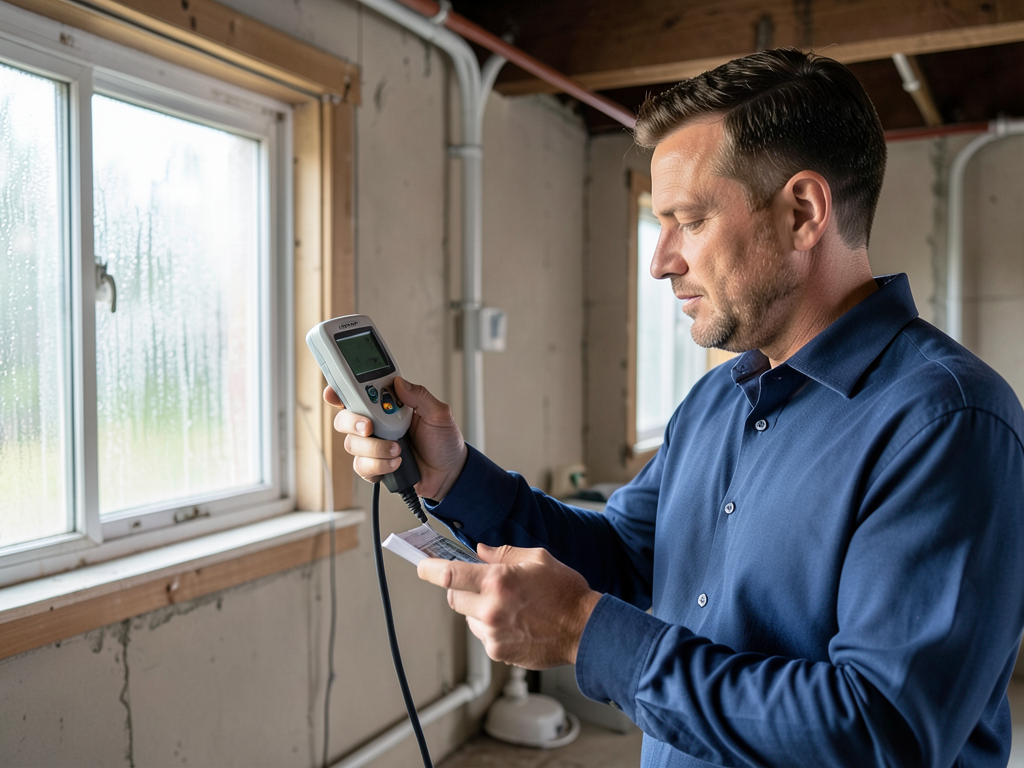
Simple ways to measure the humidity in your Baldwin home without expensive tools High humidity…
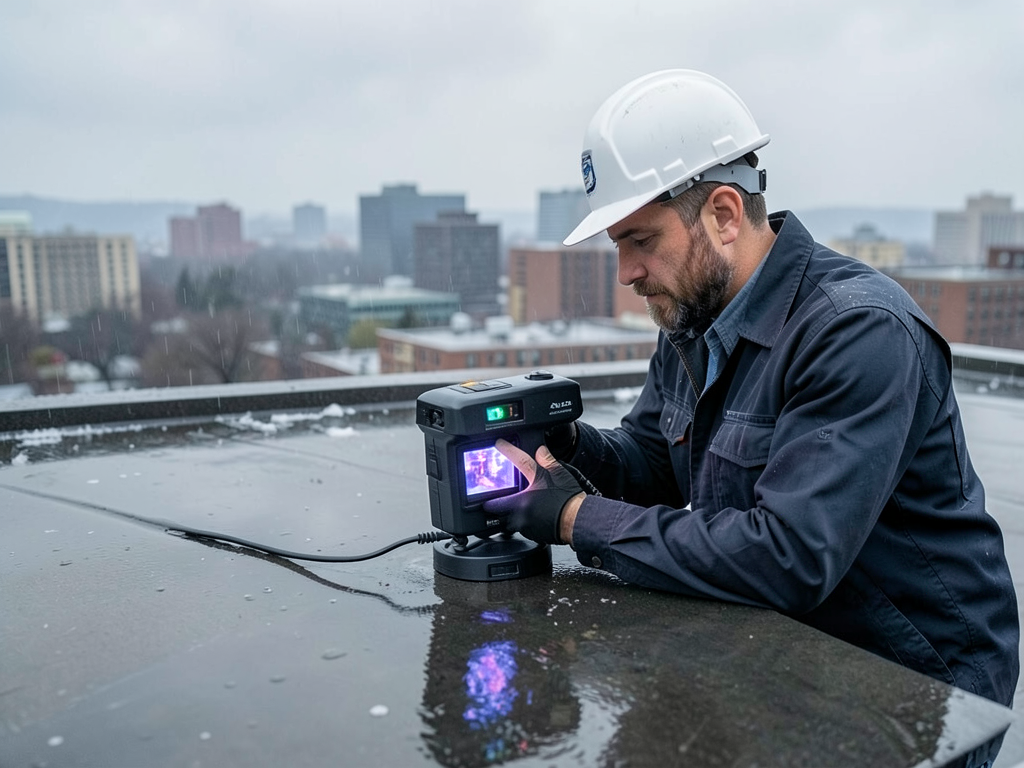
Dealing with water pooling on your South Side flat roof after a heavy storm Water…
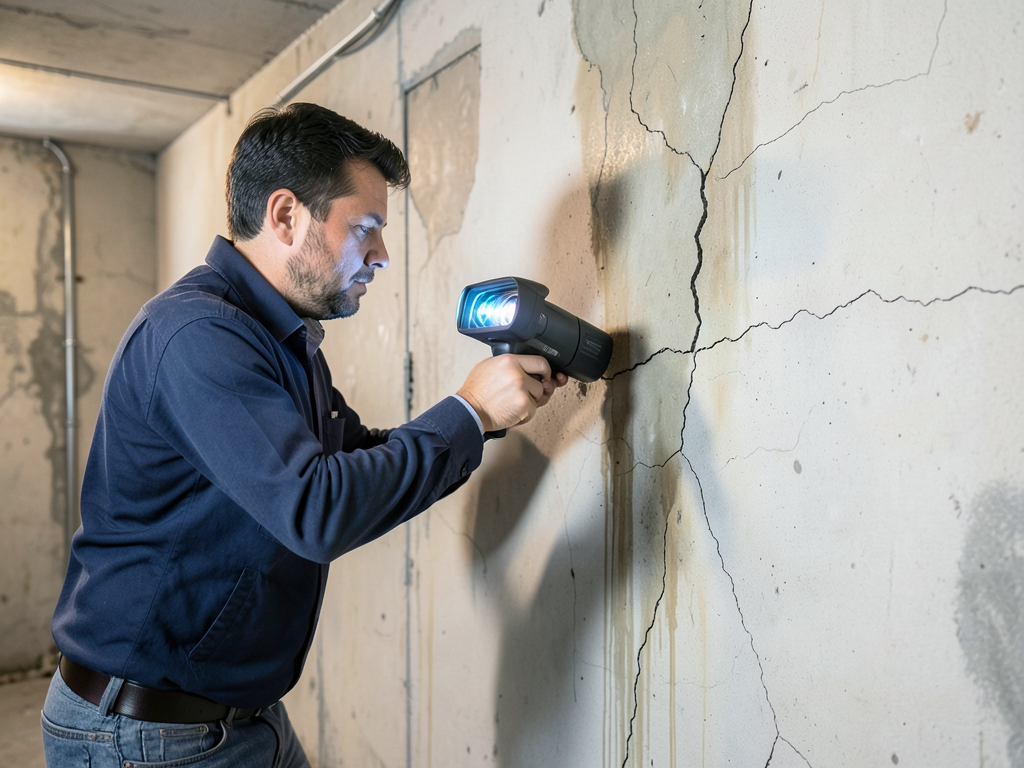
Why the steep hills in Observatory Hill might be cracking your foundation Living on Pittsburgh’s…
Water damage gets worse with every hour you wait. Call Reliance Water Damage Restoration Pittsburgh right now at (412) 382-8788 for immediate emergency response in McCandless. Our technicians deploy within 60 minutes with truck-mounted extraction equipment and start removing water from your property immediately. Available 24/7 for all water emergencies.