Professional Mold Remediation for Historic Homes in Shadyside
Mold thrives in Shadyside’s century-old homes where original plaster walls and wooden framing create perfect conditions for moisture retention. The combination of Victorian-era construction, Pittsburgh’s humid climate, and aging plumbing systems makes historic properties particularly vulnerable to mold growth behind walls, under floorboards, and in basement crawl spaces.
Homeowners in the 15232 and 15206 zip codes face unique challenges when addressing mold problems. Traditional remediation methods often damage irreplaceable architectural details like crown molding, hardwood floors, and original windows. Professional mold remediation for historic homes requires specialized containment procedures, EPA-approved antimicrobial treatments, and careful documentation to preserve both property value and occupant health. EPA Mold Resources.
Reliance Water Damage Restoration Pittsburgh brings 15+ years of experience handling mold issues in Shadyside’s architectural treasures. Our certified technicians understand the delicate balance between thorough remediation and preservation of historic character. We work directly with homeowners to develop customized solutions that address the root cause while protecting irreplaceable features.
Our Comprehensive Mold Removal Process for Pittsburgh Homeowners
Professional mold remediation follows a systematic approach that begins with containment and ends with prevention. Each step requires specific equipment and expertise to ensure complete removal without spreading spores throughout the home.
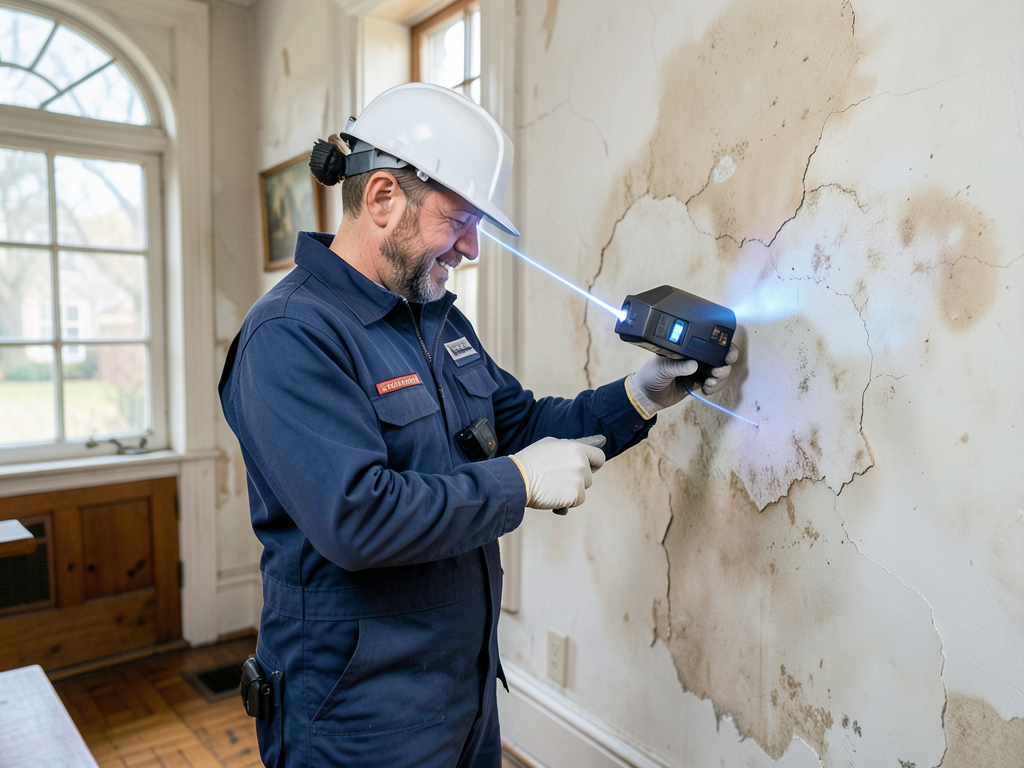
Initial assessment involves moisture mapping using thermal imaging cameras to detect hidden water sources behind plaster walls. Many Shadyside homes have original copper plumbing that corrodes over time, creating slow leaks that feed mold growth for months before detection.
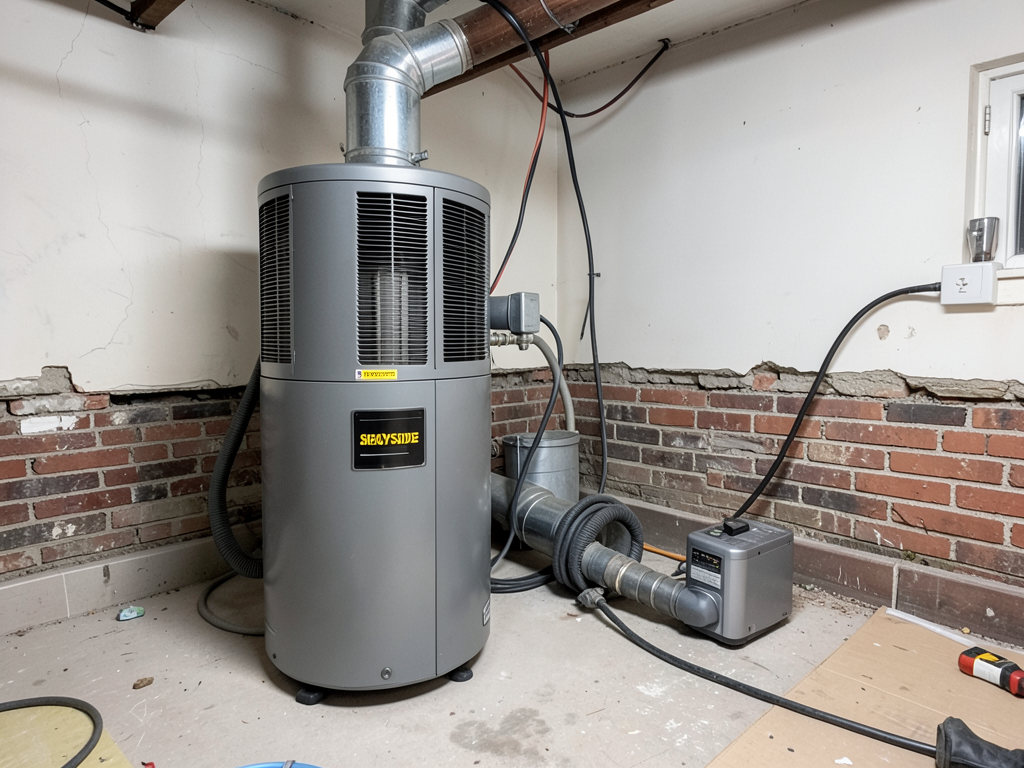
Containment setup uses negative air pressure chambers to isolate affected areas. HEPA-filtered air scrubbers run continuously to capture airborne spores, preventing cross-contamination to other rooms. This is critical in historic homes where open floor plans and original woodwork make complete isolation challenging.
Material removal follows strict protocols based on the extent of contamination. Non-porous surfaces receive antimicrobial treatments, while porous materials like original plaster may require careful removal and replacement with historically appropriate materials.
Post-remediation verification includes air quality testing to confirm spore counts return to normal levels. We provide documentation for insurance claims and future property sales, which is essential for maintaining value in Shadyside’s competitive real estate market.
Professional remediation protects both health and investment. Black mold exposure can cause respiratory issues, while untreated moisture problems lead to structural damage that compromises historic integrity. Early intervention prevents costly repairs and preserves the architectural character that makes Shadyside homes so valuable.
Why Shadyside Properties Are Susceptible to Mold Growth
Shadyside’s historic homes face unique environmental challenges that create perfect conditions for mold development. The neighborhood’s tree-lined streets and mature landscaping contribute to higher humidity levels, while the area’s clay-heavy soil creates drainage problems that affect basement foundations.
Many Victorian homes in Shadyside were built with balloon-frame construction, which creates continuous cavities from basement to attic. This design allows moisture and mold spores to travel freely throughout the structure. Original brick foundations, while beautiful, often lack modern waterproofing and develop cracks that allow groundwater infiltration.
Pennsylvania’s freeze-thaw cycles cause expansion and contraction in aging materials. Each winter, small cracks in foundations and mortar joints widen, allowing more moisture penetration. When spring rains arrive, these vulnerabilities become entry points for water that feeds mold colonies.
Local building codes in Allegheny County require specific moisture control measures for historic properties, but many older homes were constructed before these standards existed. The Pennsylvania Uniform Construction Code (UCC) Section 403.1 now mandates proper vapor barriers and drainage systems, but retrofitting these features into century-old structures requires specialized knowledge.
Shadyside’s proximity to the Allegheny River affects local humidity levels. The river creates a microclimate that keeps air moisture content higher than surrounding areas, particularly during summer months. This elevated humidity accelerates mold growth on organic materials like wood framing and plaster.
Modern lifestyle changes also contribute to mold problems. Older homes weren’t designed for today’s high-moisture activities like frequent showers, laundry, and cooking. Combined with inadequate ventilation systems, these factors create condensation that promotes mold growth in wall cavities and attic spaces.
Certified Mold Inspection & Testing Services
Professional mold inspection goes beyond visual assessment. Our certified inspectors use advanced diagnostic tools to identify hidden moisture sources and determine the extent of contamination. This comprehensive approach ensures effective remediation and prevents recurring problems.
Moisture detection involves multiple testing methods. Pin-type moisture meters measure water content in wood framing and drywall. Non-invasive scanning detects moisture behind walls without causing damage to historic finishes. Thermal imaging reveals temperature variations that indicate water intrusion.
Air quality testing samples both indoor and outdoor air to establish baseline spore counts. This comparison helps determine if elevated indoor levels indicate active mold growth. We use spore trap sampling and culture analysis to identify specific mold species, including toxic varieties like Stachybotrys chartarum.
Surface sampling tests visible growth to confirm mold presence and identify species. Tape lift samples collect spores from affected surfaces. Bulk sampling removes small pieces of material for laboratory analysis when visual inspection is inconclusive.
Pennsylvania law requires specific protocols for mold assessment in residential properties. The Pennsylvania Department of Environmental Protection (DEP) guidelines mandate that inspectors be certified through organizations like the American Council for Accredited Certification (ACAC) or the Indoor Air Quality Association (IAQA).
Report generation includes detailed findings with photographic evidence, moisture mapping diagrams, and remediation recommendations. We provide homeowners with clear documentation that explains the problem, proposed solutions, and estimated costs. This transparency helps property owners make informed decisions about remediation options.
Follow-up testing verifies remediation effectiveness. Post-treatment air quality testing confirms that spore counts return to normal levels. This documentation is valuable for insurance claims and future property transactions in Shadyside’s historic district.
Restoration vs. Remediation: What Shadyside Residents Need to Know
Understanding the difference between mold restoration and remediation helps homeowners make informed decisions about property care. Remediation focuses on removing existing mold and addressing moisture sources, while restoration involves repairing damage and returning the property to its original condition.
Mold remediation targets the source of contamination. This process eliminates active mold colonies and prevents future growth by addressing moisture problems. Remediation is essential for health and safety but doesn’t necessarily restore the property’s original appearance or function.
Restoration goes further by repairing damage caused by mold growth. This may involve replacing damaged plaster, refinishing hardwood floors, or rebuilding sections of walls. For historic homes, restoration requires matching original materials and techniques to maintain architectural integrity.
The Pennsylvania Historical and Museum Commission (PHMC) provides guidelines for restoration work in historic districts. These guidelines emphasize preserving original materials whenever possible and using historically appropriate replacement materials when necessary.
Cost considerations differ significantly between remediation and restoration. Basic remediation typically costs $500-$4,000 depending on the extent of contamination. Complete restoration can range from $5,000 to $50,000 or more for extensive damage in historic properties.
Insurance coverage varies between services. Most homeowner policies cover sudden water damage that leads to mold growth. However, coverage for mold resulting from long-term moisture problems or maintenance issues is often limited or excluded. The Pennsylvania Insurance Department provides consumer guides explaining mold coverage limitations.
Timeframes also differ significantly. Basic remediation typically requires 1-3 days. Complete restoration may take weeks or months, especially when custom materials or specialized craftsmanship is needed for historic properties.
Documentation requirements vary by project type. Remediation requires proof of proper containment and disposal procedures. Restoration often needs permits from the City of Pittsburgh Historic Review Commission, especially for visible exterior work or significant interior alterations.
Choosing between remediation and restoration depends on several factors: the extent of damage, the property’s historic significance, budget constraints, and future plans for the property. Many Shadyside homeowners opt for comprehensive restoration to protect their investment and preserve neighborhood character.
Frequently Asked Questions About Mold in Allegheny County
How quickly does mold grow after water damage?
Mold can begin growing within 24-48 hours after water exposure. In Shadyside’s humid climate, this timeframe shortens significantly. Early intervention is critical to prevent extensive contamination and structural damage.
Can I stay in my home during mold remediation?
Occupant safety depends on the extent of contamination and the areas affected. For minor issues, residents can often remain in unaffected portions of the home. Extensive contamination requires temporary relocation to prevent exposure to mold spores and remediation chemicals.
Will mold remediation affect my home’s value?
Professional remediation typically maintains or improves property value by addressing health hazards and preventing structural damage. Documentation of proper remediation can actually enhance value, especially for historic properties where preservation is prioritized.
How do I know if mold is toxic?
Visual identification of mold species is unreliable. Laboratory testing is required to determine if toxic varieties like Stachybotrys chartarum are present. Professional inspection includes species identification and health risk assessment based on contamination levels.
Does homeowners insurance cover mold remediation?
Coverage depends on the cause of mold growth. Sudden, accidental water damage is typically covered. Mold resulting from maintenance issues, long-term leaks, or flooding often requires separate coverage. Review your policy or consult with your insurance agent for specific coverage details.
How long does professional mold remediation take?
Basic remediation typically requires 1-3 days. Complex cases involving extensive contamination or historic preservation work may take longer. The timeline depends on the extent of growth, accessibility of affected areas, and required documentation for historic properties.
What causes mold to return after remediation?
Mold returns when underlying moisture problems persist. Common causes include unresolved plumbing leaks, inadequate ventilation, foundation cracks, or high indoor humidity. Professional remediation includes moisture source identification and prevention recommendations to avoid recurrence.
Are there special considerations for historic homes?
Historic properties require specialized approaches to protect architectural integrity. This includes using EPA-approved treatments safe for original materials, preserving decorative elements, and obtaining necessary permits from historic preservation authorities. Experience with historic properties is essential for proper remediation.
How much does professional mold remediation cost?
Costs vary based on contamination extent, affected area size, and required treatments. Basic services start around $500, while extensive remediation in historic homes can exceed $10,000. Professional inspection provides accurate cost estimates based on specific property conditions.
What health problems can mold cause?
Mold exposure can cause respiratory issues, allergic reactions, skin irritation, and other health problems. Vulnerable individuals including children, elderly, and those with respiratory conditions face higher risks. Professional remediation eliminates these health hazards and improves indoor air quality.
How can I prevent mold growth in my historic home?
Prevention involves controlling moisture through proper ventilation, maintaining drainage systems, addressing plumbing leaks promptly, and monitoring indoor humidity levels. Regular inspections help identify potential problems before they develop into major issues requiring professional remediation.
Should I test for mold if I don’t see visible growth?
Hidden mold often causes musty odors, allergy symptoms, or unexplained health issues. Professional testing can detect mold behind walls, under floors, or in other concealed areas. Early detection prevents extensive damage and reduces remediation costs.
Protect Your Shadyside Home Today
Mold problems in historic homes require immediate attention to prevent structural damage and health risks. The longer contamination persists, the more extensive and expensive remediation becomes. Professional assessment identifies problems early when solutions are most cost-effective.
Reliance Water Damage Restoration Pittsburgh provides 24/7 emergency response for mold emergencies in Shadyside and surrounding areas. Our certified technicians arrive promptly with advanced equipment to contain contamination and begin remediation immediately.
We understand the unique challenges of historic property remediation. Our team works carefully to preserve architectural details while eliminating health hazards. We coordinate directly with insurance companies to streamline claims processing and minimize homeowner stress during emergencies.
Don’t wait for minor mold issues to become major problems. Call (412) 382-8788 today to schedule your professional inspection. Early intervention saves money and protects your home’s historic character.
Pick up the phone and call (412) 382-8788 before the next storm hits. Pittsburgh’s weather patterns make mold growth inevitable without proper moisture control. Professional remediation provides peace of mind and protects your investment in Shadyside’s historic real estate market.
Visit our Large Scale Water Extraction page to learn about our comprehensive water damage services that prevent mold growth before it starts.
Check our Does Insurance Cover Mold? guide for information about coverage options and claims assistance.
Learn about Black Mold Symptoms to understand health risks and warning signs that require immediate professional attention. For more information, visit IICRC Certification Standards.
{
“@context”: “https://schema.org”,
“@type”: “BlogPosting”,
“headline”: “Professional mold remediation for historic homes in Shadyside”,
“description”: “Expert mold removal for Shadyside’s historic homes. Certified technicians handle Victorian-era properties with specialized containment and EPA-approved treatments. Call (412) 382-8788.”,
“wordCount”: 2041,
“datePublished”: “2026-02-13T08:37:00.000Z”,
“dateModified”: “2026-02-13T08:37:00.000Z”,
“inLanguage”: “en-US”,
“mainEntityOfPage”: {
“@type”: “WebPage”,
“@id”: “https://reliancewaterdamagerestorationpittsburgh.com”
},
“publisher”: {
“@type”: “LocalBusiness”,
“name”: “Reliance Water Damage Restoration Pittsburgh”,
“url”: “https://reliancewaterdamagerestorationpittsburgh.com”
},
“author”: {
“@type”: “Organization”,
“name”: “Reliance Water Damage Restoration Pittsburgh”,
“url”: “https://reliancewaterdamagerestorationpittsburgh.com”
},
“image”: {
“@type”: “ImageObject”,
“url”: “https://reliancewaterdamagerestorationpittsburgh.com/wp-content/uploads/2026/03/professional-mold-remediation-for-historic-homes-i-1.png”
}
}
{
“@context”: “https://schema.org”,
“@type”: “LocalBusiness”,
“name”: “Reliance Water Damage Restoration Pittsburgh”,
“url”: “https://reliancewaterdamagerestorationpittsburgh.com”,
“address”: {
“@type”: “PostalAddress”,
“addressLocality”: “Pittsburgh”
},
“areaServed”: {
“@type”: “City”,
“name”: “Pittsburgh”
}
}
{
“@context”: “https://schema.org”,
“@type”: “FAQPage”,
“mainEntity”: [
{
“@type”: “Question”,
“name”: “How quickly does mold grow after water damage?”,
“acceptedAnswer”: {
“@type”: “Answer”,
“text”: “Mold can begin growing within 24-48 hours after water exposure. In Shadyside’s humid climate, this timeframe shortens significantly. Early intervention is critical to prevent extensive contamination and structural damage.”
}
},
{
“@type”: “Question”,
“name”: “Can I stay in my home during mold remediation?”,
“acceptedAnswer”: {
“@type”: “Answer”,
“text”: “Occupant safety depends on the extent of contamination and the areas affected. For minor issues, residents can often remain in unaffected portions of the home. Extensive contamination requires temporary relocation to prevent exposure to mold spores and remediation chemicals.”
}
},
{
“@type”: “Question”,
“name”: “Will mold remediation affect my home’s value?”,
“acceptedAnswer”: {
“@type”: “Answer”,
“text”: “Professional remediation typically maintains or improves property value by addressing health hazards and preventing structural damage. Documentation of proper remediation can actually enhance value, especially for historic properties where preservation is prioritized.”
}
},
{
“@type”: “Question”,
“name”: “How do I know if mold is toxic?”,
“acceptedAnswer”: {
“@type”: “Answer”,
“text”: “Visual identification of mold species is unreliable. Laboratory testing is required to determine if toxic varieties like Stachybotrys chartarum are present. Professional inspection includes species identification and health risk assessment based on contamination levels.”
}
},
{
“@type”: “Question”,
“name”: “Does homeowners insurance cover mold remediation?”,
“acceptedAnswer”: {
“@type”: “Answer”,
“text”: “Coverage depends on the cause of mold growth. Sudden, accidental water damage is typically covered. Mold resulting from maintenance issues, long-term leaks, or flooding often requires separate coverage. Review your policy or consult with your insurance agent for specific coverage details.”
}
},
{
“@type”: “Question”,
“name”: “How long does professional mold remediation take?”,
“acceptedAnswer”: {
“@type”: “Answer”,
“text”: “Basic remediation typically requires 1-3 days. Complex cases involving extensive contamination or historic preservation work may take longer. The timeline depends on the extent of growth, accessibility of affected areas, and required documentation for historic properties.”
}
},
{
“@type”: “Question”,
“name”: “What causes mold to return after remediation?”,
“acceptedAnswer”: {
“@type”: “Answer”,
“text”: “Mold returns when underlying moisture problems persist. Common causes include unresolved plumbing leaks, inadequate ventilation, foundation cracks, or high indoor humidity. Professional remediation includes moisture source identification and prevention recommendations to avoid recurrence.”
}
},
{
“@type”: “Question”,
“name”: “Are there special considerations for historic homes?”,
“acceptedAnswer”: {
“@type”: “Answer”,
“text”: “Historic properties require specialized approaches to protect architectural integrity. This includes using EPA-approved treatments safe for original materials, preserving decorative elements, and obtaining necessary permits from historic preservation authorities. Experience with historic properties is essential for proper remediation.”
}
},
{
“@type”: “Question”,
“name”: “How much does professional mold remediation cost?”,
“acceptedAnswer”: {
“@type”: “Answer”,
“text”: “Costs vary based on contamination extent, affected area size, and required treatments. Basic services start around $500, while extensive remediation in historic homes can exceed $10,000. Professional inspection provides accurate cost estimates based on specific property conditions.”
}
},
{
“@type”: “Question”,
“name”: “What health problems can mold cause?”,
“acceptedAnswer”: {
“@type”: “Answer”,
“text”: “Mold exposure can cause respiratory issues, allergic reactions, skin irritation, and other health problems. Vulnerable individuals including children, elderly, and those with respiratory conditions face higher risks. Professional remediation eliminates these health hazards and improves indoor air quality.”
}
},
{
“@type”: “Question”,
“name”: “How can I prevent mold growth in my historic home?”,
“acceptedAnswer”: {
“@type”: “Answer”,
“text”: “Prevention involves controlling moisture through proper ventilation, maintaining drainage systems, addressing plumbing leaks promptly, and monitoring indoor humidity levels. Regular inspections help identify potential problems before they develop into major issues requiring professional remediation.”
}
},
{
“@type”: “Question”,
“name”: “Should I test for mold if I don’t see visible growth?”,
“acceptedAnswer”: {
“@type”: “Answer”,
“text”: “Hidden mold often causes musty odors, allergy symptoms, or unexplained health issues. Professional testing can detect mold behind walls, under floors, or in other concealed areas. Early detection prevents extensive damage and reduces remediation costs.”
}
}
]
}
{
“@context”: “https://schema.org”,
“@type”: “BreadcrumbList”,
“itemListElement”: [
{
“@type”: “ListItem”,
“position”: 1,
“name”: “Home”,
“item”: “https://reliancewaterdamagerestorationpittsburgh.com”
},
{
“@type”: “ListItem”,
“position”: 2,
“name”: “Blog”,
“item”: “https://reliancewaterdamagerestorationpittsburgh.com/blog”
},
{
“@type”: “ListItem”,
“position”: 3,
“name”: “Professional mold remediation for historic homes in Shadyside”
}
]
}
{
“@context”: “https://schema.org”,
“@type”: “Service”,
“serviceType”: “Water Damage Restoration”,
“provider”: {
“@type”: “LocalBusiness”,
“name”: “Reliance Water Damage Restoration Pittsburgh”,
“url”: “https://reliancewaterdamagerestorationpittsburgh.com”
},
“areaServed”: {
“@type”: “City”,
“name”: “Pittsburgh”
},
“description”: “Expert mold removal for Shadyside’s historic homes. Certified technicians handle Victorian-era properties with specialized containment and EPA-approved treatments. Call (412) 382-8788.”
}