




Menu

Wet Carpet & Padding in Pittsburgh – Expert Diagnosis & Health-Safe Removal

We identify the hidden dangers in soaked carpeting and underlay fast, prevent mold growth before it spreads, and restore your Pittsburgh home to a safe, dry environment using professional-grade extraction and antimicrobial treatment.

Slider Image 1
Slider Image 2
Slider Image 3
Slider Image 4
Slider Image 5
Slider Image 7
Slider Image 8
Slider Image 9
Slider Image 10
Slider Image 11

Why Wet Carpet Is More Dangerous in Pittsburgh Than You Think

Pittsburgh's humid summers and freeze-thaw cycles create the perfect conditions for water damaged carpet and pad to turn into a health hazard. When your basement floods or a pipe bursts, the water you see on the surface is only part of the problem. The real threat lives underneath in the saturated carpet and cushion where moisture wicks deep into padding, subfloors, and even the concrete slab below.

In older Pittsburgh homes, especially in neighborhoods like Squirrel Hill and Shadyside, carpeting was often installed directly over wood subfloors or unfinished concrete without proper moisture barriers. When flooding occurs, that soaked carpeting and underlay acts like a giant sponge holding contaminated water against porous materials. Within 24 to 48 hours, mold spores begin colonizing the wet carpet underlayment. You will not see it at first, but you will smell it. That musty odor means microbial growth has already started.

The clay soil common throughout Allegheny County shifts with moisture, which can cause foundation cracks and recurring seepage. If your flooded carpet and underpad came from groundwater intrusion, you are dealing with bacteria, sediment, and organic contaminants. Walking on wet carpet compresses the padding and pushes contaminated water deeper into the floor assembly. Each step spreads the problem.

Children, elderly residents, and anyone with respiratory conditions are especially vulnerable. Mold spores become airborne as carpet dries unevenly. Dust mites thrive in damp padding. The longer saturated carpet and cushion stays wet, the more extensive the microbial contamination and the higher your remediation costs climb.

Why Wet Carpet Is More Dangerous in Pittsburgh Than You Think
How We Extract Water and Assess Hidden Damage

How We Extract Water and Assess Hidden Damage

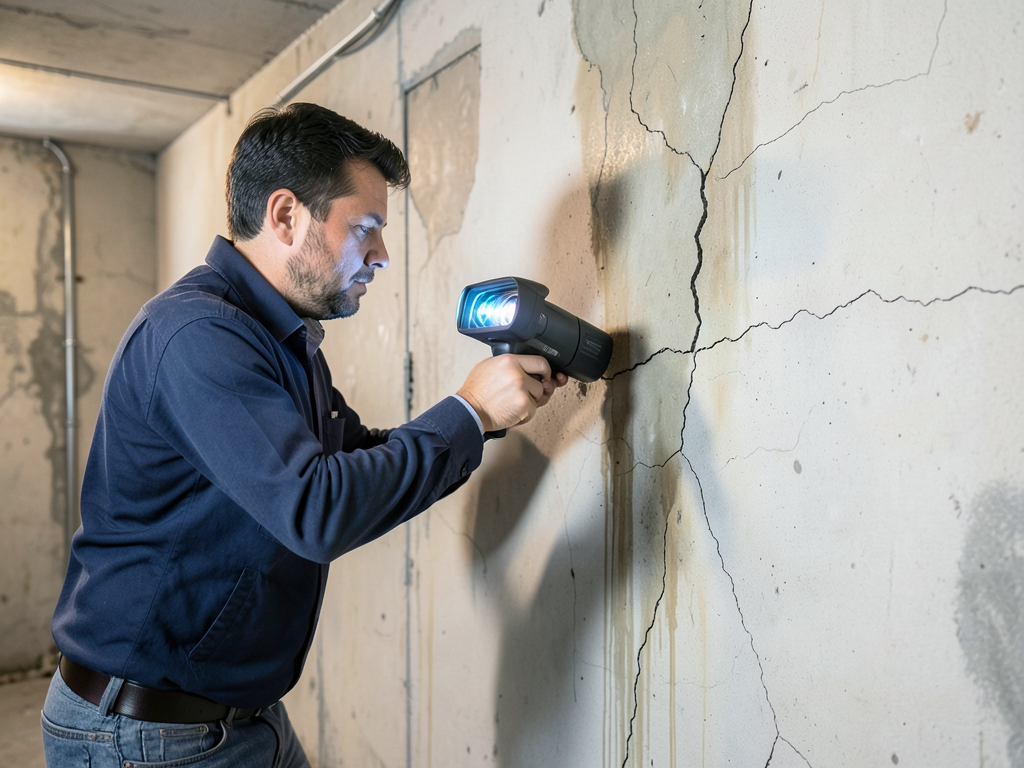
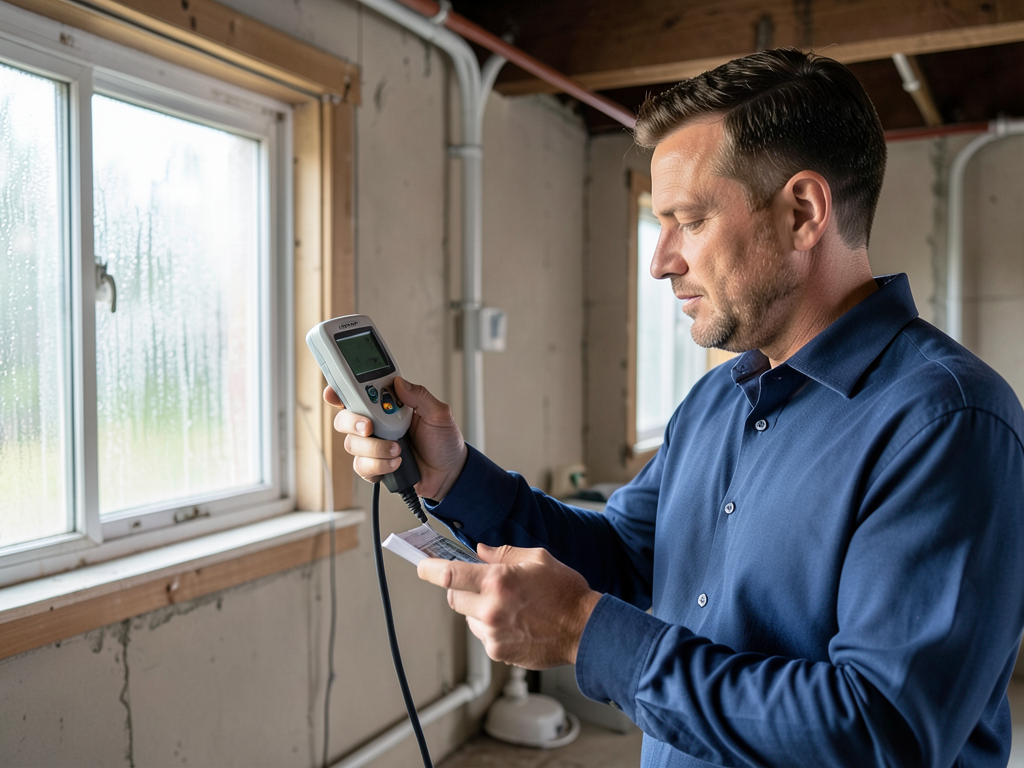
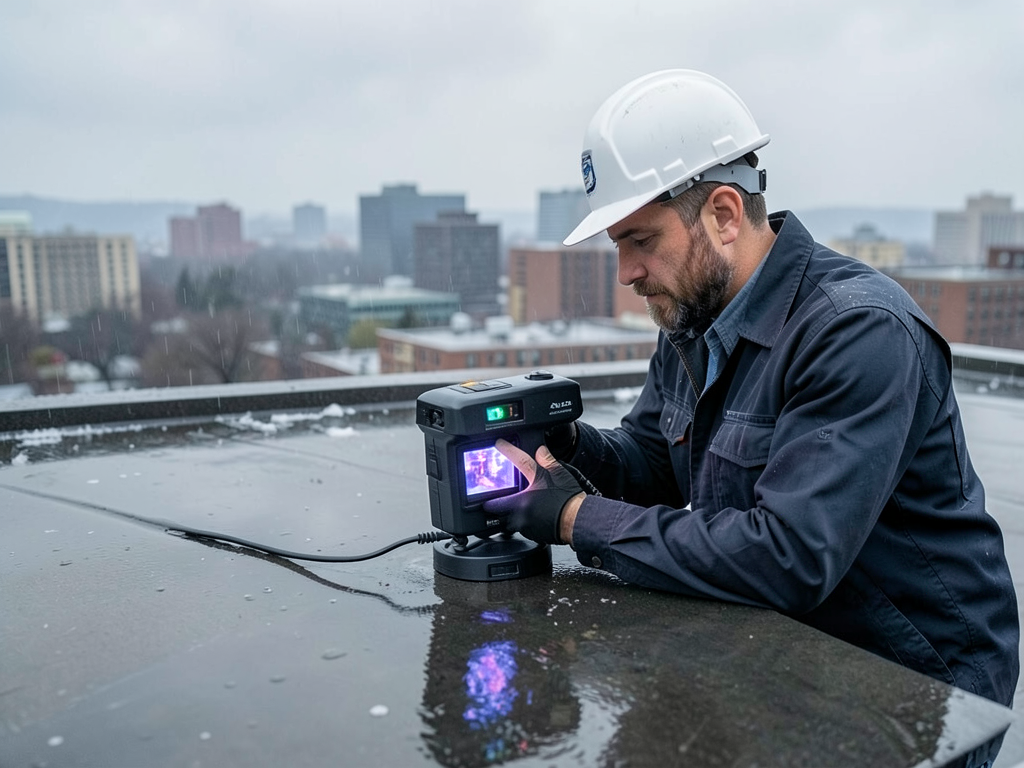
When you call Reliance Water Damage Restoration Pittsburgh, we do not just pull up the carpet and call it done. We start with thermal imaging to map moisture migration through your floor assembly. This non-invasive technology shows us exactly where water has traveled through the saturated carpet and cushion, into the padding, and down into the subfloor or slab. We document moisture readings at multiple depths using penetrating probes, not just surface meters.

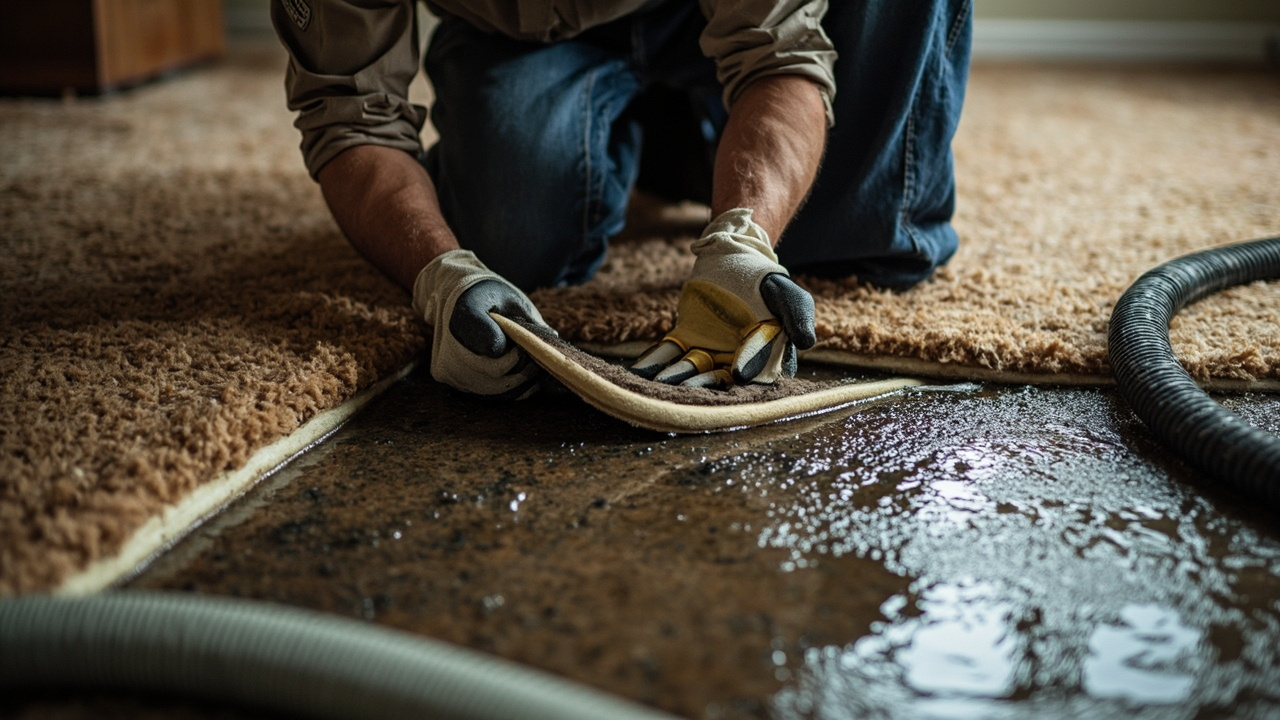
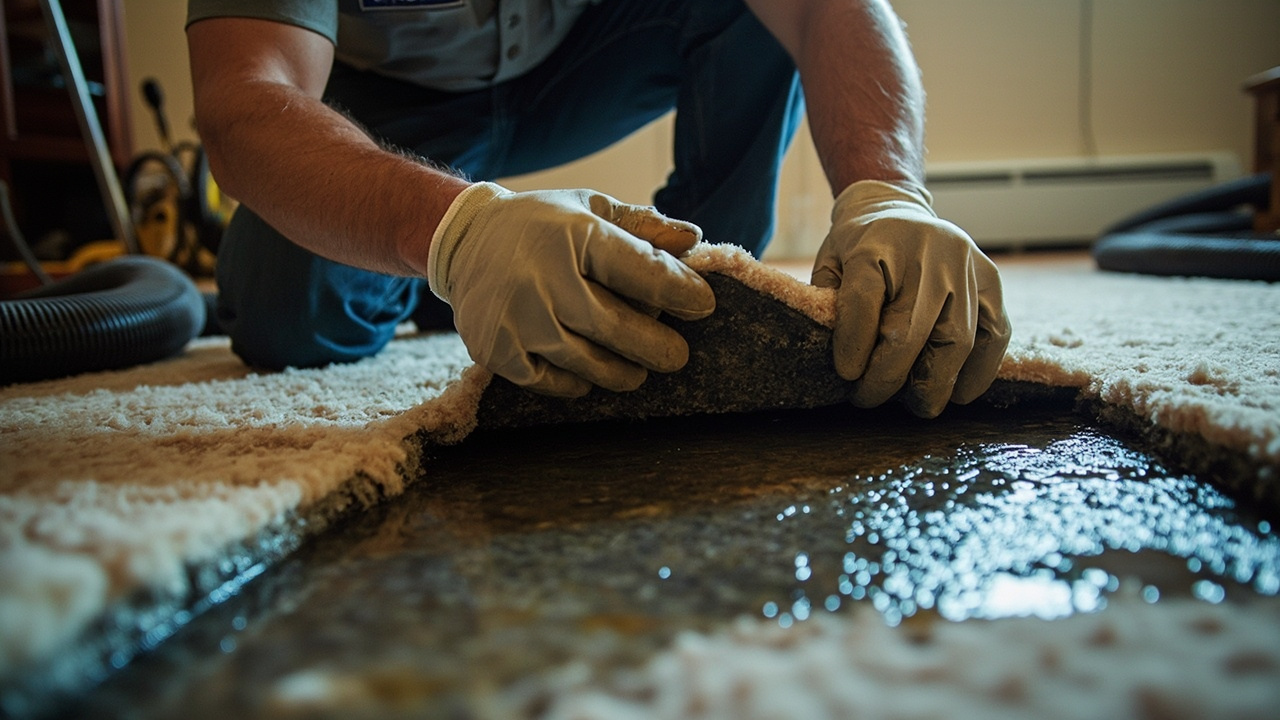
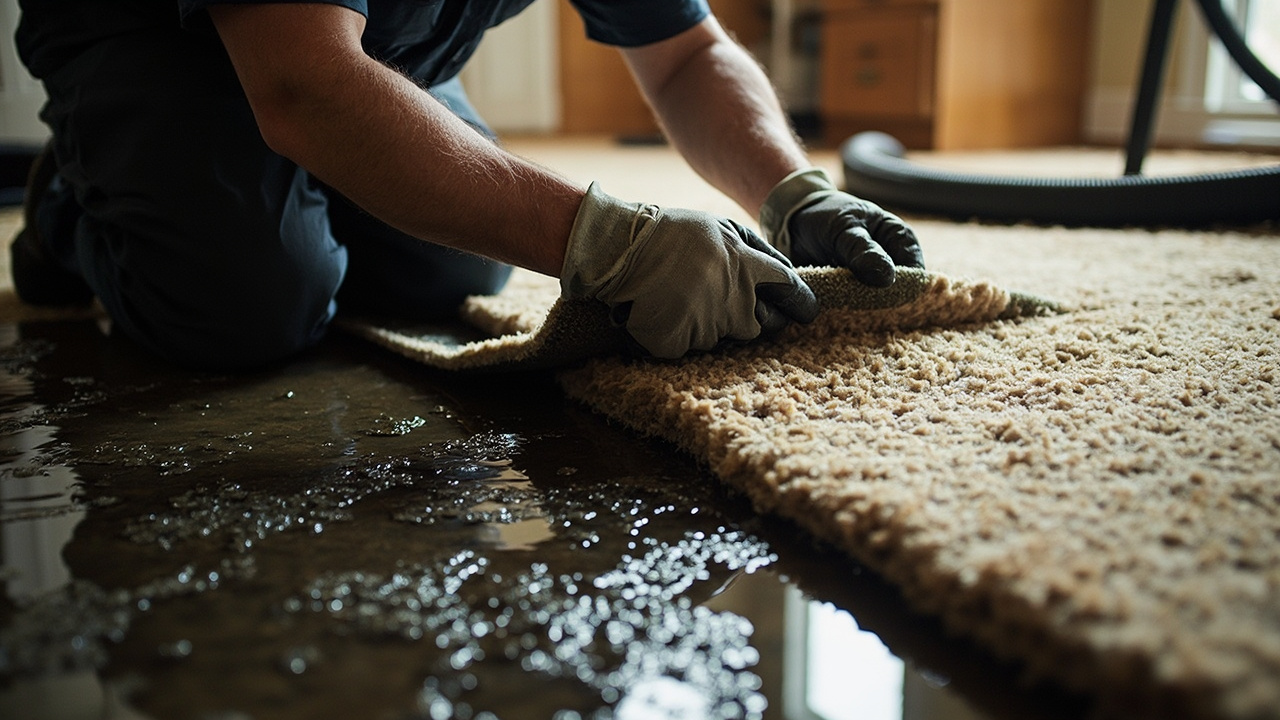
Our truck-mounted extraction units generate enough vacuum force to pull water from deep within the flooded carpet and underpad, not just the surface fibers. We lift the carpeting in sections to expose the wet carpet underlayment and assess the padding condition. If the padding is compressed, discolored, or emits an odor, it gets removed and disposed of immediately. Padding cannot be saved once contaminated. Trying to dry it in place guarantees mold growth and odor problems later.

We inspect the subfloor material. In Pittsburgh's older homes, we often find tongue-and-groove hardwood or plywood subfloors that have swelled or delaminated. If the subfloor is compromised, the carpet cannot be reinstalled safely even if the fiber itself is salvageable. We measure subfloor moisture content and compare it against baseline readings for your specific wood species and grade.

For water damaged carpet and pad caused by sewage backups or exterior flooding, we treat all affected surfaces with EPA-registered antimicrobials. We do not rely on fans alone. We use commercial dehumidifiers calibrated to your square footage and document daily moisture reduction. Every step is photographed and logged for insurance documentation. You get a detailed moisture map showing exactly what was wet, what we extracted, and what we removed.

What Happens When We Arrive at Your Property

Wet Carpet & Padding in Pittsburgh – Expert Diagnosis & Health-Safe Removal
01

Immediate Water Extraction

We deploy truck-mounted extraction equipment within the first hour to remove standing water from your soaked carpeting and underlay. This high-velocity suction pulls moisture from the carpet fiber and padding simultaneously, preventing deeper saturation into your subfloor. We document initial moisture readings and photograph affected areas for your insurance claim before we begin extraction.
02

Padding Removal and Inspection

We lift the carpeting to expose the wet carpet underlayment and padding for direct assessment. If padding is contaminated or compressed, we remove and dispose of it properly. We inspect the subfloor for swelling, staining, or structural compromise using moisture meters and thermal imaging. This step determines whether your carpet fiber can be saved or if full replacement is necessary.
03

Controlled Drying and Monitoring

We install commercial air movers and dehumidifiers calibrated to your specific space to dry the remaining carpet and subfloor safely. We return daily to measure moisture levels and adjust equipment placement. Once moisture readings return to normal baseline levels for your materials, we provide a completion report showing your home is safe and dry before reinstallation or replacement begins.

Why Pittsburgh Homeowners Choose Local Expertise for Wet Carpet Emergencies

You need a team that understands how Pittsburgh's older housing stock responds to water damage. Many homes in Mount Washington, Highland Park, and Polish Hill were built between 1900 and 1950 with balloon framing and no vapor barriers. When you get flooded carpet and underpad in these structures, water can travel vertically through wall cavities and horizontally through floor joists. A restoration company from outside the region will not recognize these risks.

We have worked in every neighborhood from the North Side to Brookline. We know which homes have cast iron drain lines prone to failure, which areas flood during heavy Monongahela River overflow events, and which basements are vulnerable to hydrostatic pressure from the clay soil common across Allegheny County. This local knowledge lets us assess your saturated carpet and cushion faster and more accurately.

We work directly with Pittsburgh-area insurance adjusters who know our documentation standards and trust our moisture readings. When you file a claim for water damaged carpet and pad, we provide the detailed photo evidence and moisture logs your adjuster needs to approve the claim quickly. We have relationships with local subfloor contractors, flooring suppliers, and mold remediation specialists if your damage extends beyond the carpet layer.

Reliance Water Damage Restoration Pittsburgh operates 24 hours a day because we know water does not wait for business hours. We arrive with the equipment already loaded, not rented after you call. Our response time averages under 90 minutes for most Pittsburgh metro addresses. When your soaked carpeting and underlay is spreading contamination deeper into your home every minute, speed matters. We stop the damage progression before it becomes a total loss.

What to Expect When You Call Us for Wet Carpet Help

Emergency Response Time

We dispatch a crew to your Pittsburgh property within 90 minutes of your call, day or night. Our trucks are pre-loaded with extraction units, moisture meters, and antimicrobial treatments so we can start work immediately. You will receive a call from our crew lead within 15 minutes of dispatch with an estimated arrival time and instructions on what to do while you wait, like turning off water sources or moving furniture if safe to do so.

On-Site Damage Assessment

Our technicians use thermal imaging cameras and penetrating moisture meters to map water migration through your carpet, padding, and subfloor. We document all readings with photos and written logs. You will receive a verbal explanation of what we find, what needs to be removed, what can be saved, and what the drying process will involve. This assessment takes 20 to 30 minutes and gives you a clear understanding of the scope before we begin extraction.

Complete Water Removal and Drying

We extract standing water first, then lift carpeting to remove compromised padding. Subfloors and carpet backing are treated with antimicrobial solutions if contamination is present. We install air movers and dehumidifiers positioned for maximum efficiency and return daily to monitor moisture levels. Your home returns to normal moisture readings within three to five days for most carpet and padding failures, depending on the extent of saturation and material type.

Insurance Documentation and Follow-Up

We provide a complete moisture log, photo documentation, and detailed scope of work for your insurance claim. If additional problems are discovered during drying, like hidden mold or subfloor damage, we document those findings and notify you and your adjuster immediately. After your carpet is dry, we provide a certificate of completion showing your home meets industry drying standards. We follow up one week after completion to confirm no secondary moisture issues have developed.

Frequently Asked Questions

You Have Questions,
We Have Answers

Is carpet padding ruined if it gets wet? +

Yes, carpet padding is often ruined once it gets wet. Padding absorbs water like a sponge and holds moisture against the subfloor. This creates conditions for mold growth, odor, and structural damage. In Pittsburgh, where humidity stays high and basements flood frequently, wet padding rarely dries completely. Even if the surface feels dry, moisture trapped inside breaks down the material and breeds bacteria. Professionals extract water from carpet but typically remove and replace padding. Trying to save wet padding usually costs more in mold remediation later than replacing it immediately.

How to dry out wet carpet padding? +

Drying wet carpet padding requires fast action. Pull back the carpet and remove the padding completely. Padding traps water against the subfloor and prevents airflow. Use a wet vacuum to extract standing water from the subfloor, then position air movers to create cross-ventilation. Dehumidifiers remove moisture from the air. In Pittsburgh homes with concrete basement floors, moisture wicks up through the slab, so you need vapor barriers before reinstalling padding. Most professionals recommend discarding wet padding rather than attempting to dry it because contamination and mold risks outweigh replacement costs.

How long can carpet be wet before it is ruined? +

Carpet can survive 24 to 48 hours of wetness if you act fast. Beyond that window, mold colonizes padding and subfloors. The clock starts the moment water contacts fibers. In Pittsburgh's humid climate, mold spores activate faster than in dry regions. Clean water from a broken pipe gives you more time than sewage or floodwater, which contaminates immediately. Category 3 water requires carpet removal regardless of timing. You must extract water, elevate carpet, remove padding, and dry the subfloor within that 48-hour window to save the carpet investment.

Can mold grow under carpet padding? +

Yes, mold grows aggressively under carpet padding. Padding sits directly on the subfloor, trapping moisture and blocking airflow. This dark, damp environment is perfect for mold colonization. In Pittsburgh basements, where humidity stays elevated and foundation seepage is common, mold spreads quickly through porous padding material. You cannot see mold under intact carpet until it penetrates through to the surface. By then, contamination has spread across large areas. Professionals use moisture meters to detect hidden wetness under carpet and remove padding before mold takes hold.

How quickly can mold grow under wet carpet? +

Mold can begin growing under wet carpet within 24 to 48 hours. Spores exist everywhere and activate when moisture, darkness, and organic material combine. Carpet backing and padding provide food sources. Pittsburgh's climate accelerates growth because outdoor humidity keeps indoor moisture elevated. Basements and first-floor rooms near grade are most vulnerable. Temperature matters too. Warm, wet conditions speed colonization. If water damage occurs and you wait three days to address it, mold has likely established colonies under the padding and on the subfloor.

Will wet carpet dry on its own? +

Wet carpet will not dry properly on its own. Surface fibers might feel dry within days, but padding and subfloors stay saturated. Without professional extraction and airflow, moisture stays trapped. In Pittsburgh, where humidity runs high year-round, evaporation slows dramatically. Basements stay damp naturally, preventing complete drying. Wet carpet left untreated develops musty odors, mold growth, and permanent staining. The backing delaminates and padding compresses into a hard, contaminated mass. Attempting to air-dry carpet without equipment wastes time and guarantees mold problems.

What pulls moisture out of carpet? +

Commercial extraction equipment pulls moisture from carpet most effectively. Truck-mounted or portable extractors create powerful suction that removes water from fibers, backing, and padding. After extraction, air movers force moisture to evaporate by increasing airflow across surfaces. Dehumidifiers remove water vapor from the air, preventing it from reabsorbing into materials. In Pittsburgh's humid environment, dehumidification is critical because ambient moisture slows drying. Professionals also use moisture meters to track progress and inject airflow beneath carpet. Household fans and shop vacuums lack the power for thorough moisture removal.

What are signs of mold in carpet? +

Visible signs of mold in carpet include black, green, or white discoloration on fibers or backing. You will smell a musty, earthy odor that intensifies near affected areas. The carpet feels damp or spongy underfoot even when the surface looks dry. Allergy symptoms like sneezing, coughing, or eye irritation worsen indoors. In Pittsburgh basements, check along exterior walls and near floor drains where moisture intrusion happens most. Mold often grows on the underside first, so pulling back a corner reveals contamination before it becomes visible from above.

How to dry a wet carpet asap? +

To dry wet carpet quickly, extract standing water immediately using a wet vacuum. Pull furniture off the carpet and elevate it on blocks. Remove wet padding completely and discard it. Position multiple air movers to blow across the carpet surface and underneath if possible. Run dehumidifiers to remove moisture from the air. Open windows only if outdoor humidity is lower than indoors, which is rare in Pittsburgh. Professionals use thermal imaging to find hidden moisture and inject airflow beneath carpet without removing it. Speed matters because mold starts within 48 hours.

What kills mold in wet carpet? +

Antimicrobial treatments kill mold in wet carpet, but removal is often necessary. Professionals apply EPA-registered disinfectants after extracting water. For surface mold, cleaning and treating fibers may work. However, mold penetrates backing and padding, which requires removal and replacement. In Pittsburgh, where basement flooding and humidity create recurring moisture problems, treating visible mold without addressing the source fails long-term. Category 3 water contamination requires complete carpet removal regardless of mold presence. Bleach damages carpet fibers and does not penetrate deeply enough. Professional remediation ensures complete contamination removal.

How Pittsburgh's Humidity and Aging Infrastructure Make Wet Carpet Emergencies Worse

Pittsburgh averages 77 percent relative humidity during summer months, which slows evaporation and gives mold more time to colonize soaked carpeting and underlay. The city's aging sewer systems, some dating back over a century, experience combined sewer overflows during heavy rain events, pushing contaminated water into basements. When your flooded carpet and underpad contains sewage, the health risks multiply. The slower your carpet dries in this humid environment, the deeper microbial contamination spreads into your subfloor and walls.

Local restoration professionals understand Pittsburgh's unique building stock and municipal water systems better than regional or national chains. We work with the same insurance adjusters, flooring contractors, and public health inspectors you will encounter. Our familiarity with Allegheny County building codes means we know when subfloor replacement requires permits and inspections. For water damaged carpet and pad in historic districts like Deutschtown or Mexican War Streets, we coordinate with preservation guidelines to protect your home's value while restoring safety.
Water Damage Restoration Services in The Pittsburgh Area

While we provide rapid mobile service directly to your location, you can also find our physical business location on the map below. This map highlights our primary service area and shows our commitment to serving the Pittsburgh community. We are always ready to dispatch our expert team to your home or business, no matter where you are in our service region. Feel free to use the interactive map to get directions or to visualize our proximity to you.

Address:
Reliance Water Damage Restoration Pittsburgh, 201 S Craig St, Pittsburgh, PA, 15213

Additional Services We Offer

Our news updates

Latest Articles & News from The Blogs

How to tell if you have a expensive slab leak under your Franklin Park home Franklin Park homeowners face a…

How to tell if you have a expensive slab leak under your Franklin Park home

How to tell if you have a expensive slab leak under your Franklin Park home Franklin Park homeowners face a…

What to do when your office fire sprinklers go off by mistake in Downtown Pittsburgh

What to do when your office fire sprinklers go off by mistake in Downtown Pittsburgh When fire sprinklers discharge without…

Preserving the original masonry in Mexican War Streets homes after a water leak

Preserving the original masonry in Mexican War Streets homes after a water leak When water infiltrates the historic brick and…

Contact Us

Every hour you wait, contamination spreads deeper into your floors. Call Reliance Water Damage Restoration Pittsburgh now at (412) 382-8788 for immediate dispatch. We are available 24 hours and provide free insurance claim documentation.