




Menu

How Long Does Drying Take in Pittsburgh? – Expert Timelines for Complete Water Damage Recovery

Understanding water damage drying time in Pittsburgh's variable climate helps you plan better and avoid costly mistakes. Get accurate structural drying duration estimates based on damage type, materials affected, and local humidity conditions.

Slider Image 1
Slider Image 2
Slider Image 3
Slider Image 4
Slider Image 5
Slider Image 7
Slider Image 8
Slider Image 9
Slider Image 10
Slider Image 11

Why Pittsburgh Water Damage Takes Longer Than You Think

You want a number. Three days? A week? The truth is more complicated in Pittsburgh.

Our city's weather creates perfect conditions for extended water restoration drying timelines. Spring brings heavy rainfall that saturates foundations. Summer humidity hovers between 60 and 80 percent, slowing evaporation rates. Winter freeze-thaw cycles cause pipe bursts that soak structural materials deep.

Pittsburgh's older housing stock compounds the problem. Many homes in Shadyside, Squirrel Hill, and the North Side feature plaster walls, hardwood subfloors, and brick construction. These materials absorb water differently than modern drywall. A plaster wall holds moisture for days longer than gypsum board. Hardwood floors buckle if you rush the drying process.

The time to dry out water damage depends on six factors: water volume, affected materials, humidity levels, air circulation, temperature, and how quickly you start mitigation. A small bathroom leak on tile might dry in 48 hours. A basement flood saturating concrete and carpet requires seven to ten days minimum.

Most property owners underestimate structural drying duration. They see surface water gone and assume the job is done. Hidden moisture in wall cavities, under flooring, and inside insulation causes mold growth within 48 to 72 hours. That mistake turns a three-day drying job into a three-week remediation project.

The drying process length also depends on whether you use professional equipment. Box fans from the hardware store move air but cannot measure moisture content. Industrial dehumidifiers and air movers create controlled drying conditions that prevent secondary damage.

Why Pittsburgh Water Damage Takes Longer Than You Think
The Science Behind Accurate Drying Timelines

The Science Behind Accurate Drying Timelines

Professional water damage restoration follows psychrometric principles, not guesswork.

We start by measuring relative humidity and temperature in affected areas. These readings determine vapor pressure gradients, which control evaporation rates. Pittsburgh's typical indoor humidity of 50 to 60 percent slows natural drying. We use commercial dehumidifiers to drop humidity below 40 percent, accelerating moisture transfer from materials into the air.

Material density determines water restoration drying timelines. We classify materials into four categories. Class 1 affects materials with low porosity like concrete or hardwood. These dry in two to four days with proper equipment. Class 2 involves entire rooms of carpet and pad, requiring three to five days. Class 3 describes ceiling-to-floor saturation, taking five to seven days minimum. Class 4 includes specialty materials like plaster or stone that need extended drying periods of one to three weeks.

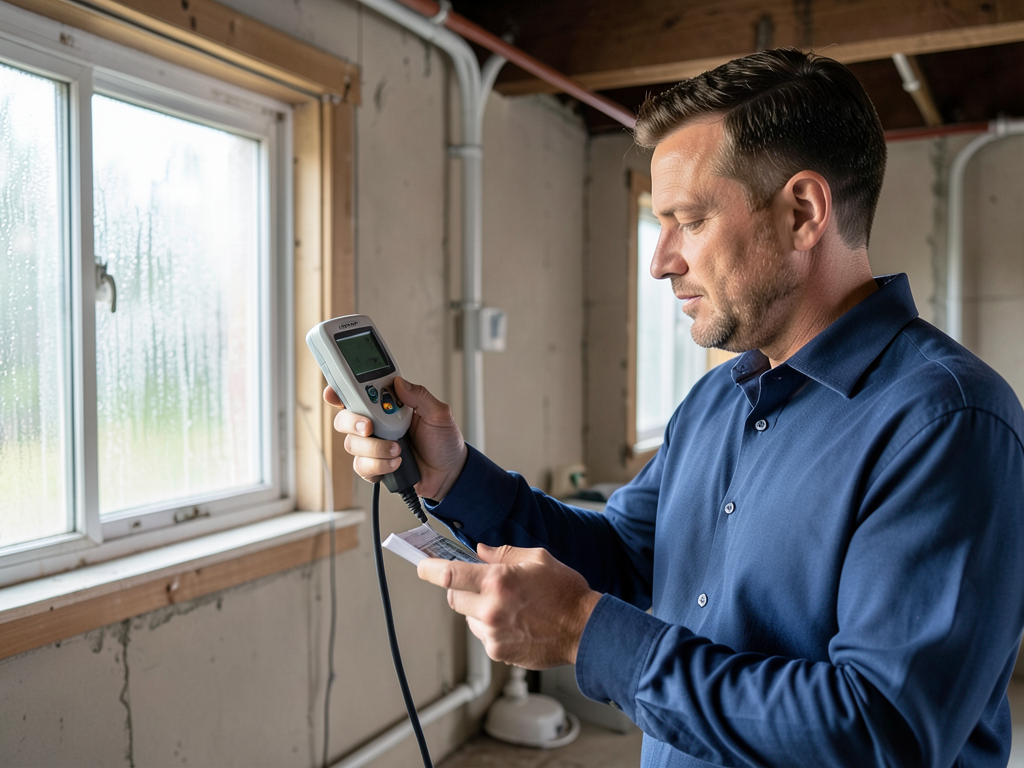
Moisture meters provide objective data. Pin-type meters measure moisture content inside wood and drywall. Non-invasive meters scan for moisture pockets without damaging surfaces. We document moisture readings daily, tracking drying progress across your property.

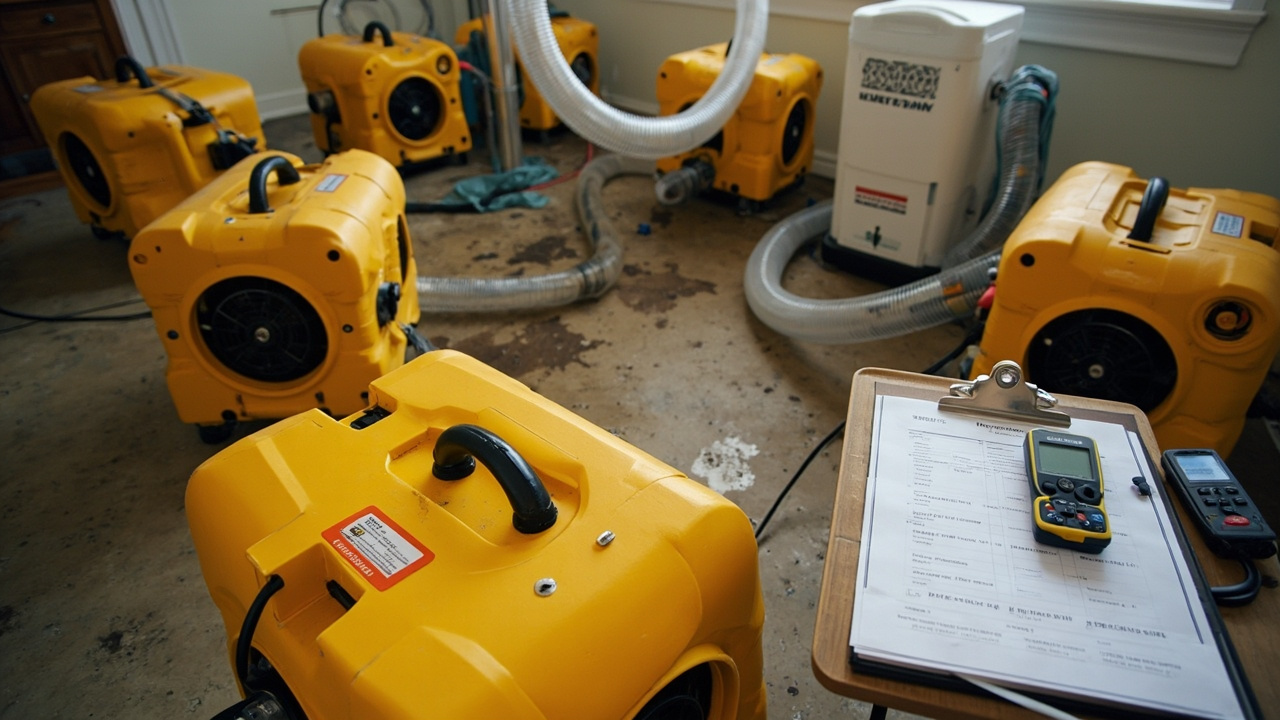
Equipment placement matters as much as equipment type. Air movers create circulation patterns that push moist air toward dehumidifiers. We position equipment based on room geometry and obstruction patterns, not convenience. Improper placement extends drying time by 40 to 60 percent.

Temperature affects drying speed exponentially. Every 10-degree increase doubles evaporation rates. We maintain temperatures between 70 and 80 degrees during drying operations, even in basements where Pittsburgh's cold ground temperatures fight against the process.

Structural drying duration shrinks when you combine controlled environment, strategic equipment placement, and continuous monitoring. The process cannot be rushed without risking material damage or mold growth.

What Happens During Your Water Damage Drying Project

How Long Does Drying Take in Pittsburgh? – Expert Timelines for Complete Water Damage Recovery
01

Initial Moisture Assessment

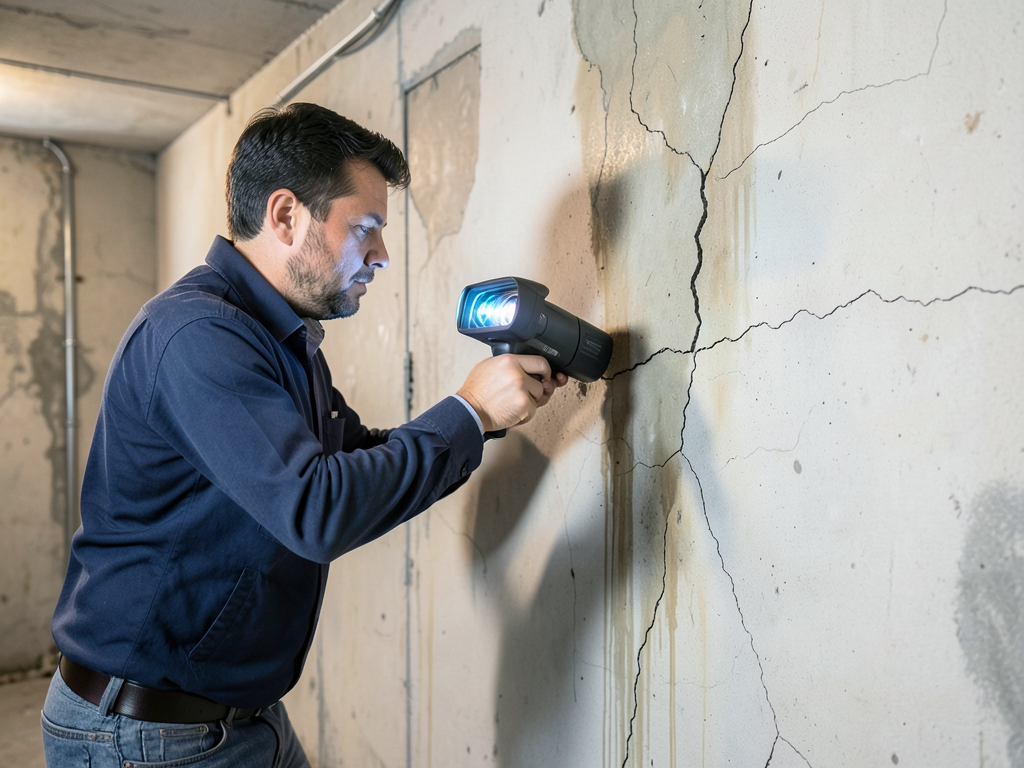
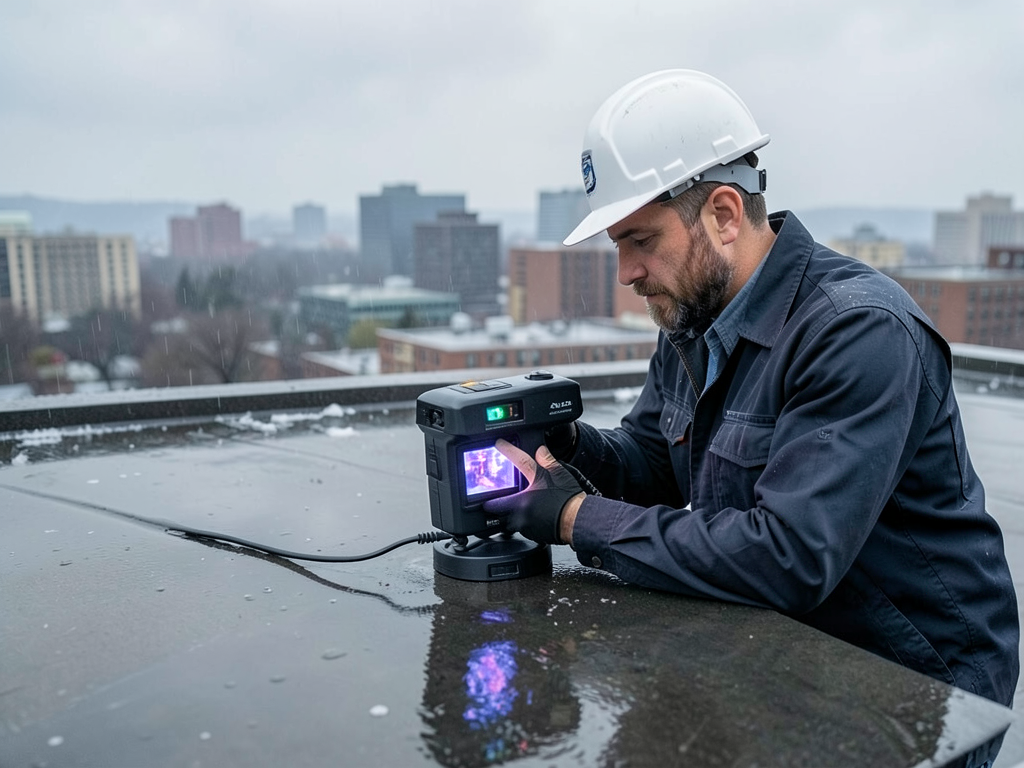
We map your entire property with moisture meters and thermal imaging cameras within the first hour. This identifies hidden moisture in wall cavities, beneath flooring, and inside ceiling spaces. Thermal cameras show temperature differentials that indicate wet insulation or trapped water. These readings establish baseline moisture levels and determine equipment needs. The assessment takes 45 to 90 minutes depending on property size.
02

Equipment Deployment and Monitoring

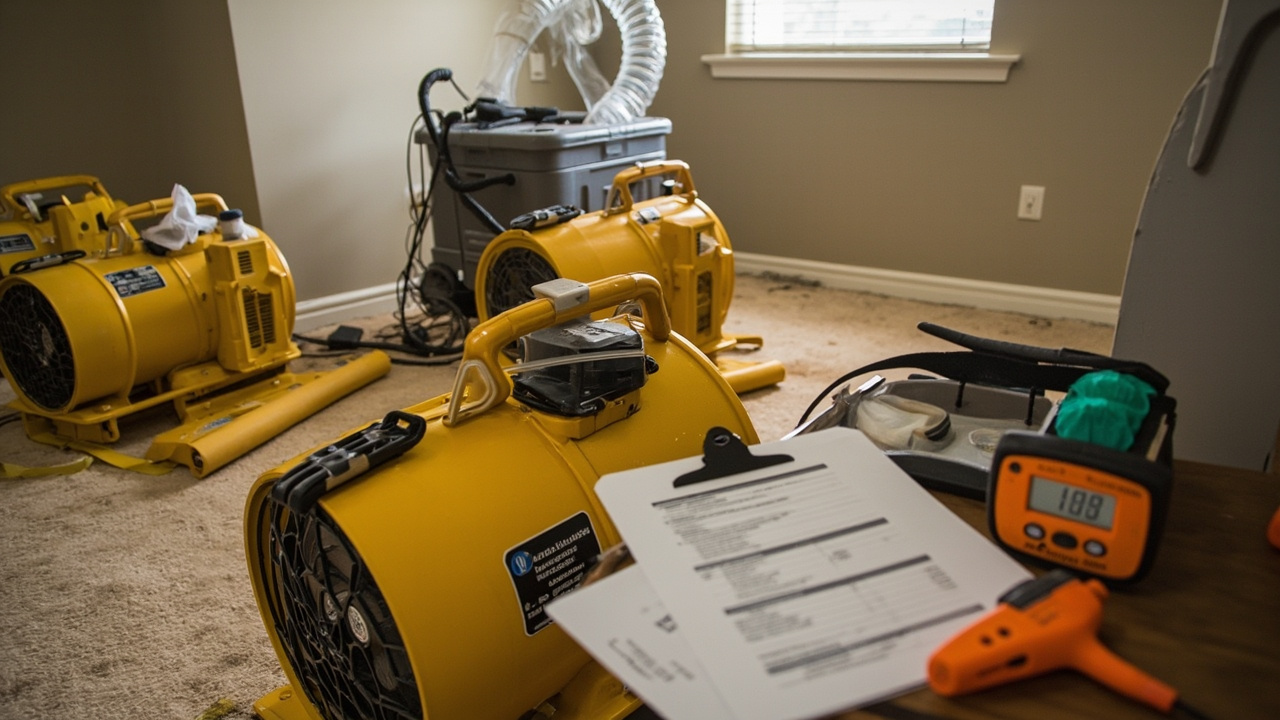
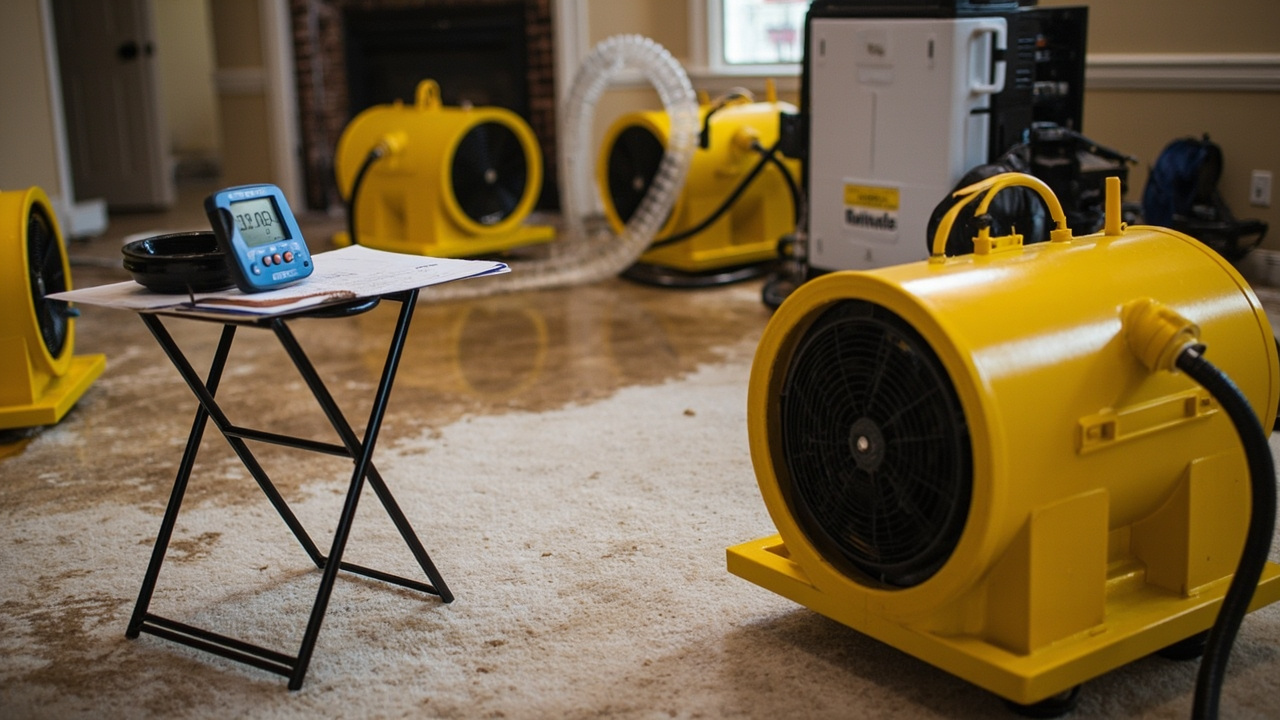
We position commercial air movers, dehumidifiers, and air scrubbers based on airflow modeling. Air movers create laminar flow across wet surfaces. Dehumidifiers pull moisture from the air continuously. Air scrubbers prevent cross-contamination in multi-room projects. We check equipment twice daily, adjust positioning as materials dry, and document moisture readings every 24 hours. This active management prevents over-drying or under-drying.
03

Dry-Out Verification

Drying is complete when moisture readings match unaffected areas of your property. We verify this with multiple meter readings across all affected materials. Structural materials must reach manufacturer-specified moisture content levels before we remove equipment. We provide documented proof of dry conditions, protecting you from future mold liability. Most insurance adjusters require this documentation before authorizing reconstruction. The verification process takes one to two hours.

Why Pittsburgh Property Owners Choose Reliance Water Damage Restoration Pittsburgh

Accurate drying timelines require understanding Pittsburgh's unique building characteristics and climate patterns.

We know that homes in Polish Hill and Spring Hill feature balloon-frame construction that allows water to travel vertically through wall cavities. Ranch homes in Penn Hills have crawl spaces prone to standing water. Downtown condos in converted warehouses have concrete floors that hold moisture for weeks.

Pittsburgh's building codes changed significantly after 2000. Pre-2000 homes often lack vapor barriers in basements. Post-2000 construction includes moisture-resistant drywall in bathrooms and basements. These details affect drying strategies and timeline estimates. We adjust our approach based on construction era and materials.

Local insurance adjusters recognize our documentation standards. We photograph every affected area, log moisture readings in industry-standard software, and provide daily progress reports. This documentation speeds claim approvals and prevents disputes about restoration costs. Three major insurance carriers in Pittsburgh refer policyholders directly to our team.

Our equipment inventory handles projects from single-room leaks to whole-house floods. We maintain 40 commercial dehumidifiers, 60 air movers, and thermal imaging equipment. This capacity means we start drying immediately rather than waiting for equipment rentals. Faster start times reduce total drying duration by one to two days.

We understand that extended drying periods disrupt your life. Our technicians work around your schedule when possible, explain what equipment does and why it matters, and answer questions about insurance coverage. We do not create unrealistic timelines to win your business, then extend them later. If we estimate five days, we mean five days.

Pittsburgh's water damage restoration market includes dozens of companies. Some prioritize speed over thoroughness. Others lack proper moisture monitoring equipment. We balance efficiency with accuracy, using data to guide decisions rather than arbitrary timelines.

What to Expect During the Drying Process

Response Time and Project Start

We arrive within 60 to 90 minutes of your call for emergency water damage. Non-emergency consultations happen within 24 hours. The initial assessment takes one to two hours. Equipment deployment begins immediately after assessment. Most projects start active drying within three to four hours of first contact. We work evenings and weekends because water damage does not follow business hours. Our trucks carry enough equipment to handle 2,000 square feet of water damage without returning to the warehouse. This eliminates delays waiting for equipment delivery.

Daily Monitoring and Communication

Technicians visit your property every 24 hours during active drying. Each visit includes moisture meter readings, equipment checks, and progress documentation. We photograph affected areas daily to show drying progress visually. You receive text or email updates after each visit explaining current conditions and projected completion dates. If moisture readings plateau or increase, we adjust equipment placement or add capacity. Insurance companies receive separate documentation in their preferred format. This monitoring ensures the drying process stays on track and identifies problems before they extend timelines.

Completion Standards and Verification

We follow IICRC S500 standards for water damage restoration. These standards define acceptable moisture content for different materials. Wood framing must reach 12 to 15 percent moisture content. Concrete slabs need 4 to 6 percent. Drywall requires readings below 1 percent on non-invasive meters. We test multiple locations in each affected area to ensure uniform drying. You receive a completion certificate with final moisture readings and equipment removal dates. This documentation protects you if mold problems develop later. Most insurance adjusters accept our certification without requiring independent verification.

Post-Drying Recommendations

After equipment removal, we provide written recommendations for reconstruction contractors if needed. We identify materials that require replacement versus those that survived drying intact. Carpet and pad usually need replacement after category 2 or 3 water damage. Hardwood floors often survive if dried within 48 hours. We explain these distinctions clearly so you can make informed decisions. For basement floods, we recommend sump pump installation or drainage improvements to prevent recurrence. These suggestions come from seeing hundreds of Pittsburgh properties and understanding common failure points. We do not perform reconstruction work ourselves, avoiding conflicts of interest in our recommendations.

Frequently Asked Questions

You Have Questions,
We Have Answers

How long does normal drying take? +

Normal drying after water damage in Pittsburgh homes takes 3 to 5 days with professional equipment. Factors include water category, affected materials, and local humidity levels. Pittsburgh's variable climate, especially during spring and fall, can extend timelines if indoor conditions aren't controlled. Drywall typically dries in 3 days, hardwood flooring in 5 to 7 days, and concrete in 7 to 10 days. Professional restoration teams use industrial dehumidifiers and air movers to maintain proper moisture levels. Attempting to rush the process or relying on box fans alone risks hidden moisture pockets, which lead to mold growth within 24 to 48 hours in Pittsburgh's humid summers.

Is 40 minutes enough for a dryer? +

For water damage restoration, 40 minutes is never sufficient for structural drying. This timeframe applies to laundry dryers, not restoration equipment. After water intrusion in Pittsburgh properties, affected materials require continuous airflow and dehumidification for days, not minutes. Carpet padding may feel dry to the touch after an hour but retains moisture deep in the fibers and subfloor beneath. Professional moisture meters measure saturation levels in wood, drywall, and concrete to determine true dryness. Surface drying misleads property owners into thinking the job is complete, while trapped moisture breeds mold colonies and weakens structural integrity over weeks.

Is it normal for a dryer to take 3 hours? +

If your laundry dryer takes 3 hours, you likely have a ventilation blockage or appliance failure. This question doesn't apply to water damage restoration drying, which requires days of controlled drying with specialized equipment. In Pittsburgh homes affected by flooding or leaks, structural drying runs 24 hours daily for multiple days. The equipment operates continuously, cycling air and removing moisture from walls, floors, and ceilings. Homeowners sometimes confuse appliance drying times with restoration timelines. A compromised dryer vent filled with lint or moisture from poor exhaust routing can signal bigger humidity problems in your Pittsburgh home that need professional assessment.

Is 30 minutes enough to dry clothes? +

Thirty minutes is inadequate for both laundry and water damage restoration. For structural drying after water intrusion in Pittsburgh properties, you need 72 hours minimum with professional equipment running constantly. Even small leaks from burst pipes or roof damage require extended drying periods. Pittsburgh's brick and stone foundations common in older neighborhoods absorb water readily and release it slowly. Basement walls may appear dry after a few hours but hold moisture deep in the masonry for weeks without proper dehumidification. Cutting drying time short to save on restoration costs creates long-term mold problems and structural damage that cost far more to remediate later.

How quickly should hair dry? +

Hair drying speed has no relevance to water damage restoration timelines. After water damage in Pittsburgh homes, structural materials dry at vastly different rates than organic matter. Drywall, insulation, and wood framing require controlled humidity levels and continuous airflow for days. Pittsburgh's aging housing stock, with plaster walls and hardwood subfloors, demands longer drying periods than modern construction. Restoration professionals monitor moisture content using specialized meters, not visual inspection or touch. The question suggests confusion between personal care and property restoration. If you are experiencing water damage, focus on professional structural drying timelines, not household appliance concerns.

Is 2 hours too long to dry clothes? +

For laundry, 2 hours indicates a venting problem or oversized loads. For water damage restoration in Pittsburgh properties, 2 hours represents only the initial assessment phase. Structural drying requires 3 to 5 days minimum of continuous dehumidification and air circulation. Materials like hardwood flooring, common in Pittsburgh's historic neighborhoods, need extended monitoring to prevent cupping or buckling. Drywall takes 3 days to reach acceptable moisture levels. Rushing structural drying causes secondary damage more expensive than the original water intrusion. Professional restoration teams document daily moisture readings to confirm materials reach industry standards before declaring the site dry and removing equipment.

How to speed up drying clothes? +

To speed clothes drying, clean your lint trap, check venting, and reduce load sizes. For water damage restoration in Pittsburgh, you cannot safely speed structural drying beyond equipment capacity. Professional restoration uses industrial dehumidifiers rated for specific cubic footage, high-velocity air movers positioned strategically, and moisture meters to track progress. Adding more equipment to smaller spaces creates turbulence without benefit. Pittsburgh's high humidity during summer months requires balanced drying to prevent condensation on cooler surfaces. Some materials like hardwood flooring must dry slowly to avoid cracking. Attempting to accelerate drying with space heaters or opening windows during humid weather actually extends timelines and risks mold growth.

How long is too long in a dryer? +

Laundry dryers running over 60 minutes per load signal maintenance needs. For water damage restoration, equipment runs 24 hours daily for 3 to 5 days, which is standard protocol, not excessive. Pittsburgh properties affected by water damage require continuous monitoring and equipment operation until moisture meters confirm acceptable levels in all affected materials. Turning equipment off overnight to reduce noise or electricity costs allows moisture to redistribute through walls and floors, restarting the timeline. Professional restoration teams adjust equipment placement and intensity daily based on moisture readings. The drying is complete when materials meet industry standards, not when a timer expires.

Does putting a towel in the dryer help? +

Adding a dry towel to wet laundry can reduce drying time by absorbing initial moisture. This principle does not apply to structural water damage restoration in Pittsburgh properties. After flooding or leaks, you cannot place towels inside walls or under flooring to speed drying. Professional restoration requires industrial equipment that moves hundreds of cubic feet of air per minute and removes gallons of moisture daily from the environment. Towels, fans, and household dehumidifiers lack the capacity to dry structural materials thoroughly. Pittsburgh homeowners attempting DIY drying with household items risk mold growth starting within 24 to 48 hours in humid conditions.

Can you overuse your dryer? +

Overusing household laundry dryers causes mechanical wear and increases fire risk from lint buildup. For water damage restoration equipment in Pittsburgh properties, professionals calibrate usage based on moisture readings and affected square footage. Industrial dehumidifiers and air movers are designed for continuous operation during restoration projects. Running equipment longer than needed wastes electricity but does not damage properly maintained units. The greater risk is stopping equipment too early, leaving hidden moisture that causes mold growth and structural decay. Pittsburgh's variable weather requires flexibility in drying timelines. Professional restoration teams monitor conditions daily and adjust equipment runtime based on measurable progress toward industry dryness standards.

How Pittsburgh's Humidity and Aging Infrastructure Affect Drying Timelines

Pittsburgh's annual precipitation averages 38 inches, with humidity levels that remain elevated year-round. Summer months bring 70 to 80 percent relative humidity, creating conditions where natural evaporation nearly stops. Water restoration drying timelines extend by 30 to 40 percent compared to drier climates. Our location at the confluence of three rivers keeps ground moisture levels high, affecting basement drying particularly. Homes in flood-prone areas like Millvale and Etna face additional challenges when the Allegheny River rises. Professional dehumidification becomes essential rather than optional in these conditions.

Pittsburgh's housing stock predates 1960 in many neighborhoods. These older homes use materials like plaster, lathe, and solid wood that require longer structural drying duration than modern materials. Local building codes now require moisture barriers in basement construction, but thousands of properties lack this protection. We work regularly with adjusters from Erie Insurance, Nationwide, and State Farm who understand these local challenges. Our moisture documentation meets Allegheny County building department requirements for reconstruction permits. This local knowledge prevents timeline surprises and ensures compliance with regulations specific to southwestern Pennsylvania.
Water Damage Restoration Services in The Pittsburgh Area

While we provide rapid mobile service directly to your location, you can also find our physical business location on the map below. This map highlights our primary service area and shows our commitment to serving the Pittsburgh community. We are always ready to dispatch our expert team to your home or business, no matter where you are in our service region. Feel free to use the interactive map to get directions or to visualize our proximity to you.

Address:
Reliance Water Damage Restoration Pittsburgh, 201 S Craig St, Pittsburgh, PA, 15213

Additional Services We Offer

Our news updates

Latest Articles & News from The Blogs

How to tell if you have a expensive slab leak under your Franklin Park home Franklin Park homeowners face a…

How to tell if you have a expensive slab leak under your Franklin Park home

How to tell if you have a expensive slab leak under your Franklin Park home Franklin Park homeowners face a…

What to do when your office fire sprinklers go off by mistake in Downtown Pittsburgh

What to do when your office fire sprinklers go off by mistake in Downtown Pittsburgh When fire sprinklers discharge without…

Preserving the original masonry in Mexican War Streets homes after a water leak

Preserving the original masonry in Mexican War Streets homes after a water leak When water infiltrates the historic brick and…

Contact Us

Stop guessing about water damage drying time. Call (412) 382-8788 now for a professional moisture assessment. We provide realistic timelines based on your specific materials and damage extent. Available 24/7 for emergency water damage throughout Pittsburgh and surrounding communities.