





Menu

Does Insurance Cover Mold in Pittsburgh? Get Clear Answers on Your Policy's Actual Coverage

Understanding homeowners insurance mold coverage in Pittsburgh is critical before you file a claim. We break down exactly what does insurance cover mold for, when mold remediation insurance claims get approved, and how to navigate your policy's fine print.

Slider Image 1
Slider Image 2
Slider Image 3
Slider Image 4
Slider Image 5
Slider Image 7
Slider Image 8
Slider Image 9
Slider Image 10
Slider Image 11

Why Pittsburgh Homeowners Get Denied for Mold Claims

You discovered mold in your basement after last month's flooding. You assumed your homeowners insurance would cover it. Then you got the denial letter.

Pittsburgh's climate creates the perfect storm for mold confusion. The Allegheny River valley traps humidity between 60 and 80 percent during summer months. Your crawl space stays damp from groundwater seepage common in neighborhoods like Squirrel Hill and Shadyside. Winter freeze-thaw cycles crack foundations in older homes throughout the North Side and Mount Washington. Water gets in. Mold grows. But property insurance mold coverage depends entirely on what caused the moisture problem.

Most homeowners insurance policies cover mold only when it results from a covered peril. Your pipe bursts from a February cold snap and causes water damage? The resulting mold remediation insurance claims typically get approved. But if mold grew from long-term humidity, poor ventilation, or a slow leak you ignored for months, you are on your own.

The denial language sounds vague on purpose. Adjusters use terms like "maintenance issue" or "gradual damage" to shift responsibility to you. Understanding is mold damage covered by insurance requires reading the exclusions section of your policy, not just the coverage page. Pennsylvania insurers are not required to cover mold unless the water source qualifies as sudden and accidental. That distinction costs Pittsburgh homeowners thousands in out-of-pocket remediation costs every year.

Before you file a claim or start tearing out drywall, you need to know exactly where your policy draws the line.

Why Pittsburgh Homeowners Get Denied for Mold Claims
How Mold Coverage Actually Works in Your Policy

How Mold Coverage Actually Works in Your Policy

Does home insurance pay for mold removal? Only under specific conditions, and those conditions hide in the endorsements and exclusions.

Standard HO-3 homeowners policies in Pennsylvania include limited mold coverage, capped between $5,000 and $10,000. But that limit only applies if the mold resulted from water damage caused by a covered loss. Covered losses include sudden pipe bursts, appliance malfunctions, storm-related roof leaks, and fire suppression water damage. Your washing machine hose splits and floods your laundry room while you are at work? The water extraction and mold prevention work should be covered.

The exclusion list is longer. Flood damage requires separate NFIP coverage, and most flood policies exclude mold entirely unless you purchased optional contents coverage. Sewer backups common in older Pittsburgh neighborhoods like Lawrenceville need a separate endorsement. Humidity from poor ventilation, condensation on windows, or basement seepage does not qualify as sudden or accidental.

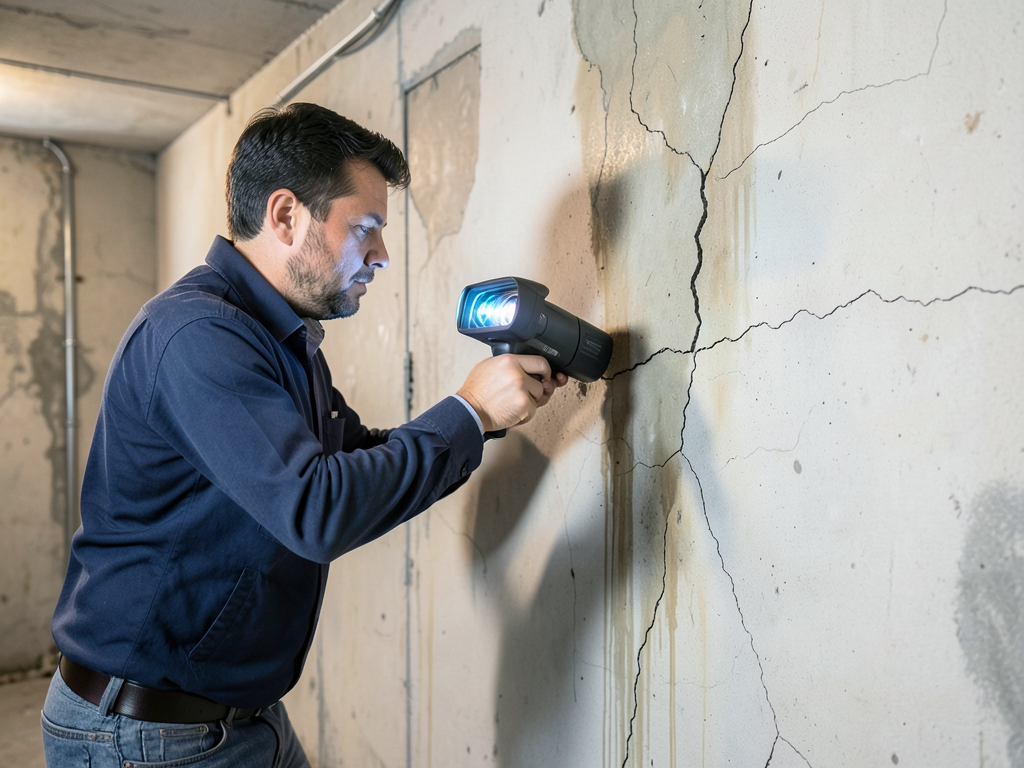
Reliance Water Damage Restoration Pittsburgh works directly with insurance adjusters to document the moisture source. We photograph the failure point, measure moisture levels in structural materials using thermal imaging and hygrometers, and establish a timeline. If your sump pump failed during a storm and your basement flooded within hours, that supports a covered claim. If moisture readings show chronic dampness over weeks or months, the adjuster will classify it as maintenance neglect.

The difference between approval and denial often comes down to how the damage gets documented in the first 48 hours. Waiting to call professionals gives insurers room to argue the mold is pre-existing or unrelated to the water event.

What Happens When You File a Mold Insurance Claim

Does Insurance Cover Mold in Pittsburgh? Get Clear Answers on Your Policy's Actual Coverage
01

Immediate Damage Documentation

Call your insurer within 24 hours of discovering water damage, but call a certified restorer first. We photograph the water source, document the extent of moisture intrusion, and create a loss report your adjuster can use. Time-stamped evidence showing you acted quickly to mitigate damage strengthens your homeowners insurance mold coverage claim. Delaying this step gives adjusters leverage to deny based on negligence or failure to prevent further loss.
02

Adjuster Inspection and Scope

Your insurance company sends an adjuster to assess whether the cause qualifies as covered. They review the damage timeline, check for pre-existing issues, and compare findings against policy exclusions. We provide moisture maps, thermal imaging results, and material testing to support the sudden and accidental classification. Adjusters deny mold remediation insurance claims when they can argue the damage developed over time from neglect, so detailed documentation separating the acute event from background conditions is critical.
03

Claim Approval or Appeal

If approved, the insurer issues payment based on their estimate minus your deductible and depreciation. If denied, you can appeal with additional documentation or hire a public adjuster. Reliance Water Damage Restoration Pittsburgh provides detailed scopes of work, material testing results, and industry standard cost breakdowns to support appeals. Many initial denials get overturned when professional documentation clearly establishes the mold resulted from a covered water loss, not long-term moisture problems.

Why Local Expertise Matters for Mold Insurance Claims

Pittsburgh homes built before 1950 make up over 60 percent of the housing stock in neighborhoods like Highland Park, Polish Hill, and Bloomfield. These structures were built with stone foundations, knob-and-tube wiring, and no vapor barriers. Adjusters from out-of-state companies do not understand how normal these older construction methods are here, and they misclassify chronic moisture issues as policy violations.

Reliance Water Damage Restoration Pittsburgh has worked with every major insurer operating in Allegheny County. We know how Erie Insurance, State Farm, Nationwide, and regional carriers interpret mold exclusions. We understand Pennsylvania's specific regulations around claims handling and bad faith denial. When an adjuster tries to deny coverage based on foundation seepage common to every basement in Brookline or Beechview, we push back with documentation showing the mold resulted from a sudden rain event, not the typical groundwater condition.

We also know local building code enforcement. The City of Pittsburgh requires remediation contractors to follow IICRC S520 standards for mold abatement. DIY cleanup or hiring an unlicensed handyman voids your ability to claim professional remediation costs later. Insurance companies only reimburse work performed to industry standards by certified technicians. Choosing a local restorer who documents everything to IICRC protocols protects your claim from process-based denials.

Our relationship with local public adjusters and insurance attorneys means we can refer you to specialists if your claim gets denied unfairly. We have seen too many Pittsburgh homeowners accept a lowball settlement or eat the full cost because they did not know their rights. Property insurance mold coverage disputes favor homeowners who document properly and challenge denials aggressively.

What to Expect When You Contact Us About Mold and Insurance

Immediate Response and Assessment

We answer calls 24 hours a day because timing impacts your claim. A technician arrives within two hours for emergency water losses, documents the damage with photos and moisture readings, and begins mitigation to prevent further mold growth. Fast response shows your insurer you took reasonable steps to minimize loss. We provide a preliminary report you can submit with your claim the same day, establishing a clear timeline between the water event and your response. Delays give adjusters ammunition to deny based on failure to mitigate.

Detailed Moisture Mapping and Testing

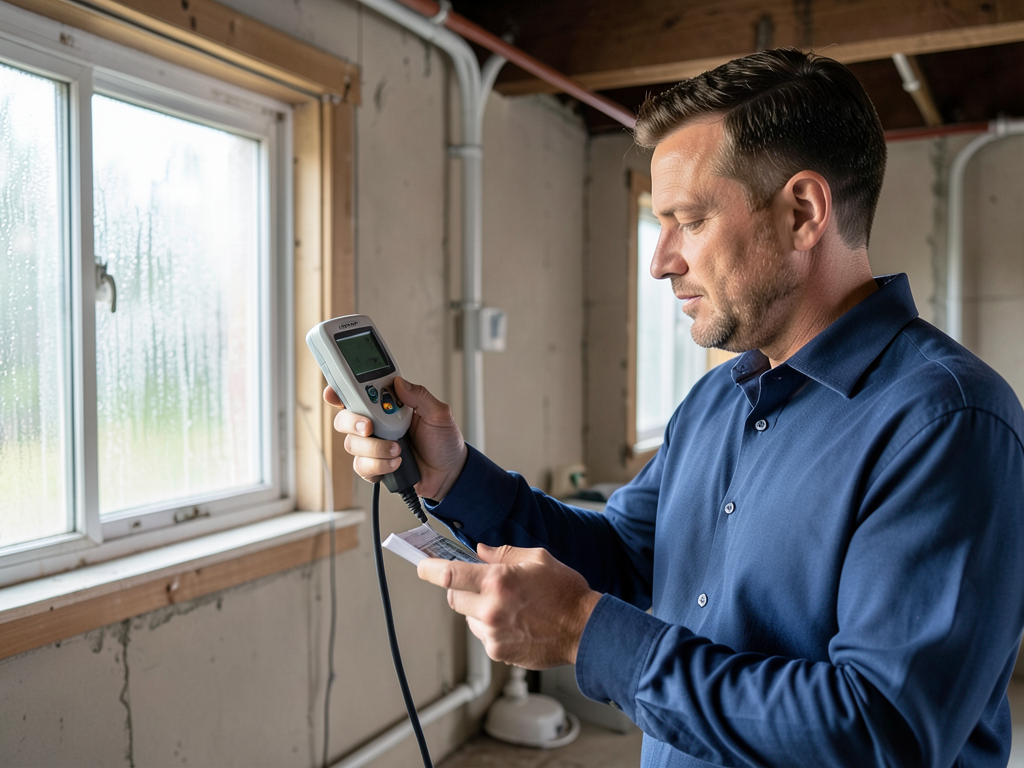
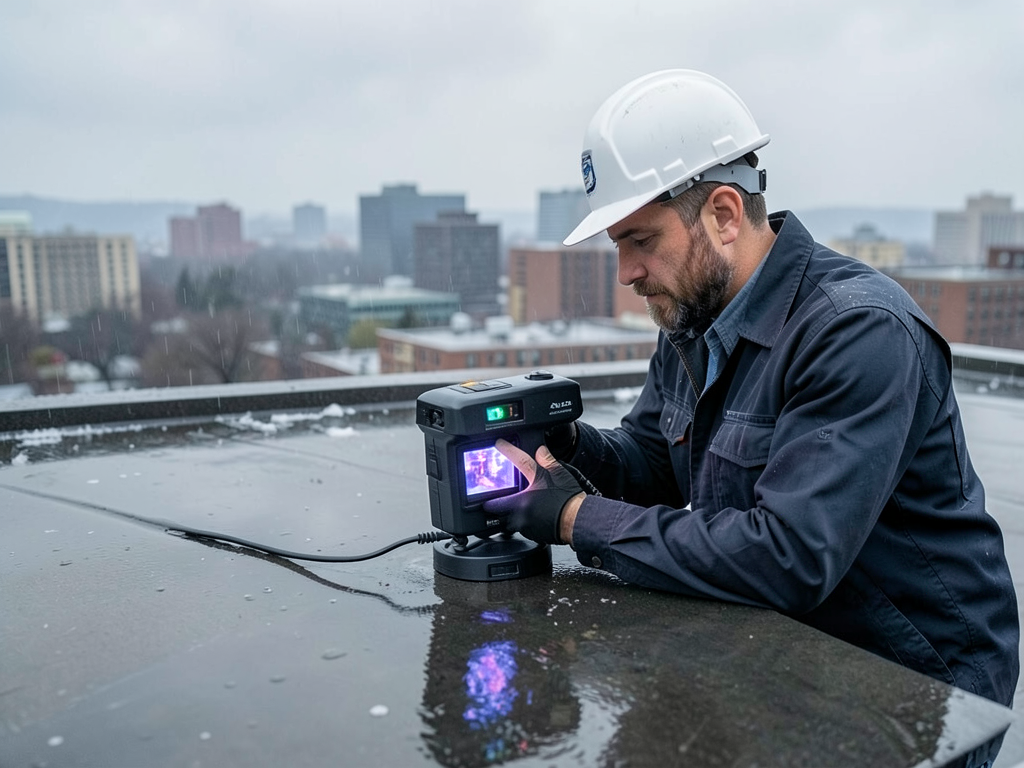
We use thermal imaging cameras to trace moisture paths inside walls and ceilings, moisture meters to quantify water content in framing and subfloors, and hygrometers to measure ambient humidity levels. When visible mold is present, we conduct air quality testing and surface sampling to identify species and concentration levels. This data separates acute water damage from chronic conditions. Your adjuster needs proof the mold resulted from the covered event, not pre-existing dampness. Lab results and calibrated instrument readings provide that proof in a format insurance companies cannot easily dispute.

Insurance-Grade Documentation and Estimates

We prepare line-item estimates using Xactimate software, the same platform insurance adjusters use to calculate replacement costs. Our estimates include labor, materials, equipment rental, disposal fees, and antimicrobial treatments based on current Pittsburgh market rates. We photograph every affected area, document all moisture readings, and create a scope of work that matches IICRC remediation standards. When your adjuster reviews our documentation, they see a professional claim backed by industry protocols, not a homeowner guessing at costs. This significantly increases approval rates and settlement amounts.

Claims Support and Adjuster Communication

We communicate directly with your insurance adjuster, answer technical questions, and provide supplemental documentation if they request additional proof. If your claim gets denied, we review the denial letter and identify weak points in the insurer's argument. We have successfully supported appeals by providing expert testimony, additional testing results, and detailed timelines showing the mold originated from a covered peril. Our goal is to maximize your insurance recovery so you are not stuck paying out of pocket for damage your policy should cover. We do not stop advocating until your claim reaches a fair resolution.

Frequently Asked Questions

You Have Questions,
We Have Answers

Should I tell my insurance company about mold? +

Yes, notify your carrier immediately if you discover mold. Timely reporting protects your claim rights. Most policies require notice within a specific window after discovering damage. Document the mold with photos before calling. Your adjuster will determine if the cause is covered. In Pittsburgh, where basements flood during spring thaws and old plumbing fails, mold often results from sudden water events. Those events are typically covered. Do not delay. Waiting weakens your position. If you discover mold from a burst pipe or storm backup, call your agent the same day.

Can you claim for mold on house insurance? +

You can claim mold if it results from a covered peril like sudden pipe bursts, roof leaks, or appliance malfunctions. Policies exclude mold from long-term neglect, seepage, or poor maintenance. If a winter freeze cracks your pipes in Pittsburgh and water damages your drywall, the resulting mold is covered. If mold grows from years of basement dampness or unrepaired roof wear, it is not. Read your policy declarations page. Most standard homeowners policies include limited mold coverage, often capped between a few thousand dollars. The trigger is always the cause.

How long does it take for mold to spread in walls? +

Mold can colonize porous surfaces within 24 to 48 hours after water exposure. In Pittsburgh homes with poor ventilation and high humidity, spread accelerates. Within a week, spores penetrate drywall, insulation, and framing. Temperature matters. Warm, damp environments speed growth. If a pipe leaks inside your wall cavity and goes unnoticed, mold can spread across multiple studs in days. Speed is critical. Early detection and professional drying halt progression. Once mold enters your HVAC system or crawlspace, remediation costs multiply. Act within hours, not days.

Is mold exposure covered by insurance? +

Mold exposure itself is not a covered peril under most homeowners policies. Your policy covers property damage from mold when it results from covered water damage. It does not cover health claims, medical bills, or personal injury from mold exposure. If you develop respiratory issues from mold in your Pittsburgh home, your health insurance handles medical costs. Your homeowners policy addresses the physical removal and structural repairs if the mold came from a covered event. Liability coverage may respond if a guest gets sick, but those claims face strict scrutiny and caps.

What is the average cost of mold removal? +

Mold removal costs vary widely based on contamination extent and access difficulty. Small, surface-level jobs run a few hundred dollars. Extensive remediation involving wall removal, HVAC cleaning, and structural drying costs several thousand. Pittsburgh homes with finished basements or old stone foundations often face higher costs due to moisture infiltration and limited access. Professional remediation includes containment, air scrubbing, material removal, antimicrobial treatment, and post-clearance testing. Do not rely on a single estimate. Get three quotes. Costs depend on square footage affected, not total home size. Insurance may cap reimbursement.

Will my rates go up if I file a mold claim? +

Filing a mold claim can increase your premiums, particularly if the claim is large or you have prior claims history. Insurers view mold claims as red flags for poor maintenance or recurring water issues. In Pittsburgh, where older housing stock and basement water problems are common, carriers scrutinize properties closely. A single small claim may not trigger a hike, but multiple water-related claims within three years will. Some insurers non-renew policies after mold claims. Weigh the claim payout against potential rate increases. If damage costs slightly exceed your deductible, paying out of pocket may protect your rates.

How much can you claim for mold? +

Claim limits for mold vary by policy. Standard homeowners policies cap mold coverage between a few thousand to ten thousand dollars. Higher-value homes or endorsements may raise limits. Read your policy schedule. If your Pittsburgh home suffers mold from a covered burst pipe, your carrier pays up to the stated limit for remediation and repairs. Structural damage caused by the water event may fall under separate coverage buckets. If remediation costs exceed the cap, you pay the difference. Some carriers offer mold endorsements that increase limits for an additional premium.

What to do if you can't afford mold removal? +

If you cannot afford mold removal, explore payment plans with remediation companies. Some contractors offer financing or staged work to spread costs. Contact your mortgage lender. They may advance funds if mold threatens structural integrity or violates occupancy standards. In Pittsburgh, local nonprofits and housing authorities occasionally assist low-income homeowners with emergency repairs. Document the issue thoroughly and get multiple bids. If the mold stems from landlord neglect in a rental, tenant rights laws may compel repairs. Do not ignore mold. Delayed action worsens damage and increases costs exponentially.

What types of mold does insurance cover? +

Insurance covers mold caused by sudden, accidental water events. Covered perils include burst pipes, appliance overflows, storm-driven roof leaks, and firefighting water damage. Policies exclude mold from flooding, long-term leaks, condensation, high humidity, or maintenance neglect. In Pittsburgh, mold from sewer backups is covered only if you carry sewer backup endorsements. Mold from foundation seepage or groundwater is excluded unless you have specific endorsements. The type of mold does not matter. Black mold, white mold, and mildew all follow the same coverage rules. The cause determines coverage, not the species.

What are the first signs of mold sickness? +

Early mold sickness signs include persistent coughing, wheezing, nasal congestion, throat irritation, and watery eyes. Some people experience headaches, fatigue, or skin rashes. In Pittsburgh homes with poor ventilation and damp basements, symptoms worsen during humid months. Individuals with asthma or immune conditions react more severely. If symptoms improve when you leave your home and return when you are inside, suspect mold exposure. Seek medical evaluation immediately. A physician can order testing and refer you to a specialist. Document your symptoms and timeline. While insurance does not cover health claims, documentation supports remediation urgency.

How Pittsburgh's Humid Summers and Aging Infrastructure Complicate Mold Insurance Claims

Pittsburgh averages 38 inches of rain annually, with summer humidity often exceeding 70 percent. Homes in river valleys like the Mon Valley and along the three rivers deal with elevated groundwater and poor drainage year-round. Older neighborhoods with combined sewer systems experience backup events during heavy storms, pushing contaminated water into basements. Insurance companies know these conditions exist, and they use them to classify mold as a maintenance issue rather than a sudden loss. Proving your mold resulted from an acute event requires detailed documentation separating the covered water intrusion from normal environmental moisture. Without that distinction, adjusters default to denial.

Reliance Water Damage Restoration Pittsburgh has remediated mold in thousands of local homes, from Victorian row houses in Lawrenceville to post-war bungalows in Carrick. We understand how Pittsburgh's building stock responds to water damage, and we know what local adjusters look for when evaluating claims. Our technicians are IICRC-certified in water damage restoration and applied microbial remediation, meeting Pennsylvania's standards for professional mold abatement. We work with homeowners, landlords, and property managers to document losses correctly, challenge unfair denials, and recover maximum insurance benefits. Choosing a local restorer who speaks the language of both insurance and Pittsburgh construction gives you a significant advantage in claim negotiations.
Water Damage Restoration Services in The Pittsburgh Area

While we provide rapid mobile service directly to your location, you can also find our physical business location on the map below. This map highlights our primary service area and shows our commitment to serving the Pittsburgh community. We are always ready to dispatch our expert team to your home or business, no matter where you are in our service region. Feel free to use the interactive map to get directions or to visualize our proximity to you.

Address:
Reliance Water Damage Restoration Pittsburgh, 201 S Craig St, Pittsburgh, PA, 15213

Additional Services We Offer

Our news updates

Latest Articles & News from The Blogs

How to tell if you have a expensive slab leak under your Franklin Park home Franklin Park homeowners face a…

How to tell if you have a expensive slab leak under your Franklin Park home

How to tell if you have a expensive slab leak under your Franklin Park home Franklin Park homeowners face a…

What to do when your office fire sprinklers go off by mistake in Downtown Pittsburgh

What to do when your office fire sprinklers go off by mistake in Downtown Pittsburgh When fire sprinklers discharge without…

Preserving the original masonry in Mexican War Streets homes after a water leak

Preserving the original masonry in Mexican War Streets homes after a water leak When water infiltrates the historic brick and…

Contact Us

Do not wait until your claim gets denied. Call Reliance Water Damage Restoration Pittsburgh at (412) 382-8788 right now for a free insurance coverage consultation. We review your policy, assess your damage, and tell you exactly what to expect from your claim.