




Menu

Water Stains on Drywall in Pittsburgh | Expert Diagnosis Stops Hidden Mold Growth

Those brown water spots on walls and yellow stains on drywall signal active leaks that spread mold behind your sheetrock. We trace the source, dry the cavity, and stop the damage before your walls rot.

Slider Image 1
Slider Image 2
Slider Image 3
Slider Image 4
Slider Image 5
Slider Image 7
Slider Image 8
Slider Image 9
Slider Image 10
Slider Image 11

Why Pittsburgh Homes Get Water Stains on Drywall

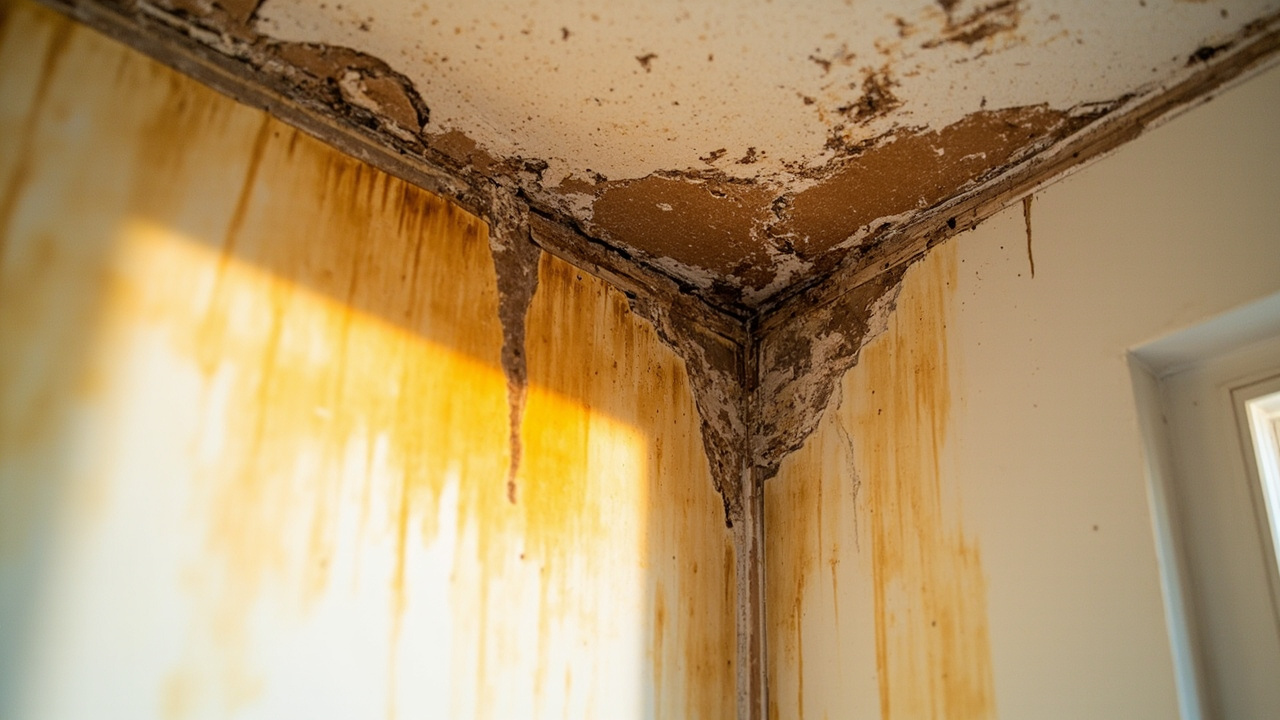
You walk past that yellow stain on your ceiling every day. It started small. Now it has rings around it, and the paint is bubbling. You press your finger against it, and the drywall feels soft.

Pittsburgh's weather does this to homes. We get freeze-thaw cycles in winter that crack flashing and burst pipes. Spring and summer bring high humidity that condenses inside walls. The moisture discoloration on sheetrock you see is not just cosmetic. It is a symptom of water trapped behind the surface.

Water stains on drywall come from five main sources in Pittsburgh homes. Roof leaks from ice dams are common in neighborhoods like Squirrel Hill and Shadyside, where older homes have aging shingle systems. Plumbing leaks from second-floor bathrooms seep down through ceiling joists. HVAC condensation lines clog and overflow into wall cavities. Window flashing fails on brick facades, letting rain penetrate behind trim. Basement moisture wicks up through drywall in finished lower levels.

The brown water spots on walls you see are calcium, rust, and organic material left behind when water evaporates. But the water does not evaporate completely. It saturates insulation and wood framing. Within 48 hours, mold spores colonize damp cellulose. The wet patches on plasterboard you see today turn into black mold tomorrow.

Ignoring water marks on ceiling drywall costs you more than a paint job. The structural framing behind the drywall swells and weakens. Mold spreads into HVAC ducts. Your home loses insulating value. Resale appraisals flag water damage as a red flag that kills offers.

Why Pittsburgh Homes Get Water Stains on Drywall
How We Find and Fix the Real Problem

How We Find and Fix the Real Problem

Most contractors patch the stain and repaint. The stain comes back in three months. That is because they treat the symptom, not the source.

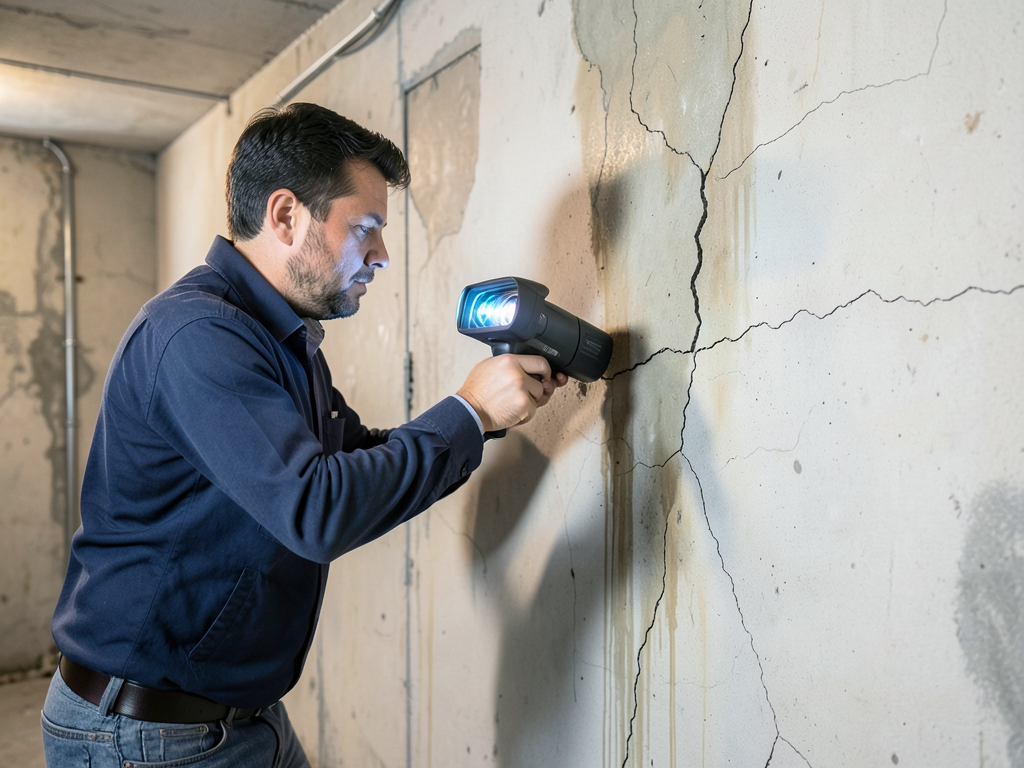
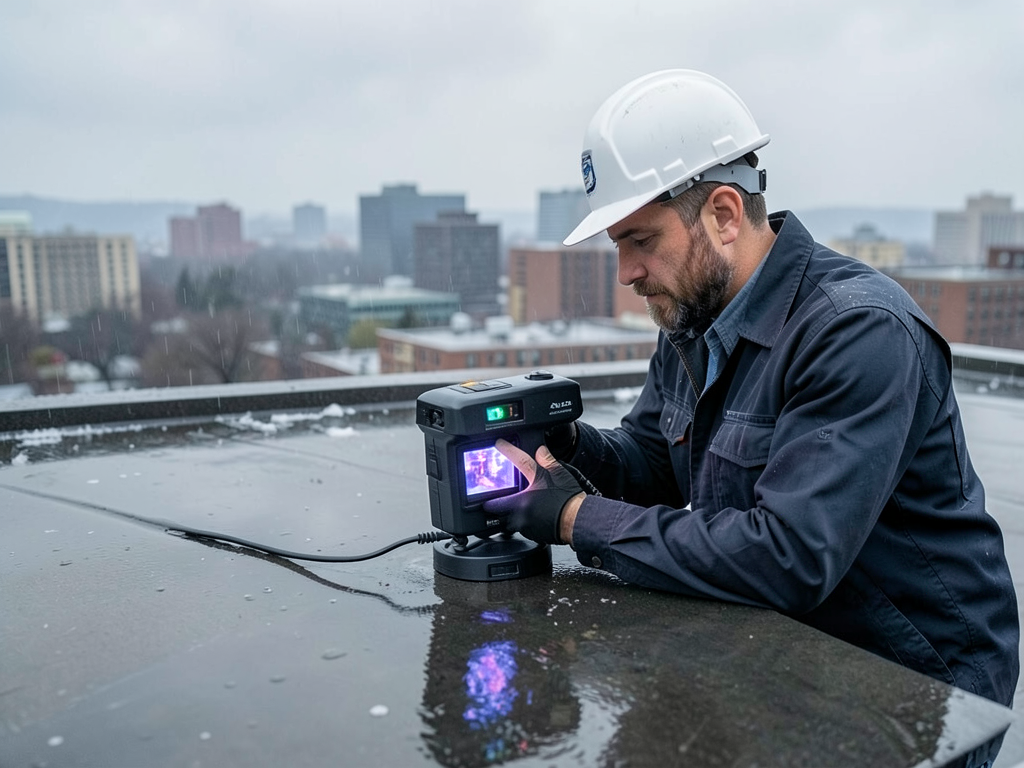
Reliance Water Damage Restoration Pittsburgh uses thermal imaging cameras to trace moisture pathways inside your walls. We scan the stained area and the rooms above, below, and adjacent. Water travels along the path of least resistance. A stain in your living room ceiling might come from a bathroom drain two rooms away.

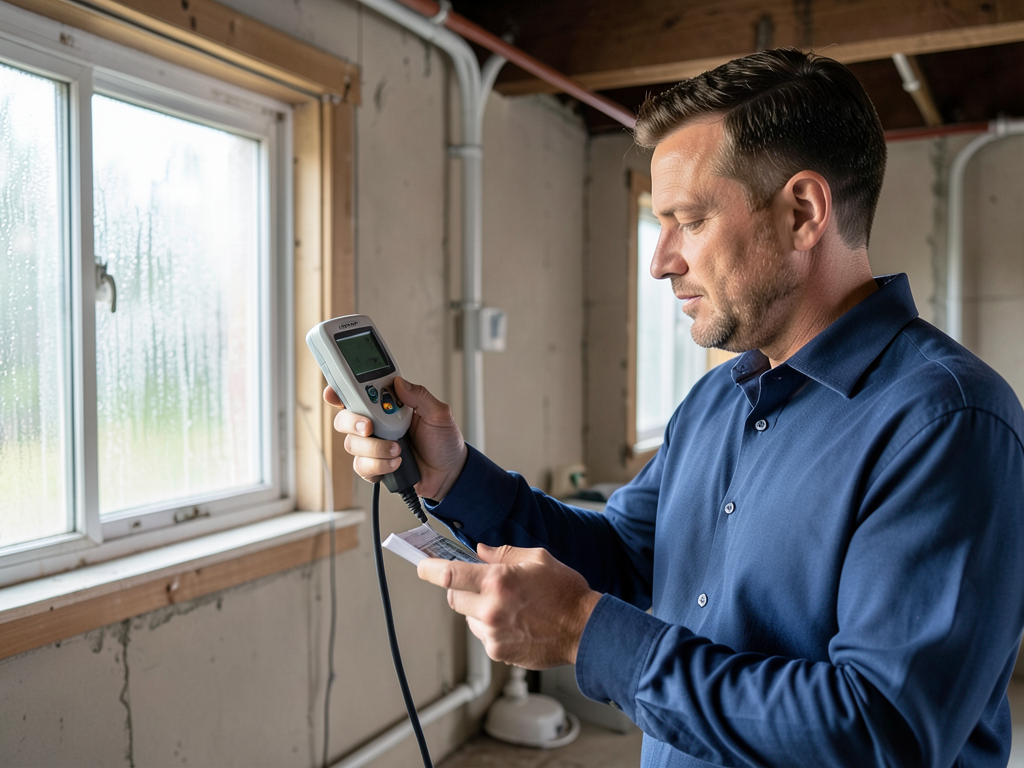
Once we locate the source, we use moisture meters to map the extent of saturation. Drywall reads dry at 15 percent moisture content. Anything above 18 percent supports microbial growth. We probe the studs, insulation, and subfloor to identify all affected materials.

We do not guess. We measure. If the moisture reading is above threshold, we remove the wet drywall and insulation. Leaving damp material inside the wall guarantees mold and rot.

After we extract the water source, we set up containment barriers and negative air pressure to prevent cross-contamination. We run commercial dehumidifiers and air movers to dry the framing to below 15 percent moisture content. This takes 48 to 72 hours depending on the severity.

We spray antimicrobial treatments on exposed framing to kill surface mold spores. Then we verify dryness with a final moisture reading before we close the wall. If the framing is dry, we install new insulation and drywall. If the studs are compromised, we sister in new framing members.

We do not use store-bought fans and hope for the best. We follow IICRC S500 water damage restoration standards. We document every reading. Insurance adjusters trust our process because it is measurable and repeatable.

What Happens During Your Water Stain Inspection

Water Stains on Drywall in Pittsburgh | Expert Diagnosis Stops Hidden Mold Growth
01

Initial Assessment and Documentation

We arrive with thermal cameras and moisture meters. You show us the water stains on drywall. We photograph the damage and take baseline moisture readings on the surface and surrounding areas. We check the attic, crawl space, and plumbing fixtures above the stain. We ask when you first noticed it and whether it has grown. We map the affected zones and explain what we find before we touch anything.
02

Source Identification and Containment

We trace the moisture pathway using infrared scanning. Cold spots on the camera indicate active leaks. We cut small inspection holes to confirm the water source. If it is a plumbing leak, we shut off the supply line. If it is a roof leak, we tarp the exterior. We set containment barriers with plastic sheeting and negative air machines to isolate the work area. This prevents mold spores from spreading to clean areas while we work.
03

Drying and Restoration Verification

We remove wet drywall and insulation. We place air movers and dehumidifiers to dry the framing. We monitor moisture levels every 24 hours until readings drop below 15 percent. Once verified dry, we treat exposed wood with antimicrobial spray. We install new insulation and drywall, then texture and paint to match your existing finish. You get a dry wall cavity and documentation for your insurance claim.

Why Pittsburgh Homeowners Choose Reliance for Drywall Water Damage

You need someone who understands how Pittsburgh homes are built. Most of our housing stock was constructed between 1900 and 1960. That means plaster over lath, knob-and-tube wiring, cast iron plumbing, and balloon framing. You cannot treat these homes like modern construction.

Reliance Water Damage Restoration Pittsburgh has worked in every neighborhood from Polish Hill to Mount Lebanon. We know the difference between plaster discoloration and active water intrusion. We know how to remove damaged drywall without pulling down historic plaster in adjacent rooms. We know which walls are load-bearing and which are partition walls.

We also understand Pittsburgh's climate challenges. Our freeze-thaw cycles are aggressive. Ice dams form on north-facing rooflines. Condensation forms inside walls when indoor heating meets outdoor cold. We have seen the same problems in thousands of homes. We know how to fix them permanently.

When you call us, you get a technician who has handled brown water spots on walls in homes just like yours. We do not send a different crew every time. You work with the same team from assessment to final walkthrough. We answer our phone. We show up when we say we will. We explain what we are doing and why.

We also work directly with your insurance company. We know what Allstate, State Farm, and Erie Insurance require for documentation. We photograph everything. We log moisture readings. We write detailed estimates that match insurance language. You do not have to translate between your adjuster and your contractor. We handle that.

Pittsburgh homeowners choose us because we do not upsell. If your water stain is from a minor roof leak and the drywall is still solid, we tell you to fix the roof and monitor the stain. We do not rip out walls unless the moisture readings justify it.

What to Expect When You Call About Water Stains

Response Time and Scheduling

We answer your call within two rings during business hours. If you call after hours, our emergency line routes to a technician, not a voicemail. For active leaks, we arrive within 90 minutes. For older stains, we schedule an inspection within 24 hours. You get a two-hour arrival window, and we call 30 minutes before we arrive. We do not make you wait all day. Most inspections take 45 to 90 minutes depending on the size of your home and the number of stains.

Inspection and Moisture Mapping

We bring thermal imaging cameras and penetrating moisture meters. We scan the stained area and adjacent walls. We check above and below the stain. We document every reading with photos and notes. If we need to cut an inspection hole, we ask first. We explain what the moisture readings mean and where the water is coming from. You get a written assessment before we start any work. We do not surprise you with hidden damage after we open the wall. We tell you what we expect to find and give you a cost range.

Drying and Reconstruction Quality

We dry the wall cavity to below 15 percent moisture content before we close it. We verify dryness with a final meter reading. We use new drywall, not patches. We match your existing texture, whether it is smooth, orange peel, or knockdown. We prime and paint with two coats. The repaired area blends with the surrounding wall. You will not see a patch outline or color mismatch. If your home has plaster walls, we match the plaster texture and hardness. We do not slap drywall over plaster and call it done.

Documentation and Follow-Up

You get a full report with before and after photos, moisture readings, and scope of work. We include the source of the leak and what we did to fix it. This documentation is critical for insurance claims and future home sales. We do not offer warranties on third-party repairs like roof leaks or plumbing fixes, but we stand behind our drying and reconstruction work. If the stain reappears within 90 days and our moisture readings were accurate, we come back at no charge to investigate. We also provide maintenance recommendations to prevent future water intrusion.

Frequently Asked Questions

You Have Questions,
We Have Answers

How do you get water stains out of drywall? +

Start by fixing the source of the leak. Let the drywall dry completely, which can take 24 to 72 hours depending on Pittsburgh's humidity levels. Once dry, apply a stain-blocking primer to seal the discoloration. This prevents the stain from bleeding through new paint. After the primer dries, paint with two coats of matching wall paint. If the stain persists or the drywall feels soft, you need replacement, not just cosmetic repair. Surface stains respond well to this method, but hidden damage requires professional assessment.

Does water stained drywall need to be replaced? +

It depends on the extent of exposure and damage. Minor surface staining from a quick leak often needs only cleaning and repainting. If water soaked the drywall for hours or days, the paper facing deteriorates and the gypsum core weakens. You will see bubbling, crumbling, or soft spots. Mold growth is common in Pittsburgh's humid climate after 48 hours of moisture exposure. At that point, replacement is necessary. Compromised drywall loses structural integrity and harbors hidden mold spores, creating health risks you cannot paint over.

How to tell if water is leaking behind drywall? +

Look for visual clues. Water stains appear as yellow, brown, or copper-colored rings on walls or ceilings. Paint may bubble or peel in affected areas. Touch the wall. If it feels damp, spongy, or cooler than surrounding areas, water is present. You might smell musty odors, especially in Pittsburgh homes with poor ventilation. Listen for dripping sounds inside walls. Check for warping baseboards or buckled flooring near the wall base. Use a moisture meter for confirmation. Hidden leaks often originate from plumbing lines, roof penetrations, or ice dam backup.

Are water stains on walls bad? +

Yes. Water stains signal an active or recent leak that needs immediate attention. The stain itself is cosmetic, but the underlying problem causes structural damage, mold growth, and decreased indoor air quality. In Pittsburgh homes, water intrusion from ice dams, foundation seepage, or plumbing failures can compromise wall framing and insulation. Ignoring stains leads to expensive repairs later. Mold colonizes damp drywall within 48 hours, creating respiratory hazards. The longer water sits, the more damage spreads. Address the source immediately, then assess whether repair or replacement is needed.

Is drywall ruined once it gets wet? +

Not always. Quick exposure to clean water, dried within 24 hours, often leaves drywall salvageable. You can dry, prime, and repaint. Extended exposure or contaminated water from sewage backups ruins drywall. The paper facing absorbs moisture and delaminates. The gypsum core crumbles when saturated. Pittsburgh's humidity slows drying, increasing mold risk. If drywall stays wet beyond 48 hours, replacement is safer than attempting repairs. Category 3 water (sewage) requires immediate removal due to health hazards. Test for firmness and check for mold before deciding.

Can water stains be removed from walls? +

Surface water stains can be removed with the right approach. First, eliminate the moisture source. Let the area dry completely. Light stains may fade with a bleach solution (one part bleach to three parts water), but this does not remove deep staining. The most reliable method is applying a stain-blocking primer like Kilz or BIN, then repainting. This seals the stain and prevents bleed-through. If stains reappear after treatment or the drywall feels compromised, you need replacement. Cosmetic fixes do not address structural or mold issues lurking behind the surface.

Can you paint over water stains in drywall? +

You can, but the stain will bleed through standard paint. Water stains contain tannins and minerals that penetrate new paint layers. You need a stain-blocking primer first. Products like Kilz or BIN shellac-based primer seal the discoloration and create a barrier. Apply one or two coats of primer, let it dry fully, then paint with your finish color. Skipping primer wastes time and money because stains reappear within days. Also confirm the drywall is completely dry and structurally sound before painting. Wet or damaged drywall needs replacement, not paint.

Will homeowners insurance cover water damage to a ceiling? +

It depends on the cause. Homeowners insurance typically covers sudden, accidental water damage like burst pipes or appliance malfunctions. Gradual leaks from poor maintenance, roof wear, or neglected plumbing are usually excluded. Pittsburgh homes face risks from ice dams and frozen pipes, which may be covered if you maintained proper heating. Review your policy's water damage exclusions. Insurance adjusters look for evidence of ongoing neglect. Document the damage with photos immediately. File claims quickly. If denied, appeal with proof the event was sudden and unforeseeable, not long-term neglect.

How to tell if drywall is water damaged? +

Check for discoloration. Water-damaged drywall shows yellow, brown, or dark stains. Feel the surface. Wet or spongy texture indicates active moisture. Look for paint that bubbles, peels, or flakes. Warping or sagging drywall means the gypsum core has weakened. Smell for musty, earthy odors signaling mold growth, common in Pittsburgh's humid conditions. Tap the wall. A hollow or soft sound suggests deterioration. Visible mold (black, green, or white patches) confirms prolonged moisture exposure. Use a moisture meter for precision. Any reading above 16 percent moisture content requires professional drying or replacement.

Does homeowners insurance cover water leaks in walls? +

Coverage depends on the leak's cause and your policy terms. Sudden pipe bursts, appliance failures, or storm-related intrusion are generally covered. Slow leaks from aging pipes, foundation cracks, or deferred maintenance are typically excluded. Pittsburgh homes with older plumbing face higher risk of gradual leaks, which insurers deny. Review your policy's water damage section and exclusions. Many policies exclude seepage, groundwater infiltration, and flood-related damage. Document everything with photos and repair records. If your claim is denied, provide evidence the damage was sudden. Consider adding endorsements for better leak coverage.

How Pittsburgh's Humidity and Old Housing Stock Cause Drywall Water Stains

Pittsburgh averages 77 percent relative humidity from May through September. That moisture condenses inside wall cavities when air conditioning cools interior surfaces. Homes built before 1960 lack vapor barriers. Water vapor migrates through plaster and drywall, then condenses on cold framing. Over time, this creates yellow stains on drywall and brown water spots on walls. Add in our 40 inches of annual rainfall and aging roof systems, and you have a perfect recipe for moisture discoloration on sheetrock. The wet patches on plasterboard you see in your bedroom or bathroom are not random. They follow predictable patterns based on your home's age, insulation, and ventilation.

Reliance Water Damage Restoration Pittsburgh has worked in over 3,000 homes across Allegheny County. We know how water moves through balloon-framed walls in Lawrenceville bungalows. We understand how ice dams form on slate roofs in Shadyside. We have dried out finished basements in South Hills ranches and repaired water marks on ceiling drywall in Highland Park Victorians. Local expertise matters because every neighborhood has different construction methods and water intrusion risks. We do not guess. We know what to look for because we have seen it before.
Water Damage Restoration Services in The Pittsburgh Area

While we provide rapid mobile service directly to your location, you can also find our physical business location on the map below. This map highlights our primary service area and shows our commitment to serving the Pittsburgh community. We are always ready to dispatch our expert team to your home or business, no matter where you are in our service region. Feel free to use the interactive map to get directions or to visualize our proximity to you.

Address:
Reliance Water Damage Restoration Pittsburgh, 201 S Craig St, Pittsburgh, PA, 15213

Additional Services We Offer

Our news updates

Latest Articles & News from The Blogs

How to tell if you have a expensive slab leak under your Franklin Park home Franklin Park homeowners face a…

How to tell if you have a expensive slab leak under your Franklin Park home

How to tell if you have a expensive slab leak under your Franklin Park home Franklin Park homeowners face a…

What to do when your office fire sprinklers go off by mistake in Downtown Pittsburgh

What to do when your office fire sprinklers go off by mistake in Downtown Pittsburgh When fire sprinklers discharge without…

Preserving the original masonry in Mexican War Streets homes after a water leak

Preserving the original masonry in Mexican War Streets homes after a water leak When water infiltrates the historic brick and…

Contact Us

Call Reliance Water Damage Restoration Pittsburgh at (412) 382-8788 right now. We will schedule your inspection within 24 hours. You get a written moisture assessment and a no-pressure estimate. Do not wait for that stain to grow.