




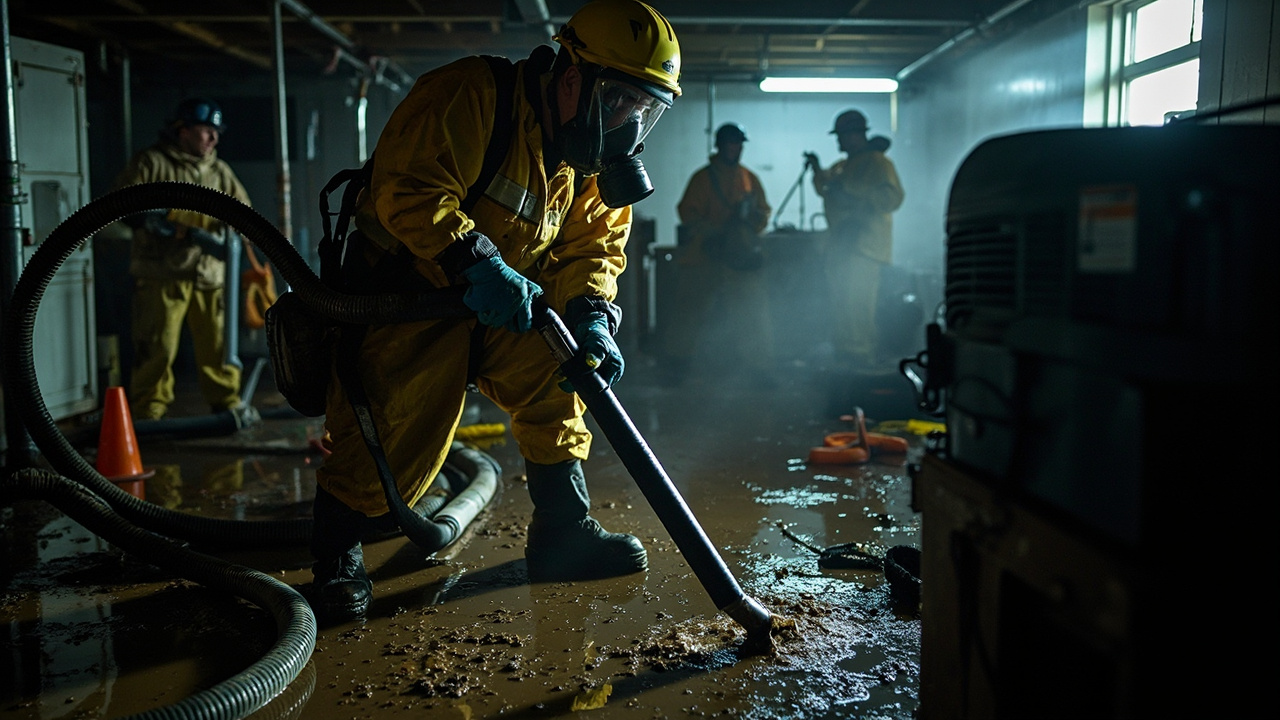
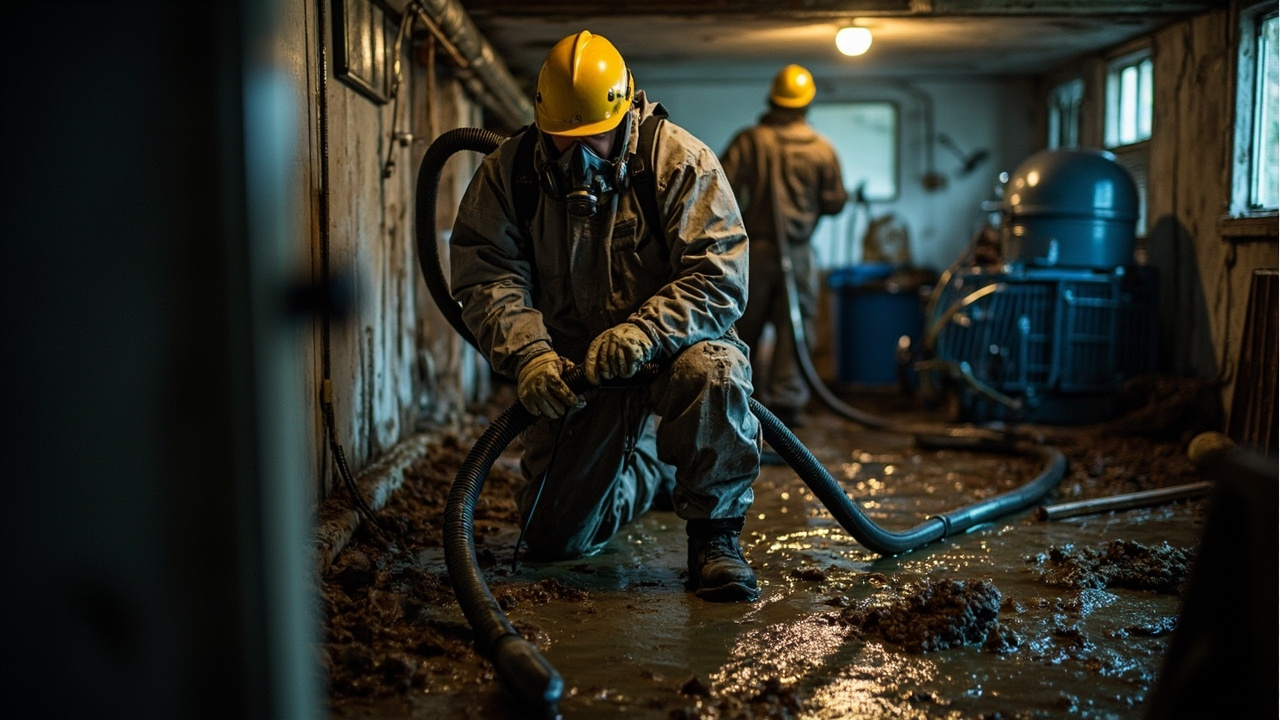
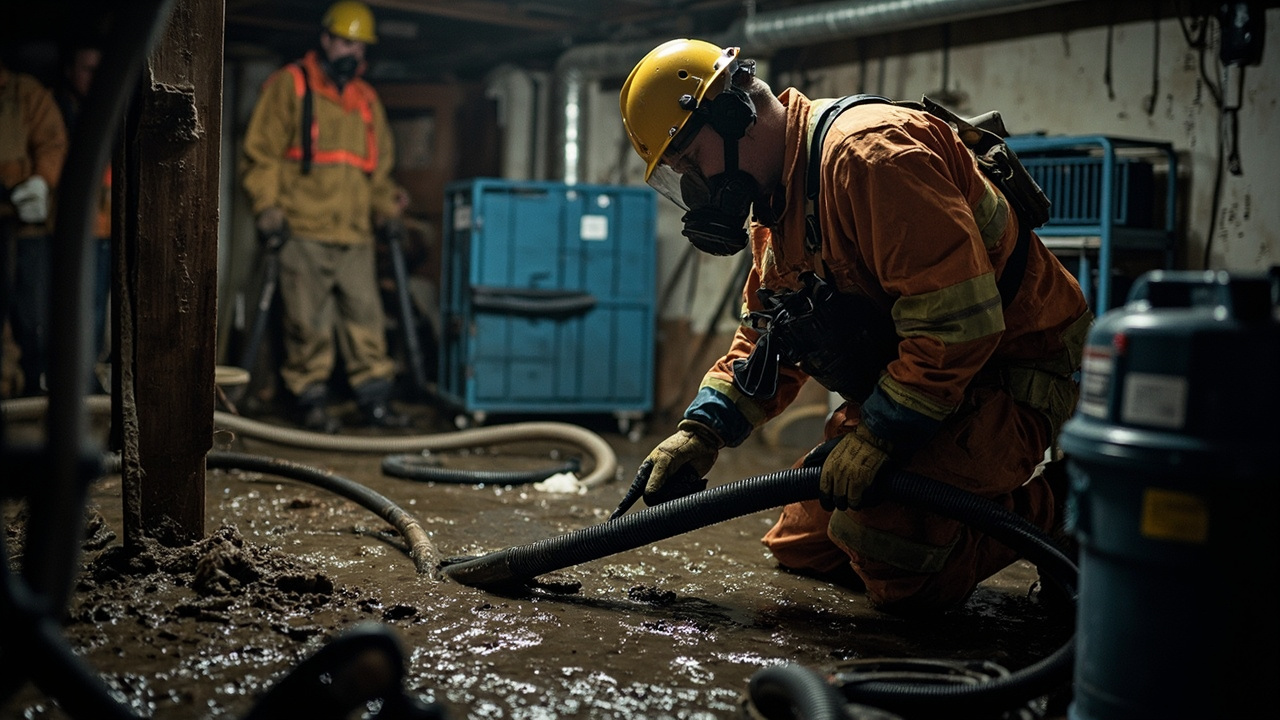
Pittsburgh's combined sewer infrastructure carries both stormwater runoff and raw sewage in the same pipes, a design common when the system was built in the late 1800s. During heavy rainfall, the system exceeds capacity and overflows, pushing sewage back through basement floor drains and toilet connections. The steep hillside geography channels stormwater rapidly into sewer mains, overwhelming capacity faster than flat terrain cities. Properties in low-lying areas near the Allegheny, Monongahela, and Ohio rivers experience the highest backup frequency because they sit at collection points where multiple sewer lines converge. This makes sewage backup cleanup a recurring need for thousands of Pittsburgh homeowners each spring.
Reliance Water Damage Restoration Pittsburgh works directly with PWSA and local plumbing contractors to determine whether your sewage backup originated from private line failure or municipal system overflow. This distinction matters for insurance claims and determines who bears financial responsibility for repairs. We understand Allegheny County's specific health department requirements for sewage contamination and provide the documentation needed to pass final inspections. Our technicians train on Pennsylvania's specific regulations for hazardous waste transport and disposal, ensuring your contaminated materials reach approved facilities with proper manifests. Choosing a local sewage remediation company means working with professionals who understand Pittsburgh's unique infrastructure challenges and regulatory environment.