




Menu

Basement Flood Cleanup in Pittsburgh – Expert Water Extraction and Complete Restoration for Your Home or Business

Fast-response basement flood restoration services across Pittsburgh, including emergency water extraction, structural drying, and comprehensive remediation to protect your property from lasting damage and mold growth.

Slider Image 1
Slider Image 2
Slider Image 3
Slider Image 4
Slider Image 5
Slider Image 7
Slider Image 8
Slider Image 9
Slider Image 10
Slider Image 11

Why Pittsburgh Basements Flood and What Happens When You Wait

Pittsburgh sits at the confluence of three rivers, and that geography creates unique flooding risks for homeowners and business owners across Allegheny County. The region's clay-heavy soil does not absorb water quickly. When spring snowmelt combines with heavy rainfall, water has nowhere to go except into foundation cracks, window wells, and floor drains. Add in aging sewer systems in neighborhoods like Lawrenceville and the South Side, and you get frequent backup events that send wastewater into finished basements.

A flooded basement is not just an inconvenience. Standing water damages drywall, insulation, electrical systems, and flooring within hours. Porous materials absorb moisture fast, creating ideal conditions for mold colonization within 24 to 48 hours. Basement water extraction must happen immediately to prevent structural deterioration and indoor air quality problems that affect the entire home.

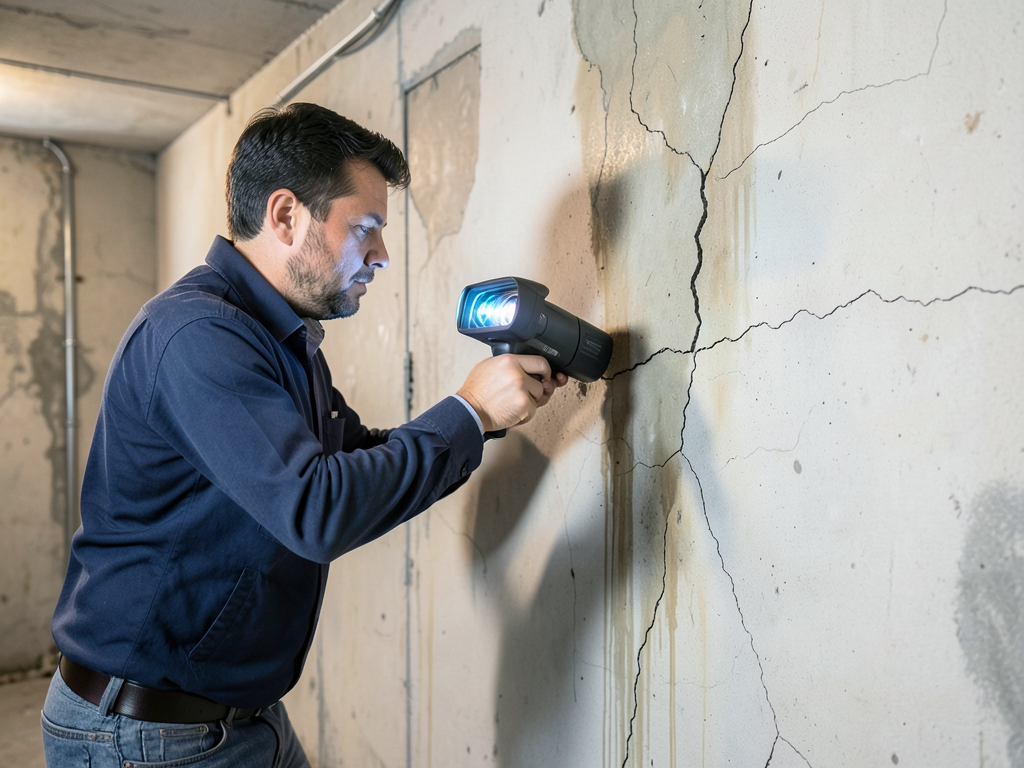
Many Pittsburgh properties have older foundations built before modern waterproofing standards. Mortar joints deteriorate over time, allowing hydrostatic pressure to force water through basement walls during heavy storms. If you see water pooling near your furnace, water heater, or finished living spaces, you need professional flooded basement water removal before secondary damage sets in. Waiting even a few hours increases restoration costs and extends the timeline for safe re-occupancy. Basement flood restoration is not a DIY project when the water source is unknown or when sewage is involved.

Why Pittsburgh Basements Flood and What Happens When You Wait
Our Flooded Basement Remediation Process: Extraction, Drying, and Prevention

Our Flooded Basement Remediation Process: Extraction, Drying, and Prevention

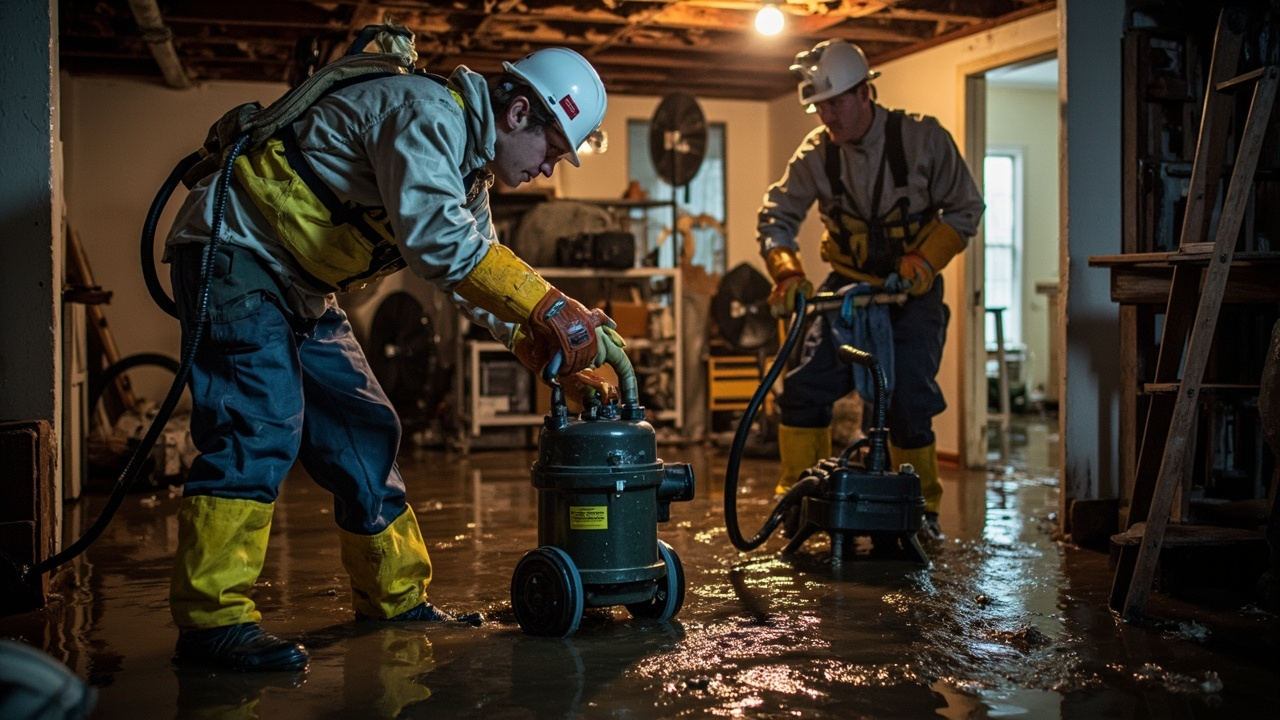
Basement flood cleanup requires more than mopping up visible water. Successful flooded basement remediation addresses both surface water and trapped moisture inside walls, subfloors, and insulation cavities. Reliance Water Damage Restoration Pittsburgh uses truck-mounted extraction units and submersible pumps to remove standing water quickly, even in deep basements with limited access.

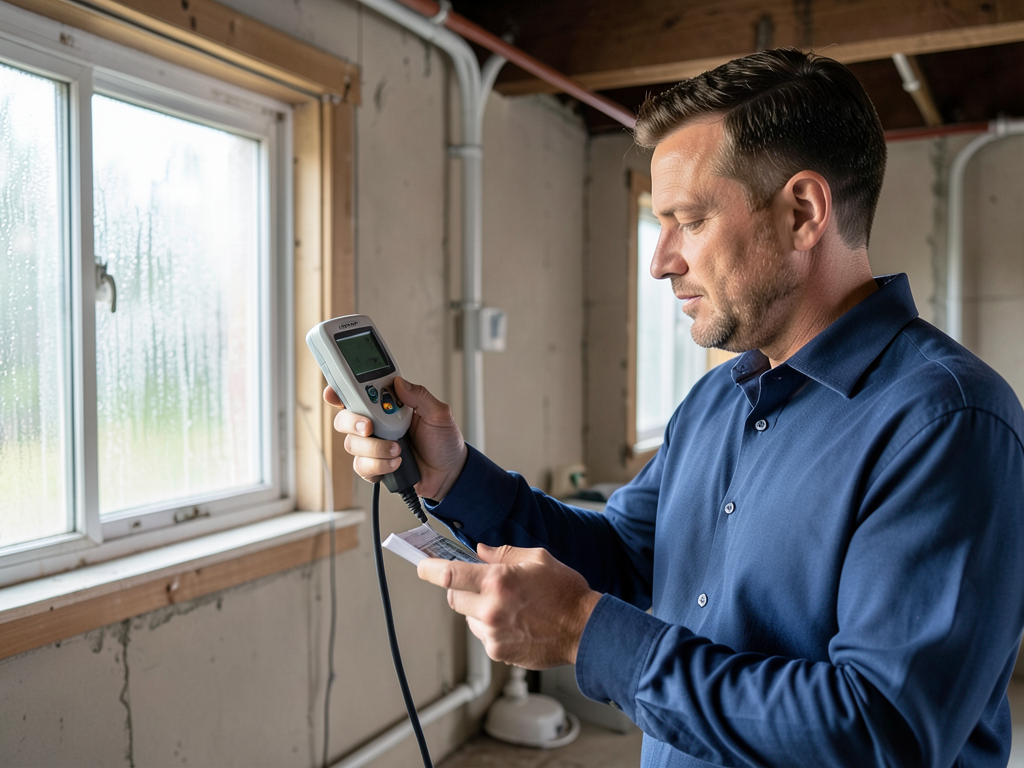
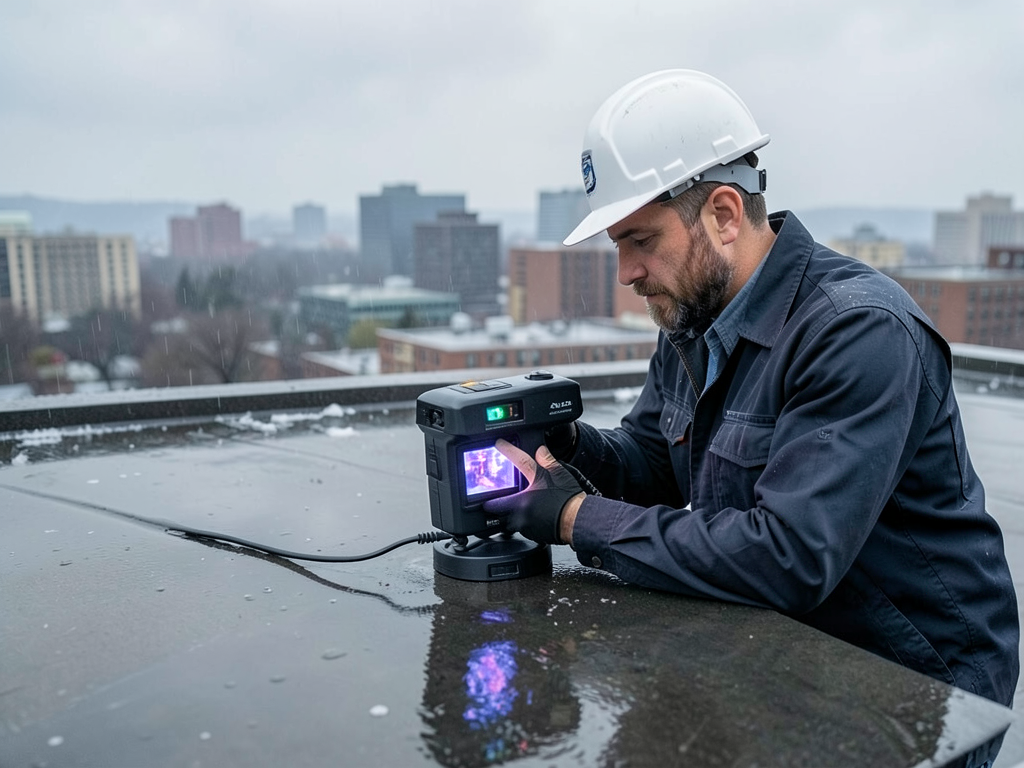
After extraction, we deploy commercial-grade air movers and low-grain refrigerant dehumidifiers to pull moisture from structural materials. We monitor humidity levels and temperature continuously using thermal imaging cameras and moisture meters to ensure hidden pockets of water do not remain behind drywall or under vinyl flooring. Incomplete drying leads to microbial amplification and wood rot, which can compromise floor joists and rim boards.

We do not rely on guesswork. Our technicians document moisture readings at multiple points throughout the basement, creating a drying log that tracks progress until all materials return to normal moisture content. This data-driven approach prevents callbacks and ensures your basement is truly dry, not just surface-dry. If the water source was a sewer backup or sump pump failure, we also apply EPA-registered antimicrobials to affected surfaces to reduce pathogen load and control odors.

Flooded basement pumping alone does not solve the problem. We identify why the flooding happened in the first place, whether it is a failed sump pump, foundation crack, or grading issue that directs runoff toward your home. This diagnostic step helps you prevent the next flood, saving you from repeated water damage events.

What Happens During Your Basement Flood Cleanup Service

Basement Flood Cleanup in Pittsburgh – Expert Water Extraction and Complete Restoration for Your Home or Business
01

Emergency Water Extraction

We arrive with industrial extraction equipment and remove all standing water from your basement, including water trapped in carpet padding, crawl spaces, and mechanical rooms. Our submersible pumps handle high-volume water removal, while portable extractors target smaller areas and hard-to-reach corners. Speed matters here because every minute of water contact increases material damage and mold risk.
02

Structural Drying and Monitoring

After extraction, we position air movers and dehumidifiers to create optimal drying conditions throughout the affected space. We remove baseboards and drill weep holes in walls if moisture is trapped inside wall cavities. Thermal imaging helps us locate hidden moisture in concrete block cores and under laminate flooring. We check moisture levels twice daily until readings confirm the space is dry and safe for reconstruction.
03

Sanitization and Final Inspection

Once drying is complete, we apply antimicrobial treatments to all affected surfaces, especially if the water source involved sewage or groundwater contamination. We inspect the entire basement for secondary damage, check air quality, and provide a detailed report documenting moisture readings and completed work. You receive a final walkthrough to confirm the space is ready for repairs or immediate use.

Why Pittsburgh Property Owners Trust Reliance Water Damage Restoration

Pittsburgh's unique hydrology and aging housing stock require local expertise. Reliance Water Damage Restoration Pittsburgh has handled basement flooding in every neighborhood, from Highland Park bungalows to Mount Washington hillside homes where runoff creates consistent foundation pressure. We understand how Pittsburgh's freeze-thaw cycles crack foundation walls and how combined sewer systems overflow during heavy rain events.

Our technicians are trained in IICRC water damage restoration standards and equipped to handle both residential and commercial basement floods. We work directly with insurance adjusters to document losses accurately, reducing claim denials and speeding up reimbursement. We know which local building codes apply to basement reconstruction and which materials perform best in high-humidity environments common to the Pittsburgh region.

When you call us, you get a local team that knows the difference between a sump pump failure and a French drain collapse. We do not outsource labor or use subcontractors. Every technician on your job works for Reliance Water Damage Restoration Pittsburgh and follows our quality standards for extraction, drying, and customer communication.

We also respect your time. Flooded basement pumping and water removal happen on your schedule, including nights and weekends. We arrive when we say we will, complete work within the estimated timeline, and leave your basement cleaner than it was before the flood. No shortcuts. No surprises. Just professional basement flood restoration that protects your property and gives you peace of mind.

What You Can Expect During Basement Flood Cleanup

Rapid Response and Immediate Water Removal

We dispatch a crew within hours of your call, often arriving the same day. Emergency flooded basement water removal happens immediately upon arrival, using high-capacity pumps and extractors to eliminate standing water. We work around your schedule and do not stop until the extraction phase is complete. If the flooding happened overnight or during a storm, we prioritize homes with active electrical hazards or sewage contamination to reduce health risks and liability.

Thorough Moisture Assessment and Drying Plan

Before we start drying equipment, we conduct a full moisture assessment using thermal cameras and pin-type moisture meters. We measure humidity levels and temperature at multiple points to establish baseline conditions. This data informs our drying plan, which specifies equipment placement, airflow patterns, and estimated drying time. You receive daily updates on drying progress and any changes to the timeline based on moisture readings.

Complete Drying and Pathogen Control

Your basement is not ready for reconstruction until all structural materials reach normal moisture content. We do not remove drying equipment prematurely. Once drying is confirmed, we apply antimicrobial treatments to affected surfaces, paying special attention to areas exposed to sewage or stagnant floodwater. You receive documentation showing final moisture readings and confirmation that the space meets industry standards for safe occupancy and reconstruction.

Insurance Coordination and Documentation

We photograph all damage before starting work and maintain detailed logs of equipment usage, moisture readings, and labor hours. This documentation supports your insurance claim and reduces disputes with adjusters. We communicate directly with your insurance company if you request it, providing estimates and progress reports that meet carrier requirements. Our goal is to make the claims process as smooth as possible while ensuring you receive full reimbursement for covered losses.

Frequently Asked Questions

You Have Questions,
We Have Answers

How to clean up after a flooded basement? +

First, stop the water source if possible. Remove standing water with a pump or wet vacuum. Document damage with photos for insurance. Remove wet materials like carpets, boxes, and damaged drywall within 24 hours to prevent mold. Pittsburgh's high humidity makes speed critical. Disinfect hard surfaces with antimicrobial cleaner. Use industrial fans and dehumidifiers to dry the space completely. Do not rely on a single box fan. If water exceeded two inches or sat longer than 48 hours, call a water damage restoration professional. Contaminated water from sewage backups requires professional extraction and sanitization.

How much does it cost to clean up a flooded basement? +

Basement flood cleanup costs vary based on water volume, contamination level, and structural damage. Minor cleanups start around $1,500 to $3,000 for extraction and drying. Moderate floods with drywall or flooring removal range higher. Severe flooding with sewage contamination or foundation concerns costs more. Pittsburgh's older homes with stone foundations or finished basements often see increased costs due to material removal and specialty drying. Insurance typically covers sudden disasters like burst pipes but may exclude long-term seepage or sump pump failures. Get multiple estimates and confirm the scope includes moisture testing and antimicrobial treatment.

What type of professional fixes flooded basements? +

A water damage restoration company handles flooded basements. These professionals specialize in extraction, structural drying, dehumidification, and mold prevention. They use moisture meters, thermal imaging, and industrial equipment that homeowners cannot access. In Pittsburgh, choose a company experienced with local challenges like clay soil foundation movement and older home construction. Plumbers fix the source problem. Mold remediators handle growth after the fact. Restoration companies address the full scope immediately, preventing secondary damage. Confirm they hold IICRC certification in water damage restoration. Fast response matters. Water spreads quickly through porous concrete and wood common in Pittsburgh basements.

How long does it take to clean up a flooded basement? +

Water extraction takes a few hours. Complete drying and cleanup takes three to seven days depending on flood severity, affected materials, and humidity levels. Pittsburgh's variable weather and high humidity slow natural drying. Small floods affecting only concrete may dry in three days with proper equipment. Finished basements with drywall, insulation, and carpeting take longer. Severe contamination or structural concerns extend timelines. Professionals use moisture meters to confirm dryness before closing walls or replacing flooring. Rushing the process invites mold growth within 48 hours. Proper drying prevents expensive callbacks and health risks. Your timeline depends on equipment access and material porosity.

What kills mold after a flood? +

Antimicrobial solutions and EPA-registered disinfectants kill mold after a flood. Professionals use commercial-grade products like quaternary ammonium compounds or hydrogen peroxide-based solutions. Bleach works on non-porous surfaces but does not penetrate porous materials like wood or drywall. Pittsburgh's humidity means mold spreads fast if moisture remains. Killing surface mold is not enough. You must remove contaminated materials and dry the structure completely. HEPA filtration during cleanup captures airborne spores. Encapsulants seal remaining spores on structural elements you cannot remove. Do not spray and walk away. Address the moisture source or mold returns within weeks.

How much does Servpro cost to clean a basement? +

Servpro pricing varies by franchise, job scope, and regional factors. Basement cleanups typically start in the mid-range for the industry. Costs depend on water volume, contamination category, and material removal needs. Pittsburgh franchises may price higher due to older home complexities and local labor costs. Servpro offers brand recognition and standardized training. However, local restoration companies often provide comparable service at competitive rates with more personalized attention. Request itemized estimates from multiple providers. Compare equipment lists, drying timelines, and whether antimicrobial treatment is included. Insurance often negotiates rates directly, so your out-of-pocket cost may differ from the initial estimate.

Will insurance pay for a flooded basement? +

Insurance covers flooded basements if the cause is sudden and accidental, like a burst pipe or water heater failure. Policies exclude gradual damage, poor maintenance, or groundwater seepage unless you purchased separate flood insurance through NFIP. Sump pump failures fall into a gray area. Some policies cover mechanical breakdown, others do not. Pittsburgh's aging infrastructure and heavy spring rains increase risk. Review your policy for water backup coverage, which adds protection for sewer and drain overflows. Document damage immediately with photos and timestamps. File claims within your policy's reporting window. Restoration companies often work directly with adjusters to streamline the process.

What is the most expensive part of finishing a basement? +

The most expensive part of finishing a basement is addressing moisture and waterproofing before cosmetic work begins. Interior or exterior waterproofing systems, drainage corrections, and foundation repairs cost more than drywall and flooring combined. Pittsburgh's clay soil and aging foundations make this step critical. Skipping it invites repeated water intrusion and wasted finish costs. After waterproofing, HVAC extensions and egress window installations add significant expense due to code requirements. Bathrooms require plumbing rough-ins and special venting. Flooring and framing are moderate costs. If you face flood cleanup now, budget for proper drainage corrections before refinishing to avoid repeating this cycle.

How long to let basement dry after flood? +

Basements need at least three to five days of active drying after a flood, but seven to ten days is safer for finished spaces. Pittsburgh's humidity slows evaporation without commercial dehumidifiers and air movers. Concrete appears dry on the surface but holds moisture deep within. Drywall and insulation take longer. Professionals use moisture meters to test materials at multiple depths before declaring the space dry. Stopping equipment too early causes mold growth within 48 hours. Relative humidity must drop below 60 percent and materials must reach normal moisture content for the region. Do not rely on feel or appearance. Measure with calibrated tools.

How much does it cost to waterproof a 1500 sq ft basement? +

Interior basement waterproofing for 1,500 square feet typically costs between $3,000 and $7,000, depending on system type and Pittsburgh-specific factors like foundation condition. This includes perimeter drainage systems, sump pump installation, and wall sealants. Exterior waterproofing costs significantly more due to excavation, but it addresses the root cause. Pittsburgh's clay soil and freeze-thaw cycles complicate exterior work. Costs rise if foundation cracks need repair or grading corrections are necessary. Minor crack sealing and surface coatings cost less but provide limited protection. Get multiple estimates. Confirm the scope includes drainage improvements, not just cosmetic sealants. Proper waterproofing prevents repeated flood cleanup costs.

How Pittsburgh's Combined Sewer Systems Increase Basement Flooding Risk

Pittsburgh operates one of the oldest combined sewer systems in the country, where stormwater and wastewater share the same pipes. During heavy rain, the system becomes overwhelmed and backs up into basement floor drains, toilets, and sump pits. This is especially common in neighborhoods like Shadyside, Squirrel Hill, and the North Side, where aging infrastructure has not been updated to handle modern stormwater volumes. When sewage backs up into your basement, you face both water damage and biohazard contamination. Professional basement flood restoration is required because DIY cleanup cannot address pathogen risks or ensure complete drying of contaminated materials.

Local building codes in Allegheny County require specific backflow prevention devices for properties in flood-prone areas, but many older homes were built before these regulations existed. Reliance Water Damage Restoration Pittsburgh works with local plumbers and contractors who understand Pittsburgh's unique infrastructure challenges. We recommend practical solutions like backwater valves, battery-backup sump pumps, and perimeter drainage improvements that reduce future flooding risk. Our familiarity with local permits and inspection requirements ensures your basement restoration meets code and protects your property long-term.
Water Damage Restoration Services in The Pittsburgh Area

While we provide rapid mobile service directly to your location, you can also find our physical business location on the map below. This map highlights our primary service area and shows our commitment to serving the Pittsburgh community. We are always ready to dispatch our expert team to your home or business, no matter where you are in our service region. Feel free to use the interactive map to get directions or to visualize our proximity to you.

Address:
Reliance Water Damage Restoration Pittsburgh, 201 S Craig St, Pittsburgh, PA, 15213

Additional Services We Offer

Our news updates

Latest Articles & News from The Blogs

How to tell if you have a expensive slab leak under your Franklin Park home Franklin Park homeowners face a…

How to tell if you have a expensive slab leak under your Franklin Park home

How to tell if you have a expensive slab leak under your Franklin Park home Franklin Park homeowners face a…

What to do when your office fire sprinklers go off by mistake in Downtown Pittsburgh

What to do when your office fire sprinklers go off by mistake in Downtown Pittsburgh When fire sprinklers discharge without…

Preserving the original masonry in Mexican War Streets homes after a water leak

Preserving the original masonry in Mexican War Streets homes after a water leak When water infiltrates the historic brick and…

Contact Us

Do not let standing water destroy your basement. Call Reliance Water Damage Restoration Pittsburgh at (412) 382-8788 for fast, professional flooded basement water removal and complete restoration services. We are available 24/7 for emergency response.