





Menu

Sump Pump Maintenance Guide in Pittsburgh – Protect Your Basement from Flooding Before the Next Storm

Learn the exact sump pump maintenance checklist Pittsburgh homeowners need to prevent basement flooding, extend equipment life, and avoid emergency water damage when heavy rains hit the Ohio River Valley.

Slider Image 1
Slider Image 2
Slider Image 3
Slider Image 4
Slider Image 5
Slider Image 7
Slider Image 8
Slider Image 9
Slider Image 10
Slider Image 11

Why Sump Pump Maintenance Matters in Pittsburgh's Flood-Prone Climate

Pittsburgh sits at the confluence of three rivers. The Allegheny, Monongahela, and Ohio create a water table that fluctuates dramatically during spring melt and summer storms. Add in the clay-heavy soil across Allegheny County, and you have a perfect storm for basement flooding.

Your sump pump is the only thing standing between your foundation and thousands of gallons of groundwater. When it fails, you face rapid flooding, mold growth within 24 hours, and structural damage that insurance may not fully cover.

The problem is most homeowners never check their sump pump until it stops working. By then, water is already pooling around your furnace or soaking into drywall. Preventative sump pump maintenance is not optional in this region. It is the difference between a dry basement and a five-figure restoration bill.

A sump pump maintenance checklist designed for Pittsburgh homes accounts for freeze-thaw cycles that crack discharge lines, power outages during severe weather, and sediment buildup from our iron-rich soil. How to maintain a sump pump here means testing it before storm season, not after your basement floods. Sump pump care tips must address the specific challenges of our topography and infrastructure.

This guide walks you through sump pump upkeep instructions that prevent failure when you need the system most. You will learn what to inspect, when to test, and how to spot problems before they escalate.

Why Sump Pump Maintenance Matters in Pittsburgh's Flood-Prone Climate
The Complete Sump Pump Maintenance Protocol for Pittsburgh Homes

The Complete Sump Pump Maintenance Protocol for Pittsburgh Homes

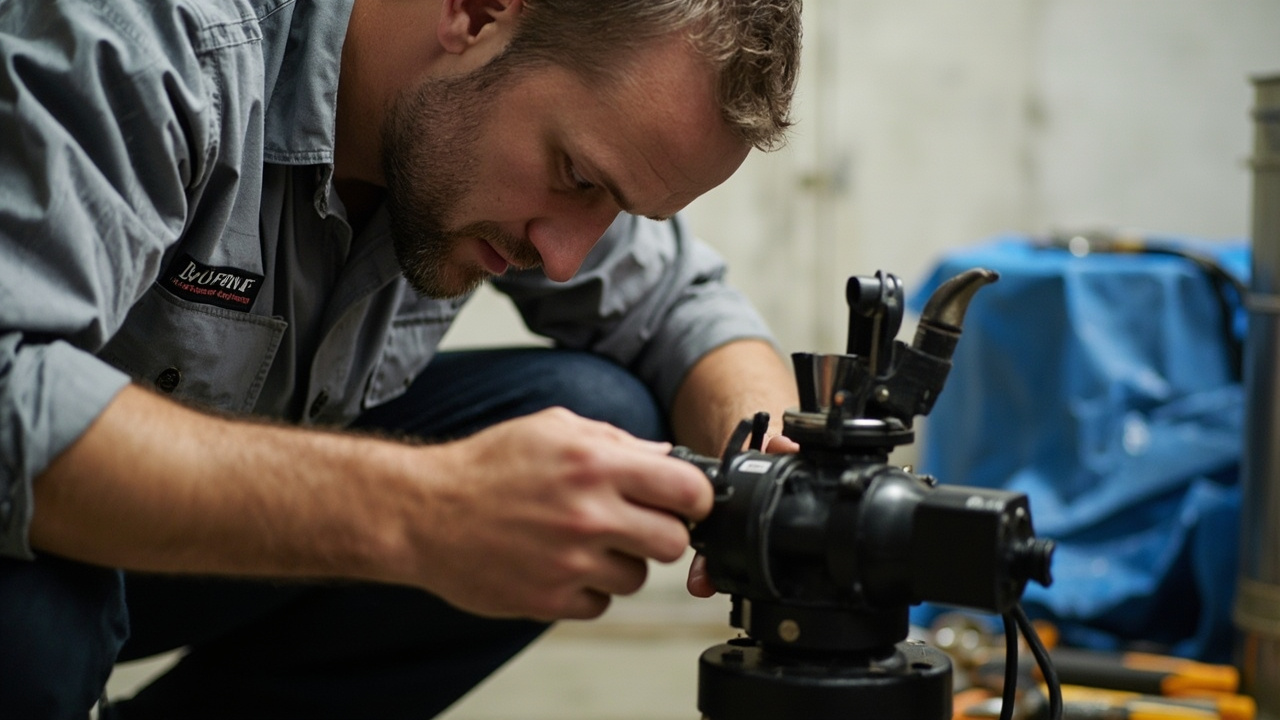
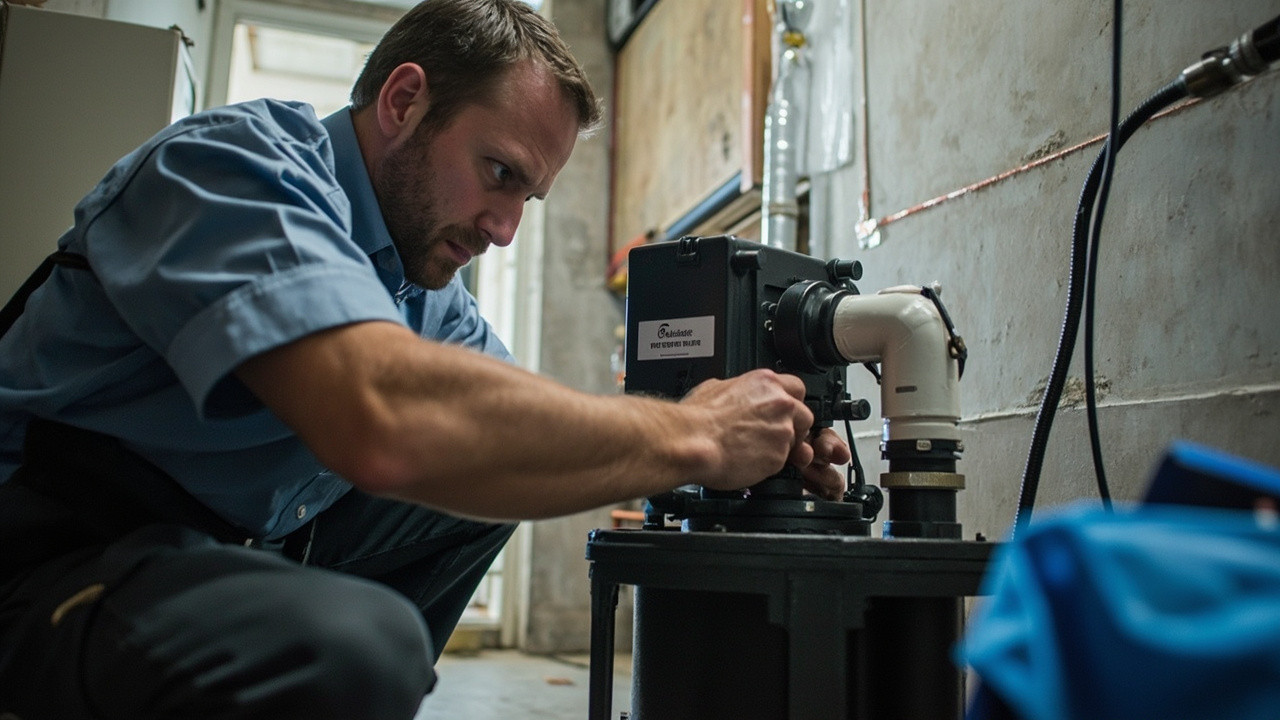
Effective sump pump maintenance starts with understanding how the system works. The sump basin collects groundwater from perimeter drains. When water reaches a trigger level, the float switch activates the pump motor, which pushes water through a discharge pipe away from your foundation. The check valve prevents backflow. That is the entire system, and each component can fail.

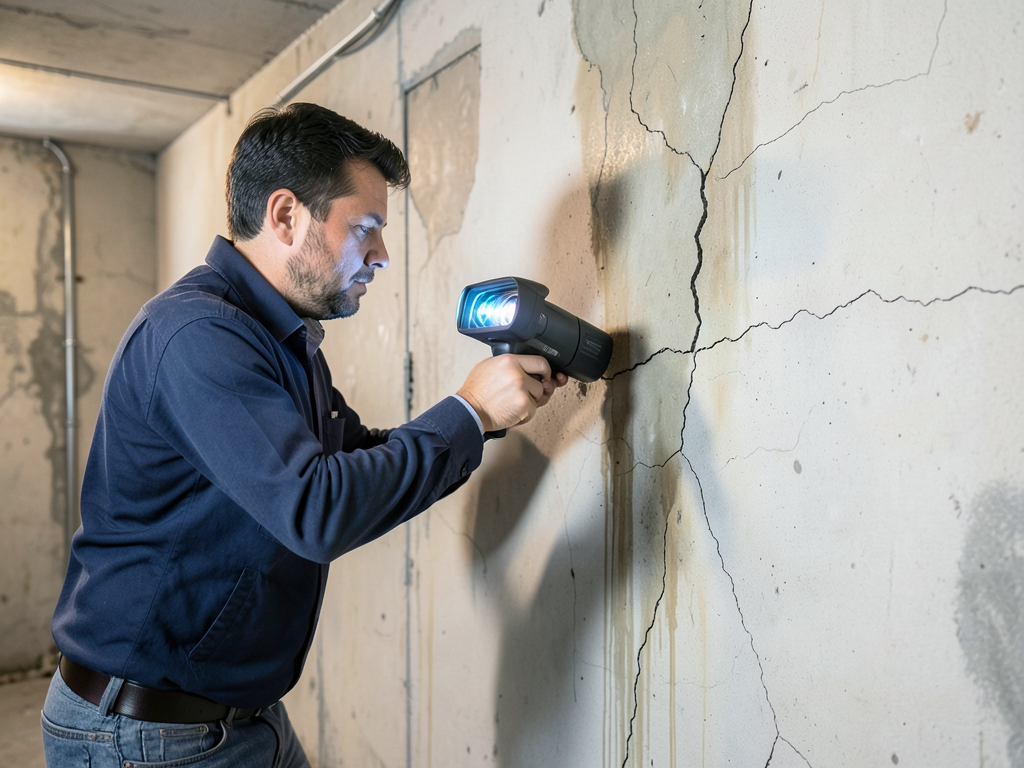
Start with a visual inspection. Remove the sump pit cover and check for debris, sediment, or standing water between pump cycles. Pittsburgh basements accumulate dirt, rust particles, and organic material that clog the intake screen. Clear any obstructions before testing.

Test the float switch manually. Pour five gallons of water into the pit and watch the pump activate. The motor should start immediately when the float rises, and water should drain within seconds. If the pump hesitates, cycles on and off rapidly, or fails to empty the pit, you have a mechanical problem.

Inspect the discharge line from basement to exterior. Look for cracks, disconnections, or ice blockages in winter months. The pipe must slope away from your foundation and terminate at least ten feet from the house. A frozen discharge line sends water back into your basement during the next cycle.

Check the backup power system. Pittsburgh experiences frequent power outages during thunderstorms and winter weather. A battery backup or water-powered secondary pump is essential insurance. Test the backup annually by unplugging the primary pump and verifying the secondary system engages.

Clean the sump pit annually. Remove accumulated sediment with a wet vacuum, then flush the pit with clean water. This prevents buildup that reduces pump efficiency and shortens motor life.

Your Seasonal Sump Pump Inspection Process

Sump Pump Maintenance Guide in Pittsburgh – Protect Your Basement from Flooding Before the Next Storm
01

Spring Pre-Storm Testing

Before April rains arrive, test your sump pump with at least ten gallons of water to verify full cycling capacity. Inspect the discharge line for winter damage, clear the check valve of debris, and verify the float moves freely without obstruction. Replace batteries in backup systems and confirm the pit cover seals properly to prevent debris entry during heavy storms.
02

Mid-Season Performance Monitoring

During active storm months, listen for unusual motor sounds like grinding or continuous running, which indicate mechanical stress or blockages. Check that the discharge line remains secure and slopes correctly away from your foundation. Monitor cycle frequency. If the pump runs constantly or not at all during wet weather, you need professional diagnosis before complete failure occurs.
03

Fall Winterization and Maintenance

Before freezing temperatures arrive, insulate exposed discharge pipes and install a freeze-protection line if your exterior discharge is vulnerable. Clean the sump pit of accumulated sediment and test the system one final time before winter. Verify your backup power system is charged and functional, as Pittsburgh winter storms bring both flooding and power loss simultaneously.

Why Pittsburgh Homeowners Trust Local Expertise for Sump Pump Care

Pittsburgh's unique flood risks require local knowledge. National guides do not account for the Monongahela River's spring overflow patterns or the way Squirrel Hill's elevation affects groundwater drainage. Generic maintenance advice fails when your discharge line freezes in January or your pit floods during a summer cloudburst.

Reliance Water Damage Restoration Pittsburgh understands the specific failure points in local sump systems. We know that homes in Shadyside face different drainage challenges than properties in the South Hills. We account for Pittsburgh's aging housing stock, where many basements were retrofitted with sump pumps decades ago using undersized pits or inadequate discharge routes.

Our maintenance protocols address the sediment composition in Allegheny County soil, which contains higher iron and clay content than surrounding regions. This sediment clogs intake screens faster and requires more frequent pit cleaning. We also factor in the region's power grid vulnerabilities during severe weather, which is why we emphasize backup system testing in every maintenance checklist.

Local building codes have evolved as flood risks increased. We stay current on municipal requirements for sump discharge, which prohibit direct connections to sanitary sewers in most Pittsburgh neighborhoods. Improper discharge routing can result in code violations and exacerbate neighborhood flooding.

When you work with a Pittsburgh-based water damage specialist, you get expertise shaped by thousands of local basements. We have seen every failure mode, from frozen discharge lines in Observatory Hill to overwhelmed pumps in Lawrenceville's low-lying areas. That experience translates into maintenance protocols that actually prevent the failures most common in this region.

You also get rapid response when maintenance reveals a problem. If your pump needs replacement or your discharge system requires upgrades, we can respond the same day, before the next storm arrives.

What a Professional Sump Pump Inspection Includes

Response Time and Scheduling

We schedule sump pump inspections within 48 hours of your call, with same-day availability during storm season. The inspection takes 45 to 90 minutes depending on system complexity and the condition of your discharge infrastructure. We work around your schedule and provide evening or weekend appointments for homeowners who cannot take time off work. If we identify urgent problems during inspection, we can often perform repairs immediately rather than scheduling a return visit.

Comprehensive System Evaluation

Our inspection covers every component of your sump system. We test pump motor function under load, measure cycle time and recovery rate, inspect electrical connections for corrosion or loose wiring, and evaluate float switch operation. We examine the discharge line from basement to exterior termination point, checking for cracks, improper slope, or code violations. We assess your backup power system and recommend upgrades if your current setup is inadequate for Pittsburgh's storm frequency. You receive a written report detailing our findings and any recommended repairs.

Long-Term Performance and Reliability

A properly maintained sump pump lasts seven to ten years in Pittsburgh conditions. Our inspection identifies wear patterns that indicate approaching end-of-life, so you can replace the pump on your schedule rather than during an emergency. We document baseline performance metrics, which allows us to track degradation over time during annual inspections. This proactive approach prevents surprise failures and gives you time to budget for replacements. We also optimize system efficiency, which reduces electricity consumption and extends motor life.

Ongoing Maintenance Support

After your initial inspection, we offer annual maintenance plans that include pre-storm testing, pit cleaning, and priority emergency service if your pump fails. Plan members receive reminder calls before storm season and discounted rates on repairs or replacements. We keep detailed service records for every property, which helps us identify patterns and recommend system upgrades before problems occur. This continuity of care ensures your sump pump receives consistent attention from technicians who know your specific system and property challenges.

Frequently Asked Questions

You Have Questions,
We Have Answers

What is the most common problem with sump pumps? +

The float switch fails most often. This small mechanism triggers the pump when water rises. Debris, mineral buildup, or a stuck position prevent activation, leaving your basement vulnerable during heavy rain. Pittsburgh's freeze-thaw cycles and clay soil drainage issues increase pit water volume, stressing the switch. Check the float quarterly by lifting it manually to confirm pump activation. Other common failures include clogged discharge lines from sediment and burned-out motors from continuous cycling. Homes in low-lying neighborhoods near the Allegheny or Monongahela experience higher failure rates without regular inspection.

Can I put a chlorine tablet in my sump pump? +

No. Chlorine tablets corrode pump components and deteriorate rubber seals, causing premature failure. The chemical reaction damages the impeller and motor housing. Pittsburgh's hard water already stresses sump systems with mineral deposits. Adding chlorine accelerates corrosion. For odor control, use bacteria-based additives designed for sump pits. These break down organic matter without harming mechanical parts. If you smell sewage, you may have a compromised sewage ejector pump, which requires immediate professional inspection. Never introduce household chemicals into drainage systems. Clean your pit with a wet-dry vacuum and mild detergent instead.

What is the typical lifespan of a sump pump? +

Most sump pumps last seven to ten years with proper maintenance. Pittsburgh's heavy spring runoff and humid summers force pumps to cycle more frequently than drier climates, shortening lifespan. Pumps running continuously during storm season wear faster. Homes in Squirrel Hill, Shadyside, or flood-prone areas near rivers may see pumps fail closer to five years due to constant use. Battery backup systems last three to five years before replacement. Mark your installation date and test monthly. Replace proactively at eight years to avoid emergency failures during peak storm season when contractors face high demand.

How to clean out a sump pump without removing it? +

Disconnect power first. Use a wet-dry vacuum to remove standing water and debris from the pit. Wipe down the pump exterior with a damp cloth to remove silt and mineral buildup common in Pittsburgh water. Pour a bucket of clean water into the pit to trigger the float and flush the discharge line. Check the weep hole for clogs. Inspect the discharge pipe outside for ice blockages during winter months. This surface cleaning handles minor maintenance, but annual professional servicing ensures internal components stay functional. Homes with older plumbing systems need more frequent attention.

What is the proper way to maintain my sump pump? +

Test your pump monthly by pouring water into the pit until the float activates. Clean debris from the basin quarterly using a wet-dry vacuum. Inspect the discharge line for clogs, especially after Pittsburgh's freeze-thaw cycles crack pipes. Check the weep hole stays clear to prevent airlock. Ensure the backup battery holds a charge if installed. Once yearly, remove the pump and flush the impeller screen. During spring storm season, verify the check valve prevents backflow. Homes near the rivers or in older neighborhoods with combined sewers need more vigilant monitoring due to higher groundwater intrusion.

What is the #1 cause of basement flooding? +

Sump pump failure causes most basement flooding in Pittsburgh. When pumps fail during heavy rain or spring snowmelt, water overwhelms foundation drainage systems. Clay soil common throughout Allegheny County drains poorly, directing runoff toward foundations. Aging combined sewer systems in older neighborhoods backflow during storms. Clogged gutters and downspouts worsen the problem by concentrating water at the foundation. Homes in Lawrenceville, Polish Hill, and South Side flood more frequently due to low elevation near waterways. Install a battery backup system and maintain your primary pump to prevent costly water damage and mold growth.

Can I pour vinegar in a sump pump? +

Yes, but use it correctly. Pour one cup of distilled white vinegar into the pit after removing standing water. Let it sit for 20 minutes, then flush with clean water. Vinegar dissolves mineral deposits from Pittsburgh's hard water without damaging pump components. This works for routine cleaning and mild odor control. Do not use vinegar on corroded parts or as a substitute for mechanical maintenance. For persistent smells, you need enzyme-based cleaners that target organic buildup. If vinegar does not eliminate odors, you may have a cracked discharge line or sewage contamination requiring professional assessment.

What can I put in my sump pump to keep it from smelling? +

Use enzyme or bacteria-based sump pump cleaners designed to digest organic matter. These products break down the sludge and algae causing odors without harming pump mechanics. Pour the recommended amount into the pit monthly during humid summer months when bacterial growth accelerates. Pittsburgh's basement humidity creates ideal conditions for stagnant water smells. Ensure your pit has a sealed cover to contain odors and prevent debris entry. If smells persist, check for a dry trap in the discharge line or a failing sewage ejector pump. Never use bleach or ammonia, which corrode components and create toxic fumes.

What is the best cleaner for a sump pump? +

Enzyme-based sump pump cleaners work best for routine maintenance. These biological formulas break down sludge, prevent mineral buildup, and eliminate odors without corroding mechanical parts. Brands designed for septic systems also work well. For heavy mineral deposits from Pittsburgh's hard water, use a diluted vinegar solution followed by thorough flushing. Avoid harsh chemicals like bleach or drain cleaners that damage seals and plastic components. A wet-dry vacuum combined with mild detergent handles physical debris removal. Professional servicing includes descaling solutions safe for all pump types. Clean quarterly during peak usage seasons for optimal performance.

What is the average cost to replace a sump pump? +

Replacement costs vary based on pump type, horsepower, and installation complexity. Pedestal pumps run less than submersible models but offer shorter lifespans. Battery backup systems add expense but prevent flooding during power outages common in Pittsburgh storms. Homes with finished basements or difficult access pay more for labor. Costs increase during emergency callouts or peak spring storm season. Factors include discharge line rerouting, check valve replacement, and basin repairs. Get multiple quotes and verify the contractor addresses Pittsburgh-specific challenges like clay soil drainage and freeze protection for exterior discharge lines. Proactive replacement costs less than emergency water damage restoration.

How Pittsburgh's Topography and Soil Composition Affect Sump Pump Longevity

Pittsburgh's hilly terrain creates unpredictable groundwater flow patterns. Homes on slopes experience lateral water pressure against foundation walls, which increases the workload on sump pumps during heavy rain. The clay-heavy soil across Allegheny County drains poorly, causing water to pool around foundations rather than percolate into deeper soil layers. This means Pittsburgh sump pumps cycle more frequently than pumps in regions with sandy, well-draining soil. The increased cycling shortens motor life and makes preventative sump pump maintenance more critical here than in flatter, better-drained areas.

Local building codes require sump discharge lines to terminate a minimum distance from property lines, but many older Pittsburgh homes predate these regulations. We frequently encounter discharge systems that violate current code or direct water toward neighboring properties, creating liability issues. Our familiarity with municipal requirements across Pittsburgh, Mount Lebanon, Bethel Park, and Upper St. Clair ensures your sump system meets code and functions safely. We also understand how Pittsburgh's combined sewer system affects discharge options in certain neighborhoods, which influences our maintenance recommendations and upgrade proposals.


Water Damage Restoration Services in The Pittsburgh Area

While we provide rapid mobile service directly to your location, you can also find our physical business location on the map below. This map highlights our primary service area and shows our commitment to serving the Pittsburgh community. We are always ready to dispatch our expert team to your home or business, no matter where you are in our service region. Feel free to use the interactive map to get directions or to visualize our proximity to you.

Address:
Reliance Water Damage Restoration Pittsburgh, 201 S Craig St, Pittsburgh, PA, 15213

Additional Services We Offer

Our news updates

Latest Articles & News from The Blogs

How to tell if you have a expensive slab leak under your Franklin Park home Franklin Park homeowners face a…

How to tell if you have a expensive slab leak under your Franklin Park home

How to tell if you have a expensive slab leak under your Franklin Park home Franklin Park homeowners face a…

What to do when your office fire sprinklers go off by mistake in Downtown Pittsburgh

What to do when your office fire sprinklers go off by mistake in Downtown Pittsburgh When fire sprinklers discharge without…

Preserving the original masonry in Mexican War Streets homes after a water leak

Preserving the original masonry in Mexican War Streets homes after a water leak When water infiltrates the historic brick and…

Contact Us

Do not wait until water is pooling in your basement. Call Reliance Water Damage Restoration Pittsburgh at (412) 382-8788 to schedule a comprehensive sump pump inspection. We will test your system, identify vulnerabilities, and ensure your basement stays dry when the next storm hits.