




Menu

High Indoor Humidity Levels in Pittsburgh – Expert Diagnosis and Permanent Moisture Control Solutions

Reliance Water Damage Restoration Pittsburgh identifies the root cause of elevated home humidity and implements targeted moisture control systems that protect your property from mold, structural damage, and poor air quality.

Slider Image 1
Slider Image 2
Slider Image 3
Slider Image 4
Slider Image 5
Slider Image 7
Slider Image 8
Slider Image 9
Slider Image 10
Slider Image 11

Why Pittsburgh Homes Struggle with Excessive Indoor Moisture Year-Round

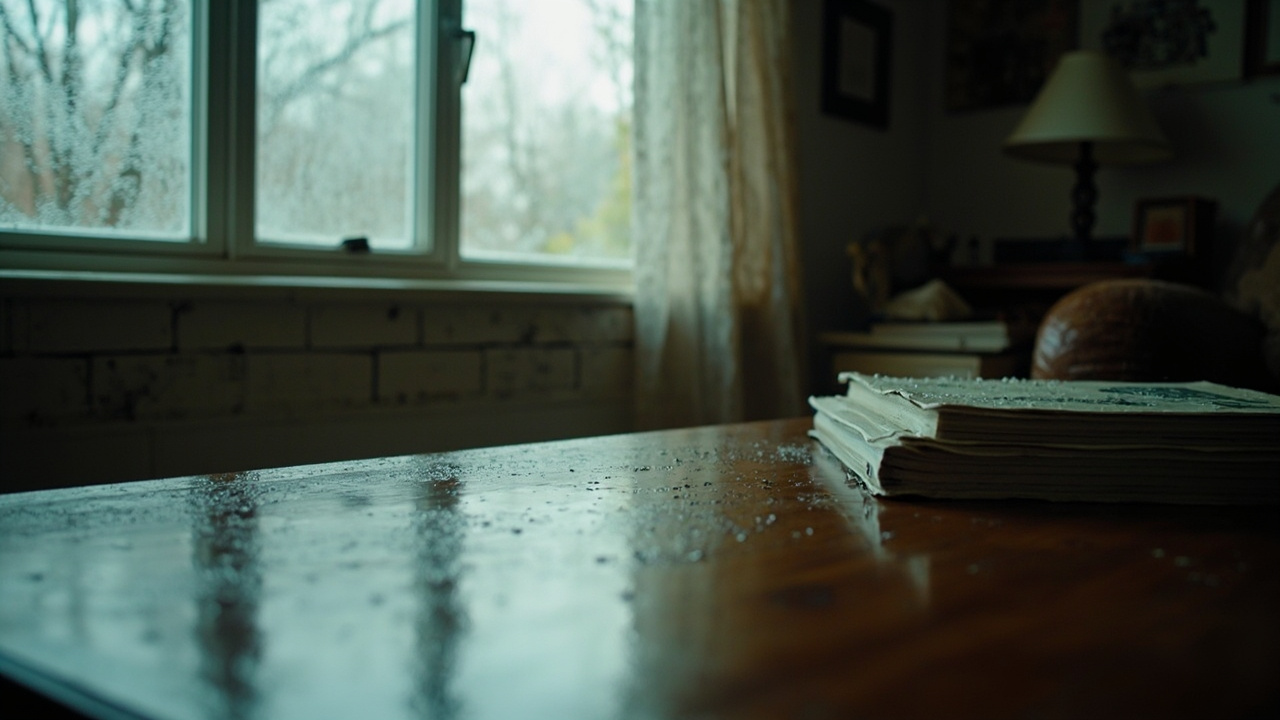
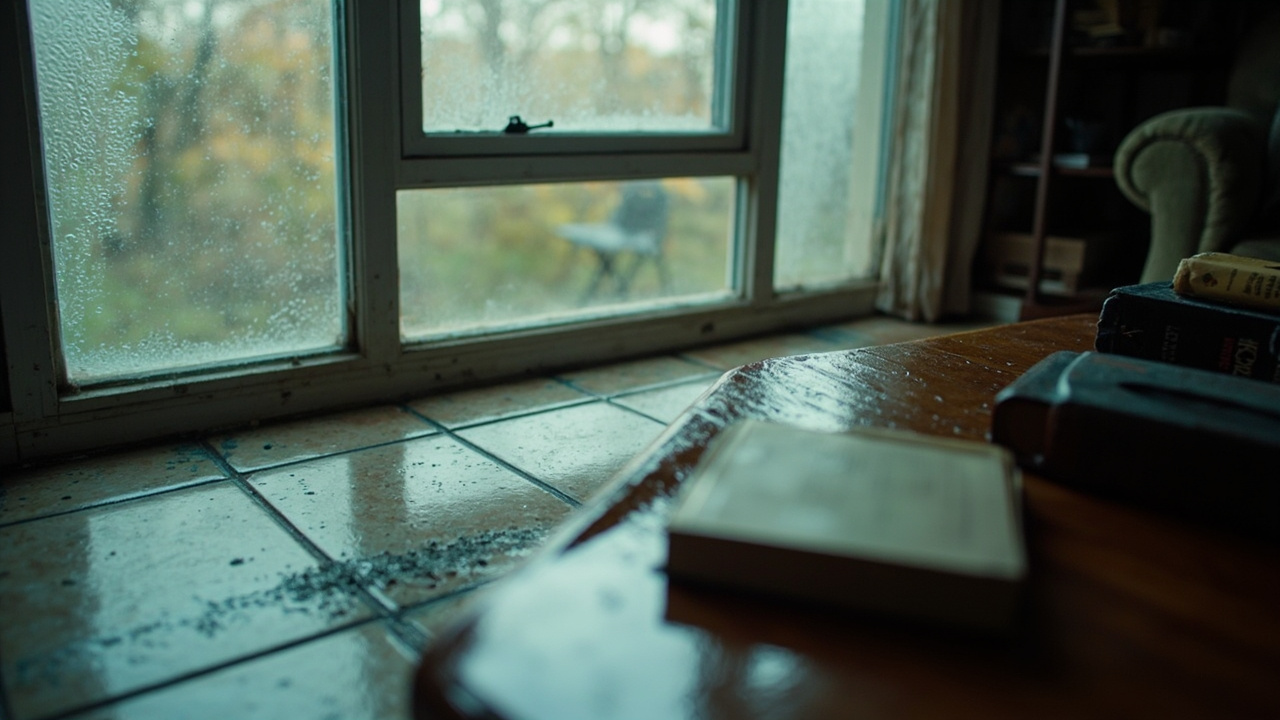
You notice condensation on your windows every morning. Your basement smells musty even when it looks dry. The air feels heavy in July and damp in February. These are not random occurrences. Pittsburgh sits at the confluence of three rivers, creating a microclimate where high relative humidity indoors becomes a persistent problem for homeowners across Squirrel Hill, Shadyside, Mount Washington, and beyond.

The city averages 75 percent relative humidity outdoors, which means your home constantly fights infiltration from exterior moisture. Add Pittsburgh's freeze-thaw cycles, older housing stock with inadequate vapor barriers, and the region's clay-heavy soil that holds water near foundations, and you create conditions where excess humidity in house becomes structural risk.

When indoor relative humidity climbs above 60 percent, you create ideal conditions for mold colonization, dust mite proliferation, and wood rot. Your HVAC system runs longer but accomplishes less. Paint peels. Hardwood floors cup. Wallpaper bubbles. These are not cosmetic issues. They signal that indoor moisture problems have progressed beyond surface annoyance into the building envelope itself.

Pittsburgh's housing density compounds the issue. Row houses and closely-spaced structures limit natural ventilation. Basements dug into hillsides trap groundwater seepage. Historic homes in neighborhoods like Highland Park and Lawrenceville were built before modern moisture management standards existed. The result is elevated home humidity that persists regardless of season, creating health risks and property damage that worsen with each passing month.

Why Pittsburgh Homes Struggle with Excessive Indoor Moisture Year-Round
How Professional Moisture Control Differs from Running a Dehumidifier

How Professional Moisture Control Differs from Running a Dehumidifier

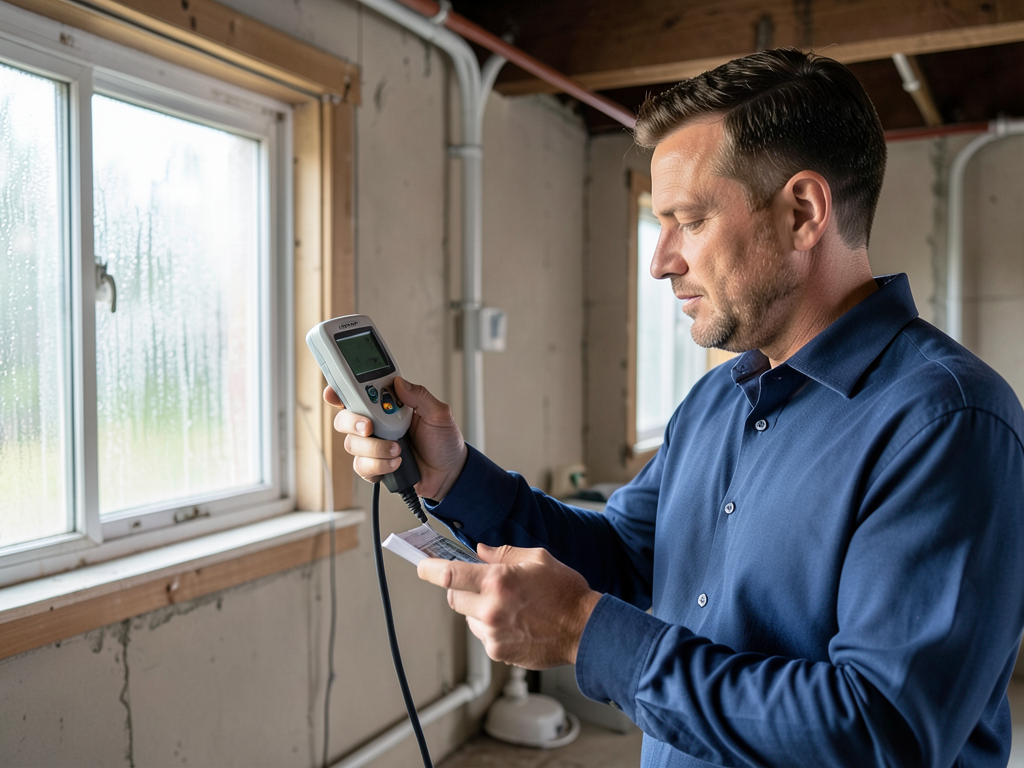
Portable dehumidifiers treat symptoms. Professional moisture control addresses causes. When Reliance Water Damage Restoration Pittsburgh evaluates excessive indoor moisture, we begin with psychrometric assessment using calibrated hygrometers that measure temperature, relative humidity, and dew point simultaneously. This data tells us whether your moisture problem originates from infiltration, inadequate ventilation, or vapor drive from below-grade spaces.

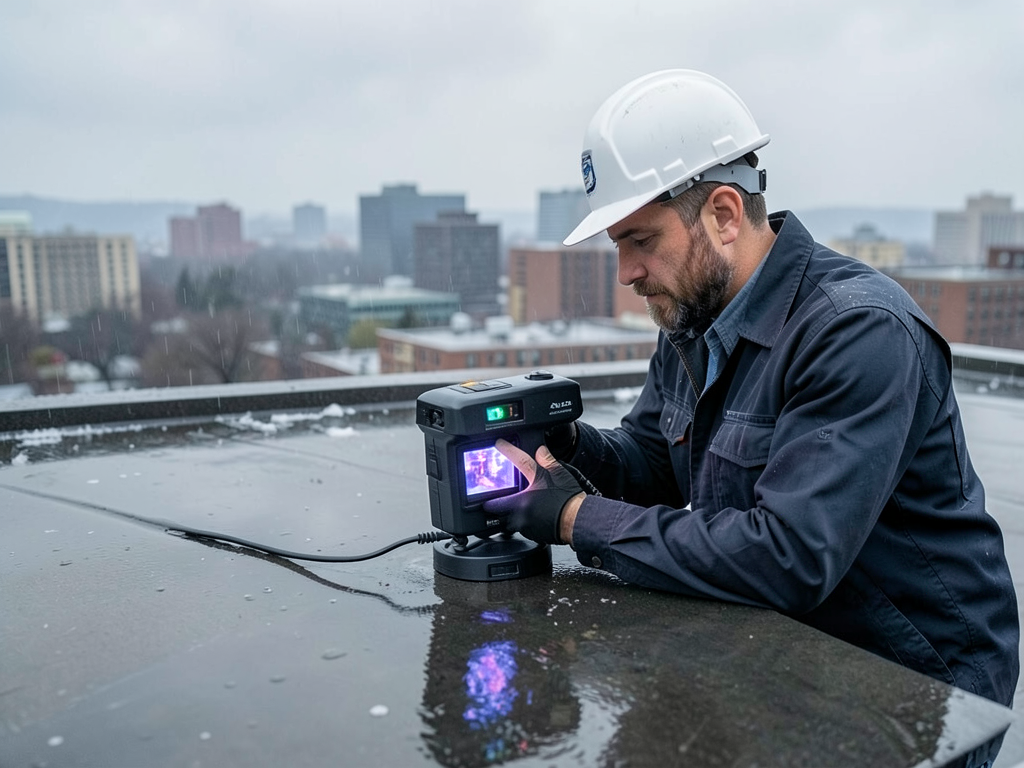
We perform infrared thermography to identify thermal bridging and insulation gaps where warm, humid air contacts cold surfaces and condenses. We conduct blower door testing to quantify air exchange rates and identify uncontrolled infiltration pathways. We inspect crawlspaces and basements for groundwater intrusion, hydrostatic pressure against foundation walls, and capillary wicking through concrete.

This diagnostic rigor matters because high indoor humidity levels stem from multiple simultaneous sources. A basement might have both exterior drainage problems and interior vapor transmission through an unsealed concrete floor. An attic might have inadequate soffit ventilation and a bathroom exhaust fan venting into the space instead of outdoors. A main floor might have leaking ductwork in the crawlspace introducing humid exterior air directly into the distribution system.

Once we identify all moisture sources, we engineer solutions specific to your building. This might include exterior drainage correction, vapor barrier installation, mechanical ventilation systems, or dedicated dehumidification equipment sized to your actual moisture load. We verify performance with follow-up moisture monitoring, adjusting systems until your indoor environment stabilizes within the 30 to 50 percent relative humidity range that protects both structure and occupants.

What Happens During a Moisture Assessment and Remediation

High Indoor Humidity Levels in Pittsburgh – Expert Diagnosis and Permanent Moisture Control Solutions
01

Initial Moisture Mapping

We measure relative humidity in every room and below-grade space using professional-grade equipment. We document surface moisture content on walls, floors, and ceilings with pin-type and pinless moisture meters. We identify the spaces with the highest moisture loads and trace the probable infiltration pathways. This creates a baseline that guides targeted intervention rather than guessing at solutions.
02

Source Identification and Testing

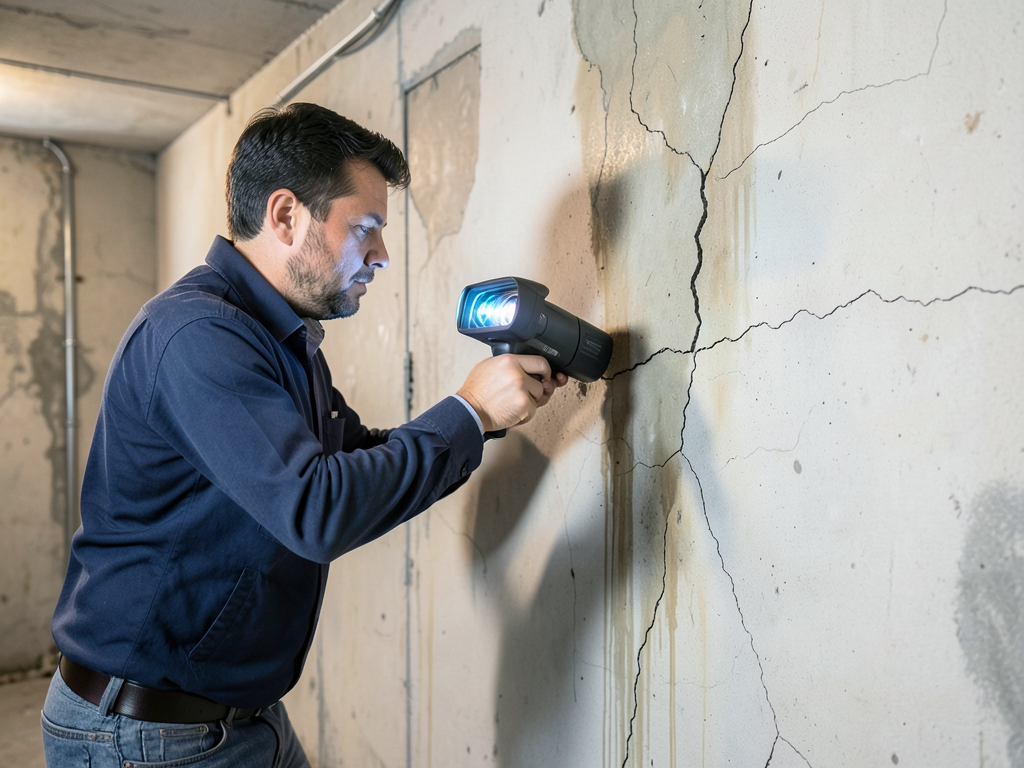
We perform invasive and non-invasive diagnostics to confirm moisture origins. This includes exterior grading evaluation, gutter and downspout inspection, foundation crack assessment, plumbing leak detection, and HVAC system performance testing. We use thermal imaging to see moisture patterns invisible to the naked eye. We test vapor transmission rates through concrete slabs using calcium chloride tests. Every moisture pathway gets documented and prioritized.
03

System Implementation and Verification

We install moisture control systems engineered for your specific conditions. This might include sump pump systems, interior drainage channels, vapor barriers, mechanical ventilation, or whole-house dehumidification equipment. We return after installation to verify that indoor relative humidity has stabilized within target ranges. We provide moisture monitoring guidance so you maintain control long-term. The goal is not temporary relief but permanent environmental stability.

Why Pittsburgh Homeowners Trust Local Moisture Control Expertise

National chains see moisture problems through a generic lens. They apply the same solutions in Phoenix that they use in Pittsburgh, ignoring fundamental climate and construction differences. Reliance Water Damage Restoration Pittsburgh has spent years working specifically with the moisture challenges created by this region's rivers, topography, soil composition, and housing stock.

We know that homes in Polish Hill face different challenges than properties in Sewickley Heights. We understand how Pittsburgh's microclimates vary between river valleys and hilltop neighborhoods. We work daily with the consequences of foundations built into hillsides, basements that sit below the water table, and crawlspaces with inadequate vapor barriers because they were constructed before modern building science existed.

This local knowledge matters when diagnosing why your basement stays damp despite having no visible leaks. It matters when determining whether your crawlspace needs encapsulation, ventilation, or both. It matters when sizing dehumidification equipment for a home with masonry construction that behaves completely differently than wood-frame structures.

We also understand Pittsburgh's municipal codes and permit requirements for moisture control work. We know which solutions require permits, which contractors perform substandard installations that create liability, and which products hold up to local conditions versus failing within months. This institutional knowledge protects you from wasted spending on solutions that sound good but perform poorly in Pittsburgh's humid continental climate.

When you work with a local moisture control specialist, you get someone who has solved your exact problem dozens of times in homes within miles of your address. That experience translates directly into faster diagnosis, more reliable solutions, and fewer callbacks for systems that underperform.

What to Expect When You Address Indoor Humidity Problems

Response Time and Assessment Scheduling

We schedule moisture assessments within 48 hours of your call, with emergency availability for situations where active water intrusion combines with high humidity to create immediate mold risk. The initial assessment takes two to four hours depending on home size and complexity. We provide a written report with moisture readings, identified sources, and prioritized recommendations. You receive this documentation within 24 hours so you can make informed decisions about which interventions matter most for your situation and budget.

Diagnostic Process and Equipment

We arrive with thermal imaging cameras, calibrated moisture meters, hygrometers, and inspection tools that let us evaluate both visible and concealed moisture problems. We inspect attics, crawlspaces, basements, and mechanical spaces. We test HVAC performance and check plumbing fixtures. We document everything with photos and measurements. This thoroughness ensures we identify all contributing factors, not just the most obvious problems. You get a complete picture of your moisture environment, including problems you did not know existed.

Installation Quality and Performance

Moisture control systems only work when installed correctly. We use commercial-grade dehumidifiers with dedicated drainage, not residential units that require daily emptying. We install vapor barriers with properly sealed seams and termination details. We size mechanical ventilation to building volume and moisture load, not guesswork. We verify system performance with post-installation moisture monitoring. The goal is measurable improvement in indoor relative humidity that you can document with your own hygrometer, not subjective claims that the air feels better.

Ongoing Monitoring and Maintenance

Moisture control requires seasonal attention. We provide guidance on adjusting dehumidification settings as outdoor humidity changes. We recommend annual inspections of drainage systems, sump pumps, and vapor barriers to catch maintenance issues before they compromise performance. We offer maintenance contracts for clients who want professional oversight of their moisture control systems. We also provide humidity monitoring recommendations so you can track your indoor environment and catch problems early, before they escalate into mold growth or structural damage.

Frequently Asked Questions

You Have Questions,
We Have Answers

Why is my house 75% humidity? +

Your house is likely at 75% humidity because of poor ventilation, water intrusion, or moisture sources you have not addressed. Pittsburgh's humid summers and older housing stock make this problem common. Check for basement seepage, crawl space moisture, or roof leaks. Appliances like dryers vented indoors, cooking steam, and even too many houseplants add moisture. Your HVAC system may be undersized or failing to dehumidify properly. Homes built before 1970 often lack vapor barriers. If you see condensation on windows or smell musty odors, you have active moisture problems that need professional diagnosis.

Can humidity cause nausea? +

Yes, high humidity can trigger nausea, though it is not the most common symptom. When indoor air exceeds 60% humidity, your body struggles to cool itself through sweating. This heat stress can cause dizziness, headaches, and nausea. People with asthma or allergies often feel worse because humid air promotes mold growth and dust mites. If you feel nauseous indoors but better outside, check your humidity levels. Pittsburgh's summer humidity compounds the issue when indoor moisture sources go unchecked. Persistent symptoms warrant medical attention, but addressing your home's moisture problem often brings relief.

What indoor humidity is too high? +

Indoor humidity above 60% is too high. The ideal range is 30% to 50% year-round. When humidity climbs past 60%, you create conditions for mold growth, dust mites, and structural damage. Wood floors buckle, paint peels, and wallpaper separates. In Pittsburgh, where summer humidity routinely hits 70% outdoors, your home becomes a breeding ground for biological contaminants without proper dehumidification. Readings above 65% put you at serious risk for respiratory problems and allergic reactions. Invest in a quality hygrometer to monitor levels in basements and upper floors where moisture accumulates differently.

Is 70% humidity in a room too high? +

Yes, 70% humidity in any room is dangerously high. You are well into the mold growth zone. Spores colonize drywall, insulation, and furniture at this level. Pittsburgh homes face this problem in basements during summer and bathrooms year-round. At 70%, you will notice condensation on windows, clammy surfaces, and musty smells. Your HVAC system works harder but accomplishes less because saturated air resists cooling. Allergies flare, sleep quality drops, and wood trim starts to warp. You need immediate intervention with dehumidifiers, better ventilation, or professional moisture remediation to prevent permanent damage and health issues.

How do you fix high humidity in your house? +

Fix high humidity by identifying the moisture source first. Check for plumbing leaks, foundation cracks, or poor grading around your home. In Pittsburgh, basement water intrusion is the top culprit. Run exhaust fans during showers and cooking. Vent your dryer outside. Use a quality dehumidifier in basements and crawl spaces. Upgrade to an HVAC system with proper dehumidification capacity if yours is over 15 years old. Seal crawl spaces with vapor barriers. Improve attic ventilation to prevent condensation. For persistent problems, call a water damage restoration professional to assess drainage, grading, and structural moisture intrusion points.

Do dehumidifiers really work for humidity? +

Yes, dehumidifiers work when sized correctly and maintained properly. A quality unit removes 30 to 70 pints of water daily from basements or problem areas. Pittsburgh homeowners see real results in damp basements and finished lower levels. However, dehumidifiers treat symptoms, not causes. If you have active water intrusion, foundation leaks, or poor drainage, a dehumidifier will run constantly without solving the underlying problem. Empty the reservoir daily or use a drain hose. Clean filters monthly. For whole-home humidity control, consider a dehumidifier integrated with your HVAC system. Portable units work for targeted spaces.

Can you get sick if your house is too humid? +

Absolutely. High humidity creates perfect conditions for mold, dust mites, and bacteria that trigger respiratory infections, asthma attacks, and allergic reactions. You may experience chronic sinus congestion, coughing, wheezing, and skin irritation. Pittsburgh's older homes with poor ventilation compound this risk. Humidity above 60% allows mold colonies to establish within 48 hours on organic materials like drywall and wood. Children, elderly residents, and people with compromised immune systems face the highest risk. If multiple family members develop unexplained respiratory symptoms, test your indoor humidity levels and inspect for hidden mold growth behind walls or in crawl spaces.

What are 5 signs of heat-related illness? +

The five signs of heat-related illness are heavy sweating followed by no sweating, dizziness or lightheadedness, nausea or vomiting, headache, and rapid heartbeat. Muscle cramps and confusion signal worsening conditions. High indoor humidity prevents your body from cooling through evaporation, which accelerates heat stress even at moderate temperatures. In Pittsburgh homes without air conditioning during humid summer months, elderly residents face serious risk. If someone stops sweating despite high temperatures, shows confusion, or has hot dry skin, call 911 immediately. Move them to a cooler space, apply cool wet cloths, and fan them while waiting for help.

What are the symptoms of too much humidity? +

Symptoms of excessive humidity include difficulty breathing, aggravated allergies, persistent coughing, skin irritation, and poor sleep quality. You may notice condensation on windows, musty odors, and visible mold spots. Pittsburgh residents often report feeling sticky or clammy indoors. Wood floors feel soft underfoot, doors stick in frames, and wallpaper peels. You might see water stains on ceilings or walls. Mentally, high humidity causes fatigue and difficulty concentrating because your body expends energy trying to cool itself. If you wake up congested or notice black spots growing on bathroom caulk, your humidity levels are dangerously high.

What is dangerously humid indoors? +

Indoor humidity above 65% is dangerously humid. At this level, mold growth accelerates, dust mites thrive, and structural damage begins. Your health risks spike with readings in the 70% to 80% range. Pittsburgh basements routinely hit these dangerous levels during summer without proper dehumidification. At 65% humidity, mold spores colonize porous materials within 48 hours. You face serious respiratory problems, allergic reactions, and potential neurological symptoms from mycotoxin exposure. Wood rot begins, compromising floor joists and wall studs. If your hygrometer shows readings above 60% for more than a few days, you need professional moisture assessment immediately.

How Pittsburgh's Three Rivers Create Persistent Humidity Challenges for Homeowners

Pittsburgh sits at the confluence of the Allegheny, Monongahela, and Ohio Rivers, creating a river valley environment where outdoor relative humidity averages 75 percent year-round. This constant moisture saturation means your home constantly fights vapor infiltration through the building envelope. Summer brings humid air that condenses on cool basement walls and floors. Winter brings humid air that condenses on cold window glass and uninsulated rim joists. The rivers create a moisture baseline that never truly disappears, making Pittsburgh one of the most challenging environments in the country for maintaining healthy indoor humidity levels without professional moisture control systems.

Reliance Water Damage Restoration Pittsburgh specializes in the moisture problems specific to this river valley environment. We have worked with hundreds of homeowners across every Pittsburgh neighborhood, from riverside properties in the Strip District to hilltop homes in Mount Washington. We understand how Pittsburgh's topography creates microclimates where some neighborhoods experience worse humidity than others. We know which local contractors perform quality foundation waterproofing and which ones cut corners. This local expertise means we solve your moisture problem correctly the first time, using solutions proven to work in Pittsburgh's unique climate rather than generic approaches that fail within months.
Water Damage Restoration Services in The Pittsburgh Area

While we provide rapid mobile service directly to your location, you can also find our physical business location on the map below. This map highlights our primary service area and shows our commitment to serving the Pittsburgh community. We are always ready to dispatch our expert team to your home or business, no matter where you are in our service region. Feel free to use the interactive map to get directions or to visualize our proximity to you.

Address:
Reliance Water Damage Restoration Pittsburgh, 201 S Craig St, Pittsburgh, PA, 15213

Additional Services We Offer

Our news updates

Latest Articles & News from The Blogs

How to tell if you have a expensive slab leak under your Franklin Park home Franklin Park homeowners face a…

How to tell if you have a expensive slab leak under your Franklin Park home

How to tell if you have a expensive slab leak under your Franklin Park home Franklin Park homeowners face a…

What to do when your office fire sprinklers go off by mistake in Downtown Pittsburgh

What to do when your office fire sprinklers go off by mistake in Downtown Pittsburgh When fire sprinklers discharge without…

Preserving the original masonry in Mexican War Streets homes after a water leak

Preserving the original masonry in Mexican War Streets homes after a water leak When water infiltrates the historic brick and…

Contact Us

Call Reliance Water Damage Restoration Pittsburgh at (412) 382-8788 today. We will schedule your moisture assessment within 48 hours and provide a detailed plan for bringing your indoor humidity under permanent control. Stop guessing. Start fixing.