



Menu

Commercial Water Damage Restoration in Pittsburgh – Minimize Downtime and Protect Your Business Operations

Industrial-grade commercial water mitigation and business water damage restoration for Pittsburgh facilities. We deploy scaled response teams, coordinate with your insurance adjusters, and execute rapid commercial water damage cleanup that keeps your operations moving.

Slider Image 1
Slider Image 2
Slider Image 3
Slider Image 4
Slider Image 5
Slider Image 7
Slider Image 8
Slider Image 9
Slider Image 10
Slider Image 11

Water Damage Threatens Business Continuity in Pittsburgh's Commercial Districts

Commercial properties in Pittsburgh face unique water intrusion risks that residential structures do not. The city's aging infrastructure in Downtown, Strip District, and Oakland commercial zones means corroded supply lines, overwhelmed storm sewers during spring thaws, and basement flooding in buildings constructed before modern waterproofing standards existed.

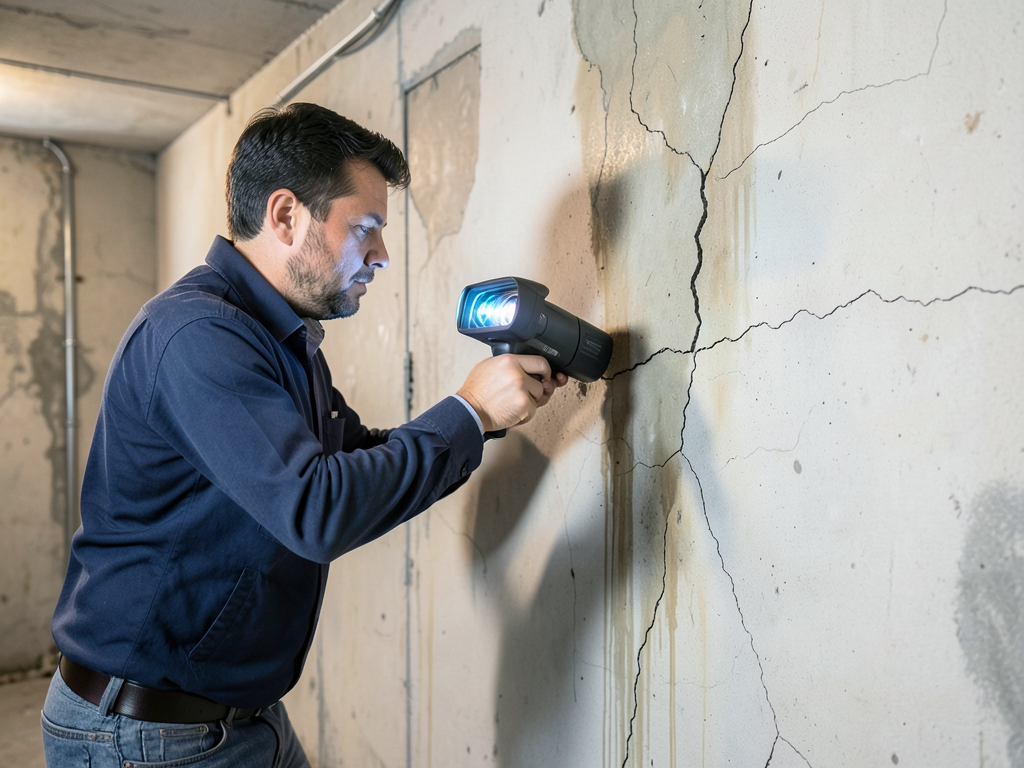
Pittsburgh's elevation changes and proximity to three rivers create hydrostatic pressure problems in below-grade commercial spaces. When the Allegheny, Monongahela, or Ohio rivers rise during heavy rain events, groundwater tables shift. This forces water through foundation cracks in warehouses, retail spaces, and office buildings throughout Lawrenceville, Shadyside, and the North Shore.

Your business cannot afford extended closures. Every hour your facility remains compromised equals lost revenue, regulatory liability, and potential lease violations. Commercial water damage repair requires coordinated crews, commercial-grade extraction equipment, and an understanding of OSHA requirements for occupied buildings.

Business water damage restoration differs from residential work in scope and stakes. You are managing employee safety, inventory protection, electronic systems, and client commitments. A flooded server room or contaminated production floor creates cascading problems that demand immediate, professional commercial water remediation.

We work in Pittsburgh's commercial sectors daily. We know the building types, the common failure points, and the municipal code requirements that govern commercial water mitigation across Allegheny County.

Water Damage Threatens Business Continuity in Pittsburgh's Commercial Districts
Our Commercial Water Damage Response Protocol

Our Commercial Water Damage Response Protocol

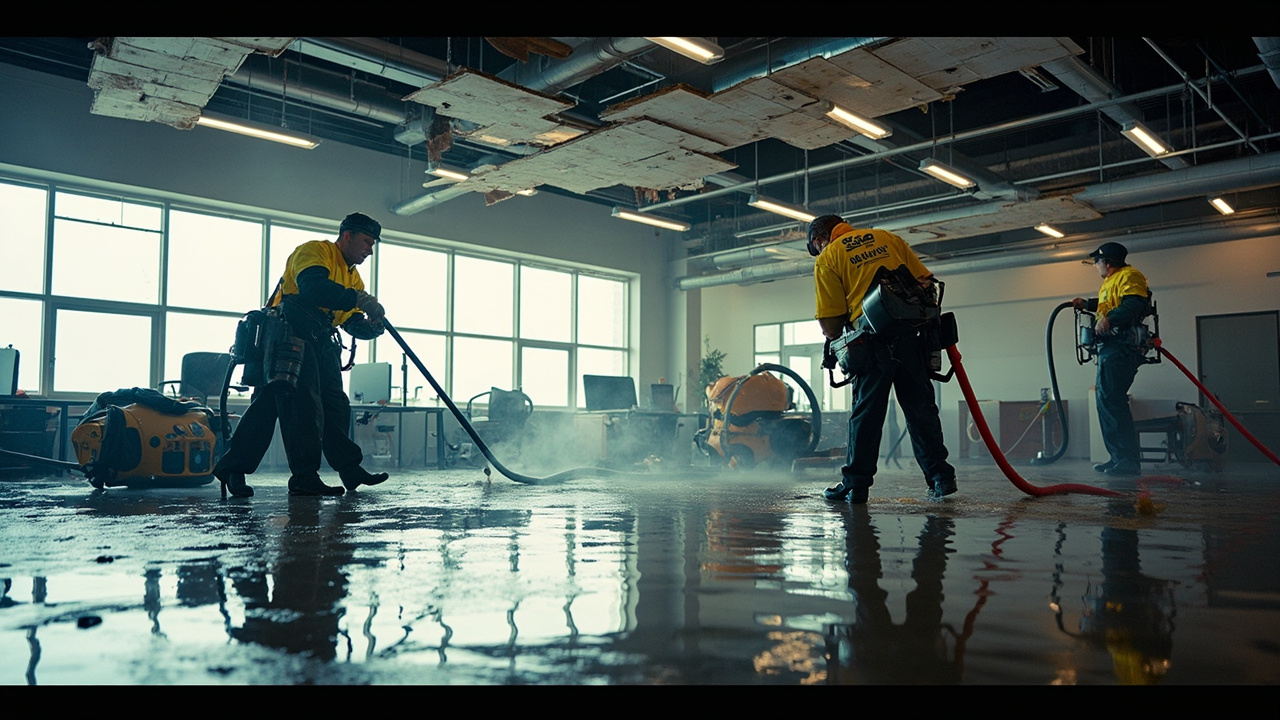
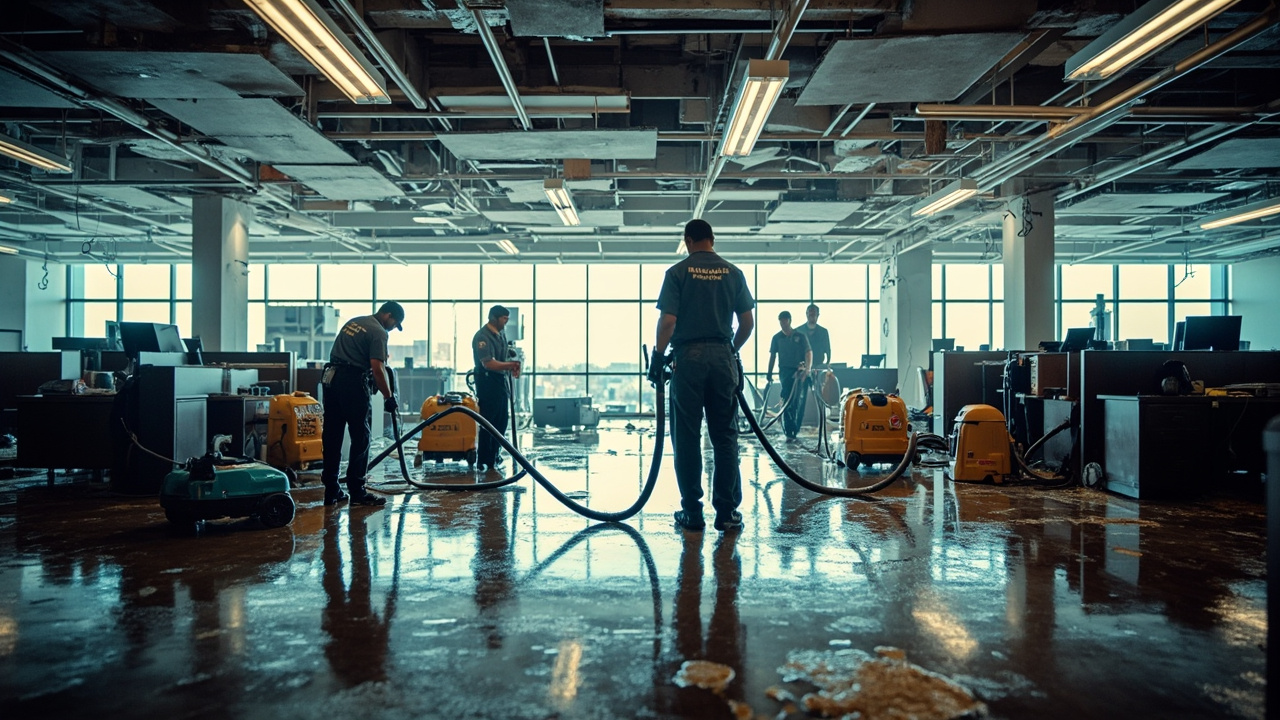
Commercial water damage cleanup begins with rapid source isolation and damage assessment. We dispatch crews with truck-mounted extractors, industrial air movers, and commercial dehumidifiers capable of processing thousands of cubic feet per minute. Residential equipment cannot handle the volumetric demands of a 20,000 square foot retail space or multi-story office building.

We establish containment zones to isolate affected areas from operational spaces. This allows portions of your facility to remain functional during remediation. Vapor barriers, negative air machines, and staged drying protocols prevent cross-contamination while we execute commercial water damage repair in compromised sections.

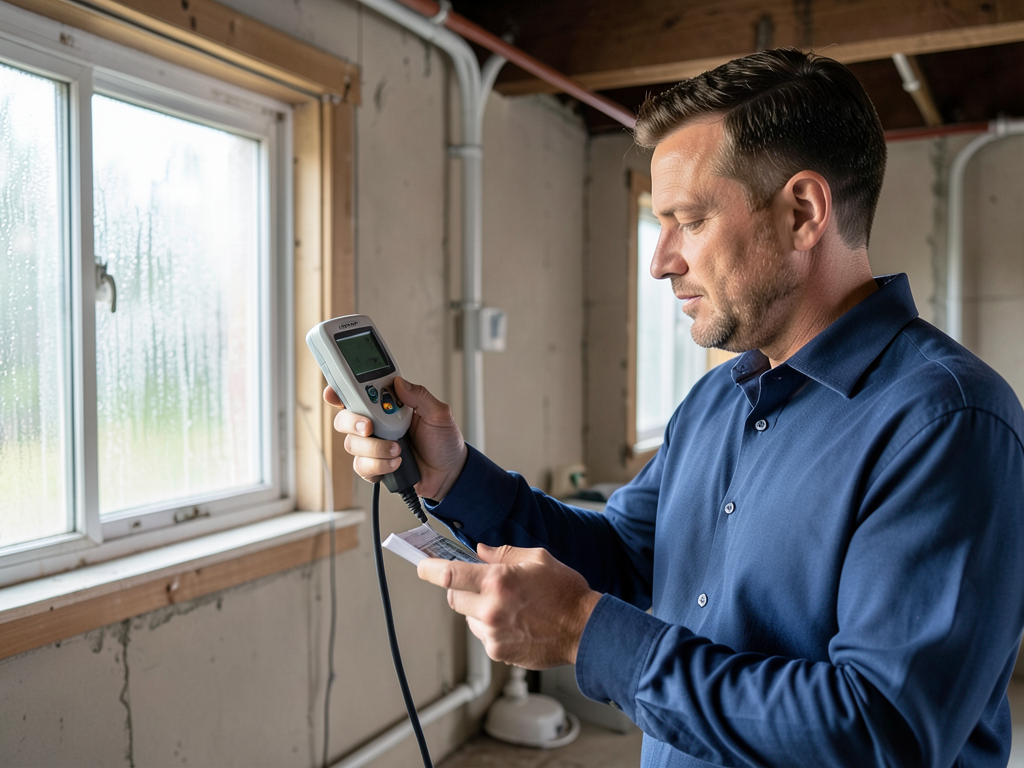
Our teams document everything for your insurance carrier and risk management department. We photograph pre-loss conditions, measure moisture levels with thermal imaging and penetrating meters, and maintain chain-of-custody logs for any materials requiring disposal. This documentation protects you during claims processing and potential litigation.

We coordinate with your mechanical contractors, IT teams, and facility managers. Business water damage restoration often requires temporarily rerouting HVAC systems, protecting server racks, or staging equipment deliveries around your operating schedule. We integrate with your existing vendors rather than disrupting established relationships.

Material selection matters in commercial environments. We do not install residential-grade drywall in your lobby or use standard carpet padding in high-traffic corridors. Commercial water remediation requires mold-resistant Type X drywall, antimicrobial treatments on concrete slabs, and flooring systems that meet ADA slip-resistance standards and local fire codes.

We work nights and weekends when necessary. Downtime costs you money. Our job is to compress the restoration timeline without compromising structural integrity or code compliance.

What Happens When You Call for Emergency Commercial Water Mitigation

Commercial Water Damage Restoration in Pittsburgh – Minimize Downtime and Protect Your Business Operations
01

Immediate Damage Assessment

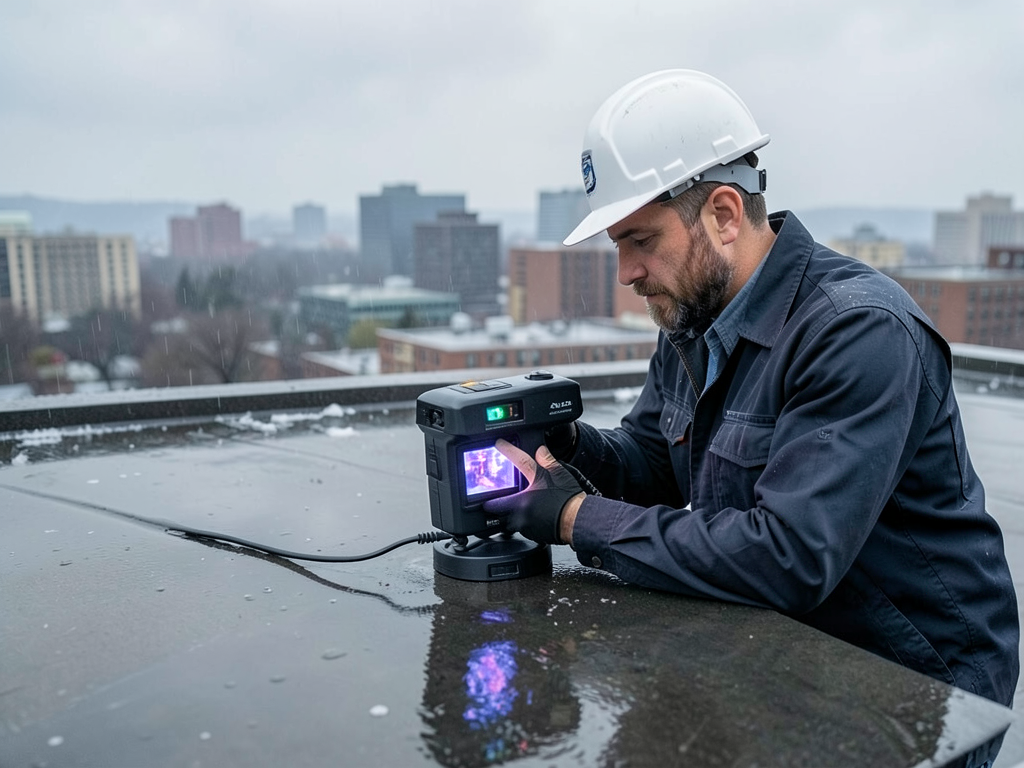
We arrive on-site within two hours to identify water source, classify contamination level, and map affected zones. Our team evaluates structural risks, electrical hazards, and potential liability exposures. You receive a verbal briefing on immediate mitigation steps and preliminary timeline before any equipment deployment. This assessment includes moisture mapping with infrared cameras to identify hidden water migration in walls and ceiling cavities.
02

Water Extraction and Containment

Truck-mounted extractors remove standing water from carpets, tile, and concrete. We deploy air scrubbers with HEPA filtration to control airborne particulates and prevent cross-contamination to clean areas. Desiccant dehumidifiers and axial air movers establish controlled drying environments. We monitor humidity levels every four hours and adjust equipment placement to accelerate evaporation. All work occurs within IICRC S500 standards for commercial water damage restoration.
03

Rebuild and Code Compliance

After achieving complete structural drying, we execute reconstruction using commercial-grade materials that meet Pittsburgh building codes and ADA requirements. This includes fire-rated assemblies, antimicrobial drywall, and flooring systems appropriate for your occupancy classification. We coordinate final inspections with the city and provide you with moisture verification reports, material certifications, and warranty documentation. Your facility returns to pre-loss condition with documentation to satisfy insurance carriers and regulatory agencies.

Why Pittsburgh Businesses Choose Reliance Water Damage Restoration Pittsburgh

We maintain response capacity that residential-focused contractors cannot match. Our equipment inventory includes redundant extraction units, enough dehumidifiers to dry 50,000 square feet simultaneously, and backup generators for facilities without temporary power. When your warehouse floods at 2 AM, we have the trucks and crews to respond immediately.

Pittsburgh's commercial building stock presents specific challenges. We regularly work in historic structures Downtown where preservation requirements limit demolition options. We understand how to dry century-old brick and timber frame construction without causing secondary damage. We know which materials require vapor barriers in Pittsburgh's humid summers and how to prevent mold growth during extended restoration projects.

We carry the insurance coverage your lease requires. Our general liability and workers compensation policies meet the thresholds demanded by commercial property managers and corporate risk departments. You receive certificates of insurance within hours of contract signing.

We work with every major commercial carrier operating in Pennsylvania. We know their documentation requirements, their preferred vendors for independent assessments, and their approval processes. This familiarity accelerates claims processing and reduces your administrative burden.

Our crews hold OSHA 30-hour certifications and complete annual bloodborne pathogen training. When we work in your occupied facility, we follow confined space protocols, lockout-tagout procedures, and fall protection standards. Your employees remain safe while we execute business water damage restoration.

We provide detailed project schedules with milestone dates, crew assignments, and materials procurement timelines. You know what to expect each day and can plan around our work. No surprises. No scope creep. No unexplained delays.

What to Expect During Commercial Water Damage Restoration

Response Time and Mobilization

We maintain 24-hour dispatch and guarantee on-site arrival within two hours for Pittsburgh metro commercial properties. Emergency response includes supervisor-level technicians with authority to make immediate decisions about equipment deployment and containment strategies. You will not wait for approvals or additional personnel. Our initial response includes enough equipment and labor to stabilize the loss and begin extraction immediately. We scale crews based on your facility size and damage extent, deploying additional teams within four hours if the situation demands expanded capacity.

Loss Documentation and Insurance Coordination

We document all damage with time-stamped photographs, moisture readings logged to digital platforms, and detailed room-by-room assessments. This documentation goes directly to your insurance adjuster within 24 hours of initial contact. We attend all adjuster meetings, provide technical explanations of required scope, and advocate for complete restoration rather than minimal repairs. Our estimates follow Xactimate pricing and include line-item breakdowns your risk management team can audit. We track change orders in real time and maintain transparent communication about any scope modifications required as hidden damage becomes apparent during demolition phases.

Final Inspection and Verification

All commercial water damage repair concludes with third-party moisture verification using calibrated meters and infrared imaging. We provide you with data logs showing moisture content in all building materials returned to acceptable levels per IICRC standards. Final inspections include city code officials when required for permit closeout. You receive organized documentation packages including material safety data sheets, product warranties, and as-built drawings showing any structural modifications. These records satisfy insurance requirements, support future property transactions, and provide reference material for facility management teams.

Post-Restoration Monitoring and Support

We schedule follow-up moisture checks at 30 and 90 days after project completion. These complimentary inspections verify no secondary moisture migration has occurred and confirm all materials remain stable. If we identify any issues during these checks, we address them immediately at no additional cost. You receive direct contact information for your project supervisor for any questions that arise after we complete work. Our warranty covers workmanship and materials for the duration specified in your service agreement, with clear terms defining what is and is not covered to avoid confusion.

Frequently Asked Questions

You Have Questions,
We Have Answers

How much can water damage cost to repair? +

Commercial water damage repair costs vary widely based on the extent of damage, affected square footage, and business type. A small office leak might run a few thousand dollars, while a multi-floor facility with structural damage can exceed six figures. Pittsburgh properties face unique risks from freeze-thaw cycles and aging infrastructure, which can escalate costs. Key variables include equipment rental, labor, materials, structural drying time, and code compliance upgrades. Water contamination level (clean, gray, or black water) also impacts pricing. Always get a detailed scope of work and itemized estimate before authorizing repairs to protect your budget and minimize business downtime.

Is water damage restoration profitable? +

Water damage restoration is a profitable business model due to consistent demand, especially in Pittsburgh where seasonal weather creates frequent flooding and pipe bursts. Profit margins range from 15 to 40 percent depending on operational efficiency, equipment investment, and insurance relationships. Recurring revenue comes from both emergency response and preventive maintenance contracts. Profitability hinges on fast response times, skilled labor, efficient moisture detection, and strong carrier relationships. Overhead includes specialty equipment, vehicle fleets, certifications, and 24/7 staffing. Companies that master insurance billing processes and maintain low call-to-completion times see the strongest returns. Market saturation and competition affect regional profitability.

What's the difference between restoration and remediation? +

Restoration returns a property to its pre-loss condition, focusing on repair and reconstruction. Remediation eliminates the hazard itself, such as mold growth or contamination. In commercial settings, water damage often requires both. Restoration involves structural drying, rebuilding drywall, and replacing flooring. Remediation targets microbial growth, sewage contamination, or chemical hazards that threaten occupant health. Pittsburgh's humidity levels accelerate mold formation, making remediation a frequent companion to restoration work. You cannot restore a contaminated space without first remediating the hazard. Understanding this distinction helps you evaluate contractor proposals and ensures compliance with OSHA and EPA standards for commercial properties.

What are the main steps in water damage restoration? +

Commercial water damage restoration follows a structured protocol. First, emergency contact and site assessment identify the source and contamination level. Second, water extraction removes standing water using truck-mounted or portable pumps. Third, structural drying deploys industrial dehumidifiers and air movers to eliminate moisture from materials. Fourth, cleaning and sanitizing address contamination and prevent microbial growth. Fifth, restoration rebuilds affected structures, replacing drywall, flooring, or ceilings. Pittsburgh properties often require additional mold testing due to regional humidity. Documentation throughout each phase supports insurance claims and regulatory compliance. Continuous moisture monitoring ensures materials reach acceptable dryness levels before reconstruction begins, preventing future liability.

Does insurance pay for water restoration? +

Insurance coverage for water restoration depends on your policy terms and the damage source. Sudden, accidental events like burst pipes or roof leaks typically qualify for coverage under commercial property policies. Gradual damage from neglected maintenance, slow leaks, or deferred repairs is usually excluded. Flood damage requires separate flood insurance, which matters in Pittsburgh given its proximity to the Allegheny, Monongahela, and Ohio rivers. Review your policy's water damage exclusions, deductibles, and sublimits. Document everything immediately with photos and detailed notes. Your restoration contractor should provide documentation that aligns with carrier requirements to streamline claims processing and minimize out-of-pocket expenses.

How to charge for water damage repair? +

Water damage repair pricing uses several models. Time and materials billing charges hourly labor rates plus equipment and material costs, offering transparency but less cost certainty. Fixed-price contracts provide a set total based on scope assessment, reducing budget surprises. Unit pricing breaks down costs per square foot or per affected room. Insurance restoration jobs often use Xactimate software, which standardizes pricing based on regional labor and material rates. In Pittsburgh, factor in disposal fees, permit costs, and code upgrade requirements. Always include contingencies for hidden damage discovered during demolition. Competitive bids should compare scope detail, not just bottom-line numbers, to ensure you are comparing equivalent work.

How much does it cost to start a water restoration business? +

Starting a water restoration business requires significant capital investment. Equipment costs alone (truck-mounted extractors, dehumidifiers, air movers, moisture meters) range from 50,000 to 150,000 dollars depending on fleet size. Add vehicle purchases or leases, insurance (general liability, workers' comp, commercial auto), certifications (IICRC, OSHA), licensing, and initial marketing. Pittsburgh entrepreneurs should budget for seasonal fluctuations and initial slow periods while building carrier relationships. Operating capital covers payroll for 24/7 emergency response, facility rent, and inventory. Many startups underestimate the cost of building insurance adjuster relationships and developing efficient billing processes. Expect 12 to 18 months before consistent profitability emerges.

Is water damage in walls covered by insurance? +

Insurance coverage for water damage in walls depends on the cause and your policy language. Sudden pipe bursts or appliance malfunctions typically qualify. Slow leaks, condensation, or maintenance-related issues are usually excluded. Pittsburgh properties with older plumbing systems face higher denial rates if insurers argue the damage was gradual. Hidden damage discovered during restoration may trigger additional coverage disputes. Document the timeline and cause immediately. Your restoration contractor should provide moisture mapping and thermal imaging reports that establish sudden occurrence. Review your commercial property policy for water damage sublimits and exclusions. Coverage disputes often hinge on whether you can prove the event was accidental versus neglect-related.

Why is water damage so expensive? +

Water damage is expensive because it affects multiple building systems simultaneously and requires rapid response to prevent escalation. Labor costs spike when 24/7 emergency crews deploy. Specialized equipment (industrial dehumidifiers, air scrubbers, moisture detection tools) carries high rental or ownership costs. Pittsburgh's humidity extends drying times, increasing labor and equipment expenses. Contaminated water requires disposal fees and safety protocols. Hidden damage behind walls or under flooring demands invasive investigation. Mold remediation adds significant cost if moisture sits too long. Code compliance upgrades triggered during reconstruction inflate final bills. Delayed response multiplies damage exponentially, making speed both critical and costly.

What are the 4 types of remediation? +

The four primary remediation types are mold remediation, asbestos abatement, lead-based paint removal, and biohazard cleanup. Mold remediation removes fungal growth and treats affected materials, common in Pittsburgh due to high humidity. Asbestos abatement addresses friable materials in older commercial buildings, requiring licensed contractors and air monitoring. Lead-based paint removal follows EPA RRP guidelines during demolition or renovation. Biohazard cleanup handles sewage, blood, or chemical contamination with strict disposal protocols. Each remediation type requires specific certifications, containment procedures, and regulatory compliance. Water damage often triggers mold remediation needs, especially when structural drying is delayed. Understanding which remediation applies protects your liability and ensures proper contractor selection.

Why Pittsburgh's Infrastructure Age Makes Commercial Water Mitigation Critical

Pittsburgh's commercial building stock includes structures dating to the industrial era when waterproofing meant nothing more than tar paper and hope. Downtown buildings, Strip District warehouses, and Lawrenceville manufacturing facilities often have cast iron drain lines installed before World War II. These pipes corrode from the inside out, failing without warning and flooding entire floors before tenants discover the problem. The city's combined sewer system overwhelms during spring thaws and heavy rain, forcing sewage backups into below-grade commercial spaces throughout older neighborhoods. Commercial water damage repair in Pittsburgh requires understanding these infrastructure limitations and building systems that modern contractors in newer markets never encounter.

Reliance Water Damage Restoration Pittsburgh works exclusively in Allegheny County's commercial sectors. We know which buildings require Pittsburgh Water and Sewer Authority coordination for main shutoffs. We maintain relationships with mechanical contractors familiar with the steam heating systems still operating in older high-rises. We understand the permit requirements for work in designated historic districts and can navigate the approval processes that delay out-of-town contractors for weeks. When you need business water damage restoration executed by teams who know Pittsburgh's commercial building types and regulatory environment, local expertise matters. We are not learning your building systems during an emergency. We already know them.
Water Damage Restoration Services in The Pittsburgh Area

While we provide rapid mobile service directly to your location, you can also find our physical business location on the map below. This map highlights our primary service area and shows our commitment to serving the Pittsburgh community. We are always ready to dispatch our expert team to your home or business, no matter where you are in our service region. Feel free to use the interactive map to get directions or to visualize our proximity to you.

Address:
Reliance Water Damage Restoration Pittsburgh, 201 S Craig St, Pittsburgh, PA, 15213

Additional Services We Offer

Our news updates

Latest Articles & News from The Blogs

How to tell if you have a expensive slab leak under your Franklin Park home Franklin Park homeowners face a…

How to tell if you have a expensive slab leak under your Franklin Park home

How to tell if you have a expensive slab leak under your Franklin Park home Franklin Park homeowners face a…

What to do when your office fire sprinklers go off by mistake in Downtown Pittsburgh

What to do when your office fire sprinklers go off by mistake in Downtown Pittsburgh When fire sprinklers discharge without…

Preserving the original masonry in Mexican War Streets homes after a water leak

Preserving the original masonry in Mexican War Streets homes after a water leak When water infiltrates the historic brick and…

Contact Us

Every hour of delay increases damage extent and restoration costs. Call Reliance Water Damage Restoration Pittsburgh now at (412) 382-8788. Our dispatch team answers 24 hours a day and will have crews mobilizing to your facility within minutes of your call.