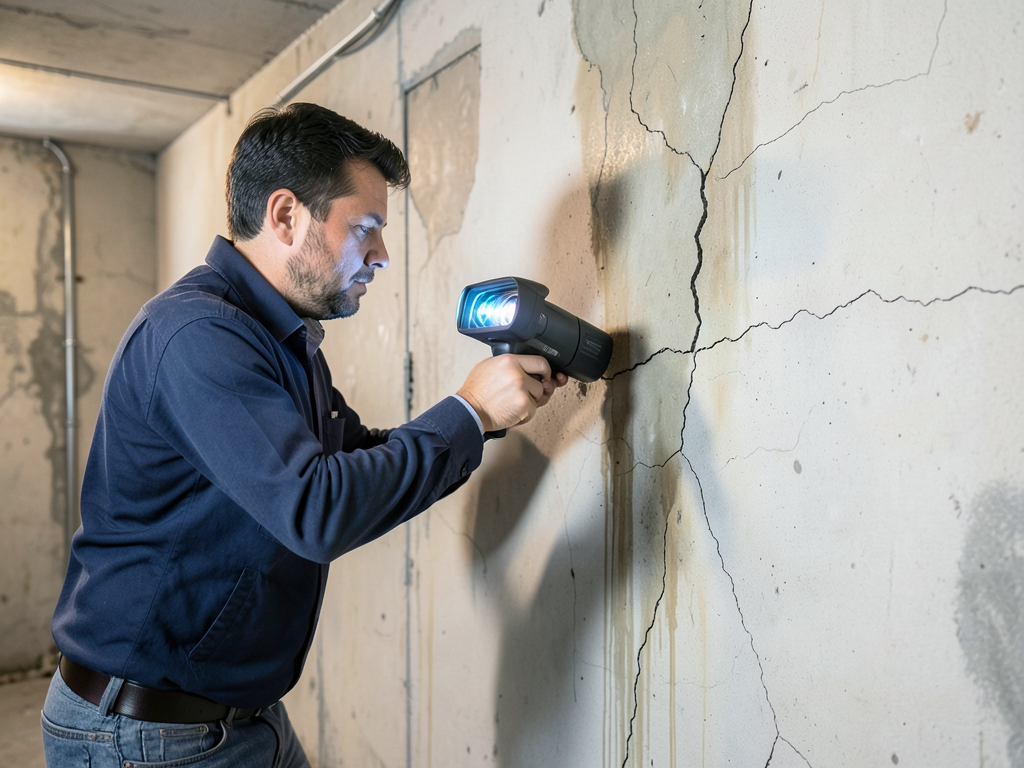





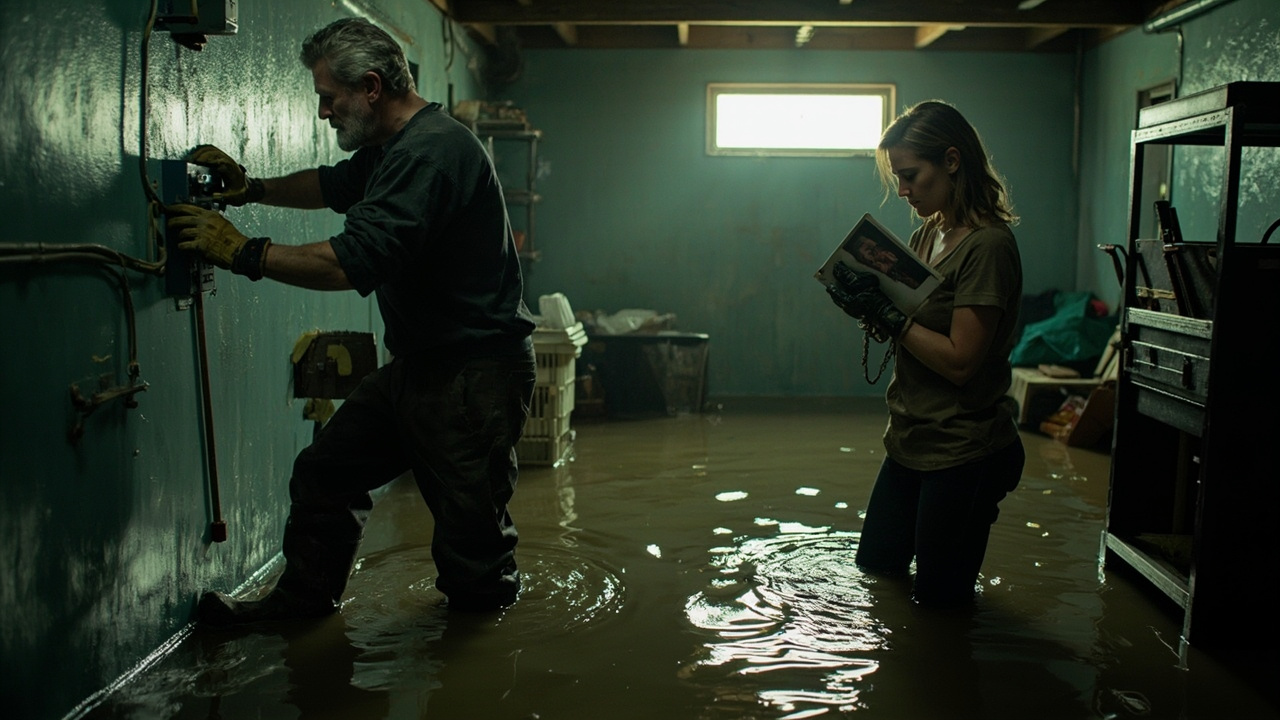
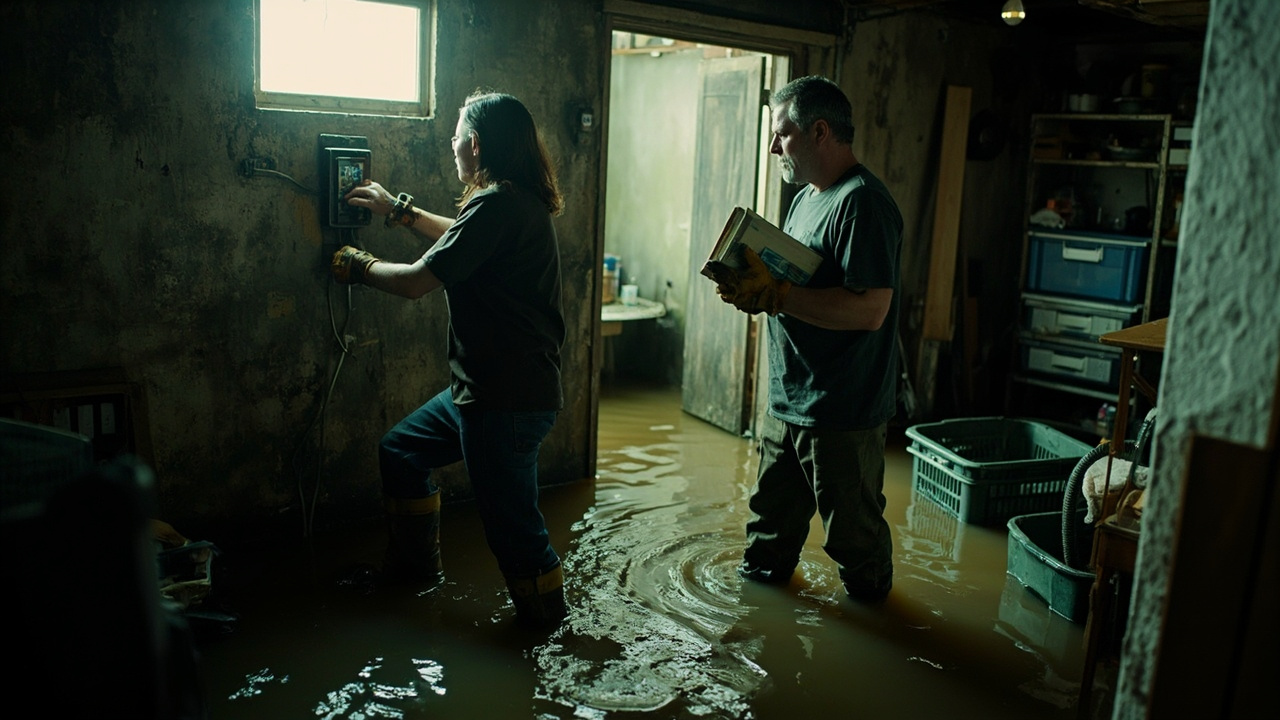
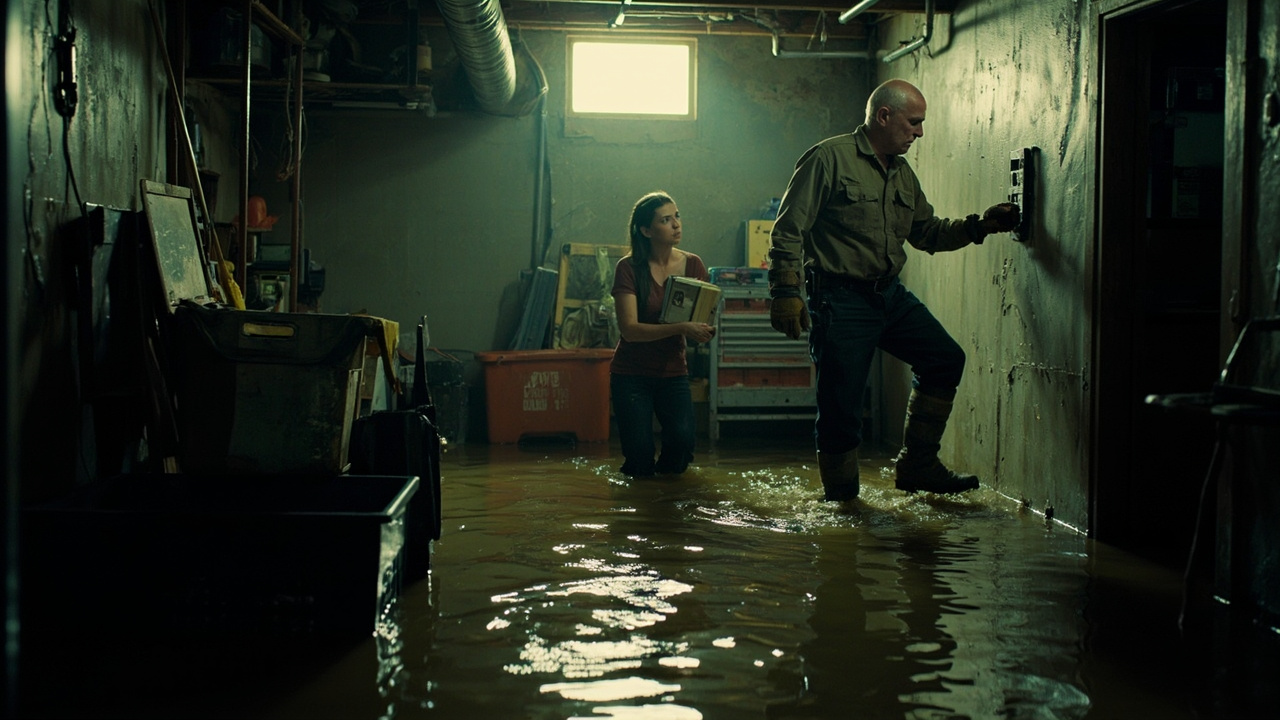
Pittsburgh's position at the river confluence creates persistent moisture challenges even after floodwater recedes. The clay soil throughout Allegheny County holds water against foundation walls for weeks. This creates ongoing hydrostatic pressure that continues pushing moisture into basements long after the visible flood ends. Homes built on hillsides in neighborhoods like Mount Washington and Polish Hill face additional challenges. Water runs downhill during storms and collects at foundation level. Proper flood recovery in Pittsburgh requires understanding these geological factors. Technicians must address not just the immediate water intrusion but also the ongoing moisture migration through foundation walls. This often requires exterior drainage evaluation in addition to interior drying.
Pittsburgh's older housing stock, much of it built between 1900 and 1950, uses construction methods that respond differently to water damage compared to modern homes. Plaster and lath walls absorb water differently than drywall. Balloon framing allows water to travel vertically through walls. Cast iron plumbing and clay sewer lines common in these older homes crack and allow groundwater infiltration that looks like flooding but requires different solutions. Local water damage restoration companies familiar with Pittsburgh construction understand these variables. National franchises following standardized procedures often miss the nuances of older Pittsburgh homes. Proper recovery requires technicians who understand local building methods and have worked with Pittsburgh's unique housing challenges.