



Menu

Large Scale Water Extraction in Pittsburgh – Industrial-Grade Solutions That Keep Your Business Running

When flooding hits your facility, every hour offline costs revenue. Reliance Water Damage Restoration Pittsburgh deploys commercial-grade pumps and extraction equipment to remove thousands of gallons fast, protecting inventory and minimizing business interruption across Allegheny County.

Slider Image 1
Slider Image 2
Slider Image 3
Slider Image 4
Slider Image 5
Slider Image 7
Slider Image 8
Slider Image 9
Slider Image 10
Slider Image 11

Why Pittsburgh Facilities Face Catastrophic Water Events

Pittsburgh sits at the confluence of three rivers. The Allegheny, Monongahela, and Ohio rivers create a drainage basin that floods commercial properties when heavy rain overwhelms aging storm sewers. Spring snowmelt compounds the problem. Water backs up into loading docks, underground parking structures, and basement mechanical rooms.

Older industrial buildings in neighborhoods like Lawrenceville and the Strip District were constructed before modern flood codes. When a pipe bursts in a 100,000-square-foot warehouse or a storm surge breaches a riverside manufacturing plant, you need industrial water extraction capacity that residential equipment cannot match.

Facilities managers call us for large loss water mitigation after sprinkler malfunctions, roof failures during ice dam events, and sewer backups from the city's combined overflow system. A single event can dump 50,000 gallons into your space. Standing water destroys inventory, corrodes equipment, and creates liability exposure from slip hazards and mold colonization.

Commercial water removal demands high volume water pumping systems, not shop vacs. You need truck-mounted extractors, diesel-powered pumps, and teams trained in bulk water removal services. Speed determines whether you reopen in days or weeks. Every gallon that sits another hour penetrates deeper into concrete, saturates insulation, and increases your total loss.

Pittsburgh's humid summers mean extracted water must be followed by aggressive dehumidification, or secondary damage will cost more than the initial flood.

Why Pittsburgh Facilities Face Catastrophic Water Events
How We Execute Commercial-Scale Extraction Operations

How We Execute Commercial-Scale Extraction Operations

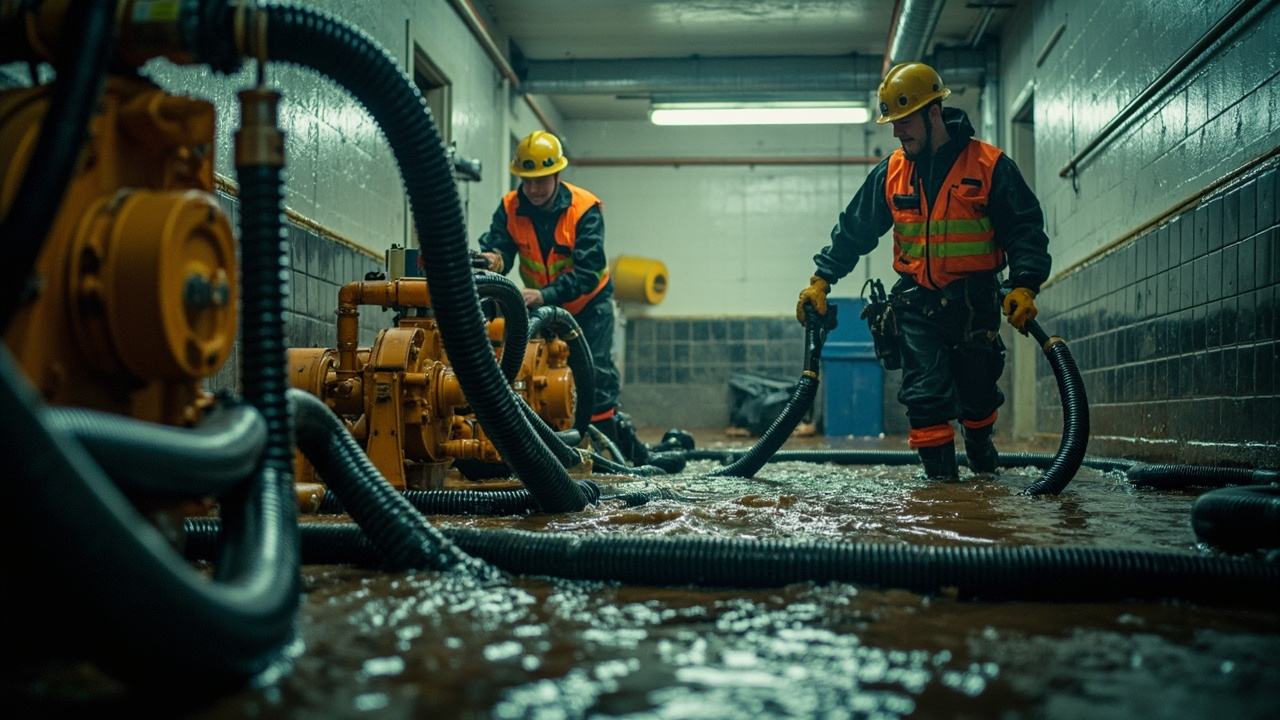
Reliance Water Damage Restoration Pittsburgh responds with equipment scaled to your loss, not residential gear stretched beyond capacity. Our truck-mounted extractors pull 500 gallons per minute. Trailer-mounted diesel pumps handle category 3 water from sewer backups that smaller operators cannot touch.

We deploy teams in shifts for 24-hour extraction on large loss projects. A flooded distribution center requires multiple extraction units running simultaneously to prevent hydraulic pressure from forcing water into wall cavities. We map the floor plan, identify low points where water pools, and position pumps to move water out before it migrates.

Our process starts with water classification. Clean water from supply line breaks requires different handling than gray water from HVAC condensate or black water from sewage. We test for contaminants, document source points, and establish containment zones to prevent cross-contamination into unaffected areas.

High volume water pumping requires discharge planning. We coordinate with municipal authorities when discharge volumes exceed sanitary sewer capacity. For industrial sites near the rivers, we may discharge directly into stormwater systems with proper filtration.

After bulk water removal services clear standing water, we deploy commercial dehumidifiers rated for 30,000 cubic feet or more. Air movers create circulation across wet surfaces. We monitor moisture content in concrete slabs using penetrating probes, not surface meters. Concrete holds moisture for weeks. If you rush to replace flooring before the slab dries to acceptable levels, you will have adhesion failure and mold growth under your new floor.

We provide daily documentation for your insurance adjuster and business interruption claim.

How Large-Scale Extraction Unfolds at Your Facility

Large Scale Water Extraction in Pittsburgh – Industrial-Grade Solutions That Keep Your Business Running
01

Emergency Mobilization

You call our dispatch line. We activate crews and mobilize extraction equipment within two hours anywhere in Allegheny County. Our project manager arrives first to assess water volume, identify electrical hazards, and determine how many pumps and operators the job requires. We bring generators if your power is compromised. You get a written scope and timeline before pumps start.
02

Continuous Extraction Operations

Our crews run extraction equipment around the clock until standing water is eliminated. We position truck-mounted units at access points and run discharge lines to approved drainage areas. For multi-story buildings, we pump water down stairwells and elevator shafts to ground level extraction points. Supervisors monitor progress every four hours and adjust equipment placement as water levels drop. You receive progress photos and gallons-removed reports twice daily.
03

Structural Drying Verification

Once visible water is gone, drying equipment runs until moisture meters confirm your building materials meet industry dry standards. We document moisture readings in floors, walls, and contents. Our final report includes thermal imaging scans proving no hidden moisture pockets remain. You receive a certificate of completion your insurance carrier and building inspector will accept. We remove all equipment and dispose of unsalvageable materials per EPA guidelines.

Why Pittsburgh Businesses Choose Our Extraction Teams

We operate extraction equipment other companies rent. Our fleet includes six truck-mounted units, trailer pumps, and submersibles rated for hazardous locations. When a pharmaceutical facility in Oakland flooded, we had three units on-site within 90 minutes. They pumped 40,000 gallons in six hours. The facility reopened in 72 hours instead of the projected two weeks.

You need operators who understand commercial building systems. Our technicians hold certifications in water damage restoration and work safely around electrical panels, gas lines, and refrigeration equipment. We coordinate with your facilities team, not disrupt their work. If you need us to extract water around active production lines, we do it.

Pittsburgh's building codes require licensed contractors for commercial restoration work. We pull permits when structural drying requires removing drywall or ceiling tiles. Our documentation satisfies OSHA requirements if you need to file an incident report. Insurance adjusters trust our estimates because we itemize labor, equipment, and disposal costs using Xactimate software they recognize.

We respond to the Strip District, Southside Works, the airport corridor, and industrial parks in Moon Township. Our dispatch center tracks real-time flood alerts from the National Weather Service and pre-positions equipment when the rivers crest. You get priority response if you are under a service agreement.

Facilities in the Parkway Center and Robinson Town Centre know they can reach us after hours. Manufacturing plants along Route 28 and the Allegheny Valley rely on us because downtime costs thousands per hour. We do not send estimates for you to review. We mobilize first and document costs as we work.

What to Expect During a Commercial Extraction Project

Rapid Response Timelines

We dispatch crews 24 hours a day, every day. You call our emergency line, describe the loss, and receive an estimated arrival time within minutes. Our average response time to commercial properties in Pittsburgh is under two hours. For pre-contracted clients, we keep equipment staged at your facility if you operate in a flood zone. Multi-site businesses get dedicated account managers who coordinate responses across all locations. We do not make you wait for business hours or compete with residential jobs for crew availability.

On-Site Assessment Process

Our project manager walks your facility with you, identifies water source points, and measures affected square footage using laser distance tools. We classify water contamination levels, test for electrical hazards, and photograph damage for your records. You receive a written extraction plan outlining equipment to be deployed, estimated gallons to remove, projected timeline, and safety protocols. We explain what areas must be isolated, how we will route discharge lines, and whether contents need to be moved. The assessment takes 30 to 45 minutes. Extraction begins immediately after your approval.

Measurable Drying Results

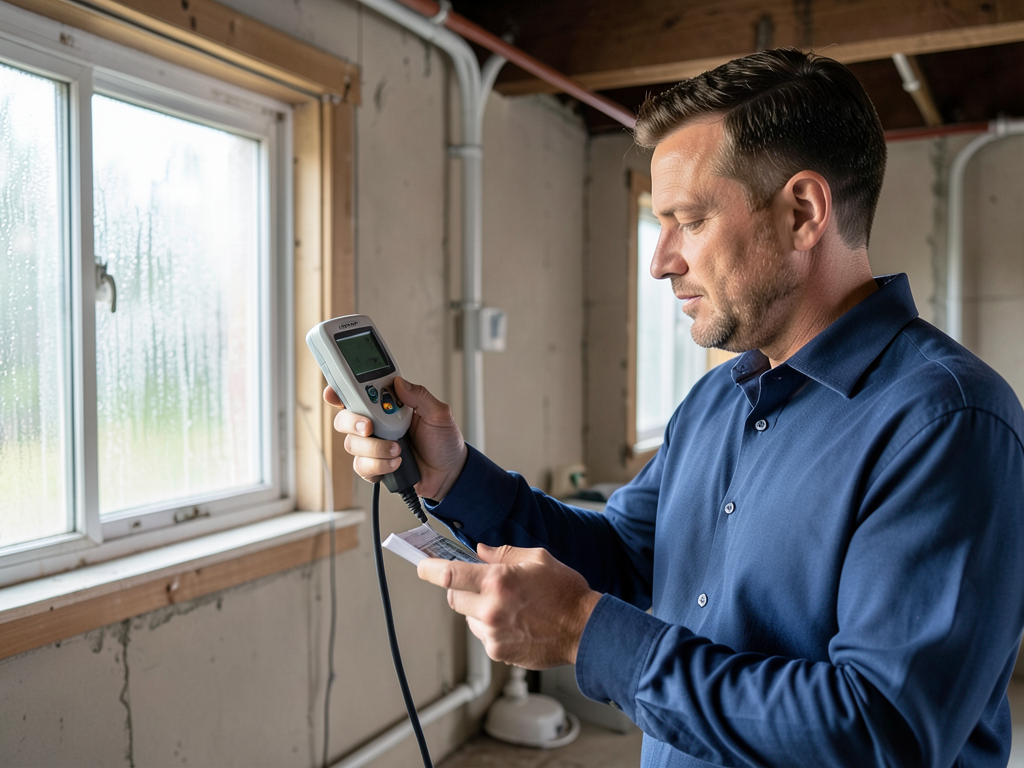
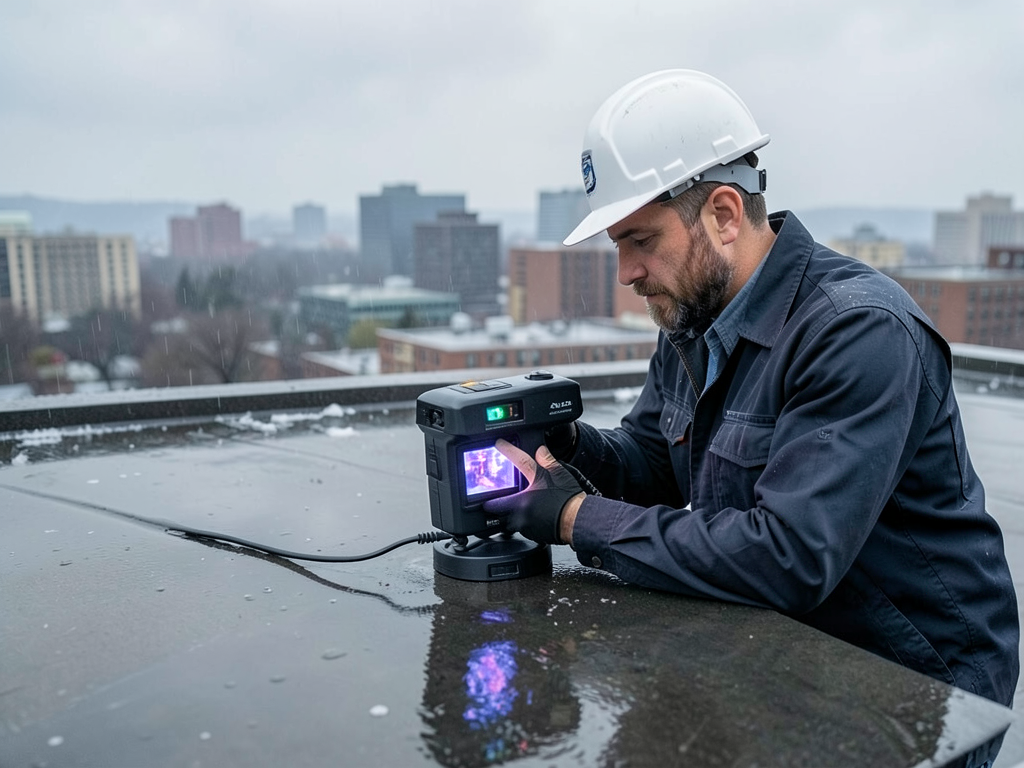
We do not guess when your building is dry. Our technicians use calibrated moisture meters to measure water content in concrete, wood, drywall, and insulation. You receive daily moisture logs showing progress toward dry standards published by the Institute of Inspection, Cleaning and Restoration Certification. Thermal imaging cameras detect hidden moisture behind walls and under flooring. When readings meet acceptable thresholds, we provide a certificate documenting your building is safe to rebuild or reoccupy. Insurance carriers accept our drying reports without dispute.

Post-Extraction Support

After extraction and drying, we coordinate with your contractors to begin repairs. If mold testing is required, we arrange certified industrial hygienists to collect air samples. Our crews handle demolition of damaged materials, including concrete removal, ceiling tile disposal, and contaminated insulation. We provide detailed cost breakdowns your insurance adjuster needs to process your claim. Facilities under annual agreements receive priority scheduling for follow-up inspections and discounted rates on future emergency responses. You keep one phone number for all water damage issues.

Frequently Asked Questions

You Have Questions,
We Have Answers

How to purify water on a large scale? +

Large scale water purification for commercial facilities in Pittsburgh requires industrial filtration systems. First, remove physical debris using sediment filters and screens. Then deploy reverse osmosis or ultraviolet treatment to eliminate contaminants and pathogens. For flood-damaged buildings, professionals use industrial dehumidifiers and air scrubbers to remove moisture from air and surfaces. Pittsburgh's aging infrastructure often introduces rust and sediment, so multi-stage filtration is critical. After extraction, treat affected areas with antimicrobial solutions to prevent mold growth. You need certified testing to verify water quality meets EPA standards before resuming operations. Professional restoration teams handle large scale purification efficiently.

How to soak up large amounts of water? +

Commercial water absorption requires industrial equipment, not household towels. Use truck-mounted extractors that pull thousands of gallons per hour from carpets and flooring. Deploy commercial-grade absorbent materials and desiccant dehumidifiers in Pittsburgh's humid climate to prevent secondary damage. Weighted extractors apply pressure while vacuuming to remove water trapped in padding and subfloors. For concrete slabs common in Pittsburgh warehouses, use injectidry systems that force air beneath surfaces. Document moisture readings with thermal imaging to identify hidden water pockets. Speed matters for business continuity. Professional crews mobilize multiple extraction units simultaneously to minimize downtime and prevent structural compromise.

How to remove large amounts of water? +

Large scale water removal starts with stopping the source, then deploying submersible pumps for standing water over two inches deep. Pittsburgh commercial properties need truck-mounted extractors that remove water from building materials, not just surfaces. Use industrial air movers and dehumidifiers to dry structural elements like concrete, drywall, and insulation. Monitor moisture levels with hygrometers daily until readings stabilize below 15 percent. For multi-story buildings, extract water before it migrates through floors and compromises lower levels. Professional crews coordinate equipment placement to maximize airflow and extraction efficiency. Document the entire process for insurance claims and liability protection.

What is an example of a large scale water diversion project? +

The Three Rivers Water Trail system in Pittsburgh represents significant water diversion infrastructure, managing drainage from the Allegheny, Monongahela, and Ohio Rivers confluence. For commercial properties, the Allegheny County Sanitary Authority operates large scale stormwater diversion projects to prevent flooding in business districts. These systems use underground retention basins and controlled discharge points. When commercial facilities face water intrusion, professionals create temporary diversion systems using berms, pumps, and drainage channels to redirect water away from structures. Understanding local watershed management helps property managers prevent catastrophic flooding. Pittsburgh's topography requires specialized diversion planning due to steep grades and valley positioning.

How Pittsburgh's River System Drives Demand for Industrial-Grade Extraction

The Three Rivers region experiences flash flooding when storms dump rain faster than the combined sewer system can drain. Properties in the Northside, Hazelwood, and along Washington Boulevard flood when the Allegheny and Monongahela rivers rise above 20 feet. The Army Corps of Engineers reservoir system prevents catastrophic flooding but cannot stop localized surges that overwhelm storm drains. Facilities built before 1980 lack backflow preventers, allowing sewage to reverse into basements during overflow events. Commercial water removal equipment must handle contaminated water most residential contractors refuse to touch.

Pittsburgh's commercial restoration market demands contractors familiar with older industrial buildings and modern code requirements. The city requires permits for demolition work exceeding 10 square feet, and inspectors enforce strict disposal rules for water-damaged materials. Insurance carriers operating in Allegheny County expect documentation that meets Pennsylvania Department of Environmental Protection standards for contaminated water disposal. Choosing a restoration company without local permitting experience delays your claim and extends downtime. We maintain relationships with city inspectors, waste haulers, and insurance adjusters who work Pittsburgh properties daily.
Water Damage Restoration Services in The Pittsburgh Area

While we provide rapid mobile service directly to your location, you can also find our physical business location on the map below. This map highlights our primary service area and shows our commitment to serving the Pittsburgh community. We are always ready to dispatch our expert team to your home or business, no matter where you are in our service region. Feel free to use the interactive map to get directions or to visualize our proximity to you.

Address:
Reliance Water Damage Restoration Pittsburgh, 201 S Craig St, Pittsburgh, PA, 15213

Additional Services We Offer

Our news updates

Latest Articles & News from The Blogs

How to tell if you have a expensive slab leak under your Franklin Park home Franklin Park homeowners face a…

How to tell if you have a expensive slab leak under your Franklin Park home

How to tell if you have a expensive slab leak under your Franklin Park home Franklin Park homeowners face a…

What to do when your office fire sprinklers go off by mistake in Downtown Pittsburgh

What to do when your office fire sprinklers go off by mistake in Downtown Pittsburgh When fire sprinklers discharge without…

Preserving the original masonry in Mexican War Streets homes after a water leak

Preserving the original masonry in Mexican War Streets homes after a water leak When water infiltrates the historic brick and…

Contact Us

Call Reliance Water Damage Restoration Pittsburgh now at (412) 382-8788. Our extraction teams mobilize immediately with commercial-grade pumps and dehumidifiers. Every hour you wait, water spreads deeper into your building and your losses grow. We answer 24 hours a day.