




Menu

Storm Flooding Emergency Service in Pittsburgh – Dispatch in 60 Minutes, 24/7 Crew Standing By

When storm flooding hits your Pittsburgh property, you need immediate water extraction and structural drying before permanent damage sets in. Our certified emergency storm damage restoration crews deploy around the clock with industrial equipment to stop the destruction fast.

Slider Image 1
Slider Image 2
Slider Image 3
Slider Image 4
Slider Image 5
Slider Image 7
Slider Image 8
Slider Image 9
Slider Image 10
Slider Image 11

Pittsburgh Storm Flooding Destroys Property in Hours, Not Days

Storm flooding in Pittsburgh does not wait for business hours. When the Allegheny and Monongahela Rivers swell after heavy rain, or when sudden downpours overwhelm aging storm drains in neighborhoods like Squirrel Hill and Shadyside, water invades basements, first floors, and crawl spaces with shocking speed. You have a narrow window to prevent catastrophic damage.

Pittsburgh's clay-heavy soil does not absorb water quickly. During storm events, runoff pools around foundations and seeps through basement walls. The city's older housing stock, much of it built before modern waterproofing standards, makes properties especially vulnerable. Water finds every crack, every gap in foundation walls, every poorly sealed window well.

The first 24 hours determine whether you face a cleanup or a total loss. Standing water saturates drywall, buckles hardwood floors, and creates ideal conditions for mold colonization within 48 hours. Electrical systems become hazards. HVAC equipment fails. Personal belongings turn to waste.

You need 24/7 flood water removal the moment you discover intrusion. Every hour you wait, water migrates deeper into porous materials, framing lumber, and insulation. The damage compounds. The restoration bill climbs. Urgent flood cleanup services are not optional when storm flooding strikes. They are the only way to salvage your property and prevent health hazards from taking root.

Reliance Water Damage Restoration Pittsburgh operates emergency storm damage restoration teams every hour of every day. When you call, we dispatch immediately with truck-mounted extraction units and commercial-grade air movers. We stop the damage, document everything for your insurer, and begin drying before the water has time to destroy what you have built.

Pittsburgh Storm Flooding Destroys Property in Hours, Not Days
How Rapid Storm Water Extraction Actually Works

How Rapid Storm Water Extraction Actually Works

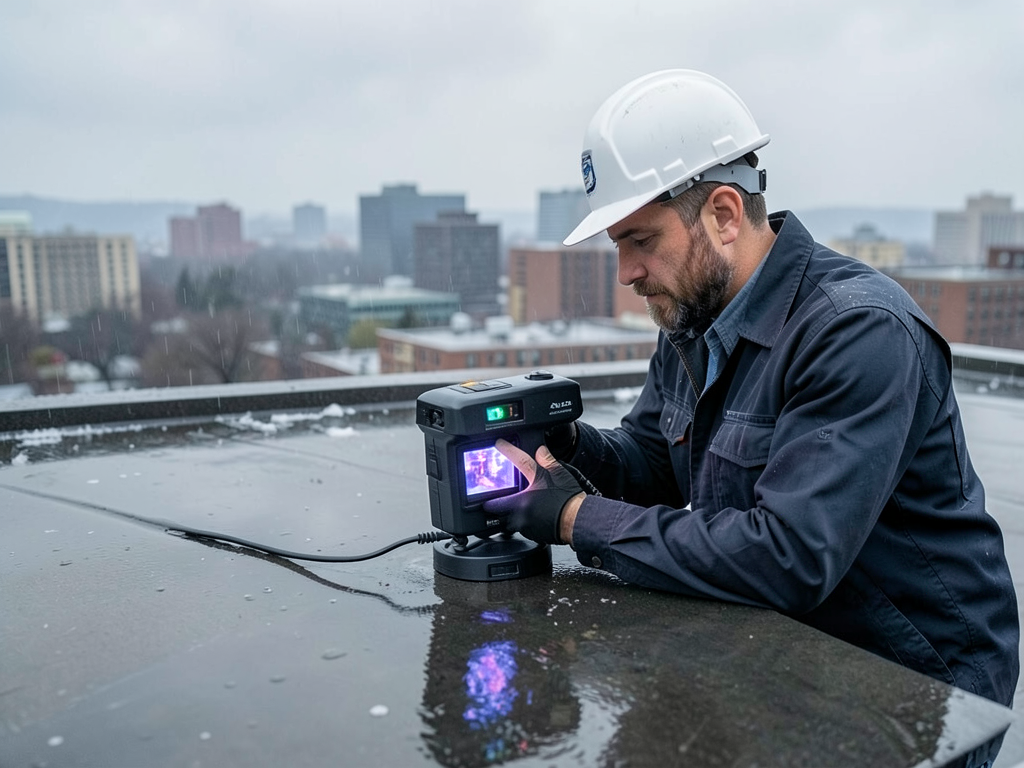
Speed determines survival in storm flooding emergencies. Our rapid storm water extraction protocol begins the moment you call. We do not schedule you for next week. We dispatch a crew with truck-mounted extractors, submersible pumps, and thermal imaging cameras to locate hidden moisture pockets.

First, we remove standing water using high-capacity pumps that move hundreds of gallons per minute. Truck-mounted extraction units generate vacuum pressure strong enough to pull water from carpet padding, subflooring, and concrete slab joints. We do not use shop vacuums. We use commercial equipment built for catastrophic water events.

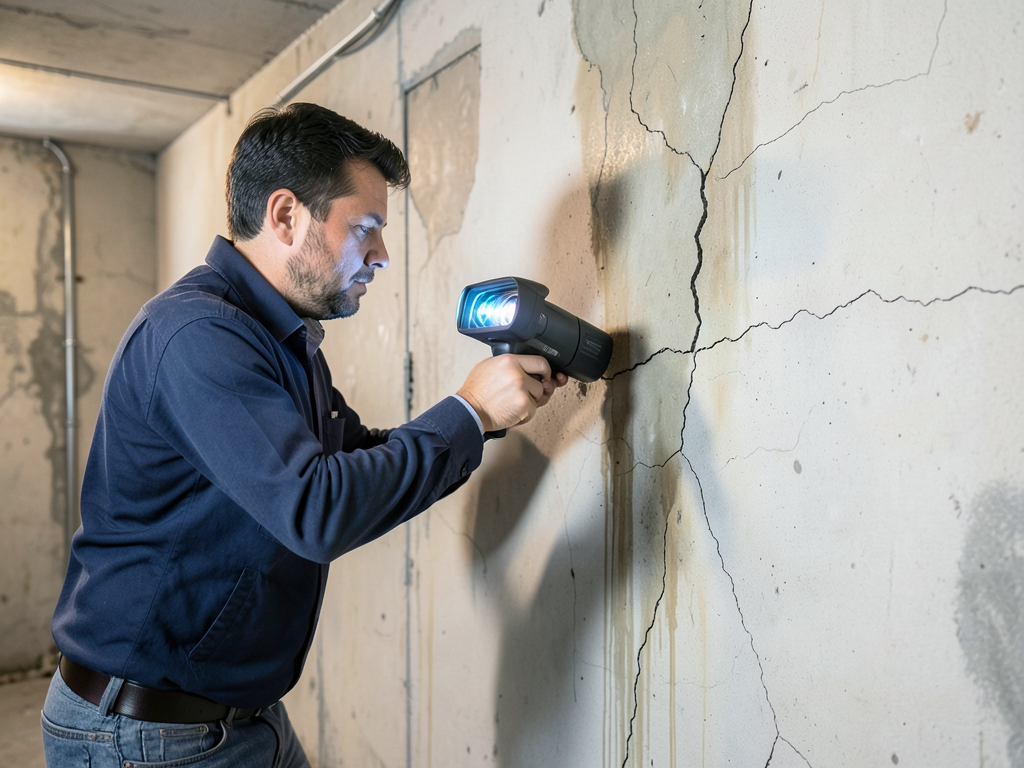
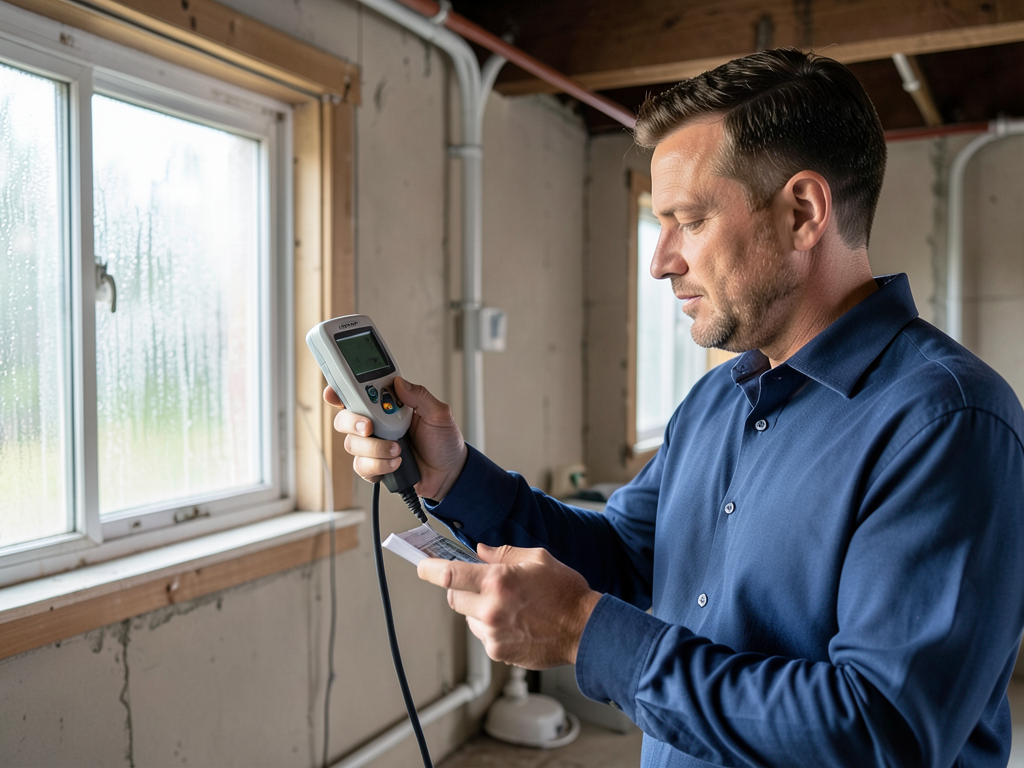
Once free-standing water is gone, we map moisture content using infrared cameras and pin-type moisture meters. Water hides in wall cavities, under vinyl flooring, and inside insulation batts. You cannot see it, but it is destroying structural components and feeding microbial growth. We locate every affected area and document moisture levels for insurance adjusters.

Next, we deploy industrial dehumidifiers and air movers in a scientifically calculated layout to create rapid evaporation. This is not about pointing fans at wet carpet. We calculate grain depression and vapor pressure to force moisture out of materials and into the air, where dehumidifiers capture it. We monitor drying progress with daily moisture readings and adjust equipment placement as materials release trapped water.

We also sanitize affected areas with antimicrobial treatments to prevent mold spores from colonizing damp surfaces. Storm water carries contaminants from streets, sewers, and soil. You cannot just dry it and walk away.

Our emergency flood repair company crews work in shifts to maintain equipment and monitor drying 24/7 until your property reaches safe moisture levels. We do not leave until the job is complete and your structure is stable.

What Happens When You Call for Storm Flooding Emergency Service

Storm Flooding Emergency Service in Pittsburgh – Dispatch in 60 Minutes, 24/7 Crew Standing By
01

Immediate Dispatch and Assessment

We answer emergency calls 24/7 and dispatch a crew to your Pittsburgh property within 60 minutes. Our technicians arrive with extraction equipment, moisture detection tools, and safety gear. They assess the water source, measure the affected area, and begin emergency water removal immediately. You receive a verbal overview of the damage and the mitigation plan before any work starts. Speed here prevents secondary damage to structural components and belongings.
02

Water Extraction and Structural Drying

Using truck-mounted extractors and submersible pumps, we remove all standing water from floors, carpets, and crawl spaces. We then place industrial dehumidifiers and air movers in a calculated pattern to dry framing, drywall, and subfloors. Moisture meters guide equipment placement and track drying progress. We sanitize all affected surfaces with antimicrobial agents to prevent mold and bacterial growth. This phase runs continuously until moisture levels return to normal ranges.
03

Documentation and Restoration Coordination

We document every phase of the drying process with photos, moisture readings, and equipment logs for your insurance claim. Once your structure reaches safe moisture levels, we coordinate with reconstruction contractors if repairs are needed. You receive a final report showing before-and-after moisture content and a summary of all mitigation work performed. We also provide recommendations to prevent future storm flooding intrusion, giving you a clear path forward.

Why Pittsburgh Properties Need Local Storm Flooding Experts

Storm flooding in Pittsburgh requires knowledge of local geography and building construction. Our crews understand how the city's three rivers interact with storm systems, how elevation changes affect drainage patterns in neighborhoods like Mount Washington and Highland Park, and how older homes built into hillsides handle water intrusion differently than newer construction on flatter terrain.

We know Pittsburgh's building codes and insurance claim requirements. Many national restoration franchises send technicians unfamiliar with local soil conditions, foundation types, and the specific challenges of restoring century-old masonry basements. We have worked in every Pittsburgh neighborhood and know which materials require specialized drying techniques.

Reliance Water Damage Restoration Pittsburgh maintains relationships with local adjusters, plumbers, and structural engineers. When storm flooding damages your property, we coordinate with the professionals you will need for full recovery. We speak the language of Pittsburgh construction and know which local suppliers stock the materials needed for fast repairs.

We also understand the urgency Pittsburgh weather creates. When storm systems move through the region, we often respond to multiple properties simultaneously. Our equipment inventory and crew capacity are sized for Pittsburgh's storm patterns, not a national average. We do not run out of dehumidifiers or tell you to wait three days for availability.

Choosing a local emergency flood repair company means working with technicians who live in the same flood zones you do. We have responded to storm events in our own neighborhoods. We know what you are facing because we have faced it ourselves. That knowledge translates to faster, smarter mitigation decisions when every minute counts.

You need a team that understands Pittsburgh's infrastructure, responds immediately, and has the equipment capacity to handle regional storm events. We built our company specifically to serve this city's storm flooding challenges.

What to Expect During Emergency Storm Flooding Mitigation

Arrival Time and Availability

We dispatch crews 24 hours a day, 365 days a year. When you call our emergency line, you speak with a live person who immediately assigns a team to your location. Most Pittsburgh properties receive a crew within 60 minutes of the initial call. Our trucks carry truck-mounted extraction equipment, so we begin water removal as soon as we arrive. No waiting for equipment to be delivered. No scheduling for tomorrow. We understand that storm flooding damage accelerates every hour, so we prioritize immediate response over appointment convenience. You get a crew when you need one, not when it fits a schedule.

Initial Assessment and Mitigation Plan

Our technicians walk your property with moisture meters, thermal imaging cameras, and documentation tools. They identify all affected areas, including hidden moisture in walls and subfloors. You receive a verbal explanation of the damage scope, the equipment we will deploy, and the expected drying timeline. We take photos and moisture readings to establish a baseline for insurance documentation. This assessment takes 15 to 30 minutes depending on property size. Once complete, we begin extraction and drying immediately. You do not wait days for a formal proposal. Mitigation starts during the first visit because delayed action leads to mold growth and structural failure.

Drying Results and Structural Stability

We do not leave until moisture content returns to safe levels. Our crews monitor drying progress with daily moisture meter readings and adjust equipment placement as needed. Most storm flooding mitigation projects in Pittsburgh take three to five days, but timelines vary based on water volume, material types, and humidity levels. You receive daily updates showing moisture reduction progress. When drying is complete, we provide a final report with before-and-after readings proving your structure is stable. This documentation is critical for insurance claims and for protecting your property value. We guarantee safe moisture levels before we remove equipment.

Insurance Coordination and Follow-Up

We work directly with your insurance adjuster to document damage and justify mitigation costs. Our reports include photos, moisture logs, equipment usage records, and detailed descriptions of all work performed. Most insurance policies cover emergency water extraction and drying when storm flooding is the cause. We help you navigate the claims process and provide the documentation adjusters require for approval. After mitigation is complete, we also offer recommendations for preventing future flooding, such as sump pump upgrades or exterior drainage improvements. Our goal is to restore your property and give you the information needed to protect it long term.

Frequently Asked Questions

You Have Questions,
We Have Answers

Is flooding considered an emergency? +

Yes. Flooding is an emergency in Pittsburgh. It causes structural damage, electrical hazards, and mold growth within 24 to 48 hours. Standing water weakens foundations, ruins drywall, and creates dangerous conditions. Pittsburgh's older homes and basements are vulnerable during heavy rains and snowmelt. You need immediate extraction and drying to prevent long-term damage. Do not wait. Shut off power to affected areas if safe, move valuables to higher ground, and call a certified water damage restoration company right away. Speed matters. Every hour increases repair costs and health risks.

Who to call to report flooding? +

Call 911 if flooding threatens life or safety. For storm flooding emergencies in your Pittsburgh home or business, call a 24/7 water damage restoration company immediately. They extract water, dry structures, and prevent mold. For street or neighborhood flooding, contact Pittsburgh Water and Sewer Authority or the city's 311 service line. Report sewer backups to the authority. If flooding impacts major roads or bridges, notify Allegheny County Emergency Services. For flood insurance claims, contact your insurance agent first. Do not delay. Fast action limits damage and protects your property value.

How to apply for FEMA $750? +

FEMA's $750 Serious Needs Assistance helps with immediate expenses after a declared disaster. You must apply for FEMA aid first through DisasterAssistance.gov or call 1-800-621-3362. Register your disaster claim. FEMA inspects your Pittsburgh property and verifies your eligibility. If you qualify, the $750 is deposited directly into your bank account or mailed as a check. This is not automatic. You must apply within 60 days of the disaster declaration. Keep all receipts for temporary housing, food, and emergency repairs. The payment helps cover urgent needs while your full claim processes.

Who to call if you have a flood? +

Call a certified water damage restoration company that operates 24/7 in Pittsburgh. They respond fast, extract standing water, and dry your property before mold starts. Next, call your homeowner's insurance agent to file a claim. Document everything with photos and videos before cleanup begins. If the flood involves sewage or threatens your safety, call 911 first. Do not enter standing water if electrical outlets or appliances are submerged. Pittsburgh's humid climate accelerates mold growth, so speed is critical. Professional restoration teams use industrial equipment to dry hidden moisture in walls and floors.

What is the average insurance payout for water damage? +

Water damage insurance payouts vary widely based on your policy, damage extent, and claim documentation. Most Pittsburgh homeowners receive $2,000 to $10,000 for minor incidents like burst pipes or appliance leaks. Major flooding or storm damage can exceed $20,000 if structural repairs are needed. Your payout depends on your coverage limits, deductible, and whether you have flood insurance. Standard homeowner's policies exclude flood damage from rivers or heavy rains. Document everything with photos and detailed repair estimates. Work with your restoration company to provide thorough reports to your insurance adjuster. Faster documentation speeds up payment.

What are four types of emergencies? +

Four common emergency types are natural disasters, medical emergencies, fire emergencies, and hazardous material incidents. Natural disasters include floods, tornadoes, and severe storms common in Pittsburgh. Medical emergencies involve injury, illness, or life-threatening conditions requiring 911. Fire emergencies threaten structures and lives, demanding immediate evacuation and fire department response. Hazardous material incidents involve chemical spills, gas leaks, or sewage backups that contaminate your property. Each requires different response protocols. For storm flooding emergencies in Pittsburgh, you need professional water extraction and drying within hours to prevent structural damage and mold growth. Speed and expertise matter.

Who to call during a flood? +

During a flood, call 911 if you face immediate danger or need evacuation. For property flooding in Pittsburgh, call a 24/7 water damage restoration company immediately to start extraction and drying. Call your insurance agent to file a claim before cleanup begins. If flooding involves sewer backups or contaminated water, notify Pittsburgh Water and Sewer Authority. Do not enter floodwater if power lines or electrical outlets are exposed. Turn off electricity at the breaker if safe. Pittsburgh's older homes flood easily during heavy rains, so fast professional response prevents mold and structural damage. Every minute counts.

Does homeowners insurance cover water flooding? +

No. Standard homeowner's insurance does not cover flooding from heavy rains, rivers, or storm surge in Pittsburgh. You need separate flood insurance through the National Flood Insurance Program or a private carrier. Homeowner's policies typically cover sudden internal water damage like burst pipes, appliance leaks, or roof leaks from wind damage. Pittsburgh sits near the Allegheny, Monongahela, and Ohio Rivers, making flood insurance critical for many neighborhoods. Check your policy details. If your basement floods from storm runoff or sewer backups, you may not be covered without additional endorsements. Review your coverage before disaster strikes.

Who is liable for flooding? +

Liability for flooding depends on the cause. If storm runoff or river overflow floods your Pittsburgh property, no one is liable. It is an act of nature. If a neighbor's negligence causes flooding, like broken gutters or improper grading that directs water onto your property, they may be liable. Landlords are liable for flooding from neglected plumbing or roof leaks. Municipalities can be liable if faulty storm drains or sewer systems cause backups. Document everything with photos and timestamps. Consult a property attorney if you face major losses. Insurance claims require clear cause documentation for coverage approval.

What is the $1000 disaster payment? +

The $1,000 disaster payment is often confused with FEMA's Serious Needs Assistance. Some states offer one-time disaster relief payments ranging from $500 to $1,000 for eligible residents after declared emergencies. Pennsylvania occasionally provides state-level disaster aid, but amounts and eligibility vary by event. Check Pennsylvania Emergency Management Agency announcements after major disasters. FEMA's initial Serious Needs Assistance is $750, not $1,000. You must apply through DisasterAssistance.gov within 60 days of the declaration. The payment helps with immediate expenses like temporary shelter, food, and emergency repairs while your full claim processes. Apply fast.

Why Pittsburgh's River Valley Geography Makes Storm Flooding Emergency Service Critical

Pittsburgh sits at the confluence of three rivers surrounded by steep hills and valleys. When heavy rain falls, water runs downhill fast and overwhelms storm drains designed decades ago. Neighborhoods like Lawrenceville, Polish Hill, and the South Side flood regularly because elevation change funnels runoff into low-lying streets and basements. Clay soil beneath the city absorbs water slowly, so surface runoff pools around foundations and seeps through basement walls. Older homes built before modern waterproofing codes lack proper foundation drainage, making them vulnerable during every major storm. Rapid storm water extraction is not optional in this geography. It is the only way to prevent total loss when water invades your property.

Reliance Water Damage Restoration Pittsburgh has served this region for years, responding to storm flooding in every neighborhood from the North Shore to Brookline. We understand how Pittsburgh properties flood, which construction types require specialized drying techniques, and how to navigate local insurance claim processes. Our crews live and work in the same flood zones you do. We maintain equipment capacity sized for Pittsburgh's storm patterns, so you never hear that we are booked out or waiting on equipment delivery. When storm flooding hits, you need a local team that knows this city's challenges and responds immediately with the right tools and expertise.
Water Damage Restoration Services in The Pittsburgh Area

While we provide rapid mobile service directly to your location, you can also find our physical business location on the map below. This map highlights our primary service area and shows our commitment to serving the Pittsburgh community. We are always ready to dispatch our expert team to your home or business, no matter where you are in our service region. Feel free to use the interactive map to get directions or to visualize our proximity to you.

Address:
Reliance Water Damage Restoration Pittsburgh, 201 S Craig St, Pittsburgh, PA, 15213

Additional Services We Offer

Our news updates

Latest Articles & News from The Blogs

How to tell if you have a expensive slab leak under your Franklin Park home Franklin Park homeowners face a…

How to tell if you have a expensive slab leak under your Franklin Park home

How to tell if you have a expensive slab leak under your Franklin Park home Franklin Park homeowners face a…

What to do when your office fire sprinklers go off by mistake in Downtown Pittsburgh

What to do when your office fire sprinklers go off by mistake in Downtown Pittsburgh When fire sprinklers discharge without…

Preserving the original masonry in Mexican War Streets homes after a water leak

Preserving the original masonry in Mexican War Streets homes after a water leak When water infiltrates the historic brick and…

Contact Us

Every minute counts when storm water invades your Pittsburgh property. Call (412) 382-8788 now for immediate dispatch. Our crews are standing by 24/7 with truck-mounted extraction equipment and industrial drying systems. We stop the damage before it becomes a total loss.