




Menu

Black Mold Symptoms in Pittsburgh – Expert Diagnosis and Health Risk Assessment

Reliance Water Damage Restoration Pittsburgh identifies toxic mold health effects and stachybotrys chartarum symptoms quickly, protecting your family from prolonged exposure in Pittsburgh's high-humidity environment.

Slider Image 1
Slider Image 2
Slider Image 3
Slider Image 4
Slider Image 5
Slider Image 7
Slider Image 8
Slider Image 9
Slider Image 10
Slider Image 11

Why Pittsburgh Homes Are at High Risk for Black Mold Exposure

Pittsburgh's climate creates the perfect breeding ground for black mold. The city averages 203 cloudy days per year and sits at the confluence of three rivers, creating persistent humidity that penetrates basements, crawlspaces, and attics. When relative humidity stays above 60 percent for extended periods, stachybotrys chartarum finds ideal conditions to colonize drywall, insulation, and wood framing.

You might notice signs of black mold exposure before you see the growth itself. Persistent coughing, wheezing, or unexplained headaches often appear first. Many Pittsburgh residents attribute these symptoms to seasonal allergies or the city's air quality, but toxic mold health effects present differently. The symptoms worsen when you're home and improve when you leave.

Black mold poisoning symptoms escalate over time. Initial respiratory irritation can progress to chronic sinus infections, fatigue, and difficulty concentrating. Children and elderly family members show symptoms first because their immune systems are more vulnerable. If multiple family members experience similar health issues simultaneously, you're likely dealing with an environmental toxin, not a virus.

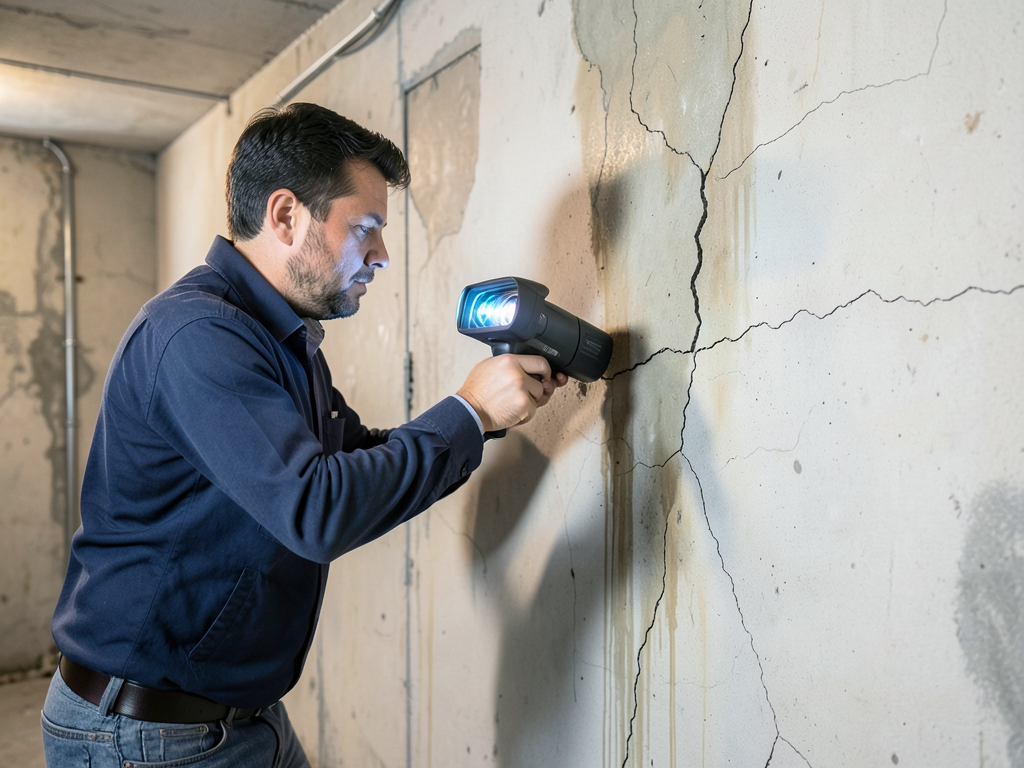
The freeze-thaw cycles common in Allegheny County create foundation cracks and roof leaks that allow moisture intrusion. Older homes in neighborhoods like Squirrel Hill and Shadyside have outdated vapor barriers and insufficient attic ventilation. These structural vulnerabilities combined with Pittsburgh's weather patterns create black mold health risks that demand immediate attention.

Why Pittsburgh Homes Are at High Risk for Black Mold Exposure
How We Identify and Document Stachybotrys Chartarum Symptoms

How We Identify and Document Stachybotrys Chartarum Symptoms

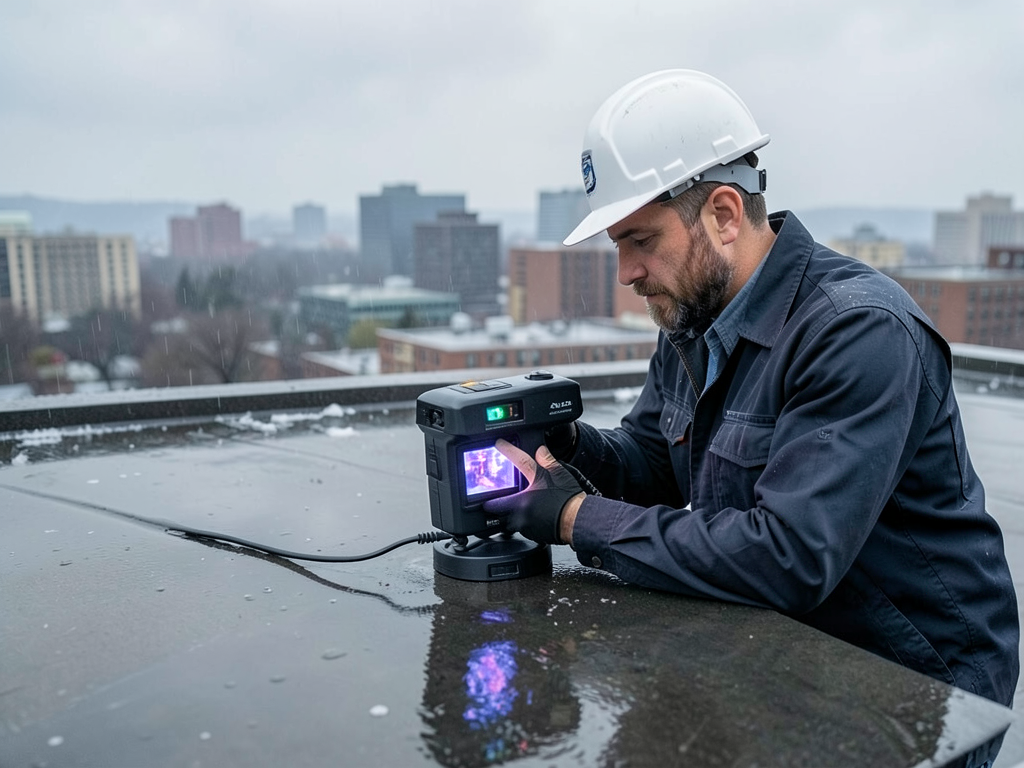
Reliance Water Damage Restoration Pittsburgh uses a systematic approach to connect your health symptoms with mold contamination. We start with thermal imaging cameras to detect moisture patterns behind walls and above ceilings. Cold spots indicate active water intrusion or trapped condensation, which pinpoints likely mold colonies before we open a single wall cavity.

We collect air samples using spore trap cassettes positioned in affected rooms and control areas. Lab analysis identifies specific mold species and spore concentrations. This data separates normal background mold from dangerous stachybotrys chartarum levels. Surface samples from suspected growth areas confirm visual identification because black mold can appear green or gray depending on its substrate and age.

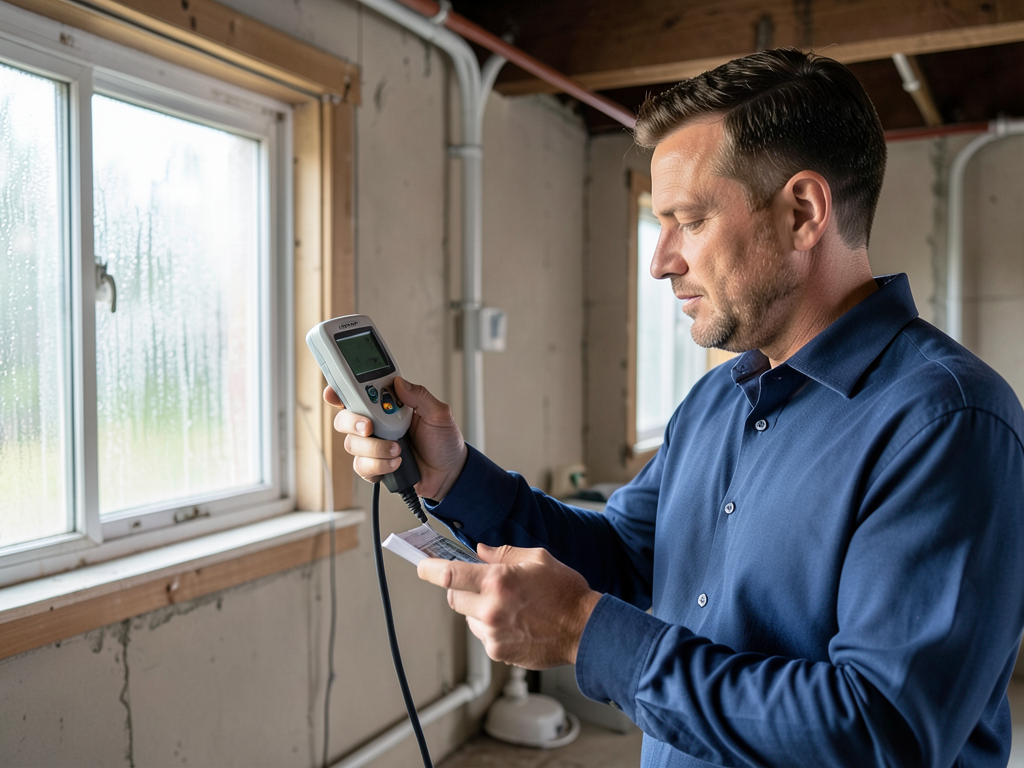
Moisture mapping with pin-type and non-invasive meters documents the extent of water damage. We measure moisture content in framing lumber, drywall, and subflooring. Readings above 16 percent in wood or 1 percent in drywall indicate conditions that support active mold growth. This quantitative approach eliminates guesswork and prevents incomplete remediation.

We correlate your reported symptoms with contamination patterns. If family members who sleep on the second floor show respiratory issues while first-floor occupants remain healthy, we focus on attic moisture sources and HVAC ductwork. This diagnostic process identifies not just where mold grows but why it established there. Understanding the root cause prevents recurrence after remediation.

Documentation includes photographic evidence, moisture readings, and lab reports. Insurance companies and healthcare providers need this data to process claims and rule out other diagnoses. You receive a written report explaining findings in clear terms.

What Happens During Your Mold Symptom Assessment

Black Mold Symptoms in Pittsburgh – Expert Diagnosis and Health Risk Assessment
01

Initial Health History Review

Our technicians document when symptoms started, which family members are affected, and whether symptoms improve away from home. We note any recent water damage events, plumbing leaks, or basement flooding in your Pittsburgh property. This information guides our physical inspection and helps correlate specific mold growth areas with reported health effects. We ask about HVAC maintenance history because contaminated ductwork spreads spores throughout your home.
02

Environmental Testing Protocol

We deploy air sampling pumps, moisture meters, and thermal cameras to map contamination. High-priority areas include basements prone to Pittsburgh's groundwater issues, bathrooms with inadequate ventilation, and attics where ice dams cause winter moisture intrusion. Surface samples from visible growth confirm species identification. We test HVAC systems separately because air handlers often harbor hidden colonies that trigger symptoms even when living spaces appear clean.
03

Results and Remediation Planning

Lab results return within 48 hours. We explain which mold species are present, whether toxigenic strains exist, and how spore counts compare to safe outdoor baseline levels. You receive a written protocol detailing containment procedures, material removal requirements, and antimicrobial treatment plans. We outline realistic timelines for symptom improvement after remediation. Most respiratory symptoms diminish within two weeks once active spore sources are eliminated.

Why Pittsburgh Families Trust Our Mold Health Assessments

Reliance Water Damage Restoration Pittsburgh understands the connection between the city's aging housing stock and indoor air quality problems. We've assessed mold contamination in century-old homes in Highland Park and newer construction in Cranberry Township. Each property type presents distinct vulnerabilities, from limestone foundation walls that wick moisture to modern airtight building envelopes that trap humidity.

Our technicians recognize how Pittsburgh's industrial history affects current properties. Homes near former steel mill sites in areas like Homestead often have soil contamination that increases foundation moisture. We account for these location-specific factors when diagnosing why mold established in your property and how to prevent future growth.

We work directly with local physicians who treat mold-related illnesses. This collaboration ensures your health symptoms receive appropriate medical attention while we address the environmental source. Many Pittsburgh allergists and pulmonologists refer patients to us when they suspect mold exposure but lack the tools to confirm contamination.

Insurance claims for mold remediation require specific documentation. We provide reports that meet Pennsylvania insurance requirements and include the technical detail adjusters need to approve coverage. Our familiarity with local insurance providers streamlines the claims process and reduces your out-of-pocket costs.

You receive honest assessments. If air quality testing shows normal mold levels and your symptoms likely stem from other causes, we tell you. We don't recommend unnecessary remediation. When we do identify contamination, we explain exactly what needs removal and what can be salvaged. This transparency builds trust and ensures you spend money only on necessary repairs.

What to Expect During Your Mold Symptom Evaluation

Response Time and Scheduling

We schedule assessments within 24 hours of your call. Health symptoms indicate active exposure, so delaying evaluation extends your risk. Most inspections take two to three hours depending on property size and complexity. We work around your schedule, including evenings and weekends, because you shouldn't wait until Monday if symptoms started on Friday. Our technicians arrive with all necessary testing equipment, so we complete air sampling and moisture mapping in a single visit. You receive preliminary findings before we leave and detailed lab results within 48 hours.

Comprehensive Indoor Air Quality Testing

We collect samples from multiple rooms to map spore distribution patterns throughout your Pittsburgh home. Baseline outdoor samples provide comparison data because all homes contain some mold spores naturally. Testing includes hidden areas like crawlspaces, attics, and inside HVAC plenums where growth often remains undetected. We use both viable and non-viable sampling methods to capture total spore counts and identify living colonies. Moisture readings document water activity levels in building materials. This multi-faceted approach reveals not just if you have mold but why it's growing and where remediation efforts should focus.

Detailed Written Findings

Your assessment report includes lab-certified mold species identification, spore count data presented in understandable terms, moisture mapping results with color-coded diagrams, and photographic documentation of affected areas. We explain which findings pose immediate health risks and which represent minor issues requiring monitoring. You receive actionable recommendations prioritized by urgency and cost. The report serves as documentation for insurance claims, real estate transactions, or medical providers treating your symptoms. We translate technical mycology data into clear language so you understand exactly what's happening in your home.

Post-Remediation Verification Testing

After remediation work completes, we conduct clearance testing to verify spore counts have returned to normal levels. This independent verification protects you from incomplete remediation that leaves lingering contamination. Clearance testing uses the same rigorous protocols as initial assessment, comparing post-remediation air quality to outdoor baseline samples. We provide written confirmation that your Pittsburgh home meets acceptable mold levels before you reoccupy treated areas. This final step ensures the money you spent on remediation actually solved the problem and your family can safely return without continued exposure risks.

Frequently Asked Questions

You Have Questions,
We Have Answers

How do you know if mold is making you sick? +

You know mold is making you sick when symptoms improve after leaving your home and worsen when you return. Common signs include persistent headaches, respiratory issues like wheezing or coughing, skin rashes, fatigue, and sinus congestion that does not respond to typical treatments. Pittsburgh's humid summers and older housing stock create ideal conditions for mold growth in basements and poorly ventilated bathrooms. Pay attention to musty odors in your home. If multiple family members experience unexplained symptoms simultaneously, mold exposure is likely. Document your symptoms and consult a doctor while addressing the source immediately.

How long does it take to recover from mold toxicity? +

Recovery from mold toxicity varies widely based on exposure duration, individual health, and how quickly you eliminate the source. Most people notice improvement within weeks after leaving the contaminated environment, but complete recovery can take three to six months. Severe cases may require longer. Pittsburgh residents dealing with basement flooding or roof leaks should act fast. Your body needs time to clear mycotoxins through natural detoxification. Support recovery by staying hydrated, eating clean foods, and getting adequate rest. Medical supervision helps, especially if you have asthma or immune issues. Remove the mold source first or symptoms will persist.

Can you live in a house with black mold? +

You should not live in a house with active black mold growth. While brief exposure rarely causes severe harm in healthy individuals, continuous exposure increases health risks significantly. Black mold releases spores and mycotoxins that accumulate in indoor air. Pittsburgh's older homes often have hidden moisture problems in crawl spaces and behind walls. Children, elderly residents, and anyone with respiratory conditions face greater danger. If you discover black mold, limit time in affected areas and address it immediately. Small patches under 10 square feet can be cleaned carefully, but larger infestations require professional remediation to protect your health.

What are the long-term effects of black mold? +

Long-term black mold exposure can lead to chronic respiratory problems, persistent sinus infections, and neurological symptoms like memory issues and difficulty concentrating. Some people develop mold sensitivity, making future exposures trigger immediate reactions. Immune system suppression increases susceptibility to other illnesses. Pittsburgh's freeze-thaw cycles cause foundation cracks and water intrusion, creating ongoing mold risks. Children exposed long-term may develop asthma. While healthy adults often recover after remediation, prolonged exposure causes cumulative damage. Neurological effects and chronic inflammatory responses prove most concerning. Early detection and removal prevent these serious complications. Do not ignore persistent mold problems in your home.

How can I test myself for black mold? +

You cannot test yourself at home for black mold exposure. A doctor can order specific tests including blood work to check for mold antibodies, urine mycotoxin tests, or skin prick allergy tests. These medical tests determine if your body shows immune response to mold exposure. Pittsburgh residents experiencing symptoms should document when and where they worsen. Indoor air quality testing identifies mold species in your home, but medical testing reveals your body's reaction. Most doctors start with symptom evaluation and environmental history before ordering lab work. Insurance coverage varies. Focus first on removing mold from your environment while pursuing medical evaluation.

What kills black mold? +

EPA-registered antimicrobial solutions, hydrogen peroxide, and concrobium kill black mold on non-porous surfaces. Bleach works on tile and glass but does not penetrate porous materials like drywall or wood. Pittsburgh homeowners must address the moisture source first or mold returns. Professional remediation uses HEPA filtration, containment barriers, and commercial-grade antimicrobials. Small areas under 10 square feet can be cleaned with proper protection, but larger infestations require professional help. Porous materials like insulation and drywall typically need replacement. Killing visible mold does not remove mycotoxins or dead spore particles. Proper ventilation and humidity control below 50% prevent regrowth.

What happens if you breathe in black mold? +

Breathing black mold spores triggers immediate reactions in sensitive individuals, including coughing, throat irritation, nasal congestion, and eye irritation. Healthy people may experience no symptoms initially. Repeated exposure increases risk of developing respiratory infections, asthma-like symptoms, and allergic reactions. Pittsburgh's humid climate means basements and crawl spaces often harbor hidden mold. Mycotoxins released by black mold can cause more severe reactions including headaches, dizziness, and fatigue. People with compromised immune systems or existing lung conditions face greater danger. One-time exposure rarely causes lasting harm, but document symptoms and eliminate the source immediately. Avoid disturbing mold without proper protection.

What kills mold in the body? +

Your body naturally eliminates mold toxins through the liver and kidneys. No special supplement or detox product kills mold inside your body. Support natural detoxification by drinking plenty of water, eating fiber-rich foods, and getting adequate sleep. Some doctors recommend binders like activated charcoal to help toxin elimination, but medical supervision is important. Pittsburgh residents recovering from mold exposure should focus on eliminating the source first. Your immune system needs clean air to heal. Probiotics may support gut health during recovery. Avoid unproven detox protocols. Time in a clean environment allows your body's natural systems to clear mycotoxins gradually.

How quickly does black mold spread? +

Black mold can spread rapidly when conditions are right. Spores colonize new areas within 24 to 48 hours of water exposure. Visible growth appears within three to five days. Pittsburgh's humid summers and water intrusion from aging infrastructure accelerate growth. A small patch can expand to cover square feet within weeks if moisture persists. Mold spreads through airborne spores that travel through HVAC systems and settle in damp areas. Basements, bathrooms, and areas around leaky windows prove most vulnerable. High humidity above 60% speeds colonization. Address water problems immediately and dry affected areas within 24 hours to prevent spread.

What are the 10 warning signs of mold toxicity? +

The 10 warning signs of mold toxicity include persistent fatigue despite rest, difficulty concentrating or brain fog, frequent headaches, respiratory symptoms like coughing or wheezing, sinus congestion that does not clear, skin rashes or irritation, digestive issues, muscle aches, increased sensitivity to light, and mood changes including anxiety or depression. Pittsburgh residents in older homes with basement moisture should watch for these patterns. Symptoms typically worsen in the building and improve elsewhere. Multiple household members experiencing similar issues simultaneously suggests environmental exposure. These signs indicate your body is reacting to mycotoxins. Consult a doctor and investigate your home for hidden mold sources immediately.

How Pittsburgh's Three Rivers Ecosystem Amplifies Black Mold Health Risks

The confluence of the Allegheny, Monongahela, and Ohio Rivers creates persistent atmospheric moisture that penetrates Pittsburgh homes year-round. River valley fog and humidity levels regularly exceed 70 percent, particularly in neighborhoods like Strip District and North Shore located near water. This constant moisture exposure means building materials never fully dry between weather events. Basements in lower-elevation areas experience hydrostatic pressure from high water tables, forcing groundwater through foundation walls. These geographic factors make Pittsburgh properties uniquely vulnerable to the chronic dampness that stachybotrys chartarum requires for colonization.

Reliance Water Damage Restoration Pittsburgh has assessed mold contamination in hundreds of local properties, from Mt. Washington hillside homes to Oakland apartment buildings. We understand how the city's topography, with its steep hills and valleys, creates drainage problems that channel water toward foundations. Our technicians know which Pittsburgh neighborhoods have clay soil that prevents proper drainage and which areas have older combined sewer systems that back up during heavy rain. This local knowledge helps us identify why your specific property developed mold problems and implement solutions that account for your neighborhood's unique environmental challenges.
Water Damage Restoration Services in The Pittsburgh Area

While we provide rapid mobile service directly to your location, you can also find our physical business location on the map below. This map highlights our primary service area and shows our commitment to serving the Pittsburgh community. We are always ready to dispatch our expert team to your home or business, no matter where you are in our service region. Feel free to use the interactive map to get directions or to visualize our proximity to you.

Address:
Reliance Water Damage Restoration Pittsburgh, 201 S Craig St, Pittsburgh, PA, 15213

Additional Services We Offer

Our news updates

Latest Articles & News from The Blogs

How to tell if you have a expensive slab leak under your Franklin Park home Franklin Park homeowners face a…

How to tell if you have a expensive slab leak under your Franklin Park home

How to tell if you have a expensive slab leak under your Franklin Park home Franklin Park homeowners face a…

What to do when your office fire sprinklers go off by mistake in Downtown Pittsburgh

What to do when your office fire sprinklers go off by mistake in Downtown Pittsburgh When fire sprinklers discharge without…

Preserving the original masonry in Mexican War Streets homes after a water leak

Preserving the original masonry in Mexican War Streets homes after a water leak When water infiltrates the historic brick and…

Contact Us

Stop wondering if mold is making your family sick. Call Reliance Water Damage Restoration Pittsburgh at (412) 382-8788 for professional testing that connects your symptoms to environmental sources. We provide answers within 48 hours and create clear remediation plans that eliminate exposure risks.