




Menu

Water Damage Restoration in Pittsburgh | 24/7 Emergency Response Across All Three Rivers Neighborhoods

Reliance Water Damage Restoration Pittsburgh delivers comprehensive water damage remediation, extraction, and structural drying services to residential and commercial properties throughout Allegheny County, backed by certified technicians who understand Pittsburgh's unique flooding patterns and aging infrastructure challenges.

Slider Image 1
Slider Image 2
Slider Image 3
Slider Image 4
Slider Image 5
Slider Image 7
Slider Image 8
Slider Image 9
Slider Image 10
Slider Image 11

Why Pittsburgh Properties Face Constant Water Damage Threats

Pittsburgh sits at the confluence of three major rivers. The Allegheny, Monongahela, and Ohio rivers create a natural flood risk that affects neighborhoods from the North Shore to the South Hills. When heavy rainfall hits the region, properties in low-lying areas like Lawrenceville, Shadyside, and the Strip District face basement flooding within hours.

The city's aging infrastructure compounds the problem. Many Pittsburgh homes were built between 1900 and 1950, long before modern waterproofing standards existed. Cast iron pipes corrode, foundation walls crack from freeze-thaw cycles, and outdated sump pumps fail during the worst possible moments. You see water pooling in your basement after a thunderstorm because your foundation lacks proper drainage channels, or your sewer line backs up because tree roots penetrated the terra cotta pipes common in older Pittsburgh neighborhoods.

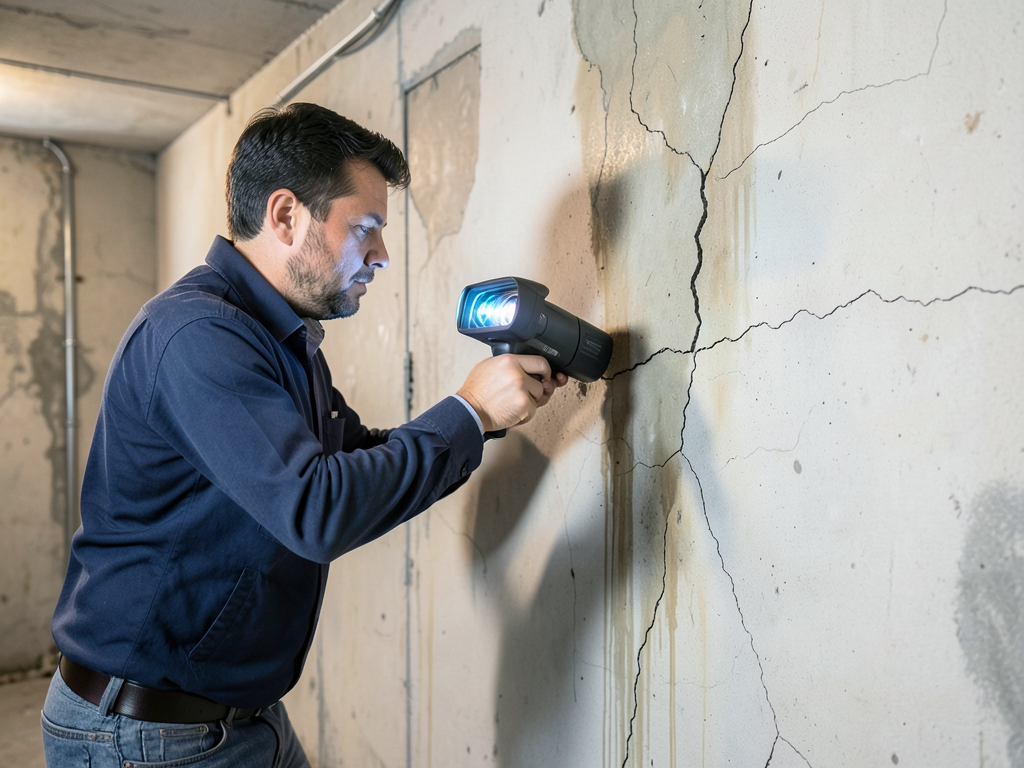
Water damage repair requires immediate action. Standing water penetrates drywall, buckles hardwood floors, and creates conditions for mold growth within 24 to 48 hours. Pittsburgh's humidity levels during summer months accelerate this timeline. Water damage cleanup involves more than mopping up puddles. You need industrial dehumidifiers, moisture meters to detect hidden saturation, and thermal imaging cameras to map the full extent of damage behind walls and under flooring.

Water damage mitigation prevents a bad situation from becoming catastrophic. Every hour you wait, water migrates further into building materials, compromising structural integrity and inflating repair costs.

Why Pittsburgh Properties Face Constant Water Damage Threats
Our Advanced Water Damage Remediation Process

Our Advanced Water Damage Remediation Process

Reliance Water Damage Restoration Pittsburgh follows IICRC S500 standards for water damage restoration. This certification ensures we classify water contamination correctly and apply the appropriate remediation protocol for each situation.

We categorize water damage into three classes based on contamination level. Category 1 clean water comes from supply lines or rainwater. Category 2 gray water contains biological contaminants from dishwashers, washing machines, or toilet bowls (urine only). Category 3 black water carries sewage, rising floodwater from rivers, or any water that contacted soil. Each category requires different safety protocols and disposal methods.

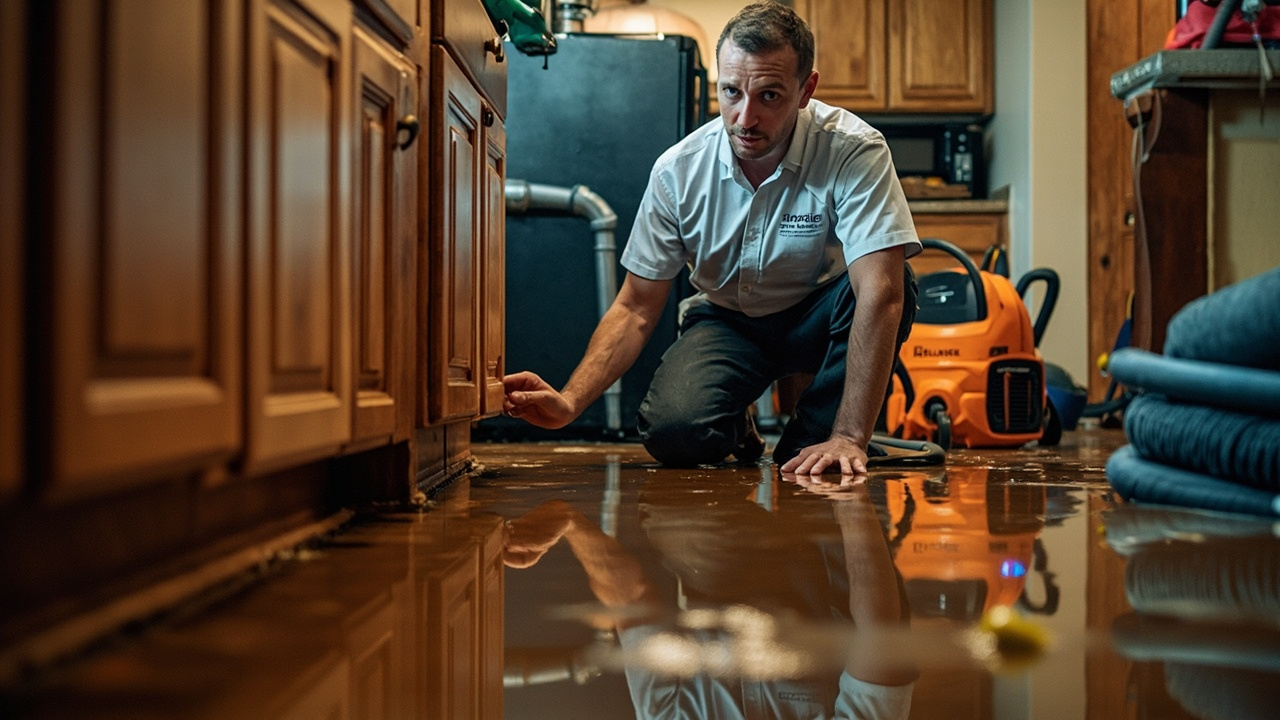
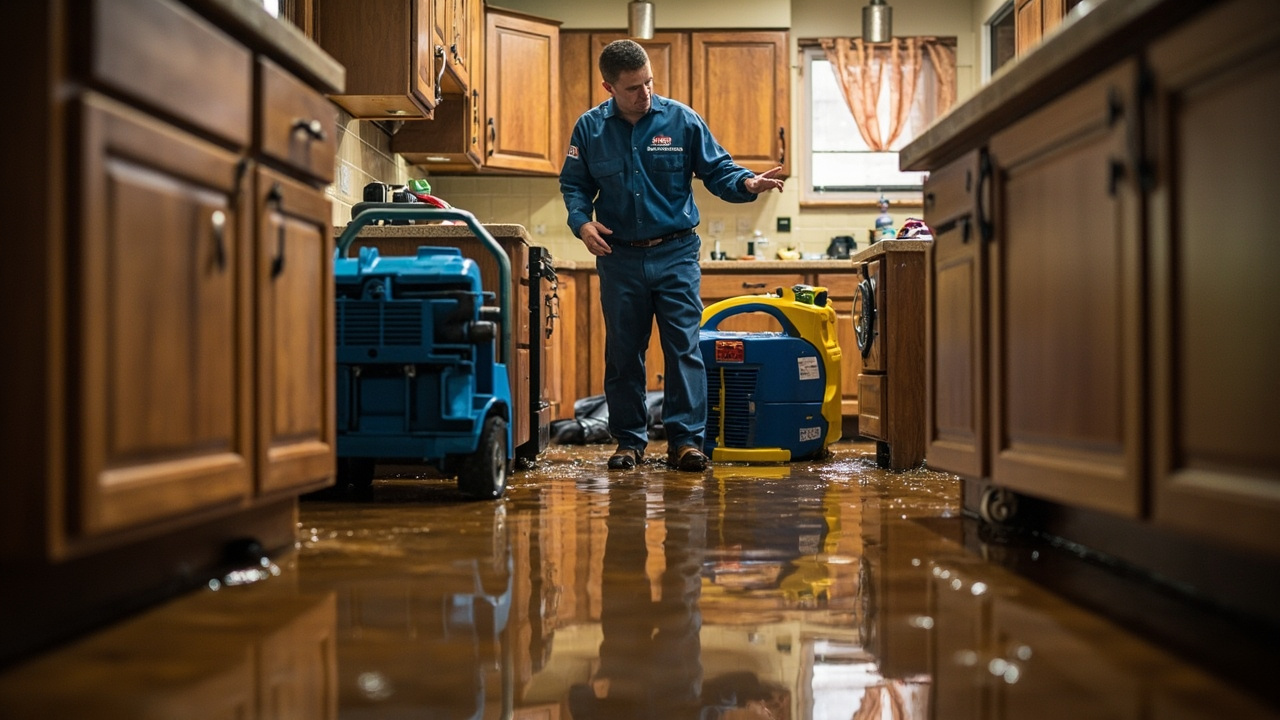
Our technicians use truck-mounted extraction units that remove standing water faster than portable units. We pull thousands of gallons per hour from basements and crawl spaces, then deploy commercial-grade air movers and low-grain refrigerant dehumidifiers to pull moisture from building materials. Hardwood floors require specialized drying mats that create negative pressure to extract water without removing the flooring. Wet insulation gets removed and replaced because dried insulation loses R-value and harbors mold spores.

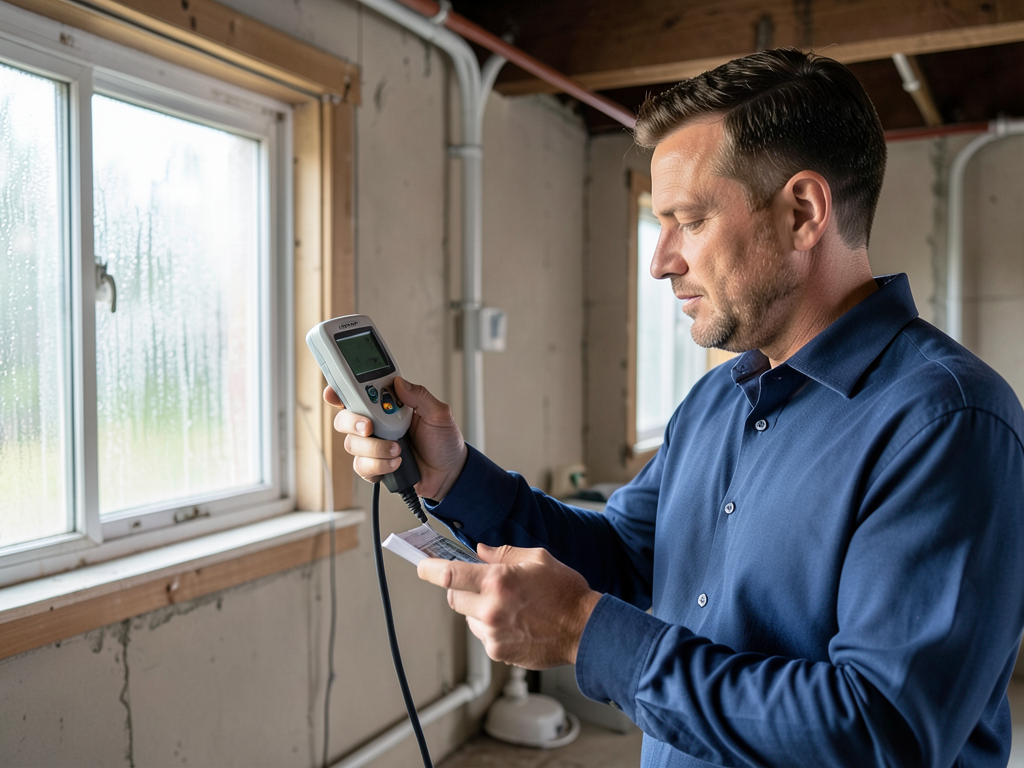
We document moisture levels at every stage using penetrating and non-penetrating moisture meters. Drywall should read below 15% moisture content before we consider it dry. Concrete takes longer, sometimes requiring weeks of monitoring before moisture levels stabilize below 4%. Water removal services include antimicrobial treatment on all affected surfaces to prevent microbial growth during the drying process. Pittsburgh's summer humidity makes this step critical because ambient moisture slows evaporation rates.

What Happens When You Call for Emergency Water Extraction

Water Damage Restoration in Pittsburgh | 24/7 Emergency Response Across All Three Rivers Neighborhoods
01

Immediate Damage Assessment

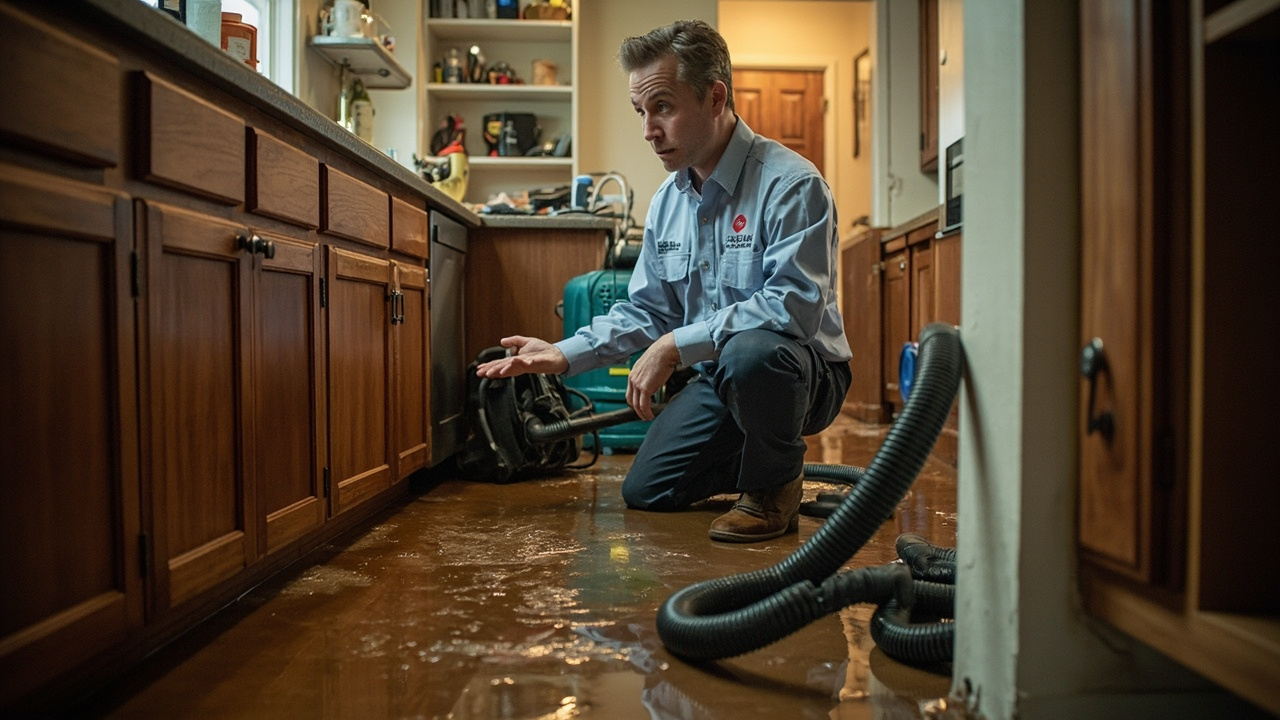
Our dispatch center answers your call 24/7 and sends a technician to your property within 60 minutes for emergency situations. The technician inspects the water source, stops active flooding if possible, and documents the affected areas with photos and moisture readings. You receive a detailed scope of work that identifies all damaged materials, the water contamination category, and the estimated drying timeline before any work begins.
02

Water Extraction and Drying

We extract standing water using truck-mounted pumps, then position air movers and dehumidifiers to create optimal drying conditions. Our technicians monitor humidity levels and adjust equipment placement every 12 hours. We remove wet materials that cannot be saved, including soaked insulation, delaminated subfloors, and water-logged drywall. Structural elements like floor joists and wall studs get dried in place when they retain structural integrity. This phase typically runs three to seven days depending on the saturation level.
03

Restoration and Rebuild

Once moisture levels return to normal ranges, we begin reconstruction. This includes installing new drywall, replacing flooring, repainting walls, and restoring your property to pre-loss condition. We coordinate with your insurance adjuster throughout the process and provide documentation they need for your claim. You get a final walkthrough where we verify all work meets your approval before we consider the project complete. Our goal is making your water damage invisible.

Why Pittsburgh Property Owners Trust Local Water Damage Experts

Reliance Water Damage Restoration Pittsburgh operates exclusively in Allegheny County and surrounding areas. This focus gives us knowledge that national franchise operators lack. We know which Pittsburgh neighborhoods flood during heavy rain. We know that homes in Squirrel Hill often have finished basements vulnerable to sewer backups. We know that properties near Nine Mile Run or Saw Mill Run creeks face flash flooding risks that require specialized prevention strategies.

Our technicians understand local building codes and work directly with Pittsburgh building inspectors when permits are required for structural repairs. We maintain relationships with local plumbers who can repair the broken pipes causing your water damage, and we coordinate with roofers when leaks originate from damaged flashing around chimneys common in Pittsburgh's brick homes.

We respond faster because our trucks are staged throughout the metropolitan area, not dispatched from a central facility in another state. When your basement fills with water at 2 AM, you need help immediately, not a callback during business hours. We also understand the insurance landscape. Most Pittsburgh homeowners carry policies through regional carriers like Erie Insurance or Nationwide. We have existing relationships with local adjusters and know their documentation requirements, which speeds up your claim approval.

You choose local water damage mitigation specialists because we have invested in this community. We hire local technicians, purchase equipment from Pittsburgh suppliers, and build long-term relationships with property owners who call us first when disaster strikes. Our reputation depends on your satisfaction, not quarterly earnings reports sent to corporate headquarters in another time zone.

What to Expect During Your Water Damage Restoration Project

Response Time and Availability

We dispatch technicians 24 hours a day, 365 days a year. Water damage does not wait for convenient business hours. Burst pipes occur during polar vortex events when temperatures plunge below zero. Sump pumps fail during torrential downpours at midnight. Our average emergency response time is 60 minutes from your initial call to boots on the ground at your property. For non-emergency situations like slow leaks or water stains discovered during home inspections, we schedule appointments within 24 hours. You receive direct contact information for your assigned project manager who coordinates all phases of the restoration. No phone trees, no waiting on hold, no wondering about the status of your claim.

Comprehensive Property Inspection

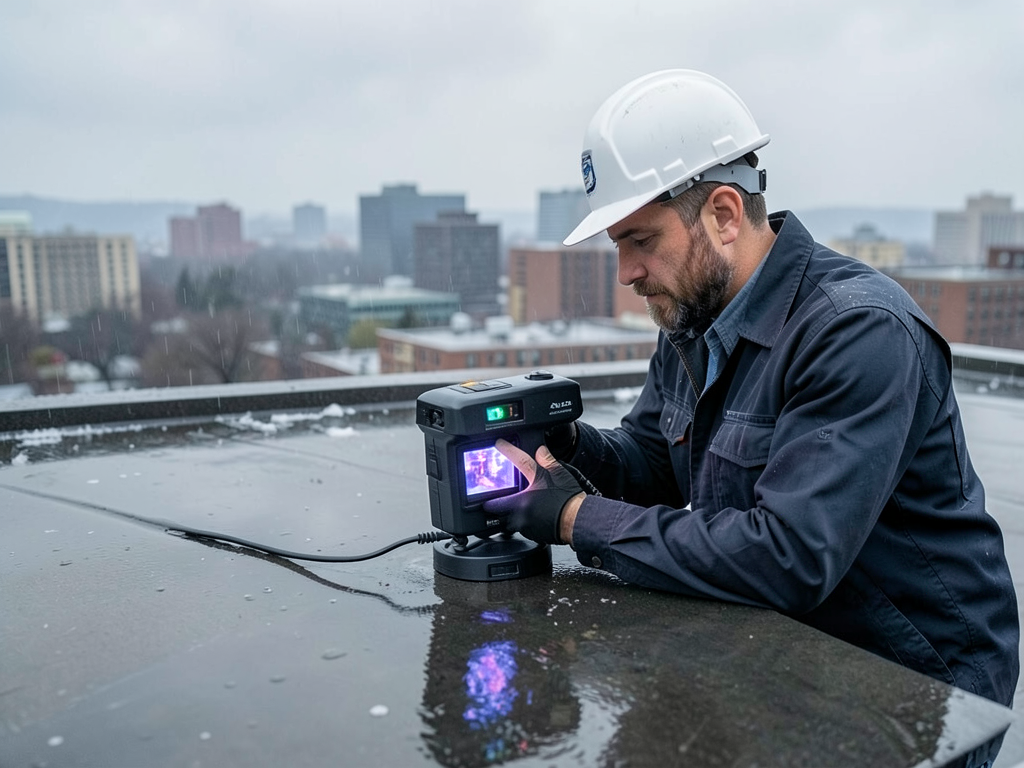
Our initial assessment goes beyond visible water damage. We use thermal imaging cameras that detect temperature differentials in walls, revealing hidden moisture that naked eyes miss. Moisture meters take readings in multiple locations to map the migration pattern and identify all affected areas. You receive a written assessment that documents the water source, contamination category, affected materials, and recommended remediation steps. This report includes photos with measurements and moisture content percentages that insurance adjusters require. We explain our findings in plain language so you understand what happened, why it happened, and what needs to happen next. No confusing jargon, no surprise findings later that inflate costs.

Quality of Restoration Work

We do not consider a project complete until moisture levels return to normal ranges and all damaged materials are replaced or restored. Our technicians are IICRC-certified in water damage restoration, meaning they have completed formal training in industry best practices. We use commercial-grade equipment, not consumer models rented from hardware stores. Our dehumidifiers pull more moisture per day, our air movers generate higher cubic feet per minute airflow, and our extraction units remove water faster than portable alternatives. The finished result looks like water damage never occurred. Drywall seams are taped and finished smooth, paint matches existing colors, and flooring transitions align properly with adjacent rooms. You will not spot the repair area unless you know where to look.

Documentation and Insurance Support

We photograph and document every phase of your restoration project. Your insurance company needs proof of damage, proof of mitigation efforts, and itemized costs for repairs. We provide all of this documentation in formats adjusters prefer, including Xactimate estimates that match their internal pricing systems. Our project managers communicate directly with adjusters to answer questions and provide additional information if requested. We also help you understand your policy coverage, including deductibles, depreciation, and exclusions that might affect your claim. While we cannot guarantee insurance approval, we maximize your chances by providing complete, accurate documentation that meets carrier requirements. You focus on getting your life back to normal while we handle the paperwork.

Frequently Asked Questions

You Have Questions,
We Have Answers

How much does water damage remediation cost? +

Water damage restoration costs vary based on the extent of damage, affected square footage, and source of water. Clean water from a burst pipe typically costs less than sewage contamination. In Pittsburgh, basement flooding is common due to heavy rainfall and aging infrastructure, which adds complexity. Minor leaks might run a few hundred dollars, while severe flooding with structural damage can reach thousands. Factors include water extraction, drying equipment, mold remediation, and repairs to drywall or flooring. Most reputable companies offer free inspections to assess damage and provide accurate estimates before starting work.

Can water damage be repaired? +

Yes, water damage can be repaired if addressed quickly. The key is speed. Water spreads fast through drywall, insulation, and subflooring. Within 24 to 48 hours, mold begins growing in Pittsburgh's humid climate. Professional restoration involves water extraction, industrial drying, antimicrobial treatment, and structural repairs. Porous materials like carpet padding often need replacement, while hardwood floors can sometimes be saved if dried properly. The longer water sits, the more permanent the damage becomes. Immediate action prevents costly replacements and protects your home's structural integrity.

Is water damage restoration worth it? +

Water damage restoration is worth it because untreated water damage leads to expensive problems. Mold spreads quickly in Pittsburgh's humid summers, creating health risks and structural decay. Water weakens floor joists, wall studs, and foundations. Insurance companies often deny claims if you delay mitigation, leaving you with the full repair bill. Professional restoration stops damage progression, documents loss for insurance, and restores your home safely. The cost of ignoring water damage always exceeds the cost of fixing it immediately. You protect your investment and your family's health.

Is water damage restoration covered by homeowners insurance? +

Most homeowners insurance policies cover sudden and accidental water damage, like burst pipes or appliance failures. Coverage typically includes restoration costs, equipment rental, and structural repairs. However, gradual damage from neglected maintenance or flooding from outside sources usually requires separate flood insurance. In Pittsburgh, basement seepage from ground saturation is common but often excluded unless caused by a covered peril. Review your policy declarations page and exclusions carefully. File claims immediately after discovering damage. Delaying mitigation can void coverage if insurers determine you worsened the loss.

Will insurance pay out for water damage? +

Insurance pays out for water damage if the cause is sudden and accidental. Covered perils include burst pipes, appliance malfunctions, roof leaks from storm damage, and accidental overflows. Excluded causes include flooding from rivers or heavy rain, gradual leaks, and maintenance neglect. Pittsburgh homeowners face frequent basement water intrusion during spring thaws and summer storms, which requires flood insurance. Insurers send adjusters to document damage and determine coverage. Professional restoration companies work directly with adjusters to expedite claims and ensure you receive fair compensation for legitimate losses.

How much will insurance cover for water damage? +

Insurance coverage amounts depend on your policy limits, deductible, and cause of damage. Dwelling coverage pays for structural repairs, while personal property coverage replaces damaged belongings. Most policies have per-occurrence limits and sublimits for specific items. Deductibles typically range from 500 to 2,500 dollars. In Pittsburgh, where basement flooding is common, your policy may exclude ground water intrusion unless you have flood insurance. Actual cash value policies depreciate damaged items, while replacement cost policies pay full replacement value. Review your coverage limits annually to ensure adequate protection.

What not to do after water damage? +

Do not delay calling professionals. Waiting even 24 hours allows mold growth in Pittsburgh's humid climate. Do not use household vacuums for water extraction, as they cause electrical hazards and equipment damage. Avoid entering rooms with standing water if electrical outlets are submerged. Do not remove standing water yourself if sewage is involved. Do not throw away damaged items before documenting them for insurance. Avoid using fans without proper dehumidification, as this spreads moisture into walls. Do not assume small leaks are harmless. Hidden water causes structural rot.

Why is water damage so expensive? +

Water damage restoration costs reflect the specialized equipment, labor intensity, and urgency required. Industrial dehumidifiers, air movers, and moisture meters are expensive to operate and maintain. Technicians work around the clock to prevent mold growth and structural failure. In Pittsburgh, accessing flooded basements and crawl spaces adds labor costs. Restoration includes water extraction, antimicrobial treatment, controlled drying, and reconstruction. Hidden moisture in wall cavities requires thermal imaging and invasive inspection. Insurance coordination and documentation add administrative costs. Fast response prevents total loss, making professional restoration more affordable than replacing your home.

What kills mold from water damage? +

Professional mold remediation uses antimicrobial and antifungal treatments, not household bleach. Bleach only kills surface mold on non-porous materials and releases harmful fumes. Effective mold removal requires HEPA filtration, containment barriers, and proper disposal of contaminated materials. In Pittsburgh's damp climate, mold spreads quickly behind walls and under flooring. Technicians use air scrubbers to remove airborne spores and apply EPA-registered biocides. Porous materials like drywall and insulation often need removal. Simply killing mold is insufficient. You must remove the source, dry the area completely, and prevent recurrence.

How to tell if water damage is permanent? +

Permanent water damage shows as warped flooring, sagging ceilings, discolored drywall, and persistent musty odors. Wood that remains soft after drying has lost structural integrity. Buckled hardwood floors, separated laminate seams, and bubbled paint indicate moisture penetration. In Pittsburgh homes, basement water stains and efflorescence on foundation walls signal chronic moisture problems. Mold growth visible behind baseboards or under carpets means prolonged exposure. Use moisture meters to detect hidden wetness in walls and subfloors. If materials remain damp after 72 hours despite drying efforts, replacement is necessary.

How Pittsburgh's River Valley Geography Creates Year-Round Water Damage Risks

Pittsburgh's topography creates unique challenges for water damage prevention. The city is built across steep hills and valleys where three major rivers converge. When storms hit, water flows downhill rapidly, overwhelming storm drains and flooding low-lying properties within minutes. Neighborhoods like the Strip District and Northside sit in floodplains designated by FEMA, making them vulnerable during high water events. The city's combined sewer system, which handles both stormwater and sanitary sewage, backs up during heavy rainfall, pushing contaminated water into basements through floor drains. Spring snowmelt compounds the problem as frozen ground prevents absorption, forcing runoff into the river system and raising water levels throughout the metro area.

Reliance Water Damage Restoration Pittsburgh understands these regional challenges because we work here every day. We know that properties built before 1950 often lack proper foundation waterproofing, that Lawrenceville homes flood during Allegheny River overflow events, and that South Hills properties face groundwater intrusion from high water tables. Our technicians have restored hundreds of Pittsburgh properties damaged by everything from burst pipes during February cold snaps to catastrophic flooding from tropical storm remnants. This local experience means we anticipate problems before they worsen and implement solutions proven effective in Pittsburgh's specific conditions. Choosing a restoration company familiar with your neighborhood's unique vulnerabilities ensures faster, more effective water damage remediation.
Water Damage Restoration Services in The Pittsburgh Area

While we provide rapid mobile service directly to your location, you can also find our physical business location on the map below. This map highlights our primary service area and shows our commitment to serving the Pittsburgh community. We are always ready to dispatch our expert team to your home or business, no matter where you are in our service region. Feel free to use the interactive map to get directions or to visualize our proximity to you.

Address:
Reliance Water Damage Restoration Pittsburgh, 201 S Craig St, Pittsburgh, PA, 15213

Additional Services We Offer

Our news updates

Latest Articles & News from The Blogs

Hidden Signs Your Old Radiator Is Leaking Inside Your Edgewood Home Walls If you notice peeling paint near your radiator…

Hidden Signs Your Old Radiator Is Leaking Inside Your Edgewood Home Walls

Hidden Signs Your Old Radiator Is Leaking Inside Your Edgewood Home Walls If you notice peeling paint near your radiator…

Protecting Your Home Resale Value in Ben Avon After a Major Pipe Burst

Protecting Your Home Resale Value in Ben Avon After a Major Pipe Burst A major pipe burst in your Ben…

Questions You Must Ask a Restoration Pro Before They Tear Up Your McKees Rocks Kitchen

Questions You Must Ask a Restoration Pro Before They Tear Up Your McKees Rocks Kitchen When water invades your McKees…

Contact Us

Every minute counts when water invades your property. Call Reliance Water Damage Restoration Pittsburgh now at (412) 382-8788 for immediate dispatch. Our technicians are standing by 24/7 to stop the damage, extract the water, and start the drying process before mold takes hold.