




Menu

Water Heater Burst Cleanup in Pittsburgh – Immediate Response Stops Flooding in Under 60 Minutes

Emergency water heater water removal across Allegheny County with 24/7 dispatch, thermal imaging leak detection, and direct insurance coordination to minimize damage and prevent structural catastrophe.

Slider Image 1
Slider Image 2
Slider Image 3
Slider Image 4
Slider Image 5
Slider Image 7
Slider Image 8
Slider Image 9
Slider Image 10
Slider Image 11

When Your Water Heater Floods Your Pittsburgh Home

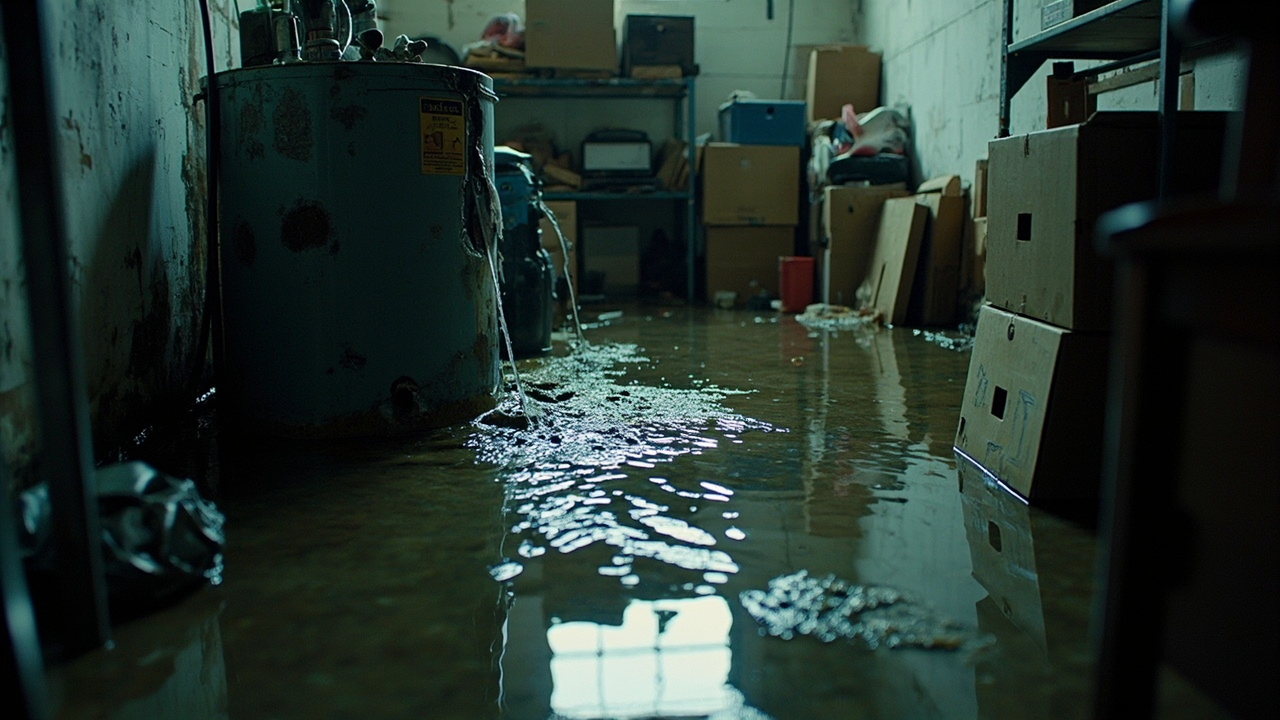
A ruptured water heater dumps 30 to 80 gallons of water into your basement in minutes. In Pittsburgh's freeze-thaw climate, aging tank corrosion accelerates faster than you think. One day the unit works fine. The next morning, you wake up to ankle-deep water spreading across your finished basement.

The water does not stop at the concrete. It seeps into drywall, insulation, and subflooring. In neighborhoods like Squirrel Hill and Shadyside, where older homes have wood joist systems and plaster walls, the damage compounds fast. Humidity climbs, mold spores activate within 24 to 48 hours, and structural wood begins to swell.

You need burst water heater extraction now, not tomorrow. Every hour delays the clock on secondary damage. Water migrates through porous materials, wicks up walls, and saturates carpeting. The longer it sits, the more you pay in reconstruction.

Reliance Water Damage Restoration Pittsburgh specializes in water heater flood damage restoration. We respond to emergency calls across the greater Pittsburgh metro, from Mount Lebanon to Cranberry Township. Our teams carry truck-mounted extractors, submersible pumps, and moisture meters calibrated for Pennsylvania's high-humidity conditions. We stop the spread, remove the standing water, and document everything for your insurance adjuster.

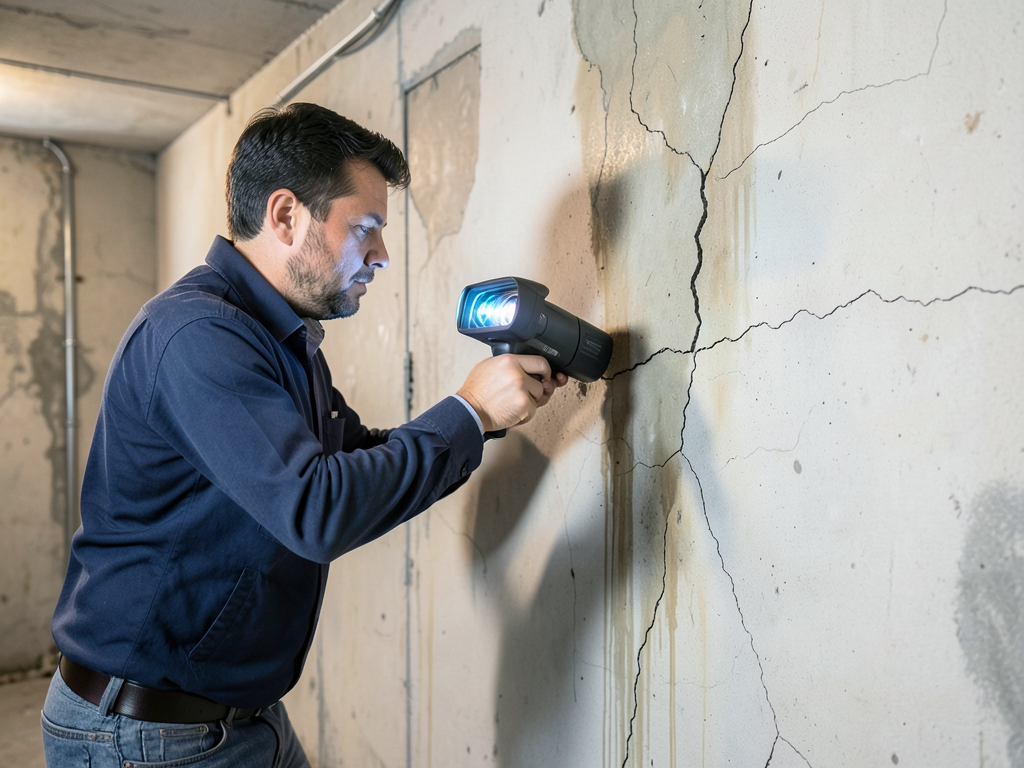
This is not a cleanup you handle with a shop vac and box fans. You need industrial-grade dehumidifiers, antimicrobial treatment, and thermal imaging to find hidden pockets of saturation behind walls. We bring that equipment to your door within the hour.

When Your Water Heater Floods Your Pittsburgh Home
How We Stop Water Damage from a Burst Hot Water Tank

How We Stop Water Damage from a Burst Hot Water Tank

Emergency water heater water removal starts with containment. Our technicians shut off your main water supply, confirm the electrical or gas feed is disconnected, and assess the saturation zone. We use moisture mapping to identify every affected surface, even if it looks dry to the naked eye.

We deploy truck-mounted extraction units that pull water from carpet, pad, and concrete at rates exceeding 50 gallons per minute. Submersible pumps handle deep standing water in utility rooms or crawlspaces. We do not leave water behind. Residual moisture creates the conditions for microbial growth, subfloor rot, and efflorescence on concrete.

Once extraction is complete, we set up commercial dehumidifiers and air movers in a closed-loop drying system. The goal is to drop relative humidity below 50 percent and pull moisture from structural cavities. We monitor drying progress with thermo-hygrometers and document readings every 12 hours. This data proves to your insurance carrier that we followed IICRC S500 standards for water damage restoration.

If your water heater sat on finished flooring, we remove damaged materials before they become a liability. Wet drywall loses structural integrity. Soaked insulation becomes a mold incubator. We strip compromised materials, treat framing with antimicrobial solutions, and prep the space for reconstruction.

Ruptured water heater cleanup services require speed and precision. We work fast to save what can be saved and remove what cannot. You get a property returned to pre-loss condition, not a half-dried mess that costs more to fix later.

What Happens When You Call for Burst Water Heater Extraction

Water Heater Burst Cleanup in Pittsburgh – Immediate Response Stops Flooding in Under 60 Minutes
01

Emergency Dispatch and Assessment

You call our 24/7 emergency line at (412) 382-8788. We dispatch a crew to your location immediately, typically arriving within 60 minutes across the Pittsburgh metro. Upon arrival, technicians photograph all damage, map moisture levels with infrared cameras, and identify contamination risks. You receive a written scope of work before extraction begins, ensuring transparency and alignment with your insurance claim requirements.
02

Water Extraction and Containment

Truck-mounted extractors and submersible pumps remove all standing water from affected rooms. We pull moisture from carpet, padding, and subflooring using high-CFM vacuum systems. Containment barriers prevent water migration into unaffected areas. Air movers and dehumidifiers begin the drying cycle immediately. We monitor ambient and material moisture levels every 12 hours, adjusting equipment placement to optimize evaporation rates and prevent secondary damage like warping or mold colonization.
03

Drying, Treatment, and Documentation

Once moisture readings reach target levels, we apply antimicrobial treatments to all exposed framing, concrete, and subflooring. This prevents mold growth and odor development. You receive a complete drying log, moisture chart, and photographic documentation for your insurance adjuster. We coordinate directly with your carrier to streamline the claim process. Your home is returned to a safe, dry, and restorable condition, ready for any necessary reconstruction.

Why Pittsburgh Homeowners Trust Reliance for Water Heater Flood Damage Restoration

Pittsburgh's housing stock skews older. Homes in Brookline, Highland Park, and Lawrenceville were built in the early 1900s with balloon framing, plaster walls, and basement foundations that shift with freeze-thaw cycles. Water does not behave predictably in these structures. It travels through wall cavities, seeps into floor joists, and saturates materials you cannot see.

Reliance Water Damage Restoration Pittsburgh has worked in this housing ecosystem for years. We understand how water moves through Pittsburgh's architectural styles. We know which materials hold moisture, which dry fast, and which need immediate removal. That knowledge saves you money and prevents long-term structural problems.

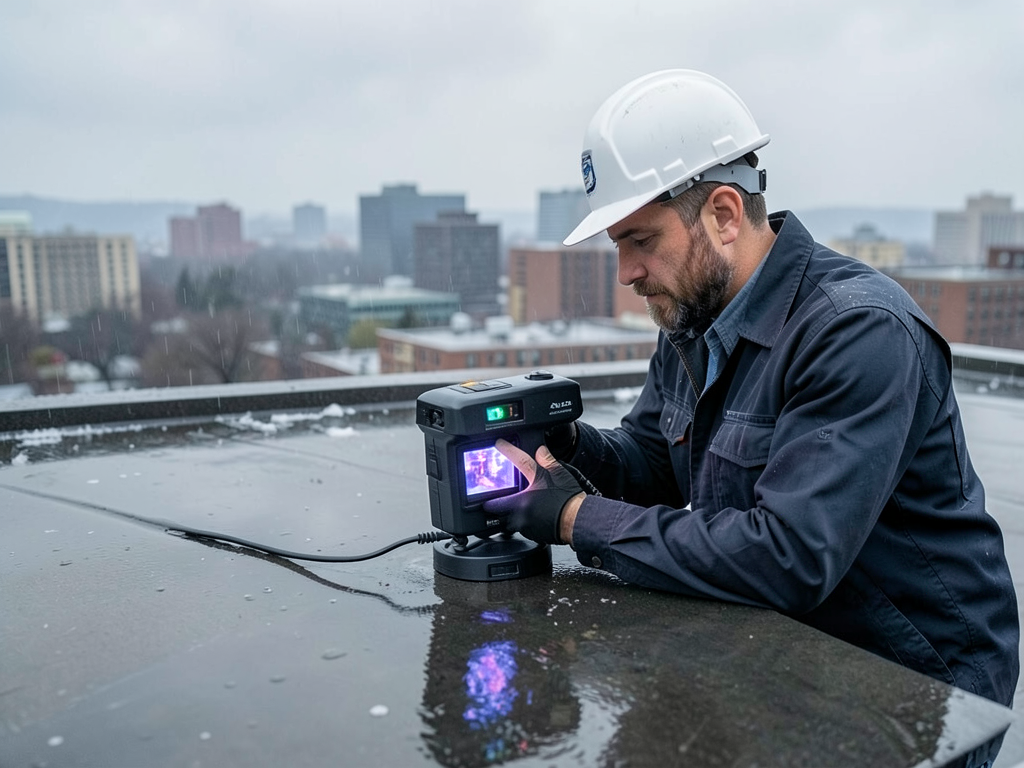
We carry thermal imaging cameras that detect moisture behind walls without demolition. We use low-grain refrigerant dehumidifiers that work efficiently in Pennsylvania's humid climate. Our extraction equipment is truck-mounted, not portable, giving us the CFM and vacuum power needed to handle serious flooding in basements and crawlspaces.

You also get direct insurance coordination. We document every step of the process with photographs, moisture logs, and equipment placement diagrams. We speak the language your adjuster understands. That means fewer delays, fewer disputes, and faster claim approval.

When your water heater ruptures at 2 a.m., you need a team that answers the phone and shows up prepared. We operate 24/7 across Allegheny County and surrounding areas. Our trucks carry enough equipment to handle a full basement flood without a return trip for supplies. You get one crew, one process, and one point of contact from emergency call to final sign-off.

What to Expect During Emergency Water Heater Water Removal

Response Time and Availability

We dispatch crews 24 hours a day, 7 days a week, 365 days a year. Most emergency calls receive on-site response within 60 minutes across the Pittsburgh metro area, including Squirrel Hill, Mount Lebanon, Cranberry Township, and Moon Township. Our trucks are staged throughout Allegheny County to minimize travel time. When you call (412) 382-8788, you speak to a live person, not an answering service. That person dispatches a crew immediately and provides an estimated arrival window. Speed matters in water damage restoration. The faster we extract water, the less damage you incur.

Initial Damage Assessment and Moisture Mapping

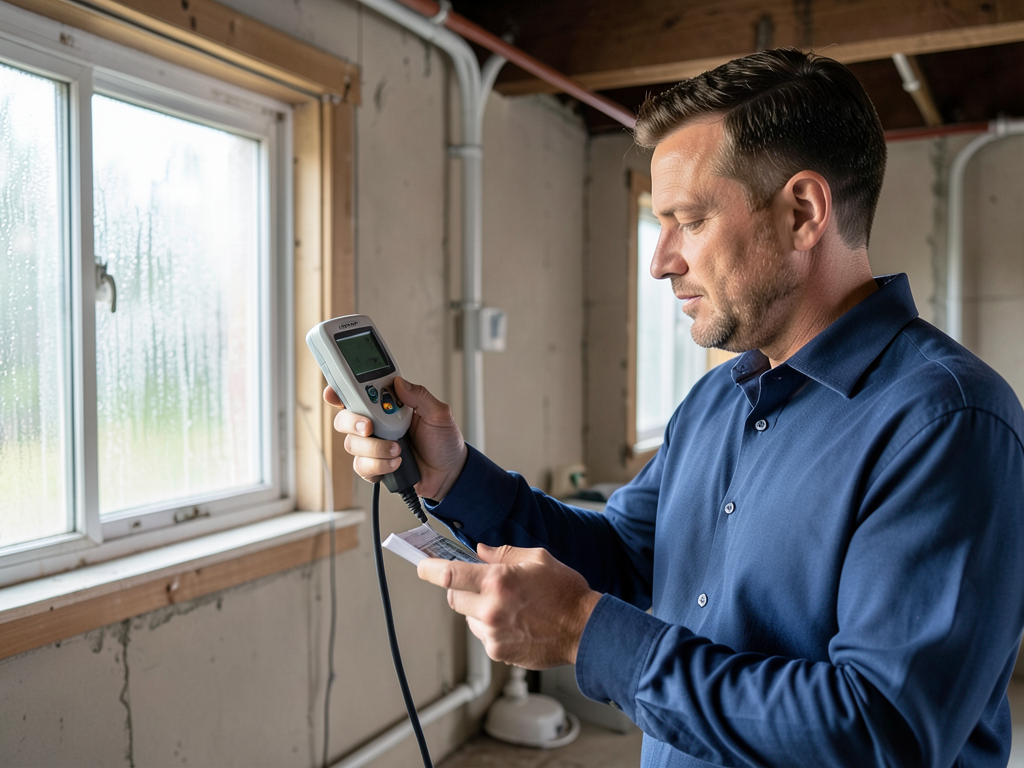
Upon arrival, our technicians perform a full property assessment using thermal imaging cameras and moisture meters. We map saturation levels across all affected rooms, including hidden areas like wall cavities and under flooring. You receive a written scope of work that outlines the extraction plan, drying timeline, and equipment requirements. This documentation serves as the foundation for your insurance claim. We photograph all damage before we begin work, ensuring a clear record of pre-loss conditions. You know exactly what we plan to do and why.

Quality of Extraction and Drying

We use truck-mounted extractors capable of removing over 50 gallons per minute, far exceeding the capacity of portable units. Submersible pumps handle deep standing water. Commercial dehumidifiers and air movers create a controlled drying environment, targeting relative humidity below 50 percent. We monitor moisture levels every 12 hours and adjust equipment placement to optimize evaporation. Drying typically takes 3 to 5 days depending on saturation depth and material type. You receive daily updates and a final moisture report proving all affected areas meet IICRC drying standards before we demobilize equipment.

Documentation and Insurance Coordination

Every job includes comprehensive documentation for your insurance carrier. You receive pre-loss and post-extraction photographs, moisture maps, drying logs, and equipment usage reports. We communicate directly with your adjuster, providing technical explanations and supporting data to streamline claim approval. Most carriers recognize our processes as compliant with industry standards, reducing disputes and delays. If reconstruction is required, we coordinate with your contractor to ensure a seamless transition from drying to rebuild. You get one timeline, one process, and one team managing the entire restoration from emergency call to final completion.

Frequently Asked Questions

You Have Questions,
We Have Answers

What do you do when your water heater bursts? +

Shut off your water supply immediately at the main valve or the shutoff valve near the unit. Turn off power to the heater at the breaker box for electric units or shut off the gas valve for gas heaters. Stop the flooding now. Move valuables away from water and start removing standing water with towels or a wet vac. Do not delay. Water spreads fast through Pittsburgh homes, damaging floors, drywall, and creating mold conditions within 24 hours. Call a professional water damage restoration team immediately to extract water, dry structural materials, and prevent secondary damage.

What to do when a hot water heater blows? +

Treat it like an emergency. First, turn off the water supply to stop flooding. Next, kill power or gas to the unit to prevent electrical shock or gas hazards. Evacuate the area if you smell gas. A blown water heater means catastrophic failure. Water will flood your basement or utility room fast. Pittsburgh homes with finished basements face serious damage risk. Remove standing water quickly to protect flooring and subflooring. Document everything with photos for insurance claims. Contact a water damage restoration specialist immediately to handle extraction, drying, and damage assessment before mold takes hold.

Can I do laundry with a broken water heater? +

Yes, but only if your washing machine uses cold water settings. Most water heaters do not affect cold water supply lines. However, if your heater burst and flooded your home, doing laundry is not your priority. Focus on water extraction and drying first. Standing water from a burst heater can damage electrical systems, and running appliances near flooded areas creates shock hazards. If your heater leaked but did not flood, and you only need cold water cycles, you can wash clothes. Hot water cycles will not work without a functioning heater.

How long to let vinegar sit in a water heater? +

This question does not apply to emergency burst situations. Vinegar flushing is a maintenance task for operational heaters to remove sediment buildup. You let vinegar sit for about six hours during routine cleaning. However, if your water heater already burst, maintenance is too late. Pittsburgh's hard water causes sediment accumulation that increases pressure and corrosion, leading to tank failure. After a burst, you need immediate water removal and a new heater installation. Focus on stopping water damage now. Schedule regular flushing on your replacement unit to prevent future failures and extend its lifespan.

Can I shower if the water heater is broken? +

It depends on the break type. If the heater simply stopped heating but is not leaking, you can shower with cold water. However, if your water heater burst and flooded your home, do not shower. You risk electrical shock if water reached outlets or wiring. Pittsburgh homes often have water heaters in basements near electrical panels. Flooding creates dangerous conditions. Additionally, running water while a burst heater floods your home wastes water and worsens damage. Shut off the water supply, address the flooding emergency first, then worry about showering later. Safety comes before comfort.

How long will a hot water heater last after it starts leaking? +

Not long. Once a tank-style water heater starts leaking, failure accelerates quickly. A small drip can become a catastrophic burst within hours or days. Tank corrosion weakens surrounding metal, and water pressure exploits the weakness. Do not gamble. Pittsburgh's freeze-thaw cycles and older housing stock mean many heaters operate past their lifespan. Even a slow leak dumps gallons daily, damaging floors and fostering mold. Replace the unit immediately. Waiting risks a complete blowout that floods your home with 40 to 50 gallons instantly. Address leaks now before you face an emergency restoration bill.

Is a broken hot water heater an emergency? +

Yes. A broken water heater that is actively leaking or burst is an emergency. You face immediate flooding, structural water damage, mold growth, and potential electrical hazards. Pittsburgh homes with basements see water spread quickly across finished spaces, destroying flooring, drywall, and personal belongings. Even a slow leak becomes an emergency if ignored. Water damage worsens exponentially every hour. Mold colonies establish within 24 to 48 hours in damp conditions. If your heater burst, call a water damage restoration team immediately. Speed is critical to minimize damage, control costs, and protect your home's structural integrity.

Does insurance cover a water heater explosion? +

Usually, yes, but only for sudden and accidental water damage. Homeowners insurance typically covers the cost to remove water, dry your home, and repair damage caused by a burst water heater. However, insurance will not cover the heater replacement itself if it failed due to age or poor maintenance. Pittsburgh homeowners should review their policy details and document all damage with photos immediately. Contact your insurer fast and work with a restoration company experienced in insurance claims. They handle documentation and communicate directly with adjusters to streamline your claim and maximize your covered expenses.

What would cause a hot water heater to bust? +

Corrosion, excessive pressure, sediment buildup, and age cause water heaters to burst. Pittsburgh's hard water accelerates sediment accumulation at the tank bottom, creating hot spots that weaken steel. Corrosion eats through the tank lining over time. A faulty temperature and pressure relief valve can allow dangerous pressure buildup. Freeze-thaw cycles in unheated spaces crack tanks. Most heaters last 8 to 12 years. Skipping annual maintenance shortens lifespan. Once internal corrosion starts, the tank is living on borrowed time. Regular flushing, anode rod replacement, and pressure checks prevent catastrophic failure.

Does homeowners insurance cover a broken hot water heater? +

Homeowners insurance covers water damage from a broken heater but not the heater itself. If your unit bursts and floods your basement, insurance pays for water extraction, drying, and repairs to damaged flooring, drywall, and belongings. The heater replacement comes out of your pocket unless you have equipment breakdown coverage or a home warranty. Pittsburgh homeowners often face this surprise after a flood. Review your policy now to understand your coverage limits. Always maintain your heater properly. Insurance will not cover damage from neglect or lack of maintenance. Document everything and file claims immediately after a burst.

How Pittsburgh's Freeze-Thaw Cycles Accelerate Water Heater Failures

Pittsburgh experiences wide temperature swings between winter and spring, with freeze-thaw cycles that stress plumbing systems and tank integrity. Water heaters in uninsulated basements or garages face constant thermal expansion and contraction, accelerating corrosion at weld points and pressure relief valves. Older units installed before 2010 lack the protective glass linings found in newer models, making them vulnerable to rupture. When a tank fails in a Pittsburgh basement, it often happens during a cold snap when homeowners are least prepared to respond.

Reliance Water Damage Restoration Pittsburgh works exclusively in this region. We understand the construction patterns common to Allegheny County homes, from balloon-framed Victorians in Lawrenceville to mid-century ranches in Bethel Park. We know which basements flood fast, which foundations leak, and which mechanical rooms lack proper drainage. That local knowledge allows us to respond with the right equipment, the right containment strategy, and the right drying protocol for your specific property type. You get a team that understands Pittsburgh homes, not a national franchise applying generic solutions.
Water Damage Restoration Services in The Pittsburgh Area

While we provide rapid mobile service directly to your location, you can also find our physical business location on the map below. This map highlights our primary service area and shows our commitment to serving the Pittsburgh community. We are always ready to dispatch our expert team to your home or business, no matter where you are in our service region. Feel free to use the interactive map to get directions or to visualize our proximity to you.

Address:
Reliance Water Damage Restoration Pittsburgh, 201 S Craig St, Pittsburgh, PA, 15213

Additional Services We Offer

Our news updates

Latest Articles & News from The Blogs

How to tell if you have a expensive slab leak under your Franklin Park home Franklin Park homeowners face a…

How to tell if you have a expensive slab leak under your Franklin Park home

How to tell if you have a expensive slab leak under your Franklin Park home Franklin Park homeowners face a…

What to do when your office fire sprinklers go off by mistake in Downtown Pittsburgh

What to do when your office fire sprinklers go off by mistake in Downtown Pittsburgh When fire sprinklers discharge without…

Preserving the original masonry in Mexican War Streets homes after a water leak

Preserving the original masonry in Mexican War Streets homes after a water leak When water infiltrates the historic brick and…

Contact Us

Call Reliance Water Damage Restoration Pittsburgh now at (412) 382-8788. Our crews are ready to dispatch immediately. Every minute counts when your water heater ruptures. Get professional extraction, drying, and insurance documentation from a team that knows Pittsburgh properties.