


Menu

Commercial Mold Remediation in Pittsburgh – Minimize Downtime and Protect Your Business Operations

Industrial-grade commercial mold abatement protocols designed to keep your Pittsburgh facility operational while we eliminate contamination, restore compliance, and protect your bottom line with minimal business interruption.

Slider Image 1
Slider Image 2
Slider Image 3
Slider Image 4
Slider Image 5
Slider Image 7
Slider Image 8
Slider Image 9
Slider Image 10
Slider Image 11

Mold Growth in Pittsburgh Commercial Properties Creates Liability and Operational Risk

Pittsburgh's climate creates a perfect storm for commercial mold problems. High humidity from the confluence of the Allegheny, Monongahela, and Ohio Rivers combines with aging HVAC infrastructure in older industrial buildings to trap moisture inside commercial spaces. Add winter freeze-thaw cycles that compromise building envelopes and you face persistent water intrusion.

Commercial mold remediation becomes critical when contamination threatens tenant health, violates lease obligations, or forces partial facility closures. The cost of inaction exceeds the cost of professional commercial mold removal. Employee sick days increase. Liability exposure grows. Inspection failures halt operations.

Pittsburgh's commercial buildings face unique challenges. Historic structures in the Strip District and Lawrenceville often lack vapor barriers. Warehouses in Hazelwood and Braddock experience condensation issues from poor insulation. Office buildings Downtown deal with HVAC moisture control failures across multiple floors.

Business mold remediation differs from residential work in scope and urgency. You cannot afford extended closures. Commercial mold mitigation must happen on accelerated timelines, often during off-hours to maintain business continuity. The remediation must meet ANSI/IICRC S520 standards while coordinating with your operational schedule.

Mold spreads through commercial HVAC systems faster than you realize. What starts as a small water leak in a mechanical room becomes building-wide contamination within weeks. Early commercial mold cleanup prevents catastrophic operational disruption and protects your commercial real estate investment.

Mold Growth in Pittsburgh Commercial Properties Creates Liability and Operational Risk
Our Industrial-Grade Commercial Mold Abatement Protocol

Our Industrial-Grade Commercial Mold Abatement Protocol

Reliance Water Damage Restoration Pittsburgh deploys containment barriers and negative air pressure systems to isolate affected zones while the rest of your facility remains operational. We use HEPA filtration to prevent cross-contamination and maintain air quality in occupied spaces during commercial mold remediation.

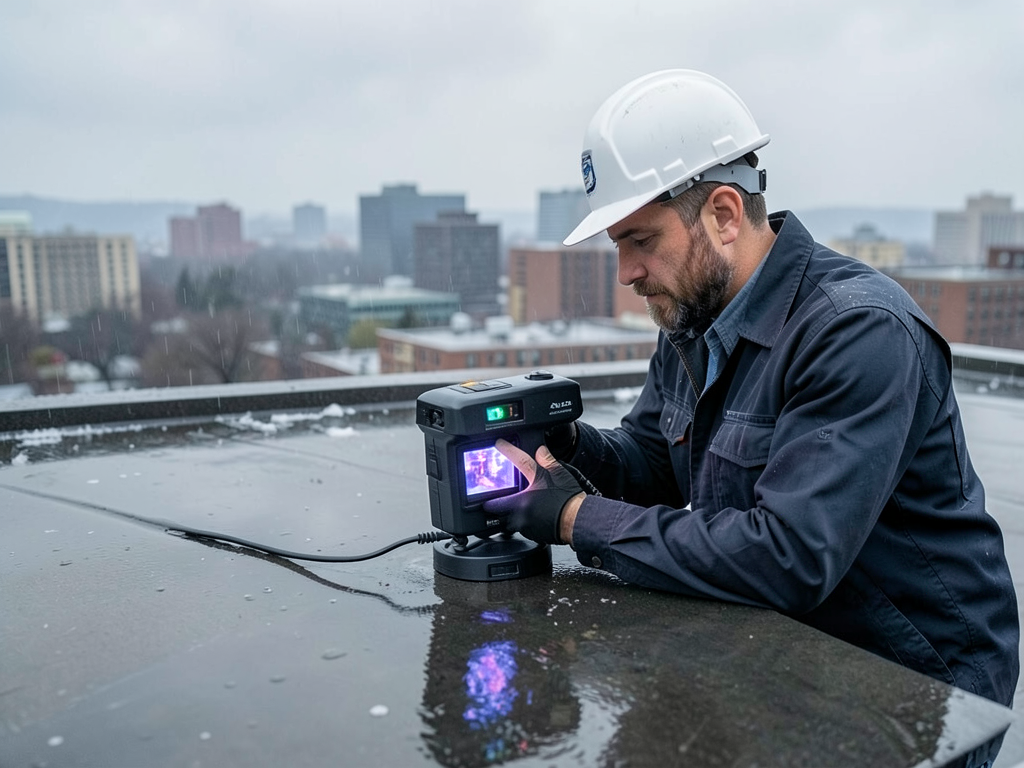
Our commercial mold removal process begins with moisture mapping using thermal imaging and hygrometers to identify hidden water sources feeding the contamination. We do not treat symptoms. We eliminate the moisture source, then remove the mold. Surface cleaning does nothing if water continues entering the building envelope.

We follow a systematic approach to business mold remediation. First, we establish containment using 6-mil polyethylene barriers and create negative pressure environments with commercial air scrubbers rated for your square footage. Second, we remove contaminated materials using HEPA-filtered vacuums and controlled wetting to prevent spore dispersal. Third, we treat structural components with antimicrobial solutions and verify clearance through post-remediation testing.

Commercial mold mitigation in multi-tenant buildings requires coordination you do not get from residential contractors. We schedule work during your low-traffic hours, communicate with building management, and provide documentation for insurance claims and regulatory compliance.

Our equipment capacity matches your facility size. We deploy commercial dehumidifiers that extract 150+ pints per day, not residential units. We use hydroxyl generators that sanitize air in occupied spaces without requiring evacuation. Our project managers understand the difference between cosmetic mold cleanup and true remediation that addresses the underlying moisture problem.

The technical difference matters. Commercial mold abatement in Pittsburgh requires understanding local building codes, knowing which materials can be salvaged versus replaced, and maintaining documentation that satisfies commercial insurance requirements.

How Commercial Mold Remediation Works in Your Pittsburgh Facility

Commercial Mold Remediation in Pittsburgh – Minimize Downtime and Protect Your Business Operations
01

Facility Assessment and Containment

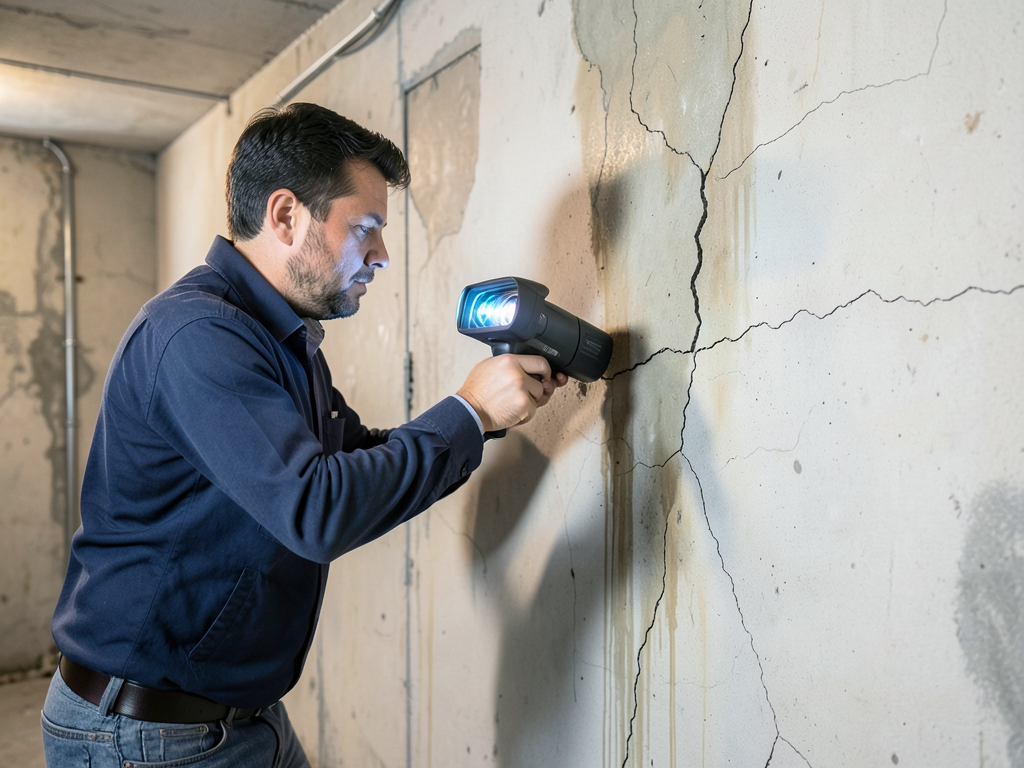
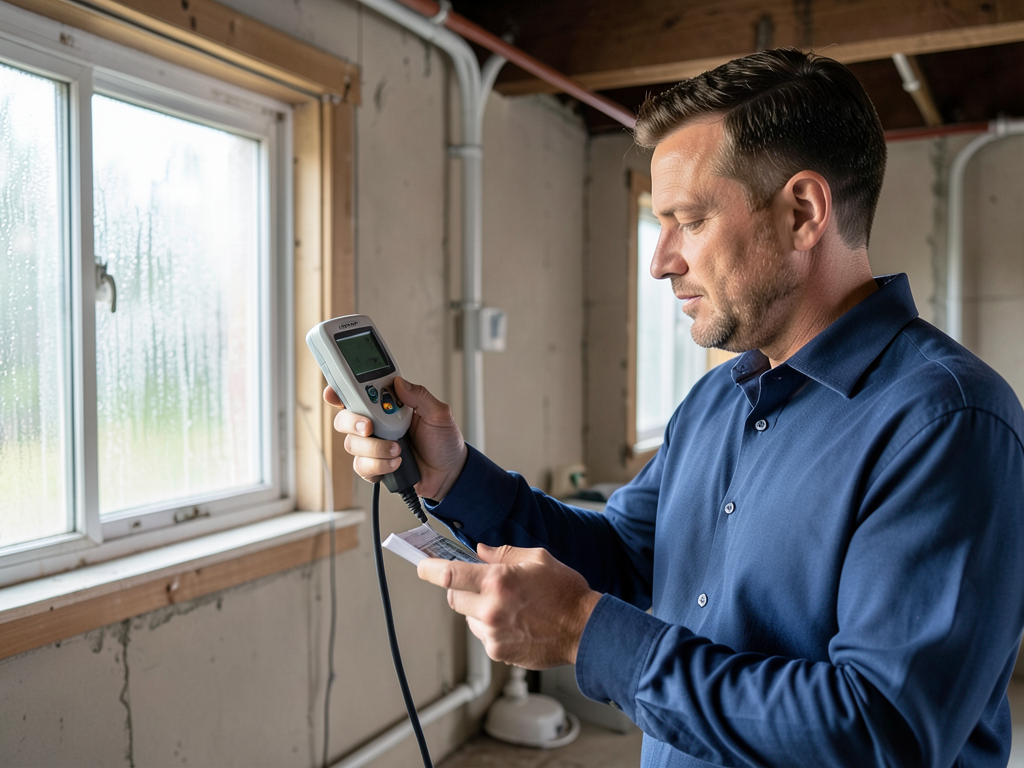
We conduct a building-wide inspection using moisture meters and infrared cameras to map the full extent of contamination beyond visible growth. Our team identifies HVAC involvement, checks for hidden mold in wall cavities and above ceiling tiles, and develops a containment strategy that keeps unaffected areas operational. We establish negative pressure zones using air scrubbers with HEPA filtration to prevent spore migration during the commercial mold removal process.
02

Contaminated Material Removal

Our technicians remove porous materials that cannot be salvaged, including contaminated drywall, insulation, and ceiling tiles. We use controlled wetting techniques and HEPA vacuums to minimize airborne spore release during demolition. Non-porous surfaces receive antimicrobial treatment after mechanical cleaning. We coordinate debris removal with your facility schedule to minimize disruption. All work follows ANSI/IICRC S520 protocols for commercial mold mitigation to maintain regulatory compliance and protect your liability position.
03

Verification and Prevention

After completing business mold remediation, we conduct post-remediation air quality testing to verify successful cleanup before reconstruction begins. We provide detailed documentation including pre- and post-remediation photos, moisture readings, and clearance testing results for your insurance carrier and regulatory agencies. Our team identifies the moisture source that caused the contamination and recommends building envelope or HVAC corrections to prevent recurrence. You receive a comprehensive report that supports your due diligence obligations.

Why Pittsburgh Commercial Property Managers Choose Reliance for Mold Remediation

Pittsburgh's commercial building stock presents unique challenges that require local expertise. We understand how steel-framed warehouses in the South Side retain moisture differently than concrete structures Downtown. We know which older buildings in Shadyside and Squirrel Hill lack proper vapor barriers and how that affects commercial mold cleanup strategies.

Our team works with commercial clients who cannot afford extended closures. We schedule commercial mold remediation during nights and weekends to minimize tenant disruption. We coordinate with building engineers to temporarily modify HVAC operations during containment. We communicate with property managers to address tenant concerns and maintain occupancy throughout the project.

Reliance Water Damage Restoration Pittsburgh maintains the equipment capacity to handle large-scale projects. We deploy multiple negative air machines, commercial dehumidifiers, and air scrubbers simultaneously across different zones. Our inventory allows us to scale resources to your facility size, whether you operate a 5,000 square foot office or a 50,000 square foot warehouse.

We provide documentation that satisfies commercial insurance requirements and regulatory scrutiny. Our reports include detailed moisture mapping, containment protocols, removed materials inventory, and post-remediation verification testing. You receive the paper trail needed for insurance claims, tenant disputes, and regulatory compliance.

Pittsburgh building codes require specific approaches to mold remediation in commercial structures. We maintain current knowledge of local requirements and work with city inspectors when projects require permits. Our commercial mold abatement work meets the standards that protect your occupancy permit and business license.

The difference between residential and commercial mold mitigation lies in scale, documentation, and operational coordination. We understand your priority is business continuity. Our project management ensures remediation happens around your operational needs, not the other way around.

What Your Pittsburgh Business Can Expect During Commercial Mold Remediation

Response Time and Project Duration

We dispatch assessment teams to Pittsburgh commercial properties within hours of your call. Initial facility inspections typically complete within one business day for most commercial spaces. Project timelines depend on contamination extent and facility size, but most commercial mold remediation projects complete within 3-7 days from containment to clearance testing. Larger facilities or buildings with HVAC system involvement require extended timelines. We provide detailed project schedules during the assessment phase and update you daily on progress. Our crews work extended hours and weekends to minimize operational disruption and accelerate your return to full capacity.

Initial Assessment Process

Our commercial assessment includes comprehensive moisture mapping using thermal imaging cameras and pin-type moisture meters to identify water intrusion sources. We inspect HVAC systems, roof penetrations, and building envelopes to determine how moisture entered your facility. You receive a detailed scope of work outlining affected areas, recommended containment strategies, estimated project duration, and material removal requirements. We identify which building components require removal versus treatment. The assessment includes air quality baseline testing to establish contamination levels before commercial mold mitigation begins. We coordinate with your insurance adjuster and provide documentation that supports your claim.

Final Deliverables and Documentation

You receive comprehensive documentation including pre-remediation photos, daily progress reports, removed materials manifests, and post-remediation clearance testing results. Our final report details all work performed, equipment deployed, and antimicrobial products used during business mold remediation. We provide certificates of completion that satisfy insurance requirements and regulatory agencies. Post-remediation air quality testing verifies successful contamination removal before we remove containment barriers. You get detailed recommendations for preventing future mold growth, including moisture control improvements and HVAC maintenance protocols. All documentation supports your due diligence obligations and protects your liability position with tenants and regulatory agencies.

Follow-Up and Prevention Planning

After completing commercial mold cleanup, we provide moisture control recommendations to prevent recurrence. This includes identifying building envelope failures, HVAC deficiencies, and drainage problems that created the original contamination. We offer follow-up moisture inspections at 30 and 90 days post-remediation to verify the building remains dry. Our team coordinates with your facility maintenance staff to implement prevention protocols. We provide training on early detection methods and moisture monitoring for your building engineers. You receive a prevention plan tailored to your specific building type and the moisture challenges common to Pittsburgh commercial properties. Our goal is permanent resolution, not temporary fixes that require repeat remediation.

Frequently Asked Questions

You Have Questions,
We Have Answers

What do professionals use for mold remediation? +

Professionals use HEPA-filtered air scrubbers to capture airborne spores, antimicrobial agents to kill mold at the source, and containment barriers to prevent cross-contamination during removal. Commercial-grade equipment includes negative air machines, moisture meters, and thermal imaging cameras to locate hidden water intrusion. In Pittsburgh facilities, professionals apply EPA-registered fungicides and encapsulants on affected surfaces. They remove porous materials like drywall and insulation that cannot be salvaged. Industrial dehumidifiers control humidity levels to prevent regrowth. All equipment meets IICRC standards for commercial remediation. The process includes documentation for insurance claims and regulatory compliance.

How much is professional mold remediation? +

Commercial mold remediation costs vary based on contamination extent, square footage, and structural complexity. Small-scale projects may start lower, while large-scale warehouse or multi-floor office remediation costs significantly more. Pittsburgh properties with hidden moisture intrusion behind brick facades or in mechanical rooms require additional diagnostic work. Costs include containment setup, labor, disposal of contaminated materials, antimicrobial treatment, and post-remediation testing. Emergency response adds premium charges. Insurance coverage impacts out-of-pocket expenses. Request a detailed scope of work and estimate after professional inspection. Price reflects liability protection and code compliance, not just cleanup.

Does commercial insurance cover mold remediation? +

Commercial insurance policies vary widely on mold coverage. Most general liability policies exclude mold unless it results from a covered peril like burst pipes or storm damage. Property policies may include limited mold remediation coverage with sub-limits. Pollution liability endorsements sometimes cover mold claims. Pittsburgh commercial property owners should review their specific policy language and exclusions. Insurers often require proof that the mold resulted from sudden, accidental water damage, not long-term neglect or deferred maintenance. Document everything. Work with a remediation company experienced in insurance claims to maximize recovery. Coverage disputes are common. Understand your policy before filing.

How do companies remediate mold? +

Companies start with containment using plastic sheeting and negative air pressure to isolate affected zones. They remove contaminated porous materials like ceiling tiles, drywall, and insulation. HEPA vacuums capture surface spores on non-porous materials. Technicians apply antimicrobial solutions to kill remaining mold and prevent regrowth. Air scrubbers filter airborne spores throughout the process. Pittsburgh facilities often require coordination with building engineers to address HVAC system contamination. Companies document moisture sources using thermal imaging and moisture meters, then recommend repairs to prevent recurrence. Post-remediation clearance testing confirms successful removal. The process prioritizes business continuity and minimal operational disruption.

How Pittsburgh's Industrial Legacy Affects Commercial Mold Remediation in Older Buildings

Pittsburgh's commercial building inventory includes numerous structures built during the industrial era with construction methods that predate modern moisture control standards. Buildings in the Strip District, Lawrenceville, and South Side often lack vapor barriers in foundation walls and use solid masonry construction that absorbs ground moisture. These older structures experience chronic dampness that creates persistent commercial mold problems. The transition from industrial to commercial use often involves HVAC retrofits that create condensation issues when modern climate control meets older building envelopes. Commercial mold mitigation in these buildings requires addressing fundamental moisture intrusion from below-grade walls and inadequate drainage systems that were designed for industrial tolerance levels, not modern office or retail standards.

Reliance Water Damage Restoration Pittsburgh maintains working relationships with commercial property managers throughout Allegheny County who trust our understanding of local building characteristics. We know how Pittsburgh's clay soil affects foundation drainage and how freeze-thaw cycles compromise parapet walls in older commercial structures. Our experience with local building codes and inspection requirements ensures commercial mold abatement work meets regulatory standards specific to Pittsburgh. We coordinate with city inspectors when projects require permits and maintain documentation standards that satisfy commercial insurance carriers operating in the Pittsburgh market. This local expertise accelerates project timelines and prevents compliance issues that delay your return to full operations.
Water Damage Restoration Services in The Pittsburgh Area

While we provide rapid mobile service directly to your location, you can also find our physical business location on the map below. This map highlights our primary service area and shows our commitment to serving the Pittsburgh community. We are always ready to dispatch our expert team to your home or business, no matter where you are in our service region. Feel free to use the interactive map to get directions or to visualize our proximity to you.

Address:
Reliance Water Damage Restoration Pittsburgh, 201 S Craig St, Pittsburgh, PA, 15213

Additional Services We Offer

Our news updates

Latest Articles & News from The Blogs

How to tell if you have a expensive slab leak under your Franklin Park home Franklin Park homeowners face a…

How to tell if you have a expensive slab leak under your Franklin Park home

How to tell if you have a expensive slab leak under your Franklin Park home Franklin Park homeowners face a…

What to do when your office fire sprinklers go off by mistake in Downtown Pittsburgh

What to do when your office fire sprinklers go off by mistake in Downtown Pittsburgh When fire sprinklers discharge without…

Preserving the original masonry in Mexican War Streets homes after a water leak

Preserving the original masonry in Mexican War Streets homes after a water leak When water infiltrates the historic brick and…

Contact Us

Do not let mold contamination disrupt your operations or create liability exposure. Call Reliance Water Damage Restoration Pittsburgh at (412) 382-8788 for immediate commercial assessment. We respond to Pittsburgh facilities 24/7 and deploy containment teams that minimize business interruption while eliminating contamination.