




Menu

Server Room Water Damage in Pittsburgh – Minimize Downtime and Protect Critical Infrastructure

Industrial-grade server room water extraction and IT room water mitigation that prioritizes business continuity, rapid deployment, and compliance with Pittsburgh's commercial building codes for data centers and computer rooms.

Slider Image 1
Slider Image 2
Slider Image 3
Slider Image 4
Slider Image 5
Slider Image 7
Slider Image 8
Slider Image 9
Slider Image 10
Slider Image 11

Why Pittsburgh Data Centers Face Elevated Water Intrusion Risk

Pittsburgh's infrastructure age and climate patterns create serious vulnerability for server rooms and data centers. The region's freeze-thaw cycles stress aging commercial building envelopes, particularly in older structures Downtown and in the Strip District where many tech operations occupy converted warehouse space. When pipes burst or HVAC condensate lines fail during winter temperature swings, the result is catastrophic for IT operations.

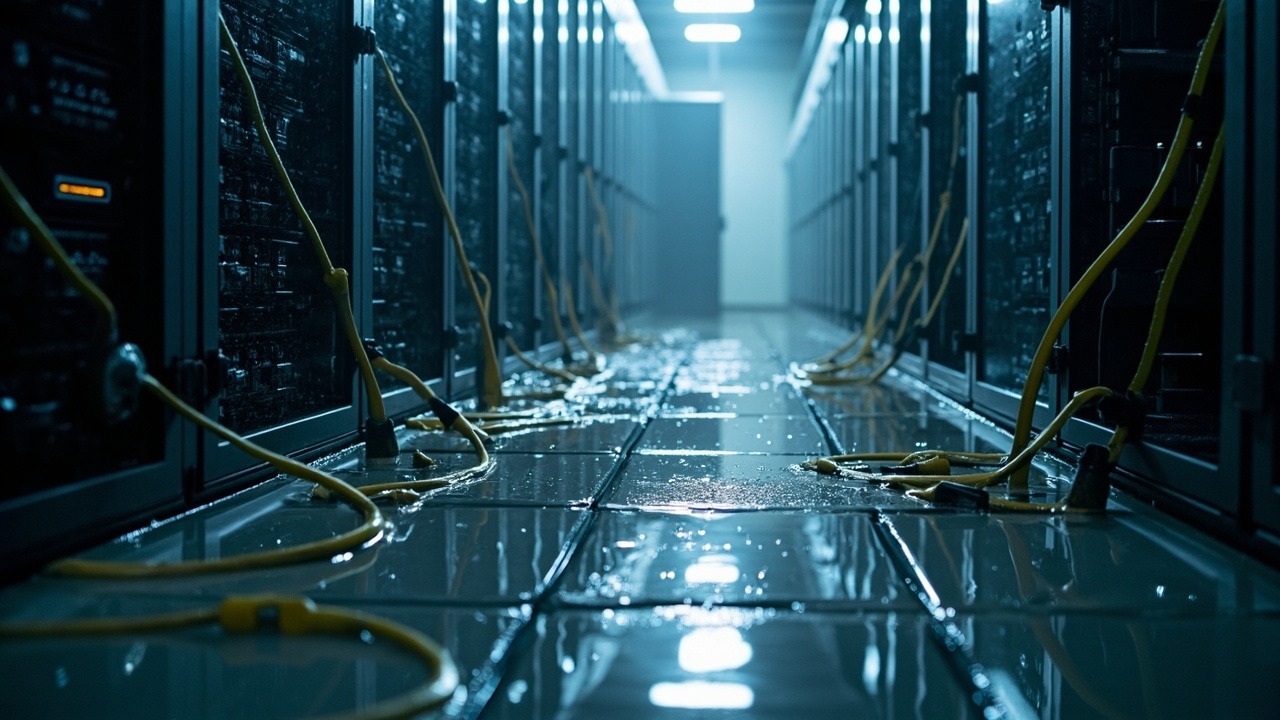
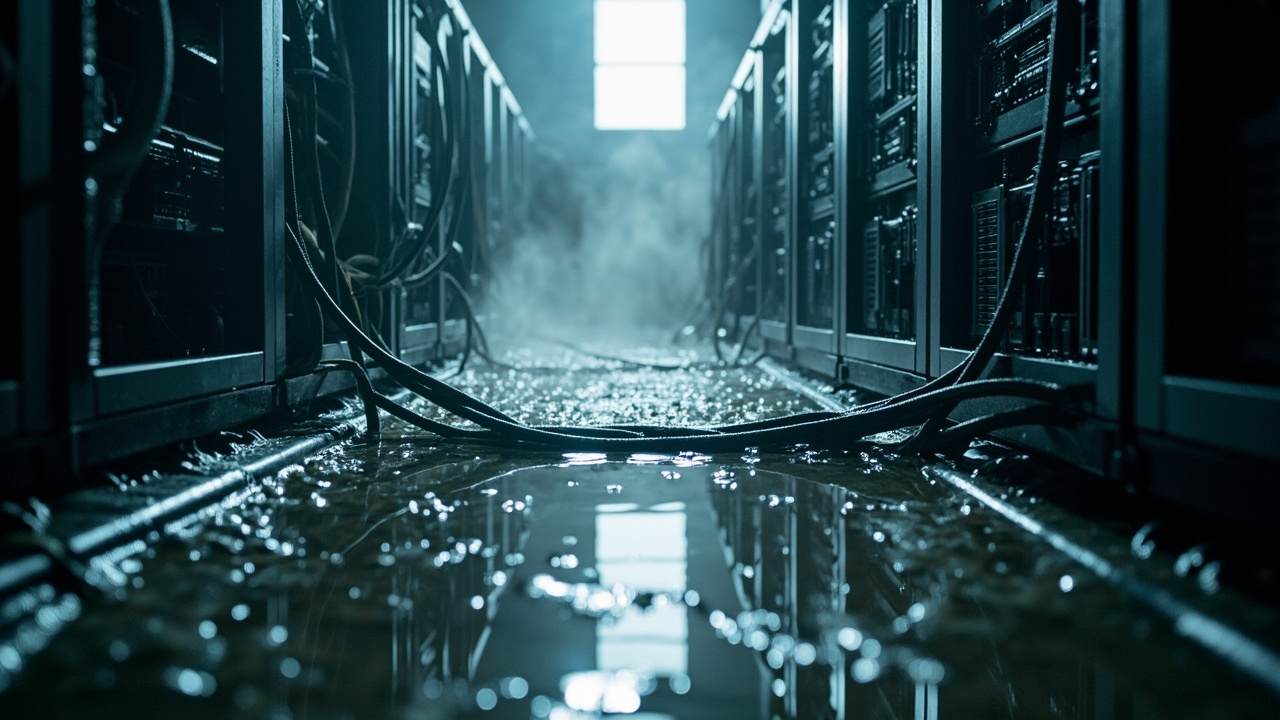
Water and electronics do not coexist. A ceiling leak above a rack of servers means immediate risk of short circuits, permanent hardware damage, and data loss. The humid summers in the Greater Pittsburgh metro compound the problem. Elevated moisture levels accelerate corrosion on circuit boards and create conditions for mold growth in climate-controlled environments.

Server room flood cleanup requires specialized knowledge beyond standard commercial water damage restoration. You cannot simply extract water and run box fans. Data center water damage restoration demands controlled desiccant dehumidification, non-conductive extraction methods, and careful coordination with your IT team to avoid additional hardware damage during the mitigation process.

The liability exposure is substantial. Business interruption costs accumulate rapidly when servers go offline. For operations in the Golden Triangle or Oakland's university tech corridor, even six hours of downtime translates to revenue loss and potential breach of service-level agreements with clients.

Computer room water extraction must account for raised flooring systems, cable management infrastructure, and the need to maintain environmental controls while removing moisture. Standard protocols do not apply.

Why Pittsburgh Data Centers Face Elevated Water Intrusion Risk
How Industrial-Grade IT Room Water Mitigation Protects Operations

How Industrial-Grade IT Room Water Mitigation Protects Operations

Server room water removal services begin with power assessment and electrical safety protocols. Before any extraction equipment enters your space, we verify circuit isolation and identify energized equipment. This prevents secondary damage from improper mitigation techniques.

We deploy low-grain refrigerant (LGR) dehumidifiers specifically calibrated for high-density electronics environments. These units pull moisture from the air without creating condensation on cold surfaces, which standard dehumidifiers can cause. For raised floor systems common in Pittsburgh data centers, we use extraction mats that create negative pressure beneath floor tiles to remove trapped water without disturbing cable runs.

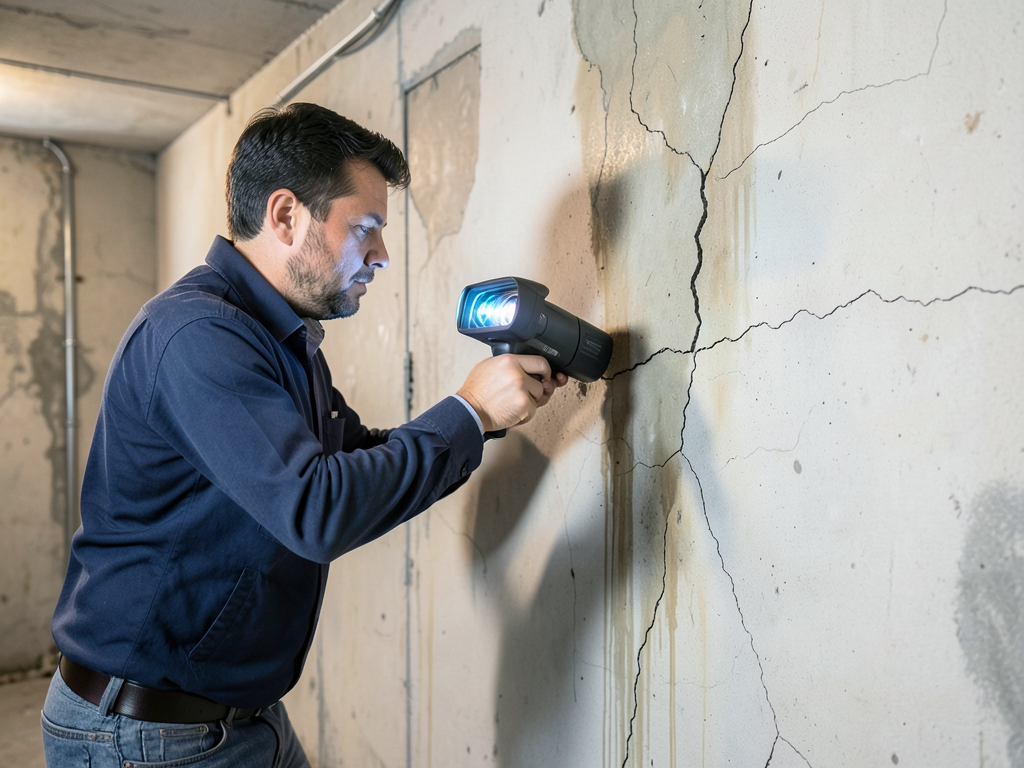
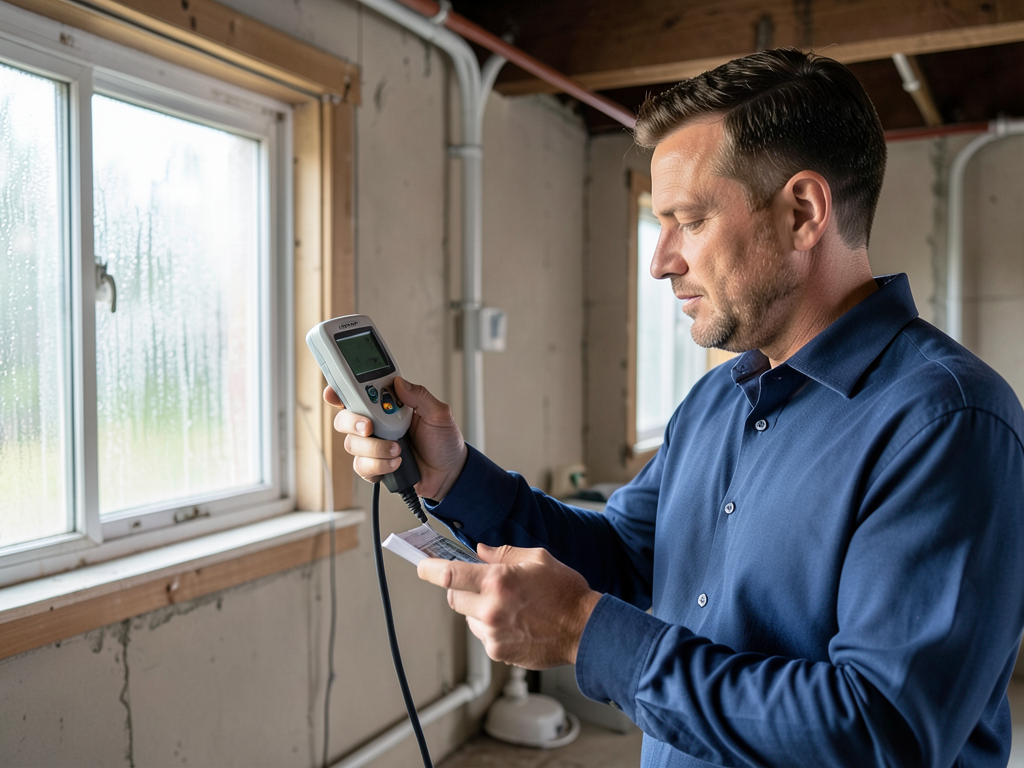
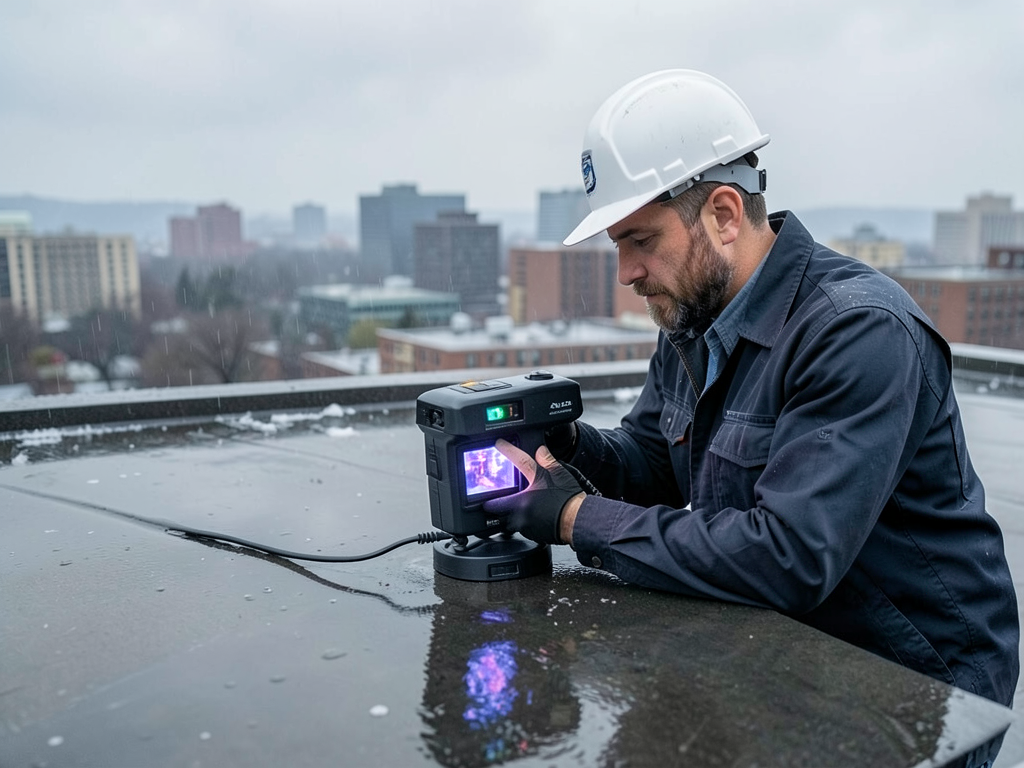
Moisture mapping uses thermal imaging to identify water migration paths through walls and ceiling plenums. Water follows gravity and building cavities. In multi-story facilities along the Monongahela River corridor, we trace moisture vertically through core penetrations to prevent mold colonization in hidden spaces.

Air scrubbing with HEPA filtration runs continuously during the drying process. This removes particulates and potential contaminants that water intrusion stirs up from building materials. Clean air standards matter when you are protecting million-dollar hardware investments.

We coordinate directly with your facilities management and IT personnel. Our mitigation timeline aligns with your maintenance windows and backup protocols. If you need to maintain partial operations during restoration, we isolate affected zones and use temporary environmental controls to keep unaffected server racks operational.

Documentation includes moisture readings, equipment logs, and photographic evidence at each phase. This creates the paper trail your insurance carrier and compliance auditors require. For regulated industries, proper documentation is not optional.

The Server Room Restoration Protocol

Server Room Water Damage in Pittsburgh – Minimize Downtime and Protect Critical Infrastructure
01

Emergency Site Assessment

Our team arrives within two hours to evaluate electrical safety, identify the water source, and determine which equipment requires immediate shutdown. We document pre-existing conditions and establish containment zones to prevent water migration to unaffected areas. This initial assessment determines the extraction strategy and equipment deployment plan. You receive a preliminary timeline and resource allocation within the first hour on site.
02

Controlled Water Extraction

We remove standing water using non-conductive extraction equipment and install desiccant dehumidifiers to pull moisture from the air and building materials. Moisture meters track drying progress in walls, subfloors, and ceiling tiles. We monitor temperature and humidity continuously, maintaining optimal conditions for electronic equipment while accelerating the drying process. All extraction work occurs with your IT team's approval to avoid disturbing critical cable management or backup systems.
03

Verification and Clearance

Final moisture readings confirm all affected materials have reached equilibrium moisture content. We conduct a post-mitigation inspection to identify any secondary concerns like insulation damage or compromised fire stopping. You receive a comprehensive report with all documentation required for insurance claims and regulatory compliance. Our team coordinates with your electricians and IT vendors to ensure safe re-energization of affected circuits and equipment before we consider the job complete.

Why Pittsburgh Businesses Trust Reliance for Critical Infrastructure Protection

Reliance Water Damage Restoration Pittsburgh understands the stakes when water threatens your server room. We have restored data centers in Southside Works office buildings, mitigated flood damage in North Shore corporate campuses, and handled emergency water extraction for financial services firms Downtown. Our team knows Pittsburgh's commercial building stock, from modern LEED-certified office towers to converted industrial facilities in Lawrenceville.

We maintain relationships with commercial electricians, HVAC contractors, and fire protection specialists throughout Allegheny County. When server room water damage requires coordination across multiple trades, we manage those relationships to keep your project on schedule. You get one point of contact instead of juggling five different contractors.

Our equipment inventory includes industrial dehumidifiers, thermal imaging cameras, moisture detection equipment, and air filtration systems sized for large commercial spaces. We do not need to rent equipment or wait for shipments. When you call us at two in the morning because a sprinkler head failed above your server rack, we arrive with the tools to contain the damage immediately.

We understand Pittsburgh's commercial building codes and the International Building Code requirements for data centers. Our mitigation work preserves fire ratings, maintains required air barriers, and documents all interventions for your facility management records. This matters when you face inspections or need to demonstrate due diligence to auditors.

For businesses operating in regulated industries, healthcare, finance, or legal services, we know HIPAA, PCI-DSS, and attorney-client privilege considerations. Our technicians sign confidentiality agreements and follow your security protocols. We treat your data center with the same operational security you demand from your own staff.

What Your Business Can Expect During Server Room Restoration

Rapid Response Deployment

We maintain 24/7 dispatch for commercial water emergencies throughout the Pittsburgh metro area. Our team arrives within two hours of your call with assessment equipment and initial containment tools. For after-hours incidents, you reach a live person who can deploy a crew immediately, not an answering service that waits until morning. We understand that every hour of delay increases your liability exposure and equipment damage risk. Our rapid response capability minimizes business interruption and gives your insurance carrier confidence that you took immediate action to mitigate loss.

Detailed Site Evaluation

Our initial assessment documents the extent of water intrusion, identifies the source, and evaluates potential damage to building systems and equipment. We use thermal imaging to detect hidden moisture in walls and ceiling plenums that visual inspection misses. You receive a written scope of work detailing the equipment we will deploy, the estimated drying timeline, and coordination requirements with your facilities and IT teams. This assessment includes moisture mapping and photographic documentation that your insurance adjuster needs to process your claim efficiently.

Controlled Mitigation Process

The result is complete moisture removal without compromising your IT infrastructure or creating secondary damage. We achieve structural drying while maintaining the environmental controls your equipment requires. Final moisture readings confirm all affected materials meet industry standards for dry conditions. Your space returns to normal humidity levels without residual moisture that could cause future mold growth or material degradation. We remove all mitigation equipment only after verification testing confirms successful drying, giving you documentation that withstands scrutiny from insurance carriers and regulatory auditors.

Post-Restoration Documentation

You receive a comprehensive report documenting every phase of the restoration process, including initial moisture readings, daily progress logs, equipment deployment records, and final verification testing results. This documentation package includes photographs, thermal imaging results, and a narrative summary that explains the scope of work performed. For businesses requiring regulatory compliance documentation or those facing potential litigation, this paper trail demonstrates that you responded appropriately to the water intrusion event. We provide additional copies formatted for insurance submission, and we remain available to answer adjuster questions or provide supplemental documentation as your claim progresses.

Frequently Asked Questions

You Have Questions,
We Have Answers

What is the cost of water leak detection system for server room? +

Water leak detection systems for server rooms range from basic rope sensors ($200-$500) to enterprise-grade monitoring with automatic shutoffs ($2,000-$10,000+). Cost depends on room size, sensor density, and integration with building management systems. Pittsburgh facilities often need robust systems due to aging infrastructure and basement server locations prone to groundwater infiltration. Commercial-grade systems include real-time alerts, remote monitoring, and automatic suppression capabilities. Factor in installation costs, ongoing monitoring fees, and potential savings from prevented downtime. A single server failure from water damage costs far more than detection equipment.

What are the risks of server rooms? +

Server rooms face multiple operational risks including water damage from pipe breaks, HVAC condensation, or roof leaks. Electrical hazards escalate when moisture contacts live equipment. Thermal failures occur when cooling systems malfunction or airflow gets blocked. Pittsburgh's freeze-thaw cycles stress building systems, increasing pipe burst risks. Fire suppression system malfunctions can flood rooms with water or chemicals. Physical security breaches compromise data integrity. Equipment failure from power surges during storms poses additional threats. Poor ventilation and humidity control accelerate hardware degradation. Each risk compounds business continuity exposure and liability. Professional environmental controls and monitoring mitigate these threats.

How long does water have to sit for water damage? +

Water damage to electronics begins instantly upon contact. Server components fail within seconds when water bridges circuits. Corrosion starts within hours as moisture contacts metal components. Hard drives suffer mechanical failure when water enters sealed enclosures. Within 24-48 hours, oxidation and mineral deposits render most equipment unrecoverable. Pittsburgh's humidity accelerates corrosion processes. Standing water creates breeding grounds for mold within 48 hours, compounding facility damage. Every minute counts when server rooms flood. Immediate power shutoff and professional extraction within the first hour significantly improve equipment salvage rates. Delayed response guarantees total loss and extended downtime.

What is too dry for a server room? +

Server rooms require 40-60% relative humidity for optimal performance. Below 40% increases electrostatic discharge risk, which destroys sensitive components. Pittsburgh winters with forced-air heating can drop humidity dangerously low. Static buildup damages processors, memory modules, and network equipment. Brittle plastics crack in overly dry conditions. Monitor humidity continuously with dedicated sensors. Too dry poses equal risk to too humid. Commercial facilities need precision HVAC systems maintaining tight environmental bands. Humidification systems prevent damage during heating seasons. Balance prevents both corrosion from moisture and static discharge from excessive dryness. Professional environmental monitoring protects your infrastructure investment.

How much to charge for leak detection? +

Commercial leak detection services for server rooms typically charge $150-$300 for initial assessments. Comprehensive facility audits with thermal imaging and moisture mapping run $500-$1,500. Emergency response services command premium rates of $200-$400 per hour due to business-critical urgency. Installation of permanent monitoring systems includes equipment costs plus labor at $75-$150 per hour. Pittsburgh commercial rates reflect regional labor costs and specialized certification requirements. Ongoing monitoring contracts range from $50-$200 monthly depending on facility size. Project scope, equipment complexity, and after-hours requirements affect pricing. Request itemized quotes comparing detection technology, response protocols, and service level agreements.

Will homeowners insurance cover a water main leak? +

Homeowners insurance coverage does not typically apply to commercial server rooms or business operations. Commercial property insurance covers water main breaks if damage results from sudden, accidental events. Gradual leaks from poor maintenance face denial. Review your commercial policy for water damage exclusions and sub-limits on electronic equipment. Pittsburgh properties with older infrastructure may face coverage restrictions or higher deductibles. Separate equipment breakdown coverage protects server hardware specifically. Many policies require leak detection systems and regular maintenance documentation. Flood insurance through NFIP covers certain water intrusion scenarios. Consult your commercial insurance broker before incidents occur. Document all preventive maintenance.

Do server rooms need water? +

Server rooms absolutely do not need water for operations. Water represents the primary environmental threat to data center equipment. Cooling systems use refrigerant loops or air exchange, not direct water contact. Fire suppression systems increasingly use clean agents or inert gases instead of water-based sprinklers. Pittsburgh facilities still housing legacy wet pipe systems face elevated risk. Water presence indicates leaks from building infrastructure, HVAC condensation, or roof penetration. Modern data centers eliminate all water sources from server environments. Any moisture indicates facility failure requiring immediate remediation. Proper design keeps water and electronics completely separated through compartmentalization and drainage systems.

What are the 5 C's in security? +

The 5 C's in security (Cover, Concealment, Camouflage, Communications, Continuity) apply to physical security frameworks but have limited relevance to server room water damage restoration. Server room security prioritizes environmental controls, access management, and business continuity. Focus on practical threats: water intrusion monitoring, HVAC redundancy, fire suppression systems, and backup power. Pittsburgh commercial facilities need security integrating flood sensors, surveillance, and automatic alerts. Server protection requires defense in depth combining physical barriers, environmental monitoring, and rapid incident response protocols. Business continuity planning addresses operational security during water damage events. Prioritize risk assessment over theoretical security models.

What are common server issues? +

Common server issues include hardware failure from aging components, overheating from inadequate cooling, and power supply failures. Network connectivity drops from failed switches or damaged cabling. Storage failures corrupt data when drives reach end-of-life. Software conflicts create system instability. Pittsburgh server rooms face environmental challenges including humidity fluctuations and power grid instability during storms. Water damage from pipe breaks or HVAC leaks causes catastrophic failures. Dust accumulation restricts airflow and overheats components. Memory errors cause system crashes. Backup system failures eliminate redundancy. Poor cable management restricts cooling airflow. Regular maintenance and environmental monitoring prevent most issues before they cause downtime.

How quickly does mold grow after water damage? +

Mold grows within 24-48 hours after water exposure in optimal conditions. Pittsburgh's humidity accelerates mold colonization on wet surfaces. Server rooms provide ideal temperatures (68-75°F) for rapid growth. Drywall, ceiling tiles, and carpet backing behind server racks host mold within two days. Spores spread through HVAC systems, contaminating entire facilities. Mold on electronics creates conductive paths causing shorts and failures. Health risks escalate as colonies mature. Professional remediation must begin within 24 hours to prevent establishment. Water extraction, dehumidification, and antimicrobial treatment stop progression. Delayed response guarantees costly remediation, equipment replacement, and potential facility closure during abatement.

How Pittsburgh's Aging Infrastructure Threatens Modern Data Centers

Pittsburgh's commercial building stock includes numerous structures built before 1970, particularly in the Golden Triangle and Oakland districts where many tech companies operate. These older buildings feature cast iron plumbing, outdated HVAC systems, and roof assemblies nearing end of service life. When you install modern server equipment in a historic building, you create a mismatch between cutting-edge technology and aging infrastructure. A condensate pump failure or corroded pipe fitting can dump gallons of water directly onto equipment worth hundreds of thousands of dollars. The region's temperature swings stress these aging systems, making winter months particularly dangerous for commercial facilities.

Reliance Water Damage Restoration Pittsburgh has worked extensively in commercial buildings throughout Allegheny County. We understand the construction methods, common failure points, and building code requirements specific to Pittsburgh's commercial real estate. Our familiarity with local insurance adjusters, commercial property managers, and facilities contractors means faster coordination and fewer delays during restoration projects. When you need computer room water extraction at three in the morning, you want a local team that knows the building landscape, understands the urgency, and can navigate Pittsburgh's commercial districts efficiently without wasting time searching for parking or building access.
Water Damage Restoration Services in The Pittsburgh Area

While we provide rapid mobile service directly to your location, you can also find our physical business location on the map below. This map highlights our primary service area and shows our commitment to serving the Pittsburgh community. We are always ready to dispatch our expert team to your home or business, no matter where you are in our service region. Feel free to use the interactive map to get directions or to visualize our proximity to you.

Address:
Reliance Water Damage Restoration Pittsburgh, 201 S Craig St, Pittsburgh, PA, 15213

Additional Services We Offer

Our news updates

Latest Articles & News from The Blogs

How to tell if you have a expensive slab leak under your Franklin Park home Franklin Park homeowners face a…

How to tell if you have a expensive slab leak under your Franklin Park home

How to tell if you have a expensive slab leak under your Franklin Park home Franklin Park homeowners face a…

What to do when your office fire sprinklers go off by mistake in Downtown Pittsburgh

What to do when your office fire sprinklers go off by mistake in Downtown Pittsburgh When fire sprinklers discharge without…

Preserving the original masonry in Mexican War Streets homes after a water leak

Preserving the original masonry in Mexican War Streets homes after a water leak When water infiltrates the historic brick and…

Contact Us

Do not wait until water threatens your critical infrastructure. Call Reliance Water Damage Restoration Pittsburgh at (412) 382-8788 now for immediate deployment or to discuss pre-loss planning for your data center. We respond 24/7 throughout the Pittsburgh metro area.