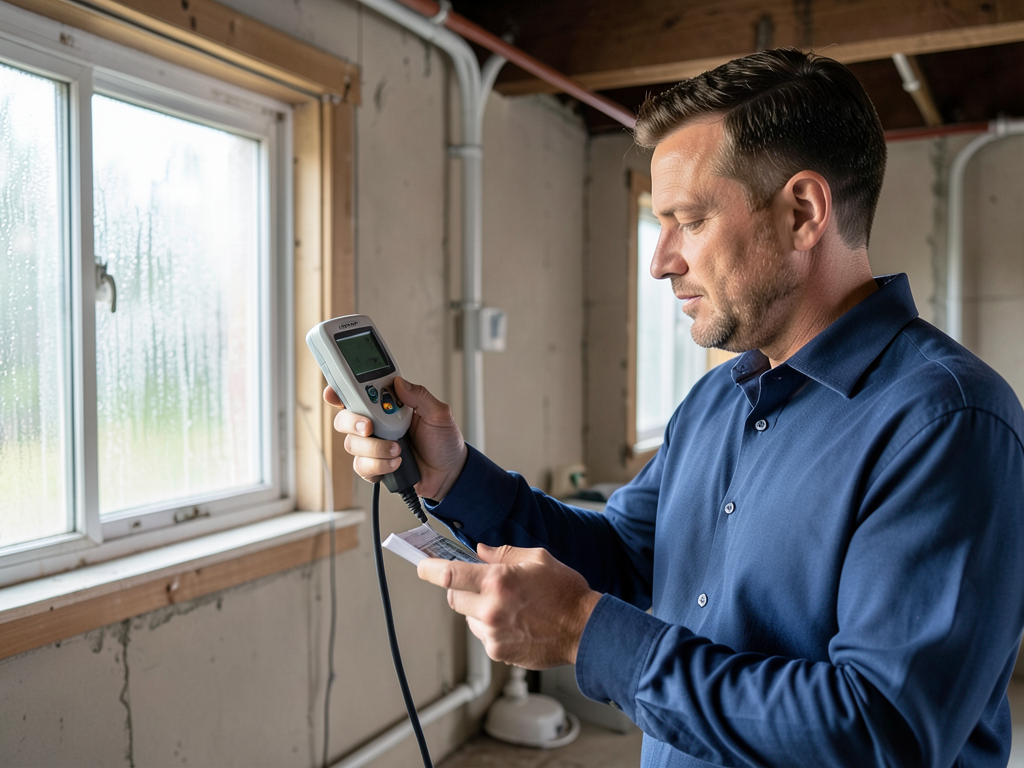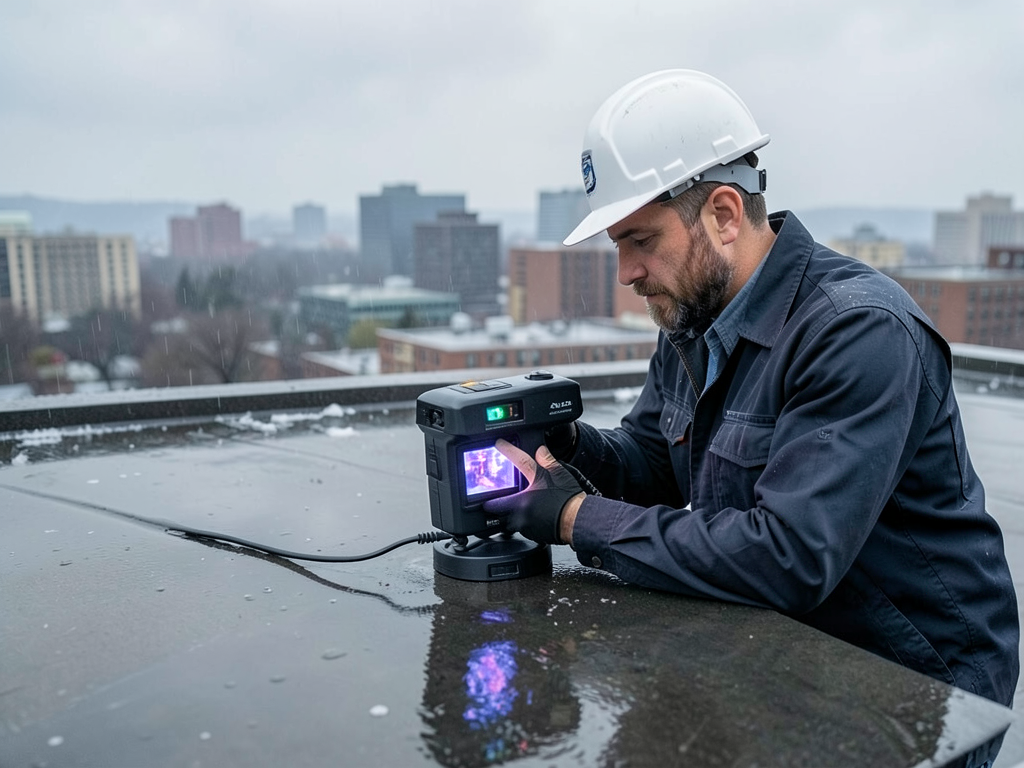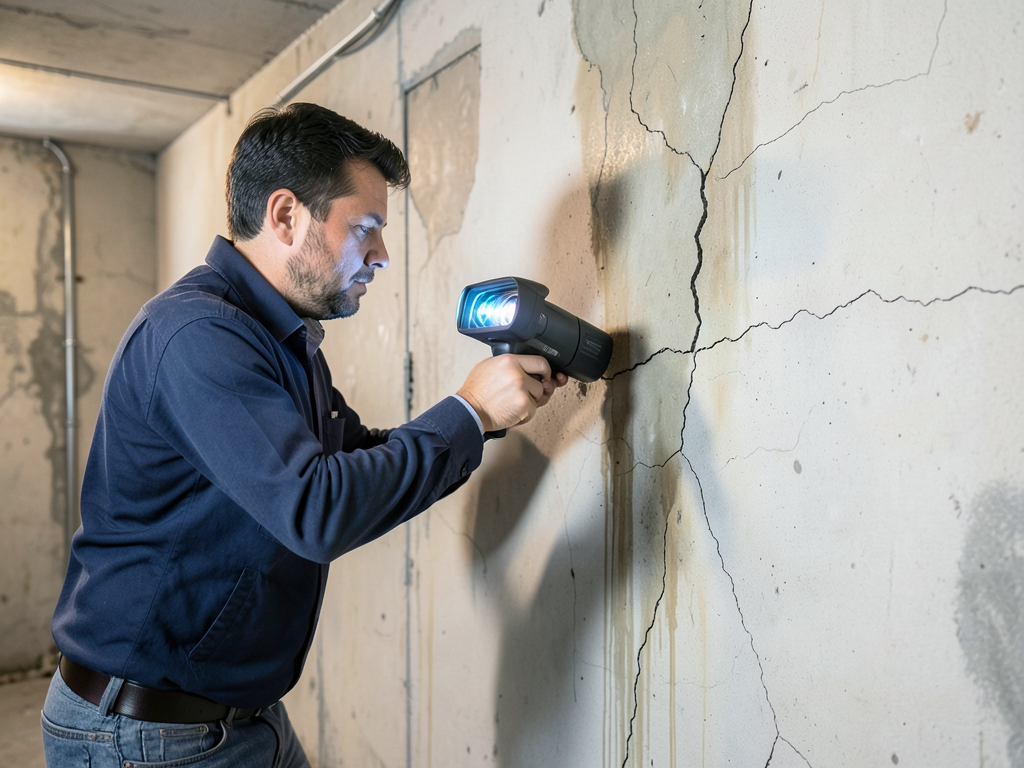





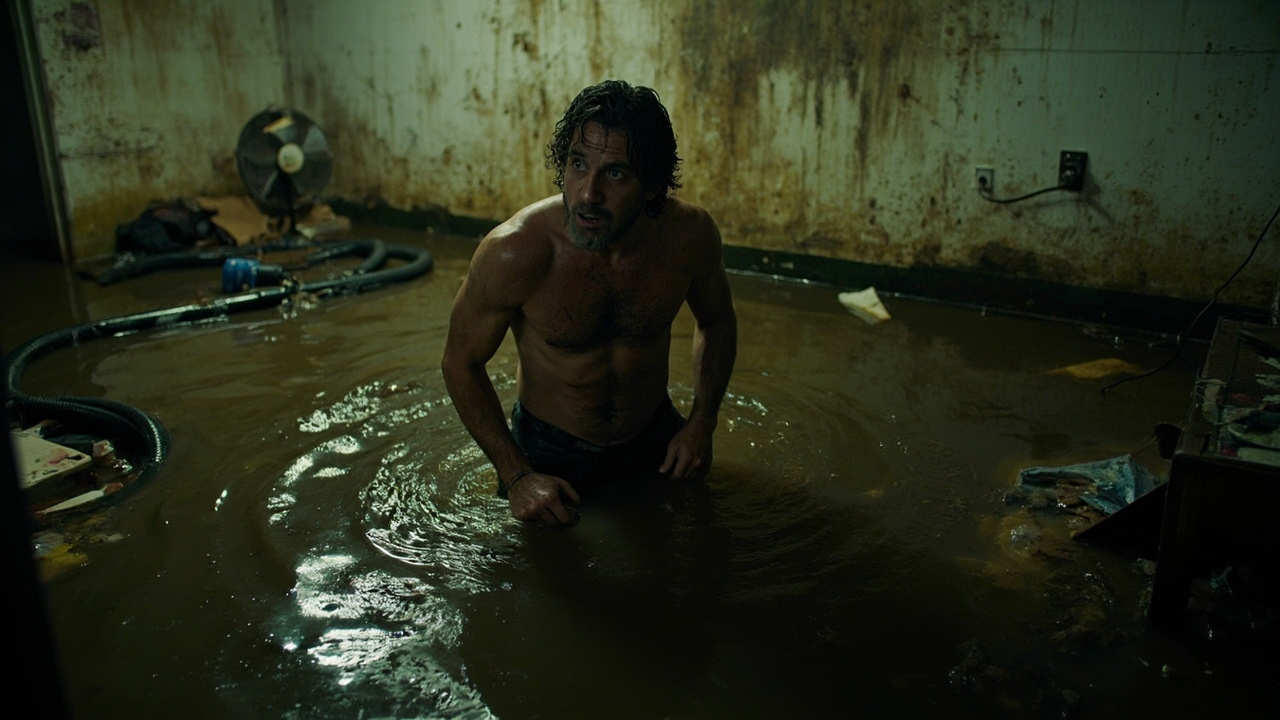
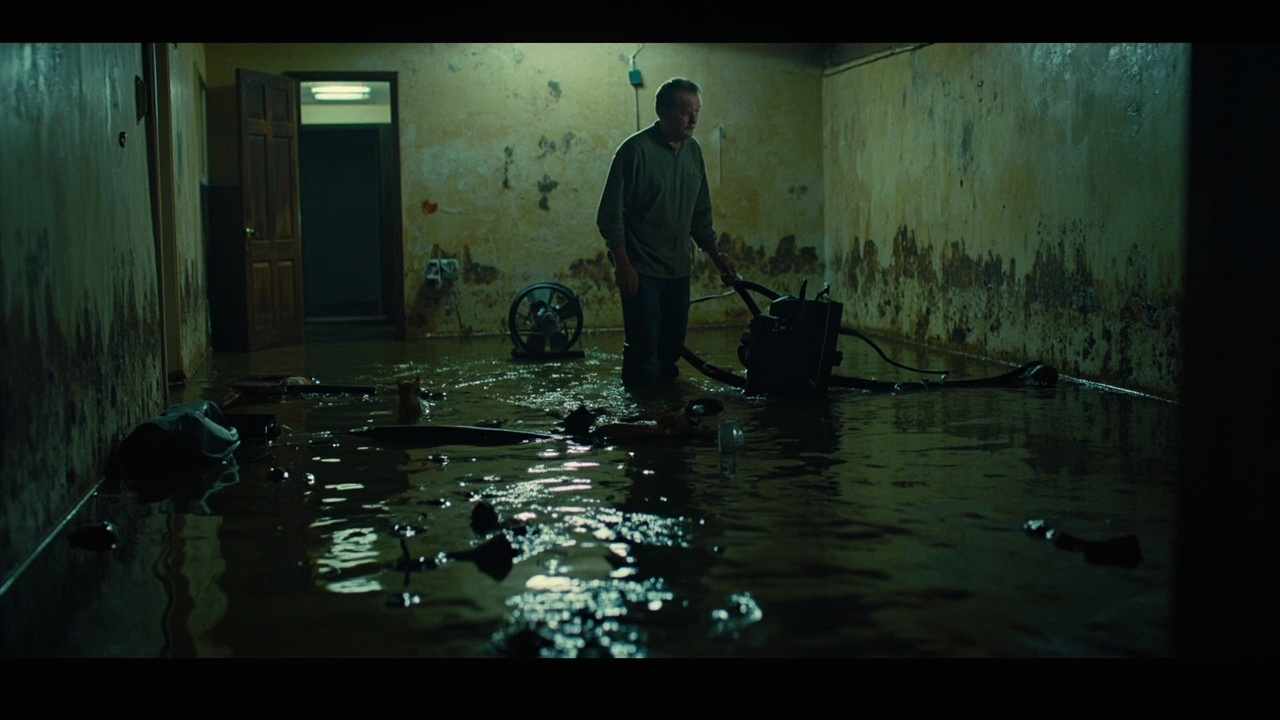
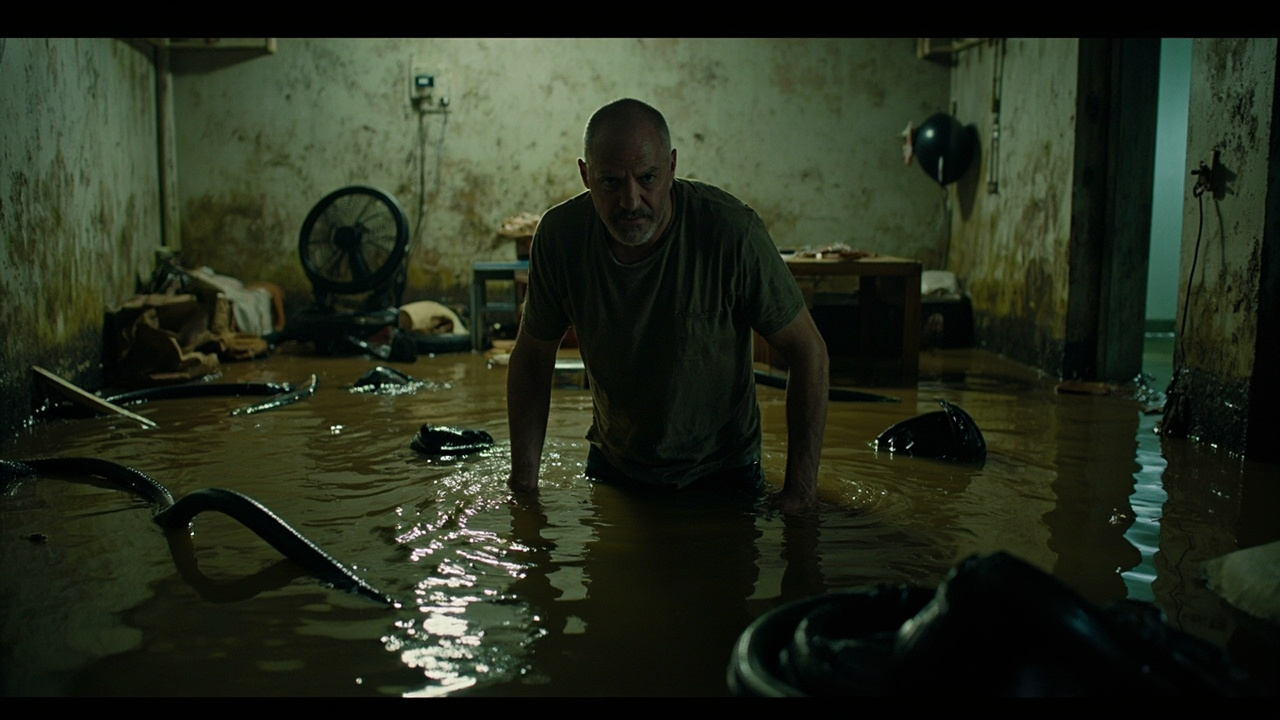
Pittsburgh's 60 to 80 percent relative humidity during summer months turns every water intrusion into a mold risk within 48 hours. When you attempt DIY water cleanup, you remove standing water but leave moisture embedded in plaster, hardwood subfloors, and insulation common to pre-1960 construction. The city's housing stock includes thousands of homes with balloon framing, where water travels freely between floors through open wall cavities. This construction style means water from a second-floor bathroom can saturate first-floor walls and basement ceiling joists without visible evidence. The consequences of amateur water cleanup in Pittsburgh are amplified by climate and construction methods that trap moisture and accelerate microbial growth.
Reliance Water Damage Restoration Pittsburgh understands the specific challenges of water damage in Western Pennsylvania. We know that combined sewer systems in older neighborhoods can cause backflow during heavy rain, contaminating basements with Category 3 water that requires specialized remediation. We understand that foundation drain tiles in Pittsburgh homes often fail after decades of freeze-thaw cycles, creating chronic moisture problems that DIY methods cannot address. Our technicians are trained in the architectural quirks of local housing stock and the microbial risks posed by the region's climate. When you choose professional restoration, you get expertise rooted in local conditions, not generic water cleanup procedures.