



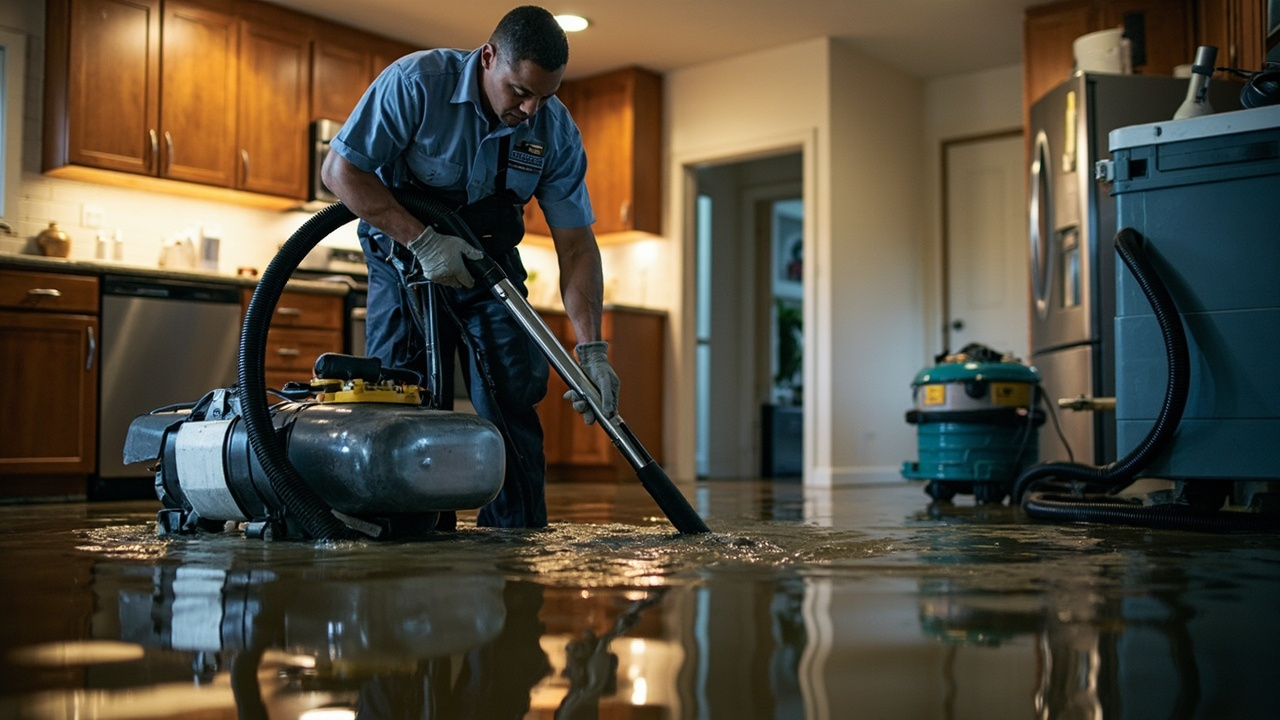

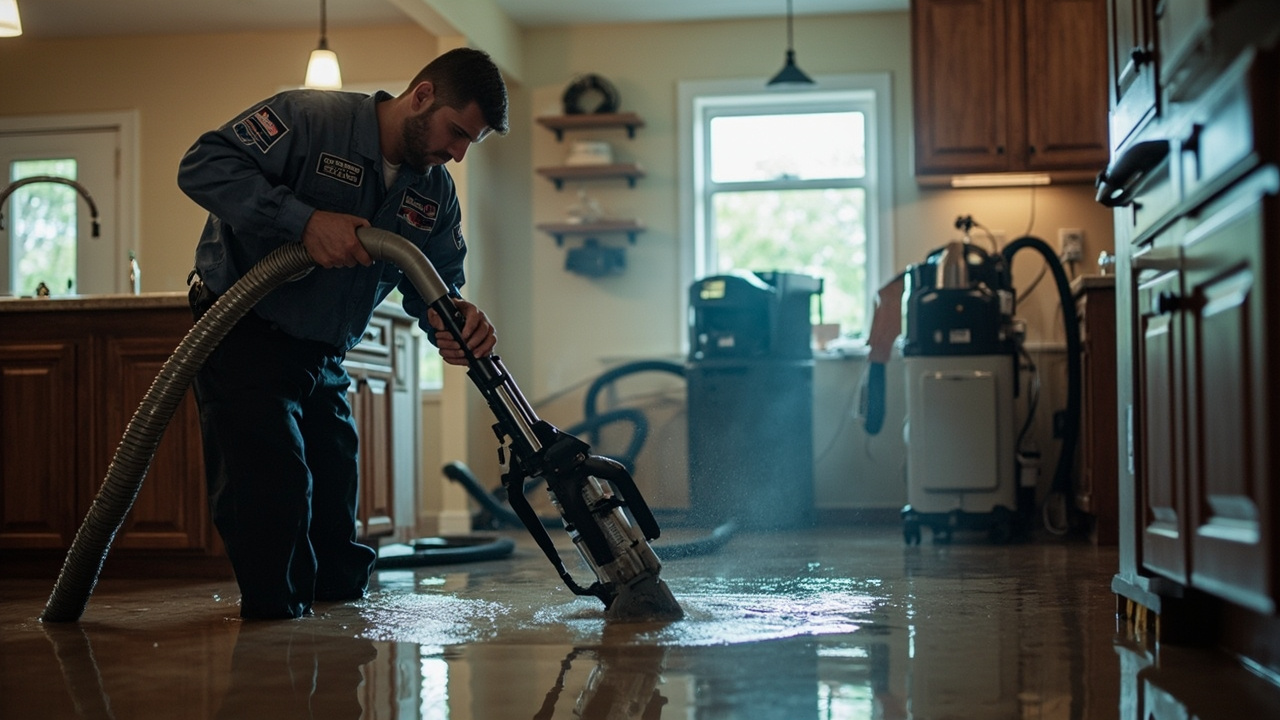
Pittsburgh operates one of the oldest combined sewer systems in the United States. During heavy rainfall, stormwater and sanitary sewage flow through the same pipes. When volume exceeds capacity, the system backflows through basement floor drains in neighborhoods like Shadyside, Squirrel Hill, and Highland Park. This creates Category 3 contaminated water events requiring specialized extraction and disinfection protocols. Unlike clean water flooding from burst pipes, sewer backups introduce fecal matter, chemicals, and pathogens that penetrate porous materials. Water mitigation services must include antimicrobial treatment and potential removal of contaminated materials that cannot be adequately disinfected.
Allegheny County requires permits for certain post-flood restoration work. Properties in historic districts face additional restrictions on material replacement and structural modifications. We understand these local regulations and coordinate required inspections before reconstruction begins. Our technicians recognize Pittsburgh's mix of construction types, from century-old brick rowhouses in Lawrenceville to mid-century ranch homes in the South Hills. Each construction style requires adjusted drying strategies and equipment placement. Choosing a local flood damage restoration provider familiar with Pittsburgh building stock and regulatory environment prevents compliance issues and ensures insurance claims meet documentation standards recognized by regional adjusters.