



Menu

Understanding Mold Toxicity in Pittsburgh – Protect Your Health with Expert Detection and Remediation Resources

Get clear answers about mold illness symptoms, black mold health risks, and mycotoxin exposure from Pittsburgh water damage experts who understand how our region's humidity and aging housing stock create dangerous conditions.

Slider Image 1
Slider Image 2
Slider Image 3
Slider Image 4
Slider Image 5
Slider Image 7
Slider Image 8
Slider Image 9
Slider Image 10
Slider Image 11

Why Pittsburgh Residents Face Elevated Mold Toxicity Risks

Pittsburgh's geographic position at the confluence of three rivers creates persistent humidity levels that fuel mold growth year-round. When you combine this moisture-saturated environment with the city's aging housing stock, you get a perfect storm for mold colonization and mycotoxin production.

Many residents in neighborhoods like Squirrel Hill, Shadyside, and the North Hills live in homes built before 1950. These structures lack modern vapor barriers and often have foundation issues from settling Pittsburgh clay soil. Water intrusion happens silently behind walls and beneath floors.

Mold illness symptoms start subtly. You might notice persistent headaches, unexplained fatigue, or respiratory irritation that your doctor cannot diagnose. Signs of mold poisoning often mimic seasonal allergies, which is why many Pittsburgh residents ignore them until they become severe. Chronic coughing, brain fog, and skin rashes are common indicators.

Black mold health risks escalate when Stachybotrys chartarum colonizes wet building materials. This species produces mycotoxins that trigger inflammatory responses in your respiratory system and nervous system. Effects of mold exposure compound over time, especially in children and individuals with compromised immune systems.

The freeze-thaw cycles that damage Pittsburgh foundations create entry points for water. Basement flooding after spring storms and summer humidity create conditions where mold can produce toxins within 24 to 48 hours. Understanding what you are facing helps you take action before mycotoxin illness develops into a chronic condition.

Why Pittsburgh Residents Face Elevated Mold Toxicity Risks
How Professional Mold Assessment Identifies Hidden Toxicity Threats

How Professional Mold Assessment Identifies Hidden Toxicity Threats

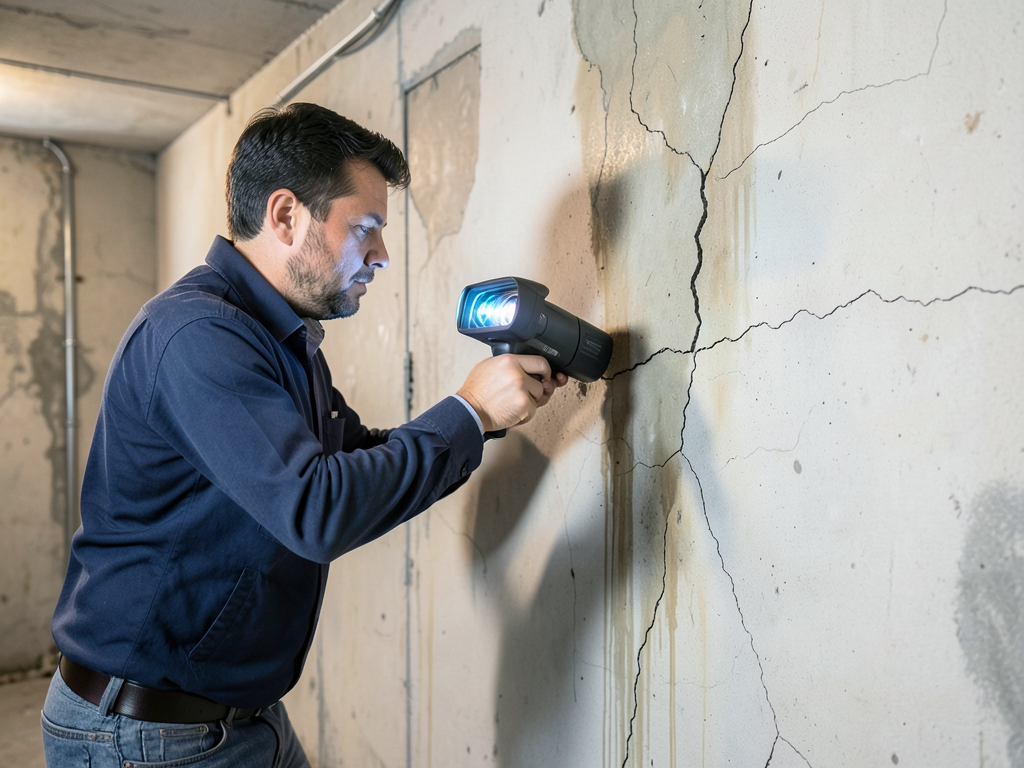
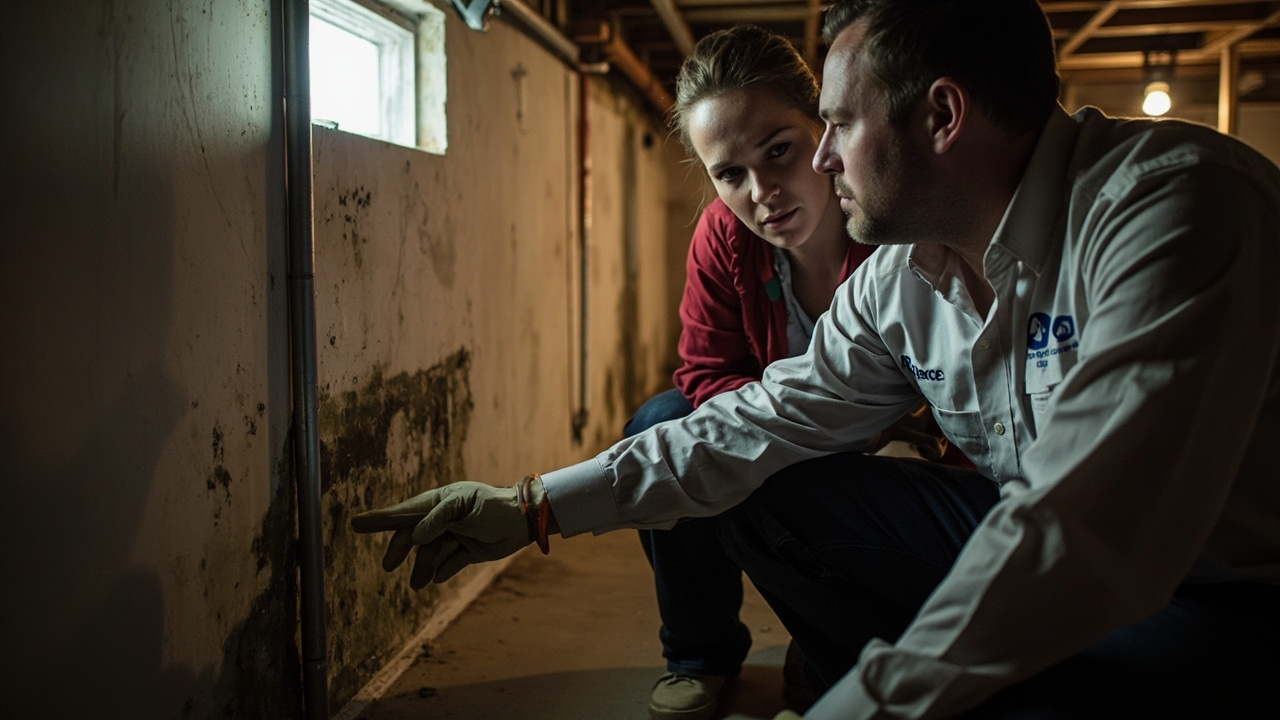
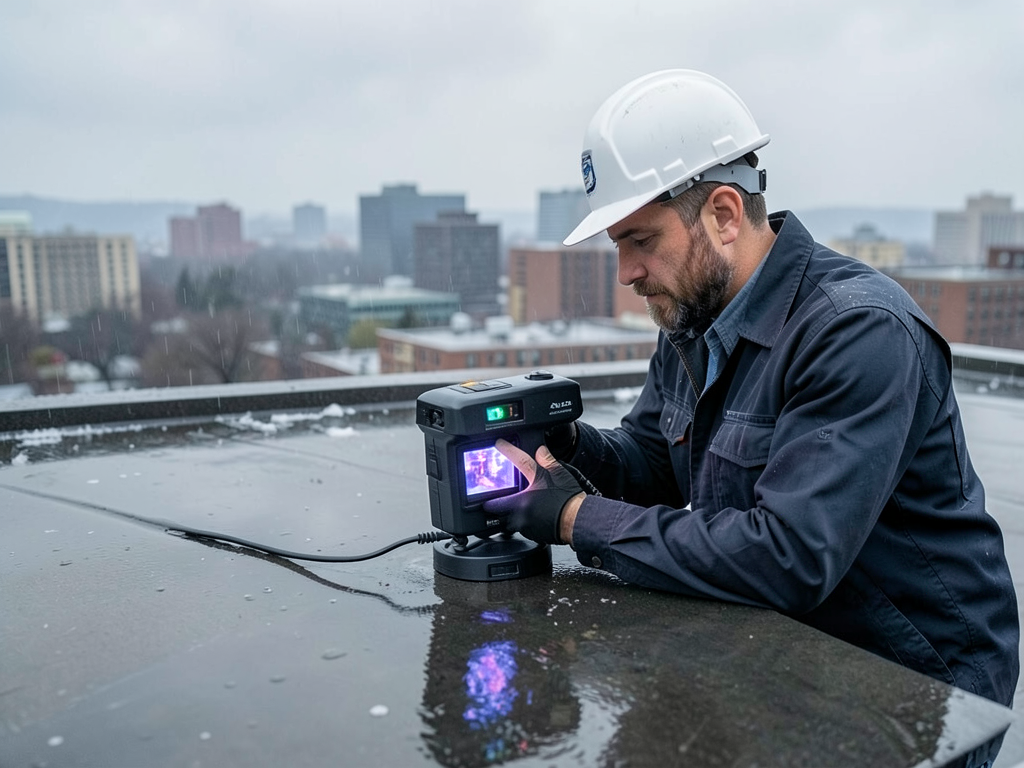
Reliance Water Damage Restoration Pittsburgh uses a multi-phase assessment protocol that goes beyond visual inspection. We deploy moisture mapping technology to identify hidden water intrusion behind finished surfaces. Infrared thermal imaging reveals temperature differentials that indicate active moisture problems, even when surfaces appear dry.

Air sampling captures spore concentrations in your indoor environment. We take multiple samples from different rooms and compare them to outdoor baseline readings. Elevated indoor spore counts indicate active colonization. Surface sampling from suspected growth areas confirms species identification through laboratory analysis.

We test for volatile organic compounds that mold colonies release as metabolic byproducts. These VOCs create the musty odor you associate with mold, but they also indicate mycotoxin production. Gas chromatography identifies specific compounds linked to toxic species.

The assessment includes a detailed inspection of your HVAC system. Ductwork and air handlers become distribution networks for spores when contamination occurs. We examine condensate pans, cooling coils, and return air plenums where moisture accumulates.

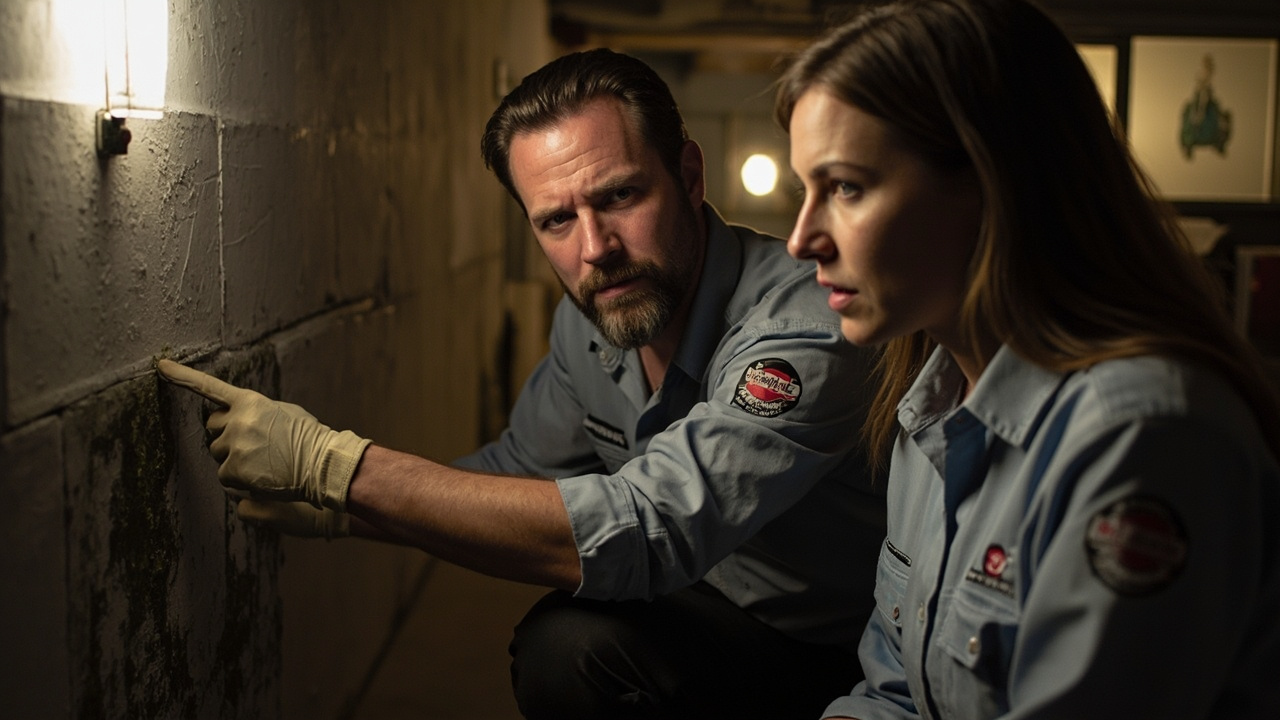
Building material analysis determines the extent of contamination. Porous materials like drywall and insulation often require removal when mycotoxin-producing species are present. Non-porous surfaces can sometimes be cleaned and treated, but only after proper containment prevents cross-contamination.

We provide you with a written report that documents findings with photographic evidence, lab results, and a remediation scope. This documentation helps you understand the health risks you face and supports insurance claims when coverage applies.

What Happens During a Professional Mold Toxicity Evaluation

Understanding Mold Toxicity in Pittsburgh – Protect Your Health with Expert Detection and Remediation Resources
01

Initial Health and Home Assessment

We start with a detailed interview about your health symptoms and the history of water intrusion in your home. You describe when symptoms started, which rooms feel worse, and any previous flooding or leaks. This conversation guides our inspection focus areas and helps correlate your mold illness symptoms with specific spaces in your property. We document visible water stains, musty odors, and areas where you have noticed discoloration or texture changes on surfaces.
02

Environmental Testing and Analysis

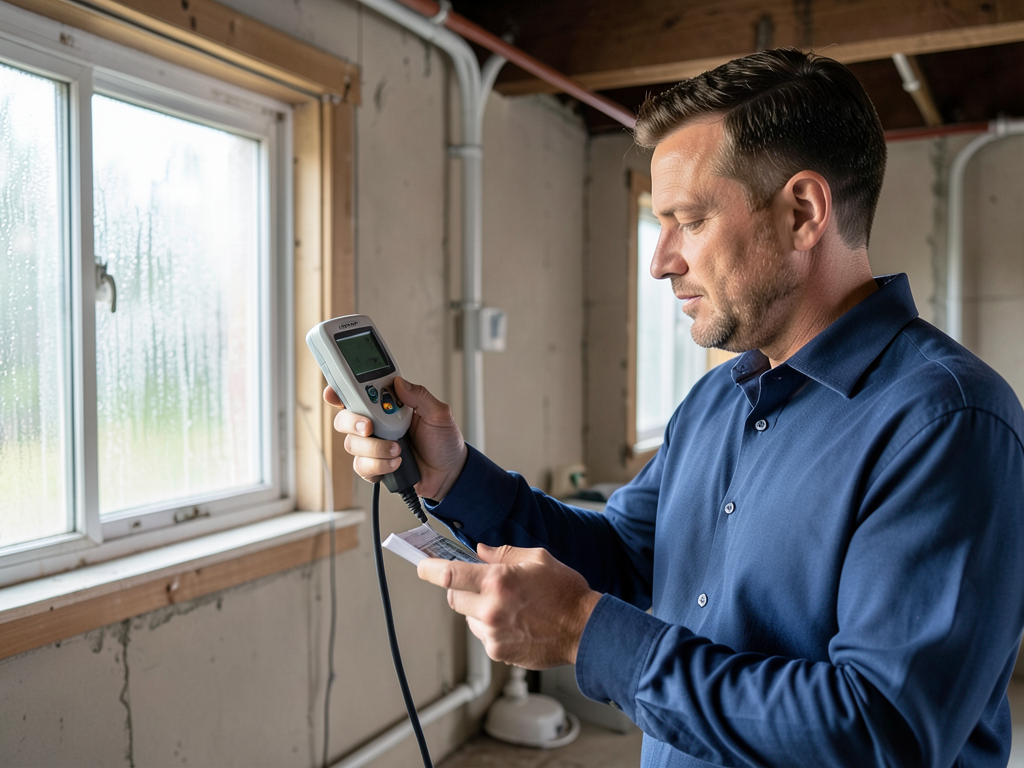
Our technicians collect air and surface samples from strategic locations throughout your home. We use spore trap cassettes for air sampling and tape lifts or swabs for surface collection. Samples go to an accredited mycology laboratory for species identification and concentration analysis. We also measure relative humidity and moisture content in building materials using calibrated meters. This data reveals whether conditions support ongoing mold growth and mycotoxin production, even in areas without visible contamination.
03

Results Review and Action Plan

When lab results return, we schedule a consultation to review findings in detail. You receive a comprehensive report showing spore types, concentrations, and comparisons to normal outdoor levels. We explain black mold health risks if toxic species are present and outline remediation steps required to eliminate the source. The action plan prioritizes immediate health threats and provides a timeline for correction. You also receive guidance on temporary measures to reduce exposure while remediation is scheduled.

Why Pittsburgh Homeowners Trust Local Mold Toxicity Expertise

Mold remediation requires specific knowledge of Pittsburgh's building construction methods and climate challenges. Homes in neighborhoods like Mount Washington and Brookline have unique foundation designs that create moisture pathways different from newer construction. We understand how these older structures fail and where water accumulates.

Our team trains continuously on mycotoxin research and health effects. We stay current with medical literature on mold-related illness so we can explain what you are experiencing and why it matters. When you call with concerns about chronic fatigue or respiratory problems, we take your symptoms seriously because we understand the connection to indoor air quality.

We follow the IICRC S520 Standard for mold remediation, which establishes protocols for containment, removal, and verification. This standard protects you during the remediation process and ensures that our work actually solves the problem instead of spreading contamination. We use negative air pressure containment and HEPA filtration to prevent cross-contamination during material removal.

Pittsburgh's housing market includes many properties with finished basements built directly against poured concrete or block foundations. These designs trap moisture between the foundation and interior finishes. We know where to look and how to access hidden spaces without causing unnecessary demolition.

Insurance companies often deny mold claims by arguing that damage resulted from maintenance neglect. We document all findings thoroughly and can differentiate between sudden water intrusion and long-term seepage. Our reports support your claim by establishing timelines and demonstrating that you took appropriate action once you discovered the problem.

Reliance Water Damage Restoration Pittsburgh has worked throughout Allegheny County addressing mold problems in single-family homes, multi-unit properties, and commercial buildings. We know the local health department requirements and work within their guidelines when remediation involves significant contamination.

What to Expect When You Request a Mold Toxicity Assessment

Response Time and Scheduling

We schedule most assessments within 48 hours of your initial contact. If you are experiencing acute health symptoms or have visible black mold growth, we can often arrange same-day evaluation. The assessment takes between two and four hours depending on your property size and the extent of suspected contamination. We work around your schedule and can conduct inspections during evenings or weekends if needed. Lab results typically return within three to five business days. Rush processing is available for situations involving severe health concerns or real estate transactions with tight deadlines.

Comprehensive Property Evaluation

Our assessment covers all areas where mold typically colonizes in Pittsburgh homes. We inspect basements, crawl spaces, attics, bathrooms, kitchens, and any rooms with a history of water intrusion. We use moisture meters to scan walls and floors for hidden water. Thermal imaging reveals temperature patterns that indicate moisture movement behind surfaces. We document everything with photographs and detailed notes. You receive a written report explaining our findings in plain language, not technical jargon that confuses you. The report includes lab results with species identification and recommendations for next steps based on what we find.

Clear Health Risk Communication

We explain mycotoxin illness in terms you can understand and relate to your specific symptoms. If we find toxic species like Stachybotrys, Aspergillus, or Penicillium, we describe the specific health effects associated with each. We help you understand which areas of your home pose the greatest risk and provide guidance on limiting exposure until remediation occurs. For families with children or members with respiratory conditions, we prioritize recommendations based on vulnerability. Our goal is to give you accurate information without causing panic, so you can make informed decisions about your living situation and health protection.

Post-Remediation Verification

After remediation work completes, we conduct clearance testing to verify that spore counts have returned to normal levels. This involves collecting new air samples and comparing results to pre-remediation data. Successful clearance means your indoor air quality matches or improves upon outdoor baseline readings. We provide a clearance certificate that documents the improved conditions. This certificate protects you if you decide to sell your property and need to disclose previous mold issues. We also offer optional annual inspections to monitor for recurring problems, especially in homes with chronic moisture issues from foundation defects or poor drainage.

Frequently Asked Questions

You Have Questions,
We Have Answers

What are the 10 warning signs of mold toxicity? +

Common warning signs include chronic fatigue, persistent headaches, difficulty concentrating, memory problems, respiratory issues like coughing or wheezing, sinus congestion, skin rashes or irritation, joint pain, sensitivity to light, and mood changes. Pittsburgh's high humidity and older housing stock increase mold exposure risk, especially in basements and attics. If you experience multiple symptoms after spending time in damp areas of your home, get a professional mold inspection. Symptoms often worsen in areas with visible water damage or musty odors. Document your symptoms and their timing to help identify patterns.

How do you know if you have mold toxicity in your body? +

Your body signals mold toxicity through persistent symptoms that worsen in specific environments. Track when symptoms appear or intensify. Do they flare up at home but improve when you leave? Common indicators include ongoing respiratory issues, unexplained fatigue, brain fog, and skin reactions. Pittsburgh residents often notice symptoms worsen during humid summer months or in poorly ventilated spaces. A medical professional can order blood tests measuring mold antibodies or mycotoxin levels. Keep a symptom diary noting location, duration, and severity. If you suspect exposure, address the moisture source immediately and consult both a doctor and certified mold inspector.

Can mold cause heartburn? +

Yes, mold exposure can trigger heartburn and acid reflux. Mold spores irritate the respiratory system and digestive tract, causing inflammation that leads to increased stomach acid production. Some people develop heightened sensitivity to foods after mold exposure, worsening reflux symptoms. Pittsburgh homes with basement moisture or HVAC system mold often circulate spores throughout living spaces. If you notice heartburn alongside respiratory symptoms, musty odors, or visible mold growth, address the source. Mold remediation often reduces digestive symptoms. However, persistent heartburn requires medical evaluation to rule out other conditions. Improving indoor air quality through dehumidification helps prevent recurrence.

What are the 5 most toxic molds? +

The five most dangerous molds are Stachybotrys chartarum (black mold), Aspergillus, Fusarium, Chaetomium, and Alternaria. Black mold produces mycotoxins causing severe respiratory and neurological symptoms. Aspergillus triggers allergic reactions and lung infections. Fusarium thrives in water-damaged materials and produces toxins affecting the immune system. Chaetomium appears after significant water damage, often in drywall. Alternaria grows in damp areas like showers and under sinks. Pittsburgh's climate and older building stock create ideal conditions for these molds. Never attempt DIY removal of visible mold colonies larger than 10 square feet. Professional testing identifies specific species and guides proper remediation.

How do I test myself for mold toxicity? +

Start by inspecting your environment for visible mold, water stains, or musty odors in your Pittsburgh home, especially basements and crawl spaces. Medical testing requires a healthcare provider. Options include blood tests measuring mold-specific antibodies, urine mycotoxin tests, and skin prick allergy tests. Environmental testing involves air sampling or surface swabs by certified mold inspectors. Home test kits exist but lack accuracy. For reliable results, hire an independent inspector (not a remediation company) to test your property. Document your symptoms and exposure history before medical appointments. Comprehensive assessment combines environmental testing with medical evaluation to confirm mold toxicity and guide treatment.

What kills mold permanently? +

Permanent mold elimination requires removing the moisture source and affected materials. Killing surface mold with bleach or biocides does not address underlying growth in porous materials like drywall, insulation, or subflooring. Professionals use HEPA vacuums, antimicrobial treatments, and complete removal of contaminated materials. In Pittsburgh homes, this often means fixing basement seepage, repairing roof leaks, or improving ventilation. After removal, control humidity below 50 percent using dehumidifiers. Fix plumbing leaks immediately. Ensure proper grading around foundations. Without moisture control, mold returns. Professional remediation following IICRC standards ensures thorough removal and prevents regrowth through environmental controls.

How do you get rid of mold toxicity in your body? +

Remove yourself from mold exposure immediately. Your body naturally eliminates mycotoxins once exposure stops, but recovery requires supporting detoxification pathways. Increase water intake to flush toxins. Eat anti-inflammatory foods rich in antioxidants. Some doctors recommend binders like activated charcoal to absorb toxins in the digestive system. Improve air quality where you live by addressing moisture problems and using HEPA filtration. Pittsburgh's humid climate means aggressive dehumidification is critical. Work with a physician experienced in environmental illness. Recovery time varies based on exposure duration and individual health. Address the source first, then focus on healing. Ongoing exposure prevents recovery.

Can air purifiers remove mold spores? +

Quality air purifiers with true HEPA filters capture airborne mold spores effectively, trapping particles as small as 0.3 microns. However, purifiers do not eliminate mold growing on surfaces or inside building materials. They reduce spore concentration in the air, helping prevent spread during remediation and protecting vulnerable individuals. In Pittsburgh homes, purifiers work best alongside dehumidifiers maintaining humidity below 50 percent. Place units in rooms with known moisture issues or near HVAC returns. Change filters regularly. Purifiers supplement but never replace professional mold remediation. They protect air quality after removal but cannot solve an active mold problem. Address the source first.

What are the first signs of mold in a house? +

Early signs include musty odors, even without visible growth. Look for water stains, discoloration on walls or ceilings, peeling paint or wallpaper, and condensation on windows. Pittsburgh's older homes often show mold in basements, around foundation walls, under sinks, or in attics with poor ventilation. You might notice increased allergy symptoms, especially in specific rooms. Check behind furniture against exterior walls, inside closets, and around plumbing fixtures. Warped flooring or bubbling drywall indicates hidden moisture. After heavy rain or snow melt, inspect for basement seepage. Early detection prevents extensive damage. Professional inspection uses moisture meters and thermal imaging to find hidden growth.

Can mold affect your bowel movements? +

Yes, mold exposure affects digestive health, causing diarrhea, constipation, abdominal pain, and irregular bowel movements. Mycotoxins trigger inflammation throughout the body, including the gastrointestinal tract. Some people develop food sensitivities after mold exposure, worsening digestive symptoms. The immune response to mold can disrupt gut bacteria balance. If you experience digestive changes alongside respiratory symptoms, fatigue, or brain fog in your Pittsburgh home, investigate potential mold sources. Basements, crawl spaces, and areas with past water damage are common culprits. Medical evaluation rules out other conditions. Addressing mold exposure often resolves digestive issues, but recovery requires eliminating the source and supporting gut health.

How Pittsburgh's River Valley Climate Accelerates Mycotoxin Production

Pittsburgh sits in a river valley where three waterways converge, creating a natural humidity trap. Average relative humidity exceeds 70 percent for much of the year, well above the 60 percent threshold where mold growth accelerates. Summer dew points regularly reach the mid-60s, creating conditions where moisture condenses on cool basement walls and concrete floors. This persistent dampness allows mold colonies to establish quickly after any water intrusion event. Mycotoxin production increases when colonies remain undisturbed in dark, wet spaces. The combination of aging infrastructure, valley humidity, and Pittsburgh's clay soil drainage issues makes mold toxicity a more prevalent concern here than in drier climates.

Reliance Water Damage Restoration Pittsburgh has served Allegheny County residents for years, developing expertise specific to local building methods and environmental challenges. We understand how Pittsburgh's brick and stone foundations from the early 1900s deteriorate and allow water penetration. We know which neighborhoods experience recurring basement flooding and why certain architectural styles are more vulnerable to mold colonization. Our familiarity with local health department protocols ensures that remediation work meets all regulatory requirements. When you choose a local company that specializes in Pittsburgh properties, you get solutions designed for the specific problems your home faces, not generic approaches that may not address the root cause.
Water Damage Restoration Services in The Pittsburgh Area

While we provide rapid mobile service directly to your location, you can also find our physical business location on the map below. This map highlights our primary service area and shows our commitment to serving the Pittsburgh community. We are always ready to dispatch our expert team to your home or business, no matter where you are in our service region. Feel free to use the interactive map to get directions or to visualize our proximity to you.

Address:
Reliance Water Damage Restoration Pittsburgh, 201 S Craig St, Pittsburgh, PA, 15213

Additional Services We Offer

Our news updates

Latest Articles & News from The Blogs

How to tell if you have a expensive slab leak under your Franklin Park home Franklin Park homeowners face a…

How to tell if you have a expensive slab leak under your Franklin Park home

How to tell if you have a expensive slab leak under your Franklin Park home Franklin Park homeowners face a…

What to do when your office fire sprinklers go off by mistake in Downtown Pittsburgh

What to do when your office fire sprinklers go off by mistake in Downtown Pittsburgh When fire sprinklers discharge without…

Preserving the original masonry in Mexican War Streets homes after a water leak

Preserving the original masonry in Mexican War Streets homes after a water leak When water infiltrates the historic brick and…

Contact Us

Stop wondering if your health symptoms are connected to your home environment. Call Reliance Water Damage Restoration Pittsburgh at (412) 382-8788 right now to schedule a comprehensive mold assessment. We provide clear answers and effective solutions for Pittsburgh homeowners facing mold toxicity concerns.