




Menu

Cupping or Buckling Wood Floors in Pittsburgh | Expert Diagnosis and Permanent Water Damage Repair

When your hardwood warps or lifts, you need precise moisture detection and structural drying to prevent permanent damage. Reliance Water Damage Restoration Pittsburgh delivers complete wood floor assessment and restoration using thermal imaging and controlled drying protocols specific to cupping or buckling wood floors.

Slider Image 1
Slider Image 2
Slider Image 3
Slider Image 4
Slider Image 5
Slider Image 7
Slider Image 8
Slider Image 9
Slider Image 10
Slider Image 11

Why Pittsburgh Hardwood Floors Warp and Buckle

Pittsburgh's humidity swings and freeze-thaw cycles create perfect conditions for warped hardwood flooring. Your floors absorb moisture from below and above. Basement seepage from spring storms, plumbing leaks under sinks, and condensation from HVAC ducts all contribute to swollen wood planks.

You see the signs first along exterior walls or near bathrooms. Lifting floorboards appear where water sat too long. Peaking hardwood joints develop at seams where planks push against each other. Raised wood floor edges signal trapped moisture in the subfloor.

The geography here compounds the problem. Homes in Squirrel Hill, Shadyside, and Mount Lebanon sit on soil that holds water. Older row homes in Lawrenceville have limited crawl space ventilation. When groundwater rises or pipes burst in winter, the moisture travels up through concrete slabs and wooden joists.

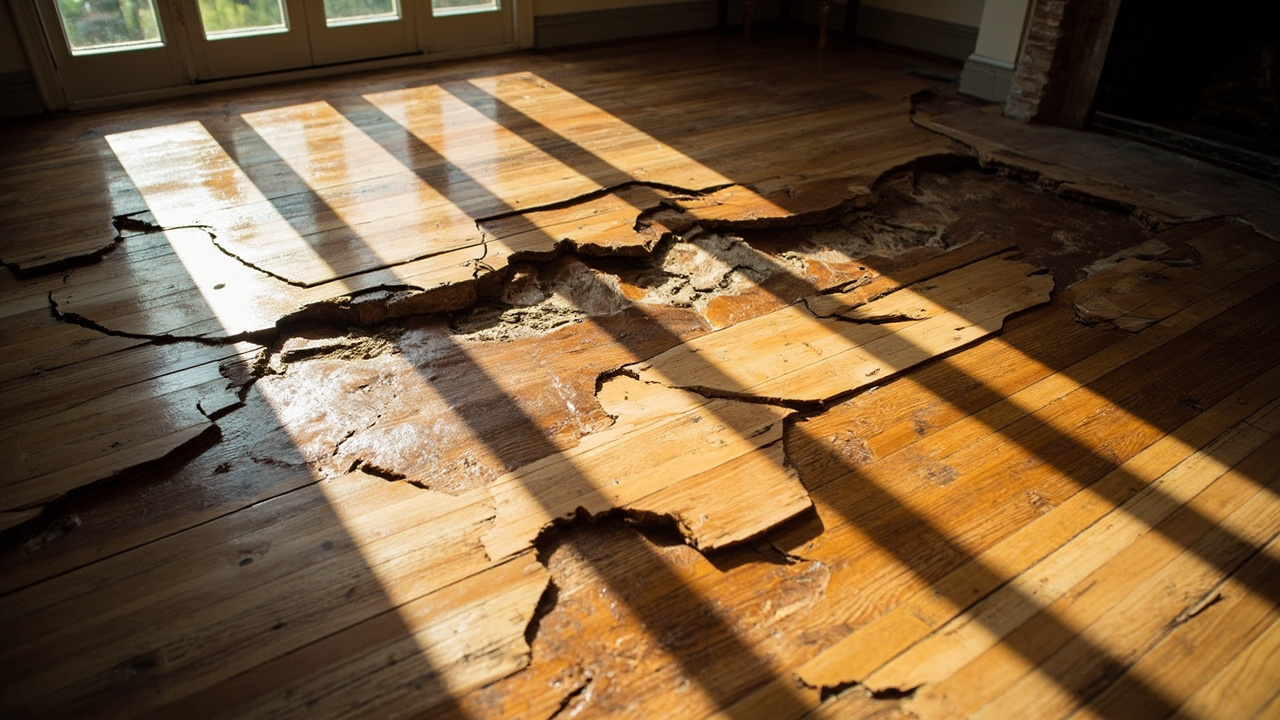
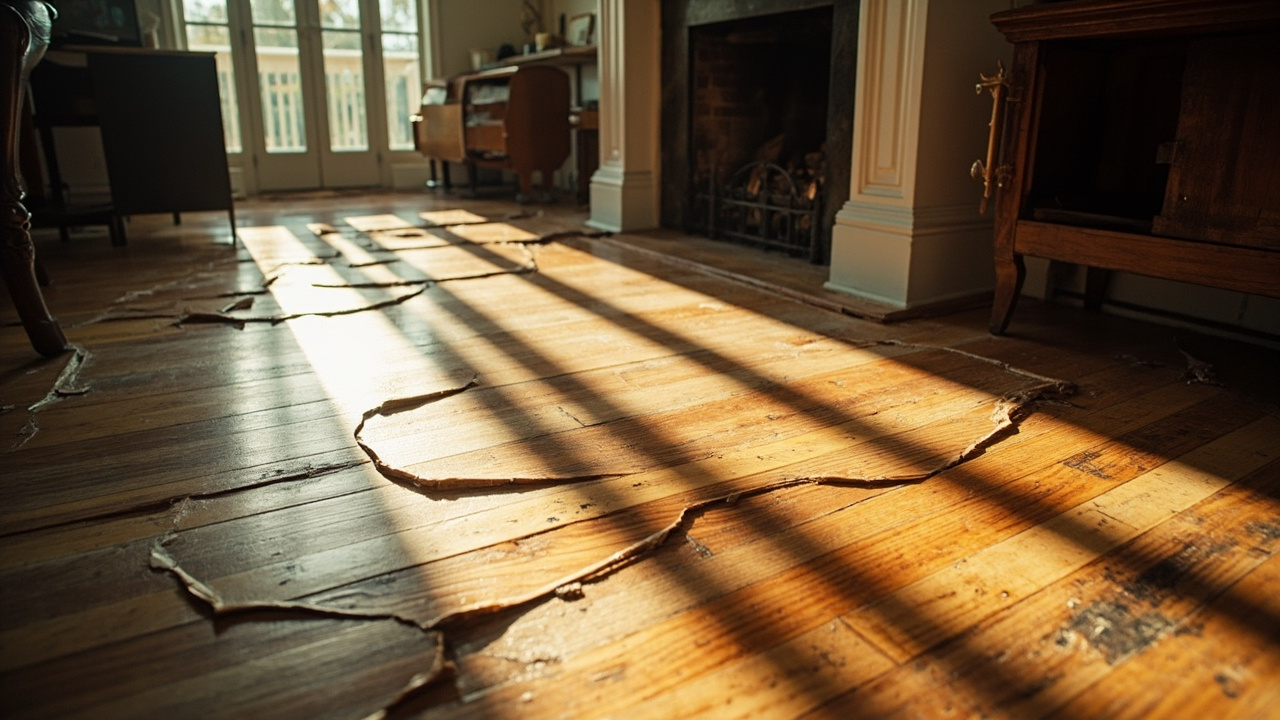
Cupping happens when the bottom of the plank absorbs moisture faster than the top. The edges curl up while the center stays flat. Buckling is worse. The entire plank lifts from the subfloor because the wood expanded beyond its nailed position. Both conditions signal active water intrusion or residual moisture that standard drying methods miss.

You cannot sand cupped floors and hope they flatten. You cannot place weights on buckled planks and expect them to stay down. The moisture source must be located, eliminated, and the wood must be dried using controlled methods. Anything less risks mold growth between the subfloor and finish floor.

Why Pittsburgh Hardwood Floors Warp and Buckle
How We Fix Warped and Buckled Hardwood Floors

How We Fix Warped and Buckled Hardwood Floors

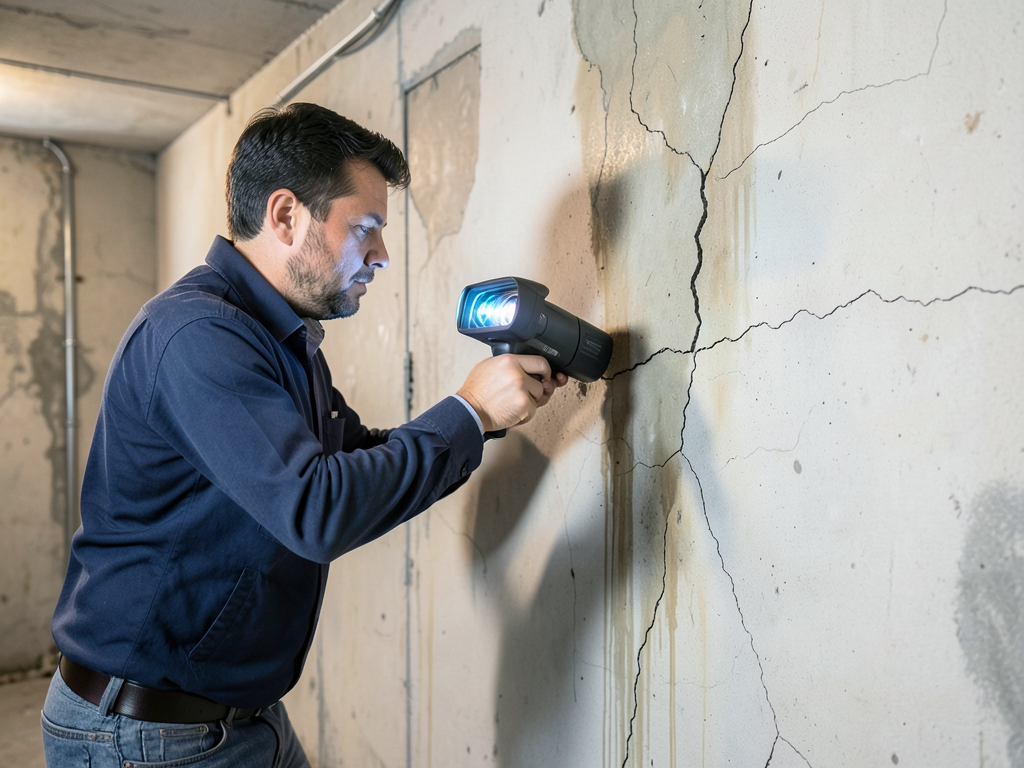
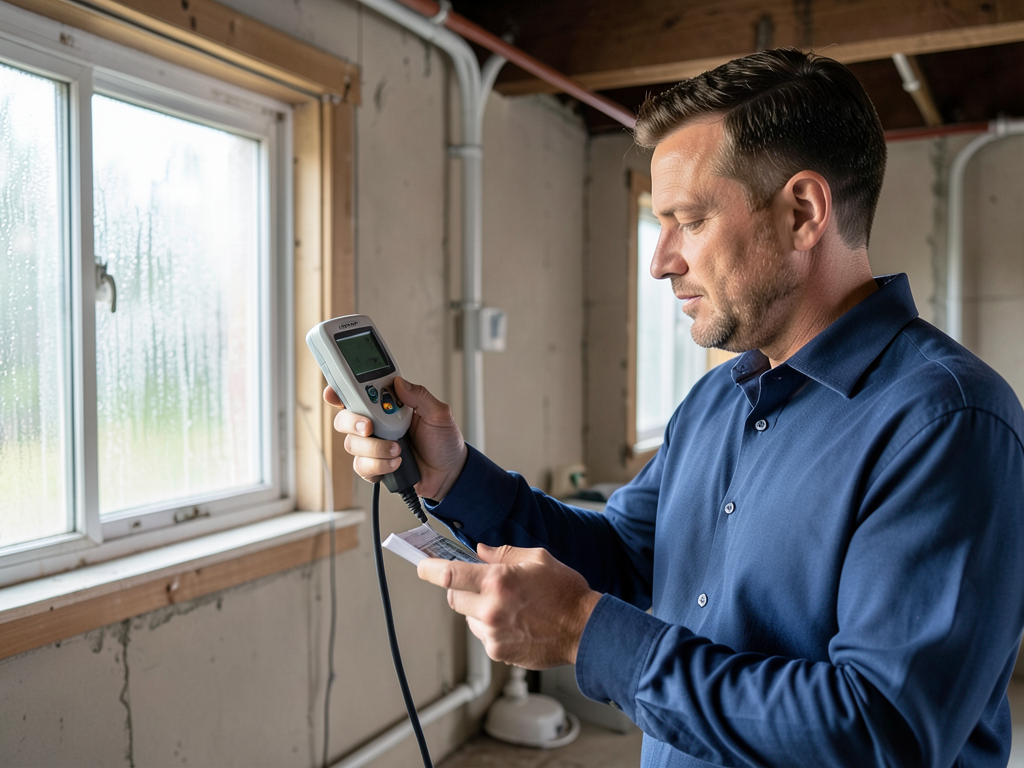
We start with moisture mapping using pin-type and pinless meters. We measure moisture content in the hardwood, the subfloor, and the structural framing below. Thermal imaging reveals hidden water pockets behind baseboards and under transitions where visual inspection misses damage.

If the source is a supply line leak, we shut off water and extract standing liquid first. If the source is a slab leak or foundation seepage, we trace the path using infrared cameras. We document moisture levels in multiple zones because water migrates laterally through wood grain and perpendicular to joist direction.

Next, we deploy low-grain refrigerant dehumidifiers and axial air movers positioned to create cross-flow drying. We do not blast heat. High temperatures cause case hardening where the surface dries but the core stays wet. We maintain ambient temperature and control relative humidity to pull moisture from the wood slowly.

For severe buckling where planks have already delaminated from the subfloor, we remove the affected boards and dry the subfloor to 12 percent moisture content or below. We check adjacent planks for expansion stress. If cupping is present but planks remain secure, we dry in place and monitor for reversal over 72 to 96 hours.

We place moisture sensors under the flooring and track drying curves in real time. When moisture content stabilizes and matches the surrounding unaffected areas, we remove equipment. We do not guess. We measure. If planks return to flat after drying, the floor can be refinished. If planks remain warped after reaching equilibrium moisture content, replacement is required.

What Happens During Wood Floor Water Damage Restoration

Cupping or Buckling Wood Floors in Pittsburgh | Expert Diagnosis and Permanent Water Damage Repair
01

Moisture Detection and Mapping

We measure moisture levels in your hardwood, subfloor, and structural components using calibrated meters and thermal imaging. This identifies the water source and determines the extent of saturation. We map affected zones and document baseline readings to track drying progress. You see exactly where the problem exists and how deep the moisture penetrated before we begin any drying work.
02

Controlled Structural Drying

We position commercial dehumidifiers and air movers to create targeted airflow across the warped planks and subfloor. We control temperature and humidity to prevent case hardening. Sensors monitor moisture levels continuously. We adjust equipment placement based on drying curves. This process takes three to seven days depending on saturation depth. We do not remove equipment until moisture content reaches equilibrium with surrounding unaffected wood.
03

Final Assessment and Recommendations

Once drying is complete, we take final moisture readings and compare them to initial measurements. If cupping reversed and planks returned to flat, we provide refinishing recommendations. If buckling remains or planks show permanent deformation, we identify which boards need replacement. You receive a detailed report with moisture data, photos, and next steps. We coordinate with flooring contractors if reinstallation is required.

Why Pittsburgh Homeowners Choose Reliance for Hardwood Floor Water Damage

We understand how Pittsburgh homes are built. Older properties in Highland Park and Point Breeze have oak strip flooring nailed to diagonal subfloors. Newer construction in the South Hills uses engineered hardwood over concrete slabs with radiant heat. Each system responds differently to water exposure.

We know the local construction methods. We know which homes have vapor barriers under the slab and which do not. We know where crawl space vents are located and how poor grading around foundations channels water toward basement walls. This local knowledge changes how we approach drying and restoration.

Reliance Water Damage Restoration Pittsburgh does not use generic drying protocols. We adjust equipment based on your floor type, subfloor material, and moisture source. We do not over-dry engineered hardwood, which can cause veneer separation. We do not under-dry solid hardwood, which leads to mold growth between boards.

We work directly with your insurance adjuster and provide detailed moisture logs that satisfy claim requirements. We photograph cupping and buckling before and after drying. We document equipment placement and daily moisture readings. This eliminates disputes and speeds up claim approval.

You also get transparency. We explain why certain planks will recover and why others will not. We show you the moisture meter readings. We walk you through the drying process so you understand what is happening and how long it takes. No surprises. No upselling. Just honest assessment and professional execution.

We are local. We respond to calls from Bloomfield to Bethel Park within hours, not days. We know the flood zones along the Allegheny and Monongahela rivers. We know which neighborhoods have combined sewer systems that back up during heavy rain. We are part of this community, and we treat your home the way we would treat our own.

What to Expect When You Call Reliance for Warped Hardwood Floors

Response Time and Availability

We arrive within two to four hours of your call. Water damage progresses quickly. Cupping can develop within 24 hours of exposure. Buckling follows within 48 to 72 hours if moisture is not removed. We operate seven days a week and respond to emergency calls at night and on weekends. When you contact us, you speak with a technician who understands wood floor water damage, not a call center operator reading a script. We assess urgency over the phone and dispatch a crew immediately if the situation requires it.

Initial Inspection and Moisture Assessment

The first visit includes a complete moisture assessment. We use pin meters to measure moisture content in the hardwood and subfloor. We use non-invasive moisture scanners to check areas where drilling test holes would damage the floor. Thermal imaging identifies hidden water pockets. We inspect crawl spaces, basements, and mechanical rooms to locate the water source. You receive a written scope of work that explains the moisture levels, the affected area, and the estimated drying time before we start any work.

Drying Results and Floor Recovery

Drying typically takes three to seven days. Minor cupping often reverses completely when moisture content drops to normal levels. Severe buckling may require plank replacement. We monitor your floors daily and provide progress updates. We do not remove drying equipment prematurely. We wait until moisture content stabilizes and matches the surrounding unaffected wood. You see the data. You see the improvement. If planks do not flatten after drying, we provide clear recommendations for repair or replacement and coordinate with qualified flooring contractors.

Documentation and Insurance Support

We document everything. You receive photos of the damage before and after drying. You receive daily moisture logs that show drying progress. You receive a final report with all measurements and recommendations. This documentation supports your insurance claim and eliminates disputes with adjusters. We communicate directly with your insurance company and provide the technical data they require. If your claim is denied, our documentation gives you the evidence needed to appeal. We also provide a written summary of work performed and materials used for your records.

Frequently Asked Questions

You Have Questions,
We Have Answers

What is the difference between cupping and buckling floors? +

Cupping occurs when the edges of wood planks rise higher than the center, creating a concave shape. This happens when moisture infiltrates from below, causing the bottom of the board to expand. Buckling is more severe. The entire plank lifts and separates from the subfloor, often warping or breaking. Buckling results from extreme moisture exposure, like flooding or prolonged leaks. Pittsburgh's humid summers and basement moisture problems frequently trigger cupping. Buckling indicates structural damage that needs immediate attention. Both issues stem from water exposure, but buckling requires professional removal and subfloor repair.

What does hardwood cupping look like? +

Cupped hardwood planks have raised edges and depressed centers, creating a shallow U-shape or washboard effect across your floor. Run your hand perpendicular to the boards. You will feel ridges where plank edges meet and valleys in the middle. The surface looks uneven under light, casting small shadows along seams. In Pittsburgh homes with damp crawlspaces or basement moisture, cupping often appears first near exterior walls or bathrooms. The wood grain may look distorted, and finish coatings crack along the cupped edges. Severe cupping creates visible gaps between boards when viewed from above.

How to fix a hardwood floor that is cupping? +

First, identify and eliminate the moisture source. Check for leaks, condensation, or groundwater intrusion common in Pittsburgh basements. Use dehumidifiers to bring humidity below 50 percent. Allow wood to dry slowly over weeks or months. Do not sand immediately. Once moisture content stabilizes, assess the damage. Minor cupping may flatten naturally. Moderate cupping requires sanding and refinishing after complete drying. Severe cases need plank replacement. Professional moisture testing ensures the subfloor is dry before repairs. Rushing repairs traps moisture and causes the problem to return. Proper drying takes patience but prevents costly mistakes.

Will cupped hardwood flatten out? +

Sometimes. If you catch cupping early and eliminate the moisture source, wood can flatten as it dries. Pittsburgh's seasonal humidity swings mean floors may partially self-correct when drier winter air returns. The wood must dry slowly and evenly. Forced drying with heaters causes cracking. Mild cupping often flattens enough that sanding and refinishing restores a smooth surface. Severe cupping may leave permanent deformation. The wood fibers compress and distort when saturated. Even after drying, some planks remain warped. Professional assessment determines if your floor will recover or needs replacement. Time and controlled conditions are critical.

Will buckled hardwood floors go back to normal? +

Rarely. Buckling indicates severe water damage and structural failure. The planks have completely separated from the subfloor, breaking adhesive bonds or popping fasteners. Even after drying, buckled boards remain warped and loose. The subfloor underneath likely suffered water damage, mold growth, or rot. Pittsburgh's older homes with crawlspaces are especially vulnerable during heavy rains or pipe bursts. You must remove buckled planks, dry and repair the subfloor, then install new flooring. Attempting to flatten buckled wood results in cracks, splits, and future failure. Buckling requires full replacement for safety and stability.

Can cupping hardwood floors be reversed? +

Yes, if addressed quickly. Cupping reverses when you remove the moisture source and allow wood to dry completely. Use dehumidifiers and fans to promote air circulation. Avoid applying heat directly. In Pittsburgh's climate, this may take several months depending on severity. Monitor moisture levels with a meter until readings match surrounding areas. Once stabilized, lightly sand the surface to remove ridges and refinish. Deep cupping that compressed wood fibers may not fully reverse. Older floors with multiple cupping cycles lose resilience. Early intervention gives the best chance for complete reversal without plank replacement.

What does a buckled hardwood floor look like? +

A buckled floor shows dramatic lifting and separation from the subfloor. Planks tent upward, creating peaks that you can see across the room. The floor feels unstable underfoot, bouncing or creaking loudly. Gaps appear between planks, and fasteners may pop through the surface. In severe cases, boards crack or splinter along the buckle. Pittsburgh homes hit by flooding or major leaks often see buckling near water entry points. The damage spreads outward as moisture migrates. Unlike cupping's gradual wave pattern, buckling creates sharp, abrupt rises. The finish cracks extensively, and boards may overlap or separate completely.

Is hardwood floor cupping normal? +

Minor seasonal cupping is normal in Pittsburgh. Humidity swings between dry winters and humid summers cause wood to expand and contract. Slight edge lifting that disappears when humidity drops is not a concern. Persistent or worsening cupping signals a moisture problem. Hardwood should not cup year-round. Check basements, crawlspaces, and plumbing for leaks. Poor vapor barriers in older Pittsburgh homes allow ground moisture to migrate upward. HVAC issues or inadequate ventilation also create chronic humidity. Normal seasonal movement is predictable and mild. Cupping that stays visible or progresses indicates water intrusion needing immediate attention.

How to detect water leak under wood floor? +

Look for dark staining or discoloration on floorboards near plumbing fixtures or exterior walls. Run your hand across the floor to feel temperature differences. Cold spots indicate water pooling underneath. Check for musty odors, which signal hidden moisture or mold. In Pittsburgh basements, inspect perimeter walls for groundwater seepage after heavy rain. Use a moisture meter to test suspect areas. Readings above 12 percent indicate a leak. Listen for dripping sounds or running water when fixtures are off. Visible cupping, buckling, or soft spots when walking are clear signs. Professional leak detection uses infrared cameras to pinpoint hidden sources.

How much does it cost to repair cupping wood floors? +

Costs vary widely based on damage severity and floor type. Minor cupping fixed by drying and refinishing runs lower than severe cases requiring plank replacement. Pittsburgh's labor rates and material costs affect pricing. Subfloor repairs add expense if water damaged the structure underneath. Moisture remediation, mold treatment, and leak repairs increase total costs. Most homeowners insurance policies cover sudden water damage like pipe bursts, reducing out-of-pocket expense. Get a professional inspection to assess damage extent. Costs depend on square footage, wood species, and whether you match existing flooring or install new material throughout the affected room.

How Pittsburgh's Climate and Construction Create Hardwood Floor Water Damage Risks

Pittsburgh receives over 38 inches of rain annually, with heavy spring storms that saturate soil and cause basement seepage. The freeze-thaw cycle from November through March stresses plumbing lines and cracks foundation walls. Homes built before 1960 often lack vapor barriers under concrete slabs, allowing groundwater to wick up into hardwood flooring. Older row homes in neighborhoods like Polish Hill and Troy Hill have limited crawl space ventilation, trapping humidity under floors during summer months. These conditions make cupping and buckling wood floors a recurring problem for homeowners across Allegheny County.

Local building codes in Pittsburgh require proper moisture mitigation during floor installation, but many older homes predate these standards. Reliance Water Damage Restoration Pittsburgh understands the construction methods used throughout the city. We know which homes have sub-slab drainage systems and which rely on perimeter drains that often fail. We know how to dry hardwood over radiant heating systems without damaging the tubing. Our technicians are trained in moisture science specific to wood flooring and have restored floors in thousands of Pittsburgh homes. When you hire local, you get expertise that understands your home's unique vulnerabilities.
Water Damage Restoration Services in The Pittsburgh Area

While we provide rapid mobile service directly to your location, you can also find our physical business location on the map below. This map highlights our primary service area and shows our commitment to serving the Pittsburgh community. We are always ready to dispatch our expert team to your home or business, no matter where you are in our service region. Feel free to use the interactive map to get directions or to visualize our proximity to you.

Address:
Reliance Water Damage Restoration Pittsburgh, 201 S Craig St, Pittsburgh, PA, 15213

Additional Services We Offer

Our news updates

Latest Articles & News from The Blogs

How to tell if you have a expensive slab leak under your Franklin Park home Franklin Park homeowners face a…

How to tell if you have a expensive slab leak under your Franklin Park home

How to tell if you have a expensive slab leak under your Franklin Park home Franklin Park homeowners face a…

What to do when your office fire sprinklers go off by mistake in Downtown Pittsburgh

What to do when your office fire sprinklers go off by mistake in Downtown Pittsburgh When fire sprinklers discharge without…

Preserving the original masonry in Mexican War Streets homes after a water leak

Preserving the original masonry in Mexican War Streets homes after a water leak When water infiltrates the historic brick and…

Contact Us

Warped hardwood does not fix itself. Call Reliance Water Damage Restoration Pittsburgh at (412) 382-8788 right now. We respond fast, dry your floors correctly, and work directly with your insurance company. Do not wait until buckling becomes irreversible.