


Menu

Sanitization & Odor Removal in Pittsburgh – Complete Antimicrobial Treatment for Homes and Businesses

Expert disinfection and deodorization services that eliminate hidden contaminants, neutralize persistent odors, and restore safe indoor air quality after water damage throughout the Pittsburgh metro area.

Slider Image 1
Slider Image 2
Slider Image 3
Slider Image 4
Slider Image 5
Slider Image 7
Slider Image 8
Slider Image 9
Slider Image 10
Slider Image 11

Why Water Damage in Pittsburgh Creates Hidden Health Risks

When water enters your property in Pittsburgh, you face more than just visible damage. The city's high humidity levels and frequent temperature swings create perfect conditions for microbial growth within 24 to 48 hours. Basements in neighborhoods like Shadyside and Squirrel Hill trap moisture against foundation walls. Older homes throughout the North Side and South Side Slopes often lack proper ventilation, which compounds the problem.

Water carries contaminants. Sewage backups from Pittsburgh's aging combined sewer system introduce dangerous pathogens. Floodwater from the Allegheny, Monongahela, or Ohio rivers deposits bacteria and chemicals into building materials. Even clean water from burst pipes allows mold spores to colonize drywall, insulation, and subflooring.

The smell you notice after water damage signals decomposition and microbial activity. That musty odor means volatile organic compounds are releasing into your air. Standard cleaning does not address contamination inside wall cavities or beneath flooring. Surface-level work leaves you breathing contaminated air and risking long-term health effects.

Professional sanitization involves antimicrobial treatment of all affected surfaces and materials. Odor control services go beyond masking smells. They eliminate the source through proper disinfection and deodorization protocols. You need targeted sanitizing and deodorizing that reaches hidden areas where water traveled through your structure.

Pittsburgh properties require odor abatement strategies that account for our building stock. Many homes here feature plaster walls, hardwood floors, and brick construction that absorb water differently than modern materials. Each surface type demands specific treatment protocols to ensure complete sanitization.

Why Water Damage in Pittsburgh Creates Hidden Health Risks
How Professional Antimicrobial Treatment Works

How Professional Antimicrobial Treatment Works

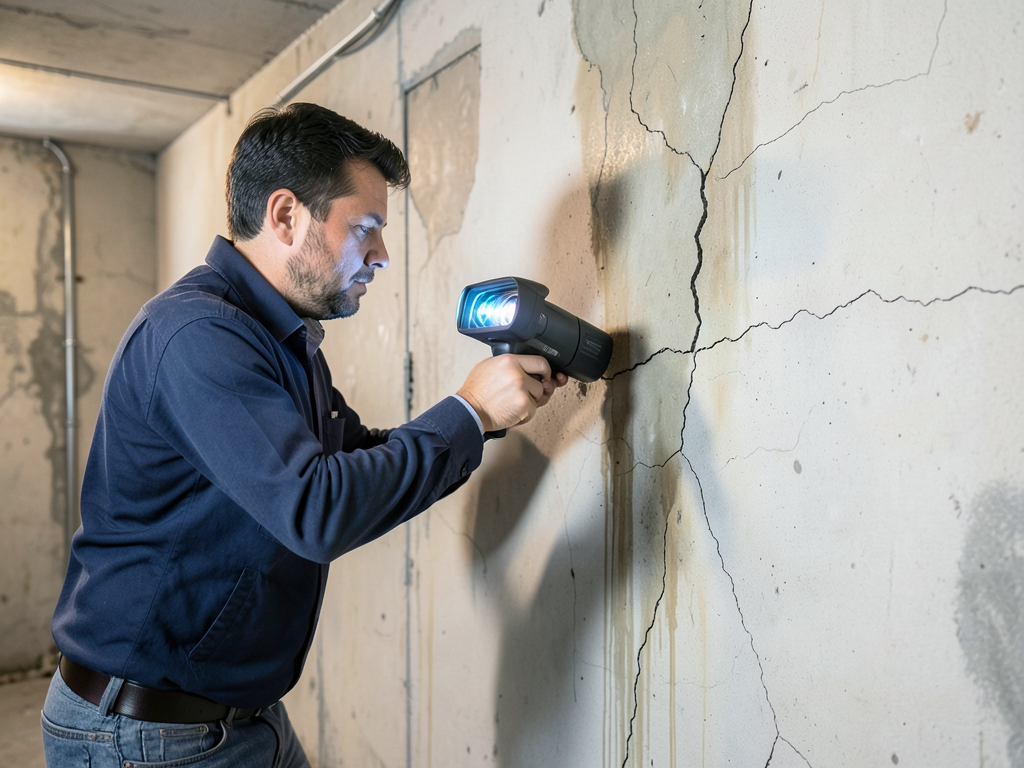
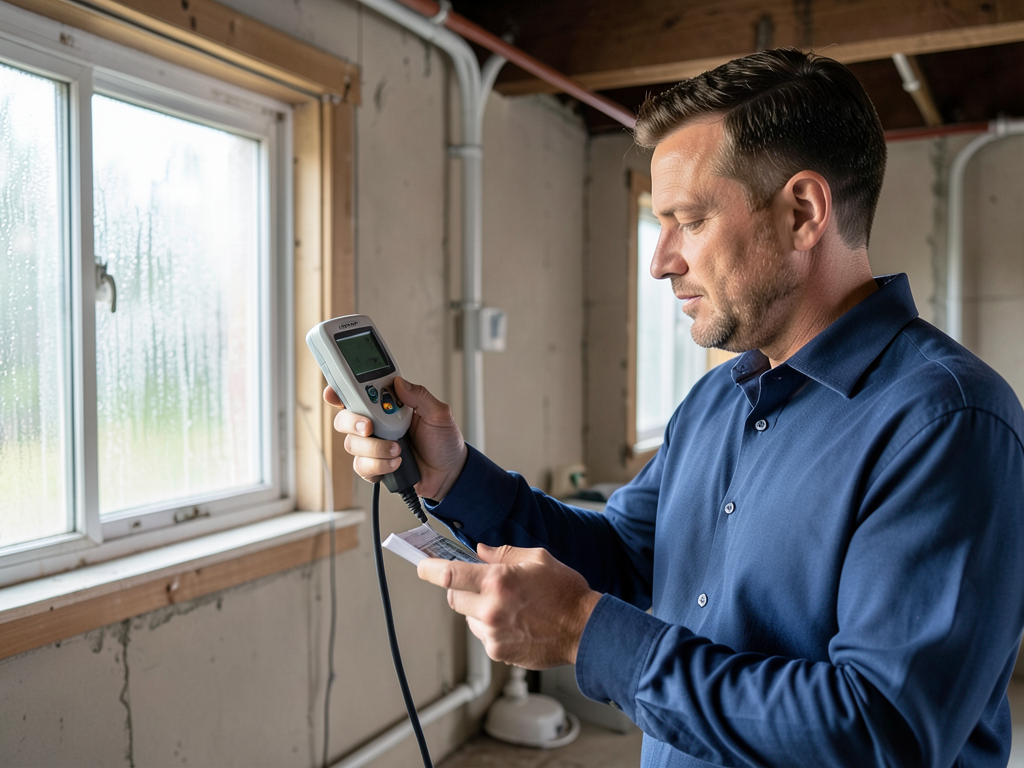
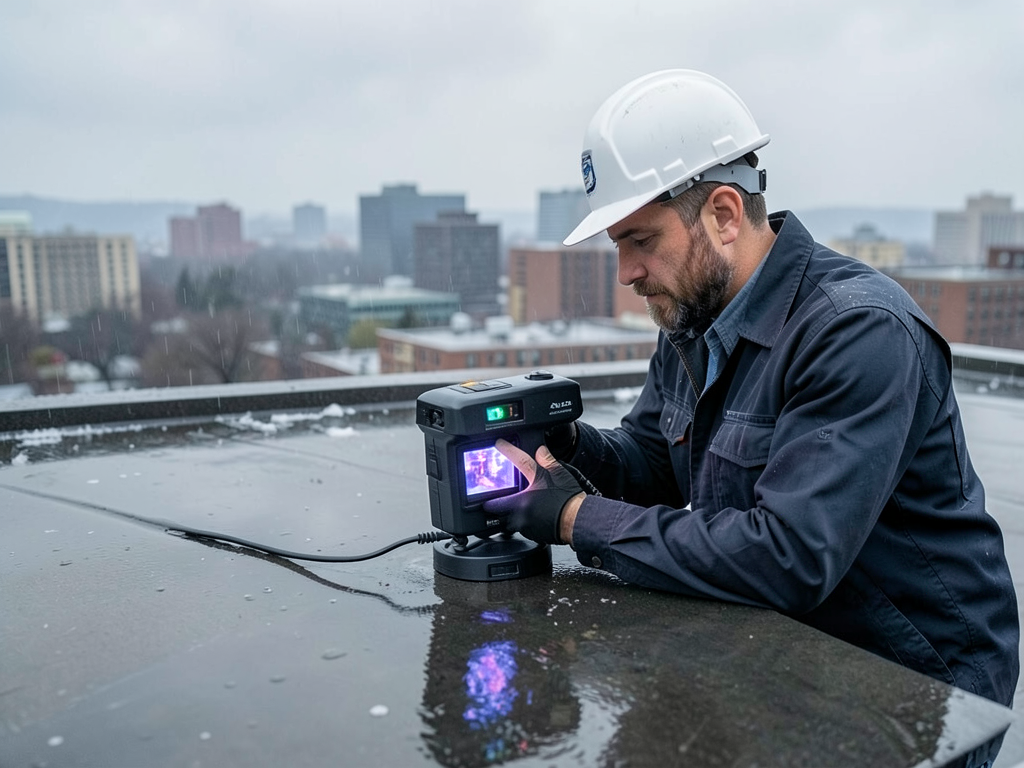
Effective sanitization begins with identifying every surface water contacted. We use moisture meters and thermal imaging cameras to map contamination beyond visible damage. Water wicks upward through capillary action in porous materials. It travels horizontally along floor joists and behind baseboards. You cannot treat what you cannot locate.

Next comes the physical removal of contaminated materials. Porous items like carpet padding, insulation, and drywall that contacted category two or three water get removed and disposed of following IICRC S500 standards. You cannot sanitize materials that absorbed sewage or chemical contaminants. They must go.

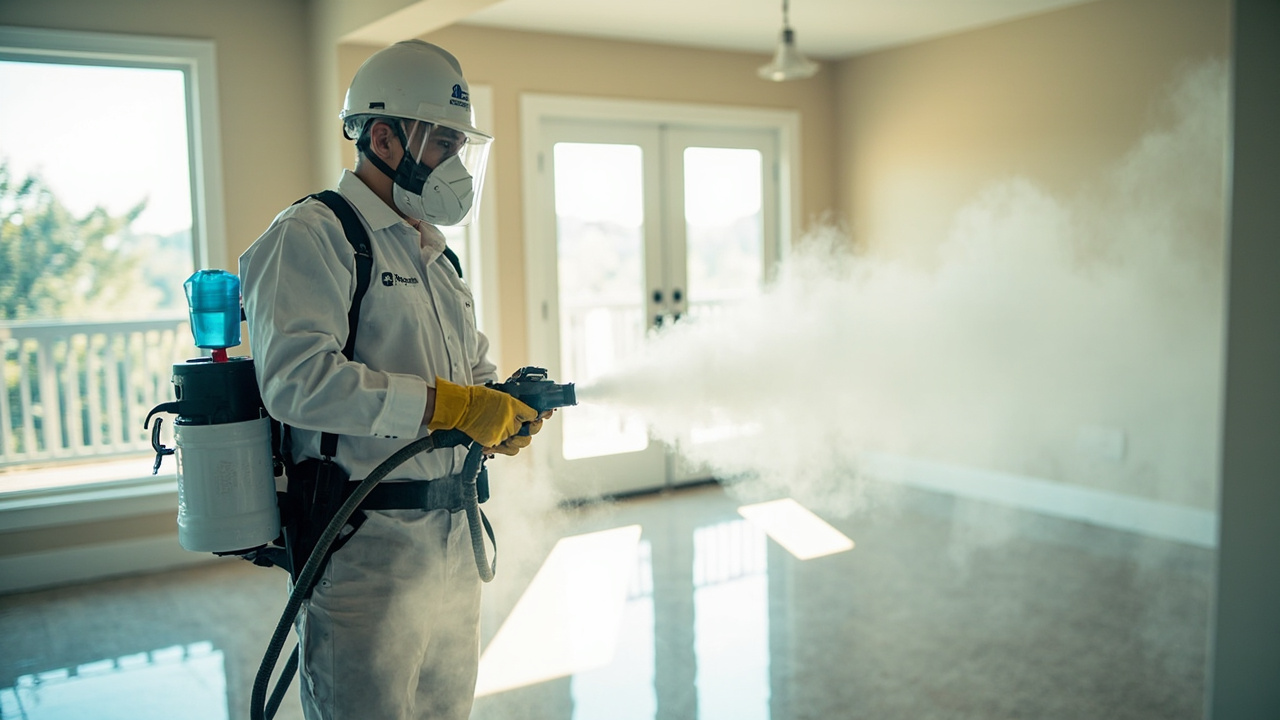
We apply EPA-registered antimicrobial agents to all affected structural surfaces. These solutions kill bacteria, viruses, and mold spores on contact. Application methods vary based on surface type. We use electrostatic sprayers for large areas, ensuring complete coverage on irregular surfaces. HVAC systems receive separate treatment because ductwork spreads contaminants throughout your property.

Odor abatement requires destroying odor-causing molecules, not covering them with fragrance. We use hydroxyl generators and ozone machines depending on the situation. Hydroxyl technology works safely in occupied spaces. Ozone treatment requires temporary evacuation but penetrates deep into materials. Both methods break down organic compounds at the molecular level.

Final steps include HEPA vacuuming and air scrubbing. Negative air pressure machines with HEPA filters capture airborne particles during the entire process. Post-remediation verification ensures microbial levels return to normal background levels. We test surfaces with ATP meters that measure biological activity. Only when readings match unaffected areas do we consider the job complete.

What Happens During Your Sanitization Service

Sanitization & Odor Removal in Pittsburgh – Complete Antimicrobial Treatment for Homes and Businesses
01

Initial Assessment and Containment

Our technicians arrive and establish containment barriers using polyethylene sheeting to prevent cross-contamination. We document all affected areas with photos and moisture readings. You receive a detailed scope of work explaining which materials require removal and which surfaces can be treated in place. We identify odor sources and develop a customized sanitization protocol based on water category and materials involved.
02

Antimicrobial Application and Treatment

After removing unsalvageable materials, we apply hospital-grade disinfectants to all structural surfaces. Treatment includes wall studs, subfloors, joists, and any remaining building materials. We fog HVAC systems and ductwork to eliminate airborne contaminants. Odor control equipment runs continuously, breaking down organic compounds while air scrubbers capture particles. Each surface receives the specific treatment chemistry required for that material type and contamination level.
03

Verification and Clearance Testing

Before closing containment barriers, we conduct ATP testing and visual inspections to verify sanitization effectiveness. Air quality measurements confirm particulate levels have returned to acceptable ranges. You receive documentation showing before and after readings. We provide a certificate of sanitization detailing all treatments performed. Only after independent verification do we consider your property safe for reoccupancy and ready for reconstruction.

Why Pittsburgh Properties Need Local Sanitization Experts

Pittsburgh's building stock presents unique challenges that out-of-town contractors miss. Many homes here date back 80 to 100 years. These structures contain horsehair plaster, solid wood lath, and balloon framing that allows water to travel vertically between floors. Generic treatment protocols fail in these buildings.

Reliance Water Damage Restoration Pittsburgh understands local construction methods. We know that homes in Polish Hill and Troy Hill often have fieldstone foundations that wick moisture continuously. Properties in Lawrenceville feature brick facades that trap water between the exterior and interior walls. Downtown commercial buildings contain terra cotta and cast iron that corrode when exposed to water and require specific antimicrobial formulations.

We also understand Pittsburgh's municipal requirements. The city's health department mandates specific protocols for sewage contamination and mold remediation. Commercial properties must meet Allegheny County Health Department standards before reoccupancy. We document every step to satisfy both insurance requirements and regulatory compliance.

Our relationship with local insurance adjusters speeds your claim process. We speak their language and provide the documentation they need to authorize work immediately. Most Pittsburgh carriers recognize our estimates as accurate, eliminating delays from multiple inspections and rework requests.

Temperature and humidity control during treatment matters tremendously in Pittsburgh's climate. Summer humidity regularly exceeds 70 percent. Winter temperature swings cause condensation inside wall cavities. We adjust our drying and treatment protocols based on real-time weather conditions, not generic formulas from national franchises. Your property gets treatment designed for Pittsburgh conditions, not Phoenix or Seattle.

What to Expect from Professional Sanitization Services

Emergency Response Timeline

We dispatch crews within two hours of your call, 24 hours a day. Sanitization cannot wait. Bacterial colonies double every 20 minutes in the right conditions. Mold spores begin germinating within 24 hours. Our trucks carry containment materials, antimicrobial agents, and air filtration equipment so work begins immediately upon arrival. Initial assessment and containment happen the same day you call. Full sanitization typically requires two to four days depending on affected area size and contamination severity. We work continuously until your property is safe.

Comprehensive Contamination Mapping

You receive a complete moisture map showing every area requiring treatment. We use thermal cameras to identify hidden water migration behind walls and under floors. Moisture meters provide precise readings at multiple depths within materials. You see exactly where water traveled and what materials are compromised. Our assessment includes water category classification that determines treatment intensity. Category three water demands complete material removal. Category two allows some materials to be saved with aggressive treatment. This evaluation protects you from inadequate treatment that leaves hidden contamination.

Verified Elimination Results

Your property receives measurable sanitization, not surface cleaning. ATP testing measures biological contamination in real numbers before and after treatment. Air quality testing documents particulate reduction. You get written verification that microbial levels match unaffected areas. No guesswork. No assumptions. The data proves your property is safe. Odors disappear completely because we eliminate the source, not mask it. Many properties smell better after our treatment than before the water damage occurred because we address contamination that existed previously.

Post-Treatment Monitoring

Sanitization includes follow-up to ensure problems do not return. We provide humidity monitoring recommendations and identify conditions that could allow future contamination. You receive documentation for your insurance carrier and future property transactions. If you notice any odors returning within 30 days, we return to investigate at no charge. Most properties never need follow-up because our initial treatment eliminates problems completely. We also educate you on preventing future water damage and maintaining healthy indoor air quality.

Frequently Asked Questions

You Have Questions,
We Have Answers

What is the strongest odor eliminator? +

Hydroxyl generators and ozone machines rank as the strongest odor eliminators for severe contamination. Commercial-grade enzymatic cleaners break down organic compounds at the molecular level. Thermal fogging penetrates porous materials like drywall and subflooring. For Pittsburgh homes dealing with flood damage or sewage backups, professionals combine these methods based on the odor source. Activated charcoal and HEPA air scrubbers remove airborne particles during treatment. The strongest approach targets the contamination source first, then treats affected materials. Surface sprays mask smells temporarily but do not eliminate embedded odors in structure materials.

What do nursing homes use to get rid of urine smell? +

Nursing homes use enzyme-based cleaners that break down uric acid crystals in flooring and mattresses. Hydrogen peroxide solutions sanitize surfaces without harsh fumes. Commercial odor encapsulants seal porous materials after cleaning. Many facilities use HEPA air purifiers with activated carbon filters to manage airborne particles. For Pittsburgh facilities in older buildings with concrete floors, professionals apply antimicrobial treatments that prevent bacterial growth. The key is treating contaminated padding and subflooring, not just surface areas. Regular extraction cleaning removes crystals before odors penetrate deeper into materials.

How do I permanently get rid of a bad smell in my house? +

Find the odor source first. Check crawl spaces, attic insulation, and HVAC ducts for mold, dead animals, or moisture damage. Pittsburgh's high humidity causes hidden mold growth in basements and behind walls. Remove contaminated materials like water-damaged drywall or insulation. Clean HVAC systems and replace filters. Use thermal fogging or hydroxyl generators for embedded odors in structure materials. Seal concrete floors and treat subflooring with enzymatic cleaners. Fix moisture problems with dehumidifiers and proper ventilation. Surface cleaning alone will not eliminate odors coming from within walls or under flooring.

What do nurses use to block smells? +

Nurses apply mentholated ointment under their nostrils to block strong odors during patient care. Peppermint oil and eucalyptus oil work similarly. Some wear masks with essential oil drops. Activated charcoal masks filter airborne particles. For Pittsburgh medical facilities dealing with decomposition or severe contamination, professionals use full respirators with HEPA and carbon filters. These methods provide temporary relief but do not eliminate odor sources. Medical settings combine personal barriers with industrial air scrubbers and negative air machines to manage airborne contaminants during cleanup procedures.

What kills all smells? +

No single product kills all smells. Ozone destroys odor molecules through oxidation but requires evacuation during treatment. Hydroxyl generators work similarly without evacuation requirements. Enzymatic cleaners break down organic compounds like urine, feces, and decomposition fluids. Thermal fogging penetrates porous materials but needs professional application. For Pittsburgh homes with mixed contamination from flooding or sewage, professionals layer multiple treatments. The contamination source determines the method. Smoke damage requires different treatment than biological contamination. Complete odor removal requires identifying what caused the smell and treating affected materials appropriately.

What do realtors use to make a house smell good? +

Realtors use vanilla extract, cinnamon, or citrus scents to mask odors before showings. Baked cookies or bread create temporary pleasant smells. These methods hide problems but do not eliminate odors. Pittsburgh homes with basement moisture or old carpeting need professional treatment before listing. Buyers notice lingering pet odors, smoke damage, or mold smells during inspections. Professional sanitization and odor removal increases property value and speeds sales. Thermal fogging, ozone treatment, and carpet replacement address actual contamination. Staging a home with air fresheners without fixing the source backfires during buyer walkthroughs.

What is the old lady's smell called? +

The musty smell associated with elderly homes is called nonenal. Your body produces this aldehyde compound after age 40 through oxidized fatty acids in skin oils. It clings to fabrics, carpeting, and upholstery. Poor ventilation and closed-up homes concentrate the odor. Pittsburgh's older housing stock with limited airflow worsens the problem. Professional treatment includes deep cleaning all textiles, HVAC duct cleaning, and hydroxyl generation. Improving air circulation with ventilation fans helps. Regular washing of bedding and upholstered furniture reduces buildup. The compound embeds in porous materials and requires extraction cleaning to remove.

How do professionals remove pee smell? +

Professionals extract contaminated padding and treat subflooring with enzymatic cleaners that break down uric acid crystals. Black lights identify hidden contamination in carpeting and concrete. They seal porous surfaces with antimicrobial coatings after cleaning. For Pittsburgh homes with pet damage in basements or hardwood floors, treatment includes subfloor replacement when contamination penetrates wood grain. Hydroxyl generators neutralize airborne molecules after material removal. The key is reaching contamination below surface materials. Carpet cleaning alone does not eliminate odors from padding or concrete. Complete removal requires treating all affected layers.

What do morticians use to block smells? +

Morticians use Vicks VapoRub under their nostrils and full respirators with carbon filters during decomposition cases. Embalming fluid neutralizes decomposition odors in remains. Facilities use industrial air scrubbers and ozone machines between cases. For Pittsburgh property owners dealing with unattended death cleanup, professionals use the same protective equipment during remediation. They remove contaminated materials, treat subflooring with enzymatic cleaners, and run hydroxyl generators. The goal is eliminating contamination sources, not just blocking smells. Personal protective barriers help workers but do not clean the property.

What is the hardest smell to get rid of in a house? +

Smoke damage from structure fires ranks as the hardest smell to eliminate. Combustion particles penetrate drywall, insulation, and HVAC systems. Pittsburgh homes with basement fires face additional challenges from porous concrete and floor joists. Decomposition odors and sewage contamination also require extensive treatment. These smells embed in building materials and need professional thermal fogging, ozone treatment, or material replacement. Pet urine that saturates subflooring comes close. The difficulty depends on how long contamination remained and how deeply it penetrated. Surface cleaning will not remove embedded fire or decomposition odors.

How Pittsburgh's Humidity and Aging Infrastructure Demand Professional Odor Abatement

Pittsburgh averages 74 percent relative humidity during summer months. This persistent moisture keeps materials damp long after visible water disappears. Basements throughout neighborhoods like Mount Washington and Highland Park maintain 80 to 90 percent humidity year-round due to poor ventilation and groundwater pressure. These conditions allow microbial growth to continue for weeks after amateur cleanup attempts. The city's aging combined sewer system regularly backs up during heavy rain, sending contaminated water into thousands of basements annually. This category three water requires aggressive antimicrobial treatment and odor control services that standard cleaning companies cannot provide. Pittsburgh properties need sanitization protocols designed for persistent humidity and frequent contamination events.

Local expertise matters because Pittsburgh building codes and health regulations differ significantly from other regions. Allegheny County requires specific documentation for sewage contamination and mold remediation before reoccupancy permits are issued. Commercial properties must meet Pennsylvania Department of Health standards that exceed federal minimums. Reliance Water Damage Restoration Pittsburgh maintains relationships with local inspectors and understands municipal requirements that out-of-town contractors miss. We also understand how to work in Historic Districts where material removal requires approval. Pittsburgh properties deserve contractors who know local regulations and can navigate permitting efficiently.
Water Damage Restoration Services in The Pittsburgh Area

While we provide rapid mobile service directly to your location, you can also find our physical business location on the map below. This map highlights our primary service area and shows our commitment to serving the Pittsburgh community. We are always ready to dispatch our expert team to your home or business, no matter where you are in our service region. Feel free to use the interactive map to get directions or to visualize our proximity to you.

Address:
Reliance Water Damage Restoration Pittsburgh, 201 S Craig St, Pittsburgh, PA, 15213

Additional Services We Offer

Our news updates

Latest Articles & News from The Blogs

How to tell if you have a expensive slab leak under your Franklin Park home Franklin Park homeowners face a…

How to tell if you have a expensive slab leak under your Franklin Park home

How to tell if you have a expensive slab leak under your Franklin Park home Franklin Park homeowners face a…

What to do when your office fire sprinklers go off by mistake in Downtown Pittsburgh

What to do when your office fire sprinklers go off by mistake in Downtown Pittsburgh When fire sprinklers discharge without…

Preserving the original masonry in Mexican War Streets homes after a water leak

Preserving the original masonry in Mexican War Streets homes after a water leak When water infiltrates the historic brick and…

Contact Us

Do not let contamination threaten your health. Call Reliance Water Damage Restoration Pittsburgh at (412) 382-8788 right now. We dispatch immediately and begin sanitization the same day. Your property will be safe, clean, and odor-free.