




Menu

Fire Sprinkler Water Cleanup in Pittsburgh – 24/7 Emergency Response Stops Damage in Minutes

Reliance Water Damage Restoration Pittsburgh dispatches certified technicians to your property within 60 minutes of your call for rapid fire sprinkler water cleanup, protecting your building from secondary mold and structural damage.

Slider Image 1
Slider Image 2
Slider Image 3
Slider Image 4
Slider Image 5
Slider Image 7
Slider Image 8
Slider Image 9
Slider Image 10
Slider Image 11

Accidental Sprinkler Discharge Can Flood Your Building in Seconds

A single activated sprinkler head releases 15 to 30 gallons per minute. In Pittsburgh's older commercial buildings, particularly those in the Strip District and Downtown, aging fire suppression systems are prone to accidental discharge from frozen pipes during winter or mechanical failure. When a sprinkler goes off without a fire, you face a different crisis. The water does not stop until someone shuts down the system. By that time, hundreds of gallons have soaked floors, walls, inventory, and equipment.

Pittsburgh's freeze-thaw cycles stress these systems. When temperatures drop below freezing in January and February, water inside unheated sprinkler pipes can freeze and burst. The sudden thaw triggers a deluge. You need emergency sprinkler water removal before the water seeps into subfloors, drywall cavities, and HVAC systems. Standing water promotes microbial growth within 24 to 48 hours. Delayed response turns a mechanical failure into a mold remediation project.

Fire suppression system water extraction is not the same as handling a pipe leak. Sprinkler water often contains rust, sediment, and corrosion inhibitors from the pipes. This contaminated water requires specialized extraction and antimicrobial treatment. You cannot wait for regular business hours. Every minute of delay increases the cost and complexity of the restoration. Reliance Water Damage Restoration Pittsburgh operates 24/7 because we know accidental sprinkler discharge does not follow a schedule.

Accidental Sprinkler Discharge Can Flood Your Building in Seconds
Our Burst Fire Sprinkler Flood Remediation Process Prioritizes Structural Drying

Our Burst Fire Sprinkler Flood Remediation Process Prioritizes Structural Drying

When you call us for fire sprinkler water damage restoration, our first step is source control. We confirm the fire suppression system is shut down and no additional water is flowing. This sounds basic, but we have responded to properties where building management thought they stopped the flow, only to find a secondary valve still open. We verify everything before extraction begins.

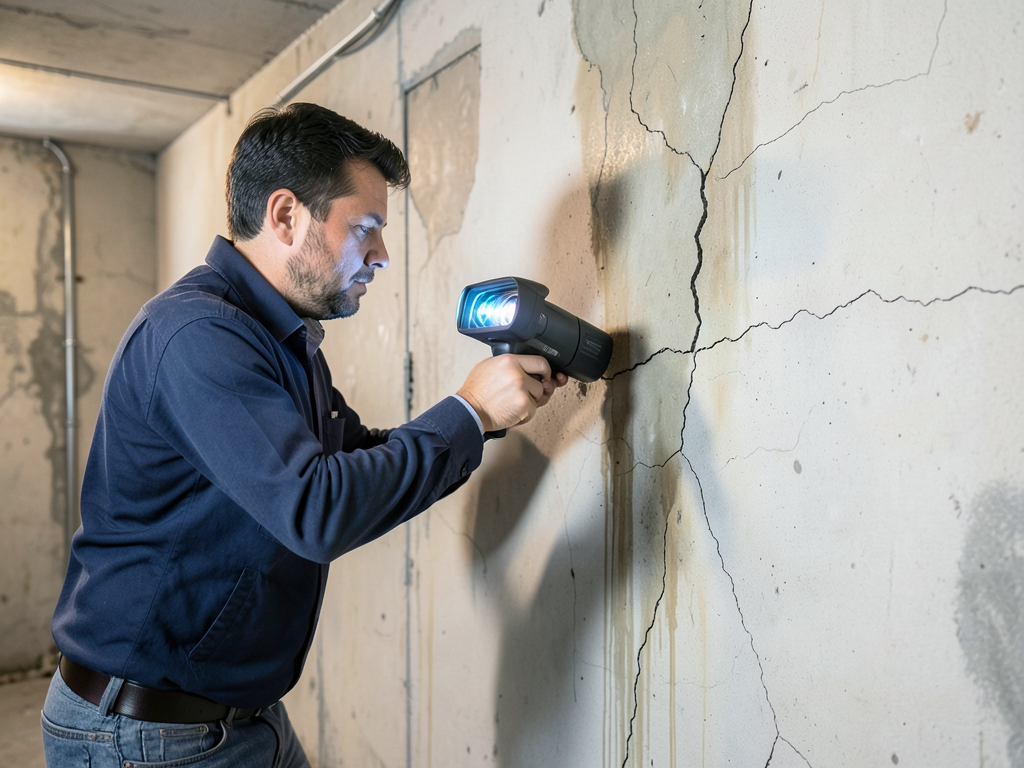
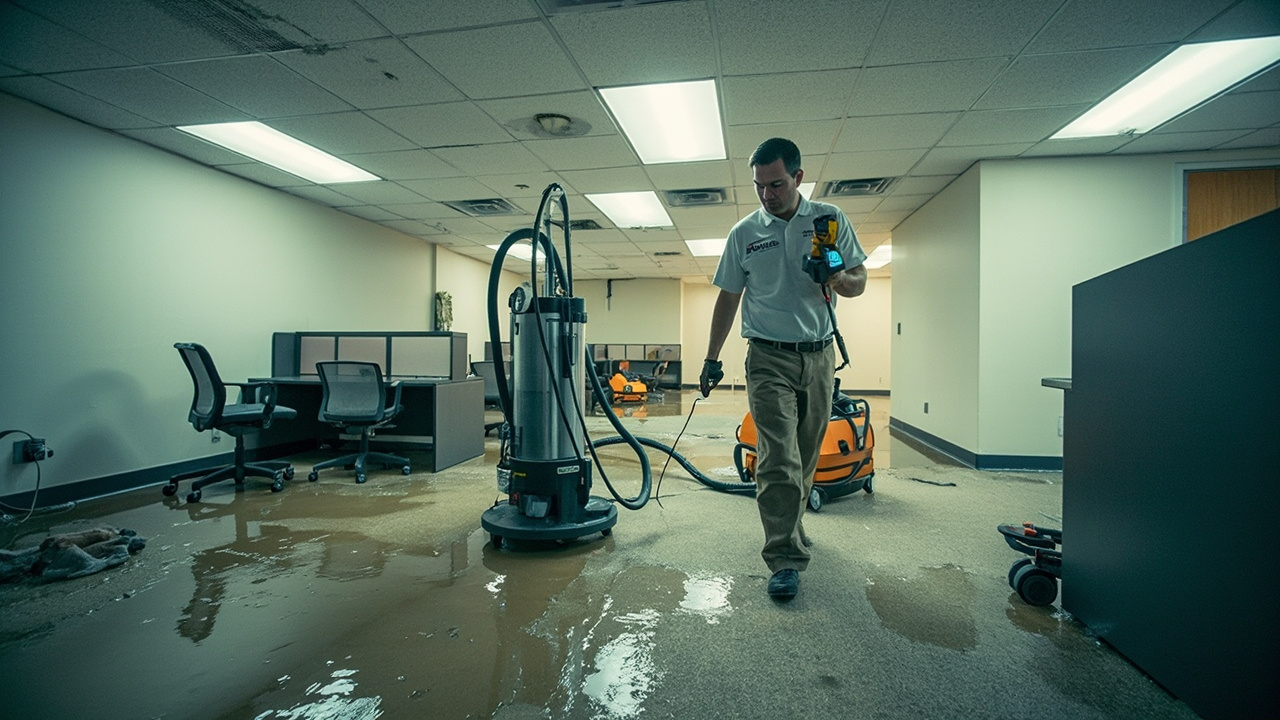
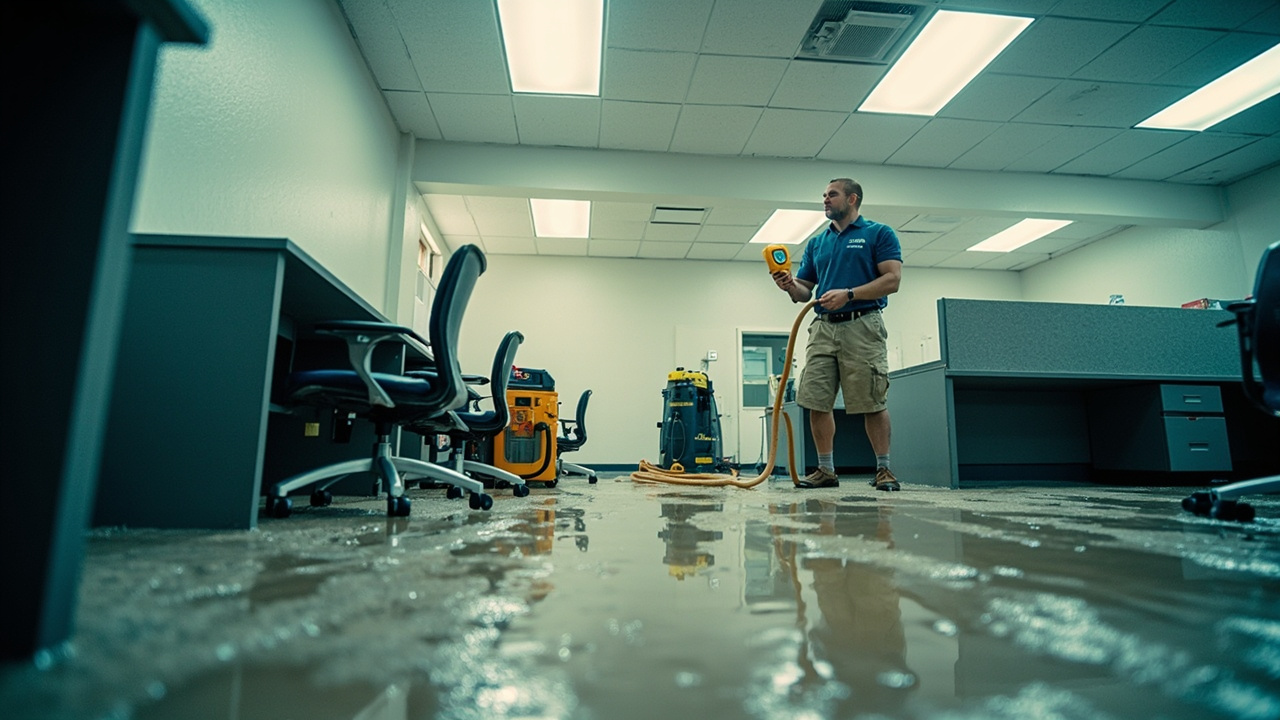
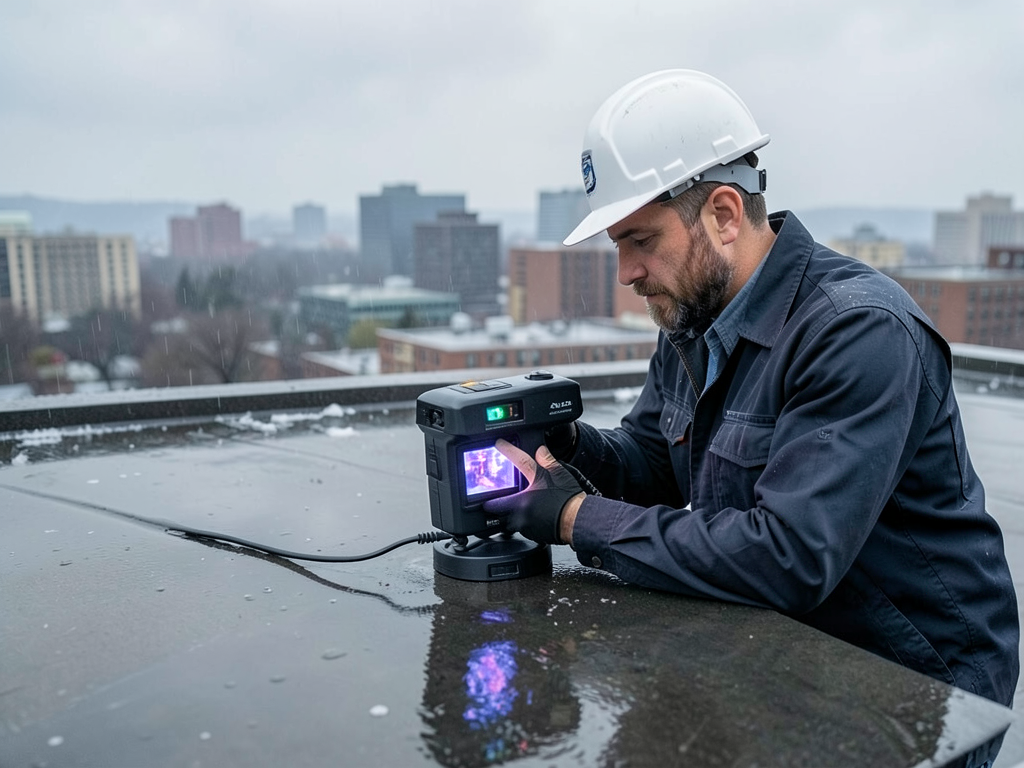
Next, we deploy truck-mounted extractors to remove standing water. These units pull hundreds of gallons per hour, far faster than shop vacs or mops. Speed matters because sprinkler water spreads laterally through concrete slabs and seeps vertically through drywall. We use thermal imaging cameras to map moisture intrusion behind walls and under flooring. This technology shows us where water has traveled beyond the visible flood zone.

After extraction, we place industrial air movers and commercial dehumidifiers to accelerate evaporation. The goal is to bring materials below 15 percent moisture content within 72 hours. We monitor humidity levels and adjust equipment placement based on real-time readings. Pittsburgh's high summer humidity can slow drying, so we often introduce external venting to exhaust moist air and pull in drier outdoor air when conditions allow.

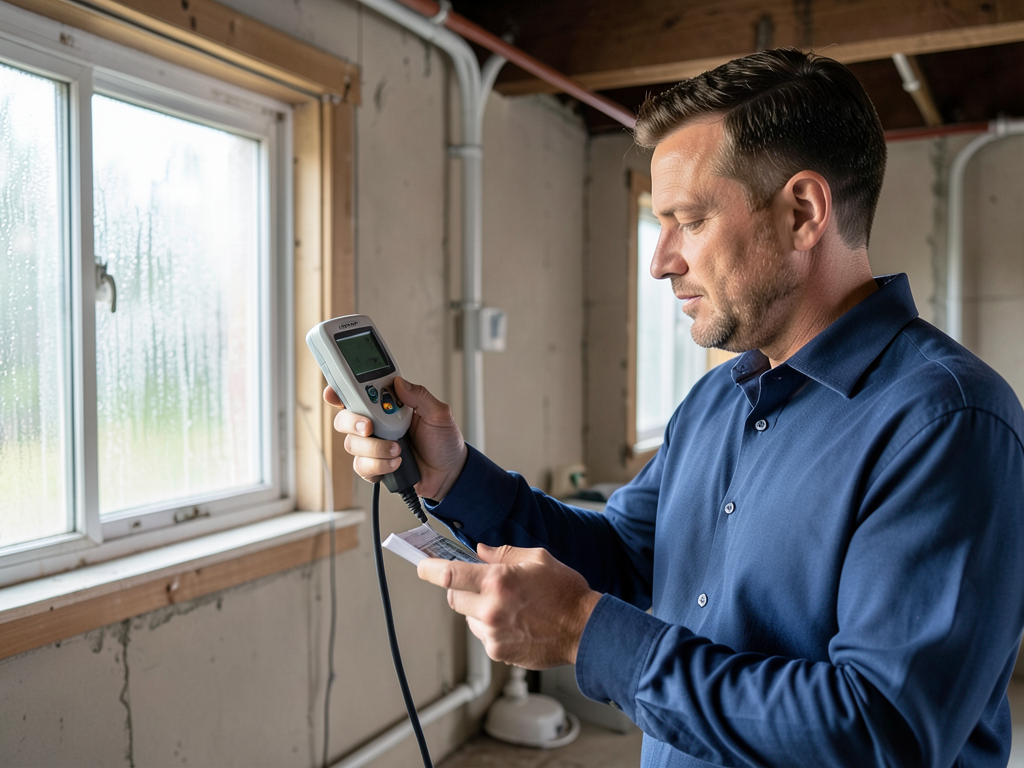
We document everything with moisture meters and photo logs for your insurance claim. Accidental sprinkler discharge cleanup requires detailed records to prove mitigation efforts and justify the scope of work. We communicate directly with your adjuster to streamline the process and prevent disputes over coverage.

What Happens When You Call for Emergency Sprinkler Water Removal

Fire Sprinkler Water Cleanup in Pittsburgh – 24/7 Emergency Response Stops Damage in Minutes
01

Immediate Dispatch and Assessment

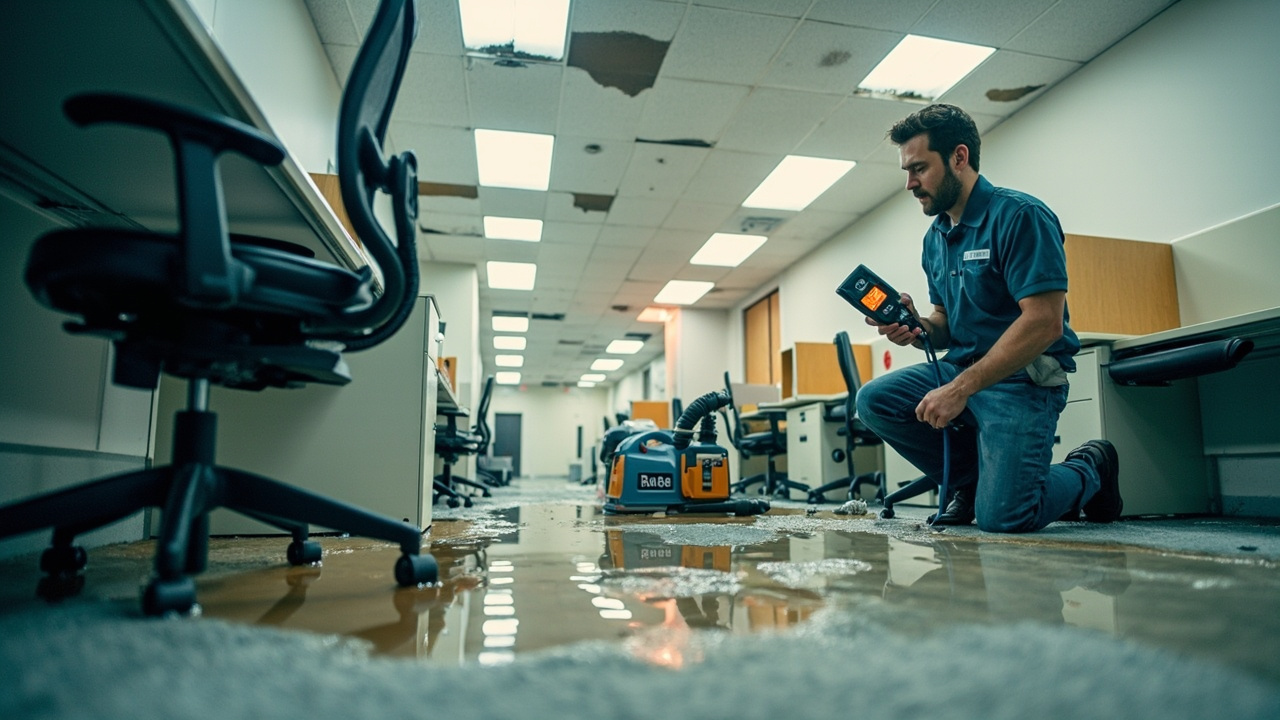
We answer your call 24/7 and dispatch a crew to your Pittsburgh property within 60 minutes. Our technician arrives with extraction equipment, moisture meters, and thermal imaging cameras. We assess the extent of the flood, identify affected materials, and confirm the sprinkler system is deactivated. You receive an on-site action plan before we begin extraction, so you understand the scope and timeline.
02

High-Volume Water Extraction

Our truck-mounted extractors remove standing water at rates up to 500 gallons per hour. We extract from carpets, tile, concrete, and subflooring using weighted wands that compress materials and pull embedded moisture. Sprinkler water often contains rust and sediment, so we use filtration to prevent clogs and maintain suction power. We move furniture and equipment to access all affected areas and prevent further damage.
03

Structural Drying and Verification

We install air movers and dehumidifiers to achieve complete drying within 72 to 96 hours. Our team monitors moisture levels daily using pin and pinless meters. When readings confirm materials are dry, we remove equipment and provide a completion report with before-and-after documentation. This report supports your insurance claim and verifies your property is safe from secondary mold growth and structural compromise.

Why Pittsburgh Property Owners Trust Reliance for Fire Suppression System Water Extraction

We understand Pittsburgh's building stock. Many commercial properties in Lawrenceville, Bloomfield, and the North Side were built between 1920 and 1960, before modern fire codes standardized sprinkler installations. These older systems use galvanized steel pipes that corrode over time, increasing the risk of accidental discharge. When you call us, we know what we are walking into. We have handled burst fire sprinkler flood remediation in historic warehouses, mid-century office buildings, and converted loft spaces.

Our technicians are trained in IICRC water damage restoration standards and equipped to handle contaminated water. Sprinkler water is not clean. It sits in pipes for years, collecting rust and biofilm. We treat it as Category 2 contaminated water and apply antimicrobial agents after extraction to prevent bacterial growth. This level of care is not optional. It is the standard.

We work directly with property managers, building owners, and insurance adjusters. Our documentation process is thorough because we know Pittsburgh adjusters require detailed moisture logs, equipment placement diagrams, and photo evidence. We provide this without prompting. Our goal is to make your claim process smooth and your property habitable as fast as possible.

Local expertise matters. We know which Pittsburgh neighborhoods experience the most freeze-related sprinkler failures. We know which insurance carriers operate in the region and what they expect in terms of documentation. We know local building inspectors and can coordinate re-inspections if required. You are not hiring a national chain with a local phone number. You are hiring a team that lives and works in this city.

What to Expect During Fire Sprinkler Water Cleanup in Pittsburgh

Arrival Time and Availability

We operate 24 hours a day, 365 days a year. When a sprinkler discharges at 2 a.m. on a Sunday, you cannot wait until Monday morning. Our average response time is 60 minutes for emergency calls within Pittsburgh and the immediate metro area. We answer the phone on the first or second ring. No automated menus. No waiting for a callback. You speak with a dispatcher who can deploy a crew immediately. Our trucks are pre-stocked with extraction equipment, air movers, dehumidifiers, and moisture detection tools, so we do not need to return to the shop for supplies.

Initial Inspection and Scope Development

Our technician conducts a room-by-room assessment using thermal imaging and moisture meters. We identify visible damage and hidden moisture migration. Sprinkler water does not respect boundaries. It flows through wall cavities, under baseboards, and into adjacent rooms. We map the full extent of the intrusion before extraction begins. You receive a verbal summary on-site and a written scope within 24 hours. This document includes affected square footage, material types, recommended equipment, and estimated drying time. We use this scope to coordinate with your insurance adjuster and set accurate expectations.

Final Drying and Completion Standards

We do not remove equipment until moisture readings confirm complete drying. Our target is below 15 percent moisture content for wood and below 1.5 percent for concrete. We take daily readings and adjust air mover placement to address stubborn pockets of moisture. When drying is complete, we provide a final moisture map and digital photos showing meter readings. This documentation proves due diligence and protects you from future claims of inadequate mitigation. We also provide recommendations for repairs, such as replacing damaged drywall or refinishing flooring, though we do not perform reconstruction ourselves.

Insurance Coordination and Documentation

We handle direct communication with your insurance carrier if you authorize it. Our team submits moisture logs, equipment lists, and photo documentation to support your claim. We know what adjusters need to approve coverage for emergency sprinkler water removal. Most commercial property policies cover sudden and accidental discharge, but insurers require proof of timely mitigation to prevent denial based on neglect. We create that paper trail from day one. If disputes arise, we provide expert statements and attend adjuster walk-throughs to clarify the scope and necessity of our work.

Frequently Asked Questions

You Have Questions,
We Have Answers

Why Pittsburgh's Freeze-Thaw Cycles Make Fire Sprinkler Water Cleanup Time-Sensitive

Pittsburgh experiences an average of 28 freeze-thaw cycles per winter. Temperatures drop below freezing overnight, then rise above 32 degrees during the day. This cycling stresses fire suppression system piping in unheated spaces like attics, stairwells, and parking garages. Ice forms inside the pipes, expands, and cracks fittings or welds. When the ice melts, the crack becomes a pressurized leak. Older buildings in neighborhoods like Polish Hill and Troy Hill, where many structures predate modern insulation standards, are particularly vulnerable. Rapid response to burst fire sprinkler flood remediation prevents water from saturating joists, insulation, and ceiling tiles, which are costly to replace and can harbor mold if not dried within 48 hours.

Pittsburgh building codes require fire suppression systems in most commercial and multi-family residential buildings over three stories. These systems save lives, but they also introduce maintenance and liability concerns. Property owners are responsible for ensuring sprinkler systems are inspected annually and kept in working order. When accidental discharge occurs, insurance carriers scrutinize maintenance records. Reliance Water Damage Restoration Pittsburgh works with local fire safety contractors and building inspectors to ensure our mitigation work meets city and state standards. Our documentation supports your compliance efforts and demonstrates proactive risk management, which can influence future insurance premiums and liability exposure.
Water Damage Restoration Services in The Pittsburgh Area

While we provide rapid mobile service directly to your location, you can also find our physical business location on the map below. This map highlights our primary service area and shows our commitment to serving the Pittsburgh community. We are always ready to dispatch our expert team to your home or business, no matter where you are in our service region. Feel free to use the interactive map to get directions or to visualize our proximity to you.

Address:
Reliance Water Damage Restoration Pittsburgh, 201 S Craig St, Pittsburgh, PA, 15213

Additional Services We Offer

Our news updates

Latest Articles & News from The Blogs

How to tell if you have a expensive slab leak under your Franklin Park home Franklin Park homeowners face a…

How to tell if you have a expensive slab leak under your Franklin Park home

How to tell if you have a expensive slab leak under your Franklin Park home Franklin Park homeowners face a…

What to do when your office fire sprinklers go off by mistake in Downtown Pittsburgh

What to do when your office fire sprinklers go off by mistake in Downtown Pittsburgh When fire sprinklers discharge without…

Preserving the original masonry in Mexican War Streets homes after a water leak

Preserving the original masonry in Mexican War Streets homes after a water leak When water infiltrates the historic brick and…

Contact Us

Every minute counts after a sprinkler discharge. Call Reliance Water Damage Restoration Pittsburgh at (412) 382-8788 right now. We dispatch crews 24/7 and arrive within 60 minutes to stop the damage and begin extraction.