


Menu

Commercial Sewage Cleanup in Pittsburgh – Industrial-Grade Remediation That Keeps Your Business Operational

Reliance Water Damage Restoration Pittsburgh delivers rapid commercial sewage remediation designed to minimize downtime, protect your workforce, and ensure full regulatory compliance across industrial facilities, retail spaces, and office buildings.

Slider Image 1
Slider Image 2
Slider Image 3
Slider Image 4
Slider Image 5
Slider Image 7
Slider Image 8
Slider Image 9
Slider Image 10
Slider Image 11

Why Pittsburgh Commercial Properties Face Elevated Sewage Backup Risk

Pittsburgh's aging sanitary infrastructure creates significant liability exposure for commercial property operators. The city's combined sewer system, built over a century ago to serve the steel industry, still handles both stormwater and sanitary waste through shared lines. During heavy precipitation events, which have increased 42% in southwestern Pennsylvania over the past three decades, these systems experience hydraulic overload. The result is black water intrusion into ground-level commercial spaces, particularly in older districts like the Strip District and Lawrenceville.

Commercial sewer backup cleaning demands immediate response because Category 3 water contains pathogens, industrial chemicals, and biological contaminants that trigger OSHA notification requirements. Every hour of delayed commercial sewage removal increases cross-contamination risk to inventory, equipment, and structural materials. For restaurants, healthcare facilities, and food processing operations, the Pennsylvania Department of Health mandates immediate cessation of operations until professional industrial sewage cleanup restores sanitary conditions.

The Three Rivers convergence creates hydrostatic pressure against foundation walls during flood stage events. This pressure forces sewage backward through floor drains, creating widespread contamination across warehouse floors, retail spaces, and mechanical rooms. Commercial black water extraction requires industrial extraction equipment capable of handling debris-laden water and chemical disinfection protocols that meet EPA standards for pathogen elimination. Standard janitorial services cannot address these hazards. You need commercial sewage remediation that understands both the biological threat and the business continuity equation.

Why Pittsburgh Commercial Properties Face Elevated Sewage Backup Risk
How Professional Commercial Sewage Remediation Protects Your Operation

How Professional Commercial Sewage Remediation Protects Your Operation

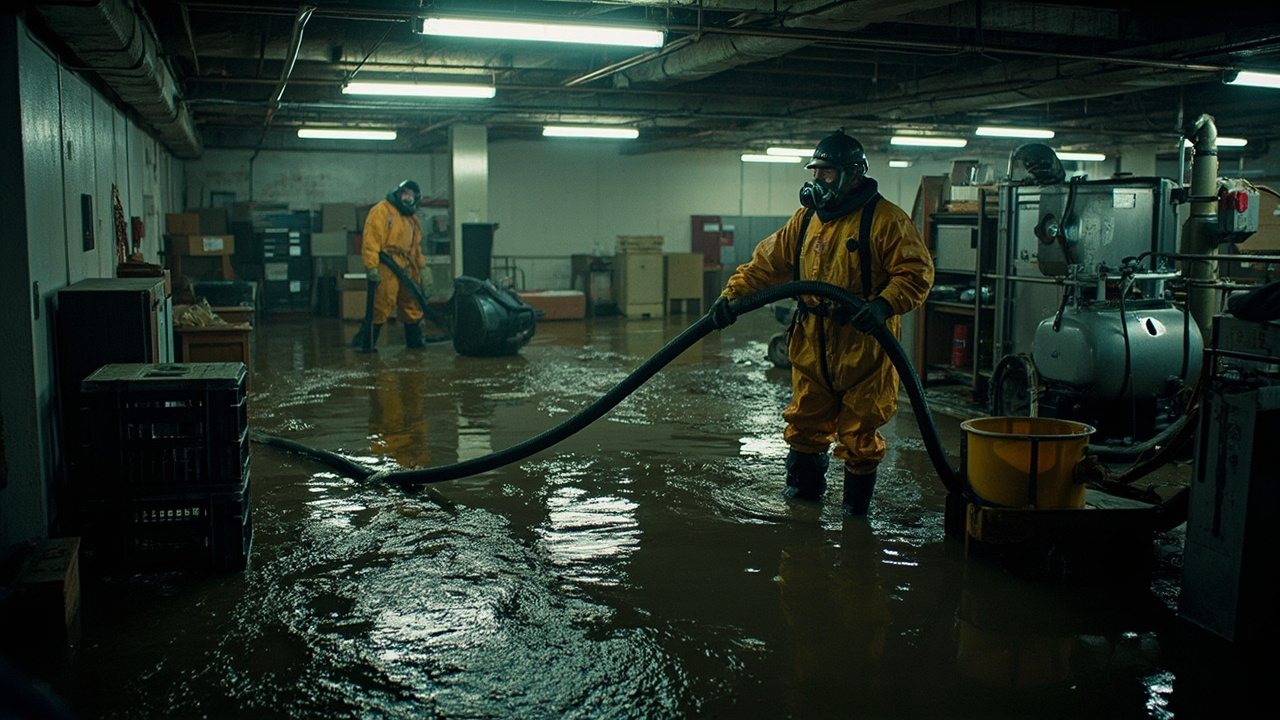
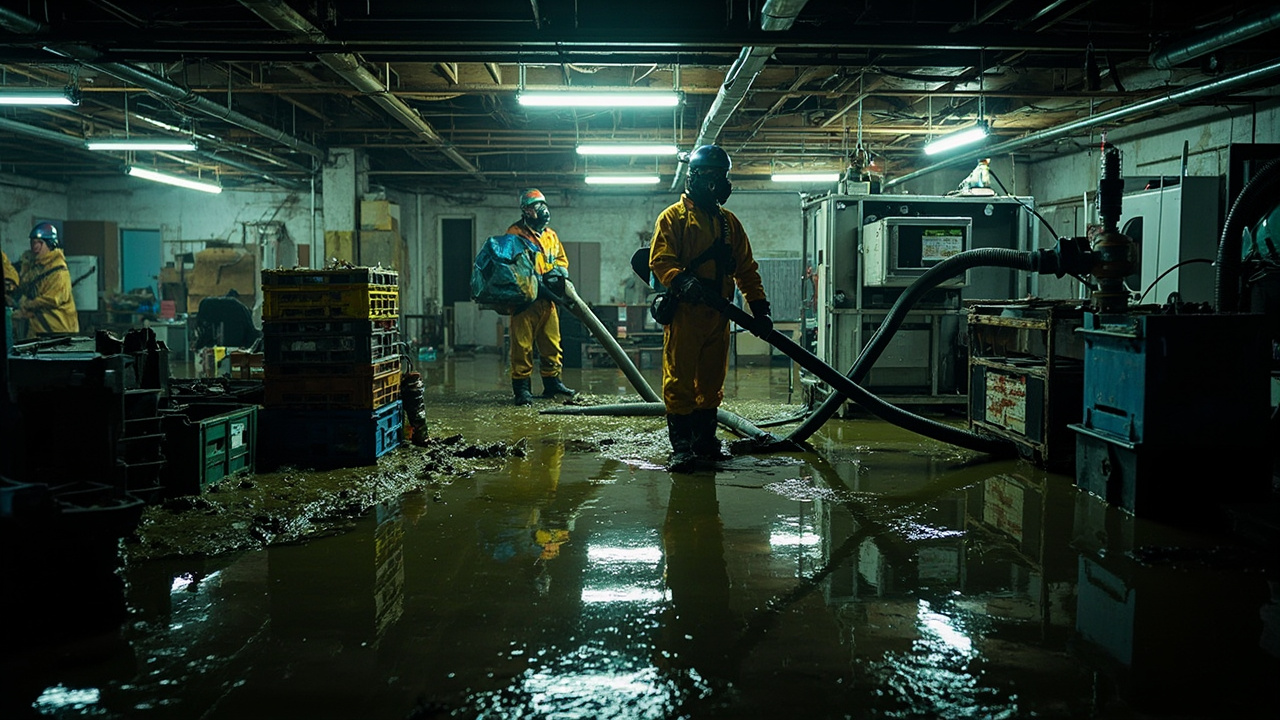
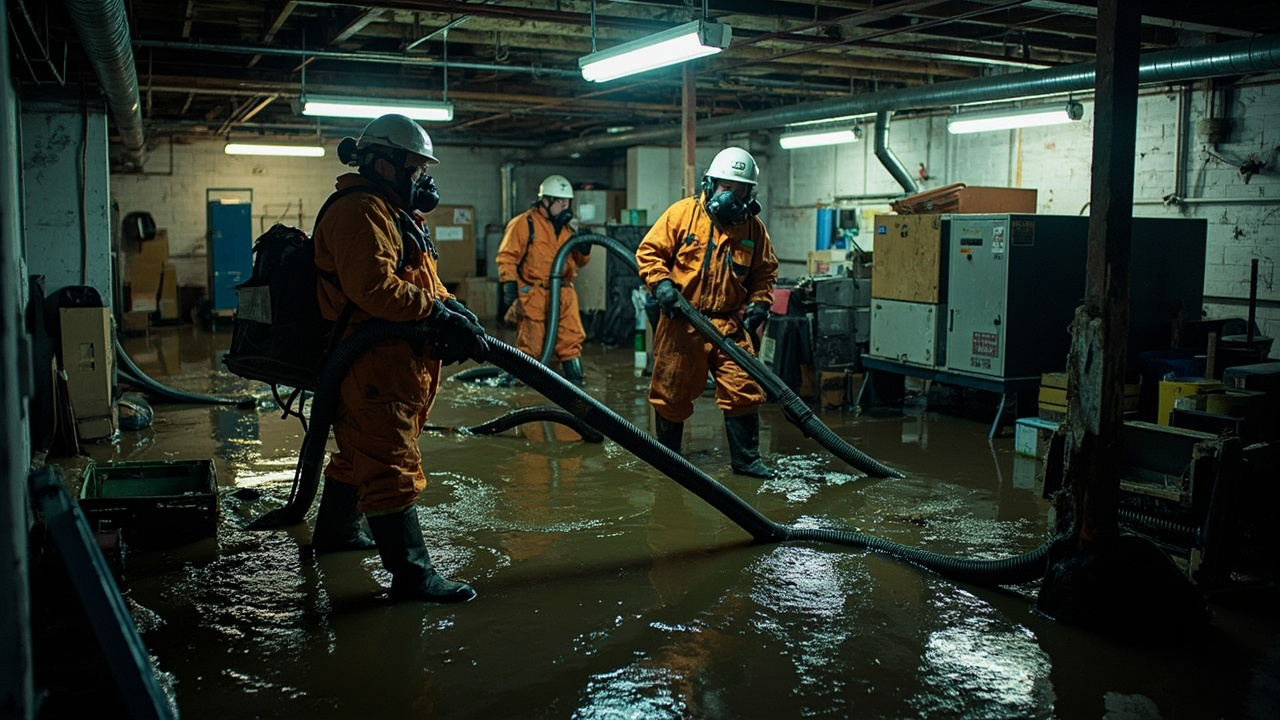
Reliance Water Damage Restoration Pittsburgh deploys truck-mounted extraction systems capable of removing 400 gallons per minute, the baseline capacity required for facilities exceeding 10,000 square feet. Our commercial sewage removal process begins with establishing containment zones using negative air pressure to prevent airborne pathogen migration to unaffected areas. This matters because sewage vapor contains hydrogen sulfide and methane, both of which create secondary health hazards and corrosion damage to HVAC systems and electrical infrastructure.

We conduct ATP bioluminescence testing to identify contamination boundaries before applying hospital-grade quaternary ammonium disinfectants at concentrations proven effective against Hepatitis A, E. coli, and Salmonella. This testing eliminates guesswork and provides documentation your insurance carrier requires for claim substantiation. Our industrial sewage cleanup protocols follow IICRC S500 standards, which specify complete removal of porous materials contacted by Category 3 water. That includes drywall, insulation, carpeting, and ceiling tiles.

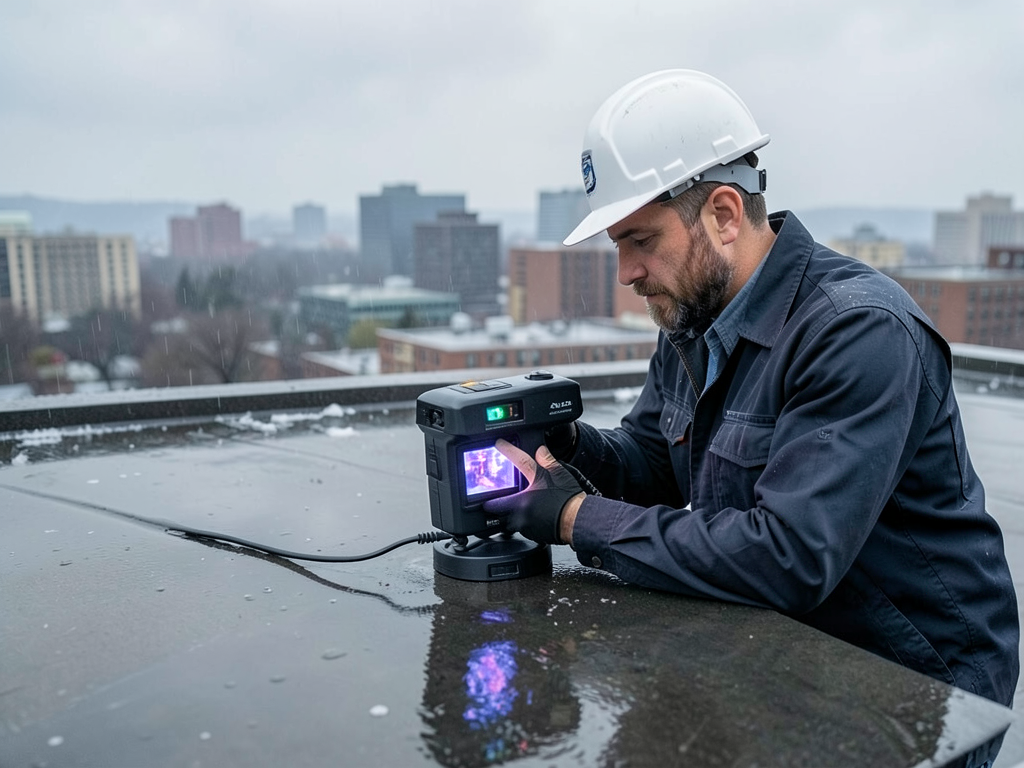
Commercial black water extraction generates substantial regulated waste. We coordinate disposal through licensed medical waste haulers when healthcare facilities are involved, and we maintain chain-of-custody documentation for environmental compliance audits. Our thermal imaging identifies trapped moisture in concrete slabs and wall cavities that moisture meters cannot detect. Residual moisture creates microbial amplification sites within 48 hours. We deploy desiccant dehumidifiers and axial air movers in configurations calculated to your facility's cubic footage and ambient temperature. This precision prevents mold colonization that would trigger a secondary remediation event and extended business interruption.

Our Commercial Sewage Emergency Response Protocol

Commercial Sewage Cleanup in Pittsburgh – Industrial-Grade Remediation That Keeps Your Business Operational
01

Immediate Containment and Assessment

Within 90 minutes of your call, our crew establishes physical containment barriers and activates negative air machines to prevent cross-contamination. We map contamination extent using moisture detection and document pre-loss conditions through photographic inventory. This assessment identifies structural compromise, electrical hazards, and OSHA notification requirements while our extraction team mobilizes industrial pump trucks and begins water removal from the most critical operational areas first.
02

Extraction and Decontamination

Our truck-mounted extractors remove standing water and debris while technicians apply EPA-registered antimicrobial solutions to all affected surfaces. We remove contaminated porous materials according to IICRC guidelines and bag them as biohazard waste. High-touch surfaces receive quaternary ammonium treatment at healthcare-grade concentrations. Air scrubbers with HEPA filtration remove airborne particulates and biological aerosols. We conduct ATP verification testing to confirm surface decontamination before beginning structural drying.
03

Structural Drying and Clearance

Commercial-grade desiccant dehumidifiers and calculated air movement reduce structural materials to industry-standard dryness levels, typically 12-15% moisture content for wood framing and below 1% for concrete. We monitor drying progress through daily moisture mapping and psychrometric calculations. Once structural drying meets IICRC standards, we conduct final ATP testing and provide written clearance documentation your insurance adjuster and regulatory authorities require before you resume operations.

Why Pittsburgh Businesses Trust Our Commercial Sewage Expertise

Reliance Water Damage Restoration Pittsburgh maintains relationships with Allegheny County Health Department inspectors who review our remediation protocols for food service and healthcare facilities. This familiarity with local regulatory requirements eliminates the friction and delays that out-of-area contractors create when they misunderstand county-specific documentation standards. We know which forms the health department requires, which testing protocols they accept, and how to navigate expedited re-inspection scheduling.

Our equipment inventory includes eight truck-mounted extraction units, 40 industrial dehumidifiers, and 120 air movers staged at our Lawrenceville facility. This capacity means we can handle simultaneous multi-site incidents without subcontracting to unknown third parties. When we commit to a timeline, our own crews execute the work. That consistency matters for facilities managers coordinating with multiple stakeholders, insurance adjusters, and corporate compliance officers.

We understand Pittsburgh's mixed-use building stock. The converted warehouses in the Strip District have different drainage characteristics than the mid-century office towers Downtown or the industrial parks in Moon Township. Our technicians recognize when cast iron drain lines have corroded through, when clay sewer laterals have root intrusion, and when combined sewer overflow is the source versus internal plumbing failure. This diagnostic accuracy prevents recurrence and informs your capital planning for infrastructure upgrades.

Our commercial sewage remediation documentation packages include moisture mapping, photographic progression records, equipment logs, and microbial clearance testing. These deliverables satisfy both insurance claim requirements and corporate risk management protocols. You receive a defendable record that protects your organization from future liability claims related to inadequate remediation.

What Your Commercial Sewage Cleanup Engagement Includes

Emergency Response Timing

Our dispatch system operates continuously with crew availability across three shifts. You reach a project manager, not an answering service. Initial response for commercial sewage emergencies occurs within 90 minutes throughout Allegheny County. Our crews arrive with extraction equipment already loaded, eliminating the delay while competitors return to their shop to gather gear. For large facilities exceeding 20,000 square feet, we can mobilize multiple crews simultaneously to accelerate containment. This speed reduces your business interruption period, which typically represents greater financial impact than the direct remediation cost.

Site Assessment and Scope Development

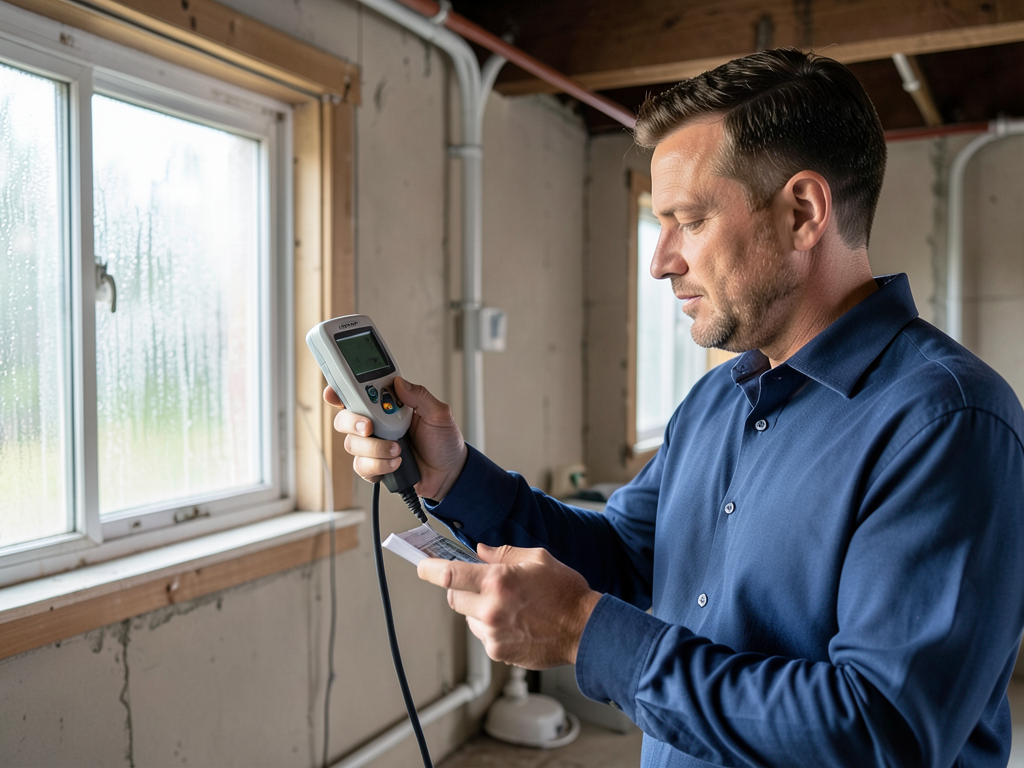
Our initial walkthrough identifies contamination extent, structural damage, and regulatory notification requirements. We use thermal imaging to detect moisture intrusion behind walls and under flooring that visual inspection misses. This assessment generates a written scope of work with specific areas measured, materials quantities calculated, and equipment deployment specified. You receive this documentation within four hours of site access, allowing you to brief stakeholders and initiate insurance claims with detailed loss information rather than rough estimates that later prove inaccurate.

Remediation Execution and Quality Control

Our technicians follow written protocols that specify extraction methods, disinfectant contact times, and drying equipment placement. Daily moisture monitoring tracks progress against target completion dates. You receive progress photos and moisture readings through a client portal that provides 24-hour visibility into the project status. Final clearance includes ATP testing results, moisture content verification, and photographic documentation showing completed work. This quality control eliminates the disputes and callbacks that occur when contractors use subjective completion criteria.

Post-Remediation Support and Prevention Planning

Following clearance, we provide a written summary identifying the failure's root cause and recommending infrastructure improvements to prevent recurrence. For properties with recurring backup issues, we offer quarterly drainage system inspections using camera equipment that identifies developing problems before they cause flooding. Our documentation package includes all records your facility management team needs for compliance audits, insurance renewals, and corporate risk reporting. You also receive direct contact information for the project manager who handled your incident, ensuring continuity if future issues arise.

Frequently Asked Questions

You Have Questions,
We Have Answers

How much does it cost to clean up sewage? +

Commercial sewage cleanup costs in Pittsburgh range widely based on contamination level, affected square footage, and structural damage. Expect pricing factors to include extraction, antimicrobial treatment, disposal of porous materials, air scrubbing, and potential HVAC decontamination. Class 3 sewage (blackwater) requires Category 3 protocols, which increase costs due to PPE requirements and regulated waste disposal. Older Pittsburgh commercial buildings with clay tile drainage or aging cast iron stacks often face higher costs due to hidden damage. Insurance coverage varies, so document everything immediately. Request an itemized estimate that separates emergency mitigation from restoration to track business interruption expenses.

Is sewage cleanup covered by insurance? +

Most commercial property policies cover sewage backup if you purchased a sewer and drain endorsement. Standard policies exclude groundwater or sump pump failures. Pittsburgh properties face frequent backup claims during spring thaw and heavy rain events due to combined sewer systems in older neighborhoods. Your policy typically covers extraction, sanitization, and structural drying. Business interruption coverage may apply if operations cease. Document the source immediately (toilet overflow versus sewer main backup) because coverage hinges on that distinction. File claims within 48 hours and photograph everything before cleanup begins. Deductibles apply, and you remain liable for tenant safety during remediation.

What is an example of commercial sewage? +

Commercial sewage includes wastewater from restaurant grease traps, multi-tenant restroom systems, industrial floor drains, medical facility waste lines, and fitness center showers. In Pittsburgh, older commercial districts with shared sewer laterals see frequent cross-contamination between units. Class 3 blackwater contains fecal matter, urine, bacteria, and pathogens requiring professional decontamination. Office buildings face toilet overflows from foreign objects. Warehouses deal with floor drain backups carrying process water and particulates. Retail spaces see sink and mop closet failures. Any wastewater touching finished surfaces creates liability exposure. You cannot use shop vacs or janitorial staff for Category 3 contamination without violating OSHA regulations.

How much does it cost to clean up sewage in crawl space? +

Crawl space sewage cleanup in Pittsburgh commercial properties costs more than above-grade work due to access challenges and ventilation requirements. Expect factors like confined space entry protocols, mold remediation (common in damp Pittsburgh crawls), contaminated insulation removal, vapor barrier replacement, and potential foundation crack sealing. Clay soil expansion around Pittsburgh exacerbates slab and foundation movement, worsening sewage line breaks. Technicians require respiratory protection and lighting in restricted spaces, increasing labor costs. If sewage saturated floor joists or subfloor, structural repairs add expense. Disposal fees apply for contaminated materials. Most projects require encapsulation after cleanup to prevent future moisture intrusion and code compliance.

How Pittsburgh's Combined Sewer System Increases Commercial Sewage Backup Frequency

Pittsburgh operates one of the nation's oldest combined sewer systems, where 85% of the city's sanitary sewage shares pipes with stormwater runoff. During rain events exceeding 0.3 inches per hour, the system reaches capacity and sewage backs up through the lowest drainage points in commercial buildings. The Allegheny County Sanitary Authority has documented over 9 billion gallons of combined sewer overflow annually. For ground-level retail spaces, basement storage areas, and manufacturing facilities in flood-prone corridors along the rivers, this infrastructure limitation creates predictable risk. Professional commercial sewage remediation becomes necessary multiple times per year for properties in high-risk zones.

The Pennsylvania Department of Environmental Protection requires commercial property owners to maintain sanitary conditions that protect public health. Following sewage intrusion, you must demonstrate professional remediation that meets IICRC S500 standards before reopening. Allegheny County health inspectors have authority to issue closure orders for inadequate cleanup, particularly in food service and healthcare facilities. Reliance Water Damage Restoration Pittsburgh maintains established relationships with local inspectors and understands county-specific documentation requirements. Our remediation protocols satisfy regulatory scrutiny, and our clearance testing provides the verification your business needs to resume operations without extended interruption or compliance disputes.
Water Damage Restoration Services in The Pittsburgh Area

While we provide rapid mobile service directly to your location, you can also find our physical business location on the map below. This map highlights our primary service area and shows our commitment to serving the Pittsburgh community. We are always ready to dispatch our expert team to your home or business, no matter where you are in our service region. Feel free to use the interactive map to get directions or to visualize our proximity to you.

Address:
Reliance Water Damage Restoration Pittsburgh, 201 S Craig St, Pittsburgh, PA, 15213

Additional Services We Offer

Our news updates

Latest Articles & News from The Blogs

How to tell if you have a expensive slab leak under your Franklin Park home Franklin Park homeowners face a…

How to tell if you have a expensive slab leak under your Franklin Park home

How to tell if you have a expensive slab leak under your Franklin Park home Franklin Park homeowners face a…

What to do when your office fire sprinklers go off by mistake in Downtown Pittsburgh

What to do when your office fire sprinklers go off by mistake in Downtown Pittsburgh When fire sprinklers discharge without…

Preserving the original masonry in Mexican War Streets homes after a water leak

Preserving the original masonry in Mexican War Streets homes after a water leak When water infiltrates the historic brick and…

Contact Us

Call Reliance Water Damage Restoration Pittsburgh at (412) 382-8788 now for immediate commercial sewage emergency response. Our crews are mobilizing while competitors are still answering their phones. Every hour of delay increases contamination spread and business interruption costs.