





Menu

Allergic Reactions in Home – Pittsburgh's Expert Water Damage and Mold Remediation Team

If you're experiencing allergic reactions in your home, water damage and hidden mold are likely the cause. Reliance Water Damage Restoration Pittsburgh identifies allergy triggers, removes contamination, and restores healthy indoor air quality across Pittsburgh and surrounding neighborhoods.

Slider Image 1
Slider Image 2
Slider Image 3
Slider Image 4
Slider Image 5
Slider Image 7
Slider Image 8
Slider Image 9
Slider Image 10
Slider Image 11

Why Pittsburgh Homes Trigger Allergic Reactions You Can't Ignore

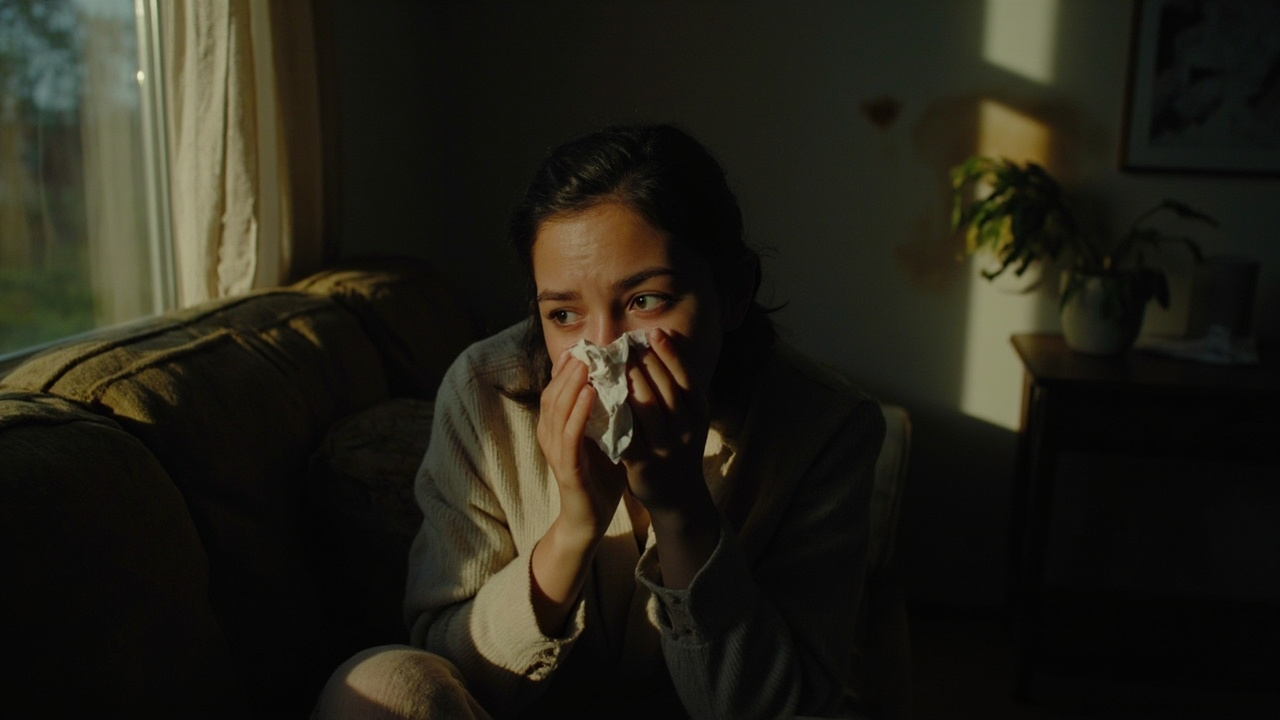
You wake up congested. Your eyes itch. Your throat feels scratchy. You assume it's seasonal allergies, but the symptoms never go away. The truth is, your home might be making you sick.

Pittsburgh's humid summers and freeze-thaw winters create the perfect conditions for water intrusion and mold growth. When basements flood during spring thaw or roof leaks go unnoticed after heavy snow, moisture seeps into walls, crawlspaces, and HVAC systems. That moisture feeds mold colonies that release spores into your air. These spores trigger household mold allergies, indoor mold symptoms, and water damage allergy triggers that won't respond to antihistamines.

Mildew allergic reactions and mold exposure symptoms can mimic a cold or sinus infection. You might notice persistent coughing, wheezing, headaches, or skin rashes. Children and those with asthma face heightened risks. The problem is that you can't see the mold. It hides behind drywall, under flooring, or in air ducts. You smell a musty odor. You see water stains on ceilings. You feel worse at home than anywhere else.

Pittsburgh's older housing stock, particularly in neighborhoods like Squirrel Hill, Shadyside, and Mount Washington, often has poor ventilation and aging foundations. These homes trap moisture. Poorly sealed basements in Highland Park or Brookline allow groundwater to wick into porous concrete. The result is chronic dampness that fuels mold growth and keeps your allergic reactions active year-round.

If your symptoms improve when you leave the house, your home environment is the problem. You need professional water damage assessment and mold remediation to stop the cycle.

Why Pittsburgh Homes Trigger Allergic Reactions You Can't Ignore
How We Identify and Eliminate Allergy Triggers in Your Home

How We Identify and Eliminate Allergy Triggers in Your Home

Reliance Water Damage Restoration Pittsburgh doesn't just treat symptoms. We eliminate the source. Our approach combines water damage forensics, moisture mapping, and targeted mold remediation to restore safe indoor air quality.

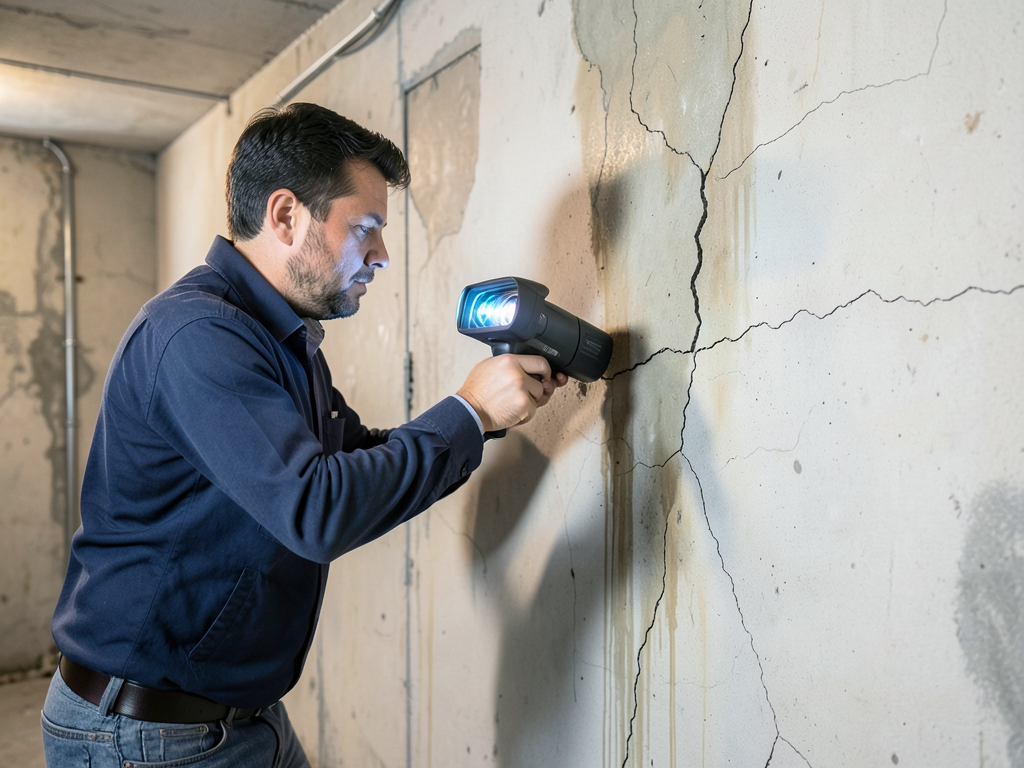
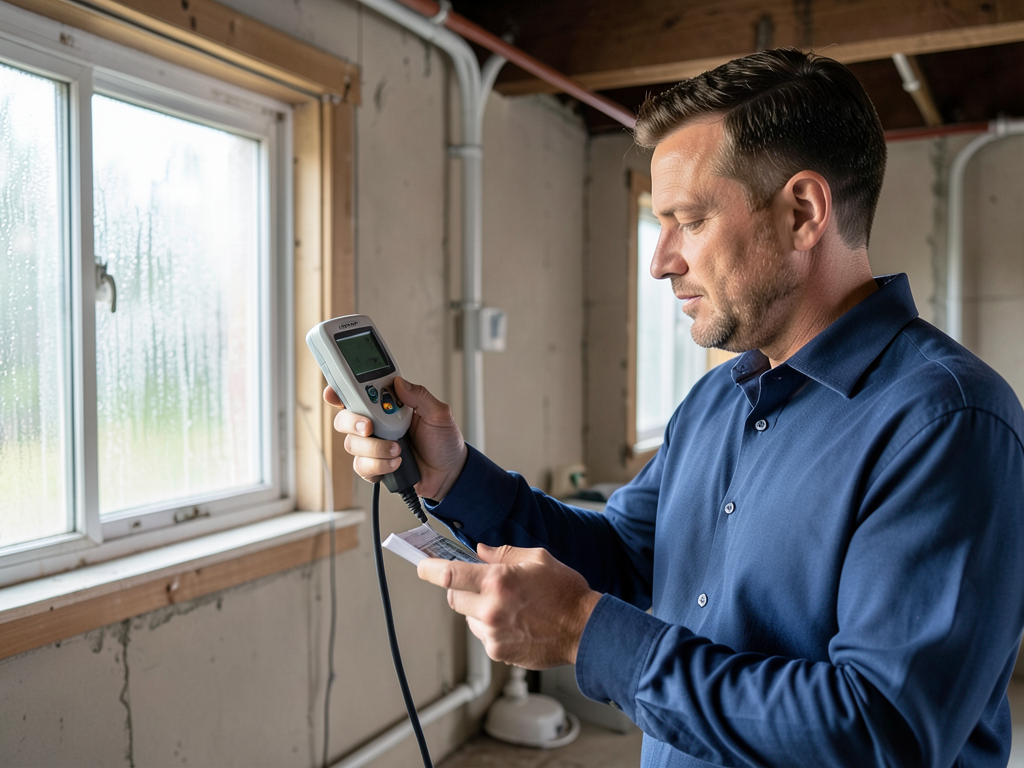
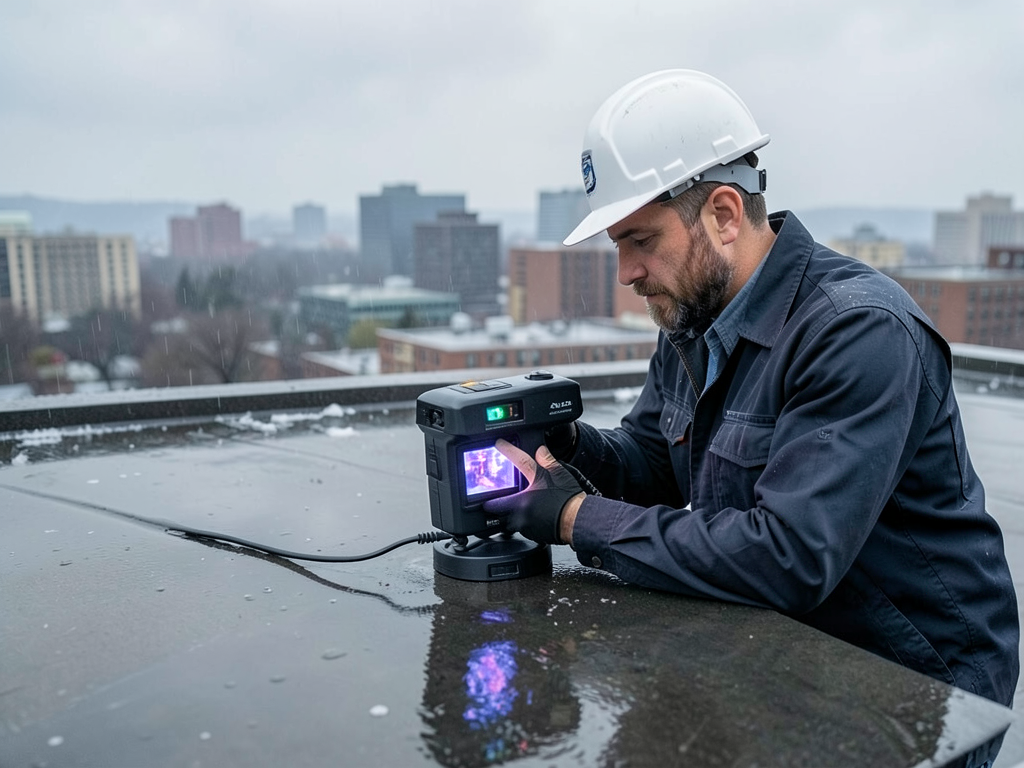
We start with thermal imaging and moisture meters to locate hidden water intrusion. Water doesn't always announce itself with visible stains. It migrates through wall cavities, insulation, and subflooring. We trace moisture to its origin, whether that's a leaking pipe, failed waterproofing membrane, or condensation from poor HVAC performance. Once we map the moisture, we identify active mold colonies using air quality sampling and surface testing.

Mold spores are measured in counts per cubic meter. If your indoor spore count exceeds outdoor baseline levels, you have an active contamination problem. We isolate contaminated areas with negative air pressure containment to prevent cross-contamination during removal. HEPA filtration captures airborne spores during demolition. We remove affected drywall, insulation, and porous materials that cannot be salvaged. Non-porous surfaces are treated with antimicrobial agents and HEPA-vacuumed.

Water extraction and structural drying follow. We use commercial dehumidifiers and air movers to reduce relative humidity below 50 percent. Mold cannot grow in dry conditions. We monitor moisture levels in framing, subfloors, and concrete until readings return to normal. This process takes days, not hours. Rushing it leaves residual moisture that allows mold to return.

After remediation, we restore your home with mold-resistant materials. We install vapor barriers in basements, improve ventilation in bathrooms and kitchens, and seal entry points that allowed water intrusion. The goal is to prevent recurrence while eliminating the allergens causing your symptoms.

What Happens During Your Mold and Water Damage Assessment

Allergic Reactions in Home – Pittsburgh's Expert Water Damage and Mold Remediation Team
01

Initial Inspection and Testing

We arrive at your Pittsburgh home equipped with thermal cameras, moisture meters, and air sampling equipment. Our technicians inspect basements, crawlspaces, attics, and living areas for visible water damage, musty odors, and mold growth. We collect air samples to measure spore counts and identify mold species. Surface samples confirm contamination on walls, floors, or HVAC components. This data tells us where moisture is entering, how far it has spread, and what allergens are affecting your health.
02

Containment and Removal

Once we identify contaminated areas, we establish containment barriers using polyethylene sheeting and negative air machines. This prevents mold spores from spreading to unaffected rooms during removal. We remove water-damaged drywall, insulation, carpeting, and any porous material harboring mold. Non-porous surfaces are cleaned with HEPA vacuums and antimicrobial solutions. All debris is bagged and disposed of according to Pennsylvania environmental regulations. We extract standing water and begin structural drying to eliminate moisture that supports mold growth.
03

Restoration and Prevention

After drying is complete and moisture readings normalize, we rebuild affected areas with mold-resistant materials. We install vapor barriers in basements, upgrade ventilation systems, and seal cracks in foundations or roofing that allowed water intrusion. Final air quality testing confirms spore counts have returned to safe levels. We provide a detailed report documenting all work performed, moisture readings, and post-remediation test results. This documentation is valuable for insurance claims and proves your home is safe for occupancy.

Why Pittsburgh Residents Trust Reliance for Mold and Water Damage Solutions

Pittsburgh's housing presents unique challenges. Many homes were built before modern waterproofing standards existed. Basements in neighborhoods like Lawrenceville, Polish Hill, and South Side have stone foundations that allow water seepage. Older roofing systems struggle with ice dams during winter. HVAC systems in historic homes lack proper condensation drainage. These issues require local expertise, not generic solutions.

Reliance Water Damage Restoration Pittsburgh understands how Pittsburgh's climate and architecture contribute to water damage and mold growth. We know which neighborhoods face recurring basement flooding. We recognize the signs of foundation settling common in homes built on hillsides. We work with local insurance adjusters familiar with Pennsylvania claim procedures and understand how to document damage for maximum reimbursement.

Our team holds certifications from the Institute of Inspection, Cleaning and Restoration Certification. We follow industry protocols for mold remediation established by the Environmental Protection Agency. We use commercial-grade equipment, not consumer tools that leave moisture behind. Our work meets Pennsylvania building codes and satisfies the requirements of local health departments when remediation is verified by third-party inspectors.

We also understand the urgency. Mold exposure can worsen asthma, trigger respiratory infections, and cause chronic sinus issues. Children and elderly family members face the greatest risk. Delaying remediation allows contamination to spread and increases the scope of necessary repairs. We respond quickly, often arriving the same day you call, and we work efficiently to minimize disruption to your household.

You need a contractor who knows Pittsburgh's water damage patterns, understands local building practices, and prioritizes your family's health. Reliance Water Damage Restoration Pittsburgh delivers that expertise with every project we complete.

What You Can Expect When You Call Reliance Water Damage Restoration Pittsburgh

Rapid Response and Availability

We answer your call 24 hours a day, 7 days a week. Water damage and mold contamination don't wait for business hours. When you contact us, we dispatch a technician to your Pittsburgh home within hours, not days. Our team arrives with diagnostic equipment and begins assessment immediately. We understand that prolonged exposure to mold worsens health symptoms and increases repair costs. Speed matters. We work on your timeline, providing same-day service when conditions require urgent intervention. You won't wait days for a callback or weeks for an appointment.

Thorough Diagnosis and Transparent Communication

Our initial assessment includes visual inspection, moisture mapping, and air quality testing. We explain our findings in plain language, showing you where water is entering, where mold is growing, and what repairs are necessary. You receive a written estimate detailing the scope of work, materials, and timeline. We don't upsell unnecessary services. If your issue is a simple plumbing leak with no mold growth, we tell you. If your basement needs comprehensive waterproofing and mold remediation, we explain why and provide documentation to support our recommendations. You make informed decisions based on facts.

Complete Remediation and Air Quality Restoration

Reliance Water Damage Restoration Pittsburgh doesn't stop at visible mold removal. We address the underlying moisture problem and restore your indoor air quality to safe levels. Our remediation follows EPA protocols. We remove contaminated materials, clean salvageable surfaces, dry structural components, and verify results with post-remediation testing. You receive lab reports confirming spore counts are within acceptable ranges. We rebuild affected areas with moisture-resistant drywall, treated lumber, and proper vapor barriers. The result is a home that looks, smells, and feels healthy. Your allergic reactions should resolve within days of completion.

Ongoing Support and Prevention Guidance

After remediation, we provide guidance on preventing future water damage and mold growth. This includes recommendations for improving basement drainage, upgrading ventilation systems, maintaining gutters and downspouts, and monitoring humidity levels. We offer periodic moisture inspections to catch problems before they escalate. If you experience new water intrusion or suspect mold growth in the future, we return to assess the situation. Our goal is to keep your Pittsburgh home dry and your family healthy for the long term. We stand behind our work and remain available if you have questions or concerns.

Frequently Asked Questions

You Have Questions,
We Have Answers

What could be causing allergies in my house? +

Indoor allergens thrive in Pittsburgh homes due to high humidity and seasonal shifts. Common culprits include dust mites in bedding and carpets, pet dander that circulates through HVAC systems, and mold growth in damp basements or bathrooms. Pollen enters through open windows during spring and fall. Cockroach droppings and rodent urine can trigger reactions in older Pittsburgh row homes. Poor ventilation traps these allergens indoors. Water damage from aging plumbing or foundation leaks creates ideal conditions for mold spores. Your symptoms worsen at home because you spend concentrated time exposed to these triggers in enclosed spaces.

How do I figure out what I am allergic to in my house? +

Start by tracking when symptoms spike. Notice if sneezing increases in specific rooms or after certain activities. Remove carpets temporarily to test dust mite sensitivity. Keep pets out of bedrooms for two weeks to assess dander impact. Check basements and crawl spaces for visible mold, especially in older Pittsburgh homes with stone foundations. An allergist can perform skin prick tests or blood tests to identify specific allergens. You can also purchase home test kits for mold spores, though professional testing provides more accuracy. Inspect HVAC filters for dust buildup and examine window sills for pollen accumulation during high count days.

How to manage an allergic reaction at home? +

For mild reactions, remove yourself from the allergen source immediately. Take an antihistamine like cetirizine or loratadine to block histamine release. Use a saline nasal rinse to flush irritants from nasal passages. Apply a cool compress to itchy eyes or skin. Run a HEPA air purifier in the room to reduce airborne particles. If you experience throat swelling, difficulty breathing, or widespread hives, call 911. Pittsburgh residents with known severe allergies should keep an epinephrine auto-injector accessible. Avoid rubbing eyes or nose, which spreads allergens. Shower and change clothes after exposure to remove lingering particles from skin and hair.

How do you treat sneezing from allergies? +

Over-the-counter antihistamines stop sneezing by blocking histamine receptors. Second-generation options like loratadine or fexofenadine cause less drowsiness. Nasal corticosteroid sprays reduce inflammation when used daily. Keep windows closed during high pollen days in Pittsburgh, especially during spring tree pollen and fall ragweed seasons. Run your HVAC system on recirculate mode with a MERV 11 or higher filter. Remove shoes at the door to prevent tracking pollen indoors. A dehumidifier set between 30-50 percent humidity discourages dust mites. Wash bedding weekly in hot water above 130 degrees Fahrenheit to kill mites that trigger sneezing.

How can I tell if my house is making me sick? +

Watch for symptoms that improve when you leave home and return when you come back. Persistent congestion, headaches, fatigue, or respiratory issues point to indoor air quality problems. Check for musty odors in basements or bathrooms, a sign of hidden mold growth common in Pittsburgh's humid climate. Inspect for water stains on ceilings or walls from roof leaks or plumbing failures. Excessive dust accumulation despite regular cleaning suggests poor HVAC filtration. Black spots around vents indicate mold in ductwork. If multiple family members develop similar symptoms simultaneously, your home environment is the likely cause. Professional air quality testing identifies specific contaminants.

What are the hidden allergens in the house? +

Dust mites live in mattresses, pillows, and upholstered furniture, feeding on dead skin cells. Mold hides behind wallpaper, under carpets, and inside wall cavities after water damage. Pet saliva proteins dry on fur and become airborne. Cockroach feces accumulate in kitchen cabinets and behind appliances in older Pittsburgh homes. Volatile organic compounds off-gas from new furniture, paint, and cleaning products. Pollen clings to curtains and clothing. Rodent urine in attics or crawl spaces becomes aerosolized. Humidifiers breed bacteria when not cleaned regularly. Carpets trap years of allergen buildup despite vacuuming. Feather pillows harbor dust mites more than synthetic alternatives.

Can I test my house for allergies? +

Yes, but testing approaches vary. DIY mold test kits collect air or surface samples you mail to a lab for analysis. Results show spore types and concentrations. Home allergen test kits detect dust mites, pet dander, and mold presence using collection devices. For comprehensive assessment, hire a certified indoor air quality specialist who measures particulates, humidity levels, and specific allergens. Pittsburgh's older housing stock often requires professional inspection due to hidden moisture issues in basements and crawl spaces. Testing costs range based on scope, but provides concrete data about contamination levels. Your allergist can also review results to tailor treatment based on your home's specific profile.

Can mold cause allergic reactions? +

Yes, mold is a potent allergen that triggers respiratory reactions. When mold spores become airborne, you inhale them into your lungs and nasal passages. Your immune system releases histamines, causing sneezing, congestion, coughing, and itchy eyes. Pittsburgh's climate with humid summers and wet basements creates ideal mold conditions. Common household molds include Cladosporium, Penicillium, and Aspergillus. Black mold (Stachybotrys) produces mycotoxins that cause severe reactions. Mold grows on damp drywall, wood framing, and HVAC components after water damage. People with asthma experience worse symptoms. Prolonged exposure can lead to chronic sinus infections and respiratory inflammation requiring medical treatment.

Do air purifiers help allergies? +

HEPA air purifiers effectively capture 99.97 percent of particles 0.3 microns or larger, including pollen, dust mites, pet dander, and mold spores. They reduce airborne allergen concentrations, which lessens symptoms for many people. Place units in bedrooms where you spend eight hours nightly. Choose models rated for your room size with a Clean Air Delivery Rate appropriate for your space. Purifiers work best alongside other strategies like regular cleaning and humidity control. They cannot remove allergens already settled on surfaces or embedded in carpets. Pittsburgh residents benefit during high pollen seasons when keeping windows closed. Replace filters according to manufacturer schedules to maintain effectiveness.

How do you flush an allergic reaction out of your system? +

Your body naturally metabolizes and eliminates allergens over time. Drink plenty of water to help flush histamines through your kidneys. Antihistamines block ongoing reactions while your immune system calms down. Nasal irrigation with saline solution physically removes allergens from nasal passages. Showering washes particles off your skin and hair. Eating foods with quercetin, like apples and onions, may reduce inflammation. Exercise increases circulation and helps clear allergens faster, though avoid outdoor activity during high pollen counts in Pittsburgh. Most mild reactions resolve within a few hours to two days once exposure stops. Severe reactions require medical intervention, not home remedies.

How Pittsburgh's Climate and Housing Stock Fuel Mold Growth and Allergic Reactions

Pittsburgh receives over 38 inches of precipitation annually, with heavy rainfall in spring and snowmelt creating basement flooding conditions throughout the metro area. The city's hilly topography channels water downhill, overwhelming foundation drainage systems in neighborhoods like Mount Washington, Troy Hill, and Greenfield. Many homes were built with stone or block foundations before waterproofing membranes became standard practice. These porous foundations allow groundwater to seep into basements and crawlspaces, where it evaporates into living spaces. High indoor humidity during summer months prevents moisture from dissipating naturally. The result is chronic dampness that feeds mold colonies in walls, carpeting, and HVAC ductwork. These hidden mold sources release spores continuously, triggering household mold allergies and mold exposure symptoms that persist year-round.

Pennsylvania's property maintenance code requires landlords to address water intrusion and mold hazards, but many homeowners delay remediation due to cost concerns or lack of awareness. Reliance Water Damage Restoration Pittsburgh works with local insurance adjusters to document damage and streamline claims processing. We understand Allegheny County's inspection requirements for rental properties and can provide the documentation needed to satisfy health department inquiries. Our team has worked on hundreds of Pittsburgh homes, from Victorian-era properties in Shadyside to mid-century ranches in Bethel Park. We know the common failure points in local construction and can anticipate problems before they escalate. Choosing a local contractor means faster response, better communication, and solutions tailored to Pittsburgh's unique challenges.
Water Damage Restoration Services in The Pittsburgh Area

While we provide rapid mobile service directly to your location, you can also find our physical business location on the map below. This map highlights our primary service area and shows our commitment to serving the Pittsburgh community. We are always ready to dispatch our expert team to your home or business, no matter where you are in our service region. Feel free to use the interactive map to get directions or to visualize our proximity to you.

Address:
Reliance Water Damage Restoration Pittsburgh, 201 S Craig St, Pittsburgh, PA, 15213

Additional Services We Offer

Our news updates

Latest Articles & News from The Blogs

How to tell if you have a expensive slab leak under your Franklin Park home Franklin Park homeowners face a…

How to tell if you have a expensive slab leak under your Franklin Park home

How to tell if you have a expensive slab leak under your Franklin Park home Franklin Park homeowners face a…

What to do when your office fire sprinklers go off by mistake in Downtown Pittsburgh

What to do when your office fire sprinklers go off by mistake in Downtown Pittsburgh When fire sprinklers discharge without…

Preserving the original masonry in Mexican War Streets homes after a water leak

Preserving the original masonry in Mexican War Streets homes after a water leak When water infiltrates the historic brick and…

Contact Us

Your home should not make you sick. Call Reliance Water Damage Restoration Pittsburgh today at (412) 382-8788 for a comprehensive mold and water damage assessment. We respond quickly, work efficiently, and restore healthy indoor air quality. Same-day service is available across Pittsburgh and surrounding areas.