



Menu

Business Interruption Mitigation in Pittsburgh – Minimize Downtime with 24/7 Commercial Water Damage Response

Reliance Water Damage Restoration Pittsburgh deploys industrial-grade extraction and rapid containment protocols to restore operational capacity, protect revenue streams, and limit business disruption across all commercial sectors in the Pittsburgh metro.

Slider Image 1
Slider Image 2
Slider Image 3
Slider Image 4
Slider Image 5
Slider Image 7
Slider Image 8
Slider Image 9
Slider Image 10
Slider Image 11

How Water Damage Threatens Pittsburgh Businesses Every Day

Pittsburgh's freeze-thaw cycles create constant risk for commercial properties. When temperatures swing from below freezing to the 40s in a single day, pipe bursts happen without warning. A ruptured supply line in a Strip District warehouse or a roof leak in a Downtown office tower does not wait for convenient business hours.

Every hour your facility sits idle translates to lost revenue, missed deadlines, and damaged client relationships. Water migrates fast through suspended ceilings, seeps into electrical systems, and saturates inventory. The damage compounds exponentially if response time stretches past the first critical hours.

Business continuity restoration requires more than extraction equipment. You need a commercial-grade response that addresses structural drying, contamination risks, and regulatory compliance simultaneously. Pittsburgh businesses operating in mixed-use structures or historic buildings face added complexity. Load-bearing brick walls retain moisture differently than modern steel frame construction. HVAC systems in older buildings lack the air exchange rates needed to accelerate drying.

Mitigating commercial downtime starts the moment water enters your space. Delay introduces mold risk, which triggers air quality testing requirements and extends closure periods. Insurance claims grow more complex when business interruption extends beyond initial projections. The key is rapid containment, not just fast response. Containment isolates affected zones so unaffected areas continue operating. You keep part of your operation running while restoration proceeds in damaged sections.

Pittsburgh's commercial corridor from Oakland to the North Shore demands restoration teams that understand tenant access protocols, after-hours security procedures, and municipal code enforcement timelines. Generic residential approaches fail in commercial environments where liability exposure and operational continuity intersect.

How Water Damage Threatens Pittsburgh Businesses Every Day
Our Commercial Water Damage Mitigation Protocol

Our Commercial Water Damage Mitigation Protocol

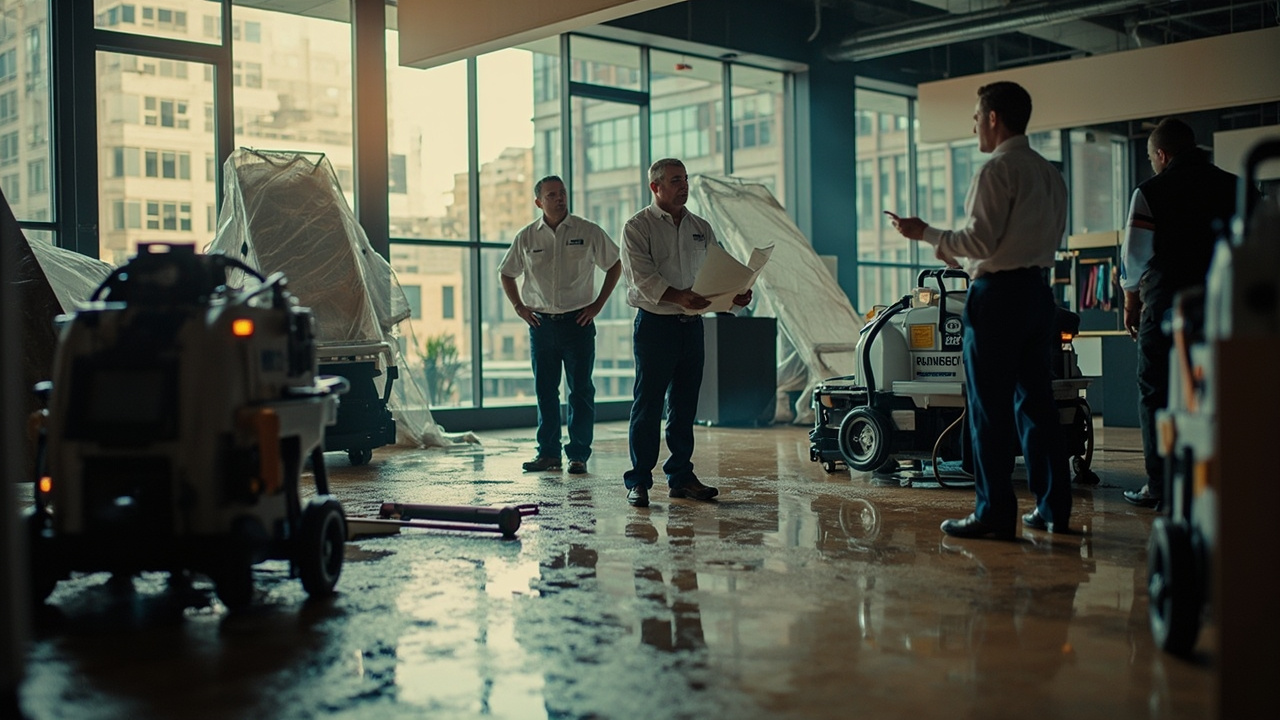
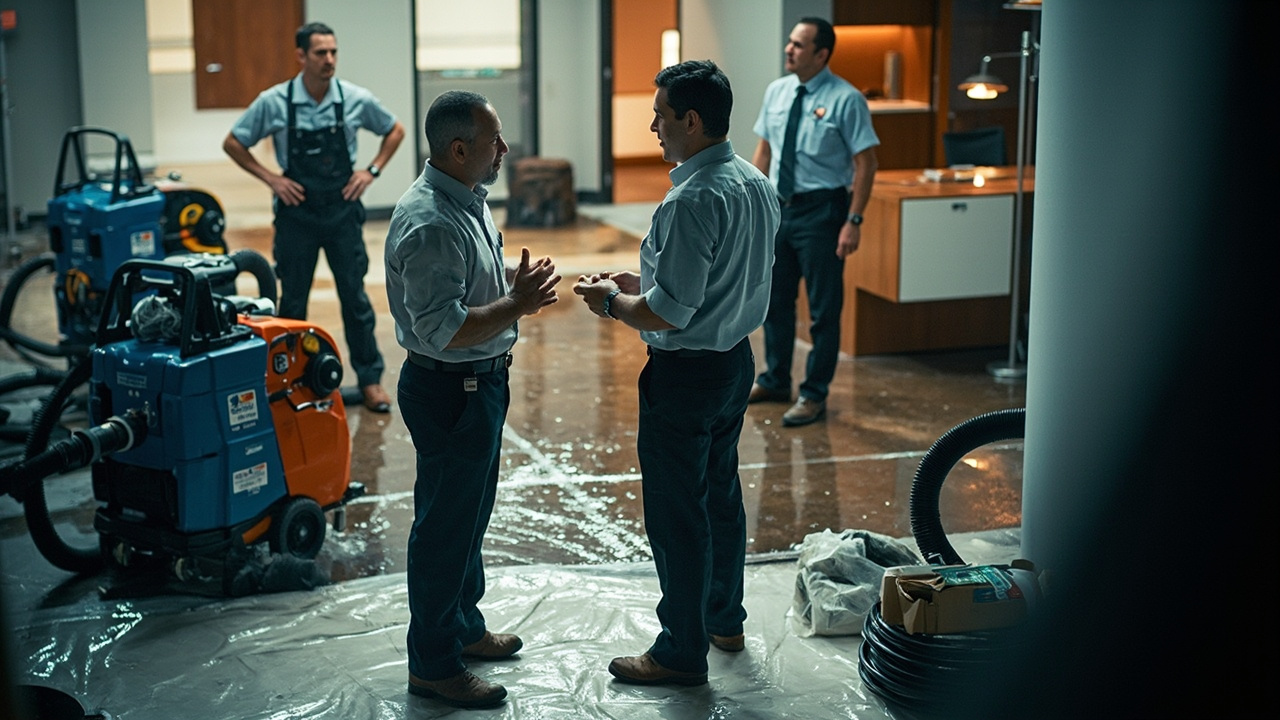
Reliance Water Damage Restoration Pittsburgh uses zone-based containment to isolate water damage without closing entire facilities. We deploy commercial air movers rated for spaces exceeding 10,000 square feet, paired with refrigerant dehumidifiers capable of processing 150 pints per day. This equipment combination creates negative air pressure in affected zones, preventing cross-contamination to clean areas.

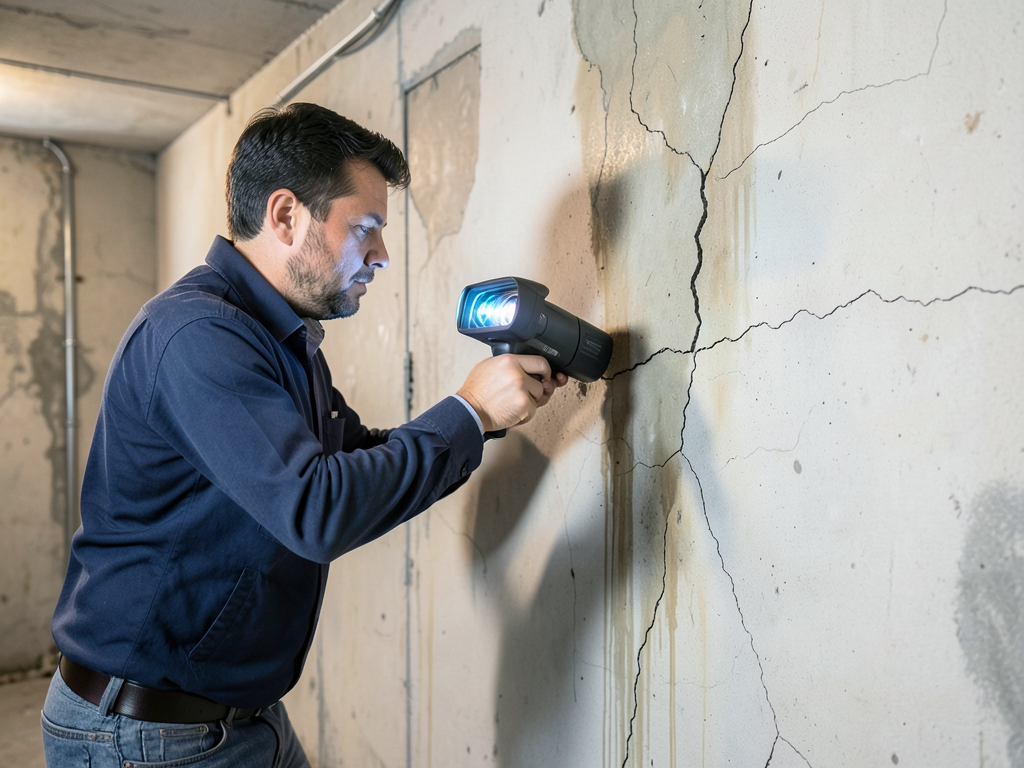
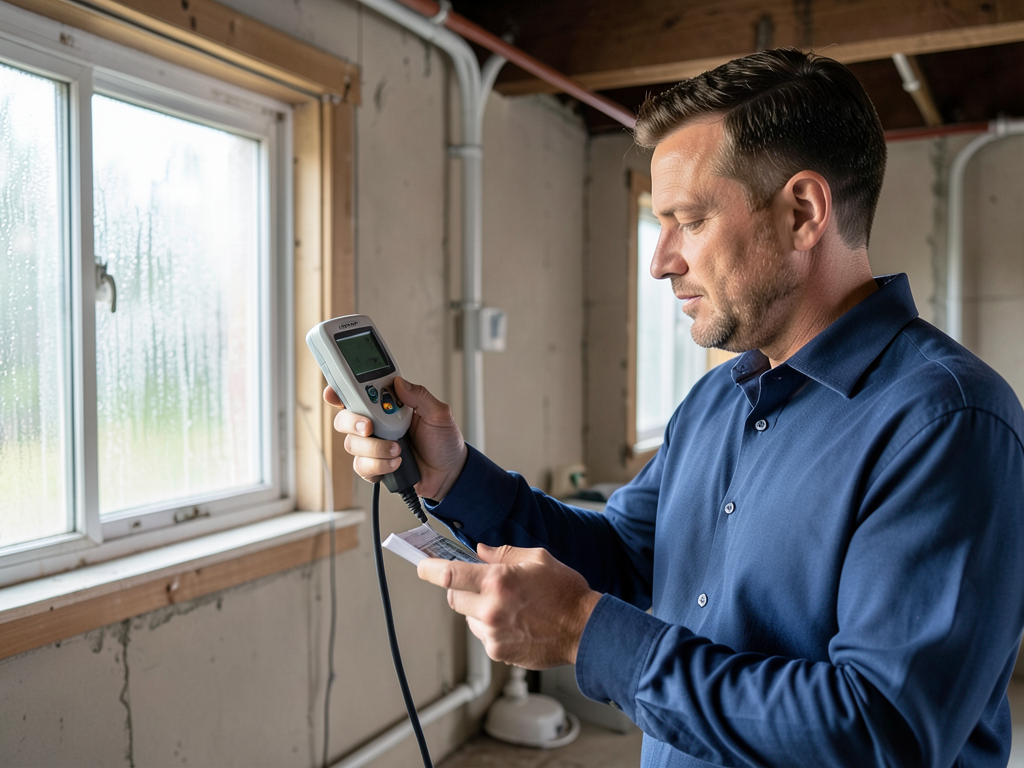
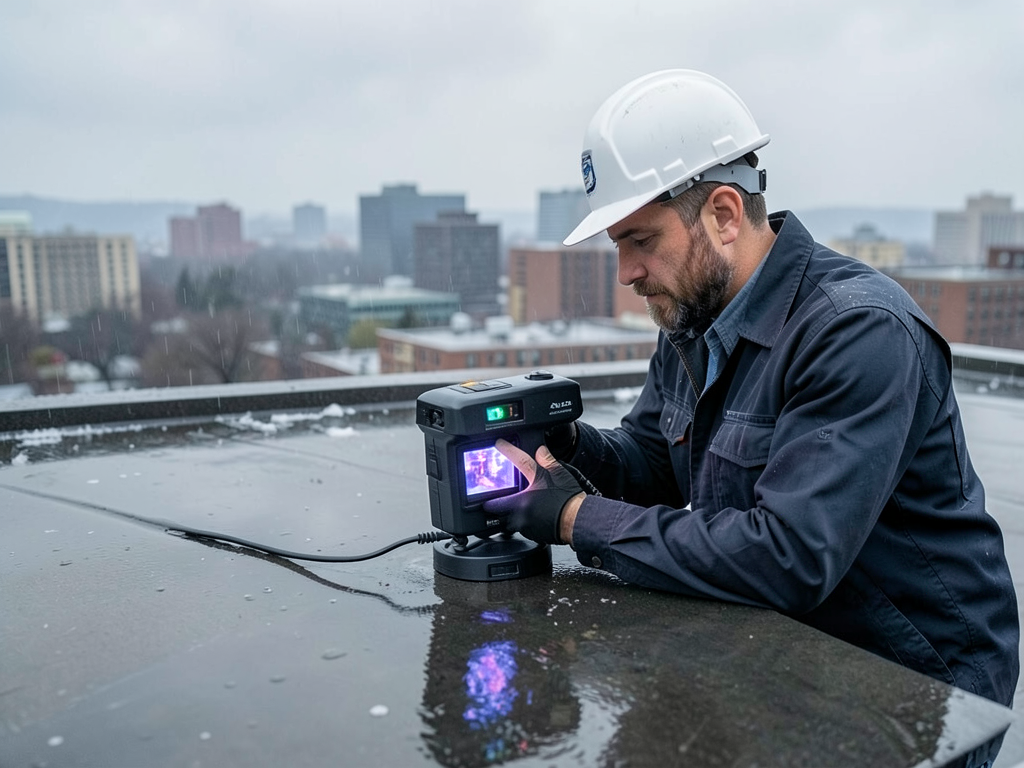
Our teams conduct thermal imaging surveys to map moisture penetration through walls, under flooring systems, and within ceiling cavities. This prevents hidden moisture pockets that lead to secondary mold growth three weeks after the initial incident. We document moisture readings at multiple depths using penetrating and non-invasive meters to establish drying benchmarks.

For Category 2 and Category 3 water intrusions, we follow IICRC S500 standards for antimicrobial application and material removal. Porous materials like drywall and insulation get removed to the flood cut line. Semi-porous materials receive antimicrobial treatment after surface cleaning. Non-porous surfaces undergo cleaning and disinfection protocols appropriate to the contamination source.

Reducing operational downtime requires coordination with your facilities management team, IT infrastructure vendors, and insurance adjusters. We schedule restoration work during off-peak hours when possible and establish temporary utilities to maintain partial operations. For retail spaces, we install dust barriers and maintain customer access to unaffected sections.

Our documentation process includes timestamped photos, moisture mapping reports, and equipment logs that satisfy both insurance requirements and OSHA recordkeeping standards. This documentation protects you during claims processing and demonstrates due diligence if employee health concerns arise later.

Pittsburgh's commercial building stock includes everything from century-old warehouses in Lawrenceville to modern office towers Downtown. Each structure type requires different extraction methods, drying techniques, and safety protocols. We adjust our approach based on your building's construction, occupancy type, and operational requirements.

What Happens During Emergency Commercial Response

Business Interruption Mitigation in Pittsburgh – Minimize Downtime with 24/7 Commercial Water Damage Response
01

Immediate Containment and Triage

We arrive within 60 minutes of your call to assess damage scope and establish containment zones. Our team identifies the water source, stops active intrusion if possible, and marks areas requiring immediate extraction versus controlled drying. You receive an initial verbal assessment covering estimated downtime, equipment requirements, and which sections can remain operational during restoration.
02

Extraction and Structural Drying

Truck-mounted extractors remove standing water while portable units handle confined spaces and upper floors. We position air movers and dehumidifiers based on airflow patterns within your specific floor plan. Moisture monitoring occurs every 12 hours with adjustments to equipment placement as materials release trapped water. This phase typically runs 3-5 days depending on building materials and saturation depth.
03

Verification and Operational Clearance

Final moisture readings must match pre-loss baseline levels before we remove equipment. You receive a completion report documenting all readings, antimicrobial applications, and materials removed or cleaned. This report satisfies insurance requirements and provides documentation if indoor air quality questions arise. We coordinate final walkthroughs with your team to confirm all operational systems function correctly before you resume full capacity.

Why Pittsburgh Businesses Choose Reliance for Critical Water Events

Commercial water damage in Pittsburgh requires knowledge of local building codes that differ significantly from residential requirements. The City of Pittsburgh enforces specific egress requirements, fire separation standards, and accessibility rules that impact how we execute restoration work. We maintain relationships with local building inspectors and understand which repairs trigger permit requirements versus maintenance work.

Our team knows Pittsburgh's commercial neighborhoods. We understand the difference between restoring a food service facility in Market Square versus an industrial space in Hazelwood. Each environment has distinct contamination risks, occupancy schedules, and regulatory oversight. A restaurant faces health department inspections before reopening. A warehouse needs forklift access maintained throughout restoration. An office building requires coordination with multiple tenants and property management.

We stock commercial-grade equipment locally, which matters when your competitor down the street also experiences water damage during the same freeze event. You do not wait for equipment to arrive from regional hubs. Our extraction capacity handles large-volume events without splitting resources across multiple jobs.

Pittsburgh's older commercial structures present challenges that generic restoration approaches miss. Buildings constructed before 1950 often contain plaster walls on metal lath, terrazzo flooring, and cast iron plumbing. These materials require different drying techniques than modern construction. Plaster walls need slower, controlled drying to prevent cracking. Terrazzo floors can delaminate if dried too aggressively.

We work directly with your insurance adjuster to document losses, justify equipment costs, and support business interruption claims. Our reports include detailed timelines showing when each area became operational again. This documentation helps maximize your claim recovery for lost revenue and extra expenses incurred during the closure period.

Limiting business disruption requires transparent communication. You receive daily updates on drying progress, upcoming work schedules, and any complications discovered during restoration. No surprises on day four about extended timelines or additional costs.

What to Expect During Commercial Water Damage Restoration

Response Time and Availability

Our dispatch operates around the clock because commercial water events do not follow business hours. A call placed at 2 AM gets the same response as one placed at 2 PM. We maintain multiple crews to handle simultaneous events during peak freeze periods. You receive an estimated arrival time within minutes of calling, and we update you if traffic or prior job completion affects that timeline. Most Pittsburgh locations receive crew arrival within 60-90 minutes of your initial call.

Initial Assessment Process

The first walkthrough identifies all affected areas, not just obvious flooding. We check spaces above and below the visible damage because water travels through floor assemblies and ceiling cavities. You receive a verbal scope covering square footage affected, estimated equipment requirements, and preliminary timeline. We photograph all damage before beginning extraction and document pre-existing conditions to protect you during insurance processing. This assessment takes 30-45 minutes for typical commercial spaces.

Quality Standards and Documentation

Every surface reaches documented dryness before equipment removal. We use moisture meters calibrated to IICRC standards and record readings in detailed floor plans showing exact measurement locations. Your completion packet includes before and after photos, equipment logs showing runtime hours, and moisture readings demonstrating return to baseline conditions. This documentation satisfies insurance requirements and provides protection if mold concerns arise months later. All work follows manufacturer specifications for affected materials and building systems.

Post-Restoration Monitoring

We offer 30-day follow-up moisture checks at no charge for commercial clients. This appointment catches any hidden moisture pockets that might appear as surrounding materials finish drying. You receive guidance on facility management practices that reduce future water damage risk, including roof drainage maintenance, plumbing inspection schedules, and early warning signs of developing problems. Our team remains available for questions about humidity control, ventilation adjustments, or concerns about specific areas during the weeks following completion.

Frequently Asked Questions

You Have Questions,
We Have Answers

What is an example of mitigation in business? +

Mitigation in business means reducing the impact of a disruption before it escalates. For Pittsburgh commercial properties, this includes installing backup generators before winter storms knock out power, placing water sensors near aging boiler systems, or waterproofing basements prone to flooding from heavy rainfall. A Strip District warehouse experiencing a pipe burst immediately extracts standing water and dries affected inventory to prevent mold growth. That quick response limits downtime and reduces claim costs. Mitigation also covers pre-loss steps like documenting critical equipment, maintaining HVAC systems, and training staff on emergency protocols. The goal is minimizing revenue loss and operational disruption.

What are the exercises to minimize business interruptions? +

Business interruption exercises include tabletop simulations where management walks through disaster scenarios, testing response plans without actual deployment. Pittsburgh businesses should conduct quarterly drills for fire evacuation, power outages, and water damage events common to older commercial buildings. Test backup systems monthly, including generators, data backups, and alternate communication channels. Review vendor contracts to confirm rapid equipment replacement availability. Train department heads on chain-of-command protocols during facility closures. Document critical processes so cross-trained staff can maintain operations. Schedule annual reviews of insurance coverage limits as revenue grows. These exercises identify gaps before real disruptions hit, keeping your operation resilient when Pittsburgh weather or infrastructure failures threaten continuity.

What does business interruption coverage cover? +

Business interruption coverage reimburses lost net income when physical damage forces you to suspend operations. It covers payroll for key employees you retain during downtime, ongoing expenses like rent and utilities, and lost profits based on historical financial records. If a Lawrenceville restaurant closes for three months after water damage from a roof leak, the policy pays lost revenue during repairs. Coverage extends to extra expenses for temporary relocation or expedited repairs that reduce downtime. You must have direct physical loss to trigger coverage. The policy uses your profit-and-loss statements to calculate payments, making accurate financial records critical for Pittsburgh business owners filing claims.

What are the ways of mitigating risks in business? +

Risk mitigation in business starts with identifying vulnerabilities through facility audits and loss-history analysis. Transfer risk by purchasing adequate property and liability insurance coverage. Reduce risk by implementing preventive maintenance schedules for roofs, plumbing, and HVAC systems prone to failure in Pittsburgh's freeze-thaw climate. Avoid risk by discontinuing high-exposure activities or relocating operations from flood-prone areas near the Allegheny or Monongahela rivers. Accept manageable risks by setting aside capital reserves for minor disruptions. Diversify suppliers and revenue streams so single-point failures do not halt operations. Document all processes and cross-train staff to maintain business functions when key personnel are unavailable.

What are 5 examples of mitigation? +

Five mitigation examples include installing backflow preventers to stop sewer backups during heavy Pittsburgh rainfall, applying waterproof coatings to basement walls in older commercial buildings, scheduling infrared camera inspections to detect hidden leaks before pipes burst, implementing cloud-based data backup systems to prevent information loss during power outages, and establishing alternate workspace agreements so employees can operate remotely during facility closures. A Shadyside office building adds secondary roof drains to prevent ponding water. A Strip District manufacturer stockpiles critical replacement parts to avoid production delays. Each action reduces the severity or likelihood of business interruption, protecting your bottom line when infrastructure or weather events threaten operations.

What are the 4 mitigation strategies? +

The four mitigation strategies are avoidance, reduction, transfer, and acceptance. Avoidance means eliminating the risk entirely by relocating equipment from flood-prone basements or discontinuing vulnerable processes. Reduction involves implementing controls like fire suppression systems, routine maintenance schedules, and staff training to minimize damage severity. Transfer shifts financial burden through insurance policies or outsourcing high-risk activities to specialized contractors. Acceptance means acknowledging minor risks where mitigation costs exceed potential losses, setting aside contingency funds instead. Pittsburgh businesses often combine strategies, transferring catastrophic risk through insurance while reducing everyday hazards through preventive maintenance on aging infrastructure common in older commercial districts.

What are the 4 P's of business continuity? +

The four Ps of business continuity are People, Processes, Premises, and Providers. People covers staff safety, communication protocols, and succession planning for key personnel. Processes includes documenting critical operations, maintaining data backups, and establishing manual workarounds when systems fail. Premises addresses alternate work locations, facility hardening against Pittsburgh weather hazards, and equipment redundancy. Providers involves vetting suppliers for reliability, establishing backup vendors, and securing service-level agreements that guarantee rapid response. A Bloomfield manufacturer might cross-train workers, document production sequences, maintain a backup facility in the suburbs, and contract with multiple equipment rental companies to ensure operations continue despite disruptions to any single element.

How to professionally tell someone to stop interrupting? +

This question addresses workplace communication, not business interruption mitigation. For commercial property interruption concerns in Pittsburgh, focus on operational continuity strategies rather than interpersonal dynamics. If you need guidance on managing disruptions to business operations, review your continuity plan, verify insurance coverage adequacy, and establish clear incident response protocols. Train management teams on decision-making authority during facility closures. Document escalation procedures so staff know who handles crisis communications with clients, suppliers, and insurers. Clear operational hierarchies prevent confusion during water damage events, power outages, or other disruptions requiring immediate action to minimize downtime and protect revenue streams.

What is probably the most common cause of a business interruption? +

Water damage causes the most business interruptions in Pittsburgh commercial properties. Burst pipes from freeze-thaw cycles, roof leaks from aging infrastructure, sewer backups during heavy storms, and failed sump pumps in below-grade spaces force closures across retail, office, and industrial sectors. Older buildings in neighborhoods like Lawrenceville and the North Side face higher risk from outdated plumbing systems. Winter temperatures drop pipes, spring rains overwhelm drainage, and summer humidity stresses HVAC condensate lines. Water spreads rapidly through finished spaces, damages inventory and equipment, and requires extensive drying before you can resume operations. Regular plumbing inspections and proactive waterproofing reduce this leading cause of lost revenue.

What is not covered under business interruption? +

Business interruption coverage excludes losses from pandemics, government-ordered closures without physical damage, utility failures off your property, and undocumented income. If Pittsburgh issues a construction moratorium blocking customer access but your building sustains no damage, you likely have no coverage. Cyber attacks, data breaches, and reputational harm do not trigger standard policies. Coverage requires direct physical loss to insured property. Losses from poor management decisions, seasonal slowdowns, or market changes are not covered. Extended waiting periods apply before payments begin, and coverage caps at policy limits regardless of actual losses. Read your policy carefully and maintain detailed financial records to support any future claims for lost income.

Why Pittsburgh's Aging Infrastructure Demands Faster Commercial Response

Pittsburgh commercial buildings average 60-plus years old in core neighborhoods like Downtown, Oakland, and the South Side. These structures contain original cast iron plumbing, steam heating systems, and brick exterior walls that create unique water damage patterns. When pipes fail in these buildings, water travels through concealed spaces for hours before becoming visible. By the time you see ceiling stains or floor pooling, structural elements have already absorbed significant moisture. The combination of old building materials and freeze-thaw cycles that hit Pittsburgh 40-plus times each winter creates constant commercial water damage risk that newer cities with modern building stock simply do not face.

Business continuity restoration in Pittsburgh requires working knowledge of City codes that evolved over 150 years of industrial development. Mixed-use buildings downtown face different restoration requirements than standalone warehouses in industrial zones. Properties in historic districts require additional approvals for any structural alterations discovered during water damage repairs. We maintain working relationships with local inspectors and understand which repairs proceed under maintenance provisions versus those requiring permits and plan reviews. This local knowledge prevents restoration delays that occur when out-of-area contractors discover Pittsburgh-specific code requirements midway through projects.
Water Damage Restoration Services in The Pittsburgh Area

While we provide rapid mobile service directly to your location, you can also find our physical business location on the map below. This map highlights our primary service area and shows our commitment to serving the Pittsburgh community. We are always ready to dispatch our expert team to your home or business, no matter where you are in our service region. Feel free to use the interactive map to get directions or to visualize our proximity to you.

Address:
Reliance Water Damage Restoration Pittsburgh, 201 S Craig St, Pittsburgh, PA, 15213

Additional Services We Offer

Our news updates

Latest Articles & News from The Blogs

How to tell if you have a expensive slab leak under your Franklin Park home Franklin Park homeowners face a…

How to tell if you have a expensive slab leak under your Franklin Park home

How to tell if you have a expensive slab leak under your Franklin Park home Franklin Park homeowners face a…

What to do when your office fire sprinklers go off by mistake in Downtown Pittsburgh

What to do when your office fire sprinklers go off by mistake in Downtown Pittsburgh When fire sprinklers discharge without…

Preserving the original masonry in Mexican War Streets homes after a water leak

Preserving the original masonry in Mexican War Streets homes after a water leak When water infiltrates the historic brick and…

Contact Us

Every hour counts when water threatens your operation. Call Reliance Water Damage Restoration Pittsburgh now at (412) 382-8788 for immediate commercial response. Our teams deploy within the hour to contain damage and begin business continuity restoration.