


Menu

Toilet Overflow Cleanup in Pittsburgh – Fast Response Stops Sewage Damage in Under 60 Minutes

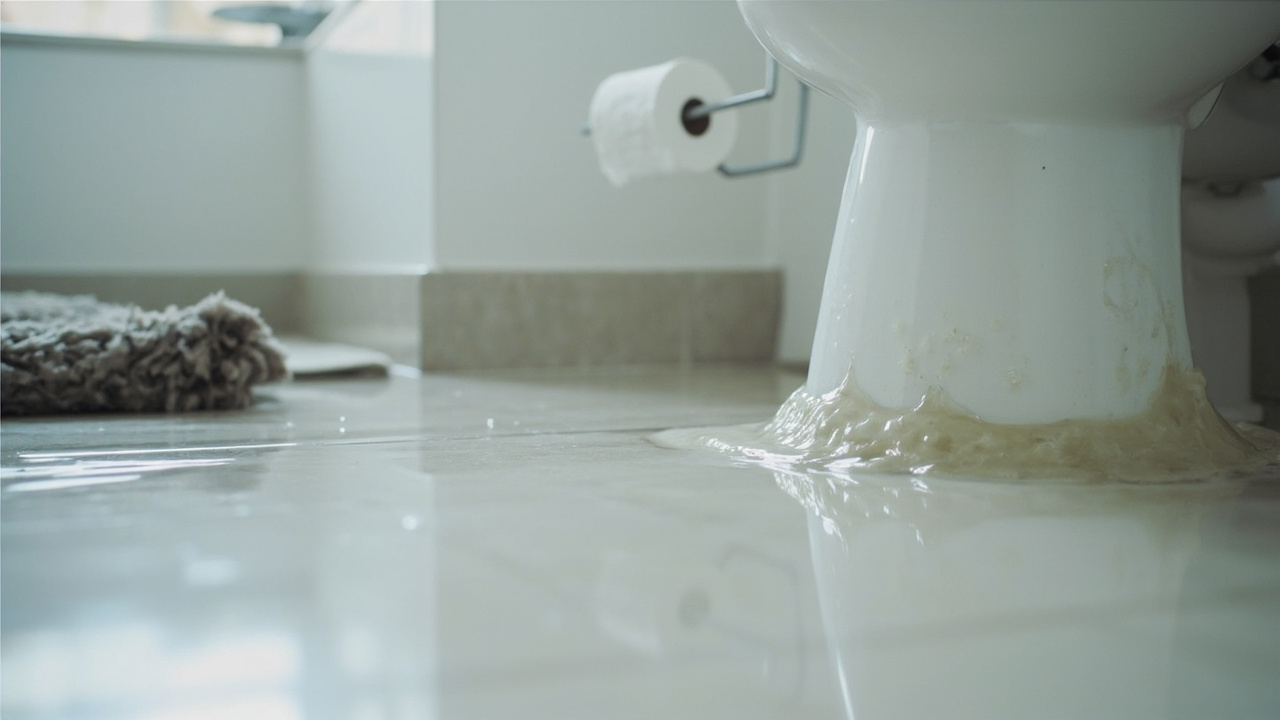
When a toilet overflows, sewage-contaminated water spreads fast through your Pittsburgh home. We dispatch emergency toilet water extraction crews 24/7 to contain the damage, extract contaminated water, and begin sanitation before bacteria growth starts.

Slider Image 1
Slider Image 2
Slider Image 3
Slider Image 4
Slider Image 5
Slider Image 7
Slider Image 8
Slider Image 9
Slider Image 10
Slider Image 11

Why Toilet Overflows Are Especially Dangerous in Pittsburgh Homes

A toilet overflow is not just a plumbing problem. It is a biohazard event. When sewage backs up into your bathroom or basement, you are dealing with Category 3 water. This is blackwater. It contains fecal matter, bacteria, viruses, and pathogens that can make you sick.

Pittsburgh's older housing stock makes this worse. Many homes in Squirrel Hill, Shadyside, and the South Side were built before 1950. Original cast iron drain lines corrode over time. Tree roots from Pittsburgh's mature canopy infiltrate aging sewer laterals. When a toilet clogs and overflows, the water does not just sit on tile. It seeps into subflooring, soaks into drywall, and migrates through porous materials like plaster and wood lath common in these older homes.

You cannot treat this like a simple spill. Sewage carries E. coli, salmonella, and hepatitis A. If you try to mop it up yourself, you risk cross-contamination. Every minute that passes allows bacteria to colonize soft surfaces. Within 24 hours, mold spores begin germinating in damp materials.

Emergency toilet water extraction requires immediate action. Professional toilet sewage removal involves containment, extraction, antimicrobial treatment, and controlled drying. This is not a job for a wet-dry vac. You need industrial pumps, EPA-registered disinfectants, and technicians trained in bloodborne pathogen safety protocols.

If your toilet has overflowed, do not wait. Every minute increases health risk and restoration costs.

Why Toilet Overflows Are Especially Dangerous in Pittsburgh Homes
How Professional Toilet Flood Restoration Protects Your Home and Health

How Professional Toilet Flood Restoration Protects Your Home and Health

Overflowing toilet cleanup is a controlled process. When you call Reliance Water Damage Restoration Pittsburgh, we follow a strict contamination control protocol.

First, we isolate the affected area. We set up physical barriers to prevent cross-contamination to clean zones. If sewage has spread beyond the bathroom, we establish negative air pressure using air scrubbers with HEPA filtration. This prevents airborne pathogens from migrating through your home.

Next, we extract all standing water using truck-mounted pumps and portable extractors. We do not just remove visible water. We pull moisture from baseboards, subfloors, and wall cavities using high-powered suction. If water has soaked into drywall more than 18 inches above the floor, we cut and remove the saturated section. Drywall is porous. Once contaminated with sewage, it cannot be saved.

After extraction, we apply hospital-grade antimicrobial agents. We do not use household bleach or cleaners. We use EPA-registered disinfectants proven effective against fecal coliforms and antibiotic-resistant bacteria. Every surface that contacted sewage gets treated. Twice.

Then we set up commercial dehumidifiers and air movers. We monitor moisture levels in structural materials using thermal imaging and pin meters. We dry to industry standard. That means wood moisture content below 15 percent and concrete below 4 percent. If we do not hit those numbers, mold will grow.

This is not cleanup. This is toilet overflow remediation. It requires equipment, training, and a methodical approach you cannot replicate with consumer tools.

What Happens When You Call for Emergency Toilet Cleanup

Toilet Overflow Cleanup in Pittsburgh – Fast Response Stops Sewage Damage in Under 60 Minutes
01

Immediate Dispatch and Containment

We dispatch a crew to your Pittsburgh home within one hour of your call. Our technicians arrive with personal protective equipment, containment barriers, and extraction tools. We stop the source, shut off water if needed, and isolate the contaminated area before sewage spreads further. We document the extent of damage with photos and moisture readings for your insurance claim.
02

Water Extraction and Disinfection

We remove all contaminated water using industrial extractors and pumps. Carpets, padding, and porous materials soaked with sewage get removed and disposed of as biohazard waste. We apply EPA-registered antimicrobial treatments to all affected surfaces, including subfloors, studs, and baseboards. Air scrubbers with HEPA filters run continuously to remove airborne contaminants and odors during the cleaning process.
03

Drying and Final Verification

We install commercial dehumidifiers and air movers to dry structural materials completely. We monitor moisture levels daily using thermal cameras and moisture meters until all readings meet industry standards. Once dry, we conduct a final antimicrobial treatment and odor neutralization. You receive documentation showing moisture readings and proof that your home is safe for reoccupation before we leave the job site.

Why Pittsburgh Homeowners Trust Us for Sewage Cleanup

When sewage floods your home, you need a crew that understands Pittsburgh's unique building challenges. We have worked in every neighborhood from Polish Hill to Mt. Lebanon. We know the construction styles. We know where the problems hide.

Many Pittsburgh homes have basements with stone foundations. When a toilet overflows on an upper floor, contaminated water travels down through floor joists and lands in unfinished basements. Stone foundations are porous. Sewage can wick into foundation walls and stay damp for weeks. We know to check for this. We pull moisture readings from foundation walls, not just floors.

We also understand Pittsburgh's plumbing quirks. Many older homes still have galvanized steel or cast iron waste lines. These corrode from the inside out. A toilet overflow is often a symptom of a bigger problem. A partial blockage. A collapsing pipe. Root intrusion. We coordinate with licensed plumbers to identify the root cause so you do not face another overflow next month.

Our crews are trained in IICRC Water Damage Restoration and Applied Microbial Remediation. That means we follow national standards for biohazard cleanup. We carry liability insurance that covers sewage contamination work. Not all restoration companies do.

We also work directly with your insurance company. We document everything. We provide detailed estimates. We communicate with adjusters so you do not have to fight for coverage.

You are not hiring a cleaning service. You are hiring a contamination control team that knows how to make your home safe again.

What You Can Expect During the Toilet Overflow Cleanup Process

Response Time and Availability

We answer calls 24 hours a day, every day of the year. When you call our emergency line, you speak to a live person, not an answering service. We dispatch a crew to your Pittsburgh home within 60 minutes. Our trucks carry extraction equipment, antimicrobial agents, air scrubbers, and personal protective gear. We do not need to stop for supplies. We arrive ready to start containment and extraction immediately. Time matters with sewage. The faster we extract and disinfect, the less damage you face.

Site Assessment and Contamination Mapping

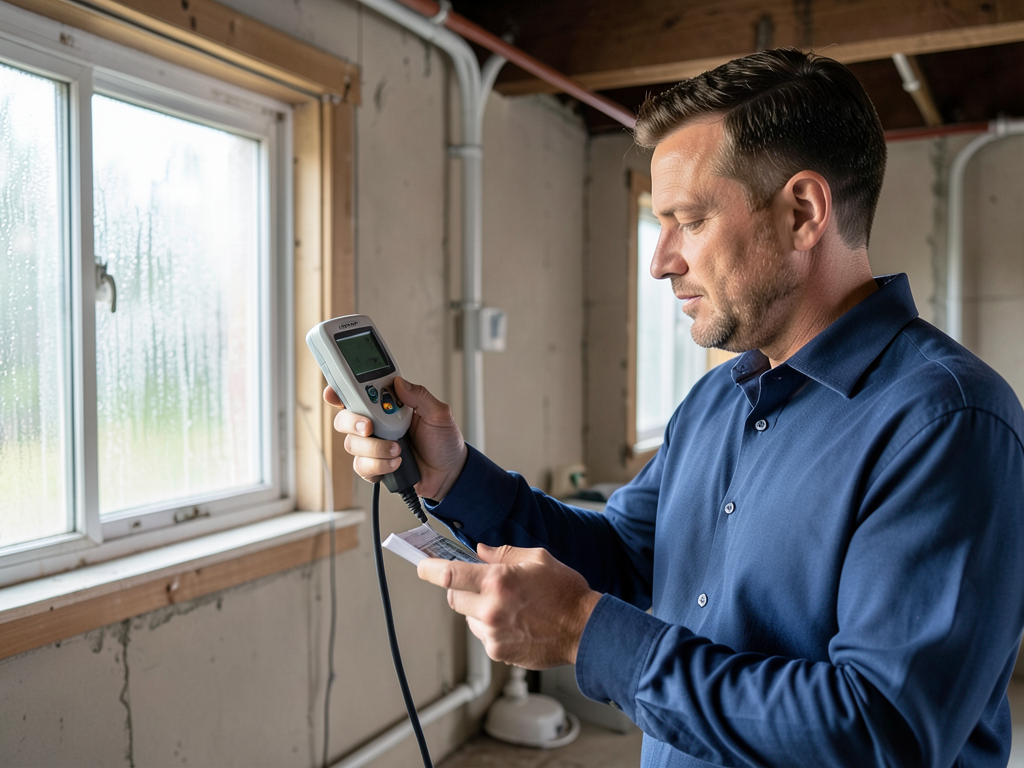
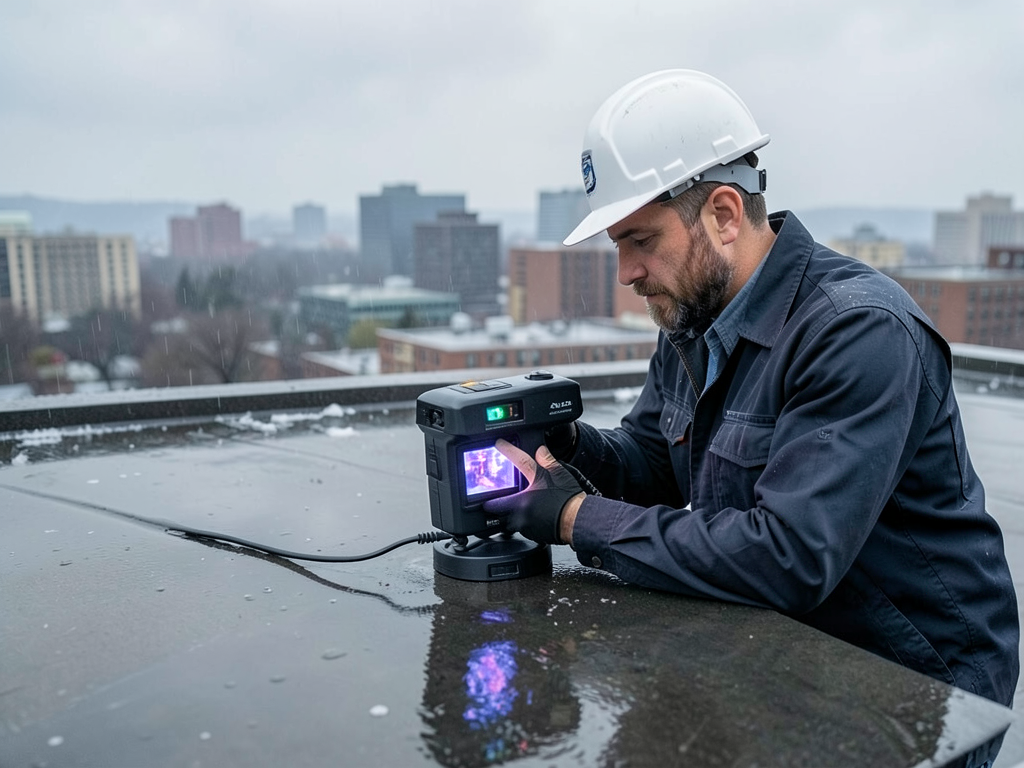
We conduct a full site assessment before we start work. We use thermal imaging cameras to trace moisture migration through walls, ceilings, and floors. We measure moisture content in structural materials using pin-type and non-invasive meters. We document contamination zones and photograph damage for your insurance claim. You receive a written scope of work that details what needs to be removed, what can be saved, and how long the drying process will take. No surprises.

Contamination-Free Results

We do not consider a job complete until moisture levels meet IICRC standards and all contaminated materials are removed or disinfected. We verify drying using moisture meters and document final readings. You receive a certificate of completion showing that your home has been restored to safe conditions. We do not leave behind hidden moisture or contaminated materials. If we miss something, mold grows or odors return. Our reputation depends on doing it right the first time.

Insurance Coordination and Documentation

We work directly with your insurance carrier to streamline your claim. We provide detailed photo documentation, moisture logs, and itemized estimates in the format adjusters expect. Most homeowner policies cover sudden and accidental water damage, including sewage backups if you have the right endorsement. We help you understand your coverage. We communicate with adjusters throughout the process so you do not have to manage the back-and-forth. Our goal is to get you approved and restored as quickly as possible.

Frequently Asked Questions

You Have Questions,
We Have Answers

Will toilet overflow cause mold? +

Yes. Toilet overflow can cause mold within 24 to 48 hours if not dried completely. Pittsburgh's high humidity, especially in basements and older homes near the rivers, accelerates mold growth. Contaminated water from a toilet overflow contains organic material that feeds mold spores. You need to extract all standing water, remove soaked materials like carpet padding, and dry structural elements using industrial fans and dehumidifiers. If water seeped into drywall or subflooring, mold can grow hidden inside wall cavities. Act fast. Call a water damage restoration company immediately to prevent mold from spreading throughout your home.

How to clean a toilet overflow tube? +

Turn off the water supply to the toilet. Remove the tank lid. Locate the overflow tube, a vertical pipe in the center of the tank. Use a small brush or pipe cleaner to scrub inside the tube, removing mineral deposits and biofilm. Flush vinegar or a mild bleach solution through the tube to disinfect. Rinse thoroughly. Do not use abrasive chemicals that damage rubber components. If you had a sewage overflow, do not attempt this yourself. Contaminated water requires professional disinfection and protective equipment. Call a restoration specialist to handle Category 3 water damage safely.

Will hydrogen peroxide dissolve toilet paper? +

No. Hydrogen peroxide does not dissolve toilet paper. It may break down some organic stains and disinfect surfaces, but it will not clear a clog caused by paper buildup. If your toilet overflowed because of excess paper, you need mechanical removal using a plunger, auger, or professional hydro-jetting. Hydrogen peroxide can damage older pipes and septic systems if used in large quantities. For toilet overflow cleanup in Pittsburgh homes with aging plumbing, avoid DIY chemical fixes. Call a plumber to clear the blockage and a water damage team to sanitize affected floors and walls.

Can you pour vinegar in a toilet overflow tube? +

Yes, but only for cleaning, not for clearing clogs. Pour one to two cups of white vinegar into the overflow tube to dissolve mineral deposits and kill bacteria. Let it sit for 30 minutes, then flush. Vinegar is safe for most plumbing systems and septic tanks. Do not use vinegar if your toilet overflowed with sewage. Category 3 water contains dangerous pathogens that vinegar cannot eliminate. Pittsburgh homes with cast iron or galvanized pipes should avoid acidic cleaners long-term, as they can corrode older plumbing. For sewage contamination, call a professional restoration team immediately.

How do Japanese bathrooms not get mold? +

Japanese bathrooms use waterproof construction, ventilation systems, and quick-drying materials. Floors slope toward drains, walls are tiled or paneled with water-resistant surfaces, and exhaust fans run continuously. The entire bathroom acts as a wet room, preventing water from seeping into hidden cavities where mold grows. Pittsburgh homes are built differently. Most bathrooms have drywall, wood subflooring, and limited ventilation, especially in older properties. When a toilet overflows here, water soaks into porous materials fast. You need immediate extraction, structural drying, and dehumidification to prevent mold in our humid climate.

What are the first signs of mold sickness? +

Early signs of mold sickness include persistent coughing, sneezing, itchy eyes, skin rashes, headaches, and fatigue. Some people experience sinus congestion, throat irritation, or difficulty breathing. Symptoms worsen in damp spaces and improve when you leave the home. Mold exposure after a toilet overflow is serious because sewage introduces harmful bacteria alongside mold spores. Pittsburgh's older homes trap moisture in basements and crawl spaces, creating ideal conditions for toxic mold growth. If you notice these symptoms after water damage, leave the area. Call a certified mold remediation company to test and remove contamination safely.

What are two things you should never flush down a toilet? +

Never flush wipes or feminine hygiene products. Wipes labeled flushable do not break down like toilet paper. They snag on pipe joints, create blockages, and cause overflows. Feminine hygiene products expand when wet and clog drain lines immediately. These items are the top causes of toilet overflows in Pittsburgh homes. Also avoid flushing dental floss, cotton swabs, paper towels, and medications. Only human waste and toilet paper belong in your toilet. If you experience repeated clogs, call a plumber to inspect your sewer line for tree root intrusion, a common problem in neighborhoods with mature landscaping.

What do plumbers recommend to clean toilet tanks? +

Plumbers recommend white vinegar and baking soda for routine cleaning. Pour two cups of vinegar into the tank, let it sit for 30 minutes, then scrub with a brush and flush. For tougher mineral deposits from Pittsburgh's hard water, use a commercial calcium remover. Avoid bleach-based tablets that corrode rubber flappers and gaskets. Never use harsh chemicals if you have a septic system. Clean your tank every six months to prevent buildup that restricts water flow and causes overflows. If your tank has persistent sediment or rust, call a plumber to inspect for leaks or corroded components.

How to sanitize floor after toilet overflow? +

Remove all standing water immediately using a wet vacuum or towels. Mix one cup of bleach with one gallon of water. Wear gloves and protective eyewear. Mop the floor with the bleach solution, ensuring you cover every inch of contaminated area. Let it sit for 10 minutes, then rinse with clean water. Dry the floor completely using fans. If sewage contaminated the floor, do not attempt DIY cleanup. Category 3 water contains harmful pathogens that require professional-grade disinfectants and PPE. Call a water damage restoration company to sanitize structural materials and prevent bacterial growth in your Pittsburgh home.

Why is hydrogen peroxide no longer recommended? +

Hydrogen peroxide is no longer recommended for some applications because it damages materials and poses safety risks at high concentrations. It can corrode metal pipes, discolor grout, and weaken rubber seals in plumbing fixtures. Medical professionals stopped recommending it for wound care because it damages healthy tissue and slows healing. For toilet overflow cleanup, hydrogen peroxide does not kill all pathogens found in sewage water. Pittsburgh residents dealing with contaminated water need EPA-registered disinfectants proven effective against bacteria, viruses, and parasites. Professional restoration teams use hospital-grade antimicrobials that hydrogen peroxide cannot match.

Why Pittsburgh's Aging Sewer Infrastructure Increases Toilet Overflow Risk

Pittsburgh's combined sewer system is one of the oldest in the country. When heavy rain hits, stormwater and sewage flow through the same pipes. During major rain events, the system overloads. This can cause sewage to back up through floor drains and toilets in older neighborhoods like Lawrenceville, Bloomfield, and the North Side. If you live in a home built before 1970, you face higher risk during spring thaw and summer storms. Backwater valves help, but they do not prevent clogs in your own drain lines from tree roots or pipe corrosion.

Reliance Water Damage Restoration Pittsburgh has handled hundreds of emergency toilet water extraction jobs across Allegheny County. We know which neighborhoods have cast iron waste stacks. We know where combined sewer backups happen. We know the Allegheny County Health Department regulations for sewage disposal and biohazard waste. When you hire a local crew, you get someone who understands the infrastructure, the building codes, and the permit requirements. You do not get that from a national franchise crew driving in from Ohio.
Water Damage Restoration Services in The Pittsburgh Area

While we provide rapid mobile service directly to your location, you can also find our physical business location on the map below. This map highlights our primary service area and shows our commitment to serving the Pittsburgh community. We are always ready to dispatch our expert team to your home or business, no matter where you are in our service region. Feel free to use the interactive map to get directions or to visualize our proximity to you.

Address:
Reliance Water Damage Restoration Pittsburgh, 201 S Craig St, Pittsburgh, PA, 15213

Additional Services We Offer

Our news updates

Latest Articles & News from The Blogs

How to tell if you have a expensive slab leak under your Franklin Park home Franklin Park homeowners face a…

How to tell if you have a expensive slab leak under your Franklin Park home

How to tell if you have a expensive slab leak under your Franklin Park home Franklin Park homeowners face a…

What to do when your office fire sprinklers go off by mistake in Downtown Pittsburgh

What to do when your office fire sprinklers go off by mistake in Downtown Pittsburgh When fire sprinklers discharge without…

Preserving the original masonry in Mexican War Streets homes after a water leak

Preserving the original masonry in Mexican War Streets homes after a water leak When water infiltrates the historic brick and…

Contact Us

Do not let contaminated water sit in your home another minute. Call Reliance Water Damage Restoration Pittsburgh at (412) 382-8788 right now. We dispatch emergency crews 24/7 across the greater Pittsburgh metro. We extract, disinfect, and dry fast.