






Menu

Disaster Recovery Planning in Pittsburgh – Protect Your Business from Unplanned Downtime and Catastrophic Loss

Comprehensive commercial emergency response planning and facility contingency planning designed to keep Pittsburgh businesses operational when water damage, flooding, or structural disasters strike without warning.

Slider Image 1
Slider Image 2
Slider Image 3
Slider Image 4
Slider Image 5
Slider Image 7
Slider Image 8
Slider Image 9
Slider Image 10
Slider Image 11

Why Pittsburgh Commercial Properties Need Pre-Loss Planning Now

Pittsburgh's aging infrastructure and position at the confluence of three rivers create persistent flood risks for commercial properties across the Golden Triangle, Strip District, and Lawrenceville. The 2018 flooding along the Allegheny River displaced dozens of businesses for weeks. Many never reopened. The reason was not the flood itself but the absence of disaster recovery planning.

When your facility lacks a documented commercial emergency response plan, you face extended downtime, regulatory penalties, revenue hemorrhaging, and permanent customer migration to competitors. Your insurance adjuster will ask for your pre-loss plan. Your employees will need clear evacuation protocols. Your clients will demand proof of business continuity planning before signing contracts.

The facilities most vulnerable are those with basement inventory storage, ground-level server rooms, or HVAC systems positioned below flood stage. Pittsburgh's combined sewer system means heavy rainfall can back up into lower levels within hours. The clay soil common throughout Allegheny County prevents rapid drainage, extending water exposure time and compounding structural damage.

Business continuity planning is not disaster response. Response happens after the event. Planning happens now, when you have time to map critical systems, establish vendor relationships, and document recovery protocols. Facility contingency planning identifies your single points of failure before they become extinction-level events.

The question is not whether your property will experience water intrusion. Pittsburgh's climate guarantees it. The question is whether you will lose three days of operation or three months.

Why Pittsburgh Commercial Properties Need Pre-Loss Planning Now
How Professional Disaster Restoration Planning Protects Revenue

How Professional Disaster Restoration Planning Protects Revenue

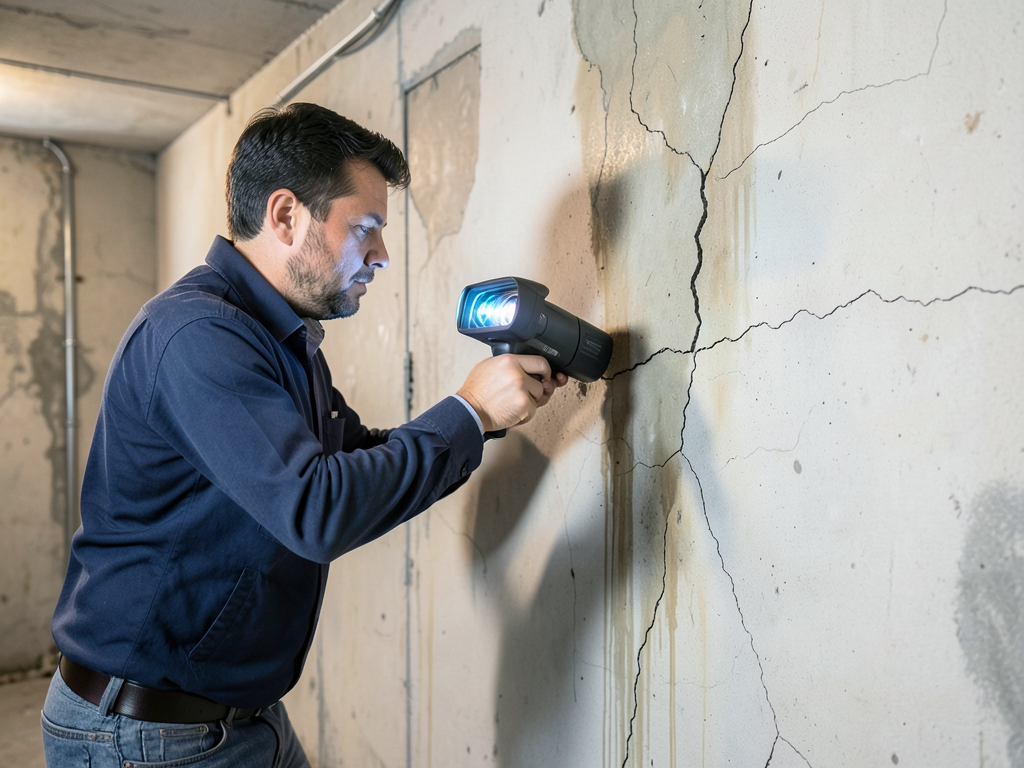
Effective disaster recovery planning begins with a facility risk assessment. We walk your property with building management to identify water ingress points, evaluate drainage systems, document utility shutoff locations, and map critical equipment. This is not a clipboard checklist. We pressurize your building envelope to locate air gaps where water can penetrate during wind-driven rain events.

Next, we create tiered response protocols based on disaster severity. A burst pipe requires different mobilization than a river flood. Your plan will specify which vendor responds to which scenario, what equipment gets moved first, and who has authority to authorize emergency expenditures. We integrate with your existing emergency operations center if you have one, or we establish command protocols if you do not.

Documentation is forensic-grade. We photograph and catalog high-value assets, record serial numbers, and establish pre-loss condition baselines. When you file an insurance claim, you will have irrefutable proof of what existed before the event. We coordinate with your insurance carrier to pre-approve restoration vendors, eliminating the delay of mid-crisis vendor vetting.

We establish off-site data redundancy protocols for server rooms and document storage. Water damage to paper records can destroy decades of contracts, client files, and compliance documentation. We work with your IT team to verify backup systems actually function and restoration time objectives are realistic.

The final component is staff training. Your disaster recovery plan only works if your team knows it exists and understands their role. We conduct tabletop exercises with your management team, simulating various scenarios and pressure-testing your protocols before a real event occurs.

Building Your Commercial Water Damage Recovery Plan

Disaster Recovery Planning in Pittsburgh – Protect Your Business from Unplanned Downtime and Catastrophic Loss
01

Facility Vulnerability Assessment

We conduct a comprehensive on-site evaluation of your Pittsburgh facility, identifying flood zones, drainage deficiencies, roof penetration points, and basement vulnerabilities. We use moisture mapping technology to detect existing intrusion you may not know about. We document every utility shutoff, every floor drain, and every potential water source. This assessment becomes your baseline facility profile for all future response.
02

Customized Response Protocols

We create scenario-specific response plans tailored to your operations. Each protocol defines trigger events, assigns decision authority, establishes vendor call trees, and sequences equipment protection priorities. We integrate your plan with local emergency management systems and ensure compliance with OSHA emergency action plan requirements. You receive both digital and physical copies of all protocols, stored on-site and off-site for accessibility during infrastructure failures.
03

Annual Plan Review and Updates

Disaster recovery planning requires annual maintenance. We review your plan each year, updating vendor contacts, reassessing facility changes, and conducting staff refresher training. As your business expands or relocates equipment, we revise protocols accordingly. We track changes to Pittsburgh flood maps, FEMA designations, and local building codes that may affect your risk profile. Your plan remains current and actionable.

Why Pittsburgh Businesses Trust Our Commercial Planning Expertise

Reliance Water Damage Restoration Pittsburgh has created facility contingency plans for manufacturing plants in Hazelwood, medical offices in Shadyside, and distribution centers along the Monongahela. We understand the operational constraints of 24-hour production facilities that cannot shut down for repairs. We know which Pittsburgh neighborhoods flood first during heavy rain and which areas lose power most frequently.

Our team includes IICRC-certified water damage technicians who have responded to hundreds of commercial losses across Allegheny County. We know how to navigate Pittsburgh's permitting process for emergency repairs. We maintain relationships with structural engineers, industrial hygienists, and commercial general contractors who can mobilize within hours when your plan activates.

We work directly with your property insurance carrier during the planning phase to ensure your disaster recovery protocols meet their requirements for claims processing. Many carriers offer premium reductions for facilities with documented pre-loss plans. We help you qualify for those discounts while ensuring your plan actually protects your business, not just satisfies an insurance checkbox.

Our planning process accounts for Pittsburgh-specific challenges like combined sewer overflow during storm events, freeze-thaw cycles that compromise building envelopes, and the prevalence of century-old buildings with outdated drainage systems. We do not use generic templates. Your plan reflects your facility, your operations, and your risk profile.

When disaster strikes, you will not be calling vendors from a phone book at 2:00 AM. You will activate a plan created specifically for your facility by technicians who have already walked your property and understand your vulnerabilities. Response time drops from hours to minutes.

What Your Disaster Recovery Plan Includes

Plan Development Timeline

Initial facility assessment and plan creation typically requires two to three weeks depending on property size and operational complexity. We schedule site visits during your operational hours to observe normal workflows and identify potential disruption points. Smaller facilities under 10,000 square feet can be assessed and planned in one week. Multi-building campuses or facilities with hazardous materials require extended assessment periods to properly document specialized protocols and regulatory compliance requirements.

Comprehensive Risk Documentation

Your disaster recovery plan includes detailed facility diagrams showing water shutoff locations, electrical panels, HVAC systems, and high-value asset locations. We provide photographic documentation of pre-loss conditions, equipment serial numbers, and existing deficiencies. You receive vendor contact lists with 24-hour emergency numbers, equipment rental agreements, and preferred pricing structures. We document your insurance policy details, coverage limits, and deductible structures so response teams have this information immediately available during crisis events.

Actionable Response Protocols

Each disaster scenario includes step-by-step response instructions written for your specific facility. Protocols define who makes decisions, what equipment gets protected first, and when to evacuate personnel. We establish clear communication chains connecting property management, restoration vendors, insurance adjusters, and emergency services. Your protocols meet OSHA requirements for emergency action plans and satisfy insurance carrier documentation standards. Every employee with response responsibilities receives training on their specific role.

Ongoing Plan Maintenance

We review and update your plan annually to reflect facility changes, staff turnover, and vendor relationship updates. As Pittsburgh building codes evolve or FEMA flood maps change, we revise your risk assessment accordingly. We conduct annual tabletop exercises with your management team to pressure-test protocols and identify gaps in response capabilities. Between annual reviews, you have direct access to our team for plan modifications as your operations change. Your plan remains current and executable.

Frequently Asked Questions

You Have Questions,
We Have Answers

What are the 5 steps of disaster recovery planning? +

The five steps are: Risk Assessment, Business Impact Analysis, Strategy Development, Plan Documentation, and Testing. First, identify threats specific to your Pittsburgh facility, including flooding from the Allegheny or Monongahela Rivers and winter freeze damage. Second, analyze how downtime affects revenue and operations. Third, define recovery time objectives and select backup solutions. Fourth, document procedures, contact lists, and system dependencies. Fifth, test your plan quarterly through tabletop exercises and simulations. Pittsburgh businesses face unique risks from aging infrastructure and seasonal weather extremes, so your plan must address local vulnerabilities to minimize operational disruption and protect your bottom line.

What is disaster and recovery planning? +

Disaster and recovery planning is a documented framework that enables businesses to restore critical operations after disruptive events. It identifies potential threats, prioritizes essential functions, and establishes protocols for data backup, system restoration, and communication. For Pittsburgh commercial operations, this includes preparing for water damage from pipe failures in older buildings, power outages during severe storms, and network breaches. The plan defines recovery time objectives, assigns roles to team members, and establishes alternative work locations. Effective planning reduces downtime, protects revenue streams, and ensures regulatory compliance. Without it, you risk extended closures, data loss, and liability exposure that can cripple your business.

What are the 4 C's of disaster recovery? +

The four C's are: Command, Communication, Coordination, and Control. Command establishes clear leadership and decision-making authority during incidents. Communication ensures stakeholders, employees, and vendors receive timely updates through redundant channels. Coordination aligns internal departments and external partners, including Pittsburgh emergency services and utility providers. Control maintains security, tracks recovery progress, and enforces protocols. These elements work together to prevent chaos during disruptions. For Pittsburgh businesses operating in multi-tenant buildings or older facilities prone to infrastructure failures, the four C's provide structure when systems fail. Missing any element increases recovery time and compounds financial losses during critical incidents.

How do I create a disaster recovery plan? +

Start by conducting a risk assessment specific to your Pittsburgh location. Identify critical business functions and their dependencies. Establish recovery time objectives based on financial impact per hour of downtime. Document backup procedures for data, systems, and physical assets. Define team roles and create contact trees. Identify alternative work sites and vendor relationships for equipment replacement. Include procedures for water damage response, given Pittsburgh's vulnerability to flooding and aging pipe infrastructure. Test your plan through simulations, revise based on findings, and update quarterly. Engage legal counsel to ensure compliance with industry regulations. A functional plan requires executive buy-in and sufficient budget allocation for backup systems.

What are the 5 P's of disaster? +

The five P's are: Prevention, Preparedness, Protection, Performance, and Post-Event Review. Prevention involves reducing risk through infrastructure upgrades and monitoring systems. Preparedness means creating documented response protocols and training staff. Protection focuses on safeguarding critical assets, data backups, and physical inventory. Performance is executing your plan during actual incidents while maintaining business continuity. Post-Event Review analyzes what worked and what failed to improve future responses. Pittsburgh businesses must emphasize prevention given the region's older building stock and flood-prone areas near rivers. Skipping any P increases your exposure to extended downtime, regulatory penalties, and competitive disadvantage when disruptions occur.

What is the DRP process? +

The DRP process starts with identifying critical systems and acceptable downtime limits. You prioritize functions based on revenue impact and compliance requirements. Next, establish backup procedures for data, applications, and infrastructure. Document step-by-step recovery procedures, including vendor contacts and alternative site arrangements. Assign specific roles to team members with clear escalation paths. For Pittsburgh operations, include protocols for winter weather disruptions and water damage from aging pipes. Test the plan through tabletop exercises and live failovers. Review and update quarterly as business needs evolve. The process is cyclical, requiring continuous refinement based on test results, infrastructure changes, and emerging threats specific to your facility.

What are common DRP mistakes? +

Common mistakes include untested plans that fail during actual incidents. Many businesses create documents but never simulate recovery scenarios. Another error is underestimating recovery time objectives, leading to inadequate backup solutions. Failing to account for supply chain dependencies leaves you stranded when vendors cannot deliver. Outdated contact information wastes critical hours during emergencies. Pittsburgh businesses often overlook location-specific risks like basement flooding in older buildings or steam pipe failures in winter. Not budgeting for offsite data storage or alternative work locations creates single points of failure. Missing regulatory compliance requirements exposes you to legal liability. Annual reviews instead of quarterly updates leave plans obsolete.

What are the 4 pillars of disaster recovery? +

The four pillars are: Governance, Technology, Operations, and Facilities. Governance establishes policies, assigns accountability, and ensures compliance with industry regulations. Technology covers data backup systems, network redundancy, and cybersecurity protocols. Operations defines business processes, vendor management, and supply chain continuity. Facilities addresses physical location recovery, including alternative work sites and equipment replacement. Pittsburgh businesses must prioritize facilities planning given the region's aging commercial buildings and infrastructure vulnerabilities. Each pillar requires dedicated resources and executive oversight. Weakness in any pillar creates cascading failures during incidents. Integration across all four ensures comprehensive protection and rapid recovery when disruptions occur.

How do you create a DRP? +

Begin with a business impact analysis to quantify downtime costs per critical function. Identify dependencies on technology, personnel, and third-party vendors. Establish recovery time objectives based on financial tolerance and regulatory requirements. Document detailed recovery procedures with step-by-step instructions for each system. Create contact lists for employees, vendors, and emergency services in Pittsburgh. Identify backup facilities and equipment sources. Implement automated data backup solutions with offsite storage. Assign team roles with backup personnel for key positions. Test the plan quarterly through simulations that stress different failure scenarios. Revise based on test outcomes and business changes. Allocate budget for backup systems and training.

What is a common disaster recovery strategy? +

A common strategy is the hot site approach, which maintains duplicate infrastructure ready for immediate failover. This works for businesses where even brief downtime causes significant revenue loss or compliance violations. Cold sites offer lower costs but longer recovery times, suitable for less critical operations. Cloud-based recovery provides scalability and geographic redundancy without maintaining physical backup facilities. For Pittsburgh businesses, hybrid strategies often work best, combining onsite backups for quick restores with cloud storage for catastrophic failures like building-wide water damage. The strategy you choose depends on your recovery time objectives, budget constraints, and regulatory requirements. Testing validates whether your chosen approach actually works.

Pittsburgh's Three Rivers and Aging Infrastructure Demand Proactive Planning

Pittsburgh's unique position at the confluence of the Allegheny, Monongahela, and Ohio Rivers creates flood exposure that extends miles beyond visible riverbanks. The city's combined sewer system, built in the 1800s, regularly exceeds capacity during heavy rainfall, causing basement backups across the North Side, South Side Flats, and Downtown. Commercial properties in flood zones are now required to maintain disaster recovery documentation under updated building codes. Facilities without documented business continuity planning face extended permit approval times during post-disaster reconstruction.

Reliance Water Damage Restoration Pittsburgh has partnered with commercial property managers throughout Allegheny County to create disaster recovery plans that meet local code requirements and insurance carrier standards. We understand Pittsburgh's municipal emergency response protocols and coordinate our commercial emergency response planning with city and county emergency management offices. Our team has responded to major flooding events along the Strip District and Lawrenceville, giving us firsthand knowledge of how quickly water rises and which areas lose access first during emergencies.


Water Damage Restoration Services in The Pittsburgh Area

While we provide rapid mobile service directly to your location, you can also find our physical business location on the map below. This map highlights our primary service area and shows our commitment to serving the Pittsburgh community. We are always ready to dispatch our expert team to your home or business, no matter where you are in our service region. Feel free to use the interactive map to get directions or to visualize our proximity to you.

Address:
Reliance Water Damage Restoration Pittsburgh, 201 S Craig St, Pittsburgh, PA, 15213

Additional Services We Offer

Our news updates

Latest Articles & News from The Blogs

How to tell if you have a expensive slab leak under your Franklin Park home Franklin Park homeowners face a…

How to tell if you have a expensive slab leak under your Franklin Park home

How to tell if you have a expensive slab leak under your Franklin Park home Franklin Park homeowners face a…

What to do when your office fire sprinklers go off by mistake in Downtown Pittsburgh

What to do when your office fire sprinklers go off by mistake in Downtown Pittsburgh When fire sprinklers discharge without…

Preserving the original masonry in Mexican War Streets homes after a water leak

Preserving the original masonry in Mexican War Streets homes after a water leak When water infiltrates the historic brick and…

Contact Us

Do not wait for a flood to discover your facility has no recovery plan. Call Reliance Water Damage Restoration Pittsburgh at (412) 382-8788 to schedule your facility risk assessment. We will identify your vulnerabilities and create a disaster recovery plan that keeps your business operational when others shut down.