


Menu

Emergency Sewage Cleanup in Pittsburgh – 24/7 Response Teams Dispatched in Under 60 Minutes

Reliance Water Damage Restoration Pittsburgh deploys certified crews around the clock for raw sewage remediation, stopping contamination before it spreads through your property and protecting your family from Category 3 biohazards.

Slider Image 1
Slider Image 2
Slider Image 3
Slider Image 4
Slider Image 5
Slider Image 7
Slider Image 8
Slider Image 9
Slider Image 10
Slider Image 11

Why Pittsburgh Sewage Backups Demand Immediate Professional Intervention

A sewage backup in your basement is not just disgusting. It is a biological time bomb. Raw sewage carries bacteria like E. coli, viruses, and parasites that contaminate every porous surface they touch. In Pittsburgh, our aging combined sewer system puts homes at higher risk during heavy rain events. When stormwater overwhelms the system, raw sewage can back up through floor drains, toilets, and basement fixtures.

The danger multiplies fast. Within hours, sewage soaks into drywall, subflooring, and insulation. The moisture triggers mold growth. The pathogens become airborne. Your HVAC system can spread contaminated particles throughout your home. Children, elderly family members, and anyone with compromised immunity face serious health risks.

Pittsburgh's humid summers accelerate bacterial growth. Our freeze-thaw cycles crack aging sewer laterals, creating entry points for tree roots and collapse zones that trigger backups without warning. Homes in older neighborhoods like Squirrel Hill, Shadyside, and the South Side face higher risk due to century-old clay pipe infrastructure.

You cannot clean this yourself. Category 3 water contamination requires professional-grade extraction equipment, antimicrobial treatments, and containment protocols. Reliance Water Damage Restoration Pittsburgh responds immediately with 24 hour sewage extraction crews trained in biohazard remediation. We stop the spread, remove the contamination, and restore safety to your home before permanent damage sets in.

Why Pittsburgh Sewage Backups Demand Immediate Professional Intervention
How Professional Sewage Backup Cleanup Protects Your Property and Health

How Professional Sewage Backup Cleanup Protects Your Property and Health

Emergency sewage removal requires a controlled approach that prevents cross-contamination. Our technicians arrive in full personal protective equipment and establish containment barriers before extraction begins. We use truck-mounted extraction systems that remove sewage and contaminated water at high volume, preventing further saturation of structural materials.

After extraction, we apply EPA-registered antimicrobial agents specifically formulated for Category 3 contamination. These treatments neutralize pathogens on contact and create a residual barrier against bacterial regrowth. We do not use household bleach or generic cleaners. Those products cannot penetrate porous materials where bacteria colonize.

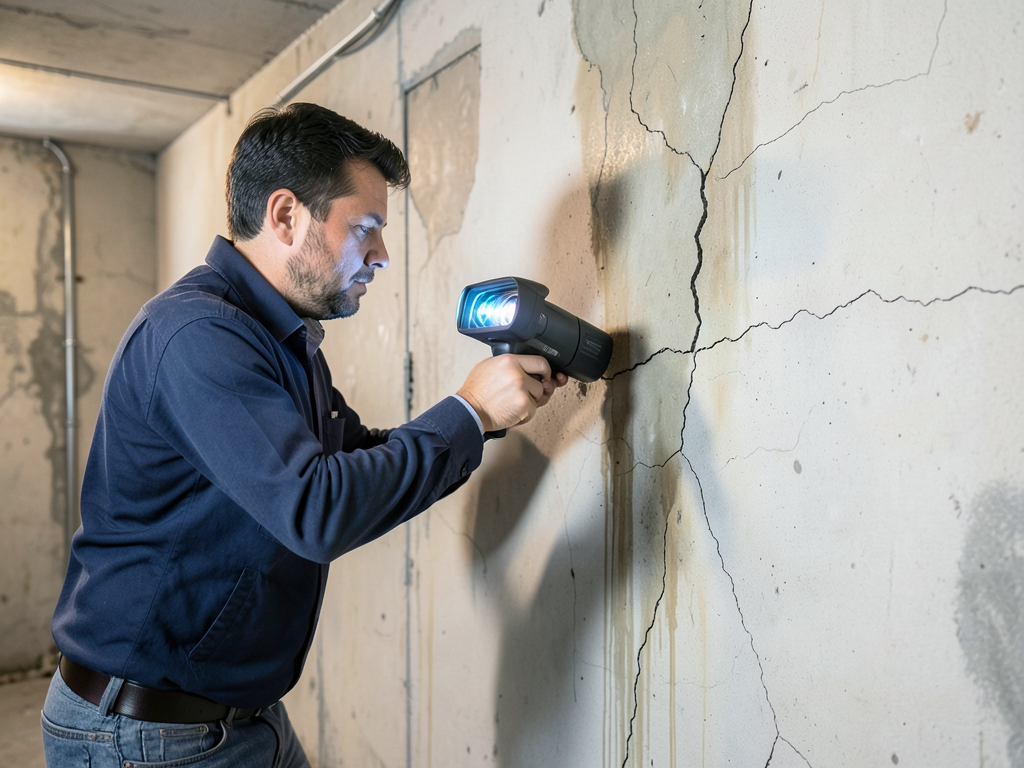
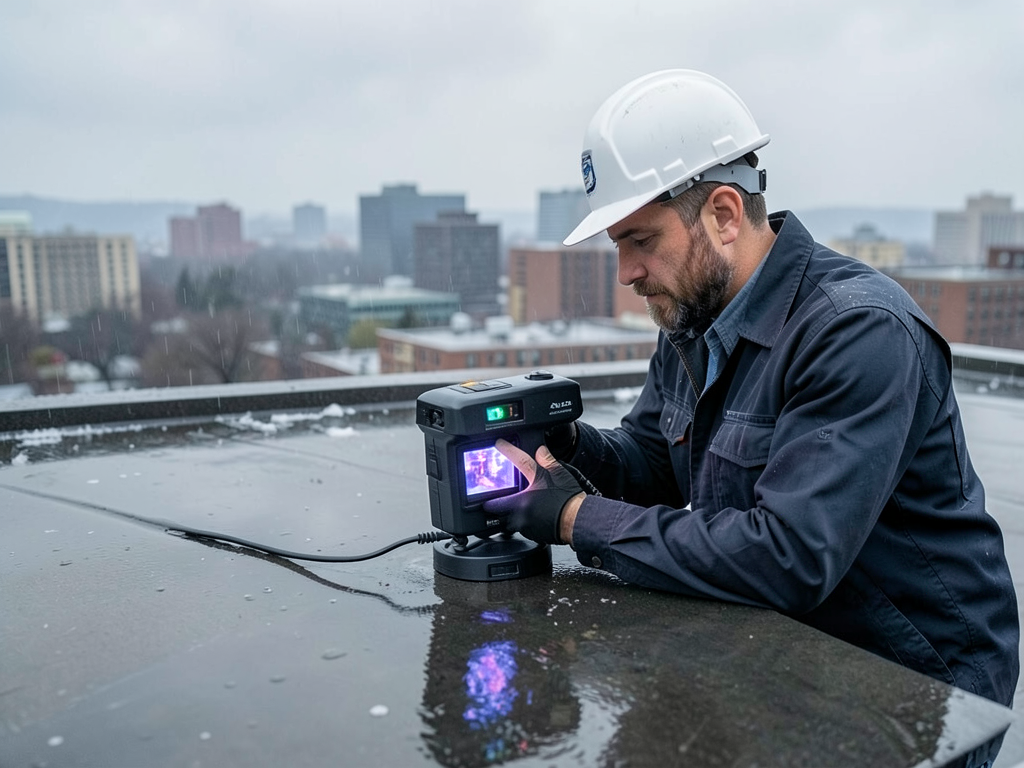
Our thermal imaging cameras identify hidden moisture pockets inside wall cavities and under flooring. Sewage often travels through cracks in concrete slabs and wicks up inside walls. If we miss these pockets, mold will grow and odors will return. We document every affected area and track moisture levels throughout the drying process.

Industrial dehumidifiers and air movers create negative air pressure in the affected zone. This prevents contaminated air from migrating into clean areas of your home. We run HEPA air scrubbers that capture airborne particles down to 0.3 microns, removing bacteria and mold spores from the breathing zone.

Sewage-damaged materials often require removal. Drywall, insulation, carpeting, and pad absorb sewage and cannot be salvaged. We perform controlled demolition, removing only what is necessary and protecting unaffected areas. Our crews handle disposal following Pennsylvania Department of Environmental Protection guidelines for biohazardous waste. This is urgent sewer water cleanup done right, with no shortcuts that come back to haunt you.

What Happens When You Call for Sewage Backup Cleanup

Emergency Sewage Cleanup in Pittsburgh – 24/7 Response Teams Dispatched in Under 60 Minutes
01

Immediate Emergency Dispatch

The moment you call (412) 382-8788, we dispatch a response crew to your Pittsburgh location. Our technicians arrive with truck-mounted extraction equipment, antimicrobial treatments, and containment supplies. We assess the contamination zone, identify the source if still active, and establish safety protocols before anyone enters the affected area. Speed matters because sewage contamination spreads through porous materials every minute it sits.
02

Extraction and Decontamination

We extract standing sewage and contaminated water using high-volume pumps, then apply hospital-grade antimicrobial agents to all affected surfaces. Our crew removes unsalvageable materials like soaked drywall, insulation, and flooring while documenting damage for insurance claims. We contain the work zone to prevent cross-contamination and run HEPA filtration to capture airborne pathogens. Every surface that contacted sewage receives treatment, including concrete, framing, and mechanical systems.
03

Structural Drying and Verification

Industrial dehumidifiers and air movers run continuously until moisture readings return to normal ranges. We monitor progress with moisture meters and thermal imaging, ensuring hidden pockets dry completely. Once structural materials reach acceptable moisture levels, we perform final antimicrobial treatment and air quality verification. You receive documentation showing your property is safe for reconstruction. This prevents mold growth and confirms the raw sewage remediation process is complete.

Why Pittsburgh Homeowners Trust Reliance for Sewage Emergencies

Sewage backup cleanup is not a service you choose based on price. You need a company that understands biohazard protocols and owns the equipment to do the job right. Reliance Water Damage Restoration Pittsburgh has responded to hundreds of sewage emergencies across Allegheny County, from Highland Park bungalows to Mount Lebanon split-levels.

We know Pittsburgh's sewer infrastructure. The ALCOSAN combined sewer system serves most of the region, and when it overflows during heavy rain, your home pays the price. We have worked with the Pittsburgh Water and Sewer Authority on documentation requirements and know how to navigate insurance claims involving municipal sewer backups.

Our technicians hold IICRC certification in Applied Structural Drying and Water Damage Restoration. This is not a weekend course. It is intensive training in psychrometrics, microbial remediation, and structural systems. When our crew arrives, they understand how sewage migrates through building assemblies and which materials can be saved versus which must be removed.

We work directly with your insurance adjuster and provide detailed documentation that supports your claim. Sewage backups often trigger coverage disputes because policies distinguish between sewer backups and water backups. We photograph the source, document the category of contamination, and provide moisture mapping that shows the full extent of damage.

Pittsburgh families call us because we answer the phone at 2 a.m. on Sunday. We do not use answering services or schedule you for the next business day. Sewage contamination is a health emergency, and we treat it that way. Our response time averages under 60 minutes within the greater Pittsburgh metro area.

What to Expect During Emergency Sewage Removal

Around-the-Clock Availability

Sewage backups do not wait for business hours. We maintain response crews 24/7, 365 days a year. When you call (412) 382-8788, a live person answers and dispatches a technician immediately. Our average response time to Pittsburgh addresses is under 60 minutes. We arrive with full extraction and decontamination equipment, ready to work. You do not wait until morning while sewage soaks deeper into your home. Every hour of delay increases damage and health risk. We stop the contamination immediately.

Comprehensive Site Assessment

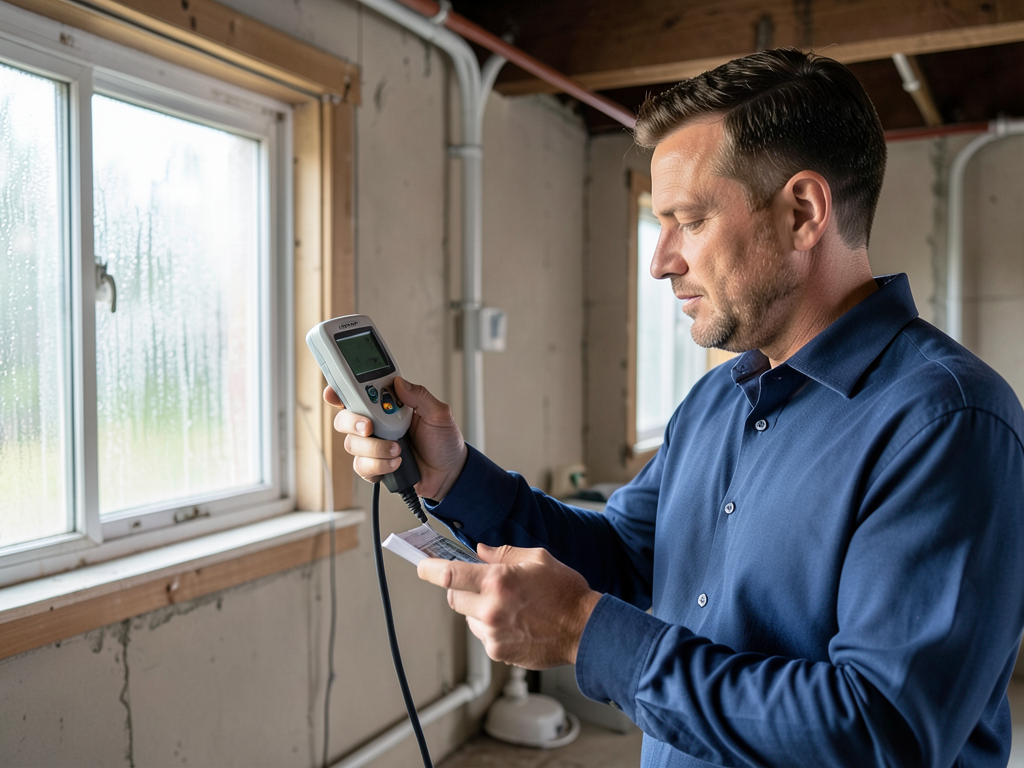
Our first step is identifying the contamination source and mapping the affected area. We use moisture meters and thermal imaging to detect sewage saturation inside walls, under flooring, and in crawl spaces. You see exactly what is damaged and what can be saved. We photograph everything and document the category of water damage for insurance purposes. This assessment forms the basis of your claim and guides our remediation plan. We explain the process in plain language and answer every question before work begins.

Complete Contamination Removal

You get a property that is safe for your family. We do not just dry the visible areas and spray air freshener. Our antimicrobial treatments penetrate porous materials and neutralize pathogens at the source. HEPA air scrubbers remove airborne bacteria and odors. Structural drying continues until moisture levels return to normal, preventing mold growth. We remove and dispose of contaminated materials following Pennsylvania DEP regulations. The final result is a clean, dry structure ready for reconstruction, with documentation proving remediation was performed correctly.

Insurance Coordination and Documentation

We work directly with your insurance company to document the loss and support your claim. Our technicians provide detailed photo documentation, moisture readings, and itemized scopes of work that adjusters require. We distinguish between Category 2 and Category 3 contamination, identify the source as sewer backup versus other water intrusion, and explain why specific materials require removal. This documentation often makes the difference between a denied claim and full coverage. We have worked with every major carrier operating in Pennsylvania and understand their requirements.

Frequently Asked Questions

You Have Questions,
We Have Answers

What is considered a sewer emergency? +

A sewer emergency happens when raw sewage backs up into your home through drains, toilets, or floor drains. This is urgent. Sewage contains bacteria, viruses, and pathogens that threaten your health immediately. You need help now if you see standing sewage, smell strong sewer gas, or notice multiple drains backing up at once. In Pittsburgh, heavy rains and aging clay sewer lines increase backup risk. Do not wait. Sewage exposure causes serious illness. Evacuate affected areas, shut off water if possible, and call a professional restoration team available 24/7.

How much does sewage cleanup cost? +

Sewage cleanup costs vary based on severity and affected area. Minor backups in a single bathroom start lower, while whole-basement flooding costs more. Category 3 water damage requires full removal, antimicrobial treatment, and structural drying. Pittsburgh homes with finished basements or older cast iron pipes face higher restoration costs. Insurance usually covers sudden backups if you have sewer backup coverage added to your policy. Professional crews assess damage, extract sewage, disinfect surfaces, and dry structures properly. Do not try cleaning sewage yourself. Health risks and cross-contamination make professional restoration necessary.

Does insurance cover sewage cleanup? +

Most homeowner policies do not automatically cover sewage backups. You need sewer backup endorsement added to your policy. This rider typically covers cleanup, repairs, and damaged belongings. Pittsburgh experiences frequent backups due to combined sewer systems and heavy spring rains. Check your policy now. If you have coverage, call your insurance company immediately after a backup. Professional restoration companies document damage, photograph affected areas, and work directly with adjusters. They handle claims paperwork while you focus on safety. Without coverage, you pay out of pocket. Add this endorsement before disaster strikes.

Is sewage backup an emergency? +

Yes. Sewage backup is a serious emergency requiring immediate action. Raw sewage carries E. coli, hepatitis, and other dangerous pathogens. Exposure causes illness within hours. Pittsburgh homes with basement living spaces face high contamination risk when sewage backs up. Stop using all plumbing immediately to prevent worsening the backup. Do not touch sewage or contaminated surfaces. Move people and pets away from affected areas. Call a 24/7 emergency restoration company right away. They arrive fast, contain the spread, extract sewage safely, and disinfect thoroughly. Every minute counts when sewage invades your home.

How much does it cost to unblock a sewage drain? +

Unblocking a sewage drain depends on the blockage location and severity. Simple snaking for a single drain costs less than mainline sewer jetting. Pittsburgh homes with mature trees often face root intrusion requiring hydro jetting or mechanical cutting. If the blockage sits in your mainline outside, costs increase. Professional plumbers camera-inspect lines to locate blockages before choosing the right method. Avoid chemical drain cleaners. They damage old Pittsburgh clay pipes and do not clear major blockages. Get a proper diagnosis first. Emergency calls cost more than scheduled service, but you cannot wait when sewage threatens your home.

Will insurance pay for sewer line replacement? +

Sometimes. Standard homeowner policies rarely cover gradual deterioration or maintenance issues like aging sewer lines. If your line collapses suddenly due to a covered peril like earth movement or tree root invasion, you might get partial coverage. Pittsburgh homes built before 1960 often have clay or cast iron lines prone to failure. Sewer backup endorsement covers cleanup but not always the exterior line replacement. Some cities offer sewer line warranty programs for a monthly fee. Review your policy details and ask your insurer specifically about line replacement. Plan for replacement costs if your line is over 50 years old.

Can I clean my sewer line myself? +

No. Do not attempt sewage cleanup yourself. Raw sewage is Category 3 contaminated water containing dangerous pathogens, bacteria, and viruses. You need professional-grade disinfectants, protective equipment, air scrubbers, and proper disposal methods. Pittsburgh residents risk serious illness without proper protection. Sewage soaks into drywall, insulation, and subflooring, requiring removal and replacement. Cross-contamination spreads quickly. Restoration professionals follow IICRC standards, use EPA-registered antimicrobials, and document everything for insurance claims. Your safety matters. Leave sewage cleanup to trained technicians with proper equipment. Focus on evacuating your family and calling for emergency help immediately.

Why is my sewer bill 200 dollars? +

Your sewer bill reflects more than just usage. Pittsburgh sewer bills include wastewater treatment, stormwater management, and infrastructure maintenance costs. PWSA charges based on water consumption since measuring actual sewage is impractical. Bills also fund aging sewer system repairs and combined sewer overflow projects. If your bill jumped suddenly, check for leaks or running toilets increasing water use. Winter averaging programs estimate summer irrigation separately. High bills do not indicate sewer line problems. However, if you notice slow drains, gurgling sounds, or sewage odors along with high usage, you might have a hidden leak requiring professional inspection.

Is sewer jetting worth it? +

Yes. Hydro jetting clears blockages and cleans pipe walls better than snaking alone. High-pressure water removes grease buildup, mineral deposits, and root intrusions that snakes push aside temporarily. Pittsburgh homes with older clay or cast iron lines benefit from periodic jetting to prevent backups. Jetting costs more upfront but provides longer-lasting results. Technicians camera-inspect first to ensure pipes can handle pressure without breaking. Fragile or cracked lines need gentler methods. For recurring backups or slow drains, jetting restores full flow and reduces future emergency calls. Preventive jetting every few years protects your investment and prevents sewage disasters.

Is a clogged toilet considered a sewer backup? +

Not always. A single clogged toilet usually means a local blockage in that fixture or drain line. Use a plunger or auger to clear it. However, if multiple toilets back up simultaneously, all drains run slow, or sewage appears in your basement floor drain, you have a mainline sewer backup. Pittsburgh homes with one bathroom might confuse toilet clogs with sewer issues. Watch for warning signs like gurgling when you flush or water backing into tubs. If plunging fails or sewage appears elsewhere, stop using all plumbing immediately and call emergency help. Mainline backups worsen fast and contaminate your entire home.

How Pittsburgh's Aging Combined Sewer System Increases Sewage Backup Risk

Pittsburgh's combined sewer system, managed by ALCOSAN, carries both stormwater and raw sewage in the same pipes. During heavy rain events, the system overflows and sewage backs up through basement floor drains and fixtures in thousands of homes. The problem intensifies in older neighborhoods like Lawrenceville, Polish Hill, and Bloomfield, where clay sewer laterals installed before 1950 crack and collapse. Tree roots infiltrate these cracks, creating blockages that force sewage back into your basement. Emergency sewage cleanup demand spikes during spring thaw and summer thunderstorms when the system cannot handle the volume.

Reliance Water Damage Restoration Pittsburgh has worked in every neighborhood from the North Hills to the South Hills. We understand how elevation affects drainage patterns and which areas face the highest backup risk during storm events. Our technicians know Pennsylvania building codes for vapor barriers, drainage systems, and antimicrobial treatments. We coordinate with Pittsburgh Water and Sewer Authority when municipal system failures cause backups, ensuring proper documentation for potential claims against the authority. Local expertise matters when you are dealing with raw sewage remediation in a city with infrastructure challenges this complex.
Water Damage Restoration Services in The Pittsburgh Area

While we provide rapid mobile service directly to your location, you can also find our physical business location on the map below. This map highlights our primary service area and shows our commitment to serving the Pittsburgh community. We are always ready to dispatch our expert team to your home or business, no matter where you are in our service region. Feel free to use the interactive map to get directions or to visualize our proximity to you.

Address:
Reliance Water Damage Restoration Pittsburgh, 201 S Craig St, Pittsburgh, PA, 15213

Additional Services We Offer

Our news updates

Latest Articles & News from The Blogs

How to tell if you have a expensive slab leak under your Franklin Park home Franklin Park homeowners face a…

How to tell if you have a expensive slab leak under your Franklin Park home

How to tell if you have a expensive slab leak under your Franklin Park home Franklin Park homeowners face a…

What to do when your office fire sprinklers go off by mistake in Downtown Pittsburgh

What to do when your office fire sprinklers go off by mistake in Downtown Pittsburgh When fire sprinklers discharge without…

Preserving the original masonry in Mexican War Streets homes after a water leak

Preserving the original masonry in Mexican War Streets homes after a water leak When water infiltrates the historic brick and…

Contact Us

Do not let sewage contamination spread through your home. Call Reliance Water Damage Restoration Pittsburgh now at (412) 382-8788. Our emergency response teams deploy immediately with professional extraction equipment and antimicrobial treatments. We answer 24/7 and arrive fast.