



Menu

Categories of Water in Pittsburgh – Understanding Water Contamination Levels to Protect Your Property

IICRC water categories define the contamination level in your home or business. Knowing these classifications helps you understand health risks, restoration urgency, and why professional assessment matters after any water intrusion in Pittsburgh.

Slider Image 1
Slider Image 2
Slider Image 3
Slider Image 4
Slider Image 5
Slider Image 7
Slider Image 8
Slider Image 9
Slider Image 10
Slider Image 11

Why Water Contamination Levels Matter in Pittsburgh Properties

Pittsburgh's aging infrastructure, combined with heavy spring rains and Allegheny River flooding, creates frequent water intrusion scenarios. The water that enters your property is not all the same. IICRC water categories classify contamination into three distinct levels based on the source and potential health hazards.

Category 1 water comes from sanitary sources like supply lines or faucets. It poses no immediate health threat, but it quickly degrades. Category 2 water contains significant contamination from sources like washing machine overflows, dishwasher leaks, or toilet bowls with urine but no feces. This water carries bacteria and can cause discomfort or illness. Category 3 water, often called black water, contains pathogenic agents from sewage backups, river flooding, or standing water that has supported microbial growth.

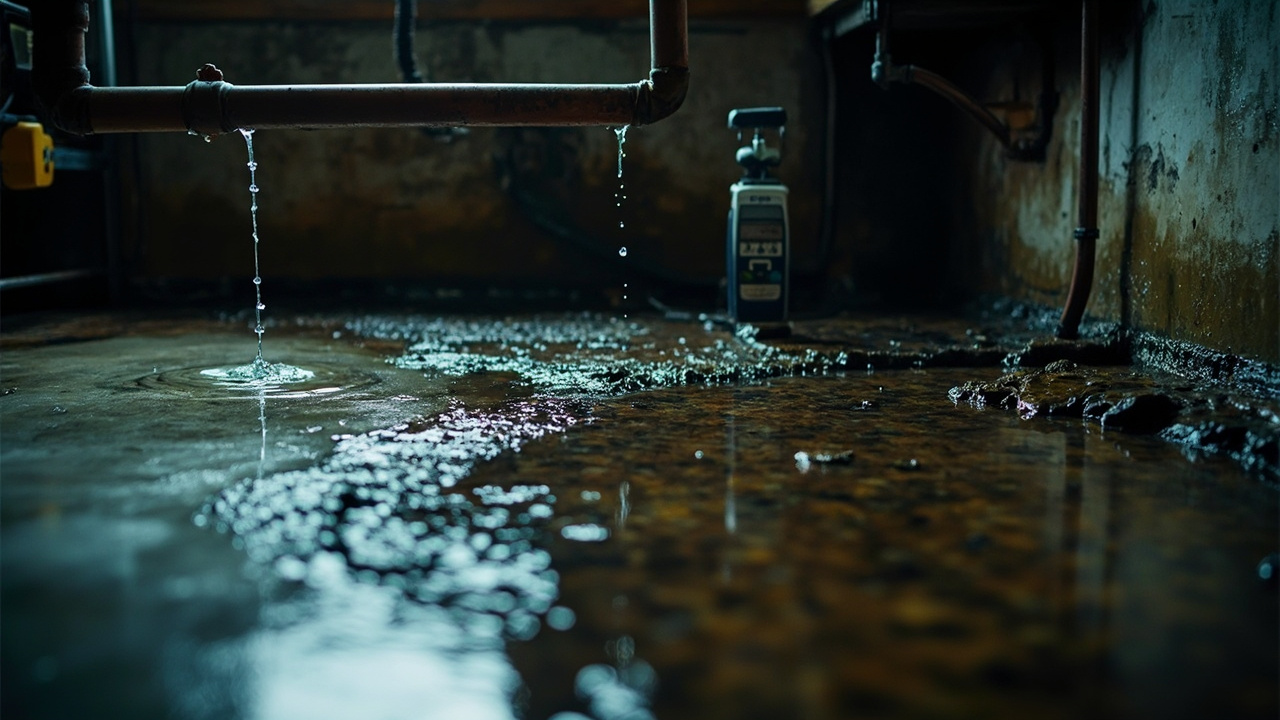
Pittsburgh's older homes in neighborhoods like Squirrel Hill and Shadyside often have cast iron sewer lines that corrode and fail. When these lines break, Category 3 water enters your basement. The difference between water quality classifications determines everything. It affects the restoration approach, what materials can be saved, and what must be removed. It determines whether your family faces health risks and how quickly the situation becomes dangerous.

Understanding water contamination levels is not academic. It is the difference between a manageable cleanup and a biohazard situation. Pittsburgh's humid summers accelerate microbial growth, meaning Category 1 water can become Category 2 within 48 hours if not addressed. You need to know what you are dealing with to protect your property and health.

Why Water Contamination Levels Matter in Pittsburgh Properties
How We Assess and Classify Water Contamination

How We Assess and Classify Water Contamination

Reliance Water Damage Restoration Pittsburgh uses IICRC S500 standards to evaluate every water loss. We do not guess. We assess the source, test contamination indicators when necessary, and classify the water before we begin extraction or structural drying.

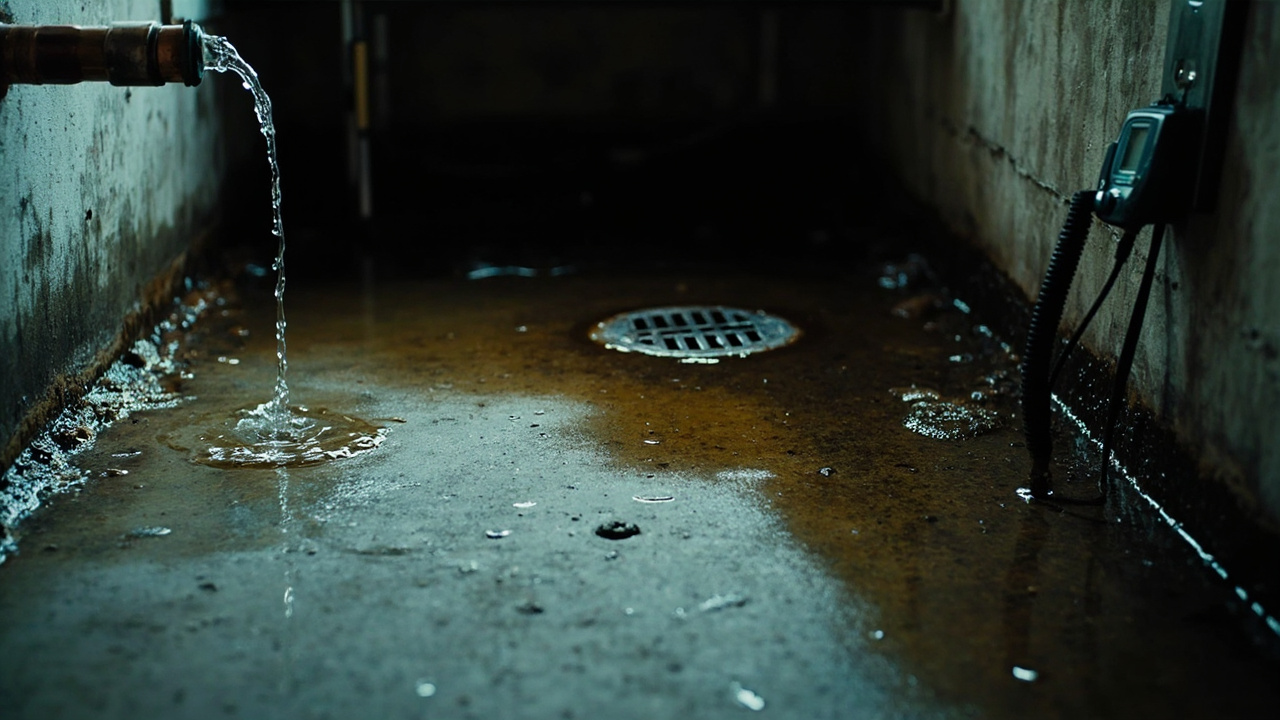
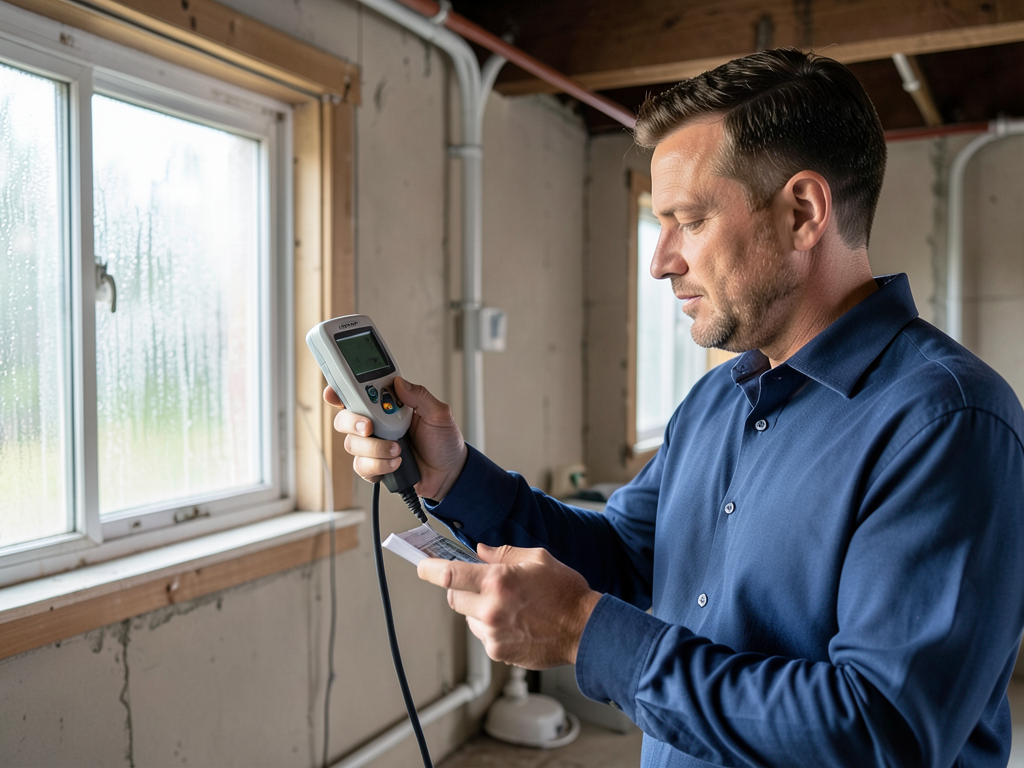
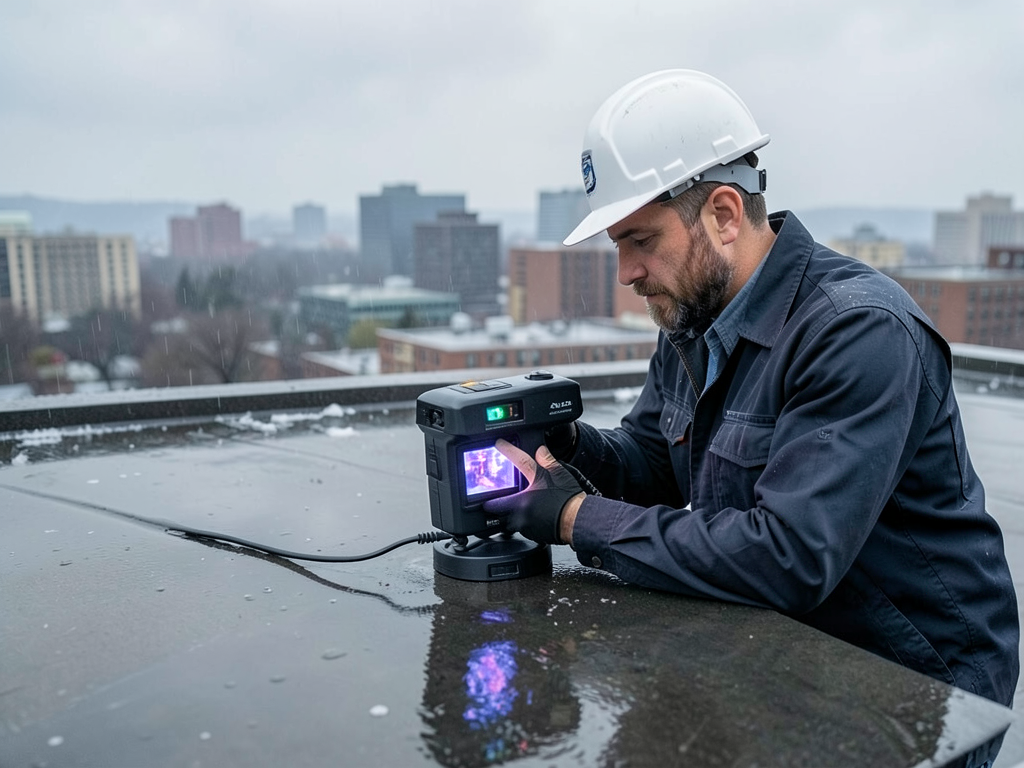
Our technicians arrive with moisture meters, thermal imaging cameras, and sampling equipment. We trace the water to its origin. A broken supply line in your Mount Lebanon home is Category 1, but if that water sat for three days in August heat, it has likely degraded to Category 2. We check temperature, odor, visible contamination, and time elapsed since the intrusion.

For suspected Category 2 or 3 contamination, we use ATP meters to measure biological load. This is not guesswork. We quantify the contamination. If your Lawrenceville property has sewer backup from the combined sewer overflow system during heavy rain, we treat it as Category 3 from the start. That means full protective equipment, antimicrobial application, and complete removal of porous materials like drywall and insulation.

We also assess cross-contamination risk. Water migrates through building materials. Category 1 water that flows through insulation or porous concrete can pick up contaminants and become Category 2. We track the path, not just the source.

Once we classify the water, we match our extraction methods, drying protocols, and disposal procedures to that category. Category 3 water requires containment to prevent cross-contamination to unaffected areas. We establish negative air pressure, use HEPA filtration, and dispose of contaminated materials according to EPA guidelines. This is not standard carpet cleaning. It is contamination control based on water quality classifications that protect you and your family.

How We Handle Water Category Assessment in Your Pittsburgh Property

Categories of Water in Pittsburgh – Understanding Water Contamination Levels to Protect Your Property
01

Source Identification and Testing

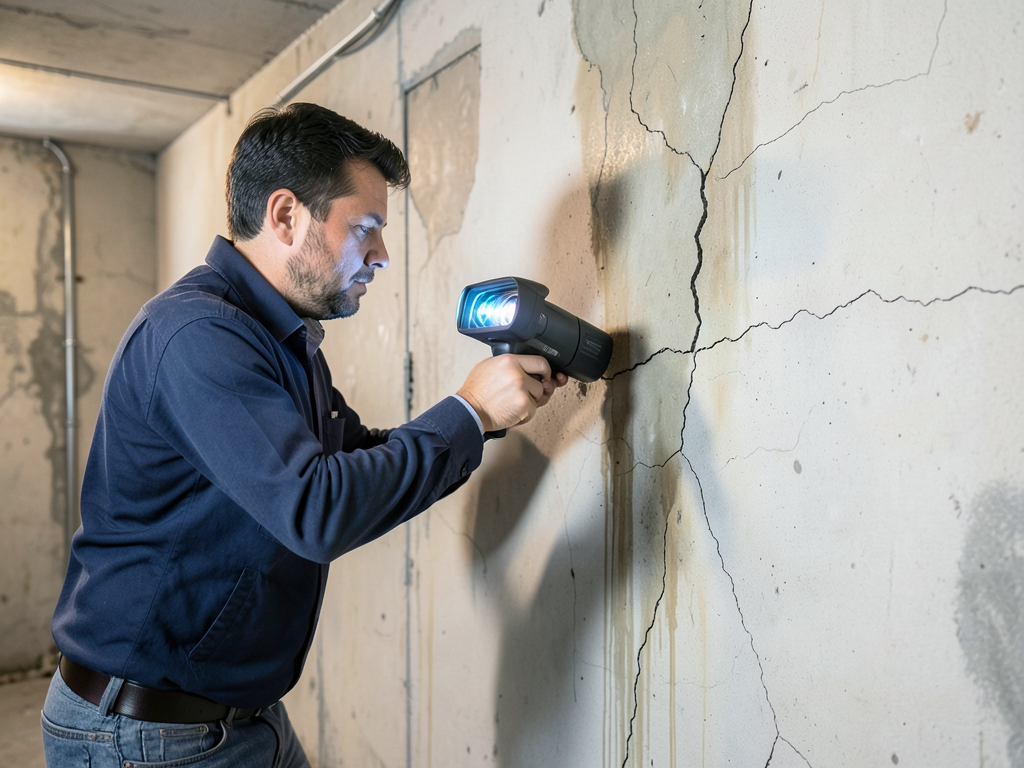
We trace the water to its origin and determine the initial category using IICRC standards. Our technicians inspect plumbing fixtures, sewer lines, roof leaks, and groundwater entry points. We use thermal imaging to find hidden moisture paths and moisture meters to measure saturation levels in walls, floors, and ceilings. If the source is unclear or contamination is suspected, we conduct ATP testing to measure biological activity and confirm the water category before proceeding with restoration work.
02

Contamination Level Documentation

We document the water category with photos, moisture readings, and contamination test results. This documentation is critical for insurance claims and health safety records. We map the affected areas and note which materials contacted each water category. Drywall that absorbed Category 3 water must be removed, while hardwood flooring exposed to Category 1 water may be dried and salvaged. Our documentation ensures you understand what happened and why specific remediation steps are necessary for your Pittsburgh property.
03

Category-Specific Restoration Protocol

We execute restoration procedures matched to the water category. Category 1 water receives standard extraction and drying. Category 2 water requires antimicrobial treatment after drying. Category 3 water demands full containment, protective equipment, controlled demolition of affected porous materials, HEPA air scrubbing, and surface disinfection. We follow IICRC S500 protocols to ensure your property is safe, dry, and free from contamination. You receive a final clearance report confirming the work meets industry standards.

Why Pittsburgh Residents Trust Us for Water Category Evaluation

Pittsburgh's unique water challenges require local knowledge. The Allegheny, Monongahela, and Ohio rivers converge here, and river flooding brings Category 3 contamination into basements across the North Shore, Strip District, and South Side Flats. We know these patterns. We have worked in century-old homes in Highland Park where clay soil causes foundation cracks that allow groundwater seepage. We understand how the city's combined sewer system can back up during spring storms, sending sewage into your basement.

Reliance Water Damage Restoration Pittsburgh holds IICRC certifications in Water Damage Restoration and Applied Microbial Remediation. Our technicians complete ongoing training in contamination assessment and safety protocols. We do not cut corners when Category 3 water is present. We have seen the health consequences when untrained crews misclassify contaminated water as clean. Respiratory infections, gastrointestinal illness, and skin conditions result from improper handling.

We also understand Pittsburgh's building stock. Many properties in Bloomfield, Polish Hill, and the North Side have original plumbing from the 1920s. When these systems fail, you need someone who knows how to assess contamination in older construction. We know which materials hold moisture, which harbor bacteria, and which can be salvaged based on water quality classifications.

Our relationship with local insurance adjusters and property managers means faster claim processing and clearer communication. We document everything to industry standards, so there is no ambiguity about what water category affected your property. You get accurate assessment, appropriate restoration, and documentation that protects your investment. Pittsburgh's water damage is not generic. Neither is our response.

What You Can Expect During Water Category Assessment

Response Time and Availability

We operate 24 hours a day, seven days a week. Water damage does not wait for business hours, and neither do we. When you call about a water intrusion, we dispatch a certified technician to your Pittsburgh property within 60 to 90 minutes. Our rapid response limits secondary damage and allows us to assess the water category while conditions are fresh. The faster we identify contamination levels, the faster we can implement the correct restoration protocol. Time is the enemy in water damage. We eliminate delays so you get accurate assessment and immediate action when Category 2 or 3 water threatens your health and property.

Initial Assessment and Classification Process

Our assessment begins with a detailed inspection of the water source and affected areas. We interview you about when the water intrusion started, what you observed, and any unusual odors or discoloration. We use moisture detection equipment to map the extent of saturation and thermal imaging to find hidden water migration. If contamination is suspected, we conduct field testing to measure biological activity. We explain our findings in clear language, show you the evidence, and classify the water according to IICRC standards. You receive a written assessment that documents the water category, affected materials, and recommended remediation steps before we begin any work.

Restoration Outcome and Safety Standards

Our goal is to return your property to a safe, dry, pre-loss condition using methods appropriate to the water category. Category 1 water damage may require only extraction and drying. Category 2 and 3 contamination demand controlled demolition, antimicrobial treatment, and HEPA filtration to remove airborne pathogens. We verify dryness with moisture meter readings and document that all contaminated materials have been removed. You receive a final report that includes before and after photos, moisture readings, and confirmation that your property meets IICRC drying standards. Your Pittsburgh home or business is safe for occupancy, with no hidden moisture or contamination.

Follow-Up and Monitoring

We do not disappear after the initial restoration. Water damage assessment includes follow-up moisture checks to ensure no secondary issues develop. For Category 2 or 3 contamination, we schedule a post-remediation inspection to verify air quality and surface cleanliness. If reconstruction is needed, we coordinate with licensed contractors to rebuild walls, flooring, and fixtures to code. We also provide guidance on preventing future water intrusion based on the category and source we identified. Pittsburgh's water challenges are ongoing, so we give you practical advice on sump pump maintenance, sewer line inspection, and foundation waterproofing to reduce the risk of future contamination events.

Frequently Asked Questions

You Have Questions,
We Have Answers

What are the 5 types of water? +

In water damage restoration, there are three recognized contamination categories, not five. Category 1 is clean water from supply lines or rain. Category 2 is gray water from appliances like dishwashers or washing machines. Category 3 is black water from sewage or flooding. Pittsburgh homes often face Category 1 issues from burst pipes during freeze-thaw cycles, while basement flooding from the Allegheny or Monongahela rivers typically involves Category 3 contamination. Understanding these categories helps determine proper cleanup protocols and safety measures.

What is category 1, 2, and 3 water? +

Category 1 water is clean and poses no immediate health risk. It comes from supply lines, faucets, or rainwater. Category 2 water contains contaminants that can cause discomfort or illness. Sources include washing machine overflow or toilet bowls without feces. Category 3 water is grossly contaminated and contains harmful bacteria, fungi, or sewage. Common sources in Pittsburgh include sewer backups and river flooding during heavy storms. Category 2 water can degrade to Category 3 within 48 hours if untreated, making quick response critical for Pittsburgh homeowners.

What are the three categories of water? +

The three water damage categories are based on contamination levels. Category 1 is clean water from sanitary sources like supply lines or rainwater. Category 2 is gray water with some contamination from appliances or fixtures. Category 3 is black water containing sewage, soil, or other hazardous substances. Pittsburgh properties face all three categories depending on the source. Broken pipes typically create Category 1 damage, while sump pump failures in basements often involve Category 2 or 3 water due to groundwater intrusion common in areas near the rivers.

What are the different water categories? +

Water damage professionals use three categories to classify contamination levels. Category 1 involves clean water from potable sources. Category 2 includes gray water with some contaminants. Category 3 represents black water with significant contamination from sewage or flooding. Pittsburgh homes also encounter different evaporation rates based on material classes. Class 1 affects materials with low absorption rates. Class 2 involves fast evaporation rates. Class 3 means slow evaporation. Class 4 indicates specialty materials requiring unique drying methods. Both category and class determine the restoration approach needed.

What are the 8 types of water? +

This question confuses water damage categories with water types. In restoration, only three contamination categories exist: clean water (Category 1), gray water (Category 2), and black water (Category 3). You may be thinking of bottled water types or scientific classifications. For Pittsburgh property owners facing water damage, focus on these three categories. They determine safety protocols, required personal protective equipment, and disposal methods. The category affects restoration costs and timeline. Misidentifying water contamination levels can create health risks and improper cleanup methods for your Pittsburgh property.

What are category 5 waters? +

Category 5 water does not exist in professional water damage restoration standards. The industry recognizes only three contamination categories: Category 1 (clean), Category 2 (gray), and Category 3 (black). This confusion may stem from hurricane categories or other rating systems. For Pittsburgh residents dealing with water damage from burst pipes, appliance leaks, or basement flooding, understanding the correct three-category system matters. It determines whether you need professional remediation, what safety equipment technicians use, and how materials get disposed of after extraction and drying.

What are the 7 types of water? +

There are no seven types of water in damage restoration. The industry uses three contamination categories: clean water (Category 1), gray water (Category 2), and black water (Category 3). Pittsburgh properties also deal with four evaporation classes based on affected materials. Class 1 has minimal absorption. Class 2 involves fast evaporation. Class 3 means slow drying. Class 4 requires specialty techniques. Together, categories and classes total seven classifications, which may cause confusion. These systems help restoration professionals determine proper drying equipment, antimicrobial treatments, and safety protocols for your specific situation.

What are the four classes of water? +

The four classes of water describe evaporation rates and material absorption, not contamination. Class 1 affects materials with minimal absorption like concrete or hardwood. Class 2 involves fast evaporation rates with significant moisture absorption in carpet, cushions, or drywall. Class 3 indicates slow evaporation with water coming from above, saturating materials. Class 4 requires specialty drying for materials like plaster, hardwood subfloors, or stone. Pittsburgh homes with plaster walls common in older neighborhoods often need Class 4 protocols. These classes work alongside contamination categories to guide proper restoration techniques.

What is a Category 5 water? +

Category 5 water is not a recognized classification in water damage restoration. The system uses three categories based on contamination: Category 1 (clean), Category 2 (gray), and Category 3 (black). Pittsburgh property owners should focus on these three levels when dealing with water damage. Category 3 represents the most severe contamination from sewage backups or river flooding. It requires specialized equipment, protective gear, and disposal methods. Attempting to clean Category 3 water without professional help creates serious health risks from bacteria, viruses, and other pathogens common in contaminated water sources.

What is type 3 pure water? +

Type 3 pure water does not relate to water damage restoration terminology. You may be thinking of Category 3 water, which is grossly contaminated black water from sewage or flooding. Alternatively, Type 3 could refer to purified water classifications in scientific contexts. In restoration, Category 3 water requires immediate professional attention due to harmful bacteria, fungi, and pathogens. Pittsburgh properties near the rivers or with older sewer systems face Category 3 risks during heavy rainfall. This water type demands specialized extraction, antimicrobial treatment, and potentially material removal to protect occupant health and prevent mold growth.

Why Pittsburgh's Aging Sewer System Makes Water Categories Critical

Pittsburgh's combined sewer system, built over a century ago, carries both stormwater and sewage in the same pipes. During heavy rain, the system overflows and sends raw sewage into basements across neighborhoods like Brookline, Carrick, and the South Hills. This is Category 3 water from the moment it enters your property. The presence of fecal matter, bacteria, viruses, and chemical contaminants makes immediate professional assessment non-negotiable. Unlike Category 1 water from a broken pipe, Category 3 contamination requires protective equipment, containment, and complete removal of porous materials. You cannot dry it out and move on. Understanding water contamination levels in Pittsburgh means understanding that our infrastructure creates frequent Category 3 events that demand specialized response.

Reliance Water Damage Restoration Pittsburgh has worked with property owners throughout Allegheny County to address water category issues unique to this region. We understand local building codes, insurance requirements, and the health department regulations that govern Category 3 remediation. Our IICRC-certified technicians know the difference between surface water from a rainstorm and contaminated water from a sewer backup, and we document our findings to standards that satisfy insurers, inspectors, and your peace of mind. Choosing a local provider who understands Pittsburgh's water challenges means you get accurate assessment, appropriate response, and protection from the health risks that come with misclassified water damage.
Water Damage Restoration Services in The Pittsburgh Area

While we provide rapid mobile service directly to your location, you can also find our physical business location on the map below. This map highlights our primary service area and shows our commitment to serving the Pittsburgh community. We are always ready to dispatch our expert team to your home or business, no matter where you are in our service region. Feel free to use the interactive map to get directions or to visualize our proximity to you.

Address:
Reliance Water Damage Restoration Pittsburgh, 201 S Craig St, Pittsburgh, PA, 15213

Additional Services We Offer

Our news updates

Latest Articles & News from The Blogs

How to tell if you have a expensive slab leak under your Franklin Park home Franklin Park homeowners face a…

How to tell if you have a expensive slab leak under your Franklin Park home

How to tell if you have a expensive slab leak under your Franklin Park home Franklin Park homeowners face a…

What to do when your office fire sprinklers go off by mistake in Downtown Pittsburgh

What to do when your office fire sprinklers go off by mistake in Downtown Pittsburgh When fire sprinklers discharge without…

Preserving the original masonry in Mexican War Streets homes after a water leak

Preserving the original masonry in Mexican War Streets homes after a water leak When water infiltrates the historic brick and…

Contact Us

Do not wait to find out what water category is affecting your property. Call Reliance Water Damage Restoration Pittsburgh at (412) 382-8788 for immediate assessment. We respond 24/7 with certified technicians who identify contamination levels and begin safe, effective restoration right away.