



Menu

Water Mitigation vs Restoration in Pittsburgh – Know the Difference Before Insurance Denies Your Claim

Understanding water mitigation vs restoration protects your property and your wallet when flood damage hits your Pittsburgh home, especially when dealing with insurance adjusters who use these terms to limit coverage.

Slider Image 1
Slider Image 2
Slider Image 3
Slider Image 4
Slider Image 5
Slider Image 7
Slider Image 8
Slider Image 9
Slider Image 10
Slider Image 11

Why Pittsburgh Property Owners Confuse Water Mitigation and Water Restoration

Pittsburgh's freeze-thaw cycles wreak havoc on foundations. One day you spot a puddle in your basement. The next week, you are staring at warped floors and black mold. You call your insurance company, and they start throwing around terms like mitigation, restoration, remediation, and reconstruction. What is the difference between water mitigation and restoration? More importantly, why does it matter for your claim?

Water damage mitigation vs restoration is not just industry jargon. It is the line between a covered emergency response and an out-of-pocket reconstruction bill. Mitigation means stopping the damage immediately. Restoration means putting your home back together after the water is gone. Insurance adjusters know the difference. If you do not, you risk paying for work that should have been covered.

Pittsburgh homes face specific water threats. The Allegheny, Monongahela, and Ohio Rivers create high groundwater tables in neighborhoods like Lawrenceville and the North Side. Spring thaws push water through foundation cracks. Summer storms overwhelm aging storm sewers in Squirrel Hill and Shadyside. Your home gets hit. The clock starts ticking. Every hour you wait, mitigation turns into restoration, and restoration turns into reconstruction. The difference between water cleanup vs water repair is time, mold growth, and structural integrity. The difference between water remediation vs restoration is immediate safety versus long-term rebuilding. Understanding mitigation vs reconstruction determines whether your insurance covers the work or leaves you holding the bill.

Why Pittsburgh Property Owners Confuse Water Mitigation and Water Restoration
What Water Mitigation Actually Covers in a Flood Emergency

What Water Mitigation Actually Covers in a Flood Emergency

Mitigation is the emergency phase. Water is still present, still spreading, still damaging your property. Your goal is containment and stabilization. You extract standing water, remove soaked materials, and set up drying equipment. You are not fixing anything yet. You are preventing the damage from getting worse.

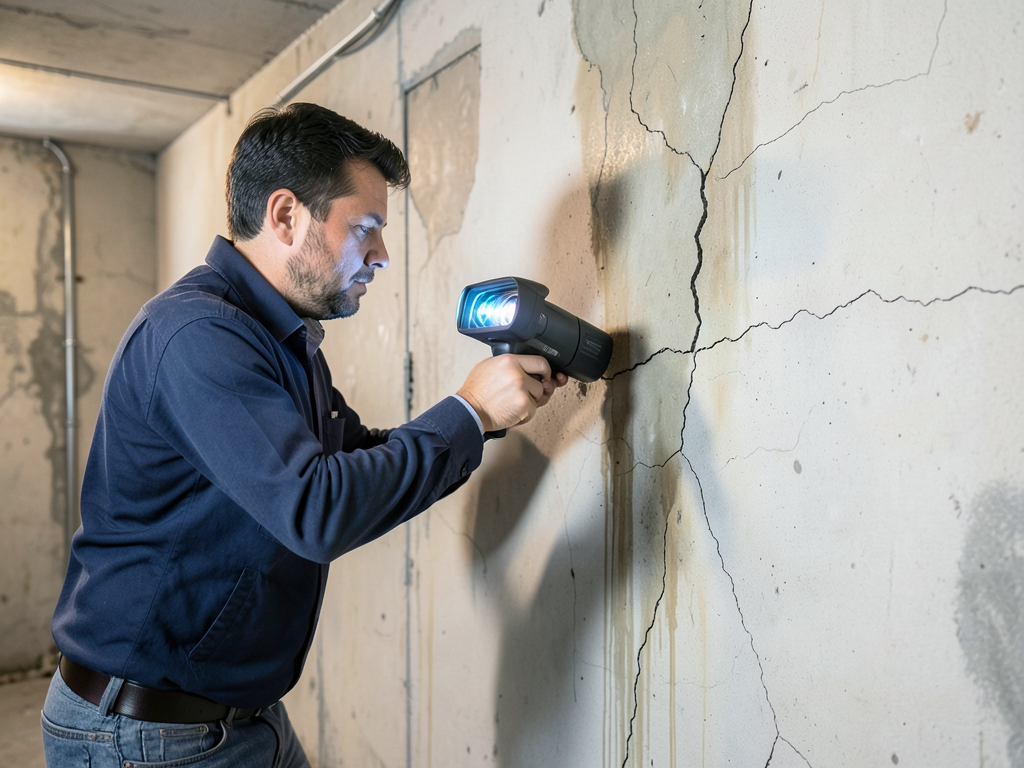
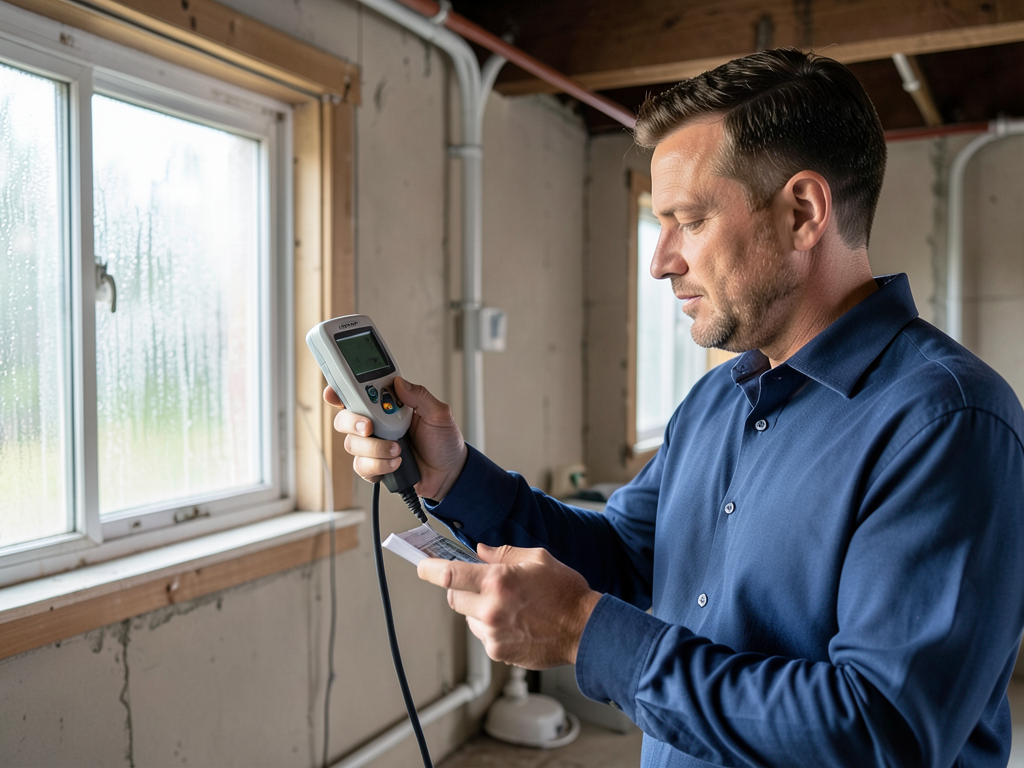
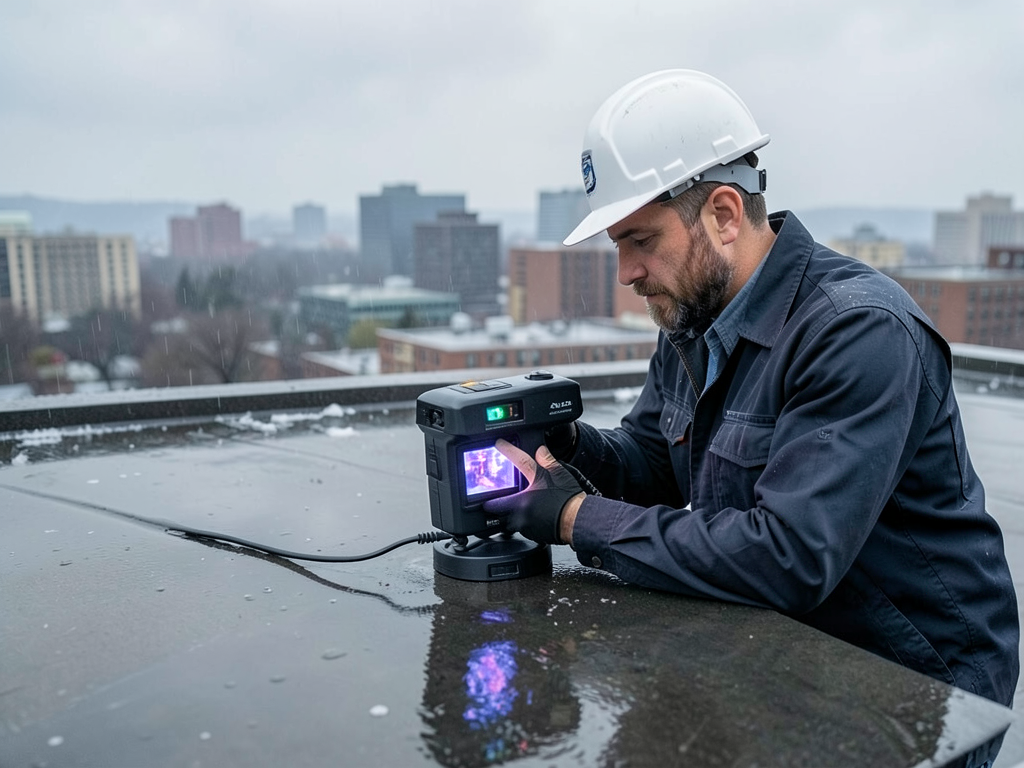
When we respond to a Pittsburgh water emergency, mitigation starts with source control. We shut off the water supply if a pipe burst. We tarp the roof if storm damage caused the leak. We extract water using truck-mounted pumps and portable extractors. Standing water in a basement gets removed within hours, not days. We pull up wet carpet padding, move furniture to dry areas, and document everything with moisture meters and thermal imaging cameras.

Then we focus on drying. Commercial air movers create airflow across wet surfaces. Dehumidifiers pull moisture from the air. We monitor humidity levels and material moisture content daily. Drywall, subfloors, and framing need to reach safe moisture levels before mold starts growing. In Pittsburgh's humid climate, this process takes three to five days under controlled conditions. Skip this step, and you are looking at mold remediation costs that insurance may not cover.

Mitigation also includes antimicrobial treatments. We apply EPA-registered disinfectants to affected areas to prevent bacterial growth. We document the scope of damage for your insurance claim. We photograph every affected room, every wet material, and every piece of equipment we deploy. This documentation separates covered mitigation costs from uncovered restoration expenses.

How Water Damage Moves from Emergency to Full Repair

Water Mitigation vs Restoration in Pittsburgh – Know the Difference Before Insurance Denies Your Claim
01

Emergency Mitigation Response

We arrive within two hours of your call. Our team assesses the water source, stops the flow, and begins extraction. We deploy drying equipment and start moisture monitoring. This phase prevents secondary damage like mold growth and structural weakening. We document everything for your insurance claim, separating mitigation costs from restoration expenses. Speed here determines your total repair bill.
02

Damage Assessment and Planning

After mitigation stabilizes your property, we conduct a full damage assessment. We identify materials that must be removed versus those that can be dried and saved. We test for contamination if sewage or river water entered your home. We create a restoration plan that outlines demolition, rebuilding, and finish work. This is when mitigation ends and restoration begins.
03

Reconstruction and Final Restoration

Restoration rebuilds what water destroyed. We remove unsalvageable drywall, insulation, and flooring. We repair or replace damaged framing and subfloors. We install new materials, match finishes, and return your property to pre-loss condition. This phase takes weeks, not days. It requires contractors, permits, and coordination with your insurance adjuster. Understanding when mitigation ends and restoration begins protects your claim.

Why Local Pittsburgh Expertise Matters for Water Damage Claims

Insurance companies use mitigation versus restoration language to control claim payouts. They want to classify emergency work as restoration because restoration has coverage limits. Mitigation is emergency response. It is usually covered in full under your policy's emergency mitigation clause. Restoration is rebuilding. It is subject to deductibles, depreciation, and coverage caps.

Reliance Water Damage Restoration Pittsburgh knows how Pittsburgh insurance adjusters work. We have handled claims with Erie Insurance, Nationwide, State Farm, and local carriers that serve Allegheny County. We document mitigation activities separately from restoration work. We provide itemized estimates that clearly distinguish emergency response from rebuilding costs. This separation protects your claim and ensures you get maximum coverage.

We also understand Pittsburgh building codes. The City of Pittsburgh requires permits for structural repairs. Allegheny County has specific requirements for basement waterproofing and foundation work. If your restoration includes electrical or plumbing repairs, we coordinate with licensed contractors who know local inspection requirements. Cutting corners here creates problems when you try to sell your home or file future claims.

Pittsburgh's housing stock adds complexity. Many homes in neighborhoods like Bloomfield, Polish Hill, and Mount Washington were built before 1950. Older homes have plaster walls, not drywall. They have knob-and-tube wiring. They have cast iron plumbing. Water damage in these homes requires specialized knowledge. We know how to dry plaster without causing it to crumble. We know when to call an electrician to inspect old wiring exposed during demolition. We know how to work around asbestos-containing materials common in pre-1980 homes.

What to Expect During Mitigation and Restoration

Response Time and Equipment Deployment

We arrive within two hours of your call, day or night. Our trucks carry extraction equipment, air movers, dehumidifiers, and moisture detection tools. We start mitigation immediately. You do not wait for business hours or next-day appointments. Water damage spreads fast in Pittsburgh's humid climate. Mold begins growing within 24 to 48 hours of water exposure. Our fast response stops damage progression and reduces your total repair costs. We work around your schedule, secure your property, and keep you informed throughout the mitigation phase.

Insurance Coordination and Documentation

We handle insurance communication for you. Our team documents every step of mitigation with photos, moisture readings, and equipment logs. We provide detailed estimates that separate mitigation from restoration costs. We work directly with your adjuster to ensure proper classification of services. Many Pittsburgh homeowners do not realize their policy covers emergency mitigation at 100 percent, while restoration is subject to deductibles and depreciation. We protect your claim by maintaining clear documentation and following insurance company protocols. You get maximum coverage without the paperwork headaches.

Quality of Restoration Work

Restoration returns your home to pre-loss condition. We match flooring, paint, and finishes to existing materials. We do not cut corners or use cheap substitutes. Our work meets Pittsburgh building codes and passes inspections. We coordinate with licensed electricians, plumbers, and HVAC contractors when repairs involve building systems. You get a restored space that looks and functions like new. We do not leave behind visible signs of water damage. Our goal is complete restoration that maintains your property value and protects your investment.

Post-Restoration Monitoring and Prevention

After restoration is complete, we provide moisture monitoring to ensure your property stays dry. We offer recommendations for preventing future water damage based on the source of your original problem. If foundation cracks caused basement flooding, we explain your waterproofing options. If a burst pipe was the culprit, we discuss pipe replacement or insulation upgrades. We do not upsell unnecessary services, but we do provide honest guidance on prevention. Our follow-up ensures that restoration work holds up and that you do not face repeat problems during the next Pittsburgh storm season.

Frequently Asked Questions

You Have Questions,
We Have Answers

What is the difference between water mitigation and restoration? +

Water mitigation stops ongoing damage. Think extraction, drying, and containment. You remove standing water, set up industrial dehumidifiers, and prevent the problem from spreading. Restoration comes after. It repairs what the water damaged. You replace drywall, repaint, install new flooring, and return the space to pre-loss condition. Mitigation is the emergency response. Restoration is the rebuild. In Pittsburgh homes, especially older properties in Lawrenceville or Highland Park, mitigation must happen fast due to porous brick foundations and wood framing that absorbs moisture quickly. Skip mitigation and you face mold growth within 24 to 48 hours.

What is mitigation and restoration? +

Mitigation reduces loss severity. Restoration repairs the loss. Mitigation includes water extraction, structural drying, and temporary board-up if needed. The goal is to stabilize the property and prevent secondary damage like mold or structural rot. Restoration follows mitigation. It involves demolition of unsalvageable materials, reconstruction, and finishing work. Think new subflooring, drywall replacement, and carpet installation. Pittsburgh properties often need both phases due to basement flooding from heavy spring rains or burst pipes during winter freezes. Mitigation protects what you can save. Restoration rebuilds what you cannot. Both require certified technicians and proper equipment to meet insurance standards.

What does water mitigation mean? +

Water mitigation means stopping water damage from worsening. You remove standing water, extract moisture from materials, and dry the structure using commercial-grade fans and dehumidifiers. Mitigation also includes antimicrobial treatments to prevent mold growth. The process typically takes three to five days, depending on the extent of saturation. In Pittsburgh, basements and crawl spaces are vulnerable due to clay soil and groundwater pressure. Mitigation must start within hours of discovery to prevent permanent damage to wood joists and drywall. Insurance companies require documentation of mitigation efforts to approve claims. Delay mitigation and you risk mold contamination and claim denial.

What is the difference between remediation and restoration? +

Remediation removes contamination. Restoration rebuilds structure. Remediation applies to mold, sewage, or hazardous materials. You isolate the affected area, remove contaminated materials, treat surfaces with antimicrobials, and verify air quality. Restoration happens after remediation. It includes framing, drywall, flooring, and paint. Pittsburgh homes with finished basements often need both after sewer backups or flooding from the Allegheny or Monongahela rivers. Remediation protects health by eliminating biological hazards. Restoration returns the space to usable condition. Some companies handle both phases. Others specialize in one. Always verify certifications for mold remediation and ask for post-remediation air quality testing.

Is it hard to sell a house that has had mold remediation? +

No, but disclosure matters. Pennsylvania law requires sellers to disclose prior mold issues. If remediation was performed correctly and documented with clearance testing, buyers typically accept it. Problems arise when remediation was incomplete or undocumented. Pittsburgh buyers are cautious about basement mold due to regional humidity and older housing stock. Provide receipts, remediation protocols, and post-remediation air quality reports. Buyers want proof the source was fixed, not just the symptom. Homes in Squirrel Hill or Shadyside with documented professional remediation sell without major price reductions. Homes with DIY bleach treatments and no paperwork face buyer skepticism and lowball offers.

What is the average cost of water mitigation? +

Water mitigation costs range widely based on water volume, affected square footage, and material saturation. Small basement floods may cost a few thousand dollars. Whole-home flooding can reach tens of thousands. Pittsburgh homeowners face higher costs when water reaches finished basements or second floors due to complex drying requirements. Insurance typically covers mitigation if the water source is sudden and accidental, like burst pipes or appliance failures. Gradual leaks or flood damage without flood insurance are out-of-pocket expenses. Get written estimates from certified technicians. Pricing should include extraction, drying equipment rental, antimicrobial treatment, and moisture monitoring.

How Pittsburgh's Aging Infrastructure Creates Water Damage Confusion

Pittsburgh's combined sewer system dumps stormwater and sewage into the same pipes. When heavy rain hits neighborhoods like Lawrenceville or the South Side, sewers back up into basements. Homeowners see water and panic. Is this flooding or a sewage backup? The answer determines your coverage. Flood insurance covers river flooding. Your homeowner's policy covers sewer backups if you added that rider. But neither covers the damage if you do not classify it correctly. Understanding water mitigation vs restoration means knowing what you are filing a claim for. Mitigation is immediate cleanup. Restoration is rebuilding. Getting the classification wrong costs you thousands.

Reliance Water Damage Restoration Pittsburgh has worked with local adjusters and public adjusters across Allegheny County. We know how claims get processed. We know which carriers require specific documentation for mitigation versus restoration. We know the local contractors, plumbers, and electricians who meet insurance company standards. Our reputation with Pittsburgh adjusters means faster approvals and fewer disputes. When your home floods, you do not want to learn insurance terminology on the fly. You want a team that speaks the language and protects your claim from day one.
Water Damage Restoration Services in The Pittsburgh Area

While we provide rapid mobile service directly to your location, you can also find our physical business location on the map below. This map highlights our primary service area and shows our commitment to serving the Pittsburgh community. We are always ready to dispatch our expert team to your home or business, no matter where you are in our service region. Feel free to use the interactive map to get directions or to visualize our proximity to you.

Address:
Reliance Water Damage Restoration Pittsburgh, 201 S Craig St, Pittsburgh, PA, 15213

Additional Services We Offer

Our news updates

Latest Articles & News from The Blogs

How to tell if you have a expensive slab leak under your Franklin Park home Franklin Park homeowners face a…

How to tell if you have a expensive slab leak under your Franklin Park home

How to tell if you have a expensive slab leak under your Franklin Park home Franklin Park homeowners face a…

What to do when your office fire sprinklers go off by mistake in Downtown Pittsburgh

What to do when your office fire sprinklers go off by mistake in Downtown Pittsburgh When fire sprinklers discharge without…

Preserving the original masonry in Mexican War Streets homes after a water leak

Preserving the original masonry in Mexican War Streets homes after a water leak When water infiltrates the historic brick and…

Contact Us

Water damage does not wait. Call Reliance Water Damage Restoration Pittsburgh at (412) 382-8788 right now. We respond within two hours, start mitigation immediately, and protect your insurance claim. Do not let confusion about mitigation versus restoration cost you thousands.