




Menu

24/7 Emergency Water Removal in Pittsburgh – Dispatch in Under 60 Minutes

When water invades your home or business, every minute counts. Reliance Water Damage Restoration Pittsburgh deploys certified crews around the clock to stop structural damage, prevent mold growth, and protect your property with immediate water removal and professional mitigation.

Slider Image 1
Slider Image 2
Slider Image 3
Slider Image 4
Slider Image 5
Slider Image 7
Slider Image 8
Slider Image 9
Slider Image 10
Slider Image 11

Why Every Minute Matters After Water Damage in Pittsburgh

Water does not wait for business hours. A burst pipe at 2 AM or a flooded basement during a weekend storm can destroy flooring, drywall, and personal belongings in hours, not days. In Pittsburgh, our freeze-thaw cycles make winter pipe bursts common, while spring storms and aging infrastructure in neighborhoods like Shadyside and Squirrel Hill increase flood risk. The city's clay-heavy soil also means poor drainage, so when water enters your foundation, it lingers.

The first 24 hours determine whether you face a manageable cleanup or a catastrophic loss. Standing water wicks into subflooring, saturates insulation, and creates the humid conditions mold needs to colonize within 48 hours. Structural timbers soften. Electrical systems become hazards. Sewage backups introduce biohazards that require immediate containment.

You need urgent water mitigation, not a voicemail. 24 hour water damage cleanup means stopping the spread, extracting standing water, and beginning the drying process before secondary damage sets in. Emergency water extraction services are not optional when your home is flooding. They are the difference between a fast recovery and months of reconstruction.

If you are standing in water right now, stop reading and call. If you are planning ahead or dealing with the aftermath, understand this: immediate water removal is the single most important step in limiting your financial and emotional loss.

Why Every Minute Matters After Water Damage in Pittsburgh
How Professional Emergency Water Extraction Stops the Damage

How Professional Emergency Water Extraction Stops the Damage

Emergency water removal is not mopping. It is a calculated sequence of extraction, containment, and environmental control. When you call Reliance Water Damage Restoration Pittsburgh, our crew arrives with truck-mounted extractors, industrial air movers, and moisture detection equipment. We do not guess. We measure.

First, we identify the source. A burst supply line requires immediate shutoff. A sewer backup requires containment and biohazard protocols. Roof leaks from Pittsburgh's heavy snow melt require tarping and interior containment. We stop the inflow before we extract the standing water.

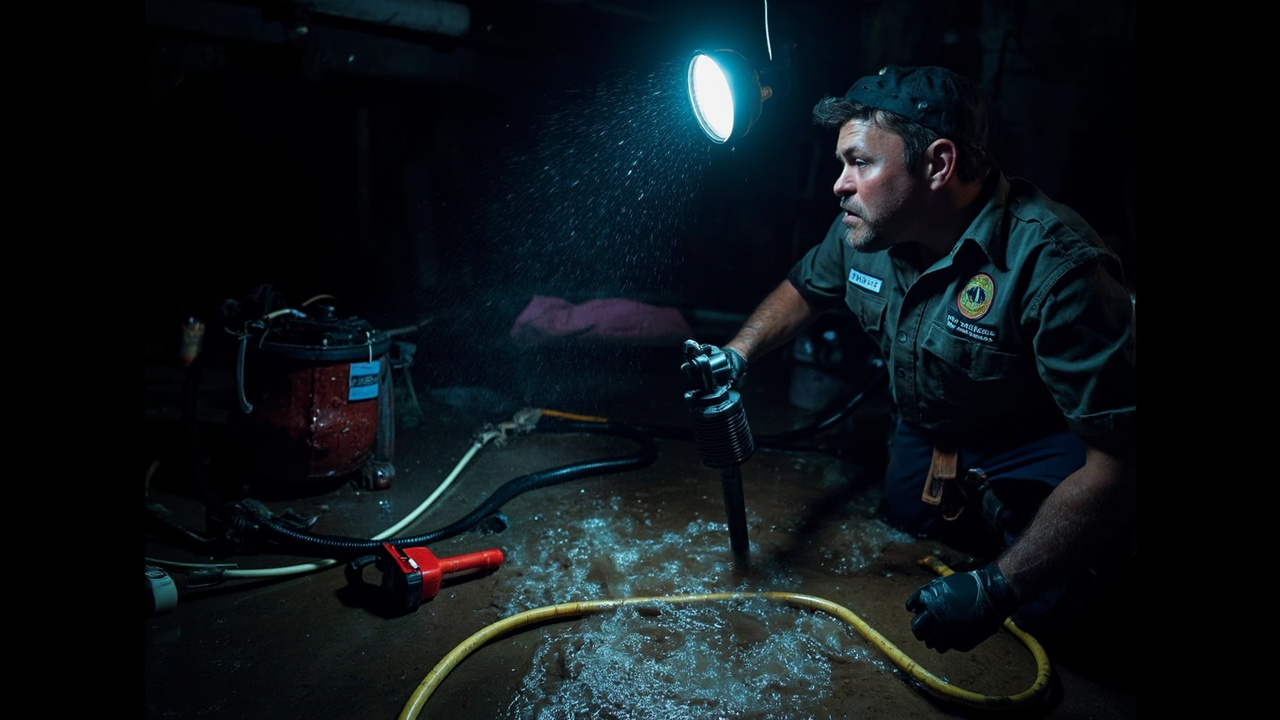
Next, we deploy submersible pumps and weighted extraction wands to remove bulk water. Truck-mounted systems pull hundreds of gallons per hour, far faster than shop vacs. We focus on lowest points first, where water pools and saturates structural elements. Carpet, padding, and baseboards are often unsalvageable, but the subfloor and framing can be saved if we act fast.

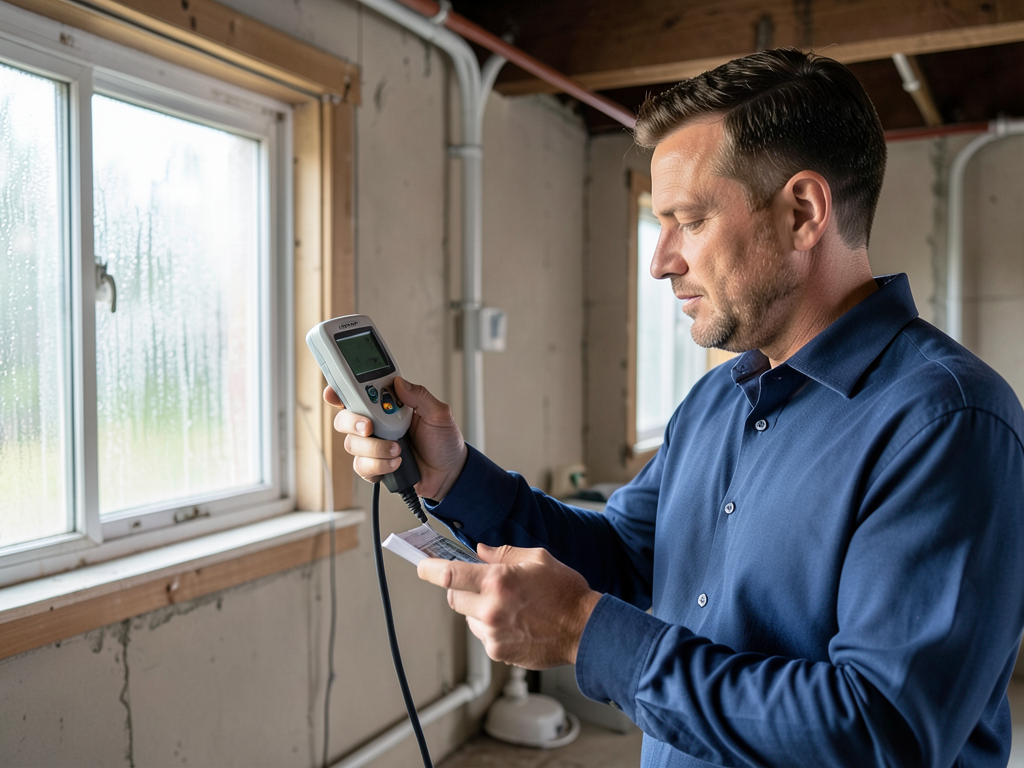
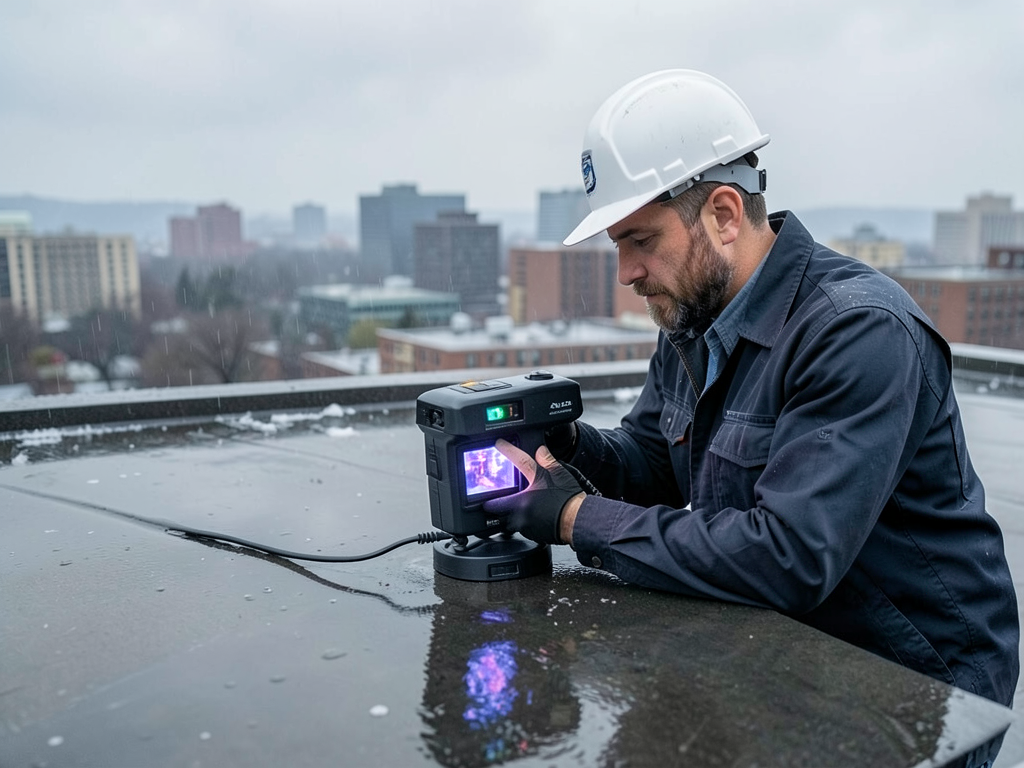
Then we measure moisture content in walls, ceilings, and floors using thermal imaging and pin-type meters. Drywall may look dry but hold 40 percent moisture content. We place air movers to create airflow across wet surfaces and position commercial dehumidifiers to pull moisture from the air. This creates a controlled drying environment.

We do not leave until humidity levels stabilize and moisture readings drop into safe ranges. This is not a one-visit job. 24/7 flood extraction means we return to monitor progress, adjust equipment, and document drying for your insurance claim.

What Happens When You Call for Emergency Water Removal

24/7 Emergency Water Removal in Pittsburgh – Dispatch in Under 60 Minutes
01

Immediate Dispatch and Assessment

You call, we roll. Our dispatcher confirms your address and asks three questions: What is the water source? Is it still flowing? Is the power on? We send a crew within the hour. When we arrive, we assess safety hazards first. Electrical panels near water get shut off. Gas leaks get flagged. Then we walk the affected area, identify the source, and prioritize extraction zones. You get a verbal plan before we move equipment.
02

Water Extraction and Containment

We extract standing water using truck-mounted systems and portable pumps. Weighted wands pull water from carpet and padding. We remove unsalvageable materials like soaked drywall and insulation to prevent mold. Containment barriers stop water migration into unaffected rooms. Air movers and dehumidifiers start immediately. We measure moisture content in structural elements and document baseline readings. This data drives the drying plan and supports your insurance claim.
03

Monitoring and Drying Completion

Drying takes three to five days depending on materials and saturation levels. We return daily to take moisture readings, adjust equipment, and check for hidden pockets of water behind walls or under flooring. When structural moisture drops below 15 percent and relative humidity stabilizes, we remove equipment. You receive a completion report with before-and-after moisture data. This documentation is critical for insurance and proves the property is safe for reconstruction.

Why Pittsburgh Homeowners Trust Reliance for Urgent Water Mitigation

You need a crew that knows Pittsburgh. We have extracted water from century-old basements in Lawrenceville, dried out flooded crawlspaces in Mount Lebanon, and handled storm surges along the Allegheny River. We understand how the city's terrain, aging infrastructure, and weather patterns create water damage risk.

We know that homes in the South Hills face sump pump failures during spring thaw. We know that the Strip District's old brick buildings need careful handling during extraction to avoid mortar damage. We know that Highland Park's tree-lined streets mean root intrusion into sewer laterals, which causes backups. This is not generic knowledge. This is Pittsburgh-specific expertise.

Our crews are IICRC-certified in water damage restoration. That means we follow industry protocols for extraction, containment, and drying. We document every step for your insurance claim. We communicate with adjusters, provide detailed moisture logs, and photograph damage progression. Most claims require this level of documentation to avoid disputes or underpayment.

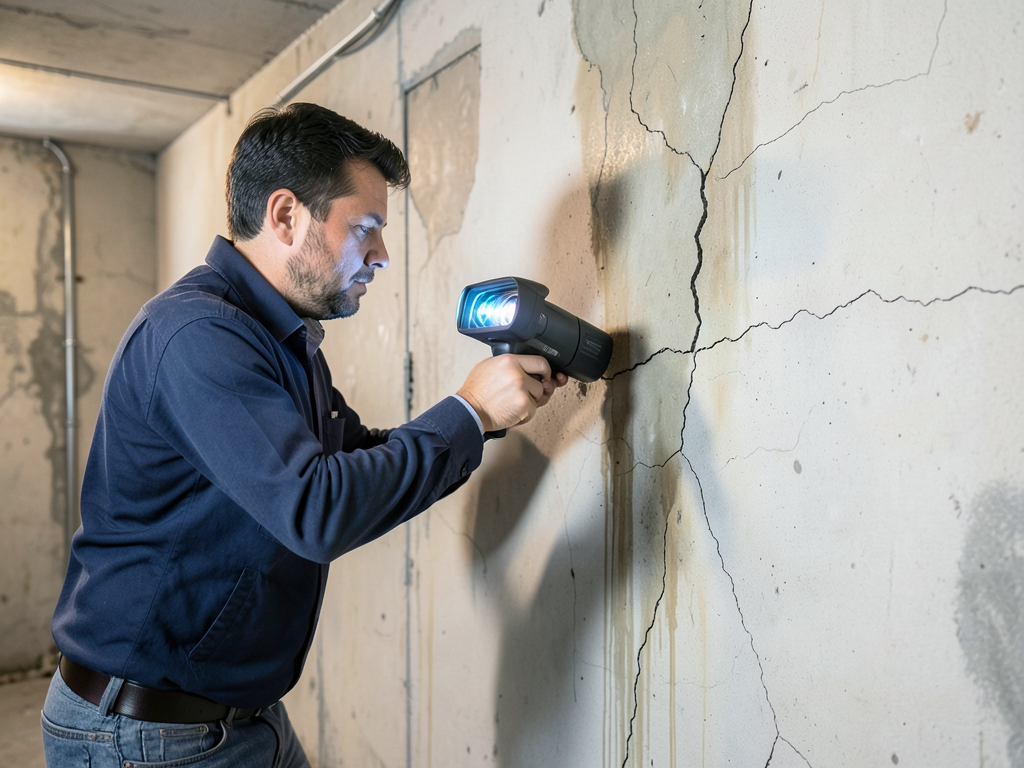
We also work with local plumbers, electricians, and contractors when water damage exposes bigger problems. A flooded basement often reveals foundation cracks, outdated wiring, or failing HVAC systems. We coordinate repairs so you do not manage five different vendors.

Speed matters, but competence matters more. You can call a guy with a van, or you can call a certified crew with the equipment, training, and local knowledge to do this right. When your home is underwater, that choice is obvious.

What to Expect During Emergency Water Removal

Arrival Time and Availability

We dispatch crews 24 hours a day, seven days a week. When you call (412) 382-8788, you reach a live person, not a voicemail. We arrive within 60 minutes for most Pittsburgh addresses, faster for severe emergencies. Our trucks carry extraction equipment, air movers, dehumidifiers, and moisture meters, so we start work immediately. You do not wait for a second trip to get equipment. We come prepared. Night, weekend, or holiday, we respond the same way.

Initial Damage Assessment

We walk the property with you, identify the water source, and assess affected areas. We use thermal imaging to detect hidden moisture in walls and ceilings. We categorize water based on contamination level: clean water from supply lines, gray water from appliances, or black water from sewage. This determines safety protocols and disposal requirements. You receive a verbal assessment and written scope before we begin extraction. We explain what can be saved, what must be removed, and how long drying will take.

Drying and Restoration Quality

We do not guess when a structure is dry. We use pin-type and non-invasive moisture meters to measure water content in wood, drywall, and concrete. We return daily to monitor progress and adjust equipment placement. Air movers create surface evaporation. Dehumidifiers remove moisture from the air. The goal is controlled, even drying that prevents warping, cracking, and mold growth. When moisture readings reach safe levels, we provide a completion report with documented proof. This protects you during reconstruction and prevents future claims disputes.

Insurance Coordination and Documentation

Most water damage is covered under homeowner policies, but claims require documentation. We photograph damage, log moisture readings, and provide detailed invoices that meet insurance standards. We communicate directly with adjusters and provide the technical data they need to approve your claim. If your policy includes emergency mitigation coverage, we bill the insurance company directly in many cases. You do not pay out of pocket and wait for reimbursement. We handle the paperwork so you can focus on getting your life back to normal.

Frequently Asked Questions

You Have Questions,
We Have Answers

Does a water leak count as an emergency? +

Yes. A water leak is an emergency if it threatens your property or safety. Burst pipes, appliance failures, or heavy rain flooding your basement require immediate action. In Pittsburgh, freeze-thaw cycles can cause pipes to burst overnight, flooding your home by morning. Mold starts growing within 24 hours. Drywall absorbs water fast. Hardwood floors warp. The longer you wait, the more damage spreads. If you see water pooling, hear dripping inside walls, or smell mustiness, call a water removal specialist now. Do not wait until morning. Every hour increases cost and risk.

How much does it cost to get water out of a basement? +

Cost depends on water volume, contamination level, and damage extent. A minor basement seep might cost a few hundred dollars for extraction and drying. A full flood requiring structural drying, dehumidification, and mold prevention can reach several thousand dollars. Pittsburgh basements flood often due to clay soil and aging foundations. Most homeowner policies cover sudden water damage, like burst pipes. Gradual leaks or sump pump failures may not be covered. Get a free inspection before committing. Many companies bill insurance directly. Focus on stopping damage now. Delaying triples repair costs.

What should I do immediately after water damage? +

Stop the water source if safe. Shut off the main valve for burst pipes. Turn off electricity to flooded areas. Move valuables to dry ground. Do not touch electrical outlets or appliances. Document damage with photos for insurance. Call a 24/7 emergency water removal company immediately. In Pittsburgh, basement floods can turn into mold disasters within 48 hours due to high humidity. Do not use a shop vac for large floods. You need industrial extractors and air movers. Do not wait for your insurance adjuster. Mitigation starts now. Professionals handle documentation and billing.

How long does SERVPRO take for water damage? +

Response times vary by location and workload. SERVPRO is a national franchise with varying response protocols. Most water damage companies in Pittsburgh aim for arrival within 60 to 90 minutes for emergencies. Extraction and initial drying start immediately. Full structural drying takes three to five days depending on materials affected. Do not assume one company is faster. Call and ask for estimated arrival time. Many local Pittsburgh water removal specialists respond faster than national chains because they know the neighborhoods. Speed matters. Every hour counts when water is spreading.

What is the 135 rule in plumbing? +

The 135 rule is a plumbing shorthand for calculating water heater tank sizing. It states that you need 135 gallons of hot water for a typical household shower cycle. This rule helps plumbers size water heaters for residential use. It does not apply to emergency water removal or flooding. If your water heater leaks or bursts, you face 40 to 80 gallons flooding your basement fast. Pittsburgh homes with older water heaters in unfinished basements are vulnerable. If you see puddles near your heater, call a plumber and a water removal company immediately.

What are 5 examples of emergency situations? +

In a water damage context, five emergency situations include burst pipes, sewage backups, appliance failures, storm flooding, and roof leaks. Each requires immediate response. Burst pipes flood rooms in minutes. Sewage backups spread contamination and health risks. Washing machine hoses rupture without warning. Pittsburgh storms overwhelm old sump pumps, flooding basements fast. Roof leaks during freeze-thaw cycles soak insulation and ceilings. All five cause structural damage, mold growth, and electrical hazards. If you experience any, call a 24/7 water removal specialist immediately. Do not wait for business hours. Damage escalates fast.

Will insurance cover water in a basement? +

It depends on the cause. Homeowner insurance typically covers sudden water damage, like burst pipes or appliance failures. It usually excludes gradual leaks, poor maintenance, or groundwater seepage. Sump pump failure may require a separate endorsement. Flood insurance through FEMA covers natural flooding, but most Pittsburgh homeowners do not carry it. Read your policy or call your agent immediately. Many water removal companies work directly with insurance adjusters and handle documentation. Start mitigation now. Insurance will not cover delays or secondary mold damage you could have prevented. Act first, then file.

How to quickly remove water from a basement? +

Call a professional with industrial extractors and air movers. Do not rely on shop vacs or mops for serious flooding. Remove standing water first using pumps or wet vacuums. Open windows if weather permits to increase airflow. Run dehumidifiers to pull moisture from air and materials. In Pittsburgh, high humidity slows drying, so industrial equipment is critical. Move wet items to dry areas. Pull up soaked carpet padding immediately. Do not use heat to speed drying. You risk warping or cracking materials. Professionals dry basements in three to five days with proper equipment.

How long can water sit in a basement? +

Water should not sit in a basement at all. Mold starts growing within 24 to 48 hours. Drywall and insulation absorb water fast, weakening structure and creating hidden mold colonies. In Pittsburgh, high humidity accelerates mold growth and odor development. Standing water also attracts pests and damages HVAC systems. If water sits for more than 48 hours, you face increased demolition costs and health risks. Do not wait for a convenient time. Call a 24/7 water removal company immediately. The faster you extract and dry, the less you pay in total repairs.

Is it worth going through insurance for water damage? +

Yes, if the damage exceeds your deductible. Insurance is designed for sudden, large losses. A basement flood costing thousands in extraction, drying, and repairs justifies a claim. Your premium may increase slightly, but catastrophic out-of-pocket costs hurt more. In Pittsburgh, aging homes and heavy spring rains cause frequent water damage. Many policies cover mitigation costs, even if the source is unclear. Document everything with photos and keep receipts. Many water removal companies bill insurance directly and handle adjuster coordination. Do not skip mitigation to avoid a claim. Mold and structural damage cost far more later.

How Pittsburgh's Aging Infrastructure Increases Emergency Water Removal Demand

Pittsburgh's water and sewer systems date back over a century in many neighborhoods. Cast iron pipes corrode and fail. Clay sewer lines crack under shifting soil. Combined sewer systems overflow during heavy rain, sending water back into basements. The city's hilly terrain means high water pressure in low-lying areas, which stresses aging pipes. Freeze-thaw cycles worsen the problem. A pipe that holds in summer can burst when temperatures drop below 20 degrees. This makes 24 hour water damage cleanup a year-round necessity, not a seasonal concern.

Reliance Water Damage Restoration Pittsburgh has worked in every neighborhood, from the older homes in Bloomfield to newer construction in Cranberry Township. We understand local building codes, know which basements flood regularly, and recognize the signs of foundation water intrusion specific to Pittsburgh's clay soil. When you hire a local crew, you get someone who knows the city's quirks, not a national franchise reading from a manual. That local knowledge makes the difference between a fast recovery and a drawn-out disaster.
Water Damage Restoration Services in The Pittsburgh Area

While we provide rapid mobile service directly to your location, you can also find our physical business location on the map below. This map highlights our primary service area and shows our commitment to serving the Pittsburgh community. We are always ready to dispatch our expert team to your home or business, no matter where you are in our service region. Feel free to use the interactive map to get directions or to visualize our proximity to you.

Address:
Reliance Water Damage Restoration Pittsburgh, 201 S Craig St, Pittsburgh, PA, 15213

Additional Services We Offer

Our news updates

Latest Articles & News from The Blogs

How to tell if you have a expensive slab leak under your Franklin Park home Franklin Park homeowners face a…

How to tell if you have a expensive slab leak under your Franklin Park home

How to tell if you have a expensive slab leak under your Franklin Park home Franklin Park homeowners face a…

What to do when your office fire sprinklers go off by mistake in Downtown Pittsburgh

What to do when your office fire sprinklers go off by mistake in Downtown Pittsburgh When fire sprinklers discharge without…

Preserving the original masonry in Mexican War Streets homes after a water leak

Preserving the original masonry in Mexican War Streets homes after a water leak When water infiltrates the historic brick and…

Contact Us

Water does not wait. Neither should you. Call Reliance Water Damage Restoration Pittsburgh at (412) 382-8788 right now. We answer 24/7, dispatch within the hour, and start extracting water the moment we arrive. Every minute you wait costs you money and peace of mind.