



Menu

Emergency Mold Containment in Pittsburgh – 24/7 Response Teams Onsite Within 60 Minutes

When mold threatens your property, every minute counts. Our rapid mold containment services deploy certified technicians to your Pittsburgh location day or night, stopping spore spread before it compromises your building's structural integrity and your family's health.

Slider Image 1
Slider Image 2
Slider Image 3
Slider Image 4
Slider Image 5
Slider Image 7
Slider Image 8
Slider Image 9
Slider Image 10
Slider Image 11

Pittsburgh's Climate Creates Perfect Conditions for Rapid Mold Growth

You saw the dark patches spreading across your basement wall this morning. By afternoon, they doubled in size. You are not imagining it.

Pittsburgh's humid continental climate delivers the triple threat mold needs to explode: moisture, warmth, and organic material. Our city averages 203 cloudy days per year. That persistent humidity traps moisture in crawl spaces, attics, and wall cavities. Add our region's frequent freeze-thaw cycles that crack foundations and our aging housing stock built before modern vapor barriers, and you have a recipe for urgent mold isolation needs.

The Allegheny and Monongahela rivers create microclimates in neighborhoods like Squirrel Hill and Shadyside where relative humidity spikes above 70 percent regularly. Mold spores begin colonizing surfaces within 24 to 48 hours under these conditions. Once established, a single colony releases millions of airborne spores that infiltrate HVAC systems, spread through drywall, and contaminate personal belongings.

You face two problems simultaneously. The visible mold represents only 10 to 20 percent of your contamination. Hidden growth behind walls or under flooring releases mycotoxins into your breathing air while structural decay accelerates. Water damage from a burst pipe or roof leak compounds the crisis. Within 72 hours, what started as a small patch becomes a property-wide emergency requiring immediate mold mitigation and professional 24/7 mold damage containment to prevent tens of thousands in remediation costs.

The clock is running. Emergency mold abatement cannot wait for business hours.

Pittsburgh's Climate Creates Perfect Conditions for Rapid Mold Growth
Our Rapid Containment Protocol Stops Cross-Contamination Immediately

Our Rapid Containment Protocol Stops Cross-Contamination Immediately

Speed without strategy makes mold problems worse. Our emergency mold containment process begins the moment you call (412) 382-8788. We dispatch a two-person rapid response team equipped with negative air machines, HEPA filtration units, and antimicrobial barriers.

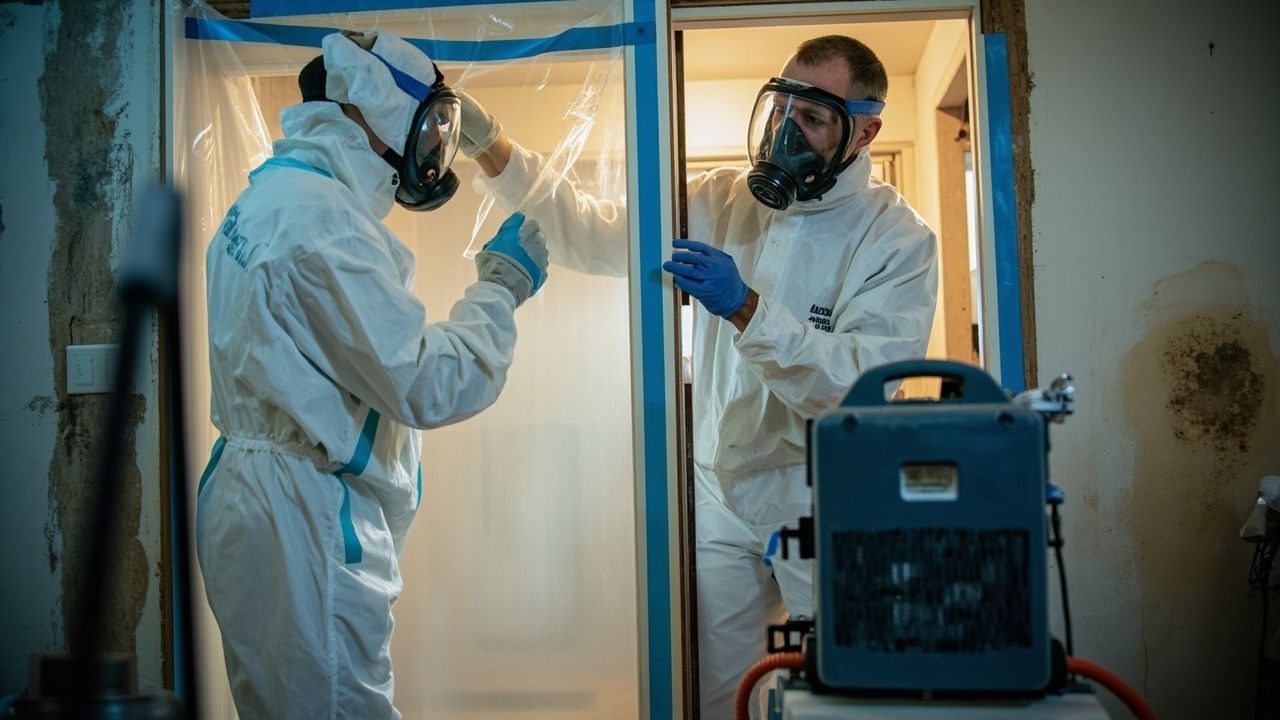
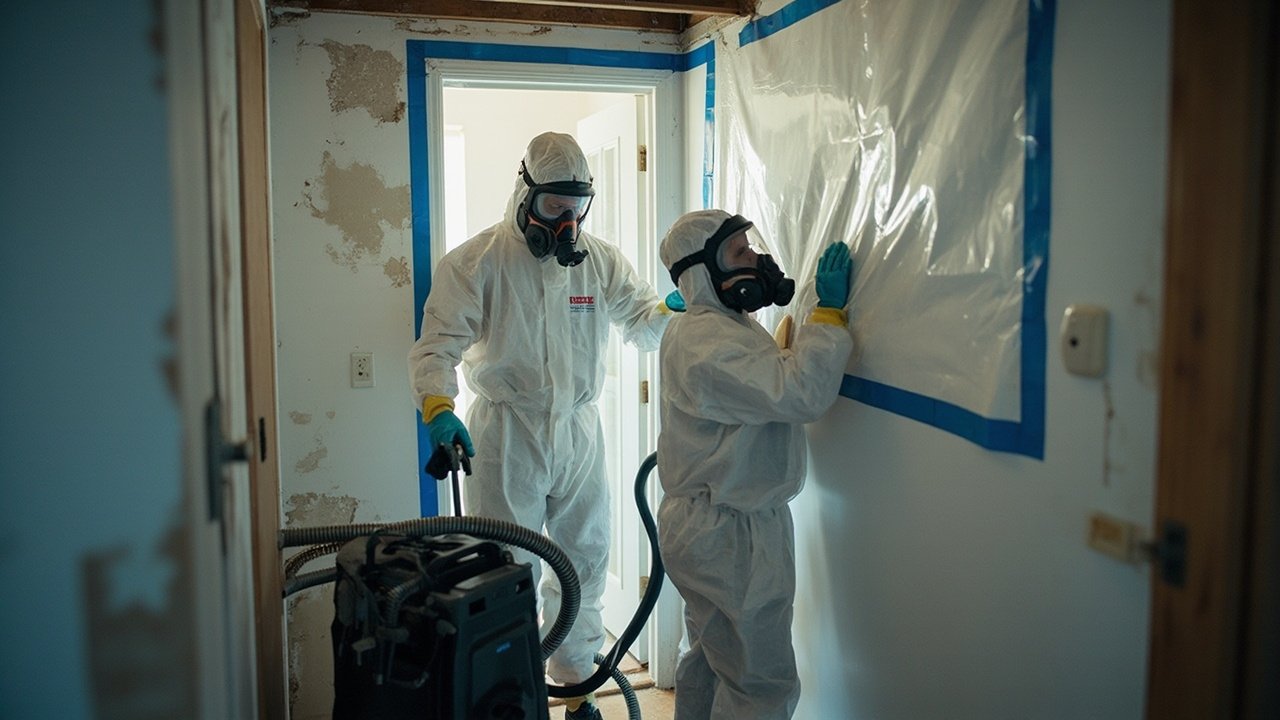
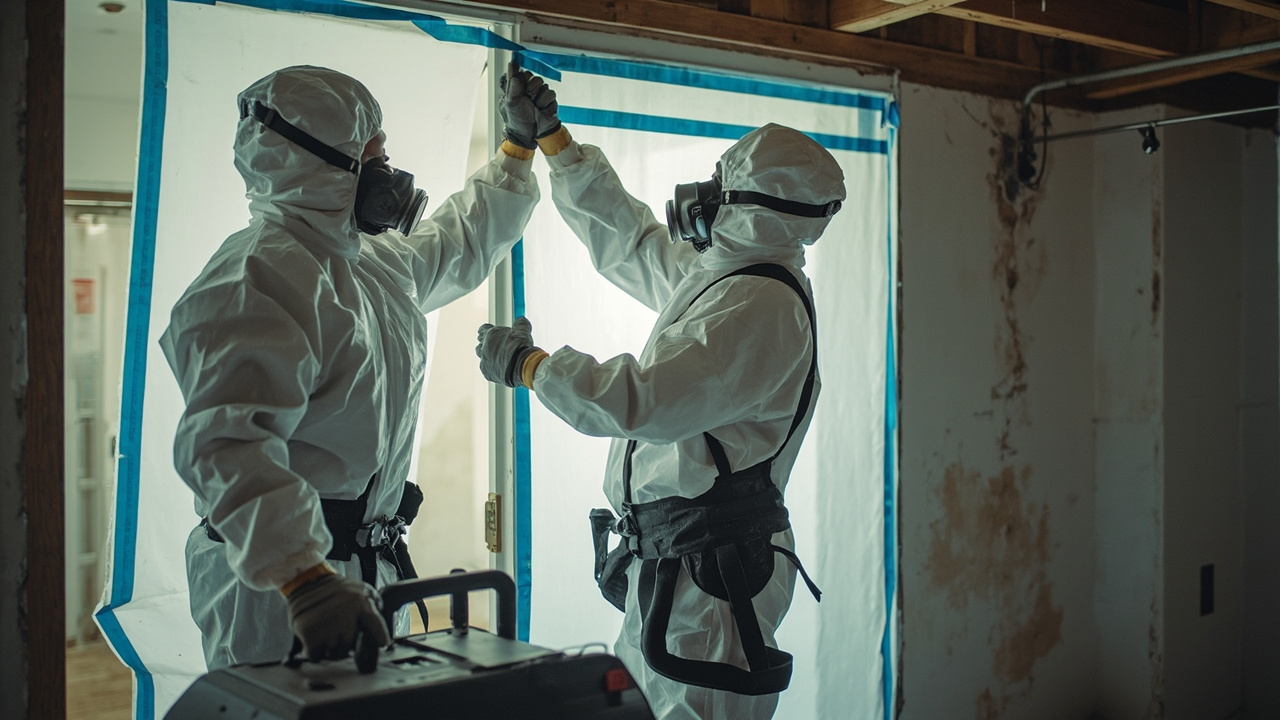
The first priority is establishing containment zones using 6-mil polyethylene sheeting and creating negative pressure differentials. This prevents spore migration to unaffected areas. We seal HVAC registers, doorways, and penetrations while industrial-grade air scrubbers cycle room air through HEPA filters 4 to 6 times per hour. This immediate mold mitigation drops airborne spore counts by 95 percent within the first two hours.

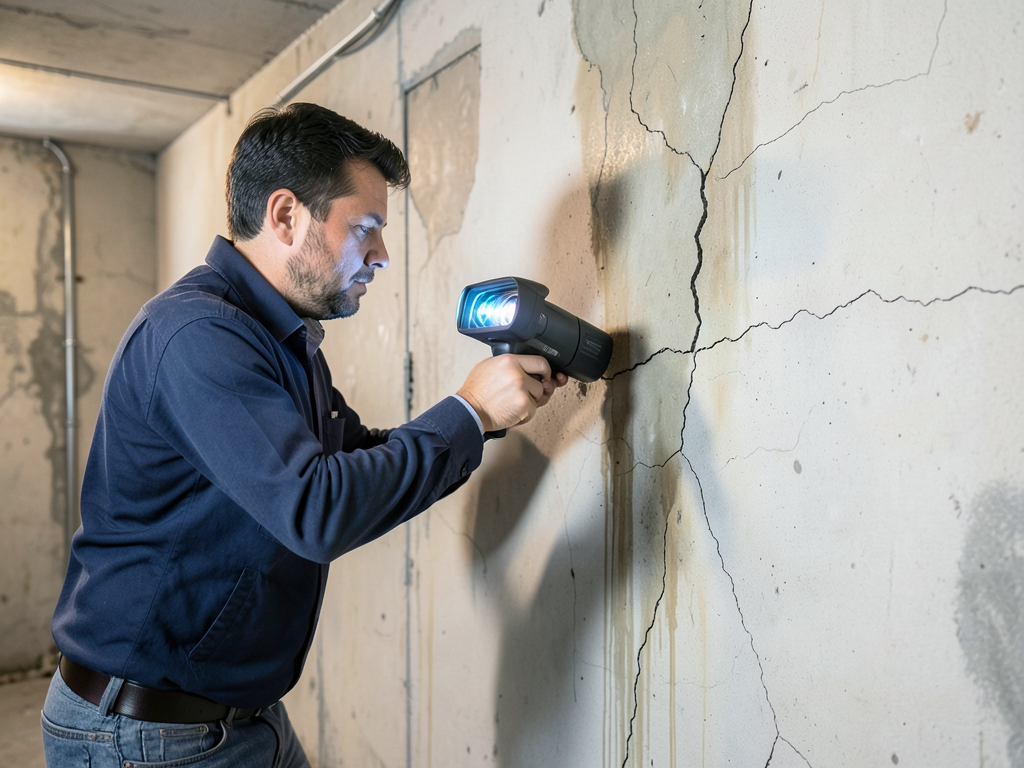
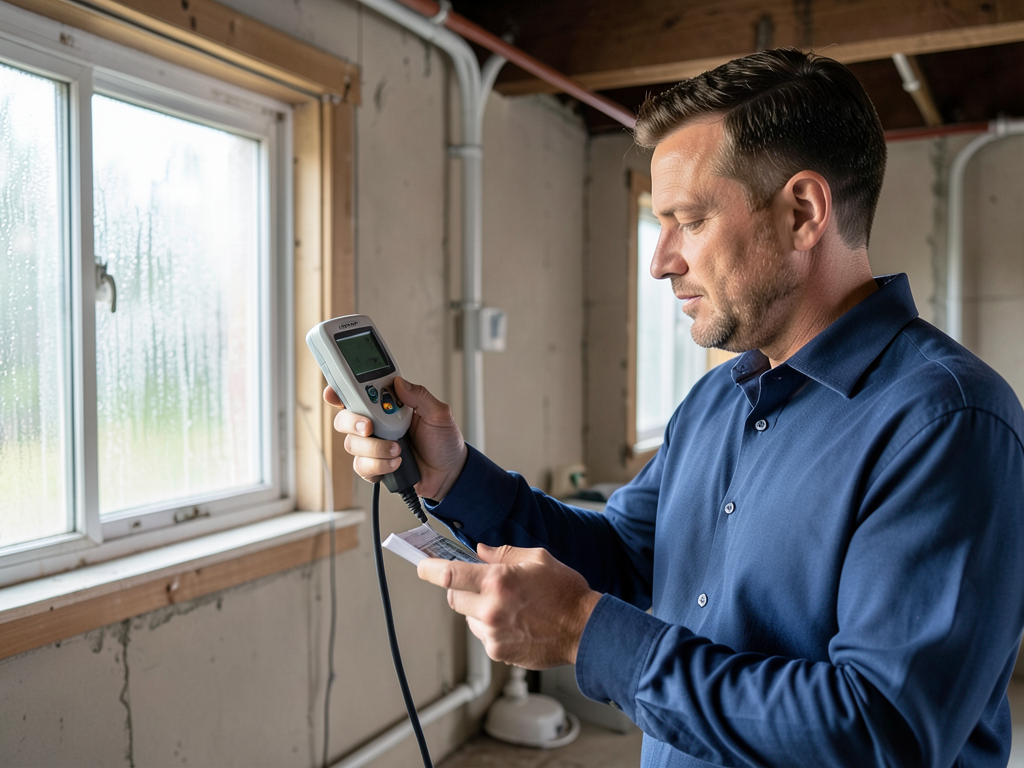
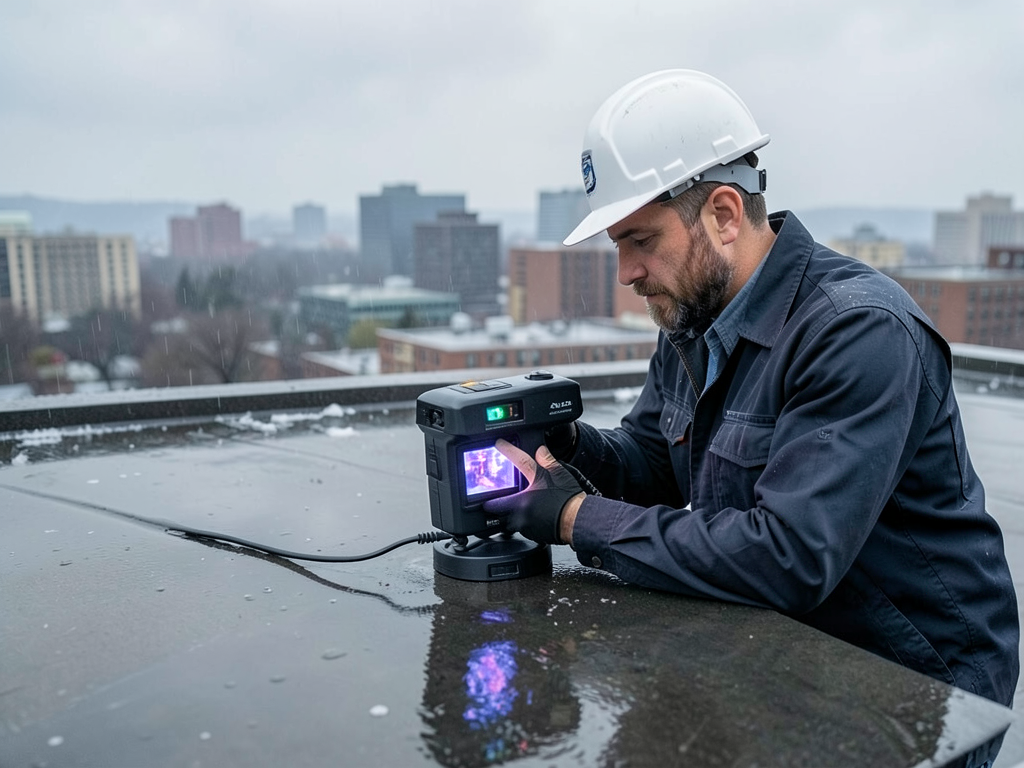
Next, we identify moisture sources using thermal imaging cameras and moisture meters calibrated to detect saturation levels in wood framing, drywall, and concrete. Pittsburgh's clay soil causes hydrostatic pressure against basement foundations. We trace moisture intrusion pathways that feed mold colonies, addressing the root cause while containing visible growth.

Our technicians document contamination using surface sampling and air quality testing. This data drives the remediation scope and provides the documentation your insurance adjuster needs for claims processing. We coordinate directly with carriers familiar with Pittsburgh's water damage patterns.

Reliance Water Damage Restoration Pittsburgh uses hospital-grade disinfectants and encapsulation products that kill mold at the cellular level. We remove contaminated materials following EPA and IICRC S520 protocols. Porous materials like drywall and insulation get bagged and disposed of properly. Non-porous surfaces undergo HEPA vacuuming and antimicrobial treatment.

The difference between emergency containment and standard remediation is timing and containment integrity. We stop the spread first, then eliminate the source.

What Happens When You Call for Urgent Mold Isolation

Emergency Mold Containment in Pittsburgh – 24/7 Response Teams Onsite Within 60 Minutes
01

Immediate Dispatch and Assessment

Within 15 minutes of your call, our dispatch center confirms your Pittsburgh address and mobilizes the nearest response team. Technicians arrive with containment equipment and begin visual inspection using moisture detection tools. We identify contamination extent, photograph damage for insurance documentation, and explain the containment strategy before moving equipment. You receive a verbal scope of work and timeline before we establish the first barrier.
02

Containment Zone Creation

Technicians construct physical barriers using polyethylene sheeting and aluminum tape to seal affected rooms from clean spaces. Negative air machines pull contaminated air through HEPA filters and exhaust outside, creating pressure differentials that prevent spore migration. We seal supply and return vents, install zippered access doors, and position air scrubbers to maximize filtration efficiency. Containment integrity is verified using smoke pencils to visualize airflow patterns before proceeding.
03

Source Elimination and Verification

With containment secure, crews remove contaminated materials, treat surfaces with antimicrobial solutions, and dry structural components using commercial dehumidifiers. Final air quality testing confirms spore counts return to normal levels. We provide detailed documentation including pre and post remediation photos, moisture readings, and clearance testing results. Your property receives a written verification that containment successfully eliminated active growth and restored safe air quality.

Why Pittsburgh Property Owners Trust Our Emergency Response Teams

Pittsburgh's housing stock presents unique challenges. Many homes in neighborhoods like Highland Park and Point Breeze were built between 1900 and 1940. These properties feature plaster walls, balloon framing, and basements that were never designed for modern waterproofing. Mold spreads differently in these structures compared to newer construction.

Our teams train specifically on Pittsburgh's architectural patterns. We understand how water travels through limestone foundations common in South Hills properties. We know which neighborhoods face chronic groundwater issues due to proximity to the rivers. This local knowledge shapes our containment strategies.

Reliance Water Damage Restoration Pittsburgh maintains response vehicles stationed in multiple zones across Allegheny County. This geographic coverage ensures we reach Point Breeze, Lawrenceville, Mount Lebanon, and Cranberry Township within the same one-hour response window. Distance kills response time. Our distributed model eliminates that variable.

We hold relationships with local insurance adjusters who handle Pittsburgh claims daily. They know our documentation standards meet their requirements. This familiarity accelerates claims processing and reduces your out-of-pocket exposure. We coordinate with your adjuster during the initial assessment, providing the photos, moisture readings, and scope of work they need to approve emergency services without delay.

Our technicians complete IICRC certifications in water damage restoration and applied microbial remediation. These are not weekend courses. Each certification requires 40-plus hours of classroom instruction and field training. We maintain continuing education to stay current on evolving protocols and emerging technologies.

You need someone who understands that black mold behind your Lawrenceville row house drywall requires different containment than surface mildew in a Mount Washington basement. That distinction matters. Generic approaches fail in Pittsburgh's varied housing conditions.

What to Expect During Emergency Mold Containment Services

Response Time and Availability

Our 24/7 mold damage containment teams operate around the clock, every day of the year. You call (412) 382-8788 at 2 AM on Sunday, and a live person answers. No answering services. No callbacks during business hours. We dispatch immediately and commit to onsite arrival within 60 minutes for most Pittsburgh locations. Technicians carry full containment equipment in response vehicles, eliminating the delay of returning to a warehouse for supplies. We begin work the moment we arrive, not after ordering materials or scheduling follow-up visits. Time-sensitive emergencies get time-sensitive responses.

Initial Assessment and Scope Development

Assessment begins with moisture mapping using thermal cameras and pin-type moisture meters. We measure relative humidity, identify active water sources, and trace contamination pathways through walls and ceilings. Surface sampling determines mold species and concentration levels. This data informs containment boundaries and remediation methods. You receive a verbal explanation of findings in plain language, followed by written documentation with photos and moisture readings. We answer your questions before moving equipment. The assessment typically requires 45 to 90 minutes depending on property size and contamination extent. You know what we found and why we recommend specific containment measures.

Containment Quality and Air Safety

Our containment barriers meet IICRC S520 standards for critical containment zones. Polyethylene sheeting is sealed at every seam using contractor-grade tape. Negative air machines maintain minimum negative pressure differentials of 5 Pascals. Air scrubbers equipped with HEPA filters capture 99.97 percent of particles 0.3 microns or larger. We verify containment integrity before beginning material removal. Post-remediation air quality testing confirms spore counts return to baseline levels matching outdoor ambient air. You receive laboratory results showing clearance before we dismantle containment. The work is not complete until testing proves it is safe.

Post-Containment Monitoring and Prevention

After containment removal and final cleaning, we conduct follow-up moisture monitoring at 48-hour intervals until readings confirm structural drying is complete. You receive recommendations for preventing recurrence, including drainage corrections, dehumidification strategies, and ventilation improvements specific to your property. We provide written documentation of all work performed, including material disposal records and clearance testing results for your insurance claim and property records. If moisture readings spike during the monitoring period, we return to investigate at no additional diagnostic charge. Prevention guidance is tailored to Pittsburgh's climate challenges and your specific property conditions.

Frequently Asked Questions

You Have Questions,
We Have Answers

What is the proper containment for mold remediation? +

Proper mold containment uses physical barriers to isolate the contaminated area and prevent spore migration. Technicians seal off affected zones with heavy-duty plastic sheeting, securing edges with tape. Negative air machines equipped with HEPA filters create air pressure differentials, forcing air outward to trap spores. Air scrubbers run continuously during remediation. In Pittsburgh's older homes with interconnected ductwork and basements, containment is critical. HVAC systems get shut down to prevent spore circulation. Entry and exit points use airlock chambers. The goal is total isolation until professional cleaning removes all mold growth and contaminated materials.

Does FEMA pay for mold remediation? +

FEMA does not typically cover mold remediation. FEMA assistance focuses on disaster-related structural damage, temporary housing, and essential repairs. Mold resulting from a federally declared disaster may qualify for limited assistance if it is a direct consequence of covered damage, like flooding. However, FEMA views mold prevention as a homeowner responsibility. Pittsburgh residents affected by flooding should document all damage immediately and apply for assistance, but expect mold coverage to be minimal. Your homeowner's insurance is the primary funding source. FEMA grants are need-based and restricted to specific disaster scenarios.

Is mold remediation an emergency? +

Yes, mold remediation is an emergency when growth is extensive, affecting HVAC systems, or causing health symptoms. Black mold and toxic species require immediate professional response. In Pittsburgh's humid climate, mold spreads rapidly after water damage. Delay increases structural damage, spore counts, and health risks. Respiratory distress, allergic reactions, or visible growth larger than ten square feet demands urgent action. Mold grows within 24 to 48 hours of water exposure. If you smell musty odors or see discoloration after a leak or flood, call a restoration company immediately. Speed prevents escalation.

What to do if you can't afford mold remediation? +

If you cannot afford mold remediation, start by stopping the moisture source immediately. Open windows to increase ventilation and run dehumidifiers if you own them. Contact your homeowner's insurance to confirm coverage. Some Pittsburgh-area restoration companies offer payment plans or work directly with insurers. For low-income residents, check with local nonprofit housing assistance programs or county health departments for emergency grants. Document everything with photos. Small areas under ten square feet can be cleaned with detergent and water, but larger infestations require professionals. Delaying treatment worsens damage and increases costs.

What plant removes 78% of airborne mold? +

The English Ivy plant reportedly removes up to 78% of airborne mold spores in controlled studies. This plant absorbs mold particles through its leaves and root system. However, relying on houseplants for mold remediation is ineffective for active infestations. Pittsburgh homeowners dealing with visible mold growth need professional containment and removal, not botanical solutions. Plants can complement clean indoor air after remediation, but they do not replace HEPA filtration, source removal, or moisture control. If you have mold, address the root cause through water damage repair and professional cleaning, not greenery.

What are the 10 warning signs of mold toxicity? +

Ten warning signs of mold toxicity include persistent fatigue, brain fog, difficulty concentrating, headaches, respiratory issues, sinus congestion, skin rashes, joint pain, sensitivity to light, and mood changes. Pittsburgh's older housing stock and high humidity increase mold exposure risks. Symptoms often mimic allergies or chronic illness, making diagnosis difficult. If you experience multiple symptoms and suspect mold in your home, inspect basements, crawl spaces, and areas with past water damage. Consult a physician and hire a certified mold inspector. Professional testing identifies species and concentration levels. Early detection prevents long-term health complications.

What is the FEMA 80% rule? +

The FEMA 80% rule refers to flood insurance replacement cost coverage. If your home's insured value is at least 80% of its replacement cost, you qualify for full replacement cost benefits. Below 80%, you receive actual cash value, which factors in depreciation. This rule affects Pittsburgh homeowners in flood zones along the Allegheny, Monongahela, and Ohio Rivers. Underinsuring your property means inadequate payouts for mold remediation after flooding. Review your policy annually and adjust coverage to match rising construction costs. Proper insurance prevents out-of-pocket disaster recovery expenses.

Is mold remediation a tax write-off? +

Mold remediation may qualify as a tax deduction if the mold results from a federally declared disaster and you itemize deductions. The IRS allows casualty loss deductions for sudden, unexpected damage not covered by insurance. Pittsburgh homeowners must prove the loss exceeds 10% of adjusted gross income and subtract $100 per event. Routine mold from neglect or maintenance failures does not qualify. Medical expenses related to mold exposure may be deductible if they exceed 7.5% of income. Consult a tax professional and keep detailed receipts. Most mold remediation does not meet IRS thresholds.

Will homeowners insurance take care of mold? +

Homeowners insurance covers mold remediation only if the mold results from a covered peril, like a burst pipe or storm damage. Policies exclude mold from neglect, long-term leaks, or flooding. Pittsburgh's aging infrastructure and basement moisture issues often fall outside coverage. Insurance typically caps mold remediation between $5,000 and $10,000. Review your policy's mold exclusions and endorsements. If a sudden water event causes mold, document the source immediately and file a claim quickly. Preventative maintenance and prompt leak repairs protect your coverage eligibility and prevent claim denials.

What kills mold permanently? +

Nothing kills mold permanently if moisture remains. Professional remediation removes mold growth through HEPA vacuuming, antimicrobial treatments, and contaminated material removal. Bleach kills surface mold on non-porous materials but does not penetrate porous surfaces like drywall or wood. Encapsulants seal remaining spores after cleaning. Pittsburgh's humidity requires ongoing moisture control through dehumidifiers, proper ventilation, and gutter maintenance. Fix leaks immediately. Without addressing the water source, mold returns. Professional restoration companies eliminate active growth and implement moisture barriers to prevent recurrence. Control humidity below 60% to stop future growth.

How Pittsburgh's Aging Infrastructure Accelerates Mold Emergencies

Pittsburgh's combined sewer system dates to the 1800s in many neighborhoods. During heavy rain, these systems overflow, forcing sewage backups into basements across Brookline, Beechview, and Carrick. That contaminated water carries bacteria and organic matter that feeds explosive mold growth within 24 hours. Our hillside topography compounds the problem. Stormwater runs downslope, pooling against foundations and seeping through century-old limestone blocks. Emergency mold containment calls spike 300 percent after major rainfall events. The combination of aging infrastructure, steep terrain, and river valley humidity creates conditions where minor water intrusion becomes a major contamination event overnight.

Reliance Water Damage Restoration Pittsburgh has served Allegheny County property owners since our founding. Our teams understand local building practices, recognize regional construction materials, and maintain working relationships with Pittsburgh-area insurance adjusters who handle claims daily. We know which neighborhoods face chronic drainage issues. We understand how Pittsburgh's freeze-thaw cycles stress foundation waterproofing. This local expertise informs every containment decision we make. When you call for rapid mold containment services, you reach technicians who have worked in hundreds of Pittsburgh properties and solved problems identical to yours. That familiarity translates to faster diagnosis, more effective containment, and fewer surprises during remediation.
Water Damage Restoration Services in The Pittsburgh Area

While we provide rapid mobile service directly to your location, you can also find our physical business location on the map below. This map highlights our primary service area and shows our commitment to serving the Pittsburgh community. We are always ready to dispatch our expert team to your home or business, no matter where you are in our service region. Feel free to use the interactive map to get directions or to visualize our proximity to you.

Address:
Reliance Water Damage Restoration Pittsburgh, 201 S Craig St, Pittsburgh, PA, 15213

Additional Services We Offer

Our news updates

Latest Articles & News from The Blogs

How to tell if you have a expensive slab leak under your Franklin Park home Franklin Park homeowners face a…

How to tell if you have a expensive slab leak under your Franklin Park home

How to tell if you have a expensive slab leak under your Franklin Park home Franklin Park homeowners face a…

What to do when your office fire sprinklers go off by mistake in Downtown Pittsburgh

What to do when your office fire sprinklers go off by mistake in Downtown Pittsburgh When fire sprinklers discharge without…

Preserving the original masonry in Mexican War Streets homes after a water leak

Preserving the original masonry in Mexican War Streets homes after a water leak When water infiltrates the historic brick and…

Contact Us

Every hour you wait allows spore counts to multiply and contamination to spread. Call (412) 382-8788 now for immediate dispatch of emergency containment teams. We answer 24/7, arrive within 60 minutes, and begin containment work immediately.