




Menu

Condensation on Windows & Walls in Pittsburgh – Expert Diagnosis & Permanent Moisture Solutions

We identify the root cause of window sweating and damp drywall patches in your Pittsburgh home, then fix the moisture problem at its source to prevent mold growth and structural damage.

Slider Image 1
Slider Image 2
Slider Image 3
Slider Image 4
Slider Image 5
Slider Image 7
Slider Image 8
Slider Image 9
Slider Image 10
Slider Image 11

Why Pittsburgh Homes Battle Constant Moisture on Glass and Drywall

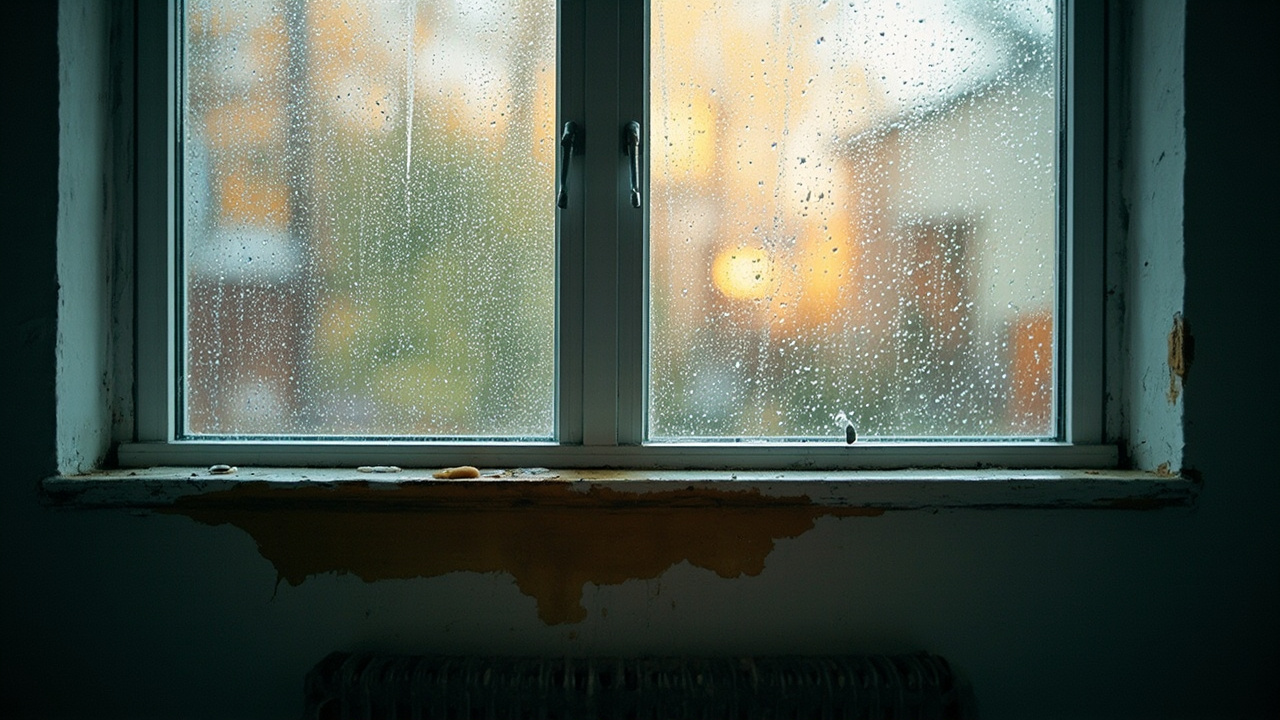
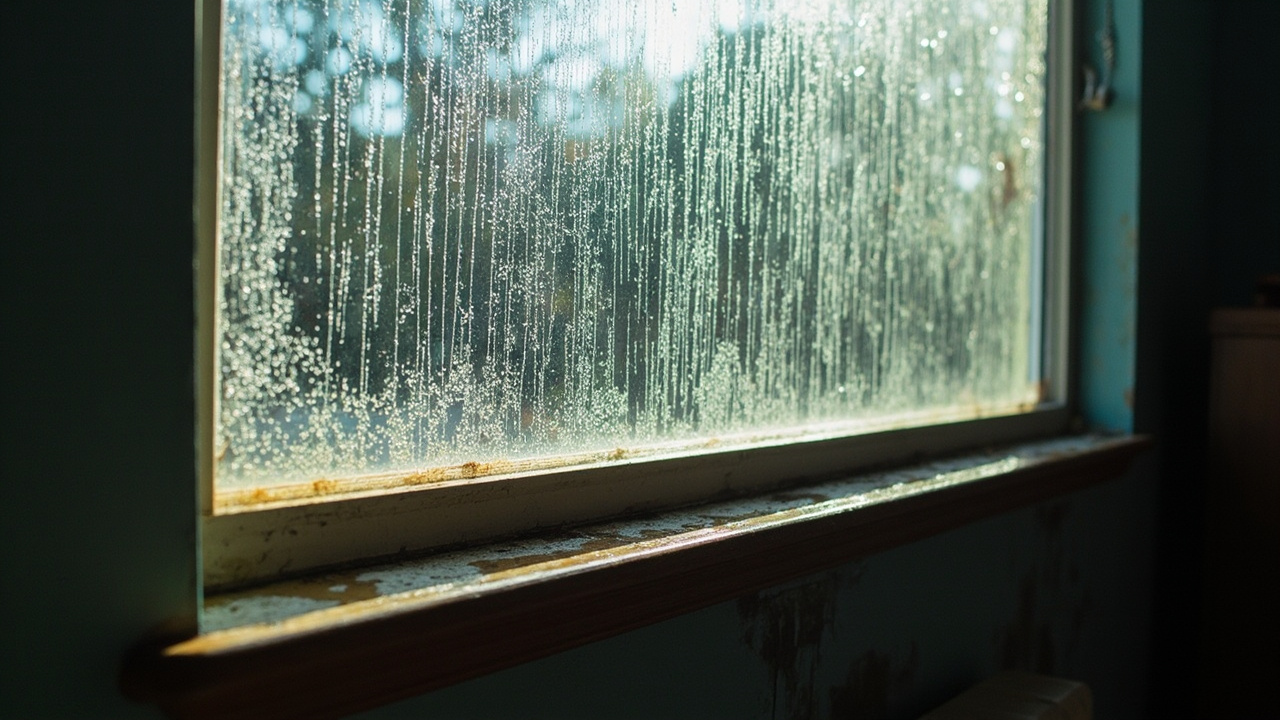
You wake up to weeping window panes. Again. You wipe them down, but by evening, interior glass condensation returns. The damp drywall patches near your bedroom window are spreading. You are not imagining it.

Pittsburgh's freeze-thaw cycles create the perfect storm for moisture buildup on walls and windows. When outdoor temperatures drop below freezing overnight, then climb into the 40s by afternoon, your home's thermal envelope struggles to maintain equilibrium. Cold glass surfaces meet warm, humid indoor air. The result is persistent window sweating and condensation that seeps into drywall, window sills, and framing.

The Allegheny and Monongahela rivers add ambient humidity year-round. Combine that with older homes in Shadyside, Squirrel Hill, and Highland Park built before modern vapor barriers became standard, and you get chronic condensation problems. Many Pittsburgh homes have single-pane windows or aluminum frames that act as thermal bridges, conducting cold directly into your living space.

Interior glass condensation is not just annoying. It signals an imbalance in your home's moisture management system. Left unchecked, that moisture migrates into wall cavities, saturates insulation, and creates ideal conditions for mold colonization. You might notice musty odors, peeling paint near windows, or soft spots in drywall. These are warning signs that surface condensation has become structural moisture intrusion.

The clay soil common throughout Allegheny County also contributes to basement humidity, which rises through your home and condenses on the coldest surfaces: windows and exterior walls. This is not a problem you can towel away.

Why Pittsburgh Homes Battle Constant Moisture on Glass and Drywall
How We Diagnose and Eliminate Moisture Sources, Not Just Symptoms

How We Diagnose and Eliminate Moisture Sources, Not Just Symptoms

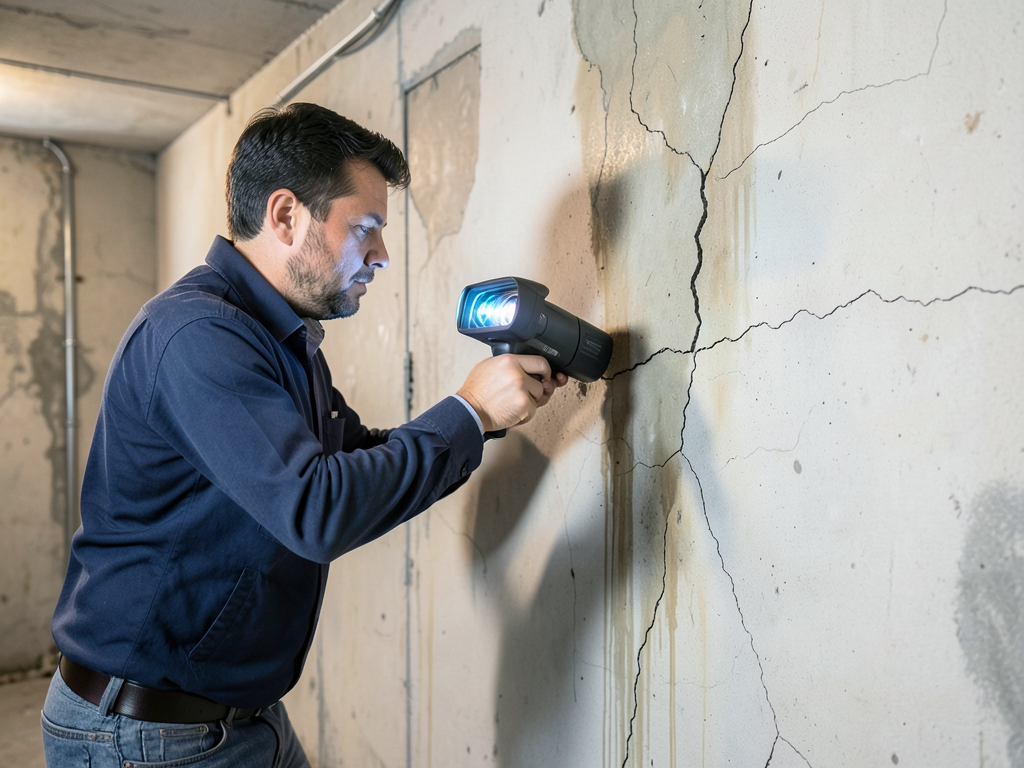
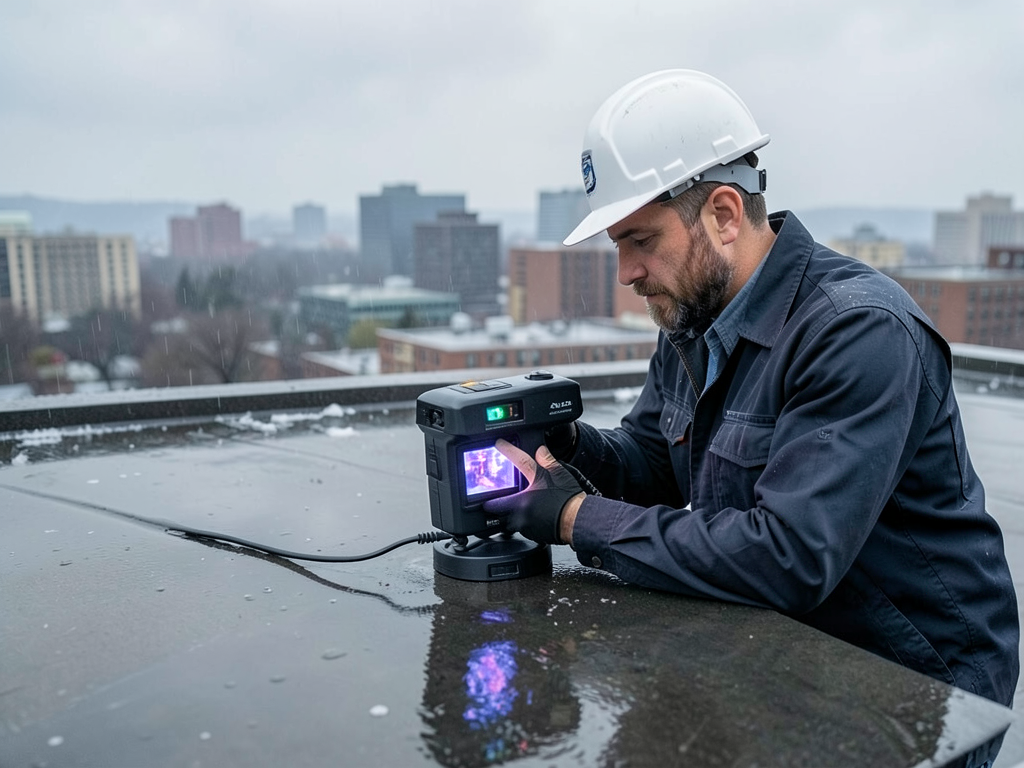
Most homeowners treat window sweating with dehumidifiers or by cracking windows. That is symptom management, not a solution. At Reliance Water Damage Restoration Pittsburgh, we perform a full moisture audit using thermal imaging cameras and hygrometers to map where moisture enters, where it accumulates, and why your home cannot expel it.

We measure relative humidity in each room and compare it to outdoor dew points. We inspect your HVAC system for inadequate ventilation or ductwork that leaks conditioned air into unconditioned spaces. We check your bathroom and kitchen exhaust fans to confirm they vent outside, not into your attic. Many Pittsburgh homes have exhaust fans that dump moist air into soffits, where it condenses on roof sheathing and drips back down into wall cavities.

We examine your windows for failed seals in double-pane units. When the seal breaks, the inert gas escapes, and moisture infiltrates the space between panes. That creates interior fogging that cannot be wiped away. We also inspect window flashing and exterior caulking for gaps that allow rainwater to wick into framing.

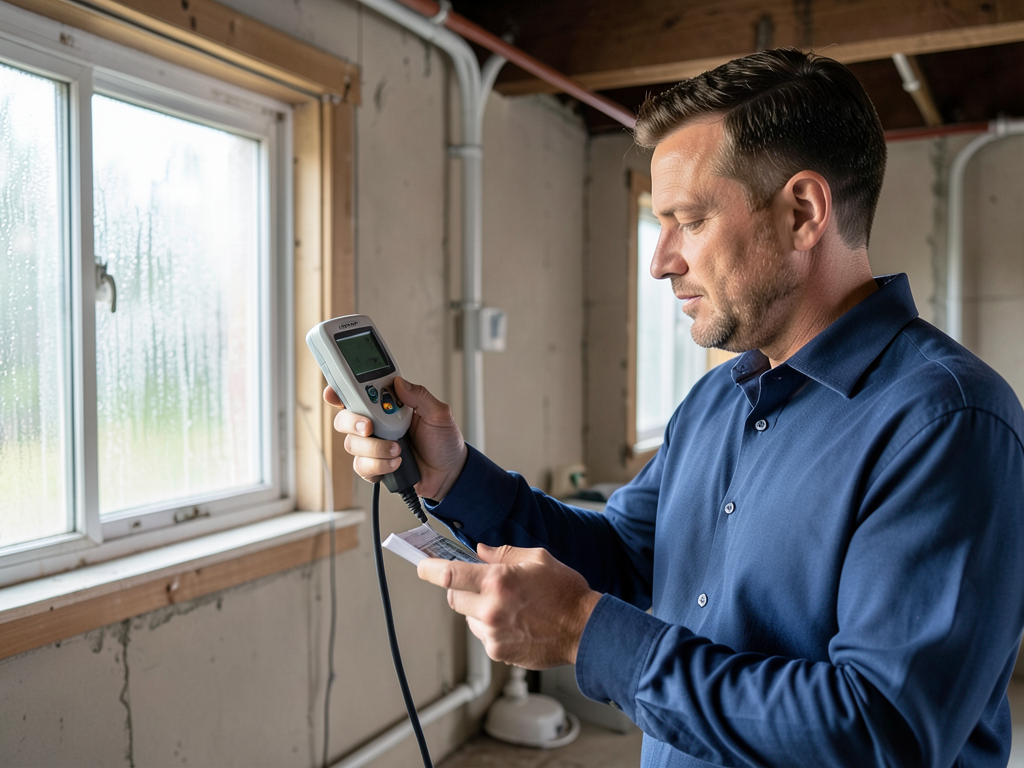
If we find damp drywall patches, we use moisture meters to determine if the problem is surface condensation or hidden water intrusion from a roof leak, failed gutter, or ice dam. Pittsburgh's winter ice dams are common on homes with insufficient attic insulation. Warm air escapes through your ceiling, melts snow on the roof, and the runoff refreezes at the eaves. That trapped water backs up under shingles and leaks into exterior walls, where it appears as damp patches near the roofline.

We also test your basement for groundwater seepage or sump pump failures that raise indoor humidity. Once we identify the source, we build a remediation plan that eliminates the moisture pathway permanently.

What Happens During Your Moisture Evaluation and Repair

Condensation on Windows & Walls in Pittsburgh – Expert Diagnosis & Permanent Moisture Solutions
01

Initial Moisture Mapping

We arrive with thermal imaging equipment and moisture meters to scan every window, exterior wall, and suspected problem area. You show us where you see condensation and damp spots. We document moisture levels, temperature differentials, and airflow patterns. This diagnostic phase typically takes 60 to 90 minutes and gives us the data needed to pinpoint whether your issue is ventilation, insulation, or water intrusion.
02

Source Elimination

We address the root cause. If your bathroom exhaust vents into the attic, we reroute it outside. If window seals have failed, we recommend replacement or resealing. If attic insulation is inadequate, we coordinate with insulation contractors to bring it up to code. If basement humidity is the culprit, we install vapor barriers, improve drainage, or repair foundation cracks. We fix what is broken, not what is convenient.
03

Drying and Restoration

Once we stop the moisture source, we dry affected materials using commercial dehumidifiers and air movers. We remove any mold-contaminated drywall or insulation and treat framing with antimicrobial solutions. We restore your walls to pre-loss condition, then perform a final moisture reading to confirm levels are below 15 percent. You get documentation showing your home is dry, safe, and ready for normal use.

Why Pittsburgh Homeowners Choose Us for Moisture Problems

You need someone who understands Pittsburgh's specific challenges. We have worked in every neighborhood from Lawrenceville to Mount Lebanon. We know the difference between a 1920s brick Colonial in Point Breeze and a 1970s ranch in Penn Hills. We know which homes have clay tile roofs prone to ice dam leaks and which have unvented crawlspaces that pump humidity into living areas.

We also understand Pittsburgh's building codes. Any structural drying or mold remediation must meet Pennsylvania Department of Labor and Industry standards. If your insurance company is involved, we document every step with photos, moisture logs, and thermal images. We have worked with every major carrier that operates in Allegheny County. We know what State Farm, Nationwide, and Erie Insurance require for a claim to be approved without dispute.

Reliance Water Damage Restoration Pittsburgh is not a franchise. We are locally owned. When you call, you speak to someone who lives here, works here, and knows the contractors, inspectors, and building officials you might need during a larger restoration project. We coordinate with roofers, HVAC techs, and insulation specialists to make sure your repair is comprehensive, not piecemeal.

We also prioritize speed. Moisture problems compound quickly. What starts as window sweating can become black mold in 48 hours if the drywall stays wet. We respond to calls within two hours during business hours and offer same-day emergency service for active leaks or flooding. You do not wait three days for an estimate while your walls absorb more moisture.

Our equipment is commercial grade. We do not rent consumer dehumidifiers from Home Depot. We use desiccant dehumidifiers, low-grain refrigerant units, and HEPA-filtered air scrubbers that remove mold spores from your indoor air during the drying process. You get a professional restoration, not a handyman patch job.

What to Expect When You Call Us About Condensation Issues

Rapid Response Time

We schedule most evaluations within 24 hours of your call. If you have an active leak or visible mold growth, we offer same-day emergency service. Our diagnostic visit takes 60 to 90 minutes. You receive a written assessment with moisture readings, thermal images, and a scope of work before we begin any repair. If your situation is urgent, we can start drying immediately while we finalize the full remediation plan. You are not left waiting while moisture spreads.

Thorough Moisture Assessment

We do not guess. We use calibrated moisture meters to measure water content in drywall, wood framing, and insulation. We use thermal cameras to identify cold spots where insulation is missing or compressed. We measure indoor relative humidity and compare it to outdoor conditions to determine if your home is over-humidified. We inspect your HVAC system, exhaust fans, and attic ventilation. You receive a detailed report explaining what we found, why it is happening, and what needs to be fixed.

Complete Drying and Restoration

We do not leave until moisture levels are confirmed dry. We place commercial dehumidifiers and air movers in affected areas and monitor progress daily with moisture readings. Most residential drying projects take three to five days, depending on the extent of saturation. We remove and replace any materials that cannot be dried, including insulation, drywall, or baseboards. We treat all framing with antimicrobial agents to prevent mold regrowth. You get a certificate of completion showing your home meets industry drying standards.

Prevention and Maintenance Guidance

We do not just dry your home and disappear. We provide a written maintenance plan tailored to your specific moisture issue. If poor attic ventilation caused your problem, we explain how to monitor it. If your basement is the source, we recommend sump pump maintenance schedules and drainage improvements. We also offer annual moisture inspections to catch small problems before they become expensive repairs. You get ongoing support, not a one-time visit. We want your home to stay dry.

Frequently Asked Questions

You Have Questions,
We Have Answers

How to stop condensation on windows and walls? +

Stop condensation by controlling indoor humidity and improving ventilation. Run exhaust fans in kitchens and bathrooms during and after use. Open windows for 10-15 minutes daily to exchange moist air. Use a dehumidifier to keep humidity between 30-50%. Check that dryer vents exhaust outside. Insulate cold surfaces like windows with thermal curtains or storm windows. Pittsburgh's freeze-thaw cycles make this worse in winter when warm indoor air hits cold glass. Fix leaks promptly and ensure gutters drain away from your foundation to prevent excess moisture entering your home.

Does condensation on windows mean the house is too cold? +

Not necessarily. Condensation forms when warm, moist indoor air contacts cold window glass. Your house temperature may be fine, but high indoor humidity is the real culprit. Pittsburgh winters bring outdoor temps that make window glass very cold. If your heating system works properly but you still see condensation, you have a moisture problem, not a temperature problem. Check humidity levels with a hygrometer. If readings exceed 50%, reduce moisture sources like long showers, cooking without vents, or wet basements common in older Pittsburgh homes with stone foundations.

Should you wipe condensation off windows? +

Yes, wipe condensation off immediately. Standing water on sills damages wood, promotes mold growth, and can stain paint or drywall. Use an absorbent cloth or squeegee each morning. However, wiping is a temporary fix. You must address the root cause of excess moisture. Pittsburgh's humid summers and cold winters create year-round condensation risks. If you wipe daily and condensation returns within hours, your humidity levels are too high. Focus on source control like ventilation and dehumidification rather than just managing symptoms.

Is it normal to have condensation on the inside of house windows? +

Some morning condensation in winter is normal, especially in Pittsburgh where overnight temps drop below freezing regularly. Single-pane windows or older double-pane units show more condensation. However, persistent condensation throughout the day, large water pools, or condensation on walls signals a problem. New construction homes sealed tightly trap more moisture. Older Pittsburgh homes with poor ventilation also struggle. Normal condensation clears within an hour after sunrise. If yours lasts longer or appears on multiple surfaces, you need better moisture control and air circulation.

What to put on walls to stop condensation? +

Apply mold-resistant primer or thermal insulating paint to cold walls where condensation forms. These products create a warmer surface temperature and reduce moisture adhesion. For basement walls common in Pittsburgh homes, use vapor barrier paint before finishing. Add rigid foam insulation to exterior walls from inside if possible. Ensure walls have proper ventilation behind them. Do not rely on paint alone. Fix the moisture source first by controlling indoor humidity, improving air circulation, and addressing any water infiltration through foundation walls or window wells typical in older Pittsburgh construction.

What are signs of excessive condensation? +

Excessive condensation shows as persistent water on windows, damp walls, musty odors, visible mold spots, peeling paint, and warped wood trim. You may see water stains on ceilings below bathrooms or around windows. Pittsburgh homes often develop mold in corners of exterior walls or closets against cold surfaces. Check for moisture in basements, crawl spaces, and attics. High humidity readings above 60% confirm excess moisture. Condensation that appears year-round, not just winter, indicates a serious problem requiring professional assessment for hidden water intrusion or ventilation failures.

What temperature should I keep my house to prevent condensation? +

Keep your thermostat at 68-72 degrees during Pittsburgh winters to prevent condensation. Consistent temperature matters more than specific numbers. Avoid large temperature swings that create condensation events. Maintain humidity between 30-40% in winter and under 50% in summer. Drop your thermostat at night only 2-3 degrees to prevent cold surfaces from forming. Pittsburgh's variable weather requires adjustment. During cold snaps below 20 degrees, you may need to lower indoor humidity further or increase heat near windows. Never turn heat below 55 degrees as this risks frozen pipes and creates condensation zones.

What causes condensation on walls? +

Condensation on walls happens when humid indoor air contacts cold wall surfaces. Poor insulation allows exterior cold to penetrate. Pittsburgh's clay soil holds moisture against foundations, cooling basement walls. Thermal bridging through studs creates cold spots. Common sources include bathroom steam, cooking moisture, unvented dryers, damp basements, and too many occupants producing moisture. Older Pittsburgh homes with solid masonry walls show more condensation because brick and stone conduct cold efficiently. New homes sealed tightly trap moisture without adequate ventilation. Water infiltration through walls mimics condensation but requires different fixes.

Does condensation on windows mean poor insulation? +

Condensation often indicates poor insulation but not always. Single-pane windows and thin walls cannot resist Pittsburgh's winter cold, creating temperature differentials that cause condensation. However, you can have good insulation and still get condensation if indoor humidity is too high. Check your attic insulation, wall cavities, and window quality. Pittsburgh homes built before 1980 typically lack adequate insulation by modern standards. If condensation appears on interior walls far from windows, insulation is likely the issue. Professional thermal imaging reveals cold spots and insulation gaps invisible to the eye.

Does a bowl of salt stop condensation? +

A bowl of salt absorbs minimal moisture and will not stop condensation meaningfully. Salt can pull humidity from immediate surrounding air but lacks capacity for whole-room moisture control. You would need dozens of bowls changed daily to make any difference in a typical Pittsburgh home. This folk remedy distracts from real solutions. Instead, use a proper dehumidifier that removes gallons daily, improve ventilation with exhaust fans, and fix moisture sources. Salt bowls might help in small closets or cabinets temporarily, but they cannot address the humidity levels that cause window and wall condensation.

How Pittsburgh's Humidity and Freeze-Thaw Cycles Amplify Window Condensation

Pittsburgh averages 160 days per year with measurable precipitation. The Ohio River Valley traps moisture, keeping relative humidity above 70 percent for much of fall and winter. When that humid air contacts cold window glass during a January freeze, you get heavy condensation overnight. Unlike arid climates where moisture evaporates quickly, Pittsburgh homes stay damp. The freeze-thaw pattern also creates expansion and contraction in window frames and siding, which opens gaps for water infiltration. Homes in Brookline, Beechview, and Carrick built on hillsides face additional challenges as groundwater seepage raises basement humidity, which migrates upward and condenses on windows.

Reliance Water Damage Restoration Pittsburgh has worked with homeowners throughout Allegheny County for years. We understand local construction methods, from the brick rowhouses in Polish Hill to the post-war bungalows in Dormont. We know which neighborhoods have combined sewers prone to backflow during heavy rain and which areas have poor soil drainage that leads to wet basements. We work with local building inspectors and insurance adjusters who recognize our documentation standards. When you choose a local contractor, you get someone who understands Pittsburgh's specific moisture challenges and knows how to fix them permanently.
Water Damage Restoration Services in The Pittsburgh Area

While we provide rapid mobile service directly to your location, you can also find our physical business location on the map below. This map highlights our primary service area and shows our commitment to serving the Pittsburgh community. We are always ready to dispatch our expert team to your home or business, no matter where you are in our service region. Feel free to use the interactive map to get directions or to visualize our proximity to you.

Address:
Reliance Water Damage Restoration Pittsburgh, 201 S Craig St, Pittsburgh, PA, 15213

Additional Services We Offer

Our news updates

Latest Articles & News from The Blogs

How to tell if you have a expensive slab leak under your Franklin Park home Franklin Park homeowners face a…

How to tell if you have a expensive slab leak under your Franklin Park home

How to tell if you have a expensive slab leak under your Franklin Park home Franklin Park homeowners face a…

What to do when your office fire sprinklers go off by mistake in Downtown Pittsburgh

What to do when your office fire sprinklers go off by mistake in Downtown Pittsburgh When fire sprinklers discharge without…

Preserving the original masonry in Mexican War Streets homes after a water leak

Preserving the original masonry in Mexican War Streets homes after a water leak When water infiltrates the historic brick and…

Contact Us

Call Reliance Water Damage Restoration Pittsburgh today at (412) 382-8788. We will schedule your moisture evaluation within 24 hours and give you a clear plan to eliminate window sweating and damp walls for good.