




Menu

Attic Water Damage Cleanup in Pittsburgh – Fast Response Before Insulation Fails and Mold Takes Hold

Reliance Water Damage Restoration Pittsburgh specializes in attic water damage cleanup, combining thermal imaging diagnostics with rapid structural drying to prevent ceiling collapse and protect your home's envelope before secondary damage escalates.

Slider Image 1
Slider Image 2
Slider Image 3
Slider Image 4
Slider Image 5
Slider Image 7
Slider Image 8
Slider Image 9
Slider Image 10
Slider Image 11

Why Pittsburgh Attics Are Vulnerable to Catastrophic Water Damage

Pittsburgh's freeze-thaw cycles create a perfect storm for attic water intrusion. When snow accumulates on your roof and daytime temperatures climb above freezing, meltwater finds every gap in deteriorated flashing and worn shingles. At night, temperatures plunge again, causing ice dams that force water under your roof deck and into insulation.

The city's older housing stock compounds this problem. Many homes in neighborhoods like Shadyside and Squirrel Hill feature steep-pitch roofs with minimal ventilation. Poor attic airflow traps moisture, and when a roof leak occurs, fiberglass insulation acts like a sponge. You may not notice the problem until brown stains appear on your ceiling or you smell that distinctive musty odor.

Attic water damage restoration requires immediate action. Water saturates insulation, reducing its R-value to nearly zero. Your heating system works overtime, driving up utility bills while the wet environment becomes a breeding ground for mold colonies. Within 48 hours, microbial growth can establish itself on wood framing and drywall.

Burst pipes in uninsulated attic spaces present another threat during Pittsburgh's cold snaps. When temperatures drop below 20 degrees for extended periods, exposed supply lines freeze and rupture. A single quarter-inch crack can release hundreds of gallons before you discover the problem. Attic flood restoration becomes urgent when standing water threatens your home's structural integrity and contaminates living spaces below.

The combination of our regional weather patterns and architectural characteristics makes attic leak cleanup a specialized service. You need professionals who understand how water moves through Pittsburgh homes and can address both the visible damage and hidden moisture that standard cleaning misses.

Why Pittsburgh Attics Are Vulnerable to Catastrophic Water Damage
Our Technical Approach to Attic Water Removal Services

Our Technical Approach to Attic Water Removal Services

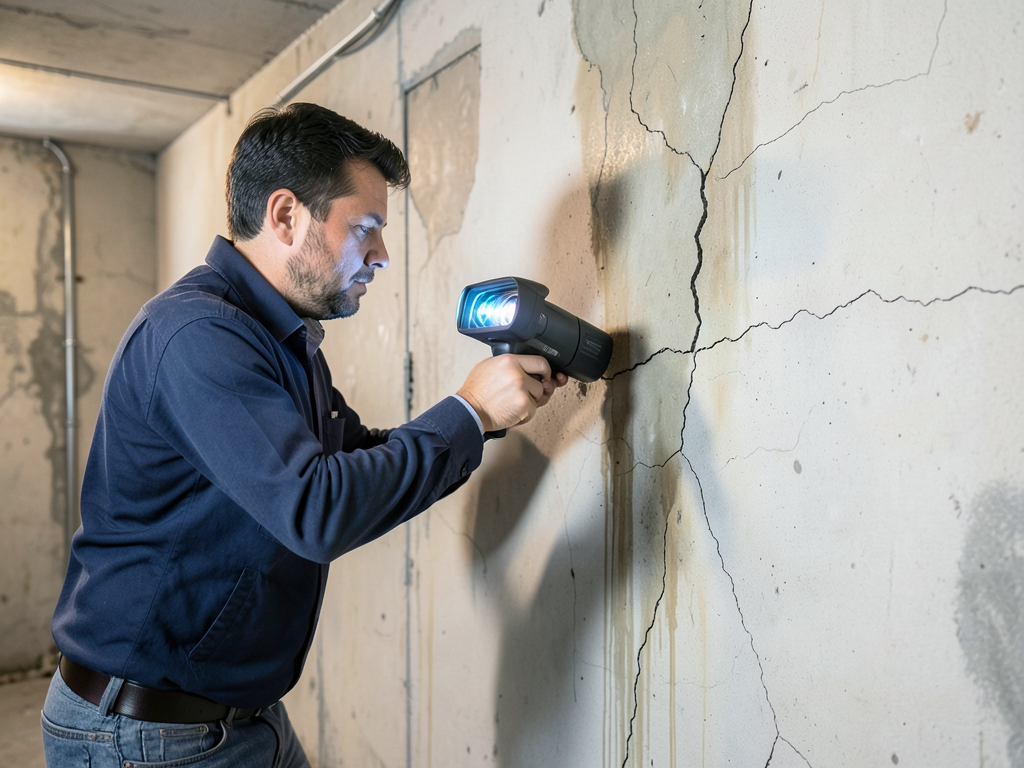
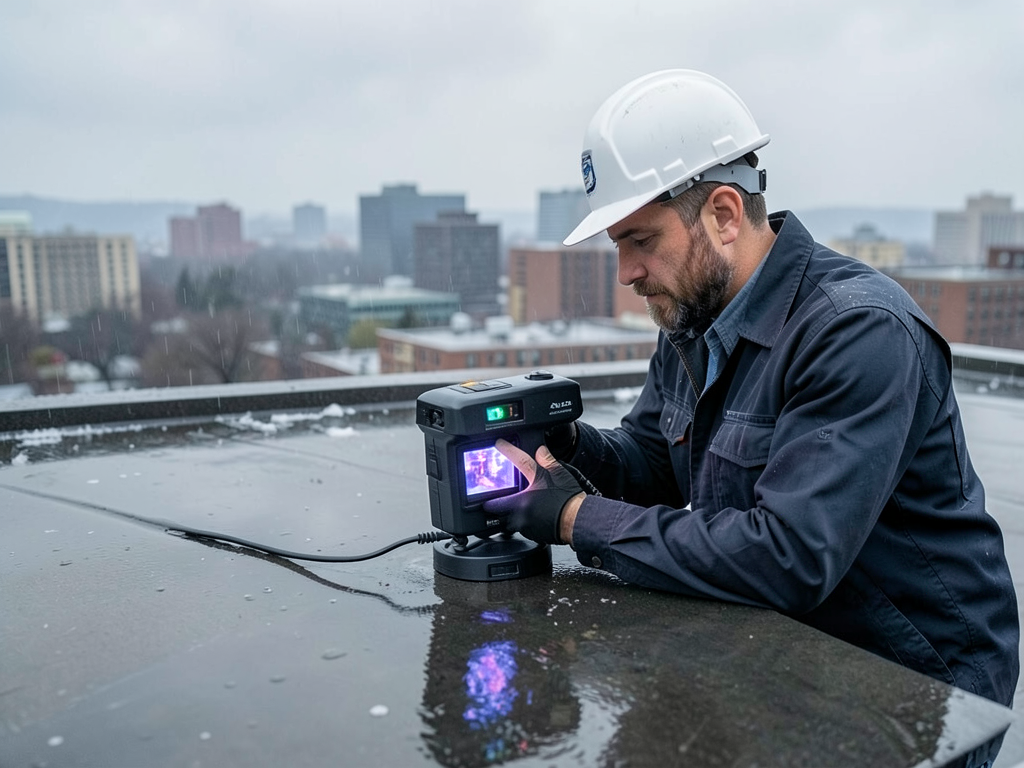
Effective attic water damage cleanup starts with accurate moisture mapping. We deploy FLIR thermal imaging cameras to identify wet insulation, saturated framing, and water migration paths that visual inspection cannot detect. This technology reveals temperature differentials that indicate trapped moisture behind surfaces, allowing us to target extraction efforts precisely.

Our attic water removal services follow IICRC S500 standards for water damage restoration. We categorize the water source first. Clean water from a supply line requires different protocols than contaminated water from a roof leak that passed through organic debris. Category and class determination guides our equipment selection and safety procedures.

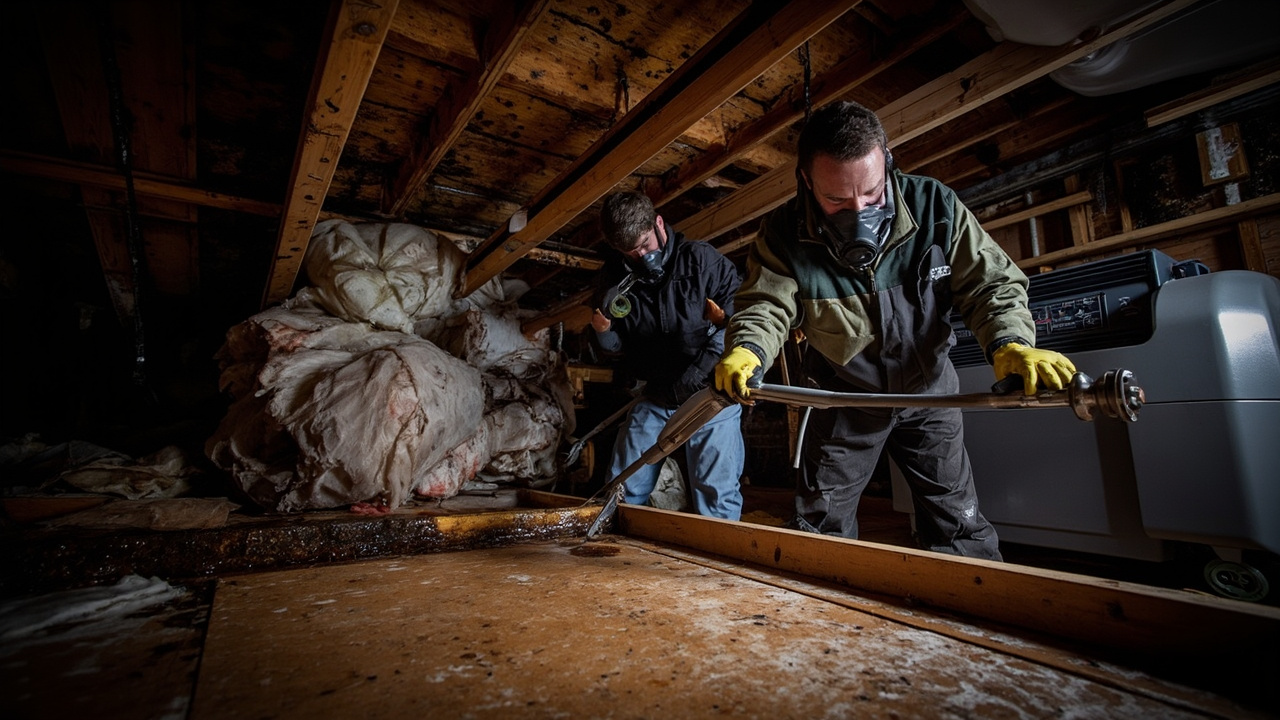
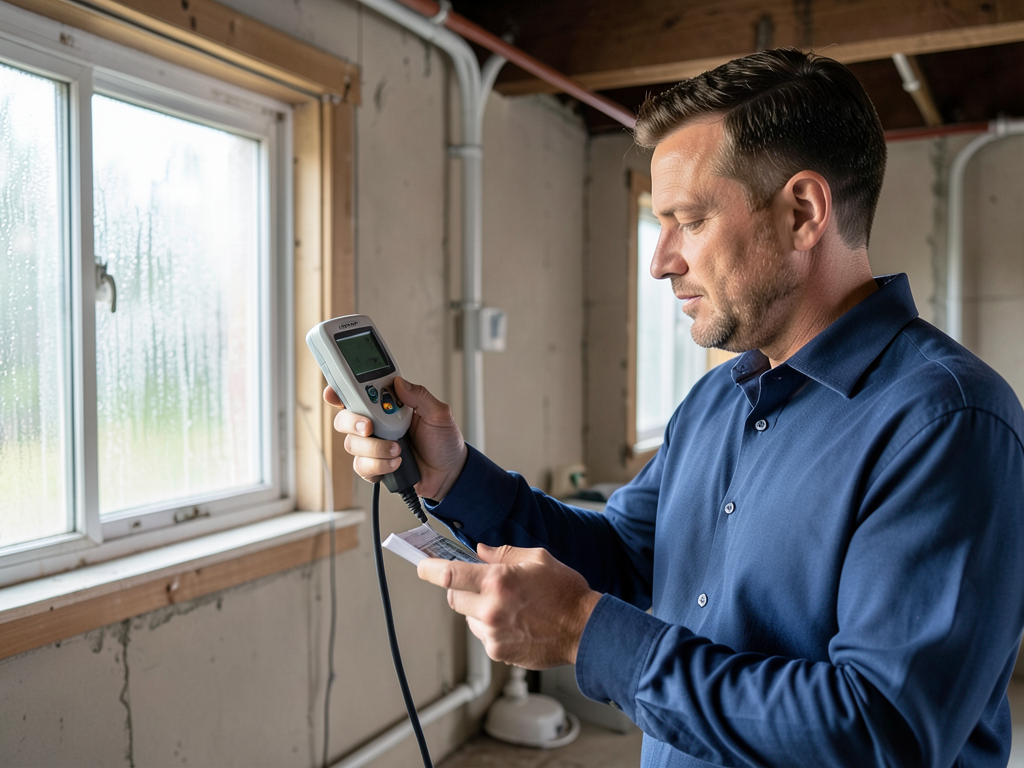
High-velocity air movers create laminar airflow across wet surfaces while commercial dehumidifiers reduce ambient moisture levels. We position equipment based on psychrometric calculations, not guesswork. Our moisture meters track progress in wood framing and sheathing, with readings taken at multiple depths to confirm thorough drying. We do not remove equipment until materials return to their dry standard, typically 15 percent moisture content or lower for structural lumber.

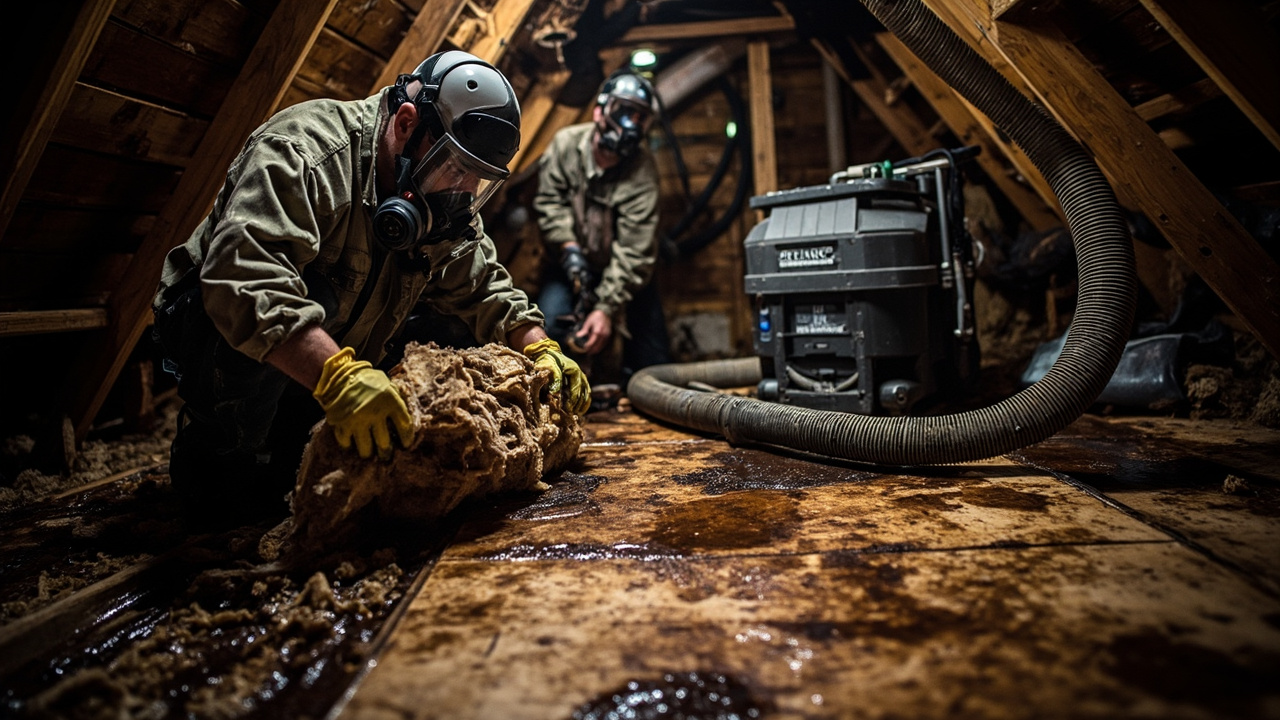
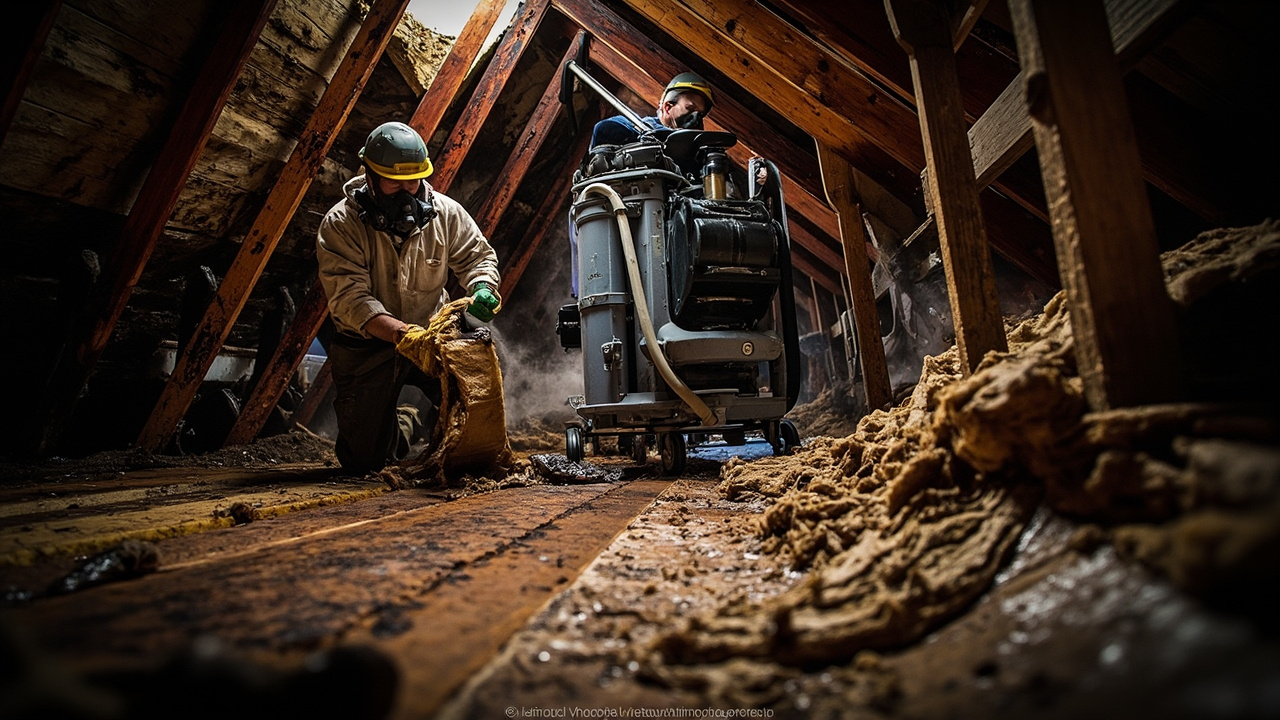
Insulation presents a critical decision point. Fiberglass batts that absorbed contaminated water must be removed and replaced. Even with clean water, if insulation remained saturated for more than 48 hours, replacement often proves more cost-effective than drying. We bag and remove compromised materials, then treat exposed framing with antimicrobial solutions to prevent mold colonization.

Attic water damage repair extends beyond drying. We inspect roof decking for delamination, check rafters for structural integrity, and verify that electrical systems were not compromised. Our documentation includes pre-loss condition assessment, moisture readings throughout the drying process, and final verification testing. This comprehensive approach supports insurance claims and protects your investment.

What Happens During Your Attic Water Damage Cleanup

Attic Water Damage Cleanup in Pittsburgh – Fast Response Before Insulation Fails and Mold Takes Hold
01

Emergency Assessment and Containment

We arrive within two hours of your call to stop active water intrusion. Our technicians locate the source, whether it is a roof penetration or burst pipe, and implement temporary containment. We document damage with photos and moisture readings, then explain our findings in plain terms. You receive a detailed scope of work before extraction begins, so you understand exactly what attic water damage restoration requires.
02

Water Extraction and Drying

Truck-mounted extractors remove standing water, followed by strategic placement of air movers and dehumidifiers. We create negative air pressure to prevent contaminated air from entering living spaces. Our technicians monitor conditions twice daily, adjusting equipment based on psychrometric data. Structural drying typically requires three to five days, depending on saturation levels and building materials. We maintain detailed logs of temperature, humidity, and moisture content throughout the process.
03

Restoration and Prevention

After drying confirmation, we replace insulation, repair damaged framing, and restore your attic to pre-loss condition. Our team coordinates with roofing contractors if repairs extend beyond water damage cleanup. We provide a moisture map showing final readings and recommendations to prevent recurrence. Your attic receives a complete assessment of ventilation adequacy, insulation depth, and vulnerable penetrations. This final phase ensures lasting protection against future water intrusion.

Why Pittsburgh Homeowners Choose Reliance for Attic Leak Cleanup

Pittsburgh's building codes and climate demand local expertise. We understand that homes built before 1950 often lack vapor barriers, that balloon framing creates hidden channels for water migration, and that slate roofs require different leak diagnosis than asphalt shingles. This knowledge directly impacts your attic water damage restoration outcome.

Our technicians hold IICRC certifications in water damage restoration and applied structural drying. We invest in ongoing education because restoration science evolves. The equipment we used five years ago has been replaced with more efficient technology that dries structures faster while using less energy. We track moisture in real-time using remote monitoring systems, catching potential problems before they become setbacks.

Insurance companies recognize our documentation standards. We provide detailed estimates with line-item breakdowns, moisture logs with daily readings, and photo documentation at every phase. Our reports align with Xactimate pricing, which adjusters use to evaluate claims. This thoroughness often means faster claim approval and fewer disputes over scope or pricing.

We maintain relationships with Pittsburgh's building inspectors and code officials. When attic water damage repair requires permits, we handle the paperwork and coordinate inspections. Our familiarity with local requirements prevents delays and ensures work meets or exceeds code standards.

Response time matters in water damage scenarios. Our dispatch system routes the closest available crew to your location. We stock trucks with extraction equipment, air movers, dehumidifiers, and moisture detection tools so technicians arrive ready to work. No return trips for forgotten equipment, no delays waiting for specialty tools.

Transparency defines our process. We explain findings, answer questions, and provide options when multiple solutions exist. You make informed decisions about your property because we present facts without pressure tactics. Our goal is complete attic water damage cleanup that protects your home's value and your family's health.

What to Expect When You Call Reliance for Attic Water Damage Cleanup

Immediate Response and Arrival

We answer emergency calls 24 hours a day, seven days a week. Our dispatch team collects essential information about your situation and sends a crew immediately. You receive a call when technicians are en route with an estimated arrival time. Most Pittsburgh locations receive service within two hours of initial contact. Our trucks carry complete extraction and drying equipment, so we begin attic water removal services upon arrival rather than scheduling a return visit. Night, weekend, or holiday, our response protocol remains the same.

Thorough Inspection and Moisture Mapping

Initial assessment takes 45 to 90 minutes, depending on attic size and damage extent. We use thermal imaging to locate hidden moisture, moisture meters to quantify saturation levels, and visual inspection to identify structural concerns. You receive a written scope detailing affected materials, recommended procedures, and estimated timeline. We explain category and class ratings, what they mean for restoration complexity, and how they impact cost. Our assessment includes photos with measurements and notes, creating a permanent record for insurance documentation and future reference.

Complete Drying and Restoration

Structural drying is not a guess. We establish target moisture levels based on material type and monitor progress with calibrated meters. Equipment runs continuously until readings confirm thorough drying, typically three to five days for standard attic water damage scenarios. We do not cut corners by removing equipment prematurely. Final moisture content must meet IICRC standards before restoration begins. After drying confirmation, we handle all repairs including insulation replacement, framing repair, and surface restoration. Your attic returns to pre-loss condition, backed by documentation proving proper drying occurred.

Documentation and Prevention Guidance

You receive a complete project file including initial assessment photos, daily moisture logs, equipment placement diagrams, and final verification readings. This documentation supports insurance claims and provides proof of professional restoration if you sell your home. We also deliver a prevention report identifying vulnerabilities we observed during cleanup. This might include inadequate attic ventilation, missing insulation around plumbing penetrations, or roof conditions that warrant monitoring. Our goal extends beyond fixing current damage to helping you avoid future attic water problems through informed maintenance decisions.

Frequently Asked Questions

You Have Questions,
We Have Answers

How to fix water damage in an attic? +

Stop the water source first. Turn off water if it's a plumbing leak, or tarp the roof if it's storm damage. Remove soaked insulation immediately because it loses R-value and breeds mold. Extract standing water with a wet vac or pump. Set up commercial dehumidifiers and air movers to dry structural lumber within 48 hours. Pittsburgh's humidity makes this critical. Check roof decking, rafters, and ceiling joists for rot or sagging. Treat affected wood with antimicrobial solution. Replace damaged insulation with proper ventilation baffles. Document everything for insurance. Professional extraction equipment reaches moisture pockets DIY methods miss, preventing structural failure down the line.

What is the 7 and 7 rule for a finished attic? +

The 7 and 7 rule means finished attic spaces need at least 7 feet of ceiling height over a minimum 7-foot width. This applies to habitable rooms under Pittsburgh building codes. The measurement runs from finished floor to finished ceiling. Sloped ceilings count if they meet minimum height requirements. Local inspectors enforce this for safety and livability. If your attic has water damage and you planned to finish it, check these dimensions first. Roof pitch in older Pittsburgh homes often limits usable square footage. Knee walls and dormers can expand compliant space. Consult a contractor familiar with Allegheny County requirements before planning restoration work.

How much does it cost to repair water damage in the attic? +

Minor attic water damage repair in Pittsburgh runs $1,500 to $4,000 for localized leaks. Extensive damage from prolonged roof leaks or burst pipes can reach $8,000 to $15,000 or more. Costs include water extraction, structural drying, insulation replacement, mold remediation, and roof or plumbing repairs. Pittsburgh's freeze-thaw cycles often cause hidden damage that increases scope. Factors include square footage, contamination level, structural repairs needed, and accessibility. Finished attics cost more to restore than unfinished spaces. Insurance may cover sudden water events but not gradual leaks. Get a moisture assessment before accepting estimates. Cheap fixes skip critical drying steps and lead to mold.

Will water in the attic dry out? +

No. Attic water will not dry out properly on its own, especially in Pittsburgh's humid climate. Without mechanical drying, trapped moisture stays in insulation, wood framing, and sheathing for weeks or months. This creates perfect mold growth conditions within 24 to 48 hours. Passive airflow cannot remove moisture fast enough to prevent structural damage. You need commercial dehumidifiers and air movers positioned strategically to pull moisture from materials. Temperature matters too. Cold attics in winter slow evaporation. Standing water requires extraction first. Moisture meters confirm when materials reach safe levels below 15 percent. Skipping professional drying guarantees mold, wood rot, and compromised roof structure.

Will homeowners insurance cover water damage from a roof leak? +

It depends on the cause. Homeowners insurance typically covers sudden roof leak damage from storms, falling trees, or wind-driven rain in Pittsburgh. Policies exclude gradual leaks from poor maintenance or wear. If your roof was already damaged before the storm, insurers may deny claims. Ice dam leaks get tricky. Some policies cover resulting water damage but not the dam removal itself. Missing shingles from wind usually qualify. Document damage immediately with photos. Review your policy's water damage exclusions and roof age limits. Older roofs may have depreciated coverage. File claims fast. Insurers send adjusters to verify the leak source matches a covered peril before approving attic repairs.

Can I air seal my attic myself? +

You can handle basic attic air sealing, but professional work prevents costly mistakes. DIY tasks include sealing visible gaps around pipes, wires, and recessed lights with fire-rated caulk or expanding foam. You can install weatherstripping on attic access doors. However, Pittsburgh homes have complex bypass leaks behind walls, around chimneys, and at soffits that require experience to locate. Improper sealing traps moisture and causes condensation damage. You need proper ventilation balance. Over-sealing without addressing roof vents creates problems. After water damage, hidden leaks often worsen. Thermal imaging finds what you miss. If your attic had water intrusion, hire a specialist to assess moisture pathways before sealing anything permanently.

What's the average cost to finish an attic? +

Finishing an attic in Pittsburgh costs $30,000 to $80,000 depending on size, access, and existing conditions. Basic conversions with insulation, drywall, flooring, and HVAC extensions run lower. Adding dormers, bathrooms, or egress windows for bedrooms increases costs significantly. Structural reinforcement for floor joists adds expense. You need upgraded electrical and potentially new HVAC zones. Pittsburgh's older housing stock often requires remediation work first. Steep roof pitches limit usable space and increase framing complexity. Permits and inspections add time and cost. If you have water damage, address that completely before finishing. Enclosing compromised materials guarantees mold issues. Restoration comes first, finishing second.

Why don't builders finish attics? +

Builders skip attic finishing to control construction costs and maximize profit margins on base home prices. Finishing attics requires additional framing, insulation, HVAC capacity, fire safety egress, and stairway access that increase build expenses. Most buyers prioritize main floor space over attic square footage. Builders offer attic conversions as upgrades. Unfinished attics also serve critical roles for ventilation, insulation, and mechanical systems access. Pittsburgh's older homes were designed with attics as thermal buffers and storage, not living space. Adding finished space changes load calculations for joists designed only for ceiling weight. Retrofitting costs more than original construction. Builders leave that revenue opportunity for remodelers or future owners.

Is attic restoration worth it? +

Yes, if your attic has water damage, mold, or inadequate insulation. Attic restoration pays off through lower energy bills, prevented structural damage, and improved home value in Pittsburgh. Damaged insulation loses effectiveness, spiking heating costs in winter. Mold spreads to living spaces and creates health risks. Roof leaks weaken framing and lead to expensive replacements. Restoration includes proper insulation, ventilation improvements, and air sealing that reduce HVAC strain. Pittsburgh's temperature swings stress poorly maintained attics. If you plan to sell, buyers notice attic conditions during inspections. Restored attics signal proper maintenance. Restoration prevents small problems from becoming catastrophic failures. The investment protects your largest asset.

Will insurance pay out for water damage? +

Insurance pays for water damage from covered perils like burst pipes, storm-related roof leaks, or appliance failures. Policies exclude gradual damage, flooding, and maintenance issues. In Pittsburgh, sudden pipe freezes during cold snaps typically qualify. Ice dam damage coverage varies by policy. You must prove the water event was sudden and accidental. Insurers deny claims for old roof leaks, foundation seepage, or sewer backups without specific riders. Document damage immediately with photos and timestamps. File within your policy's notification window. Adjusters investigate cause before paying. If your attic has longstanding moisture issues, expect denial. Review your declarations page for water damage exclusions and coverage limits before assuming protection.

How Pittsburgh's Climate Patterns Increase Attic Water Damage Risk

Pittsburgh receives approximately 38 inches of precipitation annually, distributed fairly evenly across all seasons. This consistent moisture input combines with dramatic temperature swings during spring and fall to create prime conditions for attic water intrusion. The Allegheny Plateau's topography funnels weather systems through the region, bringing lake-effect snow from Erie and moisture-laden air masses from the Ohio Valley. When rapid warm-ups follow heavy snow, roof drainage systems become overwhelmed. Ice dams form along eaves where heat escaping through inadequate insulation melts snow above while temperatures below freezing persist at roof edges. Meltwater backs up under shingles, bypassing normal water barriers. Many Pittsburgh homes built during post-war expansion feature shallow roof pitches that exacerbate ice dam formation and reduce natural drainage effectiveness during heavy rain events.

Reliance Water Damage Restoration Pittsburgh maintains relationships with local building officials and insurance adjusters who handle attic water damage claims throughout Allegheny County. We understand regional construction methods, from the slate roofs common in older neighborhoods to the architectural shingle installations in newer developments. Our familiarity with Pittsburgh's building codes ensures that attic water damage repair meets current standards for insulation R-values, ventilation requirements, and vapor barrier installation. When your situation requires coordination with roofing contractors or electricians, we leverage our network of licensed professionals who understand the urgency water damage creates. Local expertise matters because restoration decisions must account for our specific climate challenges and construction traditions.
Water Damage Restoration Services in The Pittsburgh Area

While we provide rapid mobile service directly to your location, you can also find our physical business location on the map below. This map highlights our primary service area and shows our commitment to serving the Pittsburgh community. We are always ready to dispatch our expert team to your home or business, no matter where you are in our service region. Feel free to use the interactive map to get directions or to visualize our proximity to you.

Address:
Reliance Water Damage Restoration Pittsburgh, 201 S Craig St, Pittsburgh, PA, 15213

Additional Services We Offer

Our news updates

Latest Articles & News from The Blogs

How to tell if you have a expensive slab leak under your Franklin Park home Franklin Park homeowners face a…

How to tell if you have a expensive slab leak under your Franklin Park home

How to tell if you have a expensive slab leak under your Franklin Park home Franklin Park homeowners face a…

What to do when your office fire sprinklers go off by mistake in Downtown Pittsburgh

What to do when your office fire sprinklers go off by mistake in Downtown Pittsburgh When fire sprinklers discharge without…

Preserving the original masonry in Mexican War Streets homes after a water leak

Preserving the original masonry in Mexican War Streets homes after a water leak When water infiltrates the historic brick and…

Contact Us

Every hour counts when water saturates your attic. Call Reliance Water Damage Restoration Pittsburgh now at (412) 382-8788 for immediate dispatch. Our crews respond 24/7 with professional equipment and proven protocols to protect your home from escalating damage.