




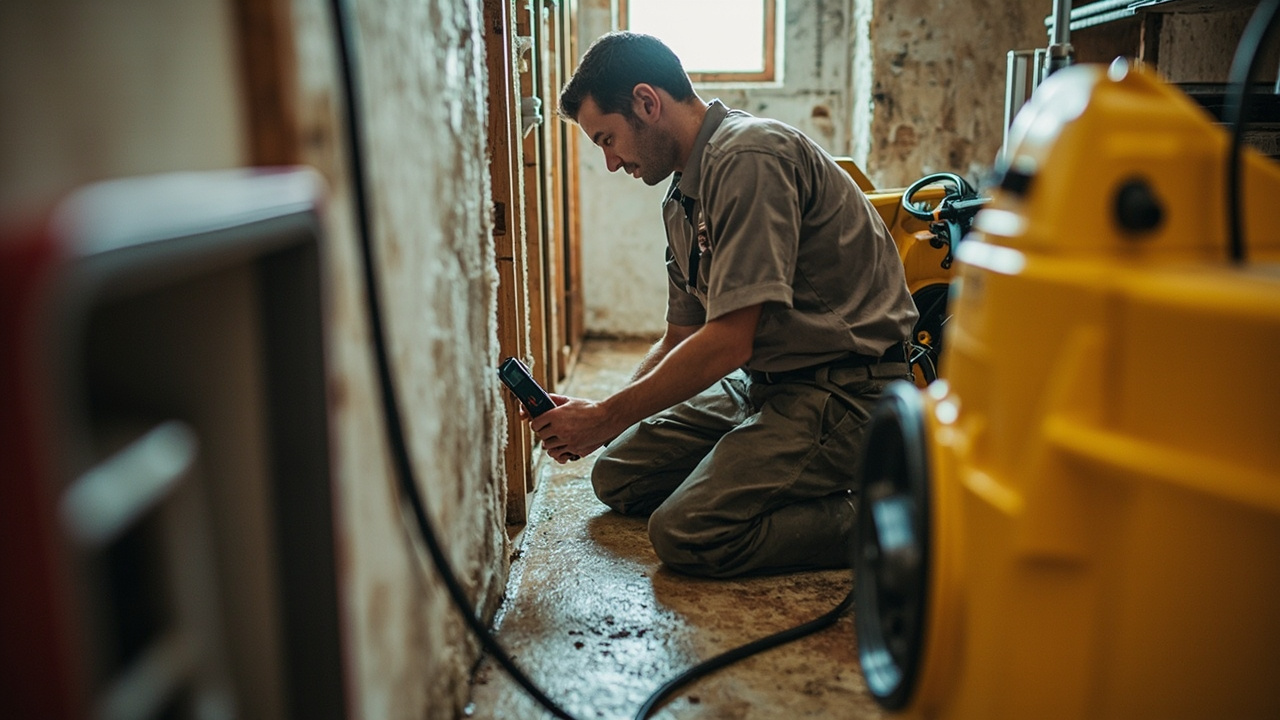
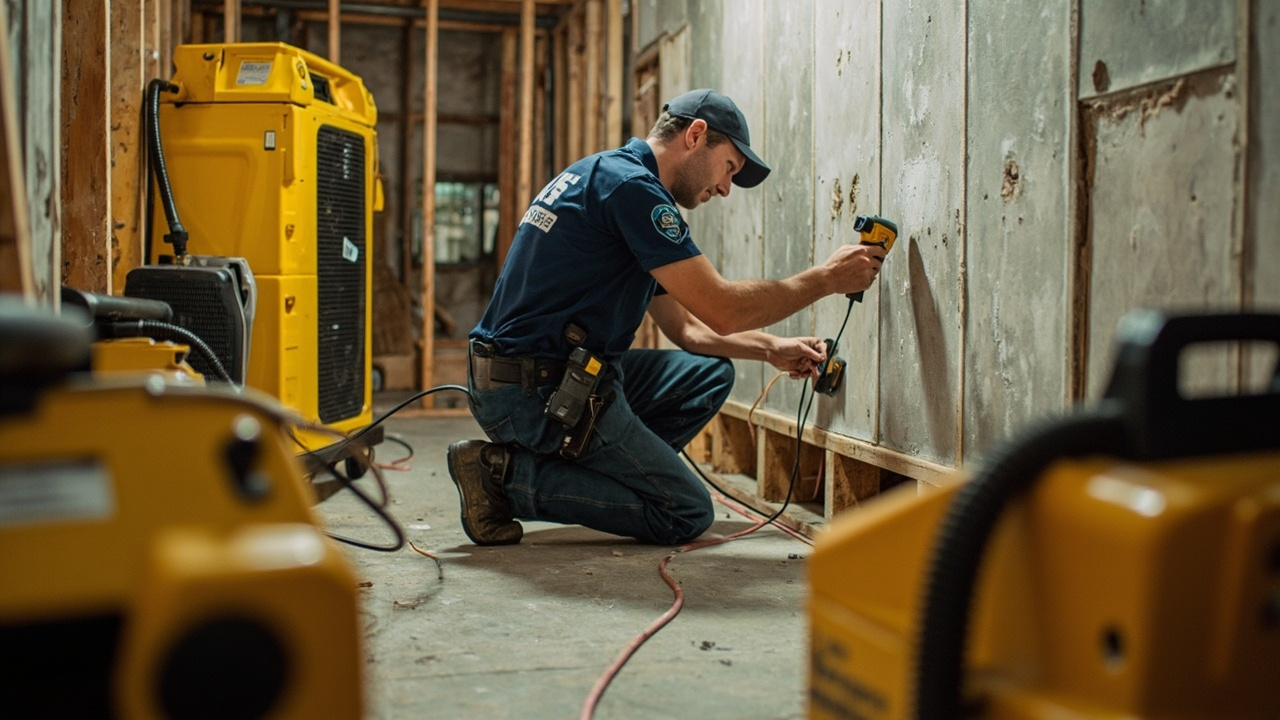
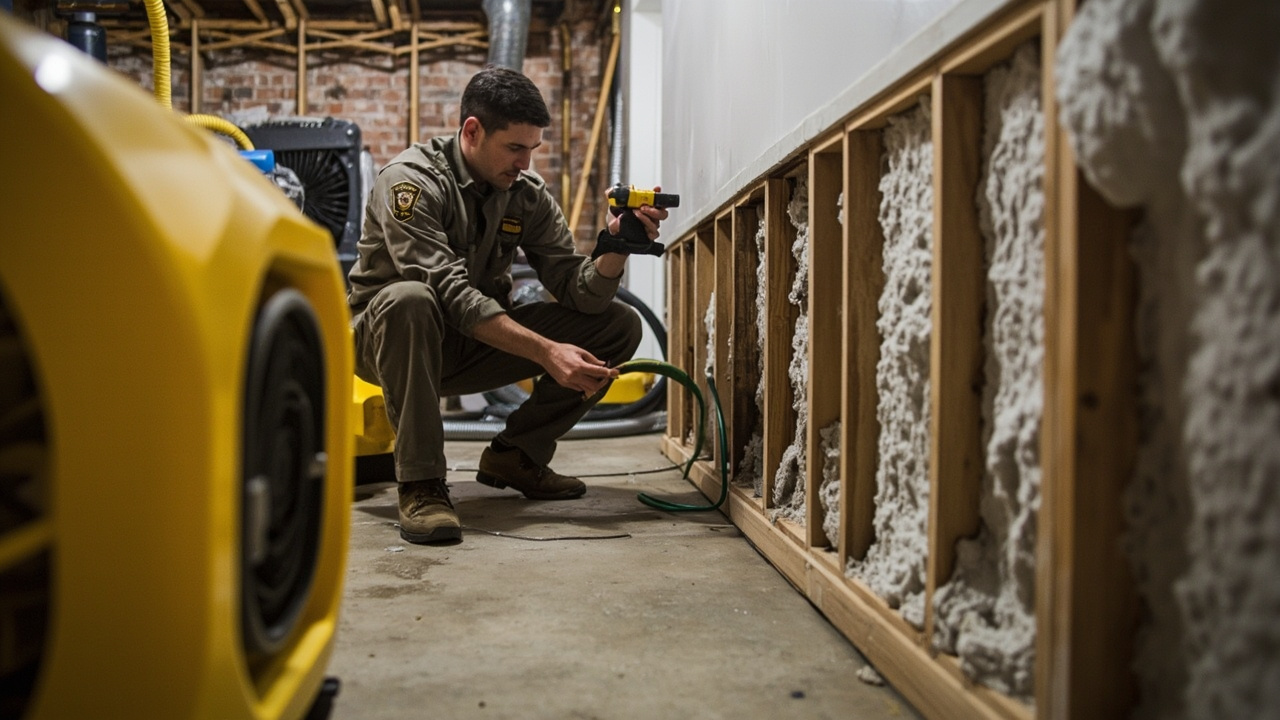
Pittsburgh sits at the confluence of three rivers, creating elevated humidity levels that slow natural drying and promote mold growth in water-damaged buildings. The city's valley geography traps moisture, particularly in neighborhoods along the Allegheny, Monongahela, and Ohio rivers. Summer dew points regularly exceed 65 degrees, the threshold where mold colonization accelerates. This humid climate means structural drying equipment must overcome both building moisture and high ambient humidity. Professional structural drying services account for these environmental factors by creating controlled indoor conditions that overcome Pittsburgh's naturally slow evaporation rates.
Pittsburgh's aging building inventory requires restoration contractors who understand pre-1950 construction methods. Many properties in Shadyside, Highland Park, and the North Side feature plaster-and-lath walls, tongue-and-groove subflooring, and solid masonry foundations that behave differently than modern construction during drying. Reliance Water Damage Restoration Pittsburgh has restored water-damaged properties across every city neighborhood, from historic Victorian homes to modern commercial spaces. This local experience informs our equipment selection, drying protocols, and material-specific strategies. Choosing a restoration company familiar with Pittsburgh's unique building stock protects your property from drying mistakes that cause permanent damage to irreplaceable materials.