



Menu

Carpet Water Extraction in Pittsburgh – Fast Response When Every Minute Counts

Our truck-mounted extraction systems remove standing water from carpets in under 90 minutes, preventing permanent fiber damage and mold growth that threatens Pittsburgh homes after flooding or pipe failures.

Slider Image 1
Slider Image 2
Slider Image 3
Slider Image 4
Slider Image 5
Slider Image 7
Slider Image 8
Slider Image 9
Slider Image 10
Slider Image 11

Why Pittsburgh Carpets Stay Wet Longer Than They Should

Pittsburgh's humid summers and below-freezing winters create a perfect trap for waterlogged carpets. When a basement floods from a sump pump failure or a washing machine hose bursts in a South Side row home, the water does not just sit on the surface. It wicks deep into carpet padding and subfloors within 20 minutes. Pittsburgh's older housing stock, built with minimal vapor barriers and porous basement concrete, accelerates moisture absorption.

You might see the surface dry after a few hours with fans, but the padding underneath stays saturated for days. This hidden moisture feeds mold colonies in as little as 24 hours. The longer you wait, the more likely you face permanent carpet replacement instead of restoration.

Emergency carpet water removal requires industrial-grade equipment. Household wet-dry vacuums remove surface water but leave 80% of moisture trapped in padding and subflooring. Flooded carpet extraction demands truck-mounted suction systems that generate negative pressure strong enough to pull water from deep within multi-layer carpet systems.

Water damage carpet extraction becomes more complex in Pittsburgh neighborhoods like Squirrel Hill or Mount Washington, where older homes have wool blend carpets or carpet installed over hardwood. These materials require different extraction techniques to prevent secondary damage. Wet carpet extraction must happen within the first 12 hours to maximize salvage rates and minimize structural damage to wooden subfloors common in pre-1960 Pittsburgh construction.

Why Pittsburgh Carpets Stay Wet Longer Than They Should
How Professional Carpet Water Removal Actually Works

How Professional Carpet Water Removal Actually Works

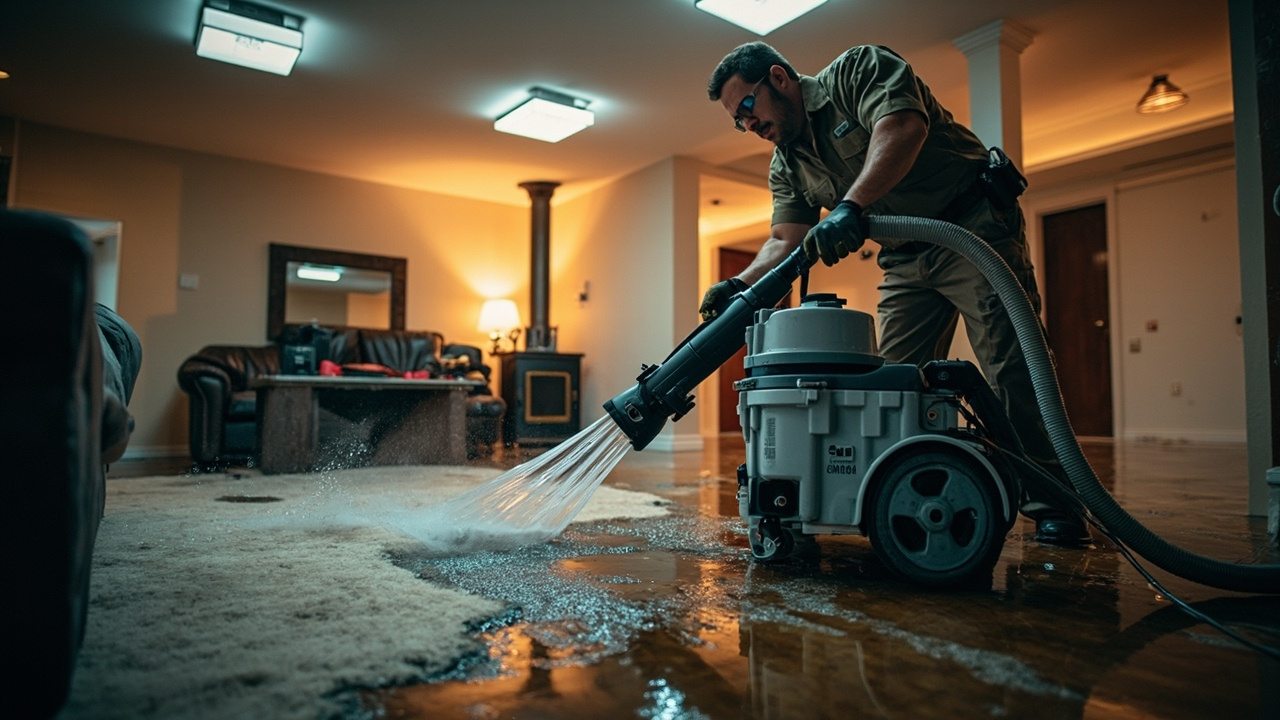
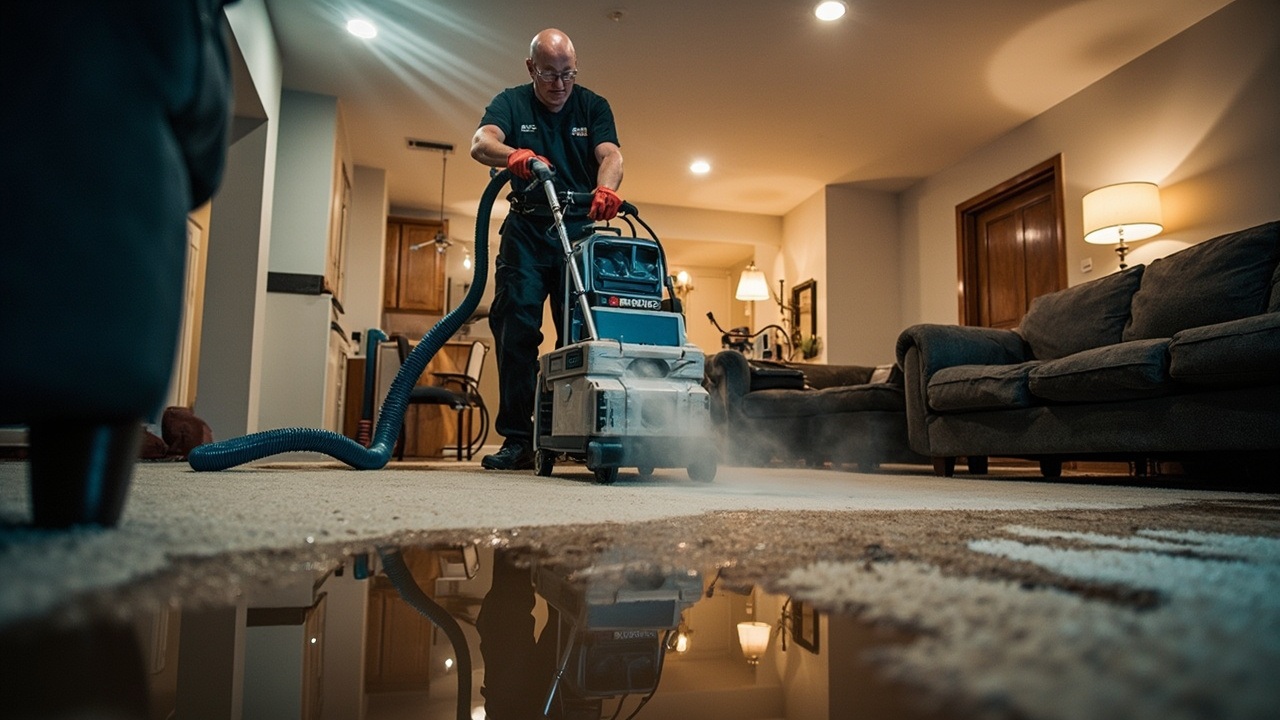
Reliance Water Damage Restoration Pittsburgh uses truck-mounted hot water extraction units that generate 500+ inches of water lift. This is not a shop vacuum. The system creates a vacuum seal against carpet fibers and pulls water vertically through the padding into holding tanks. We extract water at rates exceeding 50 gallons per minute in heavy saturation scenarios.

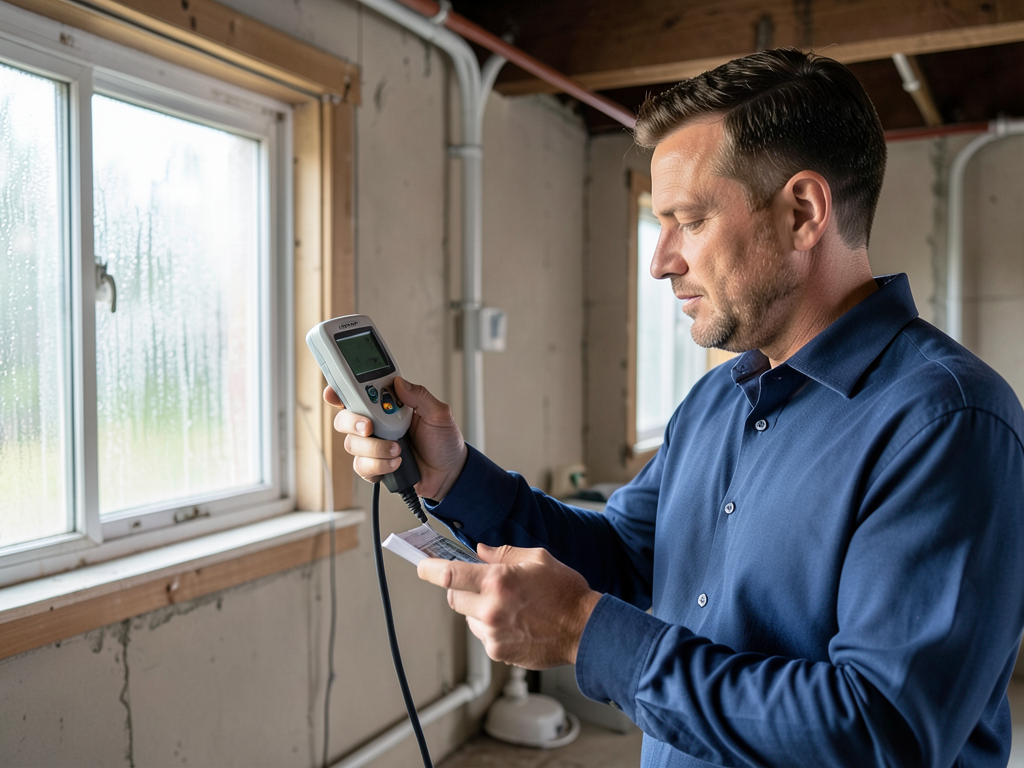
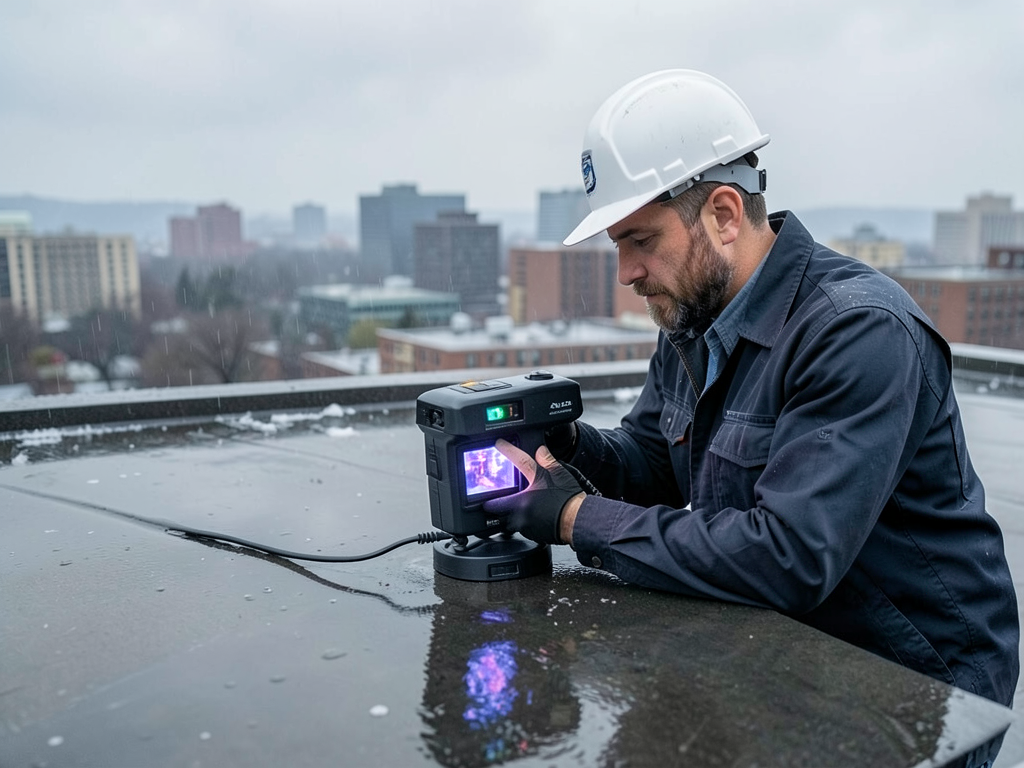
We start with moisture mapping using penetrating pin meters and infrared thermal imaging. This identifies wet zones you cannot see. Water travels laterally through padding and can spread 15 feet from the visible wet spot. We mark extraction zones with tape to ensure complete coverage.

Our weighted extraction wands apply 150 PSI downward pressure while simultaneous suction pulls moisture upward. We make multiple overlapping passes, changing direction with each pass to disrupt water trapped between carpet backing and padding. After mechanical extraction, we use injectordry systems that force heated air between the carpet and padding, creating an air channel that accelerates evaporation.

We pull carpet back at walls to inspect tack strips and baseboards for saturation. If padding has absorbed more than 50% of its weight in water, we remove it completely. Trying to dry severely saturated padding wastes time and risks delamination. We document moisture readings at initial extraction and recheck every 4 hours. Carpets must reach 15% moisture content or lower before reinstallation. We use low-grain refrigerant dehumidifiers, not just air movers, to pull moisture from the air and prevent reabsorption into drying materials.

What Happens During Emergency Extraction

Carpet Water Extraction in Pittsburgh – Fast Response When Every Minute Counts
01

Immediate Water Removal

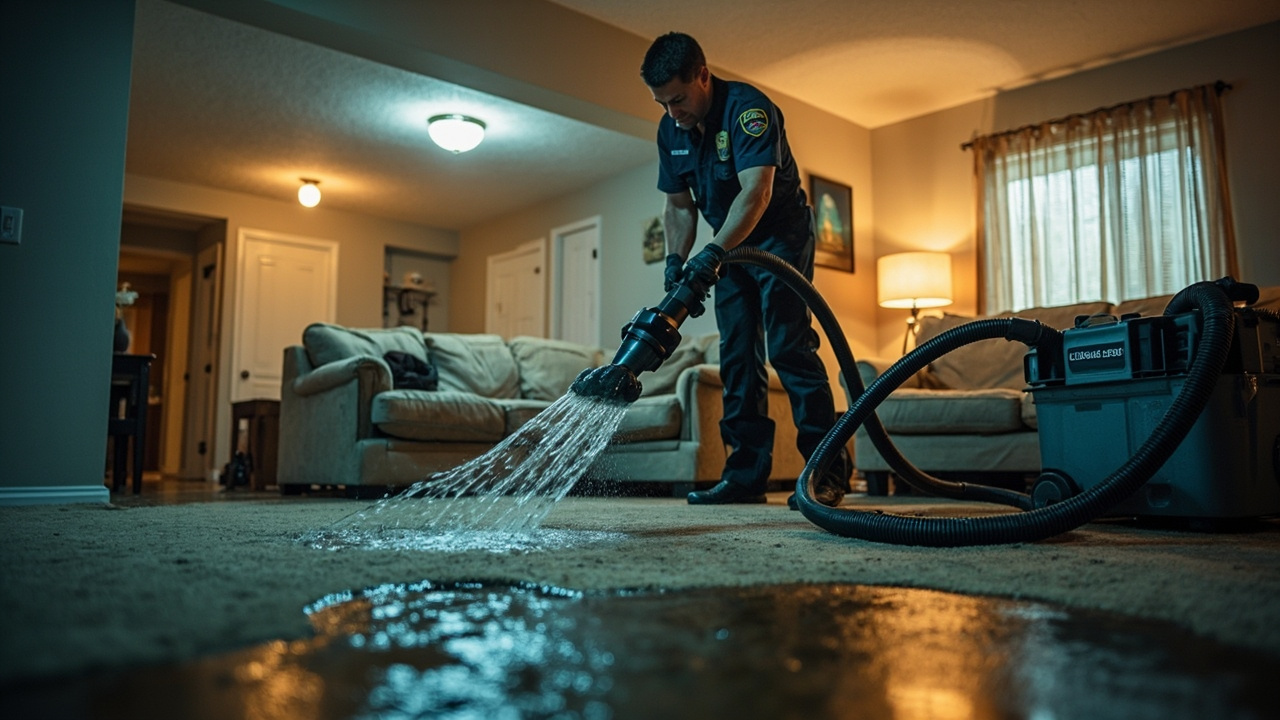
We arrive with truck-mounted extraction units and begin pulling standing water within 15 minutes of entry. Our technicians identify the water source, stop active flow, and deploy weighted extraction wands across all affected carpet zones. We extract water in overlapping passes until no more liquid transfers to holding tanks, typically removing 90% of standing water in the first hour.
02

Padding Assessment and Drying

After surface extraction, we use moisture meters to test padding saturation levels. If readings exceed salvage thresholds, we remove padding immediately to prevent mold growth and accelerate structural drying. We position commercial air movers in a vortex pattern to create continuous airflow across carpet surfaces and place dehumidifiers to extract airborne moisture. Temperature is raised to 75-80 degrees to maximize evaporation rates.
03

Verification and Reinstallation

We monitor moisture levels every four hours until carpet and subfloor readings drop below 15%. This typically takes 24-72 hours depending on saturation depth and ambient humidity. Once verified dry, we treat carpet with antimicrobial solutions, install new padding if needed, and restretch carpet to original tension. We provide final moisture documentation for insurance claims and guarantee all materials meet industry dry standards.

Why Pittsburgh Homeowners Choose Local Extraction Experts

Reliance Water Damage Restoration Pittsburgh operates extraction trucks stationed in Lawrenceville, allowing response times under 60 minutes to most Pittsburgh neighborhoods. We know the difference between extracting water from synthetic carpets in newer Southside Works condos versus wool blends in Shadyside Victorians. These materials require different extraction pressures and drying temperatures.

We work directly with Pittsburgh-based insurance adjusters from Erie Insurance, Nationwide, and State Farm offices located in the Golden Triangle. We know their documentation requirements and provide moisture logs, thermal images, and equipment placement diagrams that expedite claim approvals. This local insurance relationship often means faster claim processing and fewer disputes over covered services.

Our technicians understand Pittsburgh's basement construction patterns. Homes built before 1970 in neighborhoods like Bloomfield and Polish Hill typically have porous block foundations and minimal waterproofing. These basements require aggressive dehumidification because moisture continues to seep through foundation walls even after carpet extraction. We adjust our drying protocols based on your home's age and construction type.

We also navigate Pittsburgh's older infrastructure challenges. When a backup from the municipal sewer line causes basement flooding, we coordinate with Pittsburgh Water and Sewer Authority to document the source. This documentation matters for insurance claims and potential city liability. National franchise operations do not understand these local jurisdiction nuances.

Our extraction equipment stays in Pittsburgh year-round. We do not deploy teams from other cities during peak flooding seasons. You get the same crew that extracted water from carpets in your neighbor's home after last spring's Allegheny River flooding.

What to Expect During Professional Extraction

Response Time and Availability

We operate extraction crews 24 hours a day, 365 days per year. When you call our Pittsburgh dispatch at (412) 382-8788, you reach a live technician who can mobilize a truck within 45 minutes during business hours and under 90 minutes overnight. We do not use answering services or route calls to regional centers. Your call reaches someone who knows Pittsburgh geography and can provide accurate arrival estimates based on current traffic conditions on I-376 or the Liberty Bridge.

Initial Assessment Process

Our technician walks the entire affected area with moisture detection equipment before starting extraction. We use pin meters to test carpet, padding, drywall, and subflooring. We document moisture levels with photographs and written logs. You receive a copy of this initial assessment within 2 hours, which you can submit directly to your insurance carrier. We explain which materials can be salvaged through extraction and which require removal. This assessment takes 15-25 minutes and includes a written scope of work with time estimates.

Extraction Results and Dry Standards

Professional extraction removes 85-95% of water from carpet and padding in the first 90 minutes. The remaining moisture requires air movement and dehumidification over 24-72 hours. We measure success using IICRC S500 standards, which require carpet moisture content below 15% and subfloor readings below 19% before equipment removal. You receive a completion certificate with final moisture readings, which insurance carriers require before authorizing payment. Carpets meeting these standards have less than 5% chance of developing mold or odor issues.

Post-Extraction Monitoring

We return every 24 hours to check moisture levels and adjust equipment placement until materials reach dry standards. Most residential carpet extraction jobs require 2-3 monitoring visits. If moisture levels stall or rise, indicating hidden water sources or inadequate airflow, we modify the drying plan at no additional charge. After final equipment removal, we provide a 30-day mold watch period. If you notice musty odors or visible mold within 30 days, we return to reassess at no charge.

Frequently Asked Questions

You Have Questions,
We Have Answers

How to extract water from carpet? +

Start by removing furniture and soaking up standing water with towels. Use a wet vacuum to extract moisture from the carpet fibers and pad. Work in overlapping passes to pull out as much water as possible. Lift carpet edges to check the pad and subfloor for saturation. Run fans and dehumidifiers to speed drying. In Pittsburgh's humid climate, moisture can linger longer than expected. If water damage is extensive or comes from contaminated sources like sewage, professional extraction equipment is necessary to prevent mold growth and structural damage.

How much does it cost to get water out of carpet? +

Professional carpet water extraction in Pittsburgh ranges based on water category, affected square footage, and how long the carpet stayed wet. Clean water extraction typically costs less than gray or black water removal. The price includes extraction equipment, antimicrobial treatment, and drying equipment rental. Most companies charge per square foot or room. Emergency services during nights or weekends may carry higher rates. Insurance often covers water damage restoration, so document everything and contact your carrier first before paying out of pocket.

What draws urine out of carpet? +

Enzymatic cleaners break down uric acid crystals in carpet fibers. These biological cleaners contain bacteria that digest organic waste, eliminating odor at the source rather than masking it. Apply the cleaner generously to saturate the pad underneath, where urine often pools. Blot and extract moisture with a wet vacuum. Avoid steam cleaning before enzyme treatment, as heat sets the stain permanently. For pet accidents on Pittsburgh's older homes with original carpeting, professionals use moisture meters to detect hidden urine deposits and apply industrial-strength enzymes.

How long can carpet be wet before mold? +

Mold can begin growing in wet carpet within 24 to 48 hours, especially in Pittsburgh's humid conditions. The carpet pad acts like a sponge and stays wet longer than surface fibers, creating an ideal environment for mold spores. Temperature also matters. Warmer conditions accelerate growth. If your carpet has been wet for more than two days, mold is likely already developing in the pad and subfloor. You may notice musty odors before visible growth appears. Fast action with extraction equipment and dehumidifiers is critical.

Can you use a shop vac to extract water from carpet? +

A shop vac can remove surface water but lacks the power for deep extraction. Standard shop vacuums do not pull moisture from carpet padding or create enough suction to extract water trapped in dense carpet fibers. They work for small spills or initial cleanup before professional equipment arrives. For flooding or significant water intrusion, you need truck-mounted extractors or portable extraction units designed for water damage restoration. These systems generate far more suction and remove water from pad and subfloor, which shop vacs cannot do effectively.

How long does it take carpet to dry after flooding? +

Drying time depends on water volume, carpet type, pad thickness, and airflow. With professional extraction equipment, fans, and dehumidifiers, carpet can dry in 12 to 24 hours. Without proper equipment, expect three to five days or longer in Pittsburgh's humid climate. Thick padding retains moisture and extends drying time. Basements and rooms with poor ventilation take longer. You must dry carpet completely within 48 hours to prevent mold. If the pad stayed saturated, it may need replacement even after the carpet surface feels dry.

Can Stanley Steemer remove water from carpet? +

Stanley Steemer offers water extraction services, but their focus is carpet cleaning rather than water damage restoration. For minor spills, they can help. For flooding, sewage backups, or significant water intrusion common in Pittsburgh's older neighborhoods, you need a company specializing in water damage restoration with IICRC-certified technicians. These specialists carry moisture meters, thermal imaging cameras, and industrial dehumidifiers to address hidden moisture in walls and subfloors. They also handle insurance documentation and antimicrobial treatments that standard carpet cleaners do not provide.

Do you need to replace carpet after water damage? +

Replacement depends on water category and how long the carpet stayed wet. Clean water from supply lines may allow carpet to be saved if extracted within 24 hours. Gray water from appliances or black water from sewage requires pad replacement and often carpet disposal due to contamination. If mold developed or the pad stayed saturated for days, replacement is necessary. Carpet in Pittsburgh's basement-level spaces is particularly vulnerable because concrete floors trap moisture. Restoration professionals assess subfloor damage and padding condition to determine if salvaging the carpet is safe.

How much does it cost to remove 1000 square feet of carpet? +

Carpet removal costs vary based on disposal fees, furniture moving, and whether you need tack strip or padding removal. Professionals typically charge per square foot for labor and hauling. Some companies include removal in replacement quotes, while others charge separately. If water damage affected the subfloor, you may need drying or repairs before installing new carpet, which increases total costs. In Pittsburgh, older homes may have layers of flooring underneath requiring additional labor. Always get itemized estimates that separate removal, disposal, and any prep work needed.

What do professional carpet cleaners use for urine? +

Professional carpet cleaners use enzyme-based products that digest uric acid crystals and organic proteins. These cleaners penetrate deep into carpet fibers and padding where urine soaks through. Technicians apply the enzyme solution, allow dwell time for bacteria to break down waste, then extract moisture with high-powered equipment. They may use UV lights to identify hidden urine spots invisible to the eye. For severe contamination, professionals inject sub-surface treatments directly into padding. This approach eliminates odors permanently rather than temporarily masking them with fragrances.

How Pittsburgh's Basement Design Complicates Carpet Drying

Pittsburgh sits at the confluence of three rivers, creating high ambient humidity that persists even after extraction removes standing water. Basements in neighborhoods like Brighton Heights and Perry South stay naturally damp due to below-grade construction and limited ventilation. When carpets flood in these spaces, standard extraction removes surface water but cannot overcome the constant moisture seeping through foundation walls. This requires commercial-grade dehumidifiers that pull 120+ pints per day from the air, preventing reabsorption into drying carpet fibers.

Many Pittsburgh homes built before 1980 have finished basements with carpet installed directly over concrete slab foundations with no vapor barrier. This construction style creates a moisture sandwich where water has nowhere to evaporate except upward through the carpet. Reliance Water Damage Restoration Pittsburgh trains technicians specifically on these older basement configurations common to Allegheny County construction. We know when to pull carpet completely for underside drying versus when surface extraction and dehumidification can salvage the installation.
Water Damage Restoration Services in The Pittsburgh Area

While we provide rapid mobile service directly to your location, you can also find our physical business location on the map below. This map highlights our primary service area and shows our commitment to serving the Pittsburgh community. We are always ready to dispatch our expert team to your home or business, no matter where you are in our service region. Feel free to use the interactive map to get directions or to visualize our proximity to you.

Address:
Reliance Water Damage Restoration Pittsburgh, 201 S Craig St, Pittsburgh, PA, 15213

Additional Services We Offer

Our news updates

Latest Articles & News from The Blogs

How to tell if you have a expensive slab leak under your Franklin Park home Franklin Park homeowners face a…

How to tell if you have a expensive slab leak under your Franklin Park home

How to tell if you have a expensive slab leak under your Franklin Park home Franklin Park homeowners face a…

What to do when your office fire sprinklers go off by mistake in Downtown Pittsburgh

What to do when your office fire sprinklers go off by mistake in Downtown Pittsburgh When fire sprinklers discharge without…

Preserving the original masonry in Mexican War Streets homes after a water leak

Preserving the original masonry in Mexican War Streets homes after a water leak When water infiltrates the historic brick and…

Contact Us

Every hour water sits in carpet padding increases replacement costs and mold risk. Call Reliance Water Damage Restoration Pittsburgh at (412) 382-8788 right now. Our extraction trucks are ready to deploy, and we arrive at most Pittsburgh locations in under 60 minutes.