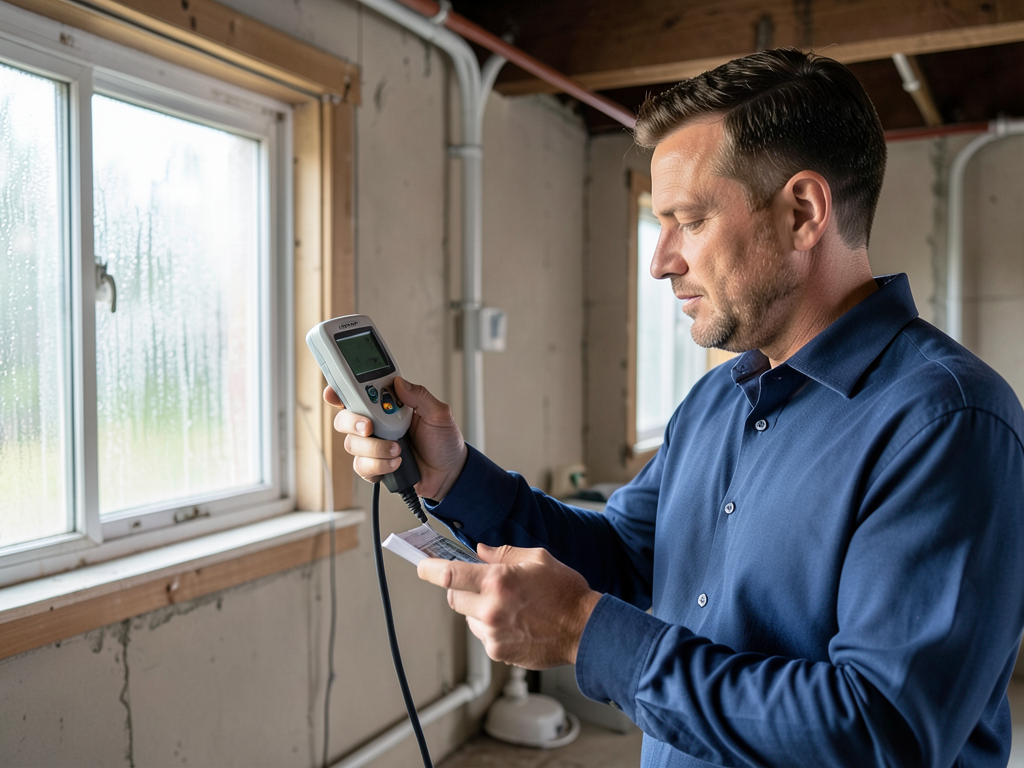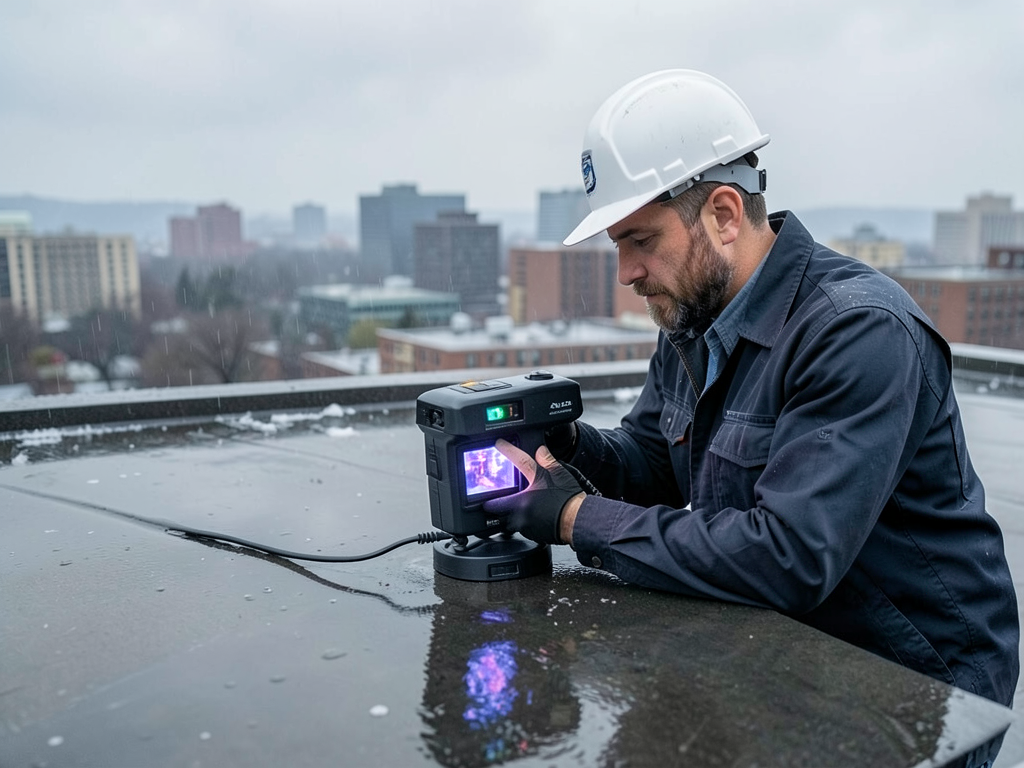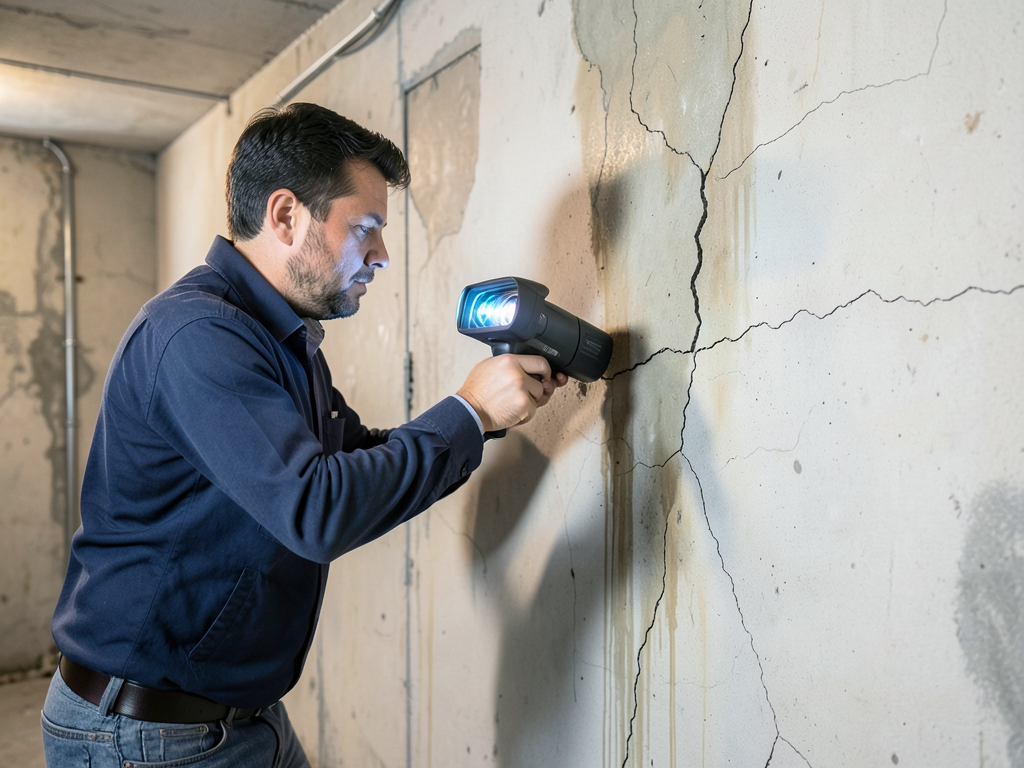





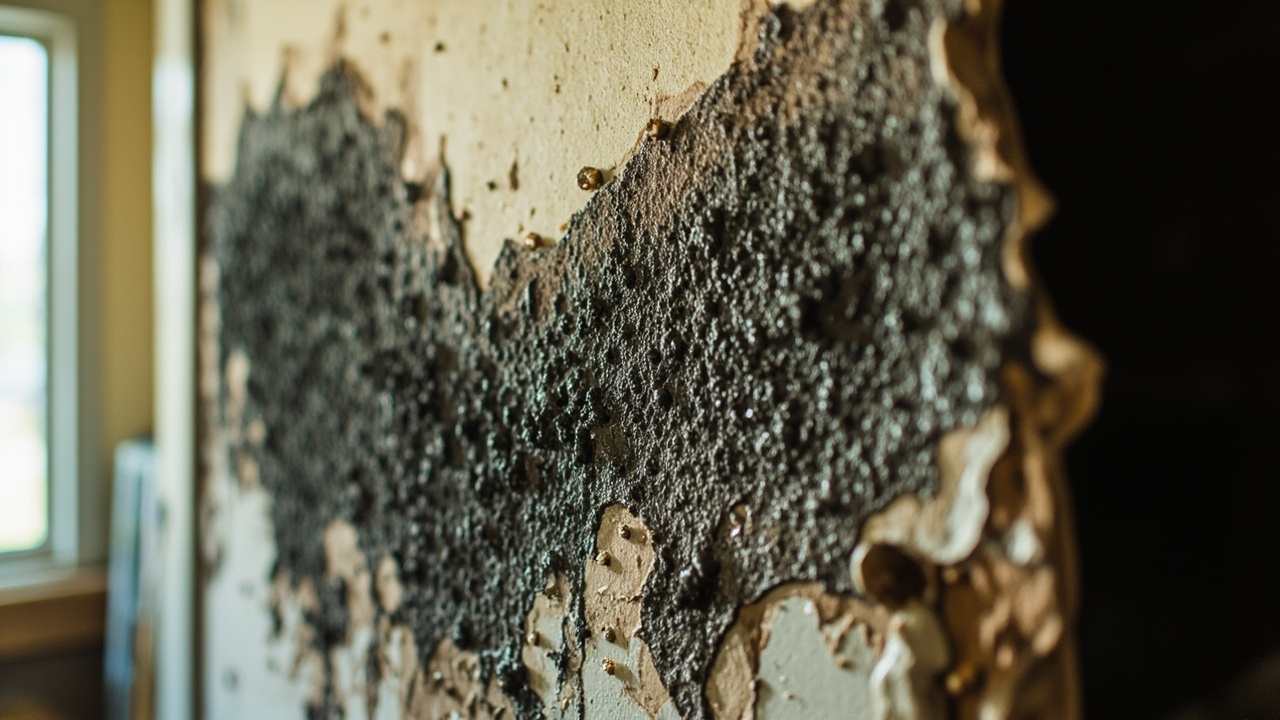
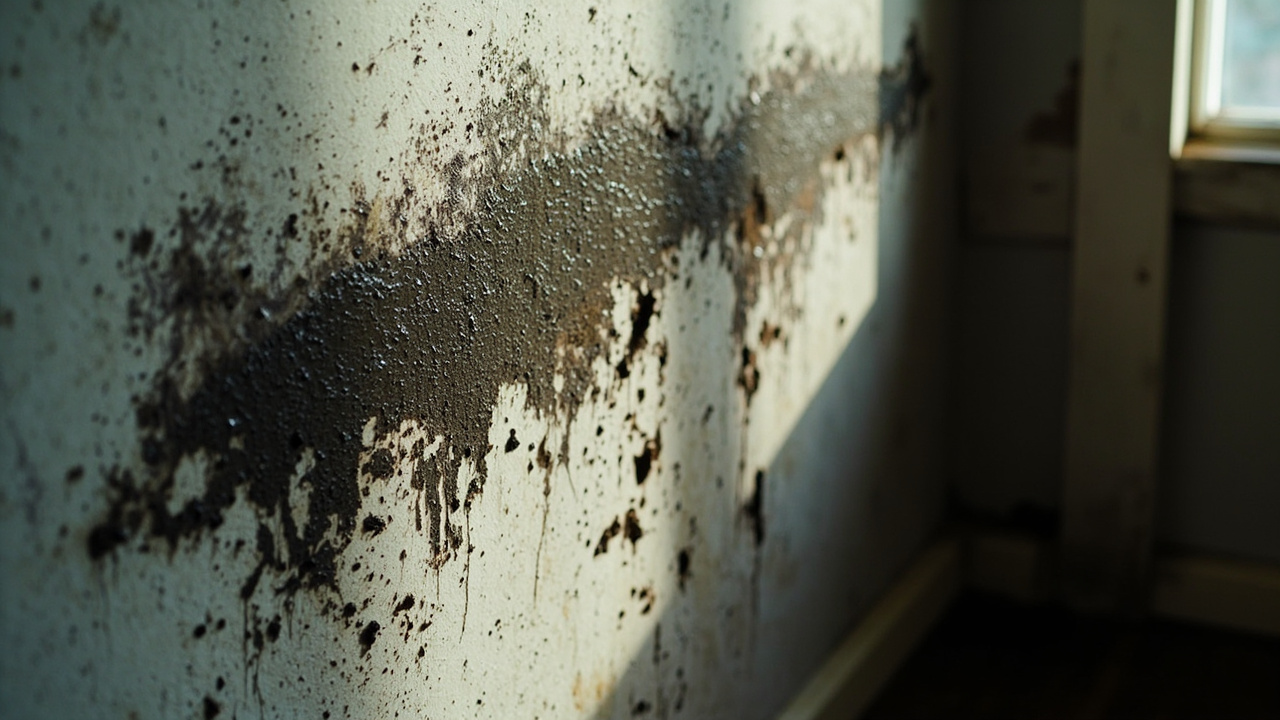
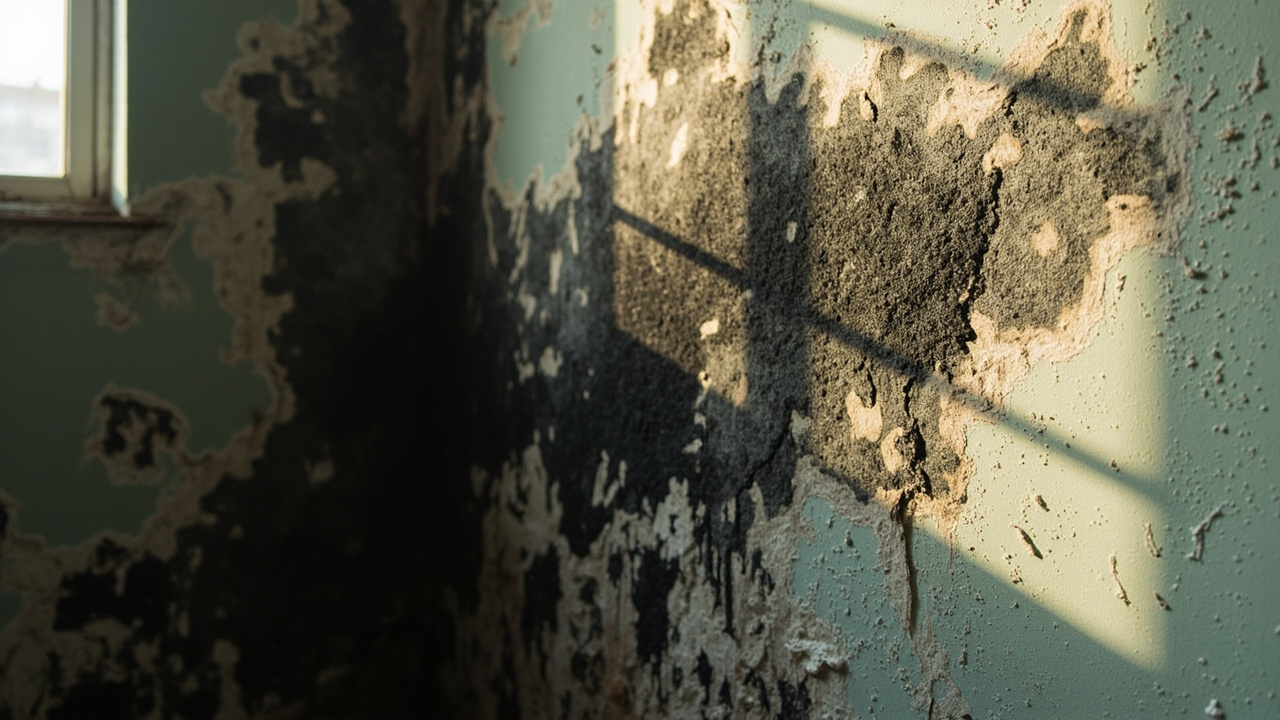
Pittsburgh's location at the junction of the Allegheny, Monongahela, and Ohio rivers creates persistently elevated humidity levels that most residents never consider. The city averages 62 percent relative humidity year-round, which sits just below the 65 percent threshold where mold colonies grow exponentially. During summer months, humidity regularly exceeds 75 percent outdoors and 60 percent indoors in homes without dehumidification. This constant moisture pressure means mold spores that land on walls, ceilings, and other surfaces find ideal growing conditions within 48 hours of any water event. The combination of high ambient humidity and temperature fluctuations between our cold winters and humid summers creates condensation patterns that feed continuous fungal growth on wall surfaces throughout older neighborhoods.
Allegheny County building codes require licensed contractors for water damage restoration work that involves structural repairs or building system modifications. However, Pennsylvania does not mandate mold remediation licensing, which means you must verify that your contractor follows recognized industry standards voluntarily. Reliance Water Damage Restoration Pittsburgh maintains IICRC certification and follows the S520 standard for mold remediation, which represents the highest level of professional training available in the restoration industry. We understand local construction methods common to Pittsburgh neighborhoods, from the solid masonry homes in Shadyside to the wood frame construction in Lawrenceville. This local expertise ensures we address moisture problems correctly the first time, protecting your investment and your family's health.