




Menu

Burst Pipe Water Damage in Pittsburgh – Expert Response Within 60 Minutes Across All Zip Codes

When a ruptured pipe floods your home or business, Reliance Water Damage Restoration Pittsburgh deploys certified technicians with extraction equipment and thermal imaging to stop the spread, prevent mold growth, and begin structural drying across Allegheny County.

Slider Image 1
Slider Image 2
Slider Image 3
Slider Image 4
Slider Image 5
Slider Image 7
Slider Image 8
Slider Image 9
Slider Image 10
Slider Image 11

Why Burst Pipes Cause Catastrophic Water Damage in Pittsburgh Properties

Pittsburgh sits at the confluence of three rivers and experiences dramatic freeze-thaw cycles every winter. When overnight temperatures drop below 20 degrees and climb back to 45 by noon, the expansion and contraction stress copper and PEX supply lines behind drywall and in crawlspaces. This creates pinhole leaks that turn into full ruptures within hours.

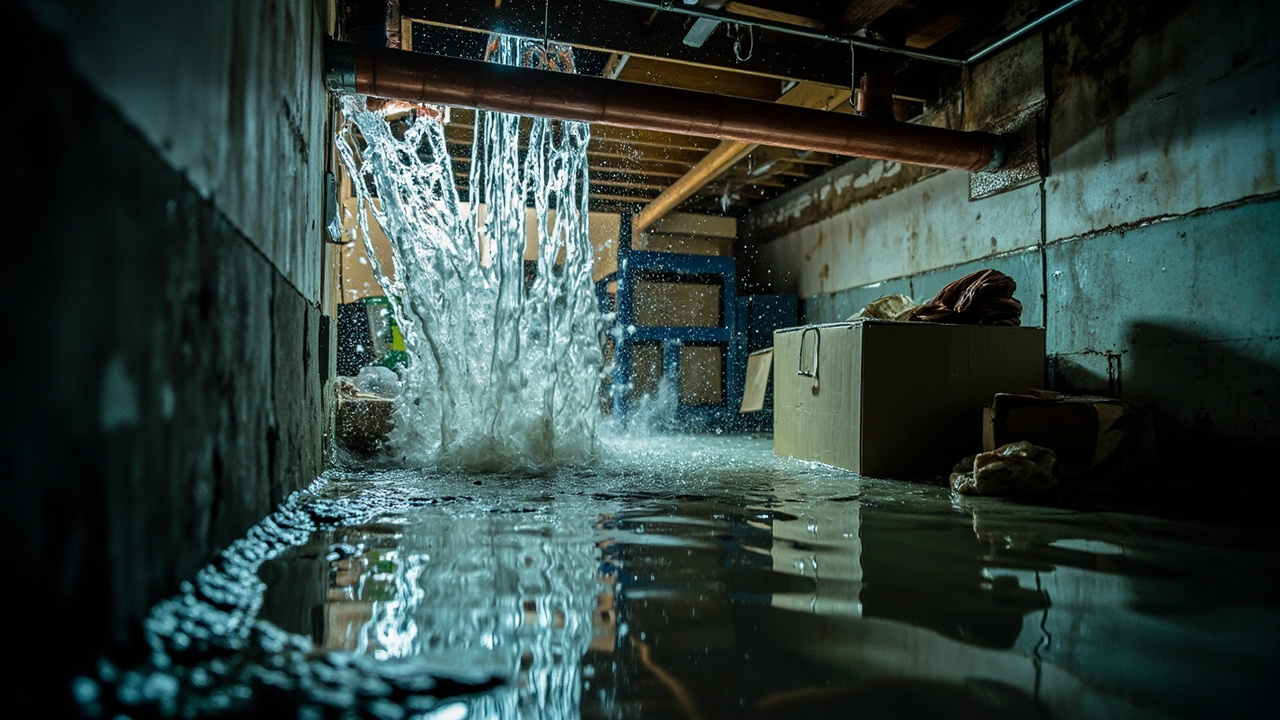
Broken pipe water damage spreads faster than roof leaks. A one-inch crack in a supply line releases eight gallons per minute under standard municipal pressure. In a two-story brick Colonial in Shadyside or a split-level rancher in Mount Lebanon, that water migrates through floor joists, soaks ceiling insulation, and pools in basement rim joists before you notice a damp spot upstairs.

Water damage from burst pipe incidents peaks between December and March in Allegheny County. The clay-heavy soil common in neighborhoods like Squirrel Hill and Brookline freezes deep, which pushes frost lines closer to foundation walls and exterior hose bibs. When these freeze and rupture, the burst pipe flooding doesn't stop until you shut off the main valve or the pressure drops.

Ruptured pipe water damage also destroys subflooring in older homes with galvanized steel plumbing. Pittsburgh has thousands of properties built before 1960 with original supply lines that corrode from the inside. When these fail, you face contamination risks from decades of sediment buildup mixing with the floodwater. Burst pipe water cleanup requires extraction, antimicrobial treatment, and controlled drying to prevent mold amplification in wall cavities.

Why Burst Pipes Cause Catastrophic Water Damage in Pittsburgh Properties
How We Stop the Spread and Salvage Your Property Structure

How We Stop the Spread and Salvage Your Property Structure

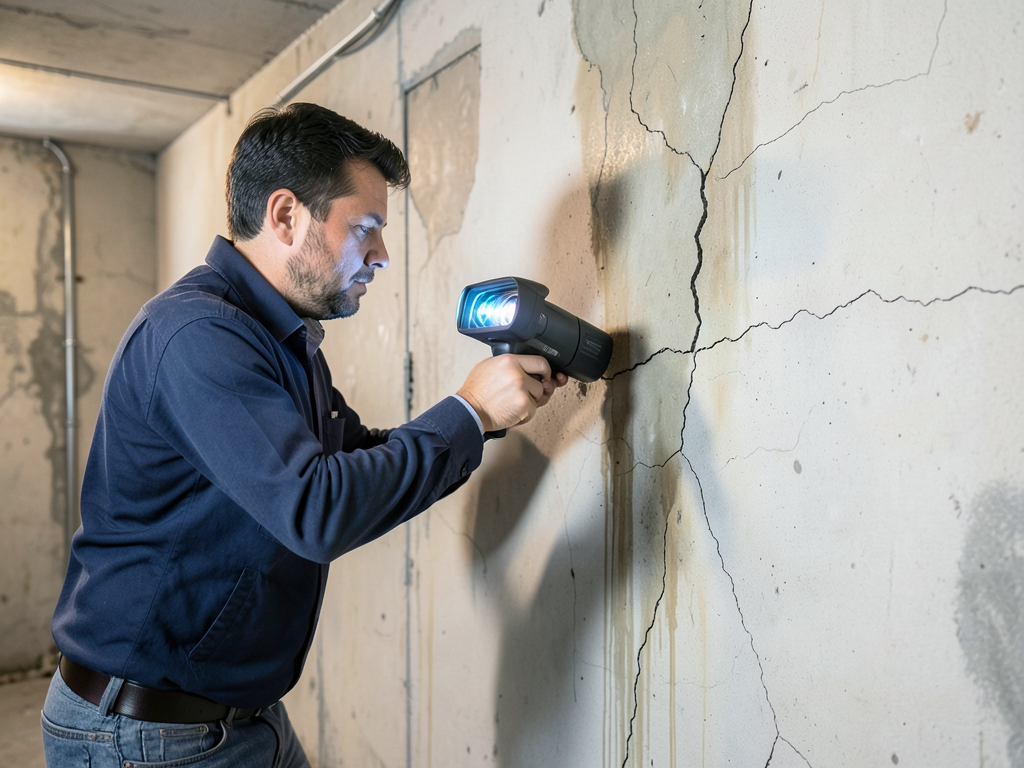
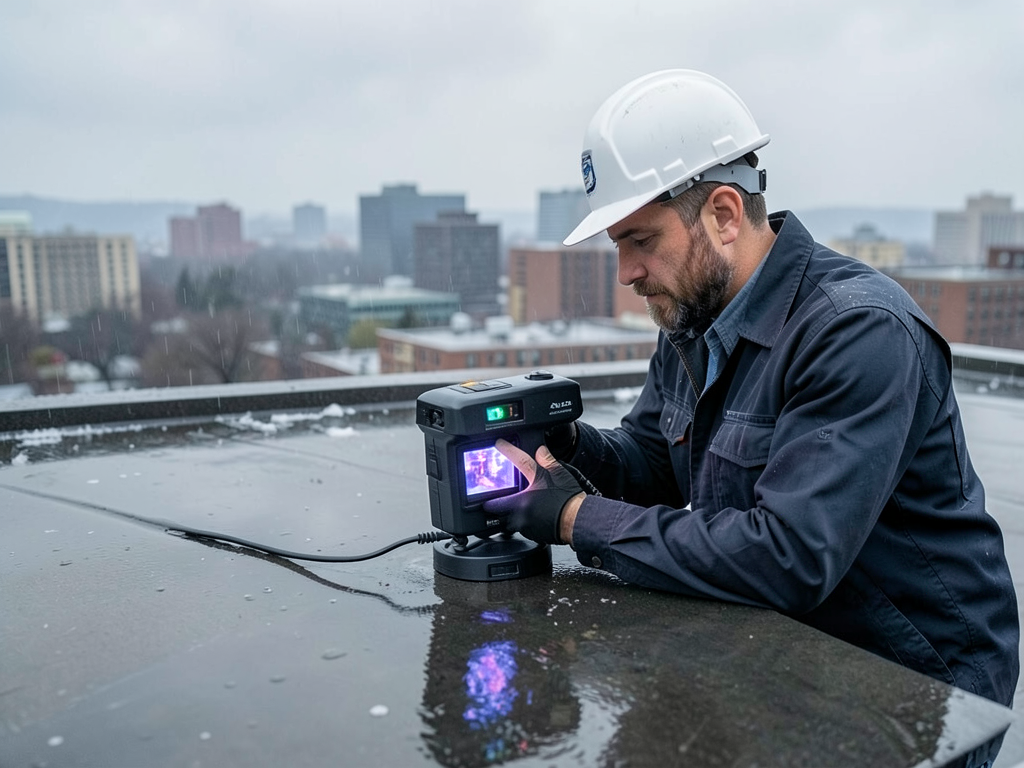
Reliance Water Damage Restoration Pittsburgh responds to broken pipe water damage with a three-phase mitigation protocol. First, we locate the source using infrared thermography to trace temperature differentials in walls and ceilings. This identifies the exact breach point without tearing out drywall blindly. We then isolate the affected supply line and verify the shutoff stopped the flow.

Second, we deploy truck-mounted extraction units with 200-inch water lift capacity. This pulls standing water from carpet pad, hardwood tongue-and-groove gaps, and concrete slab cracks before it wicks into baseboards and drywall. For ruptured pipe water damage in finished basements, we remove wet insulation from rim joists and drill weep holes in baseboards to drain trapped water from wall cavities.

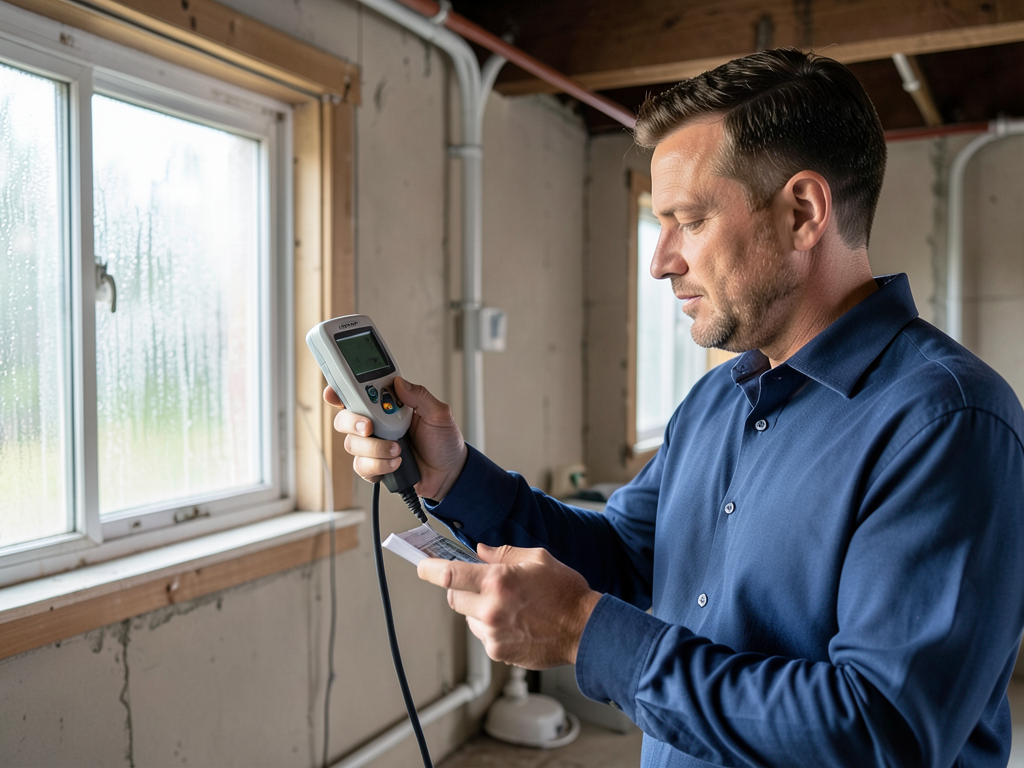
Third, we establish negative air pressure chambers using commercial dehumidifiers and axial air movers. This creates a controlled drying environment that pulls moisture from structural materials at a rate that prevents secondary damage. We target 12 percent moisture content in framing lumber and 15 percent in plywood subflooring, measured with penetrating pin meters.

Water damage from burst pipe events requires documentation for insurance claims. We photograph moisture maps, log daily moisture readings, and provide psychrometric charts showing grains per pound of air in each affected room. This satisfies adjuster requirements for Actual Cash Value or Replacement Cost Value claims.

Burst pipe water cleanup also includes antimicrobial application on porous surfaces exposed to contaminated water. If the rupture occurred on a return line or in a crawlspace with rodent activity, we treat with EPA-registered disinfectants and remove contaminated materials per IICRC S500 standards.

What Happens When You Call for Burst Pipe Flooding Emergency Service

Burst Pipe Water Damage in Pittsburgh – Expert Response Within 60 Minutes Across All Zip Codes
01

Immediate Water Source Shutoff

Our dispatch team provides phone instructions to shut off your main water valve or the nearest fixture shutoff while we drive to your property. This stops additional gallons from flooding into wall cavities. We arrive within 60 minutes across Pittsburgh and verify no active flow remains. If the rupture is inside a wall or under a slab, we use acoustic leak detection to pinpoint the exact location without demolition.
02

High-Volume Water Extraction

We pull standing water using weighted wands that extract from carpet pad and subfloor gaps. For ruptured pipe water damage in crawlspaces, we pump pooled water and remove soaked insulation. Our extraction logs document gallons removed per room, which insurance adjusters require for claim substantiation. We also pull baseboards and drill weep holes to drain water trapped inside drywall cavities before it migrates horizontally.
03

Structural Drying and Verification

We place dehumidifiers and air movers in a calculated pattern based on room volume and material saturation. Daily moisture readings track drying progress until all surfaces reach safe levels. We use thermal imaging to confirm no hidden moisture remains in wall studs or ceiling joists. Once verified dry, we provide a completion certificate showing moisture content readings and confirming the structure is ready for reconstruction.

Why Pittsburgh Property Owners Choose Local Burst Pipe Water Cleanup Experts

Reliance Water Damage Restoration Pittsburgh operates from a facility in Allegheny County with equipment staged for rapid deployment. We respond faster than national franchises because our technicians live in neighborhoods like Highland Park, Lawrenceville, and Bloomfield. When a burst pipe floods your home at 2 a.m., we arrive before water migrates into HVAC ductwork or electrical panels.

We understand Pittsburgh construction methods. Homes in Shadyside and Point Breeze often have plaster walls on wood lath, which absorbs water differently than drywall. Broken pipe water damage in these properties requires careful drying to prevent cracking and delamination. We adjust airflow and dehumidification rates based on the wall assembly, not a generic protocol.

Our technicians recognize local plumbing configurations common in pre-1970 homes. Many Pittsburgh properties have galvanized steel supply lines that corrode from the inside, creating weak spots prone to rupture. We identify these during water damage from burst pipe inspections and recommend whole-house repiping to prevent repeat failures. This saves you from multiple insurance claims and rising premiums.

We also coordinate with Pittsburgh plumbers who understand local code requirements for pipe replacement. Allegheny County requires permits for supply line work inside walls, and inspectors enforce specific backflow prevention rules. We connect you with licensed contractors who pull permits correctly and schedule inspections, so your repairs pass on the first attempt.

Reliance Water Damage Restoration Pittsburgh also works directly with local adjusters from Erie Insurance, Nationwide, and State Farm who handle claims in this region. They trust our documentation because we follow IICRC standards they recognize and provide moisture logs that match their claim requirements. This speeds approval and gets you restoration funds faster.

What to Expect During Burst Pipe Water Damage Restoration

Emergency Response Time

We guarantee arrival within 60 minutes for burst pipe flooding emergencies in Pittsburgh and surrounding Allegheny County municipalities. Our dispatch operates 24 hours a day, 365 days a year, including holidays. You speak directly with a technician who provides immediate instructions to minimize damage while we drive to your property. We carry extraction equipment, moisture meters, and thermal cameras on every truck, so we begin mitigation the moment we arrive.

Comprehensive Damage Assessment

Our initial inspection maps all affected areas using thermal imaging and moisture meters. We check wall cavities, ceiling joists, and subflooring for hidden water migration that you cannot see. This assessment identifies structural risks like compromised floor joists or wet electrical panels. We document findings with photos and moisture readings, then provide a detailed scope of work that outlines extraction, drying, antimicrobial treatment, and demolition needs. This becomes your insurance claim documentation.

Verified Dry Structure

We do not leave your property until moisture meters confirm safe levels in all structural materials. You receive daily progress reports showing moisture content percentages in walls, floors, and ceilings. Our drying protocol brings framing lumber to 12 percent moisture content and plywood to 15 percent, which prevents mold growth and wood rot. We provide a final completion certificate with before and after moisture readings, proving the structure is safe for reconstruction.

Insurance Claim Support

We photograph all damage, log equipment placement, and track daily moisture readings to satisfy insurance adjuster requirements. Our documentation includes psychrometric data, material moisture logs, and a detailed scope of work with line-item pricing. We communicate directly with your adjuster to answer questions and provide supplemental documentation if they request it. This collaboration speeds claim approval and reduces back-and-forth delays that postpone restoration.

Frequently Asked Questions

You Have Questions,
We Have Answers

Will insurance cover water damage from burst pipe? +

Most homeowners insurance policies cover sudden and accidental water damage from burst pipes. Coverage applies when a pipe breaks due to freezing or sudden failure. Your policy pays for structural repairs and damaged belongings. Exclusions include gradual leaks you ignored or lack of maintenance. In Pittsburgh's freeze-thaw climate, document the incident immediately with photos. Turn off your water, then call your insurer. Many policies cover temporary housing during repairs. Deductibles apply. Review your policy for coverage limits on personal property and structure. Denied claims often result from pre-existing conditions or neglect.

What to do immediately after a pipe bursts? +

Shut off your main water valve immediately to stop flooding. You will find it near your water meter or where the main line enters your home. Turn off electricity to affected areas if water contacts outlets or appliances. Move furniture and valuables to dry spaces. Use towels or a wet vacuum to remove standing water quickly. Open windows for ventilation, even in cold weather. Contact a water damage restoration company right away. In Pittsburgh, burst pipes can flood basements fast due to below-grade construction. Document everything with photos for insurance. Speed matters because mold starts within 24 hours.

Who is responsible for a burst water pipe? +

Responsibility depends on the pipe location and property type. Homeowners own pipes inside their property boundaries, including those running through walls and under floors. You pay for repairs to interior plumbing. Pittsburgh Water and Sewer Authority owns the main line from the street to your meter. Renters should contact landlords immediately. Landlords handle structural plumbing repairs. In condos, associations manage common area pipes. Frozen pipes due to inadequate heating may shift responsibility. Neglecting maintenance or ignoring warning signs can affect insurance coverage. Always check your deed and insurance policy for clarity on property boundaries.

How cold does it have to be for pipes to freeze? +

Pipes risk freezing when temperatures drop below 20 degrees Fahrenheit, especially during extended cold snaps. Pittsburgh winters regularly hit this threshold from December through February. Pipes in unheated areas like crawl spaces, attics, and exterior walls freeze first. Wind chill accelerates freezing. Older homes with poor insulation face higher risk. Pipes containing standing water freeze faster than those with slight flow. A single night below 20 degrees can cause damage. Insulate exposed pipes before winter. Keep your thermostat at 55 degrees minimum when traveling. Let faucets drip during extreme cold to maintain water movement.

What is the average insurance payout for water damage? +

Average payouts range from $2,500 to $10,000, but amounts vary widely based on damage severity. Basement floods in Pittsburgh homes often exceed this due to finished spaces and HVAC equipment damage. Your payout depends on coverage limits, deductible amount, and affected square footage. Structural repairs cost more than cosmetic fixes. Mold remediation adds expense. Insurance pays actual cash value or replacement cost, depending on your policy type. Document everything thoroughly. Multiple rooms or flooring replacement push costs higher. Denied claims or low settlements occur when documentation lacks detail or damage appears gradual rather than sudden.

Do insurance companies pay out for burst pipes? +

Yes, insurers typically pay for sudden and accidental burst pipe damage. Coverage includes water extraction, structural drying, repairs, and damaged belongings. Frozen pipes that burst qualify as covered events. Your claim must show the break was sudden, not due to long-term neglect. Pittsburgh insurers scrutinize maintenance records during harsh winters. Submit your claim immediately with photos, repair estimates, and an inventory of damaged items. Adjusters visit to assess damage. Temporary housing costs may be covered. Exclusions include gradual leaks, sewer backups without additional coverage, or failures from lack of heat during vacancy.

How much does it usually cost to fix a burst pipe? +

Pipe repair costs vary from $150 for simple fixes to $3,000 for extensive work. Accessible pipes cost less. Pipes inside walls require drywall removal and reconstruction, increasing expense. Water damage restoration adds significant cost beyond plumbing repairs. Basement floods in Pittsburgh homes often require professional extraction, dehumidification, and antimicrobial treatment. Material costs vary. Copper pipes cost more than PEX. Emergency service during nights or weekends adds premiums. Total project costs depend on damage extent, affected square footage, and mold presence. Insurance may cover water damage but not the pipe repair itself if neglect caused the break.

How long does it take for a water leak to cause mold? +

Mold starts growing within 24 to 48 hours after water exposure. Pittsburgh's humidity accelerates growth, especially in basements with poor ventilation. Porous materials like drywall, insulation, and carpet absorb water quickly and become mold reservoirs. Visible mold appears within a week if moisture remains. Hidden mold grows inside walls and under flooring. Temperature between 60 and 80 degrees creates ideal conditions. Burst pipe floods saturate materials deeply, requiring professional drying equipment. Surface drying is not enough. Proper extraction and dehumidification within 24 hours prevent mold. Delays cause health risks and costlier remediation requiring material removal.

Is it better to turn water off or let it drip? +

Let cold water drip during extreme cold to prevent freezing. Moving water resists freezing better than standing water. Open faucets connected to vulnerable pipes in exterior walls or unheated spaces. A pencil-thin stream is enough. This small water loss costs less than burst pipe damage and flooding. Turn off water completely only if pipes already froze or you are leaving for extended periods. In Pittsburgh, drip faucets when temperatures stay below 20 degrees for multiple hours. Focus on basement fixtures and rooms above crawl spaces. Keep cabinet doors open to circulate warm air around pipes under sinks.

Is a burst pipe negligence? +

Negligence applies when you fail to maintain reasonable care. Burst pipes from sudden freezing are not negligent. Allowing pipes to freeze by turning off heat during vacancy or ignoring visible leaks shows neglect. Pittsburgh landlords must maintain adequate heating to prevent freezing. Tenants who leave windows open in freezing weather may bear responsibility. Insurers deny claims for negligence. Failing to winterize vacant properties or ignoring prior warnings establishes negligence. Document your maintenance efforts. Reasonable precautions like insulation and consistent heating protect you. Sudden equipment failures are accidents. Repeated ignored problems become negligence. Context and prior knowledge determine responsibility.

How Pittsburgh's Freeze-Thaw Cycles and Clay Soil Increase Burst Pipe Risk

Pittsburgh experiences an average of 42 freeze-thaw cycles each winter, which places extreme stress on supply lines. When temperatures drop to 15 degrees overnight and climb to 40 degrees by afternoon, copper pipes expand and contract repeatedly. This creates microfractures that weaken joints and fittings. The clay-heavy soil in neighborhoods like Squirrel Hill and Mount Lebanon freezes to depths of 30 inches, pushing frost closer to foundation walls and exterior hose bibs. These conditions make ruptured pipe water damage more common here than in cities with stable winter temperatures or sandy soil that drains quickly.

Reliance Water Damage Restoration Pittsburgh has responded to broken pipe water damage in every Pittsburgh zip code, from North Shore condos to South Hills split-levels. We understand local construction methods, including plaster-on-lath walls common in pre-1950 homes and the galvanized steel plumbing still present in older properties. Our technicians recognize how water migrates through Pittsburgh's typical balloon-frame construction and adjust drying protocols accordingly. We also work with local building inspectors who enforce Allegheny County demolition and reconstruction codes, so your repairs pass inspection the first time.
Water Damage Restoration Services in The Pittsburgh Area

While we provide rapid mobile service directly to your location, you can also find our physical business location on the map below. This map highlights our primary service area and shows our commitment to serving the Pittsburgh community. We are always ready to dispatch our expert team to your home or business, no matter where you are in our service region. Feel free to use the interactive map to get directions or to visualize our proximity to you.

Address:
Reliance Water Damage Restoration Pittsburgh, 201 S Craig St, Pittsburgh, PA, 15213

Additional Services We Offer

Our news updates

Latest Articles & News from The Blogs

How to tell if you have a expensive slab leak under your Franklin Park home Franklin Park homeowners face a…

How to tell if you have a expensive slab leak under your Franklin Park home

How to tell if you have a expensive slab leak under your Franklin Park home Franklin Park homeowners face a…

What to do when your office fire sprinklers go off by mistake in Downtown Pittsburgh

What to do when your office fire sprinklers go off by mistake in Downtown Pittsburgh When fire sprinklers discharge without…

Preserving the original masonry in Mexican War Streets homes after a water leak

Preserving the original masonry in Mexican War Streets homes after a water leak When water infiltrates the historic brick and…

Contact Us

Call (412) 382-8788 now for emergency burst pipe water cleanup. Our technicians arrive within 60 minutes with extraction equipment and moisture meters. We stop the flooding, remove standing water, and begin structural drying immediately.