




Menu

Fire Damage Safety Checklist in Pittsburgh – Expert Recovery Protocols That Protect Your Family and Property

Your complete fire damage safety checklist built for Pittsburgh homes, covering every post-fire hazard from structural instability to water damage left behind by suppression efforts.

Slider Image 1
Slider Image 2
Slider Image 3
Slider Image 4
Slider Image 5
Slider Image 7
Slider Image 8
Slider Image 9
Slider Image 10
Slider Image 11

Why Pittsburgh Homes Face Unique Post-Fire Risks

Fire leaves behind more than just char and ash. Pittsburgh's older housing stock, built primarily between 1890 and 1950, presents specific post-fire hazards that newer construction does not. Victorian-era homes in neighborhoods like Shadyside and Squirrel Hill often contain plaster and lath walls that collapse differently than drywall. Balloon framing, common in these historic structures, creates hidden fire channels between floors that can smolder for days after firefighters leave.

The water used to extinguish the fire often causes more damage than the flames themselves. A single fire hose delivers 150 to 300 gallons per minute. That volume saturates wood floors, seeps into crawlspaces, and floods basements. In Pittsburgh's humid climate, where average relative humidity hovers around 70 percent, wet building materials become breeding grounds for mold within 48 hours.

Post-fire safety steps must account for compromised structural elements that are not visible. Load-bearing walls lose integrity when exposed to temperatures above 1,000 degrees Fahrenheit. Floor joists sag. Roof trusses weaken. The toxic residue left behind contains carcinogens, heavy metals, and acidic compounds that corrode metal and irritate respiratory systems.

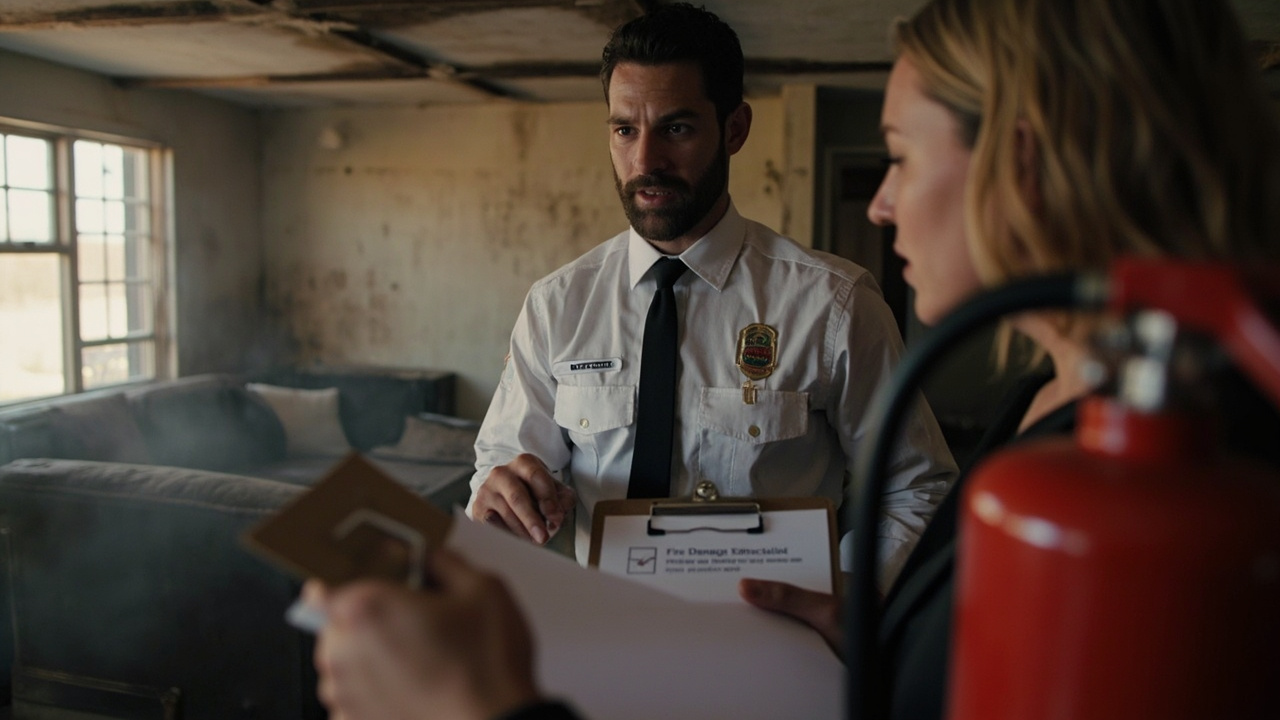
You need a fire damage safety protocol that addresses both immediate dangers and long-term health risks. Walking through a fire-damaged structure without proper assessment puts you at risk of floor collapse, toxic exposure, and electrical shock from damaged wiring. A proper after-fire safety precautions checklist begins before you even enter the building.

Why Pittsburgh Homes Face Unique Post-Fire Risks
The Science-Based Approach to Post-Fire Property Assessment

The Science-Based Approach to Post-Fire Property Assessment

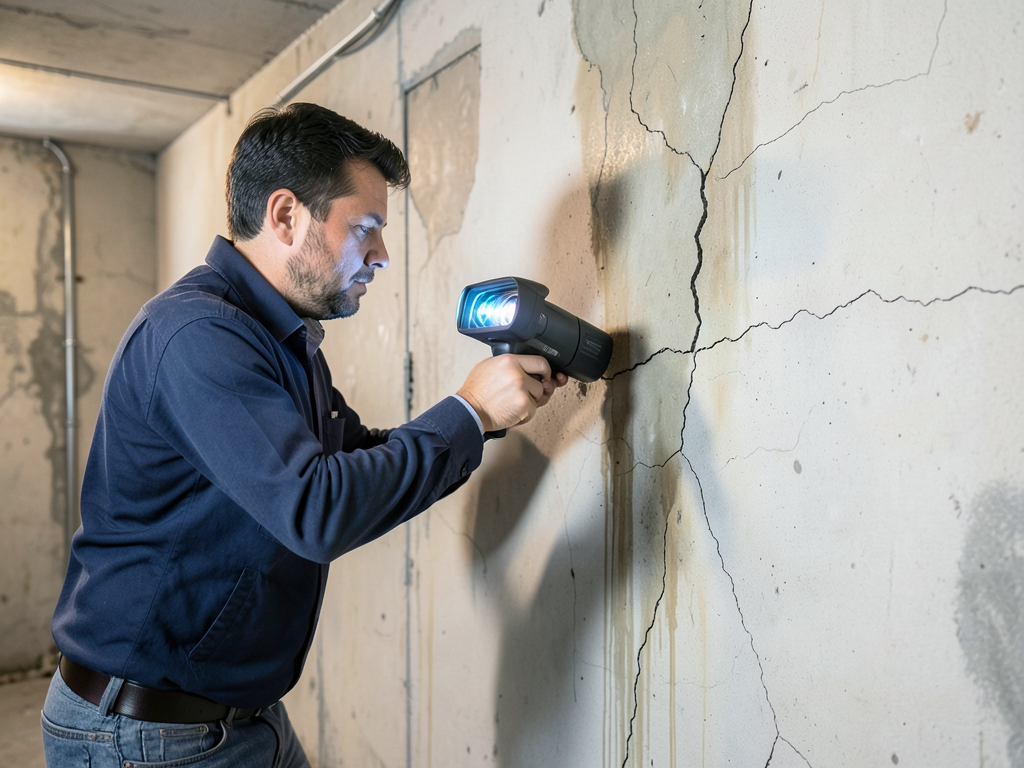
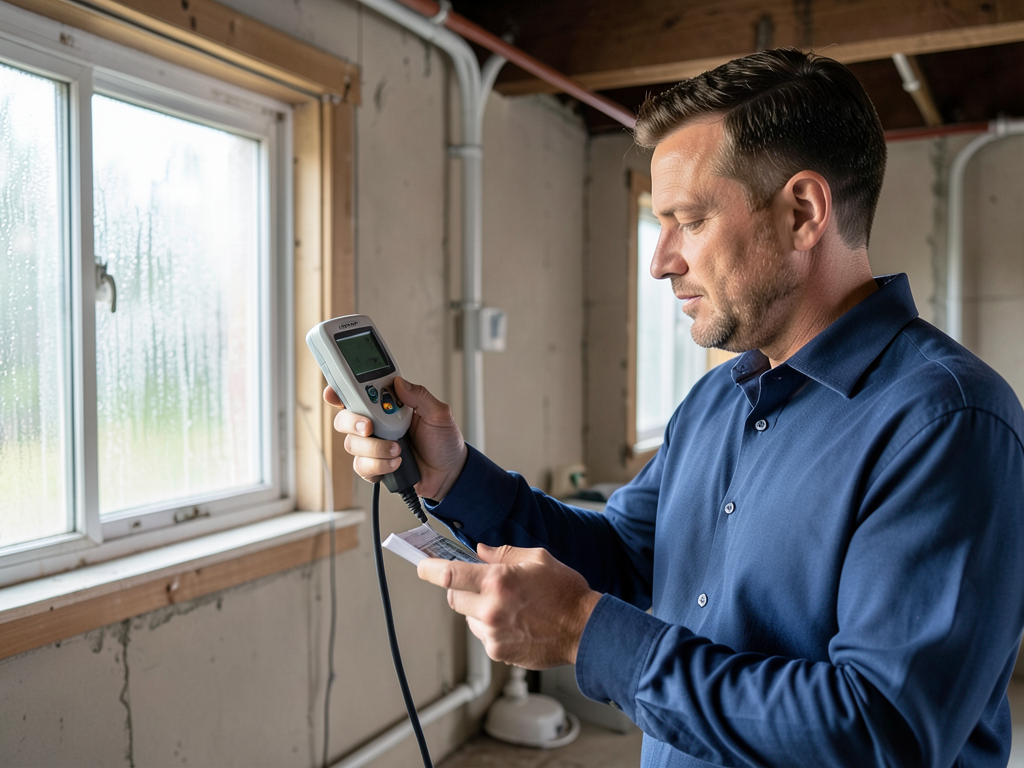
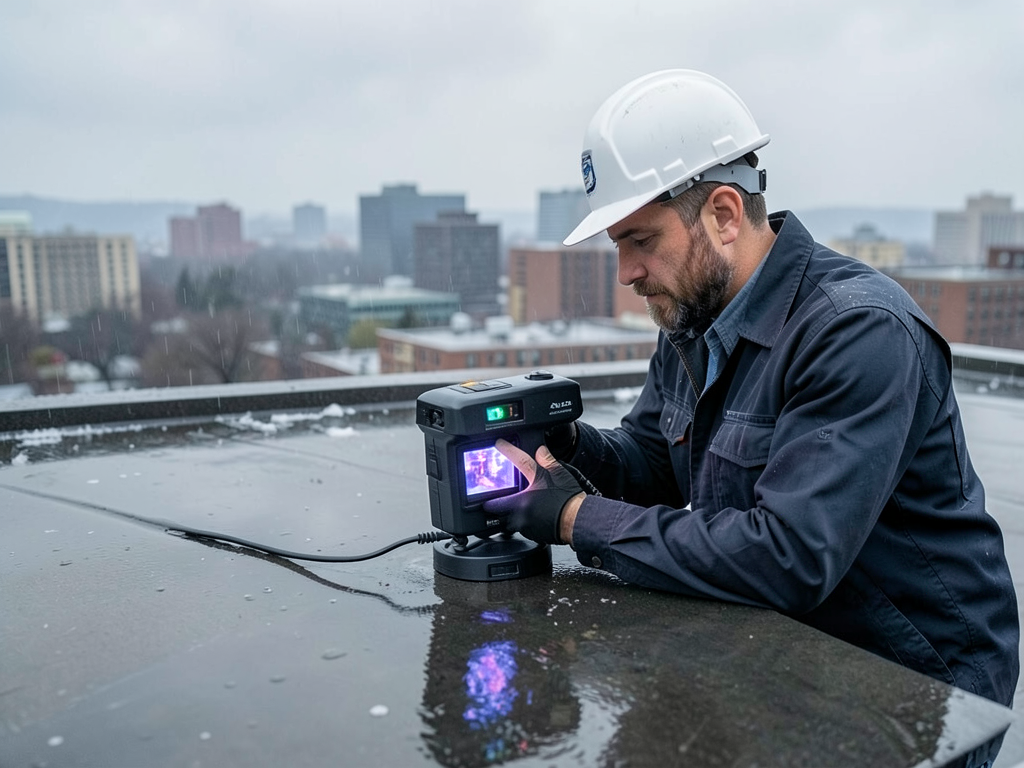
A legitimate fire recovery safety guide starts with a structural engineer's evaluation, not a visual inspection. We coordinate with certified structural engineers who use moisture meters, thermal imaging cameras, and air quality monitors to identify hidden damage. This is not cosmetic work. This is forensic analysis.

Our fire damage safety protocol follows IICRC S500 standards for water damage and S520 standards for mold remediation. Firefighting water creates secondary damage that spreads rapidly through porous materials. We measure moisture content in wood framing, insulation, and subflooring using calibrated meters. Readings above 16 percent indicate active water damage requiring extraction and drying.

Air quality testing identifies particulate contamination and volatile organic compounds released by burned synthetics. Plastics, treated lumber, and insulation release formaldehyde, benzene, and hydrogen cyanide when they burn. These compounds settle on every surface and become airborne again when disturbed. Standard cleaning does not remove them. We use HEPA filtration and negative air pressure to contain contaminated air during demolition.

Electrical systems require inspection by a licensed electrician before power restoration. Fire compromises wire insulation and breaker panels. Water conducts electricity through building materials you would not expect. We verify that your electrical service panel, branch circuits, and grounding systems are safe before any reconstruction begins.

Structural drying takes priority over cosmetic repairs. We deploy commercial dehumidifiers and air movers to reduce ambient moisture below 40 percent relative humidity. Drying typically requires five to ten days depending on the extent of water penetration. Skipping this step guarantees mold growth and wood rot within weeks.

What Happens During Your Post-Fire Safety Assessment

Fire Damage Safety Checklist in Pittsburgh – Expert Recovery Protocols That Protect Your Family and Property
01

Hazard Documentation

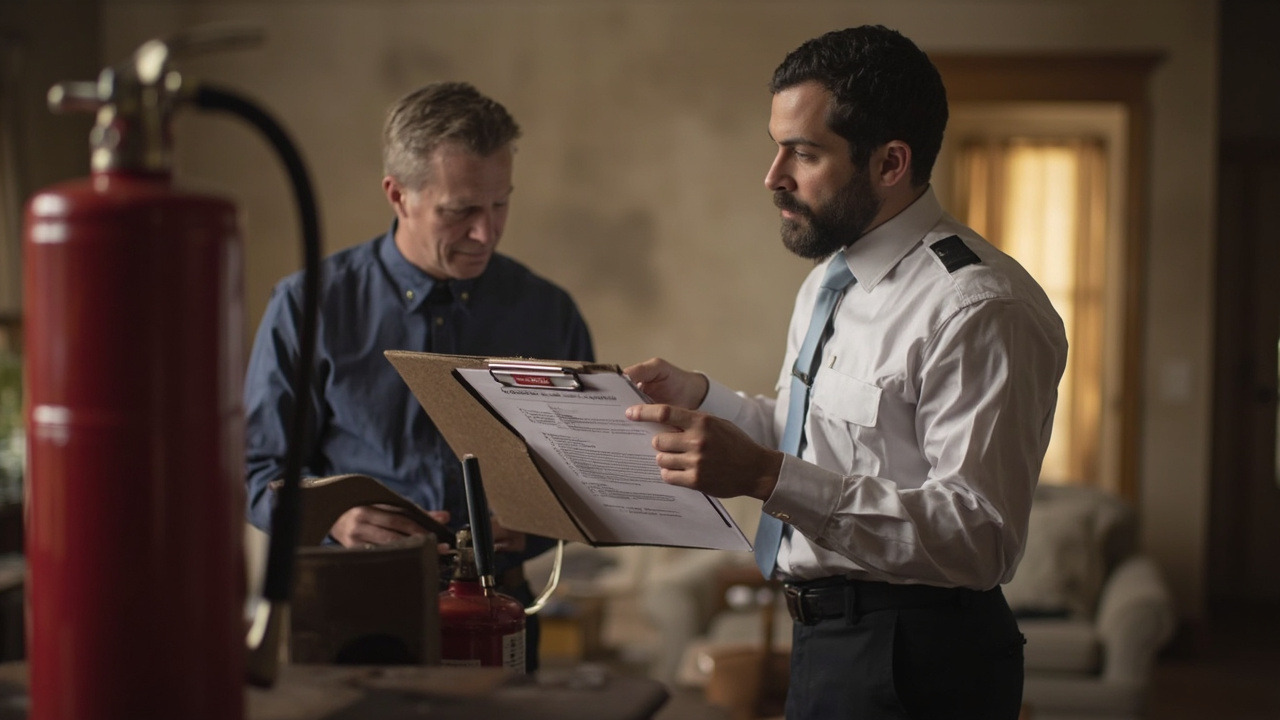
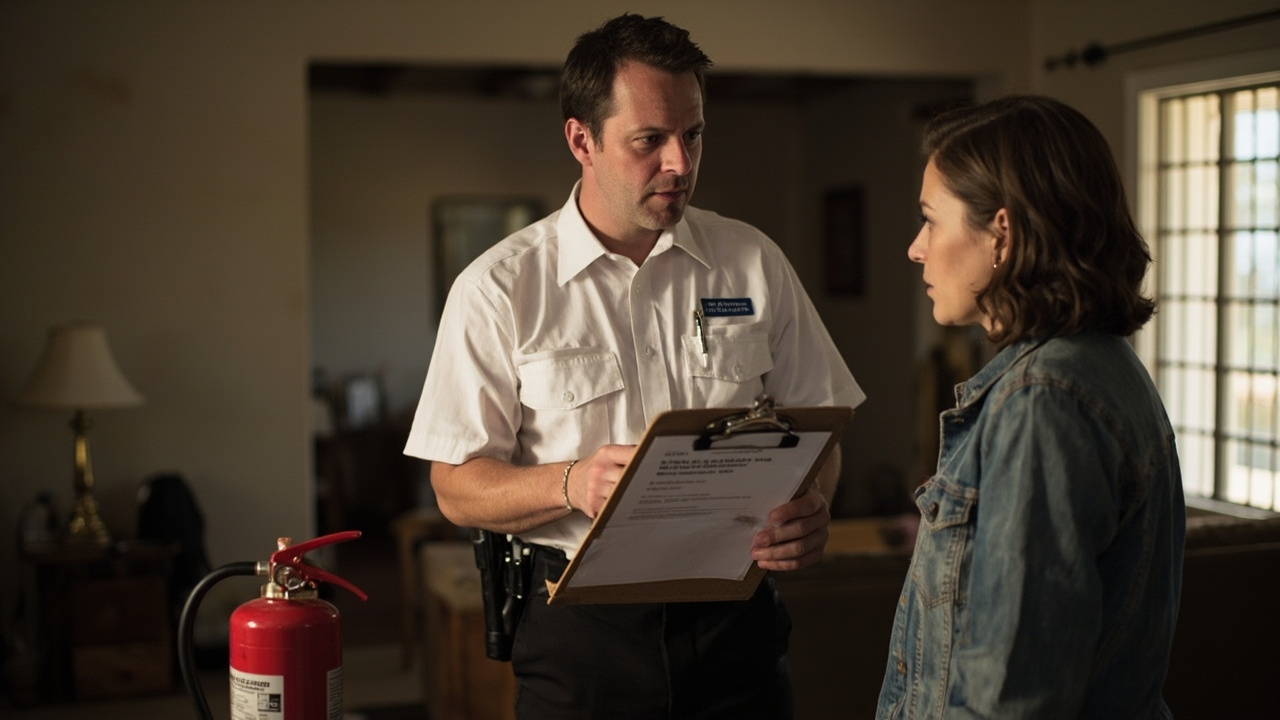
We photograph and document structural damage, water intrusion patterns, and contamination zones before any work begins. This documentation supports your insurance claim and establishes a baseline for restoration. We identify compromised floors, weakened roof sections, and areas requiring demolition. You receive a written report outlining immediate safety hazards and recommended remediation steps within 24 hours of assessment.
02

Containment and Extraction

We establish containment barriers using plastic sheeting and negative air machines to prevent cross-contamination during demolition. Standing water is extracted using truck-mounted pumps. Saturated materials like carpeting, insulation, and drywall are removed and disposed of according to Pennsylvania waste management regulations. We document all removed materials for insurance purposes and identify salvageable structural elements.
03

Restoration Clearance

After drying and cleaning, we conduct final air quality testing and moisture readings to confirm the structure is safe for reconstruction. You receive a clearance report showing that moisture levels, particulate counts, and structural integrity meet code requirements. This report satisfies insurance carriers and building inspectors. Only after clearance do we begin rebuilding damaged areas using fire-rated materials that meet current Pittsburgh building codes.

Why Pittsburgh Fire Recovery Requires Local Expertise

Pittsburgh's housing diversity demands specialized knowledge. A fire in a brick rowhouse in Lawrenceville presents different challenges than a fire in a wood-frame bungalow in Brookline. Rowhouses share walls with adjacent units, creating lateral smoke and water migration issues. Bungalows have shallow crawlspaces that trap moisture and require specialized drying equipment.

Reliance Water Damage Restoration Pittsburgh works with local structural engineers familiar with Pittsburgh's building typologies. We understand the difference between solid brick construction, brick veneer, and vinyl-sided wood framing. We know which local lumber yards stock period-appropriate materials for historic district restorations. We have relationships with Pittsburgh Building Inspection officials who can expedite permit approval for emergency repairs.

Our team responds to fire damage calls across Allegheny County within two hours. We maintain equipment staging areas in multiple neighborhoods to minimize response time. When your home floods from firefighting water at 2 a.m., you do not have time to wait for a restoration company driving in from the suburbs.

We coordinate directly with major insurance carriers including State Farm, Allstate, and Erie Insurance. Our estimators use Xactimate software, the same platform your adjuster uses, which eliminates disputes over scope and pricing. We document every phase of work with time-stamped photos that satisfy insurance requirements and protect you from claim denials.

Local fire departments including Pittsburgh Bureau of Fire and volunteer companies in surrounding townships recommend our services because we follow proper safety protocols. We do not start demolition before structural clearance. We do not pressure you to sign contracts while you are in shock. We provide transparent estimates and explain exactly what work is necessary versus what is optional.

What to Expect During Fire Damage Recovery

Emergency Response Timeline

We arrive on-site within two hours of your call to assess damage and stabilize the property. Initial assessment takes 90 minutes and includes moisture mapping, structural documentation, and air quality evaluation. Emergency board-up and tarping services protect your property from weather and unauthorized entry. Water extraction begins immediately using truck-mounted vacuum systems. You receive a preliminary damage report and cost estimate within 24 hours. Full remediation timelines vary based on fire extent but typically range from two weeks for minor smoke damage to eight weeks for structural fires requiring rebuilding.

Comprehensive Damage Assessment

Our initial consultation includes thermal imaging to detect hidden moisture, moisture meter readings on all affected surfaces, and air quality sampling for particulate contamination. We inspect attic spaces, crawlspaces, and wall cavities using borescope cameras to identify concealed fire spread. Electrical systems are evaluated for short circuits and damaged wiring. We test HVAC ductwork for soot contamination that requires cleaning or replacement. You receive a detailed scope of work document identifying all damaged materials, required demolition, and restoration steps. This assessment forms the basis of your insurance claim.

Quality-Controlled Restoration

All reconstruction work meets or exceeds current International Residential Code standards. We use fire-rated drywall in areas required by code. New electrical work is performed by licensed electricians and inspected by the city. We install proper vapor barriers and insulation to prevent future moisture problems. Finished surfaces are primed with stain-blocking primers to prevent smoke odor from bleeding through paint. Final air quality testing confirms that particulate levels and volatile organic compounds are within safe ranges. You receive documentation showing that moisture levels in all building materials are below 16 percent before we close walls.

Post-Restoration Support

We provide a detailed maintenance guide explaining how to monitor for recurring moisture issues and prevent mold growth. You receive copies of all permits, inspection reports, and material invoices for your records. We offer follow-up moisture testing at 30 and 90 days post-restoration to verify that drying was complete. Our team remains available to answer questions and address concerns during the rebuilding process. We work with your insurance carrier through final claim settlement to ensure all covered work is completed. Documentation packages include before-and-after photos, moisture logs, and air quality test results that satisfy insurance requirements.

Frequently Asked Questions

You Have Questions,
We Have Answers

How Pittsburgh's Older Housing Stock Complicates Fire Recovery Efforts

Pittsburgh's median home age exceeds 70 years. Victorian and early 20th-century construction used materials that create unique fire damage challenges. Plaster and lath walls absorb more water than drywall and take longer to dry. Knob-and-tube wiring, still present in many older homes, poses fire re-ignition risks after initial extinguishment. Coal-fired furnace conversions left behind creosote deposits in chimneys that can reignite days after a fire. Balloon framing allows fire to spread vertically between floors without fire stops, creating hidden damage not visible during surface inspections. A post-fire hazard checklist for Pittsburgh homes must account for these construction methods that differ significantly from modern building practices.

Reliance Water Damage Restoration Pittsburgh has worked on fire recovery projects in every Pittsburgh neighborhood from Mount Washington to Highland Park. We understand local building code requirements and historic district restrictions that affect restoration work. Our relationships with Pittsburgh Building Inspection officials expedite permit approvals for emergency structural repairs. We source period-appropriate materials from local suppliers for homes in historic districts where architectural review boards require matching original construction. Our fire damage safety protocol accounts for the unique challenges of Pittsburgh's aging infrastructure while meeting modern safety standards. Choosing a local restoration company means working with professionals who understand the specific demands of restoring older Pittsburgh homes.
Water Damage Restoration Services in The Pittsburgh Area

While we provide rapid mobile service directly to your location, you can also find our physical business location on the map below. This map highlights our primary service area and shows our commitment to serving the Pittsburgh community. We are always ready to dispatch our expert team to your home or business, no matter where you are in our service region. Feel free to use the interactive map to get directions or to visualize our proximity to you.

Address:
Reliance Water Damage Restoration Pittsburgh, 201 S Craig St, Pittsburgh, PA, 15213

Additional Services We Offer

Our news updates

Latest Articles & News from The Blogs

How to tell if you have a expensive slab leak under your Franklin Park home Franklin Park homeowners face a…

How to tell if you have a expensive slab leak under your Franklin Park home

How to tell if you have a expensive slab leak under your Franklin Park home Franklin Park homeowners face a…

What to do when your office fire sprinklers go off by mistake in Downtown Pittsburgh

What to do when your office fire sprinklers go off by mistake in Downtown Pittsburgh When fire sprinklers discharge without…

Preserving the original masonry in Mexican War Streets homes after a water leak

Preserving the original masonry in Mexican War Streets homes after a water leak When water infiltrates the historic brick and…

Contact Us

Do not enter a fire-damaged property without professional assessment. Call Reliance Water Damage Restoration Pittsburgh at (412) 382-8788 for immediate structural evaluation and safety clearance. We respond 24 hours a day to protect your property and document damage for insurance claims.