




Menu

Frozen Pipe Burst Cleanup in Pittsburgh – Emergency Response Within 60 Minutes

When frozen pipes explode in Pittsburgh homes, every minute counts. Reliance Water Damage Restoration Pittsburgh deploys certified crews around the clock to stop flooding, extract water, and prevent structural collapse before your insurance claim becomes a nightmare.

Slider Image 1
Slider Image 2
Slider Image 3
Slider Image 4
Slider Image 5
Slider Image 7
Slider Image 8
Slider Image 9
Slider Image 10
Slider Image 11

Why Pittsburgh's Winter Freeze-Thaw Cycles Make Pipe Bursts Catastrophic

Pittsburgh winters sit in a dangerous temperature zone. You get repeated freeze-thaw cycles that expand water inside copper and PEX pipes until they split. When temperatures spike above freezing, those hairline cracks become full ruptures. A single burst pipe releases 400 gallons per hour. That water floods crawl spaces, soaks drywall, and saturates floor joists in homes built on Pittsburgh's hilly terrain where gravity pulls water straight through multiple levels.

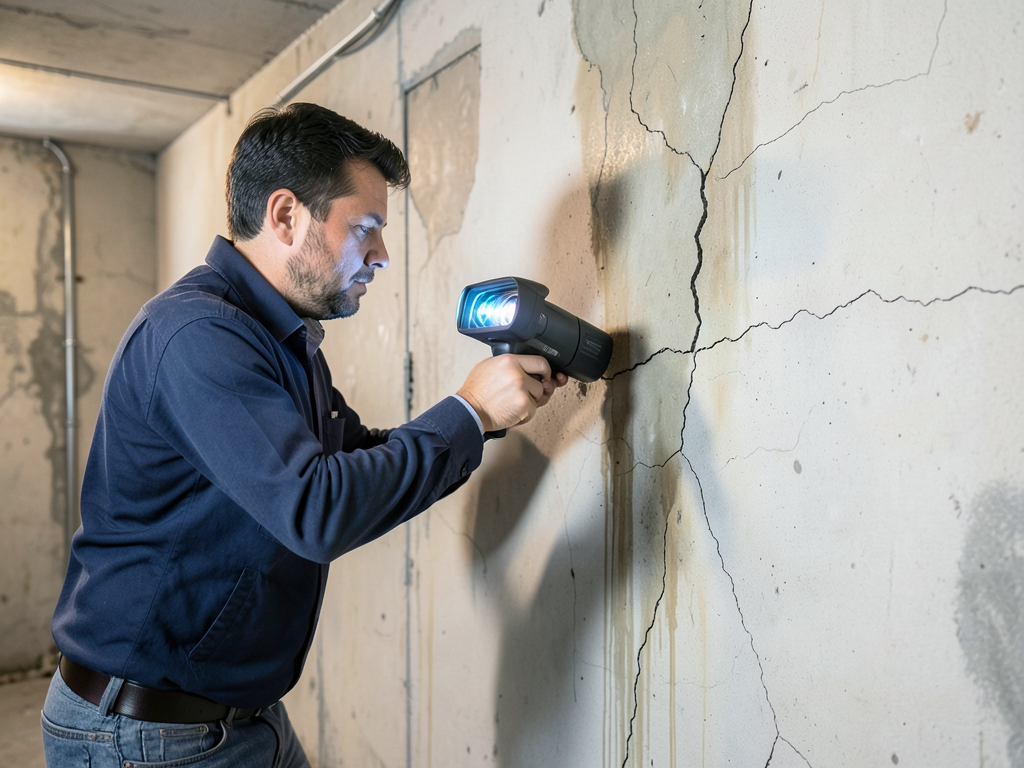
The real danger starts when subflooring absorbs that water. Pittsburgh's older housing stock includes balloon framing and plaster walls that wick moisture vertically through wall cavities. You cannot see the damage spreading behind your walls until mold colonies establish within 48 hours. Frozen pipe burst remediation requires thermal imaging to map hidden water migration through your home's structure.

Most homeowners discover the problem when they hear rushing water or see ceiling stains. By then, emergency burst pipe water removal becomes a race against secondary damage. You need burst pipe water damage restoration that addresses both the visible flooding and the hidden saturation threatening your home's structural integrity. Pittsburgh's clay soil means foundation moisture creates additional wicking from below, compounding the damage from above.

Frozen pipe flood cleanup is not about mopping floors. It requires industrial water extraction equipment, air movers calibrated for Pittsburgh's humidity levels, and dehumidifiers that prevent moisture from settling into wood framing. The clock starts ticking the moment that pipe ruptures.

Why Pittsburgh's Winter Freeze-Thaw Cycles Make Pipe Bursts Catastrophic
How Professional Water Extraction Stops Structural Collapse

How Professional Water Extraction Stops Structural Collapse

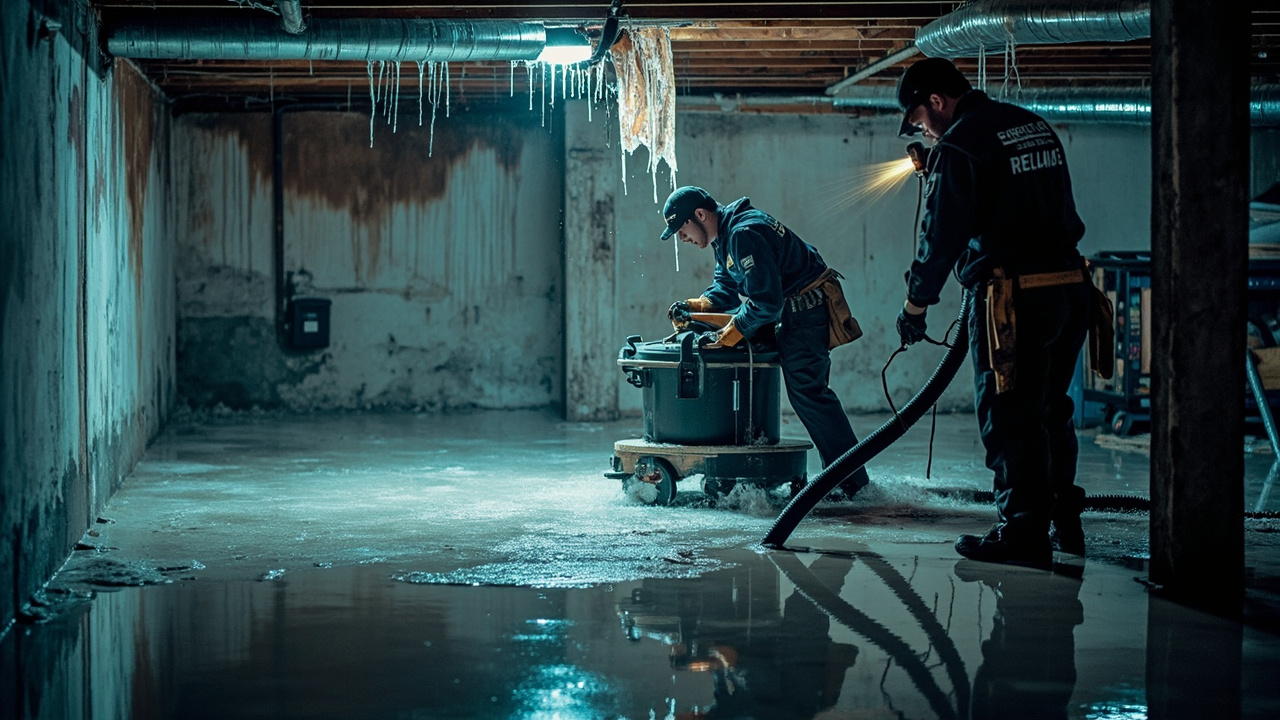
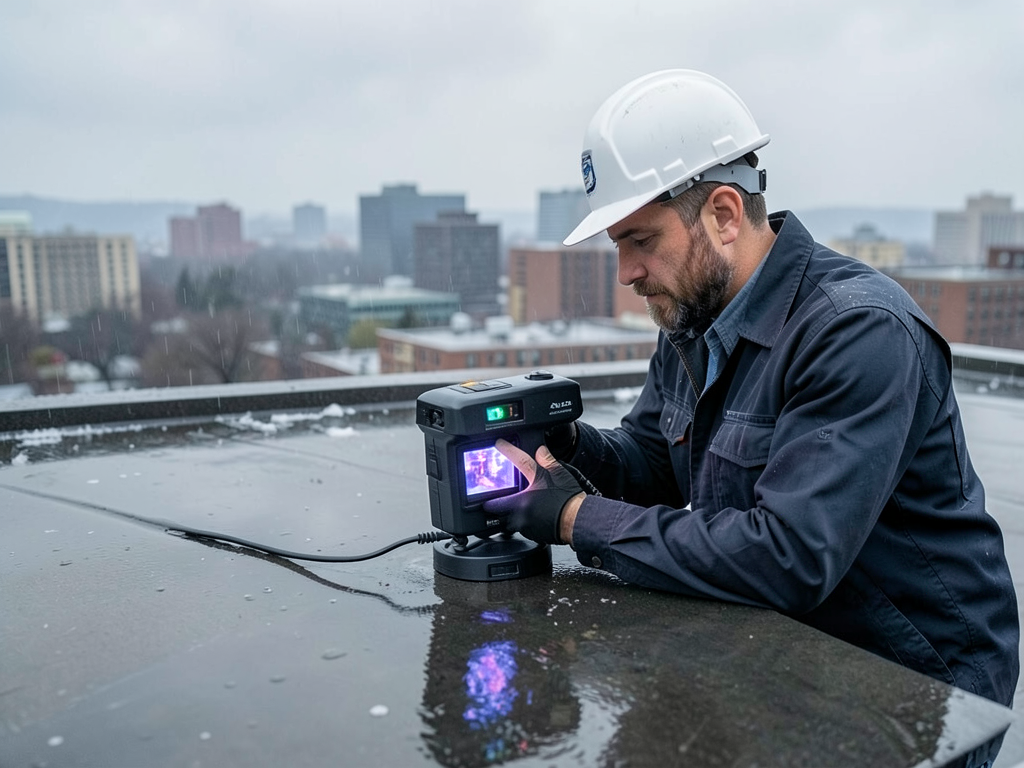
When you call for frozen pipe burst cleanup, we deploy truck-mounted extractors that remove standing water at 150 gallons per minute. Portable wet vacuums cannot match that velocity. Speed matters because drywall loses structural integrity after six hours of saturation. Floor joists begin warping after 12 hours. We map moisture levels using thermal cameras that detect temperature differentials behind walls where water pools in insulation.

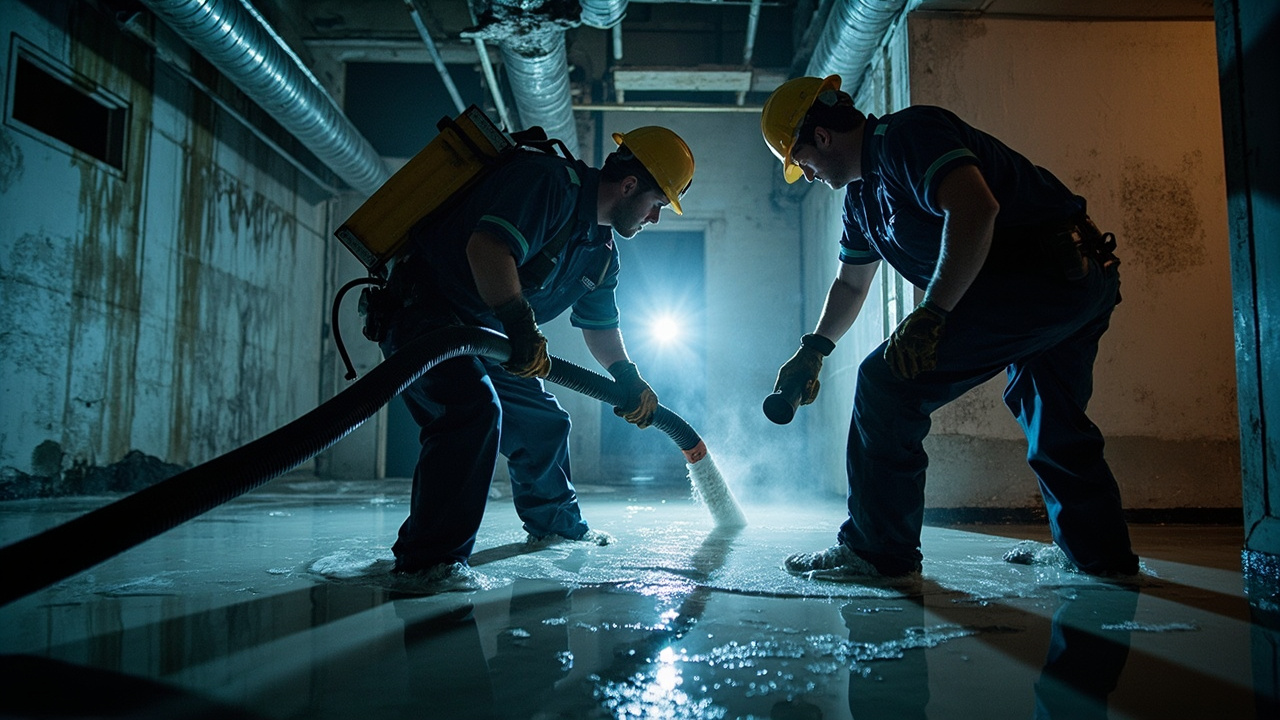
Pittsburgh's balloon-framed homes require vertical water extraction. We drill strategic relief holes in baseboards to allow trapped water to escape from wall cavities. Air movers create directional airflow that pushes moisture toward dehumidifiers running at commercial capacity. We measure humidity hourly using psychrometers to track drying progress against IICRC S500 standards. Your insurance adjuster needs documentation showing moisture readings dropped below 15 percent relative humidity before reconstruction starts.

Burst pipe water damage restoration includes removing damaged materials that cannot dry properly. Soaked insulation traps moisture and grows mold. We remove it. Baseboards swollen with water will crack when they dry. We remove them. Subfloor sections showing delamination get cut out and replaced. This prevents future structural failures that create liability issues when you sell your home.

Water extraction for frozen pipes also means locating the rupture point and confirming repairs before restoration. We coordinate with licensed plumbers to pressure test the system. Starting restoration before confirming the pipe is sealed creates repeated flood cycles. We prevent that mistake. Pittsburgh's old galvanized pipes often show multiple weak points after one burst occurs. We verify system integrity before your walls close back up.

What Happens When You Call for Emergency Pipe Burst Service

Frozen Pipe Burst Cleanup in Pittsburgh – Emergency Response Within 60 Minutes
01

Immediate Water Shutoff

Our crew arrives within 60 minutes and locates your main water shutoff valve. We stop active flooding first. Many Pittsburgh homes have shutoffs in basement corners or crawl spaces that homeowners cannot access quickly. We carry pipe clamps and emergency repair kits to seal ruptures temporarily if the main valve is stuck or inaccessible. This halts additional water damage while we prepare extraction equipment.
02

Water Extraction and Mapping

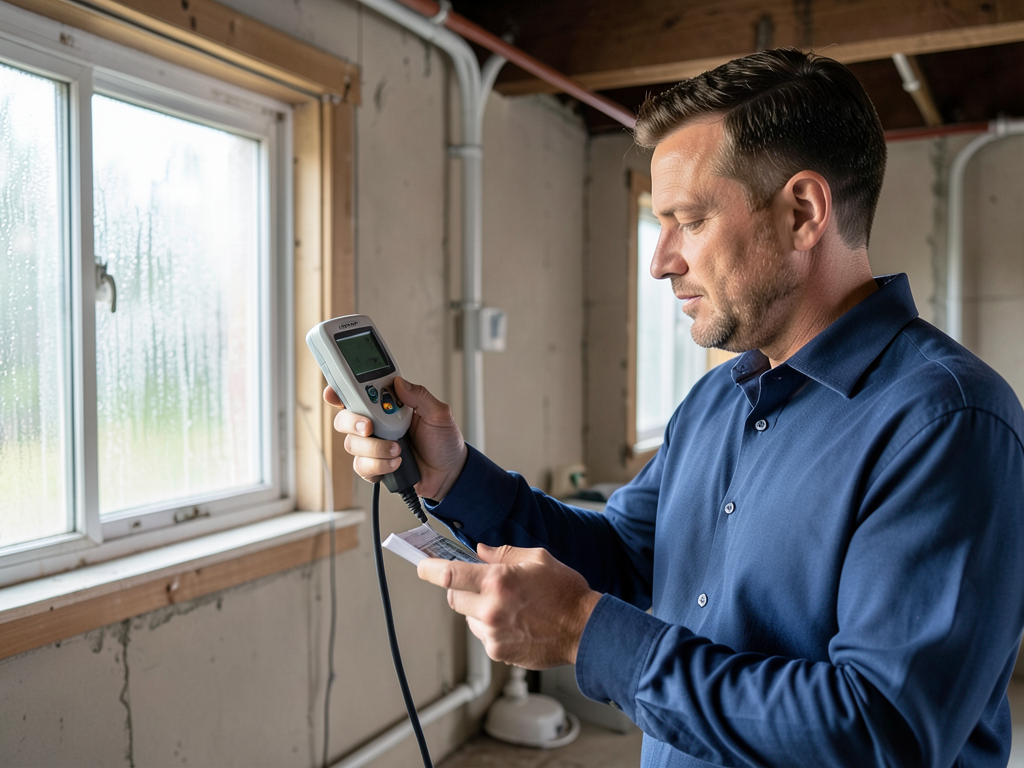
We deploy truck-mounted extractors to remove standing water from all affected areas. Thermal imaging cameras identify water migration patterns through walls and ceilings. We document moisture readings in every affected room using pin-type and pinless moisture meters. This baseline data guides drying strategy and provides evidence for your insurance claim. We mark affected areas with digital photos showing meter readings and timestamps.
03

Structural Drying and Monitoring

We position air movers and dehumidifiers based on moisture mapping data. Equipment runs continuously for three to seven days depending on saturation levels. We visit daily to record humidity levels and adjust equipment placement. Drying is complete when moisture content in structural materials returns to normal ranges for Pittsburgh's climate. You receive a final report showing all readings dropped below threshold levels before reconstruction begins.

Why Pittsburgh Homeowners Choose Local Frozen Pipe Specialists

Reliance Water Damage Restoration Pittsburgh operates from local facilities with crews who live in the neighborhoods we serve. When a pipe bursts at 2 AM in Squirrel Hill or Mount Washington, we respond from minutes away, not from a regional call center routing jobs across three counties. Our trucks carry equipment staged specifically for Pittsburgh's housing stock. That includes air movers calibrated for Pennsylvania's humidity levels and extractors sized for typical Pittsburgh basement dimensions.

We understand Pittsburgh's mix of pre-war construction and newer developments. Homes in Shadyside and Highland Park often have plaster walls over wood lath that absorb water differently than drywall. Properties in newer developments like Summerset use engineered lumber that delaminates faster when saturated. Our technicians adjust restoration protocols based on construction era and materials specific to your neighborhood.

Pittsburgh's insurance market includes regional carriers and national providers with different documentation requirements. We file daily progress reports with moisture readings, equipment logs, and photo documentation that satisfy even the strictest adjusters. Our crews are IICRC-certified in water damage restoration and carry the liability coverage Pennsylvania contractors need for direct insurance billing. You do not pay upfront and wait for reimbursement.

Local expertise matters when your home floods. We know which Pittsburgh plumbers respond quickly for emergency pipe repairs. We coordinate with electricians familiar with Pittsburgh's older electrical systems that need temporary disconnection during water extraction. We work with Pittsburgh mold remediation specialists when thermal imaging reveals hidden mold growth from previous moisture events. This local network speeds your recovery and prevents delays that extend displacement time.

What You Can Expect During Frozen Pipe Burst Cleanup

Response Time and Availability

We answer emergency calls 24 hours a day, 365 days a year. A live dispatcher takes your information and immediately pages the on-call crew. You receive a callback within 10 minutes confirming arrival time. Our crews typically arrive within 60 minutes anywhere in the greater Pittsburgh metro area. We bring truck-mounted water extraction equipment, thermal cameras, moisture meters, and enough air movers and dehumidifiers to start drying immediately. You do not wait days for equipment rental companies to deliver machinery. We deploy it on the first visit and expand capacity if moisture mapping reveals extensive saturation.

Damage Assessment and Documentation

Our initial assessment includes room-by-room moisture readings using pin-type meters for drywall and flooring, plus thermal imaging to detect water trapped in wall cavities and ceilings. We photograph every affected area with timestamp and moisture reading overlays. You receive a written scope of damage within 24 hours that itemizes affected materials, moisture levels, and recommended restoration procedures. This documentation goes directly to your insurance company. We handle the entire claims process if you authorize direct billing. Our goal is to eliminate paperwork stress while you deal with displacement and repairs.

Restoration Quality Standards

We follow IICRC S500 standards for water damage restoration. That means drying materials to their original moisture content, not just "mostly dry." We verify final moisture readings using calibrated equipment and provide certification that structural materials meet safe thresholds before reconstruction starts. All removed materials are documented with photos showing why they required replacement rather than drying. This protects you from insurance disputes about scope. Any reconstruction work uses materials that match your existing finishes. We do not patch drywall with mismatched textures or replace flooring with different wood species. Quality means your home looks like the damage never happened.

Follow-Up and Prevention

After restoration completes, we return at 30 days to perform a final moisture check at no charge. This confirms no hidden water pockets created delayed drying issues. We provide written recommendations for preventing future pipe bursts, including insulation upgrades for exposed pipes in unheated areas and thermostat placement to maintain safe temperatures in vulnerable zones. If you experience any moisture reappearance within 90 days of project completion, we return immediately to investigate at no additional diagnostic fee. Our goal is permanent resolution, not repeated service calls for the same problem.

Frequently Asked Questions

You Have Questions,
We Have Answers

What to do when a pipe freezes and bursts? +

Shut off your main water valve immediately to stop flooding. Turn off electricity if water contacts outlets or appliances. Move valuables to dry areas. Call a licensed plumber to repair the burst pipe. Contact a water damage restoration company within 24 hours to extract standing water and dry affected areas. Pittsburgh's freeze-thaw cycles make burst pipes common in winter. Document all damage with photos for your insurance claim. Do not attempt DIY repairs on pressurized pipes. Quick action prevents mold growth and structural damage. Professional water extraction and industrial drying equipment are needed to prevent secondary damage.

How to clean up after a pipe burst? +

Remove standing water using a wet vacuum or pump. Extract water from carpets, padding, and upholstery quickly. Pull wet baseboards and drill weep holes in walls to release trapped water. Remove soaked drywall and insulation to prevent mold. Use industrial fans and dehumidifiers to dry the structure. Pittsburgh's high humidity slows natural drying, requiring commercial equipment. Disinfect all affected surfaces with antimicrobial solutions. Monitor moisture levels with meters to confirm complete drying. Dispose of porous materials like carpet padding that stayed wet over 48 hours. Professional restoration companies handle extraction, drying, and repairs faster than DIY methods.

Should you shut your water off if your pipes freeze? +

Yes. Shut off your main water valve immediately if you suspect frozen pipes. This prevents a massive flood when the ice thaws and the pipe ruptures. Frozen pipes build pressure as water expands. Keeping water flowing increases pressure behind the ice blockage. Once you shut off the main valve, open faucets to relieve pressure and allow ice to expand safely. Call a plumber to thaw pipes professionally. Never wait to see if pipes burst before shutting off water. Pittsburgh winters bring extended cold snaps that make frozen pipes a serious risk. Acting fast protects your home from thousands of dollars in water damage.

How long can a pipe stay frozen before it bursts? +

No fixed timeline exists. A pipe can freeze and burst within hours or stay frozen for days without rupturing. The risk depends on pipe material, water pressure, temperature drop speed, and how much the ice expands. Copper pipes burst faster than PEX. Pipes in exterior walls, crawl spaces, or unheated basements face higher risk. Pittsburgh's temperature swings create repeated freeze-thaw cycles that weaken pipes over time. Even if a pipe survives one freeze, the next cold snap may cause failure. Do not gamble. If you suspect frozen pipes, shut off water and call a plumber immediately.

Should you leave your faucets open if your pipes are frozen? +

Yes. Open faucets connected to frozen pipes to relieve pressure as ice expands. Leave both hot and cold taps slightly open. This allows water to move through the pipe if thawing begins, reducing burst risk. A small trickle prevents complete freezing. However, if a pipe already burst, open faucets will not help. Shut off your main water valve immediately. Pittsburgh homes with older plumbing in uninsulated walls benefit most from this tactic during cold snaps. Keep cabinet doors open under sinks to allow warm air circulation. Do not rely on open faucets alone. Call a plumber for safe thawing.

Should I turn off water after a pipe bursts? +

Yes. Turn off your main water valve immediately. A burst pipe releases hundreds of gallons per hour, causing catastrophic flooding. Shutting off water stops the flow and limits damage. Locate your main shutoff valve before winter. Most Pittsburgh homes have valves in basements or crawl spaces. After shutting off water, turn off electricity to affected areas to prevent shocks or fires. Open faucets to drain remaining water from pipes. Call a plumber to repair the burst pipe and a water damage restoration company to handle cleanup. Speed matters. Every minute of flowing water adds thousands of dollars in damage and mold risk.

How to dry out a house after a pipe burst? +

Extract all standing water immediately using pumps or wet vacuums. Remove soaked materials like carpet, padding, and drywall. Use industrial dehumidifiers and air movers to dry the structure. Target hidden moisture in walls, floors, and ceilings with moisture meters. Pittsburgh's humidity and older home construction trap moisture, requiring professional equipment. Open windows only if outdoor humidity is lower than indoor levels. Run HVAC systems to circulate air. Monitor drying progress daily. Complete drying takes three to seven days depending on damage extent. Mold grows within 24 to 48 hours, so speed is critical. Professional restoration companies deliver faster, more complete drying than DIY methods.

How long does it take for a water leak to cause mold? +

Mold begins growing within 24 to 48 hours of water exposure. Spores spread quickly in damp conditions. Pittsburgh's humidity accelerates mold growth, making fast water removal critical. Porous materials like drywall, insulation, and carpet become mold breeding grounds if not dried within 48 hours. Visible mold appears within three to five days. Hidden mold behind walls or under floors may go unnoticed for weeks, causing structural damage and health risks. Water damage restoration companies use moisture meters to detect hidden water and prevent mold before it starts. Do not wait. Act within hours of a pipe burst to avoid mold remediation costs.

Does homeowners insurance pay for burst pipes? +

Yes, if the burst results from sudden, accidental damage. Most homeowners policies cover water damage from burst pipes caused by freezing. However, insurers may deny claims if you fail to maintain heat or winterize a vacant home. Document all damage with photos and videos. Keep receipts for emergency repairs and cleanup. File your claim immediately. Pittsburgh's harsh winters make frozen pipe claims common. Insurers scrutinize these claims closely. Your policy covers water damage cleanup, structural repairs, and damaged belongings. Deductibles apply. Review your policy now to understand coverage limits and exclusions. Professional restoration companies handle insurance documentation and help maximize your claim.

What not to do if pipes are frozen? +

Never use open flames, blowtorches, or propane heaters to thaw pipes. This causes fires, pipe damage, and toxic fumes. Do not ignore frozen pipes and hope they thaw naturally. Pressure builds and pipes burst. Do not pour boiling water on frozen pipes. Rapid temperature changes crack pipes. Do not turn up heat excessively and leave your home unattended. Never leave cabinet doors closed, trapping cold air around pipes. Do not wait days to call a plumber. Pittsburgh winters demand fast action. Do not attempt repairs without shutting off water first. Thaw pipes slowly using towels soaked in warm water or a hairdryer on low heat. Call professionals for safe thawing.

How Pittsburgh's Freeze-Thaw Cycles Create Hidden Pipe Vulnerabilities

Pittsburgh sits at a latitude where winter temperatures swing above and below freezing multiple times per week. This repeated expansion and contraction stresses pipe joints and creates microscopic cracks in copper and PEX supply lines. A pipe can survive dozens of freeze cycles before finally rupturing, often on a 40-degree day when ice inside the line melts rapidly and creates hydraulic pressure spikes. Homes built on Pittsburgh's hillsides face additional risk because pipes running through exterior walls on downhill-facing sides lose heat faster. Frozen pipe burst remediation in Pittsburgh requires understanding these geography-specific failure patterns that differ from flat-terrain cities with steadier winter temperatures.

Reliance Water Damage Restoration Pittsburgh maintains relationships with local building inspectors and insurance adjusters who understand Pennsylvania's specific water damage disclosure requirements. If you plan to sell your home after experiencing burst pipe water damage restoration, proper documentation matters. Pennsylvania law requires sellers to disclose material defects, and water damage qualifies if repairs were not completed to code. We provide certified documentation showing all restoration work met IICRC standards and structural materials were dried properly. This protects your home's resale value and prevents buyer disputes. Local expertise means understanding the legal context around water damage, not just the technical repair process.
Water Damage Restoration Services in The Pittsburgh Area

While we provide rapid mobile service directly to your location, you can also find our physical business location on the map below. This map highlights our primary service area and shows our commitment to serving the Pittsburgh community. We are always ready to dispatch our expert team to your home or business, no matter where you are in our service region. Feel free to use the interactive map to get directions or to visualize our proximity to you.

Address:
Reliance Water Damage Restoration Pittsburgh, 201 S Craig St, Pittsburgh, PA, 15213

Additional Services We Offer

Our news updates

Latest Articles & News from The Blogs

How to tell if you have a expensive slab leak under your Franklin Park home Franklin Park homeowners face a…

How to tell if you have a expensive slab leak under your Franklin Park home

How to tell if you have a expensive slab leak under your Franklin Park home Franklin Park homeowners face a…

What to do when your office fire sprinklers go off by mistake in Downtown Pittsburgh

What to do when your office fire sprinklers go off by mistake in Downtown Pittsburgh When fire sprinklers discharge without…

Preserving the original masonry in Mexican War Streets homes after a water leak

Preserving the original masonry in Mexican War Streets homes after a water leak When water infiltrates the historic brick and…

Contact Us

Every minute of flooding causes more damage. Call Reliance Water Damage Restoration Pittsburgh at (412) 382-8788 right now. Our crew is standing by with truck-mounted water extractors ready to deploy. We stop the water, document the damage, and handle your insurance claim. Get help now.