




Menu

Soggy Insulation in Pittsburgh – Fast Diagnosis and Permanent Fixes for Water Damaged Insulation

When soggy insulation threatens your home's energy efficiency and indoor air quality, you need experts who can identify the water source, remove saturated materials safely, and restore proper thermal protection before mold takes hold.

Slider Image 1
Slider Image 2
Slider Image 3
Slider Image 4
Slider Image 5
Slider Image 7
Slider Image 8
Slider Image 9
Slider Image 10
Slider Image 11

Why Pittsburgh Homes Battle Soggy Insulation Year-Round

Pittsburgh's climate creates a perfect storm for wet insulation. The region sees over 150 rainy days per year, combined with freeze-thaw cycles that crack foundations and stress roofing systems. When water finds its way into attic spaces, crawlspaces, or wall cavities, your insulation acts like a sponge.

You notice it first as brown ceiling stains in your Squirrel Hill bungalow or musty smells in your Shadyside rowhouse basement. The sagging drywall comes next. What you cannot see is worse. Water damaged insulation loses 50 percent of its R-value when damp and becomes completely ineffective when saturated. Your heating bills spike because soaked insulation cannot regulate temperature. The moisture creates breeding grounds for mold spores, which spread through your HVAC system into every room.

Pittsburgh's older housing stock, especially in neighborhoods like Highland Park and Lawrenceville, features knob-and-tube wiring and outdated vapor barriers. When roof leaks, plumbing failures, or foundation seepage introduce water, these homes lack the drainage infrastructure newer builds have. The insulation stays wet for weeks, decomposing and releasing particles into your breathing air.

Damp insulation also adds weight to ceiling joists not designed to support it. We have pulled down fiberglass batts holding 40 pounds of water per section. That structural stress leads to ceiling collapse if ignored. The longer saturated insulation remains in place, the more expensive the fix becomes. What starts as a roof leak repair escalates into mold remediation, structural reinforcement, and complete insulation replacement.

Why Pittsburgh Homes Battle Soggy Insulation Year-Round
How We Diagnose and Remove Soggy Insulation Correctly

How We Diagnose and Remove Soggy Insulation Correctly

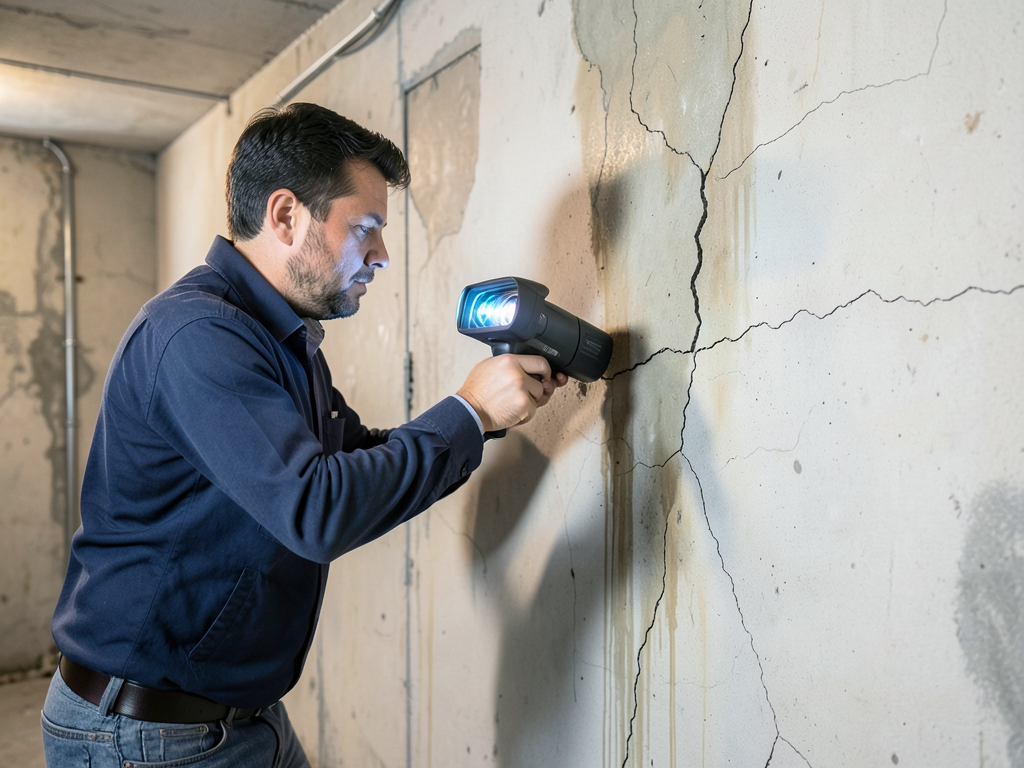
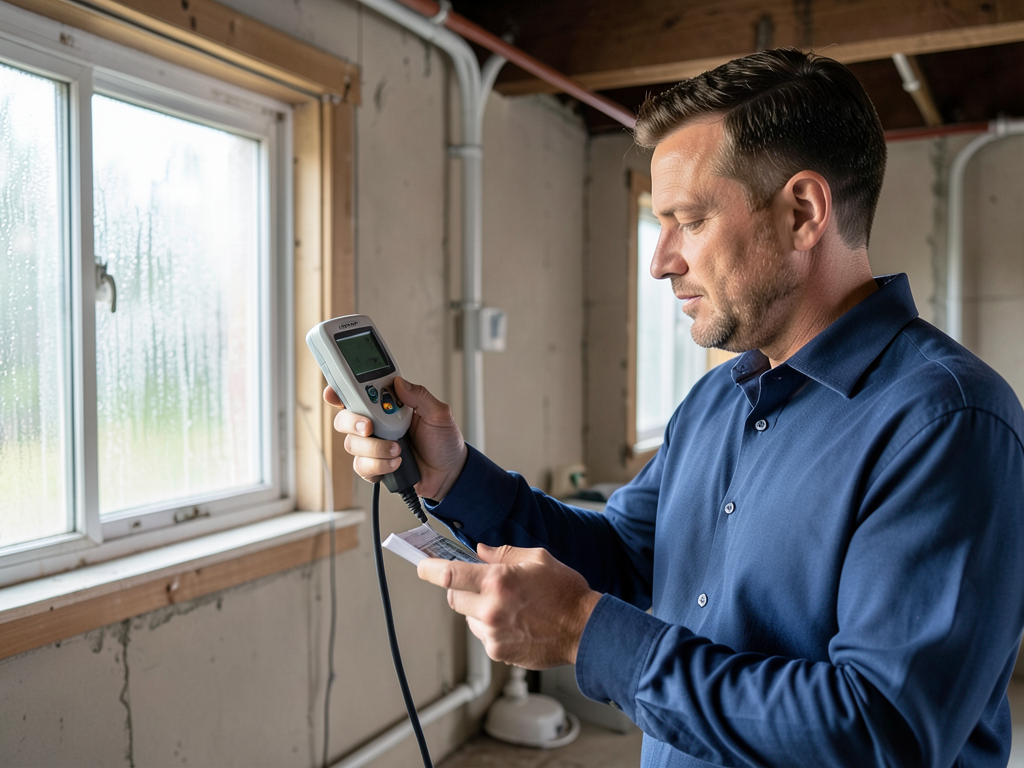
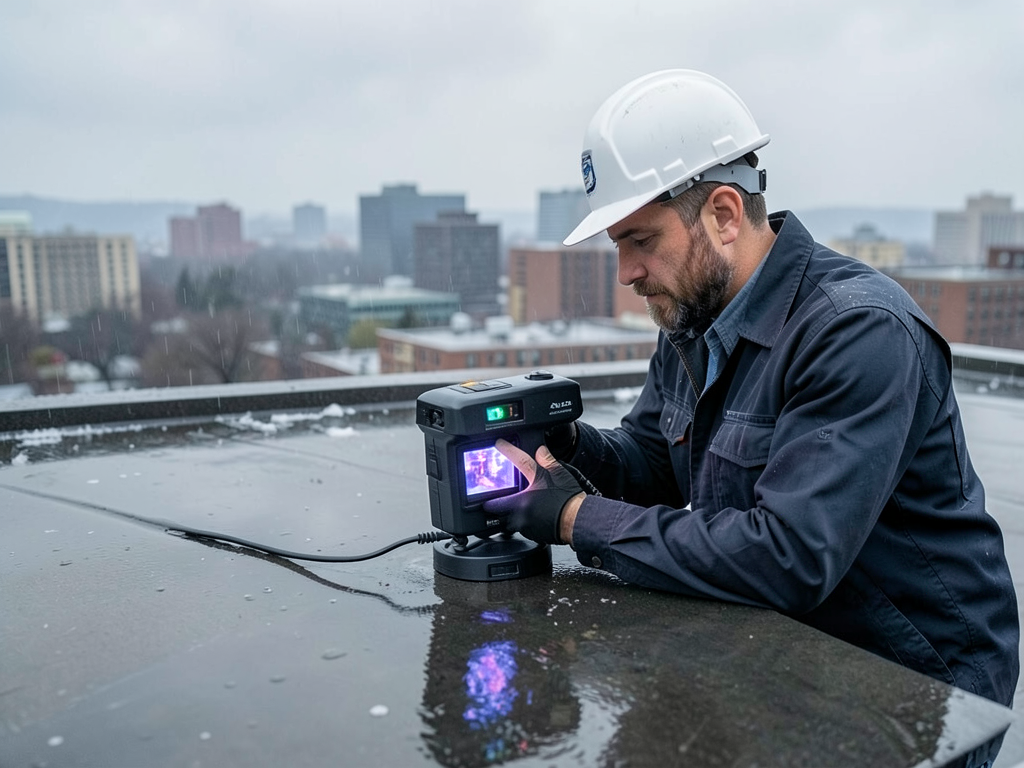
Most contractors see wet insulation and rush to replacement. That fixes nothing. We identify the water source first. Our technicians use thermal imaging cameras and moisture meters to map the intrusion path. A roof valley failure presents differently than a condensation problem or a hidden plumbing leak behind walls.

We document moisture levels in wood framing, drywall, and insulation itself. Readings above 19 percent moisture content in wood indicate active water damage. We trace the pattern back to entry points, whether that is failed flashing around chimneys, ice dam damage on north-facing slopes, or foundation cracks allowing groundwater infiltration.

Once we locate the source, we contain the affected area with plastic sheeting and negative air pressure. This prevents cross-contamination to clean spaces. We remove soaked insulation in sealed bags, not through your living areas where fiberglass particles can spread. Blown-in cellulose gets vacuumed with HEPA filtration. Fiberglass batts are hand-pulled and bagged at the source.

After removal, we dry the structural cavity using commercial dehumidifiers and air movers. We monitor daily until moisture readings drop below 15 percent. This typically takes three to five days depending on airflow and material density. Rushing this step guarantees mold growth under new insulation.

We inspect for mold growth on framing members. If present, we apply antimicrobial treatments and may remove affected wood if structural integrity is compromised. Only after complete drying and mold clearance do we recommend insulation replacement. We match the original R-value or upgrade to code if you are making insurance claims. The goal is restoring thermal performance and eliminating health hazards, not just making wet stuff disappear.

What Happens During Your Soggy Insulation Restoration

Soggy Insulation in Pittsburgh – Fast Diagnosis and Permanent Fixes for Water Damaged Insulation
01

Emergency Water Source Identification

We arrive within two hours of your call and immediately locate where water is entering your home. Using infrared cameras and calibrated moisture detection equipment, we map the intrusion pattern through walls, ceilings, and floors. You receive a written assessment identifying the primary leak source, secondary damage zones, and recommended containment steps before any demolition begins.
02

Safe Insulation Removal and Drying

Our crews establish containment barriers and extract saturated insulation using HEPA-filtered vacuums and sealed disposal methods. We remove only what is wet, preserving dry materials to control costs. Industrial dehumidifiers and air movers run continuously while we monitor moisture levels in framing and sheathing. This phase continues until structural readings confirm complete drying, typically three to six days depending on saturation depth.
03

Mold Treatment and Replacement

Before installing new insulation, we treat exposed framing with antimicrobial solutions if mold colonies are present. We verify clearance with air quality testing when necessary. New insulation is installed to match or exceed original R-values, using materials appropriate for the specific cavity and moisture risk. You receive documentation for insurance claims and a moisture baseline for future reference.

Why Pittsburgh Homeowners Trust Local Water Damage Expertise

Reliance Water Damage Restoration Pittsburgh understands how regional building practices impact water intrusion. Homes built before 1950 in neighborhoods like Mount Washington and Polish Hill used different framing techniques and insulation materials than modern construction. We know which walls contain horsehair plaster over wood lath and which have outdated vapor barriers that trap moisture rather than expel it.

Pittsburgh's topography creates drainage challenges. Homes built on hillsides face different water pressure issues than those in the floodplains near the Allegheny, Monongahela, and Ohio rivers. We factor in slope direction, soil composition, and foundation type when diagnosing why insulation became waterlogged. A home in the South Hills requires different mitigation strategies than a North Side property.

We work directly with Pittsburgh-area insurance adjusters who know local claim patterns. When you file for water damage, they ask specific questions about the age of your roof, whether you have ice dam protection, and if your sump pump failed during spring runoff. We document everything they need to process your claim quickly. Our estimates align with Xactimate pricing data for Allegheny County, preventing disputes over replacement costs.

Our crews are IICRC-certified in water damage restoration and applied microbial remediation. We follow Pennsylvania building codes for insulation R-values and vapor barrier placement. When we replace soggy insulation in your attic, we ensure compliance with current energy standards, which often means upgrading from R-30 to R-49 in unconditioned attic spaces.

You are not hiring a franchise operation managed from another state. Our team lives in the same communities we serve. We have pulled wet insulation from homes in every Pittsburgh neighborhood and understand the common failure points in local architecture.

What You Can Expect From Start to Finish

Response Time and Availability

We dispatch crews within two hours of your call, seven days per week. Soggy insulation emergencies do not wait for business hours. When you discover water dripping through your ceiling or smell mold in your walls, you need immediate containment. Our trucks carry moisture detection equipment, containment materials, and extraction tools to begin mitigation on the first visit. We assess the damage scope, provide a verbal estimate, and start water removal the same day. For after-hours emergencies, you reach a live technician, not an answering service. We understand that every hour wet insulation remains in place increases mold risk and structural damage.

Inspection and Damage Assessment

Our initial inspection maps all affected areas using thermal imaging and moisture meters. We check insulation in attics, crawlspaces, and wall cavities adjacent to the visible damage. Water travels along framing members and can saturate insulation far from the obvious leak. You receive a written assessment detailing moisture readings, affected square footage, and whether mold is present. We photograph everything for insurance documentation. If your wet insulation resulted from a roof leak, we coordinate with roofers to ensure the source is fixed before we restore the interior. We do not cover up problems. If framing members show rot or if electrical wiring is compromised, we inform you immediately.

Complete Drying and Restoration

After removing soaked insulation, we do not rush to replacement. We dry structural cavities completely using commercial-grade dehumidifiers and air movers positioned to maximize airflow. We take daily moisture readings until framing, sheathing, and drywall all register below 15 percent moisture content. This prevents mold growth under new insulation. When drying is verified, we install replacement insulation that meets or exceeds the original R-value. Fiberglass batts are friction-fit without compression. Blown-in cellulose is installed to manufacturer density specifications. You receive a cleaner, healthier, and more energy-efficient space than you had before the water damage occurred.

Documentation and Insurance Support

We provide detailed documentation for every phase of the restoration process. You receive moisture reading logs, photographic evidence of damage progression, and itemized estimates formatted for insurance submission. We communicate directly with adjusters to answer technical questions about drying protocols, mold remediation, and material costs. If your claim is disputed, we provide supplemental documentation explaining why specific steps were necessary. After project completion, you receive a final report with baseline moisture readings and recommendations for preventing future water intrusion. We do not offer warranties on waterproofing we did not perform, but we stand behind our drying, mold treatment, and insulation installation work.

Frequently Asked Questions

You Have Questions,
We Have Answers

Will wet insulation ever dry out? +

Wet insulation can technically dry out, but the question is whether it should stay in place. Fiberglass and cellulose insulation compress when wet, losing thermal efficiency permanently even after drying. Drying also depends on air circulation and humidity levels. Pittsburgh's humid summers slow evaporation, keeping materials damp longer. If water sat for more than 48 hours, mold contamination is likely. Basement and crawl space insulation rarely dries completely due to poor ventilation. The compressed, contaminated material will not perform as designed. Replacement is usually the only way to restore proper insulation values and prevent indoor air quality problems.

How to fix wet insulation? +

First, stop the water source. Identify leaks from roofs, burst pipes, or foundation cracks. Remove soaked insulation immediately to prevent mold growth and structural damage. Fiberglass batts pull out easily. Blown-in cellulose requires vacuuming. Dry the cavity completely using fans and dehumidifiers. Pittsburgh's humidity makes this process slower, especially in basements. Inspect framing for rot or mold. Treat affected wood with antimicrobial solutions. Once everything is dry and treated, install new insulation. Do not reuse old material. Compressed or contaminated insulation fails to insulate properly and poses health risks. A moisture barrier may prevent future problems.

Will mold grow on wet insulation? +

Yes. Mold thrives on wet organic materials, and most insulation types provide ideal conditions. Cellulose insulation, made from recycled paper, feeds mold directly. Fiberglass does not feed mold, but dust and debris trapped in the fibers do. Mold starts growing within 24 to 48 hours of water exposure. Pittsburgh's high humidity accelerates this timeline. Basements, crawl spaces, and attics with poor ventilation see the fastest mold colonization. Once mold takes hold, it spreads through spores and damages indoor air quality. Wet insulation must be removed quickly. Drying it in place leaves contamination behind and risks respiratory problems for occupants.

Why is my insulation getting wet? +

Common causes include roof leaks, burst pipes, foundation cracks, and condensation. In Pittsburgh, freeze-thaw cycles crack foundations, letting groundwater seep into basements and crawl spaces. Ice dams form on roofs during winter, forcing meltwater under shingles and into attics. Poorly ventilated bathrooms and kitchens create condensation that soaks wall insulation. Plumbing leaks inside walls often go unnoticed until insulation is saturated. Gutters clogged with leaves direct water toward the foundation. Sump pump failures flood basements quickly during heavy rain. Identifying the source is critical. Fixing insulation without stopping the water guarantees the problem returns.

How long does it take for mold to grow on wet insulation? +

Mold can start growing on wet insulation within 24 to 48 hours under the right conditions. Temperature, humidity, and material type all affect the timeline. Cellulose insulation made from paper products feeds mold immediately. Fiberglass resists mold growth but traps organic dust that mold colonizes. Pittsburgh's humid climate shortens the window. Basements and crawl spaces with stagnant air see mold faster than ventilated attics. Once mold begins, it spreads rapidly through airborne spores. Health risks increase as spores circulate through HVAC systems. Quick water extraction and insulation removal within 24 hours prevent mold from taking hold.

Can mold grow on blown-in insulation? +

Yes. Blown-in insulation, whether cellulose or fiberglass, supports mold growth when wet. Cellulose is particularly vulnerable because it is made from treated paper and wood fibers. These organic materials feed mold directly. Even treated cellulose loses mold resistance after prolonged water exposure. Blown-in fiberglass resists mold better but still traps moisture and organic debris that mold colonizes. Pittsburgh attics and wall cavities with poor ventilation compound the problem. Once mold spreads through blown-in insulation, removal is difficult. The material must be vacuumed out completely. Leaving contaminated insulation in place creates ongoing air quality problems and health risks.

Can mold grow under spray foam insulation? +

Yes, but not on the foam itself. Spray foam is inert and does not feed mold. However, mold grows on organic materials trapped between the foam and the substrate. If water leaks behind spray foam, it cannot evaporate. Moisture stays trapped against wood framing, drywall, or sheathing. Pittsburgh homes with older foundations or roofs see this frequently. The foam acts as a vapor barrier, preventing drying. Mold colonizes the hidden surfaces, causing rot and odors. Diagnosis requires removing sections of foam, which is expensive. Proper installation and addressing water intrusion before applying spray foam prevents this issue.

What does water damaged insulation look like? +

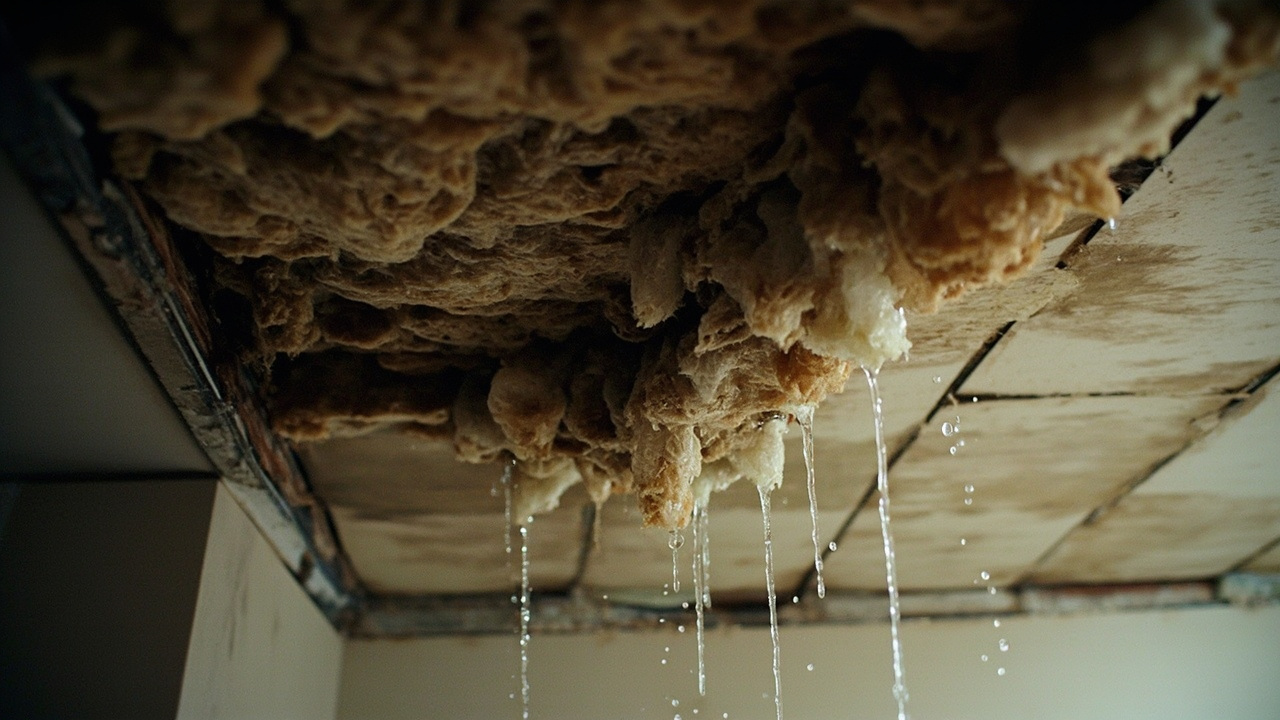
Water damaged insulation shows visible signs. Fiberglass batts sag, compress, and turn dark or discolored. Yellow or brown staining indicates prolonged water exposure. Cellulose insulation clumps together and feels heavy. It may smell musty or sour. Spray foam shows staining on adjacent surfaces rather than the foam itself. Check for mold growth, which appears as black, green, or white patches. In Pittsburgh basements, efflorescence on foundation walls signals moisture problems affecting insulation. Wet insulation loses its fluffy texture and does not spring back when touched. Any visible water damage means the insulation has lost thermal performance and requires replacement.

Why is it hard to sell a house with spray foam insulation? +

Spray foam insulation complicates home sales because it can hide structural problems and moisture issues. Inspectors cannot see behind the foam to check framing, wiring, or plumbing. If improperly installed, it traps moisture against sheathing, causing hidden rot. Some lenders flag homes with spray foam, requiring additional inspections or refusing loans. Pittsburgh's older housing stock with settling foundations and aging roofs increases this risk. Buyers worry about removal costs if problems arise. Off-gassing from low-quality foam raises air quality concerns. Homes with spray foam in unvented attics may not meet current building codes. Transparency about installation quality and condition helps.

Does insulation need to be replaced after water damage? +

Yes, in most cases. Water damaged insulation loses thermal efficiency permanently. Fiberglass compresses and does not regain its original loft. Cellulose clumps and breaks down. Even if dried, contamination from mold, bacteria, and debris remains. This creates indoor air quality problems and health risks. Pittsburgh's high humidity prevents complete drying, especially in basements and crawl spaces. Insurance typically covers replacement after sudden water damage like burst pipes or roof leaks. Attempting to salvage wet insulation costs more long term through higher energy bills and potential mold remediation. Removing and replacing damaged insulation restores your home's efficiency and protects occupant health.

How Pittsburgh's Humidity and Freeze-Thaw Cycles Worsen Soggy Insulation Problems

Pittsburgh's average relative humidity hovers around 70 percent year-round, well above the 50 percent threshold where mold thrives. When water damaged insulation pulls this moisture into wall and attic cavities, it never fully dries on its own. Winter compounds the problem. Temperatures swing from below freezing at night to above freezing during the day, creating ice dams on roofs throughout Shadyside, Brookline, and Dormont. Meltwater backs up under shingles and saturates attic insulation. Basements in older homes near the rivers flood during spring runoff, soaking floor joist insulation that stays damp for months. This regional climate pattern makes Pittsburgh particularly vulnerable to chronic wet insulation issues that require professional intervention.

Allegheny County enforces strict building codes for insulation replacement following water damage. Any project requiring permits must meet current energy standards, which often means upgrading R-values beyond what existed previously. We stay current on these requirements and ensure all replacement work passes inspection. Our familiarity with local building departments streamlines the permitting process. Insurance companies operating in Pittsburgh know these standards and expect estimates to reflect code-compliant upgrades. Choosing a restoration provider who understands these local nuances prevents claim delays and ensures your home is restored correctly the first time.
Water Damage Restoration Services in The Pittsburgh Area

While we provide rapid mobile service directly to your location, you can also find our physical business location on the map below. This map highlights our primary service area and shows our commitment to serving the Pittsburgh community. We are always ready to dispatch our expert team to your home or business, no matter where you are in our service region. Feel free to use the interactive map to get directions or to visualize our proximity to you.

Address:
Reliance Water Damage Restoration Pittsburgh, 201 S Craig St, Pittsburgh, PA, 15213

Additional Services We Offer

Our news updates

Latest Articles & News from The Blogs

How to tell if you have a expensive slab leak under your Franklin Park home Franklin Park homeowners face a…

How to tell if you have a expensive slab leak under your Franklin Park home

How to tell if you have a expensive slab leak under your Franklin Park home Franklin Park homeowners face a…

What to do when your office fire sprinklers go off by mistake in Downtown Pittsburgh

What to do when your office fire sprinklers go off by mistake in Downtown Pittsburgh When fire sprinklers discharge without…

Preserving the original masonry in Mexican War Streets homes after a water leak

Preserving the original masonry in Mexican War Streets homes after a water leak When water infiltrates the historic brick and…

Contact Us

Water damaged insulation worsens every day it remains in your home. Call Reliance Water Damage Restoration Pittsburgh now at (412) 382-8788 for same-day assessment and containment. We stop the damage progression and restore safe, dry conditions fast.