


Menu

Mold Remediation & Removal in Pittsburgh – Certified Abatement from Hidden Growth to Clean Air

Professional mold mitigation for Pittsburgh properties threatened by basement seepage, aging housing stock, and high humidity. We handle mold remediation from initial containment through post-clearance testing.

Slider Image 1
Slider Image 2
Slider Image 3
Slider Image 4
Slider Image 5
Slider Image 7
Slider Image 8
Slider Image 9
Slider Image 10
Slider Image 11

Why Pittsburgh Homes and Buildings Face Persistent Mold Problems

Pittsburgh's unique combination of high annual rainfall, humid summers, and aging infrastructure creates ideal conditions for mold colonization. The city receives roughly 38 inches of precipitation yearly, and many properties in neighborhoods like Squirrel Hill, Shadyside, and Lawrenceville feature basements that were never designed with modern waterproofing systems. When groundwater intrusion meets poor ventilation, mold spores germinate within 24 to 48 hours.

The situation worsens in Pittsburgh's historic housing stock. Homes built before 1970 often lack vapor barriers, and brick facades common throughout the city can trap moisture behind interior walls. You cannot see the growth happening inside wall cavities or above ceiling tiles, but the musty odor and respiratory irritation tell the story. Black mold, particularly Stachybotrys chartarum, thrives in these hidden spaces and releases mycotoxins that affect indoor air quality.

Many Pittsburgh property owners discover mold only after water damage from burst pipes during freeze-thaw cycles or after spring flooding near the Allegheny, Monongahela, or Ohio rivers. By that point, surface cleaning with bleach will not solve the problem. Professional mold decontamination requires containment barriers, HEPA filtration, antimicrobial treatment, and controlled removal of contaminated materials. Mold abatement is not about masking symptoms. It is about eliminating the fungal colony at the source and correcting the moisture problem that allowed it to grow. Without proper mold mitigation, spores spread through HVAC systems and recolonize within weeks.

Why Pittsburgh Homes and Buildings Face Persistent Mold Problems
How Professional Mold Remediation Works in Pittsburgh Properties

How Professional Mold Remediation Works in Pittsburgh Properties

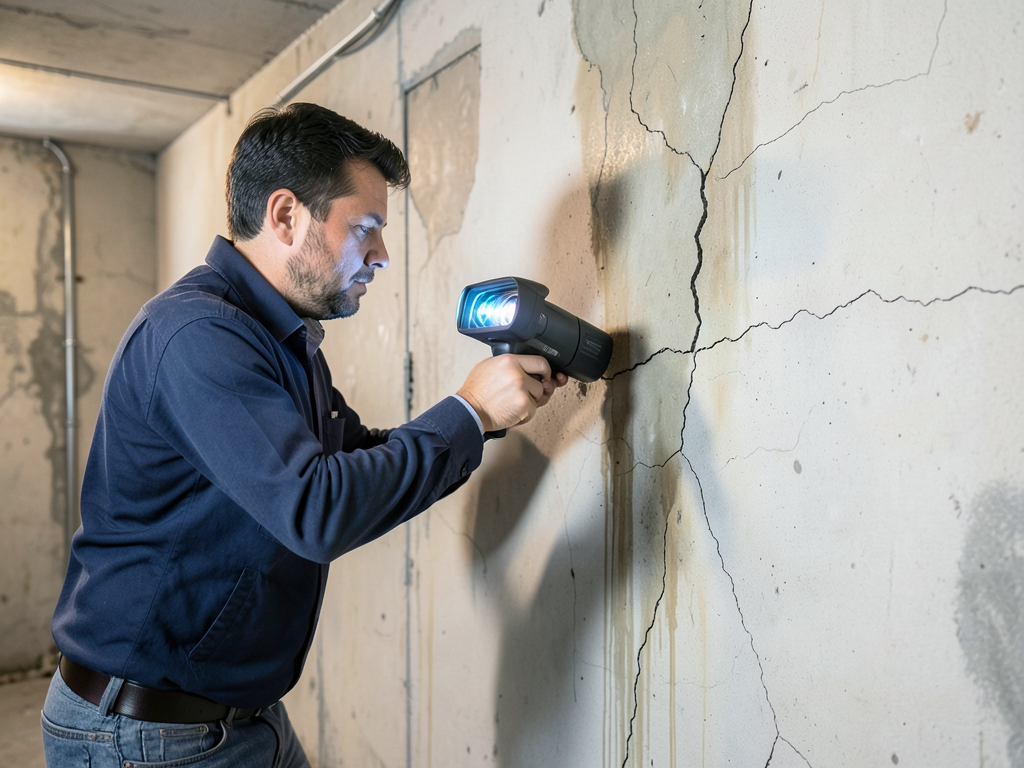
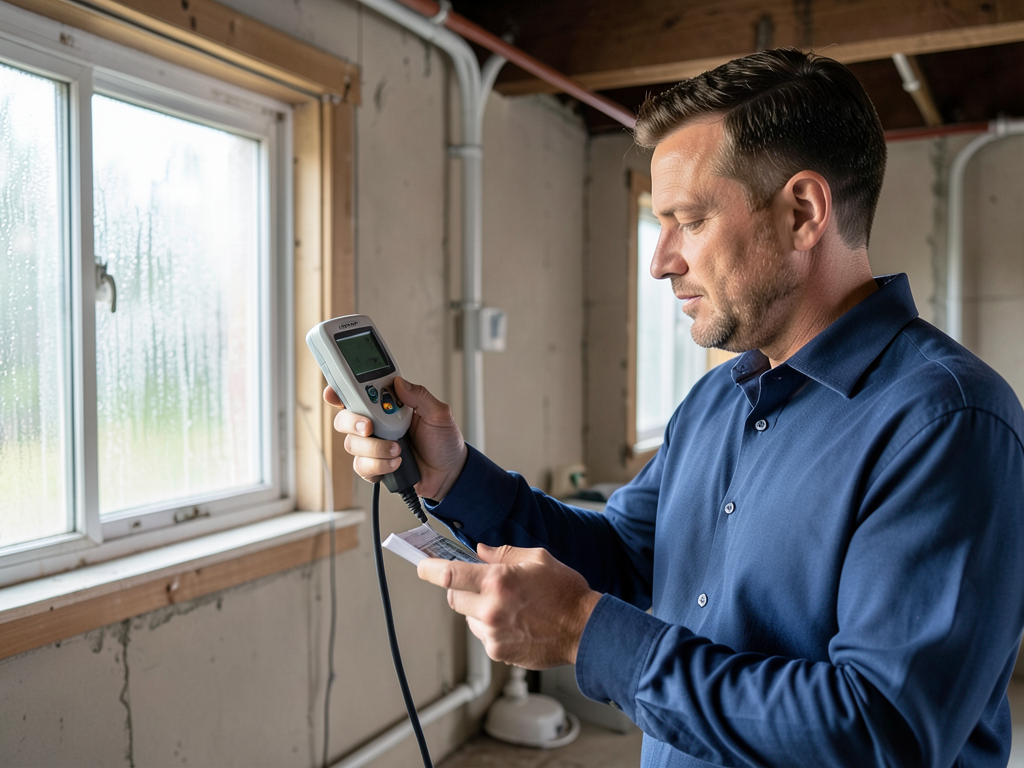
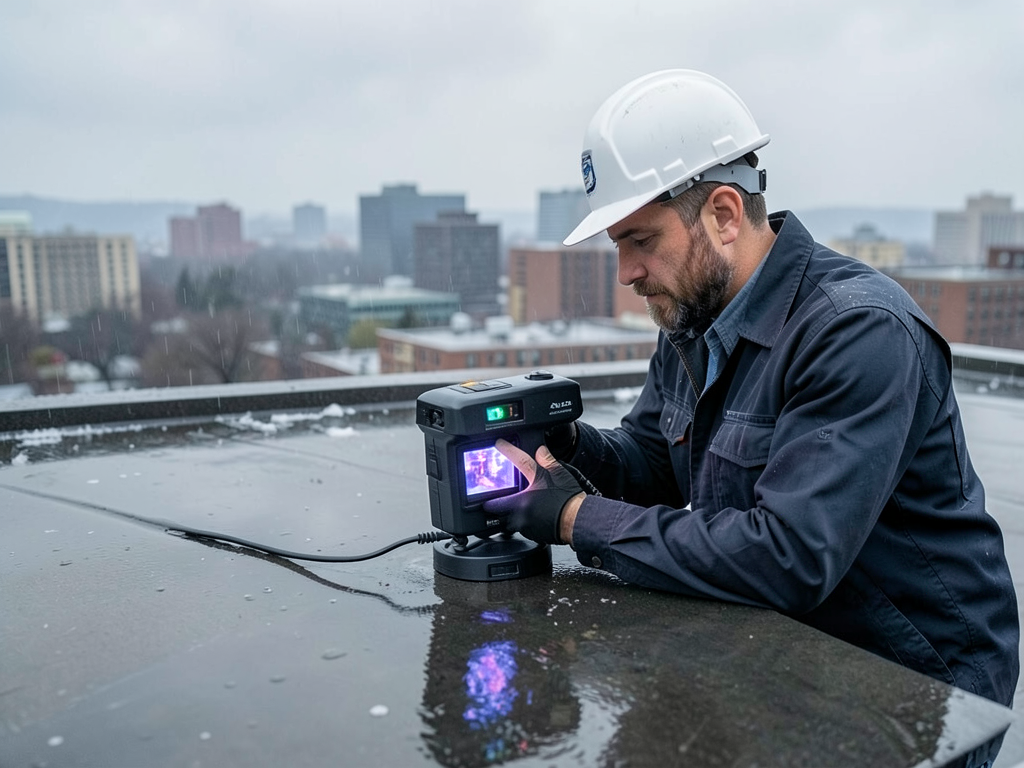
Effective mold cleanup services begin with source moisture identification. We use thermal imaging cameras and moisture meters to map water intrusion pathways. In Pittsburgh, this often means checking foundation cracks common in clay soil areas, inspecting roof valleys prone to ice damming, and testing crawl spaces with inadequate drainage. You cannot remediate mold successfully if the water source remains active.

Containment comes next. We seal off affected areas with polyethylene sheeting and create negative air pressure using HEPA-filtered air scrubbers. This prevents cross-contamination to unaffected spaces. For larger commercial projects in buildings along the Strip District or Downtown, we install decontamination chambers and establish controlled entry points to protect occupants and workers.

The removal process depends on material porosity. Non-porous surfaces like metal or glass get scrubbed with antimicrobial solutions. Porous materials like drywall, insulation, or carpet padding get removed and disposed of according to Pennsylvania Department of Environmental Protection guidelines. We bag contaminated materials in six-mil polyethylene before transport. HEPA vacuuming captures residual spores from studs, joists, and concrete surfaces.

After physical removal, we apply EPA-registered antimicrobial agents to remaining structural elements. The final step involves post-remediation verification. An independent third-party hygienist performs air quality testing to confirm spore counts have returned to normal ambient levels. Reliance Water Damage Restoration Pittsburgh provides documentation of clearance testing for insurance claims and real estate transactions. This multi-phase approach to professional mold removal ensures the problem does not return once walls get closed up and painted.

What Happens During Your Mold Remediation Project

Mold Remediation & Removal in Pittsburgh – Certified Abatement from Hidden Growth to Clean Air
01

Inspection and Moisture Mapping

We arrive with thermal imaging equipment and moisture detection tools to identify all water sources feeding mold growth. You will see exactly where moisture enters your property and how far contamination has spread. We document findings with photos and moisture readings, then create a remediation protocol specific to your Pittsburgh property's construction type and the mold species present. This diagnostic phase typically takes two to four hours depending on property size.
02

Containment and Removal

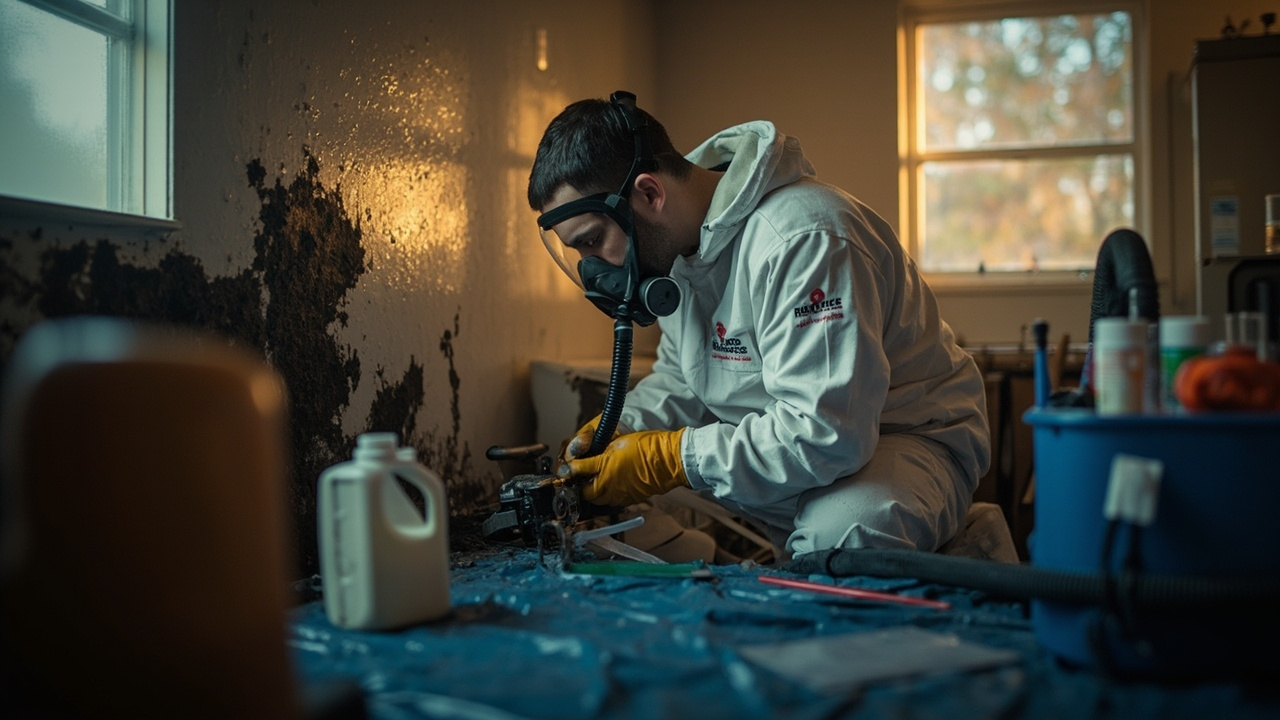
We establish physical barriers using polyethylene sheeting and set up HEPA air filtration to prevent spore migration. Contaminated materials get removed according to industry protocols for mold abatement. You will notice negative air pressure keeping spores from spreading to clean areas. Our technicians wear respiratory protection and disposable suits during this phase. We bag all contaminated debris in sealed containers before removal. This phase duration depends on contamination extent but usually takes one to five days.
03

Treatment and Verification

After physical removal, we treat remaining surfaces with antimicrobial solutions and encapsulants. The final step involves third-party air quality testing to verify spore counts meet acceptable levels. You receive a clearance report documenting that your property is safe for reconstruction and occupancy. This verification process protects you legally and confirms the mold mitigation was successful. Most properties receive clearance within 48 hours of treatment completion if moisture issues were corrected.

Why Pittsburgh Property Owners Choose Local Mold Remediation Experts

Mold remediation requires understanding how Pittsburgh's specific construction methods and climate patterns interact. A technician familiar with the clay soil subsidence common in areas like Mount Washington or the drainage issues in Polish Hill can identify moisture pathways that out-of-town contractors miss. We know that many Pittsburgh homes have sandstone foundations that wick moisture, and that row houses in neighborhoods like Bloomfield share common walls where water migrates between properties.

Local knowledge extends to regulatory compliance. Allegheny County has specific requirements for mold disposal and renovation work in occupied buildings. We maintain relationships with local industrial hygienists who perform independent clearance testing accepted by Pittsburgh-area insurance adjusters and real estate attorneys. When you need documentation for a property sale or litigation, local verification carries more weight than reports from distant labs unfamiliar with regional standards.

Response time matters during mold emergencies. When you discover growth after a pipe burst or sewage backup, every hour of delay allows deeper colonization into building materials. Reliance Water Damage Restoration Pittsburgh maintains equipment locally and can begin containment the same day you call. We do not need to mobilize crews from other regions or rent equipment from distant suppliers. Our technicians live in Pittsburgh and understand the urgency when mold threatens your property value or your family's health.

We also coordinate directly with Pittsburgh-area contractors for reconstruction after remediation. Finding a roofer who understands how to properly flash valleys on Pittsburgh's steep-pitched roofs, or a foundation specialist familiar with local soil conditions, makes the difference between solving the problem and watching mold return six months later. Mold decontamination works only when paired with permanent moisture correction.

What to Expect From Professional Mold Cleanup Services

Response Time and Project Duration

We respond to mold emergencies within two to four hours across Pittsburgh and surrounding areas. Initial containment and source identification happens the day we arrive. Small residential projects in a single room typically take two to three days from containment through clearance testing. Larger projects involving multiple rooms or commercial buildings may require one to two weeks depending on contamination extent and drying time for treated surfaces. We provide a detailed timeline during the initial inspection so you can plan for temporary relocation if needed. Projects cannot proceed to reconstruction until independent testing confirms successful mold mitigation.

Initial Assessment and Scope Development

Your project begins with a comprehensive inspection using moisture meters, thermal cameras, and visual assessment of all potentially affected areas. We check HVAC systems, crawl spaces, attics, and wall cavities. You receive a written scope of work detailing which materials require removal, which surfaces can be treated in place, and what moisture corrections are needed. This assessment includes estimates for insurance claim documentation. We identify mold species when necessary through lab analysis to determine appropriate remediation protocols. The inspection fee applies toward remediation costs if you proceed with our services.

Final Results and Air Quality

Successful mold remediation means returning your property to pre-loss condition with verified clean air quality. You receive documentation showing spore counts at or below normal ambient levels for Pittsburgh. All treated surfaces are dry, sanitized, and ready for reconstruction. We remove all contaminated materials from your property and dispose of them according to Pennsylvania environmental regulations. The musty odor disappears completely because we eliminated the source rather than masking it. Your property is safe for occupancy and reconstruction can begin immediately after clearance testing confirms successful remediation.

Post-Remediation Support and Prevention

After clearance, we provide recommendations for preventing future mold growth. This includes guidance on maintaining proper ventilation, managing indoor humidity levels below 60 percent, and addressing any remaining moisture vulnerabilities in your Pittsburgh property. We coordinate with contractors for necessary repairs like foundation waterproofing, roof repairs, or HVAC modifications. You receive all documentation needed for insurance claims, including photos, moisture readings, and third-party lab reports. If moisture issues were not fully corrected and mold returns, we identify the source and adjust the remediation approach. Proper moisture control is the only permanent solution to mold problems.

Frequently Asked Questions

You Have Questions,
We Have Answers

How much does it cost to remove mold? +

Mold removal costs in Pittsburgh typically range from a few hundred dollars for small, isolated areas to several thousand for extensive contamination. The final price depends on the size of the affected area, the type of mold, and the extent of structural damage. Pittsburgh's high humidity and older housing stock can complicate remediation, especially in basements prone to moisture intrusion. A professional inspection identifies the scope before quoting. Factors like containment setup, air filtration, and material disposal all affect pricing. Insurance may cover mold remediation if it stems from a covered water damage event.

What is the difference between mold removal and mold remediation? +

Mold removal refers to physically cleaning visible mold from surfaces. Mold remediation is a comprehensive process that removes mold, identifies and fixes the moisture source, and restores indoor air quality to safe levels. Remediation recognizes that mold spores exist everywhere and focuses on reducing them to normal background levels rather than impossible total elimination. In Pittsburgh, where basement moisture and poor ventilation are common, remediation addresses the root cause like leaking foundations or inadequate drainage. Removal alone is a temporary fix. Remediation prevents mold from returning by controlling the environment that allowed growth.

How expensive is it to remediate mold? +

Mold remediation costs vary widely based on contamination severity and property size. Small projects affecting under 10 square feet may cost a few hundred dollars. Larger infestations spanning multiple rooms or requiring structural repairs can reach several thousand. Pittsburgh homes with finished basements or crawl space moisture issues often face higher costs due to restricted access and additional moisture control measures. Professional remediation includes inspection, containment, air scrubbing, material removal, antimicrobial treatment, and verification testing. While expensive, proper remediation protects your health and property value. Many homeowners insurance policies cover mold if linked to sudden water damage.

Can mold be fully removed from a house? +

Mold cannot be fully eliminated from any house because spores exist naturally in outdoor and indoor air. Professional remediation reduces mold to safe, normal background levels and removes active growth. The goal is containment and prevention, not perfection. In Pittsburgh's humid climate, controlling moisture is critical to keeping mold inactive. After remediation, fixing leaks, improving ventilation, and using dehumidifiers in basements prevent recurrence. Porous materials like drywall or insulation with heavy contamination must be removed. Hard surfaces can be cleaned and treated. Proper remediation makes your home safe without the impossible standard of zero spores.

Is professional mold removal worth it? +

Professional mold removal is worth it when contamination exceeds 10 square feet, affects HVAC systems, or involves toxic mold species like black mold. Professionals use containment barriers, HEPA filtration, and antimicrobial treatments to prevent cross-contamination and health risks. In Pittsburgh, where older homes often have hidden mold in basements or behind walls, professionals identify the moisture source and prevent recurrence. DIY efforts often spread spores or miss hidden growth. Professional remediation protects your family's health, preserves property value, and provides documentation for insurance claims or real estate transactions. The investment prevents larger structural damage and medical costs.

What kills mold permanently? +

Nothing kills mold permanently because spores are always present in the air. The key is eliminating moisture, mold's fuel source. Professional remediation uses EPA-registered antimicrobial solutions and fungicides to kill active mold and inhibit regrowth on treated surfaces. However, if moisture returns, mold will too. In Pittsburgh, controlling basement humidity with dehumidifiers, fixing foundation leaks, and improving ventilation prevents mold activation. Porous materials like drywall or carpet with deep contamination must be removed and replaced. Hard surfaces can be treated and cleaned. Permanent mold control requires permanent moisture control, not just chemical treatment.

Do you have to throw everything away with mold in the house after? +

You do not have to throw away everything after discovering mold. Non-porous items like metal, glass, and hard plastics can be cleaned and disinfected. Porous materials like drywall, insulation, carpet, and upholstered furniture with heavy contamination usually require disposal because mold penetrates deep into fibers and cannot be fully removed. Personal items like clothing or books can often be salvaged if treated quickly. In Pittsburgh's humid environment, items stored in damp basements are higher risk. A professional assessment determines what can be saved versus discarded. Acting quickly limits spread and reduces losses.

What are the first signs of mold sickness? +

The first signs of mold sickness include persistent coughing, sneezing, throat irritation, nasal congestion, and watery eyes. You may experience headaches, fatigue, or difficulty concentrating. People with asthma or allergies often notice worsening symptoms. Skin rashes or irritation can occur from direct contact. In Pittsburgh homes with basement mold or poor ventilation, symptoms often worsen indoors and improve when you leave. Not everyone reacts to mold exposure, but children, elderly individuals, and those with compromised immune systems are most vulnerable. If you suspect mold-related illness, consult a doctor and schedule a professional mold inspection immediately.

What to do if you can't afford mold remediation? +

If you cannot afford full mold remediation, prioritize immediate actions to limit exposure and growth. Isolate the affected area by closing doors and sealing vents. Use a dehumidifier to drop humidity below 50 percent. Fix any active leaks or water intrusion points. For small areas under 10 square feet, you can carefully clean with detergent and water while wearing protective gear. Contact your insurance company, as policies may cover mold from sudden water damage. Some Pittsburgh-area nonprofits or municipal programs assist low-income homeowners with health hazards. Document everything with photos and consider phased remediation, addressing the worst areas first.

Can I remediate mold myself? +

You can remediate small mold patches under 10 square feet yourself if the mold is surface-level and not caused by sewage or contaminated water. Wear an N95 mask, gloves, and eye protection. Use detergent and water or a diluted bleach solution on hard surfaces. Bag and discard porous materials like drywall. However, DIY remediation risks spreading spores, missing hidden growth, or failing to address the moisture source. Pittsburgh's older homes often have mold in crawl spaces or behind walls requiring professional equipment. For large areas, toxic mold species, or structural concerns, hire a certified professional to protect your health and property.

How Pittsburgh's Aging Infrastructure and River Valleys Create Mold Risks

Pittsburgh sits at the confluence of three rivers in a region with high humidity and clay soil prone to settling. Homes built before 1970, particularly in hillside neighborhoods like Mount Washington and South Side Slopes, often lack proper foundation waterproofing and vapor barriers. When groundwater seeps through sandstone foundations common in older Pittsburgh construction, it creates perfect conditions for mold colonization in basements and crawl spaces. The city's 446 bridges and aging stormwater infrastructure mean many properties face periodic flooding or chronic dampness that homeowners do not discover until mold odor or health symptoms appear.

Professional mold abatement in Pittsburgh requires understanding how local construction methods interact with climate and topography. A remediation company familiar with row house construction in Lawrenceville knows to check shared walls for moisture migration. Technicians who work regularly in Strip District commercial buildings understand the ventilation challenges in century-old brick warehouses. Reliance Water Damage Restoration Pittsburgh maintains relationships with local industrial hygienists, insurance adjusters, and contractors who understand regional building practices. When clearance testing and reconstruction require coordination across multiple specialists, local expertise speeds the process and ensures mold cleanup services meet Allegheny County requirements for occupied buildings.
Water Damage Restoration Services in The Pittsburgh Area

While we provide rapid mobile service directly to your location, you can also find our physical business location on the map below. This map highlights our primary service area and shows our commitment to serving the Pittsburgh community. We are always ready to dispatch our expert team to your home or business, no matter where you are in our service region. Feel free to use the interactive map to get directions or to visualize our proximity to you.

Address:
Reliance Water Damage Restoration Pittsburgh, 201 S Craig St, Pittsburgh, PA, 15213

Additional Services We Offer

Our news updates

Latest Articles & News from The Blogs

How to tell if you have a expensive slab leak under your Franklin Park home Franklin Park homeowners face a…

How to tell if you have a expensive slab leak under your Franklin Park home

How to tell if you have a expensive slab leak under your Franklin Park home Franklin Park homeowners face a…

What to do when your office fire sprinklers go off by mistake in Downtown Pittsburgh

What to do when your office fire sprinklers go off by mistake in Downtown Pittsburgh When fire sprinklers discharge without…

Preserving the original masonry in Mexican War Streets homes after a water leak

Preserving the original masonry in Mexican War Streets homes after a water leak When water infiltrates the historic brick and…

Contact Us

Call Reliance Water Damage Restoration Pittsburgh now at (412) 382-8788 for same-day mold assessment. We provide containment, removal, and verified clearance testing for residential and commercial properties throughout the Pittsburgh metro area.