




Menu

Peeling Paint & Wallpaper in Pittsburgh | We Find the Hidden Water Damage Before It Spreads

Expert diagnosis and water damage restoration for bubbling paint, blistering wall paint, and lifting wallpaper caused by Pittsburgh's humidity, aging infrastructure, and foundation moisture intrusion.

Slider Image 1
Slider Image 2
Slider Image 3
Slider Image 4
Slider Image 5
Slider Image 7
Slider Image 8
Slider Image 9
Slider Image 10
Slider Image 11

Why Your Walls Are Falling Apart in Pittsburgh

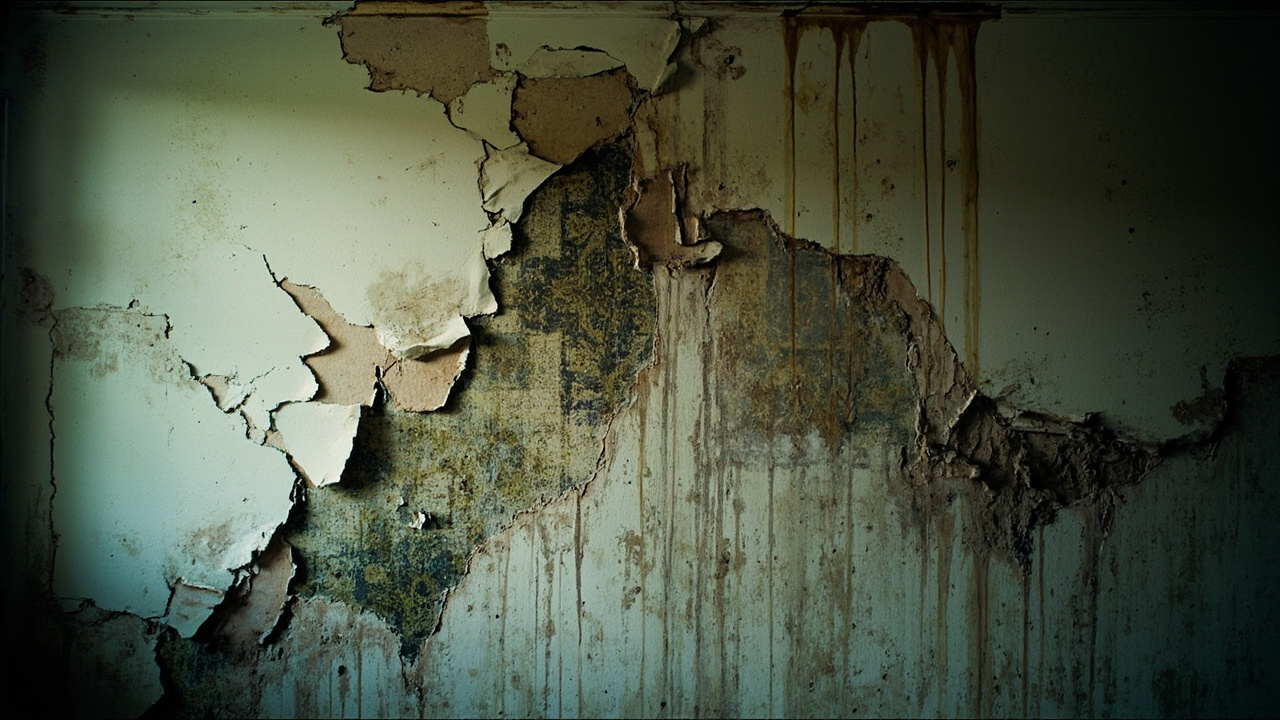
You notice bubbling paint above the baseboard. By next week, the wallpaper in the hallway is lifting at the seams. This is not a cosmetic problem. This is active water damage, and it is progressing behind your walls right now.

Pittsburgh's weather is brutal on buildings. We get freeze-thaw cycles that crack foundation walls. We get spring rains that overwhelm aging storm drains. We get summer humidity that never fully dries out basement walls. All of that moisture finds its way into your drywall, and when it does, the paint blisters. The wallpaper peels. The gypsum core starts to crumble.

Flaking paint on an exterior wall can signal failed flashing or clogged gutters. Blistering wall paint in a bathroom often means a leaking drain line inside the wall cavity. Loose wallpaper in a bedroom above the garage can indicate roof runoff pooling against the foundation and wicking up through framing.

The problem is not the paint. The problem is the water. Until you find the source and dry the structure, the damage will spread. You will see mold. You will smell it. You will lose insulation value, structural integrity, and indoor air quality.

Reliance Water Damage Restoration Pittsburgh specializes in diagnosing the hidden moisture intrusion that causes these visible failures. We do not patch over symptoms. We stop the water, remove the damage, and restore the building envelope.

Why Your Walls Are Falling Apart in Pittsburgh
How We Stop the Damage and Fix It Right

How We Stop the Damage and Fix It Right

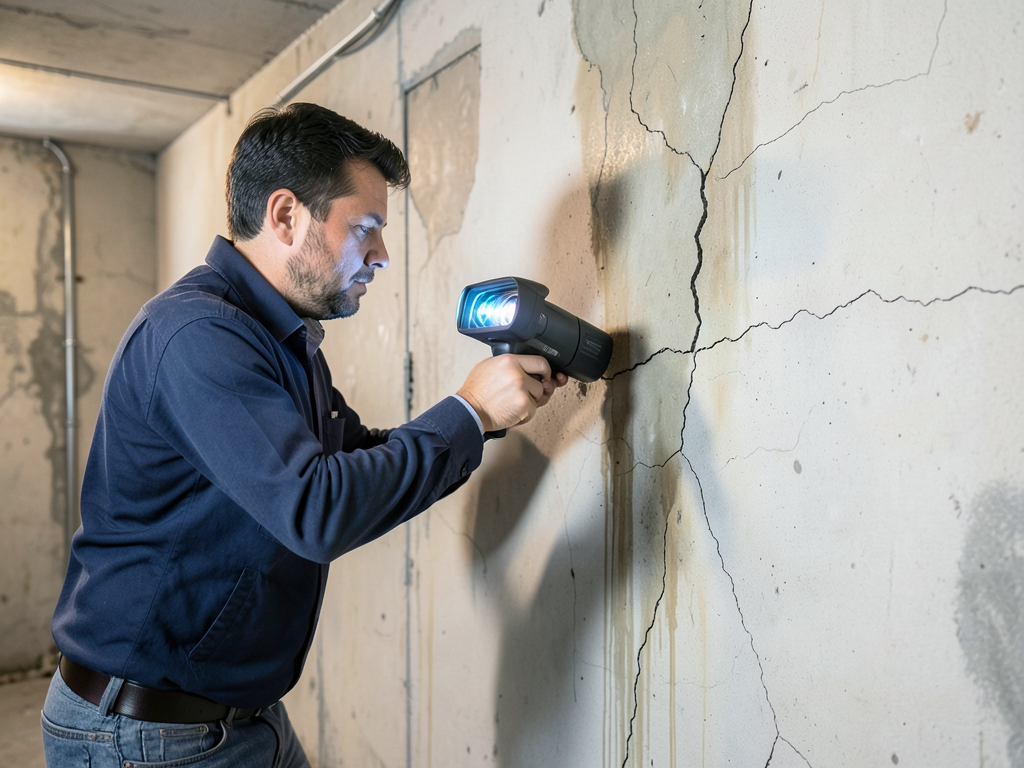
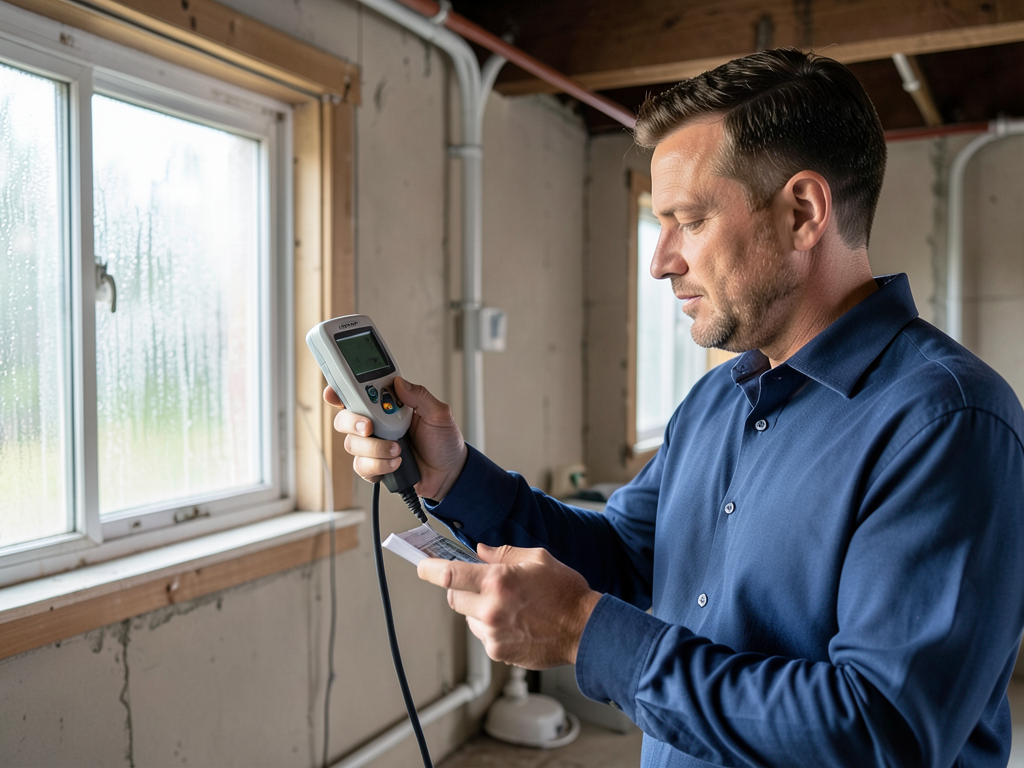
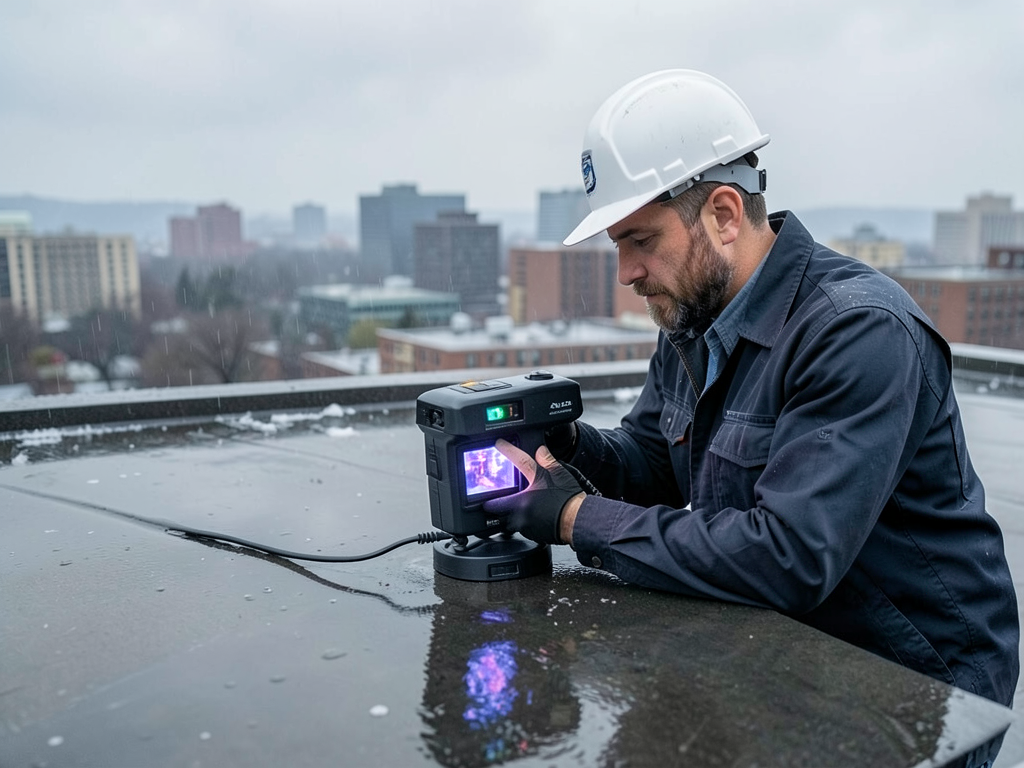
We start with moisture mapping. We use thermal imaging cameras to see temperature differentials behind walls. We use pin-type and non-invasive moisture meters to measure water content in drywall, studs, and insulation. This tells us where the water is now and where it came from.

Next, we identify the source. Common culprits in Pittsburgh include failed mortar joints in brick veneer, ice dam backup on low-slope roofs, condensation from unvented crawlspaces, and hydrostatic pressure against basement walls. We also see a lot of plumbing leaks in older homes with galvanized supply lines and cast iron waste stacks.

Once we locate the intrusion point, we stop it. That might mean sealing a foundation crack with epoxy injection, replacing a section of corroded pipe, or installing a vapor barrier in the crawlspace. The repair depends on the diagnosis.

Then we remove the damaged materials. Wet drywall has to come out. Wet insulation has to come out. If the framing is wet, we dry it with commercial dehumidifiers and air movers until moisture levels drop below 15 percent. We do not close walls until the structure is bone dry.

Finally, we rebuild with mold-resistant materials. We use paperless drywall in high-risk areas. We apply vapor barriers where needed. We prime with stain-blocking primer before paint.

This process takes longer than slapping new paint over bubbling walls. It also works. You will not see peeling paint again because the water is gone.

What Happens When You Call Us About Peeling Paint

Peeling Paint & Wallpaper in Pittsburgh | We Find the Hidden Water Damage Before It Spreads
01

Initial Moisture Assessment

We arrive with moisture detection equipment and begin scanning the affected walls. Thermal imaging shows us cold spots where evaporation is happening. Moisture meters give us exact readings at different depths. We document everything with photos and notes. This assessment tells us how far the water has traveled and helps us identify the entry point before we open any walls.
02

Source Identification and Mitigation

We trace the moisture back to its origin. This might involve checking roof penetrations, testing plumbing connections, or inspecting foundation grading. Once we find the source, we stop the water immediately. That could mean a temporary patch, a valve shutoff, or rerouting drainage. No demolition happens until the active intrusion is controlled. Otherwise, you are paying to dry a structure that is still getting wet.
03

Drying and Restoration

We set up drying equipment and remove wet materials. Dehumidifiers run until moisture readings are normal. Once dry, we rebuild with appropriate materials for the location. Basements get mold-resistant drywall. Bathrooms get proper vapor barriers. We finish with stain-blocking primer to prevent any residual tannins from bleeding through. You get a wall system designed to handle Pittsburgh's humidity without blistering again.

Why Pittsburgh Homeowners Choose Reliance for Hidden Water Damage

Most painters will scrape off the loose paint, spackle the bubbles, and roll on two coats. In six months, the blistering comes back. That is because they treated the symptom, not the cause.

We are not painters. We are water damage diagnosticians. We understand building science. We know that Pittsburgh's older housing stock has specific vulnerabilities. Many homes in Shadyside, Squirrel Hill, and the North Side were built with solid masonry walls and no vapor barriers. Those walls absorb groundwater like a sponge during heavy rain. When interior humidity is high, that moisture migrates inward and condenses behind wallpaper and oil-based paint.

We also understand local construction methods. Pittsburgh has thousands of homes with stone foundations and dirt-floor crawlspaces. These spaces generate constant moisture vapor that rises into the first floor framing. If your living room wallpaper is peeling near the floor, the crawlspace is the likely culprit.

Our technicians are trained in psychrometrics, the science of air and moisture interaction. We measure relative humidity, dew point, and grains per pound. This data tells us whether your problem is bulk water intrusion or vapor diffusion. The fix is different for each.

We also coordinate with insurance adjusters. If your peeling paint is the result of a covered event like a roof leak or pipe burst, we document the damage properly and provide detailed estimates. We know what Allegheny County adjusters expect to see in a water damage claim.

You are not hiring a handyman. You are hiring a restoration contractor who understands why buildings fail in this climate.

What to Expect When We Restore Your Walls

Fast Response When Damage Is Active

If water is actively leaking and paint is bubbling in real time, we treat it as an emergency. We can be on-site within hours to stop the source and begin extraction. The longer water sits, the more drywall it saturates and the more likely mold colonization becomes. Speed matters. We operate seven days a week and respond to active water events immediately. For chronic issues like slow foundation seepage, we schedule a thorough assessment within 24 to 48 hours and provide a written diagnosis with photos and moisture readings.

Detailed Moisture Mapping and Diagnosis

We do not guess. Our technicians use calibrated moisture meters and infrared cameras to measure exactly how much water is in your walls and where it is coming from. You receive a written report with moisture content percentages, thermal images, and our assessment of the water source. This report is critical if you are filing an insurance claim. It also gives you a clear understanding of the scope of work before we start demolition. We explain the findings in plain language and answer your questions before any work begins.

Complete Drying and Proper Rebuilding

We do not close walls until moisture levels are back to normal. Drywall should be below 12 percent moisture content. Framing should be below 15 percent. We verify this with daily readings and adjust drying equipment as needed. When we rebuild, we use the right materials for the location. High-risk areas get mold-resistant drywall and vapor barriers. We prime all new drywall with stain-blocking primer to prevent any tannin bleed-through from old water stains. The finished surface is smooth, dry, and ready for paint.

Follow-Up Moisture Monitoring

After restoration, we provide guidance on preventing future moisture intrusion. This might include gutter maintenance, grading corrections, or dehumidification recommendations. For homes with chronic humidity issues, we can install whole-house dehumidifiers or encapsulate crawlspaces. We also offer follow-up moisture checks at 30 and 90 days to confirm the structure is staying dry. If we repaired a foundation crack or plumbing leak, we want to verify it stayed fixed. This follow-up is part of doing the job right.

Frequently Asked Questions

You Have Questions,
We Have Answers

Why is my paint peeling like wallpaper? +

Paint peeling like wallpaper signals poor adhesion between coats or the substrate. This happens when moisture penetrates the wall, often from leaks, high humidity, or inadequate vapor barriers. In Pittsburgh, freeze-thaw cycles and older home construction can worsen this. Water gets behind the paint film, breaking the bond. The paint lifts in sheets because multiple layers separate together. Check for roof leaks, plumbing issues, or basement moisture. You need to address the water source first. Once dry, scrape loose paint, prime bare spots, and repaint with quality products designed for your wall type.

What to do if paint is peeling off the wall? +

Stop and identify the cause first. Peeling paint is a symptom, not the problem. Look for water damage, leaks, or moisture intrusion. In Pittsburgh homes, check basements and attics for humidity issues. Once you find and fix the source, let the area dry completely. Scrape away all loose, flaking paint down to a stable edge. Sand the borders smooth. Prime any bare drywall or plaster with a stain-blocking primer. Then repaint with quality interior paint. If you skip the cause, peeling returns. For extensive damage or hidden moisture, call a water damage professional to prevent mold.

Is it cheaper to paint or peel and stick wallpaper? +

Paint is cheaper upfront but requires proper prep and multiple coats. A gallon covers 350-400 square feet and costs less than peel-and-stick wallpaper per square foot. Peel-and-stick runs higher per roll and you need more precision during installation. Paint suits Pittsburgh's older homes where walls are uneven or textured. Wallpaper works best on smooth, primed surfaces. If your walls have existing moisture issues or peeling paint, neither option lasts until you fix the underlying problem. Paint offers more color flexibility and easier touch-ups. Wallpaper provides pattern and texture but costs more long-term.

Can I just paint over peeling paint? +

No. Painting over peeling paint traps the problem and guarantees failure. The new coat will not bond to loose, unstable layers. Within weeks or months, the fresh paint peels with the old. You waste time and money. Pittsburgh's humidity and temperature swings accelerate this failure. Scrape all loose paint first. Sand edges smooth where old paint meets bare wall. Prime exposed areas with a bonding primer. This creates a stable surface. Skipping this step means redoing the work soon. Address moisture sources like leaks or condensation before repainting to prevent recurring peeling.

Will Kilz stop peeling paint? +

Kilz primer will not stop active peeling. It seals stains and improves adhesion on stable surfaces, but it cannot glue down loose paint. You must scrape off all peeling layers first. Kilz works after prep to block water stains, smoke damage, or tannin bleed-through, which is common in Pittsburgh's older homes with plaster walls. Apply it to bare, clean surfaces after addressing moisture problems. If water still penetrates the wall, even Kilz fails. Use it as part of a complete repair, not a shortcut. Proper surface prep determines success, not just the primer brand.

Should I scrape off all the peeling paint? +

Yes. Remove all loose, unstable paint. Stop scraping when you reach paint that adheres firmly to the wall. Feather the edges with sandpaper so the transition is smooth. Leaving flaking paint guarantees your new coat will fail. In Pittsburgh, older homes often have multiple paint layers. You may find lead paint underneath if your house predates 1978. Test before scraping and follow EPA lead-safe practices if present. Once you reach a solid base, clean the surface, prime bare spots, and repaint. This prep work takes time but ensures a lasting finish.

What is the difference between flaking and peeling paint? +

Flaking is surface-level deterioration where small chips or thin pieces break off. It often results from weathering, poor paint quality, or inadequate prep. Peeling is a deeper failure where entire layers separate from the wall in sheets. Peeling indicates moisture intrusion, adhesion failure, or incompatible coatings. Flaking is cosmetic and easier to fix. Peeling signals a structural or moisture problem. Pittsburgh's humidity and older home construction make peeling common. Both require scraping and repainting, but peeling demands you find and fix the root cause, like leaks or vapor issues, before any cosmetic repair holds.

What causes paint to peel on interior walls? +

Moisture is the primary cause. Water infiltrates from leaks, condensation, high humidity, or poor ventilation. Pittsburgh's climate, with humid summers and cold winters, creates conditions where moisture condenses inside walls. Other causes include painting over dirty or glossy surfaces without proper prep, using low-quality paint, or applying paint to damp walls. Incompatible paint types, like latex over oil-based without priming, also cause peeling. Age and thermal expansion stress the paint film. Identify the moisture source first. Fix leaks, improve ventilation, and ensure walls are dry before repainting to prevent recurrence.

Can peeling paint be fixed? +

Yes, but only after addressing the cause. Peeling paint is fixable with proper prep and materials. First, stop the moisture problem, whether it is a leak, condensation, or humidity. Let the wall dry completely. Scrape away all loose paint and sand the edges smooth. Prime bare areas with a stain-blocking, bonding primer. Then repaint with quality interior paint. In Pittsburgh, older homes may need additional ventilation or vapor barriers to control moisture long-term. If the damage is extensive or you find mold behind the paint, hire a water damage restoration specialist to assess the wall structure before cosmetic repairs.

What is the downside to peel and stick wallpaper? +

Peel-and-stick wallpaper struggles with textured, uneven, or porous surfaces common in Pittsburgh's older homes. It requires perfectly smooth, primed walls to adhere properly. Moisture causes it to lift and curl faster than traditional wallpaper. Temperature fluctuations weaken the adhesive over time. It damages drywall when removed, often pulling off the paper layer. The seams are more visible and prone to lifting. It costs more per square foot than paint and offers less flexibility for repairs. If your walls have existing moisture issues, peeling paint, or plaster texture, peel-and-stick will fail quickly. Address wall conditions first before considering it.

How Pittsburgh's Aging Homes and Wet Springs Create Peeling Paint Problems

Pittsburgh has one of the oldest housing stocks in the country. Many homes in neighborhoods like Highland Park, Bloomfield, and Mount Washington were built between 1900 and 1940 with stone foundations, no vapor barriers, and minimal roof overhangs. These homes were not designed for modern HVAC systems, which create interior humidity imbalances. When spring rains saturate the soil, water seeps through porous foundation walls and into the basement. That moisture rises through framing and condenses behind wall finishes. The result is blistering wall paint and lifting wallpaper, especially on exterior walls and first-floor rooms above unvented crawlspaces.

Reliance Water Damage Restoration Pittsburgh works with local building inspectors and insurance adjusters who understand these regional construction patterns. We know which homes are likely to have rubble-filled stone foundations and which ones have chronic groundwater intrusion due to hillside geography. We also understand Allegheny County code requirements for vapor barriers and moisture-resistant materials. When we restore water-damaged walls, we bring them up to modern moisture management standards while respecting the historical character of older homes. You get a solution that works for Pittsburgh's climate and construction, not a generic fix.
Water Damage Restoration Services in The Pittsburgh Area

While we provide rapid mobile service directly to your location, you can also find our physical business location on the map below. This map highlights our primary service area and shows our commitment to serving the Pittsburgh community. We are always ready to dispatch our expert team to your home or business, no matter where you are in our service region. Feel free to use the interactive map to get directions or to visualize our proximity to you.

Address:
Reliance Water Damage Restoration Pittsburgh, 201 S Craig St, Pittsburgh, PA, 15213

Additional Services We Offer

Our news updates

Latest Articles & News from The Blogs

How to tell if you have a expensive slab leak under your Franklin Park home Franklin Park homeowners face a…

How to tell if you have a expensive slab leak under your Franklin Park home

How to tell if you have a expensive slab leak under your Franklin Park home Franklin Park homeowners face a…

What to do when your office fire sprinklers go off by mistake in Downtown Pittsburgh

What to do when your office fire sprinklers go off by mistake in Downtown Pittsburgh When fire sprinklers discharge without…

Preserving the original masonry in Mexican War Streets homes after a water leak

Preserving the original masonry in Mexican War Streets homes after a water leak When water infiltrates the historic brick and…

Contact Us

Peeling paint means active moisture intrusion. The longer you wait, the more drywall you lose and the higher your mold risk. Call Reliance Water Damage Restoration Pittsburgh at (412) 382-8788 for same-day moisture assessment and a written diagnosis of what is causing your walls to fail.