




Menu

Swollen Baseboards & Trim in Pittsburgh – Expert Diagnosis & Complete Moisture Damage Repair

Reliance Water Damage Restoration Pittsburgh identifies hidden moisture sources causing your swollen baseboards and delivers complete structural repairs that prevent recurring damage and mold growth.

Slider Image 1
Slider Image 2
Slider Image 3
Slider Image 4
Slider Image 5
Slider Image 7
Slider Image 8
Slider Image 9
Slider Image 10
Slider Image 11

Why Pittsburgh Homeowners See Bloated Wood Trim and Warped Baseboard Molding

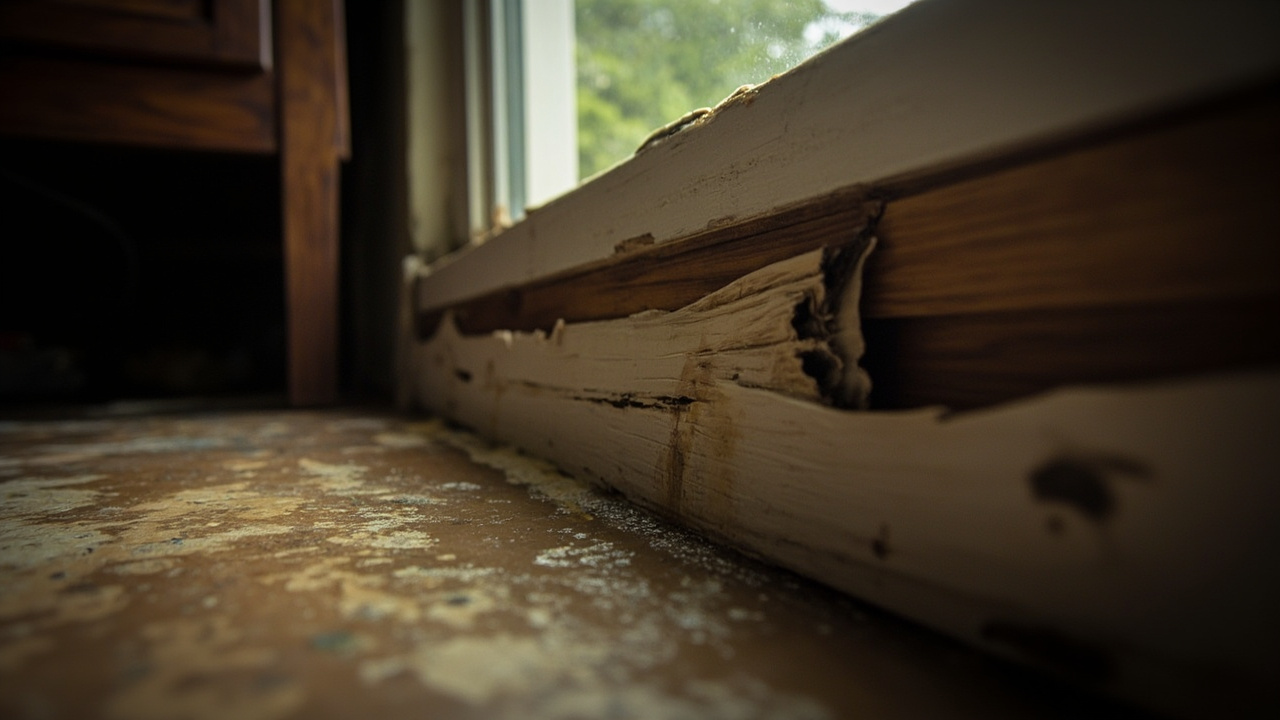
You walk into your living room and notice the baseboard bulging away from the wall. The paint is cracked. The wood feels soft when you press it. This is not cosmetic damage. This is active moisture intrusion, and Pittsburgh's climate makes it worse.

Pittsburgh sits at the confluence of three rivers. Humidity averages 70 percent year-round. Spring rains saturate foundation walls. Winter freeze-thaw cycles crack basement slabs. Summer moisture condenses inside wall cavities. Your baseboards absorb this moisture like a sponge.

Water damaged baseboards signal a larger problem. The source could be a pinhole leak in a copper supply line. It could be groundwater seeping through fieldstone foundation walls common in older Pittsburgh neighborhoods like Squirrel Hill or Shadyside. It could be condensation from an uninsulated crawl space. The expanded MDF trim you see is the symptom. The hidden moisture source is the threat.

Moisture swollen baseboards do three things. They harbor mold spores. They attract termites. They rot the wall framing behind them. You cannot fix bloated wood trim by painting over it or pushing it back into place. You need to find the water, stop the water, dry the structure, and replace the damaged materials. Anything less is temporary.

Pittsburgh's older housing stock, built between 1900 and 1950, uses plaster walls and dimensional lumber framing. These materials hold moisture longer than modern drywall. When water damaged baseboards appear in these homes, the damage often extends into the wall cavity and subfloor. You need diagnostic tools and experience to map the full extent of the problem.

Why Pittsburgh Homeowners See Bloated Wood Trim and Warped Baseboard Molding
How Reliance Water Damage Restoration Pittsburgh Repairs Warped Baseboard Molding Correctly

How Reliance Water Damage Restoration Pittsburgh Repairs Warped Baseboard Molding Correctly

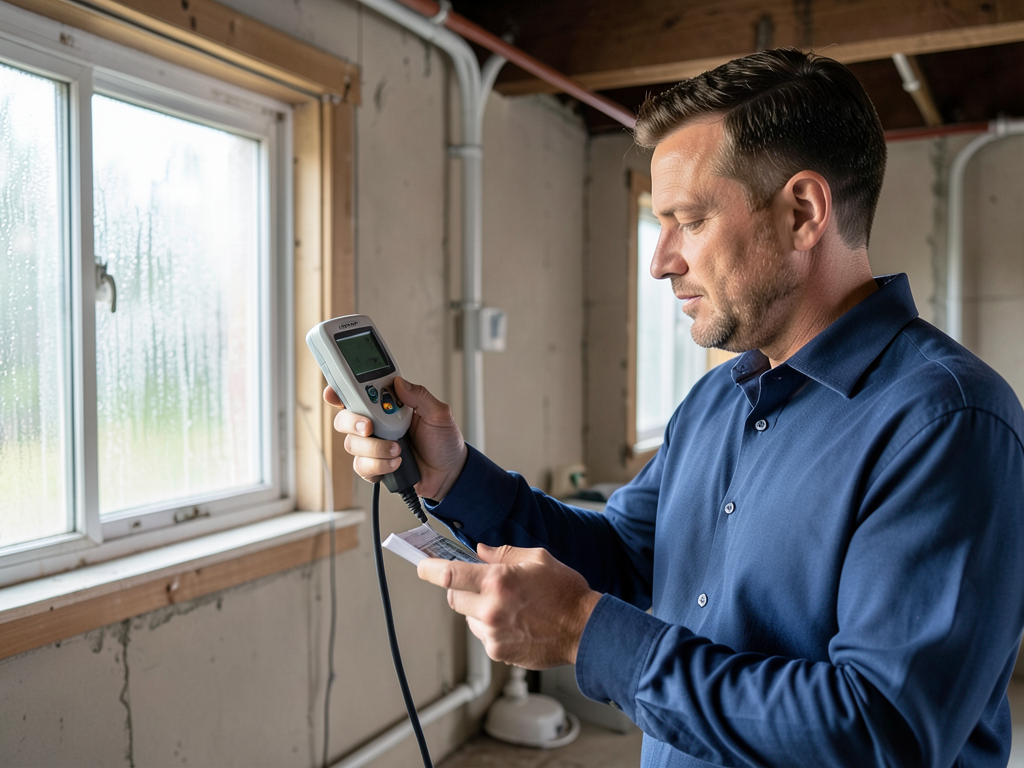
We do not guess. We measure. Every swollen baseboard job starts with a moisture inspection using calibrated pin-type and non-invasive moisture meters. We test the baseboard, the drywall, the subfloor, and the wall framing. We map moisture gradients to trace the water back to its source.

Most water damaged baseboards come from three sources. First, plumbing leaks. A slow drip from a shutoff valve or a sweating copper pipe can saturate the bottom plate of a wall for months before you see surface damage. Second, exterior water intrusion. Pittsburgh's clay soil expands when wet and pushes hydrostatic pressure against foundation walls. Older homes with no exterior waterproofing or interior drain tile systems allow groundwater to wick up into wall framing. Third, condensation. Uninsulated crawl spaces in Pittsburgh's humid climate create dew point conditions that condense moisture on floor joists and subfloors.

Once we identify the source, we stop the water. If it is a plumbing leak, we coordinate with your plumber. If it is groundwater, we discuss foundation waterproofing or interior drainage solutions. If it is condensation, we address ventilation and vapor barriers.

Then we dry the structure. We use commercial dehumidifiers and air movers to bring moisture content in framing lumber below 15 percent. We verify dryness with follow-up moisture readings. Only then do we remove the warped baseboard molding and inspect the wall cavity for mold or rot.

We replace damaged materials with moisture-resistant alternatives. We use treated lumber for bottom plates. We install PVC or finger-jointed primed baseboards in high-risk areas. We seal all penetrations and gaps with polyurethane caulk. We do not reinstall expanded MDF trim and hope it dries. We remove the damaged material and install it correctly.

What Happens During a Moisture Swollen Baseboard Repair

Swollen Baseboards & Trim in Pittsburgh – Expert Diagnosis & Complete Moisture Damage Repair
01

Moisture Mapping and Source Identification

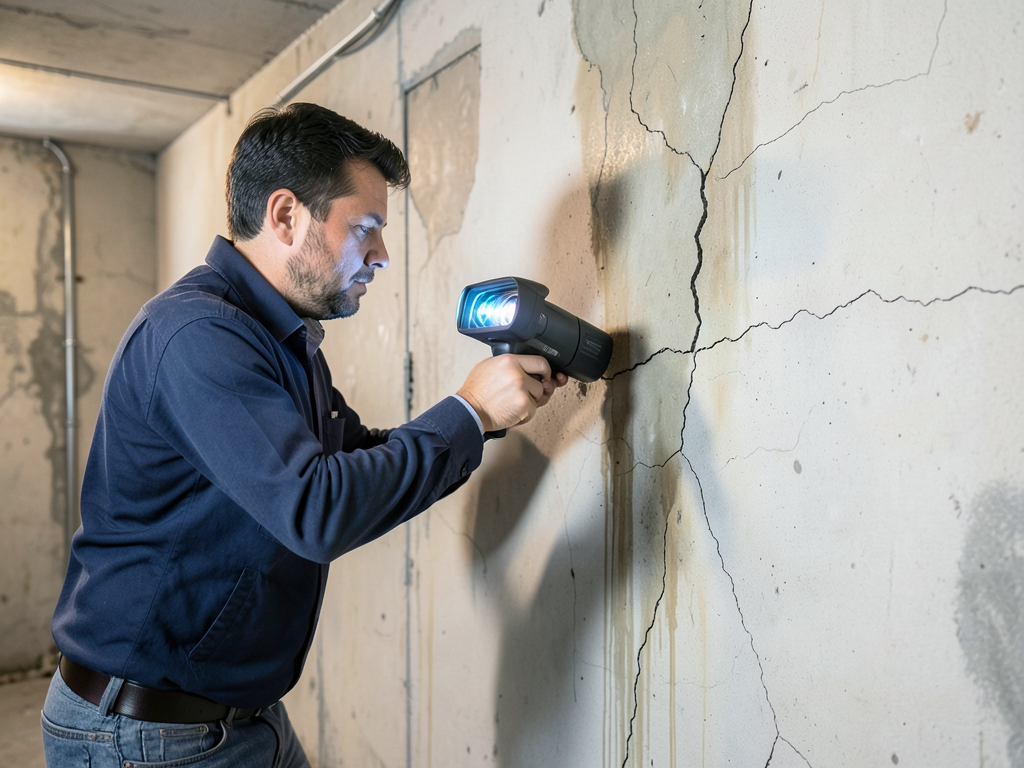
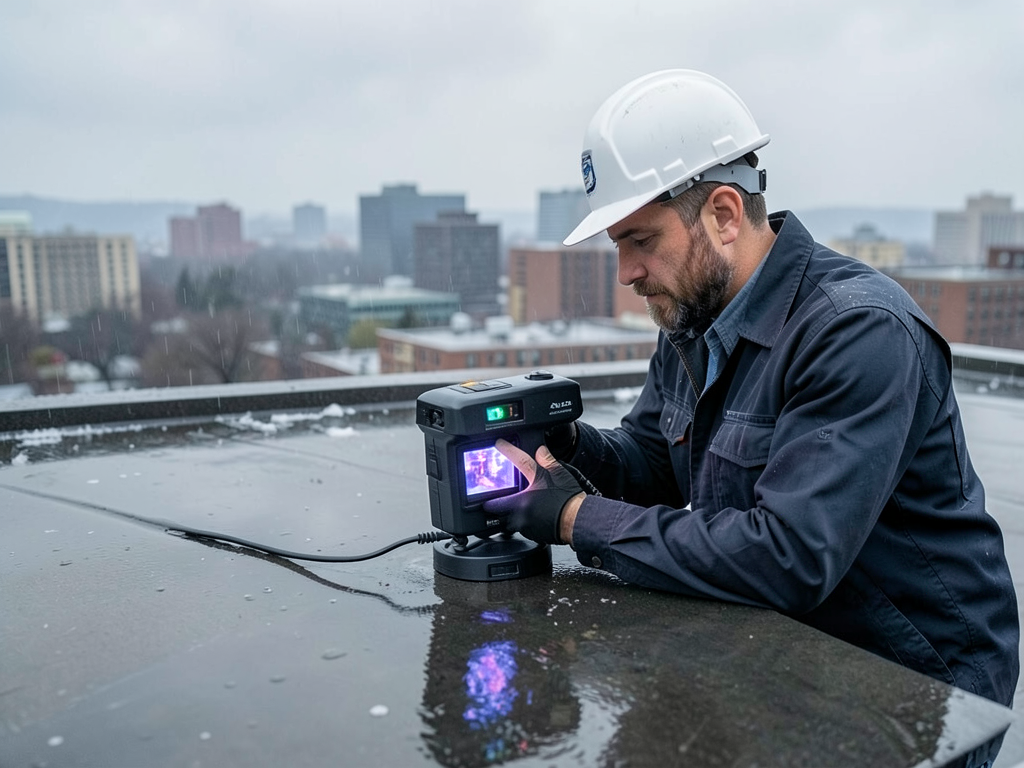
We arrive with professional moisture detection equipment and test every surface near the bloated wood trim. We check behind the baseboard, inside the wall cavity, and under adjacent flooring. We use thermal imaging cameras to detect temperature differentials that indicate hidden water. We document moisture levels and photograph damage for insurance claims. This diagnostic phase takes 45 to 90 minutes depending on the size of the affected area.
02

Controlled Drying and Containment

After stopping the water source, we set up containment barriers and negative air pressure if mold is present. We position commercial-grade dehumidifiers and air movers to create controlled airflow across wet materials. We monitor moisture levels daily and adjust equipment placement based on readings. Structural drying typically takes three to five days. We do not remove materials until moisture content is verified safe. Rushing this step causes mold growth and material failure later.
03

Removal and Rebuild

Once the structure is dry, we remove damaged baseboards and inspect the wall framing and subfloor. We treat any mold with EPA-registered antimicrobial solutions. We replace rotted framing members and install moisture-resistant baseboard materials. We prime and caulk all seams before final paint. We provide a detailed moisture report showing before and after readings. You receive documentation proving the structure is dry and safe. This prevents future insurance disputes and protects resale value.

Why Pittsburgh Homeowners Choose Reliance Water Damage Restoration for Swollen Baseboards

Pittsburgh's housing stock is unique. Homes in neighborhoods like Highland Park, Point Breeze, and Lawrenceville were built with fieldstone foundations, plaster walls, and balloon framing. These construction methods require different moisture mitigation strategies than modern platform framing. We understand these differences because we work in these homes daily.

We know that older Pittsburgh homes often lack vapor barriers in crawl spaces. We know that many basements have painted concrete walls that trap moisture behind the paint film. We know that cast iron drain lines common in pre-1970 homes corrode from the inside and leak slowly for years before failure. This local knowledge changes how we diagnose and repair moisture swollen baseboards.

We also understand Pittsburgh's municipal codes. The city adopted the 2018 International Residential Code with local amendments. When we rebuild wall framing after water damage, we follow current code for treated lumber, flashing details, and vapor barrier placement. This matters for permits, inspections, and insurance claims.

You need a restoration company that carries general liability insurance and workers compensation coverage. You need a company that provides detailed moisture reports and photographic documentation. You need a company that communicates with your insurance adjuster and explains the scope of damage in terms they understand. We do this work every day.

We do not subcontract. Our technicians are trained in IICRC water damage restoration protocols. They use calibrated equipment. They follow documented drying procedures. They understand the difference between surface moisture and structural saturation. This expertise prevents incomplete drying, which leads to mold growth and recurring damage.

Pittsburgh homeowners hire us because we explain the problem clearly, we fix it completely, and we document the work thoroughly. We do not upsell services you do not need. We do not leave until the structure is dry and safe.

What to Expect When You Call Reliance Water Damage Restoration Pittsburgh

Response Time and Availability

We answer calls seven days a week. Most moisture inspections are scheduled within 24 hours of your call. Emergency water damage gets same-day response. The initial inspection takes 60 to 90 minutes. We provide a written moisture report and damage assessment before we start any work. You receive a detailed scope of work and cost estimate. We coordinate directly with your insurance company if you are filing a claim. We do not start repairs until you approve the scope and understand the timeline.

The Inspection and Assessment Process

We test moisture levels in multiple materials using pin-type and non-invasive meters. We document readings with photographs and written notes. We use thermal imaging to detect hidden moisture in wall cavities and subfloors. We identify the water source and explain why the damage occurred. We map the full extent of moisture migration, which often extends beyond the visible swollen baseboards. You receive a moisture map showing wet areas, moisture gradients, and affected building materials. This documentation is critical for insurance claims and proves the work was necessary.

The Quality of the Final Repair

We rebuild using moisture-resistant materials. We prime all wood surfaces before installation. We caulk all seams with polyurethane sealant. We match existing baseboard profiles or upgrade to more durable materials. The final product looks seamless and lasts longer than the original installation. We do not leave until you inspect the work and approve the results. We provide before and after moisture readings proving the structure is dry. We leave the work area clean and ready for you to use immediately.

Documentation and Follow-Up

You receive a complete moisture report showing initial readings, daily monitoring data, and final dry readings. You receive photographs documenting damage, the repair process, and completed work. You receive an itemized invoice detailing materials and labor. We provide recommendations for preventing future moisture problems, including drainage improvements, vapor barrier installation, or plumbing upgrades. We follow up 30 days after completion to verify the area remains dry. This documentation protects you if you sell the home or file future insurance claims.

Frequently Asked Questions

You Have Questions,
We Have Answers

How to fix a swollen baseboard? +

First, identify and stop the water source causing the swelling. Remove the damaged baseboard section using a pry bar. Let the wall cavity dry completely, which can take days in Pittsburgh's humid climate. Check the wall studs for moisture using a meter. If readings exceed 20%, you need professional drying equipment. Once dry, replace the baseboard with primed MDF or solid wood. Seal all seams with caulk to prevent future moisture intrusion. If the swelling extends beyond one section or you see mold, call a water damage specialist before proceeding.

What causes baseboards to swell? +

Baseboards swell when moisture penetrates the wood fibers. Common causes in Pittsburgh include basement seepage from heavy rains, leaking pipes behind walls, poor foundation grading, and condensation from HVAC systems. Winter freeze-thaw cycles can crack foundation walls, allowing groundwater to enter. Ice dams during heavy snowfall push water under rooflines and down interior walls. High indoor humidity without proper ventilation also contributes. MDF baseboards absorb moisture faster than solid wood. Once water enters, the material expands and distorts. The swelling indicates an active or recent moisture problem that needs immediate attention.

What is the 7 rule for baseboards? +

The 7 rule states that baseboards should be approximately one-seventh the height of your wall. For standard eight-foot ceilings, this means baseboards around 5 to 7 inches tall. The proportion creates visual balance in a room. Taller ceilings need taller baseboards to maintain proper scale. In Pittsburgh's older homes with 9 or 10-foot ceilings, you might use 7 to 9-inch baseboards. This guideline helps with material selection and ensures the trim does not look out of place. The rule is aesthetic, not structural or code-related.

How to tell if baseboard has water damage? +

Check for discoloration, dark stains, or yellowish marks along the baseboard face. Press firmly on the material. Soft, spongy spots indicate water absorption. Look for peeling paint or bubbling finish. Measure the gap between baseboard and floor. If it has widened or the board curves outward, swelling occurred. Smell the area. A musty odor signals moisture problems. Run your hand along the surface. Rough, raised grain means the wood fibers expanded from water exposure. In Pittsburgh basements, check for tide lines or mineral deposits at the baseboard bottom, which confirm repeated water contact.

How Pittsburgh's High Humidity and Old Foundations Create Chronic Baseboard Swelling

Pittsburgh averages 71 percent relative humidity year-round. Summer dew points regularly exceed 65 degrees. These conditions create constant moisture stress on building materials. Older homes in neighborhoods like Bloomfield, Polish Hill, and Mount Washington were built with stone foundations and minimal waterproofing. Groundwater seeps through these foundations and wicks into wood framing. Basements stay damp even without visible leaks. This chronic moisture exposure causes bloated wood trim, warped baseboard molding, and expanded MDF trim throughout the home. You cannot fix the baseboards without addressing the moisture source.

Pittsburgh's municipal code and insurance requirements demand proper moisture documentation when restoring water damaged baseboards. Insurance adjusters in Allegheny County expect detailed moisture readings, photographic evidence, and scope-of-work documentation. Homeowners who attempt DIY repairs or hire unqualified contractors often face claim denials because they lack proper documentation. Reliance Water Damage Restoration Pittsburgh provides the detailed reporting insurance companies require. We understand local construction methods, we follow current building codes, and we document every step of the repair process. This local expertise protects your investment and ensures the work is done right.
Water Damage Restoration Services in The Pittsburgh Area

While we provide rapid mobile service directly to your location, you can also find our physical business location on the map below. This map highlights our primary service area and shows our commitment to serving the Pittsburgh community. We are always ready to dispatch our expert team to your home or business, no matter where you are in our service region. Feel free to use the interactive map to get directions or to visualize our proximity to you.

Address:
Reliance Water Damage Restoration Pittsburgh, 201 S Craig St, Pittsburgh, PA, 15213

Additional Services We Offer

Our news updates

Latest Articles & News from The Blogs

How to tell if you have a expensive slab leak under your Franklin Park home Franklin Park homeowners face a…

How to tell if you have a expensive slab leak under your Franklin Park home

How to tell if you have a expensive slab leak under your Franklin Park home Franklin Park homeowners face a…

What to do when your office fire sprinklers go off by mistake in Downtown Pittsburgh

What to do when your office fire sprinklers go off by mistake in Downtown Pittsburgh When fire sprinklers discharge without…

Preserving the original masonry in Mexican War Streets homes after a water leak

Preserving the original masonry in Mexican War Streets homes after a water leak When water infiltrates the historic brick and…

Contact Us

Do not wait for the damage to spread. Call Reliance Water Damage Restoration Pittsburgh at (412) 382-8788 today. We will inspect your moisture swollen baseboards, identify the water source, and provide a detailed repair plan. You get expert diagnosis and complete repairs that last.