




Menu

Musty Smells & Odor Removal in Pittsburgh – Expert Diagnosis and Permanent Elimination

Reliance Water Damage Restoration Pittsburgh identifies the hidden moisture source causing your damp smell, removes contaminated materials, and neutralizes odors at the molecular level using professional-grade equipment.

Slider Image 1
Slider Image 2
Slider Image 3
Slider Image 4
Slider Image 5
Slider Image 7
Slider Image 8
Slider Image 9
Slider Image 10
Slider Image 11

Why Pittsburgh Homes Develop Persistent Musty Odors

You walk into your basement and the smell hits you. Damp, earthy, and unmistakable. You have tried air fresheners, opened windows, and run fans. Nothing works. The odor returns within hours.

Pittsburgh's climate creates ideal conditions for mildew odor elimination challenges. The Allegheny, Monongahela, and Ohio Rivers raise local humidity levels year-round. When humid outdoor air meets cool basement foundations, condensation forms on concrete walls and floor joists. This constant moisture feeds mold and mildew growth behind drywall, under carpeting, and inside HVAC ductwork.

The region's older housing stock compounds the problem. Many Pittsburgh homes in neighborhoods like Squirrel Hill, Shadyside, and Highland Park were built before modern vapor barriers became standard. These structures lack proper moisture management systems. Water migrates through limestone and sandstone foundations common to Western Pennsylvania geology. The result is chronic dampness that leads to removing moldy scents from living spaces.

Freeze-thaw cycles crack foundation walls during winter months. Spring rains push groundwater through these fissures. By summer, you have standing water in crawl spaces and persistent damp smell remediation needs. The odor is not just unpleasant. It signals active microbial growth that degrades indoor air quality and threatens structural wood members.

Neutralizing musty odors requires addressing the source. Surface treatments fail because the contamination sits behind finished surfaces. Professional assessment identifies where moisture enters, where it accumulates, and what materials harbor growth. Only then can you achieve permanent eradicating water damage smells instead of temporary masking.

Why Pittsburgh Homes Develop Persistent Musty Odors
How Professional Odor Remediation Works

How Professional Odor Remediation Works

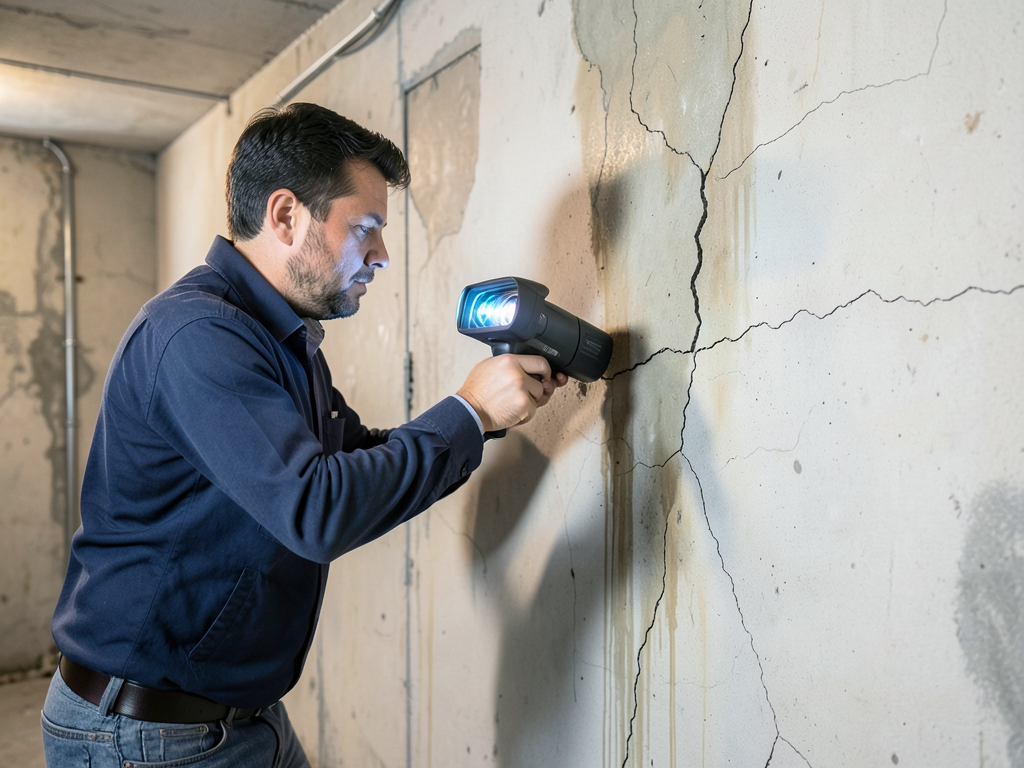
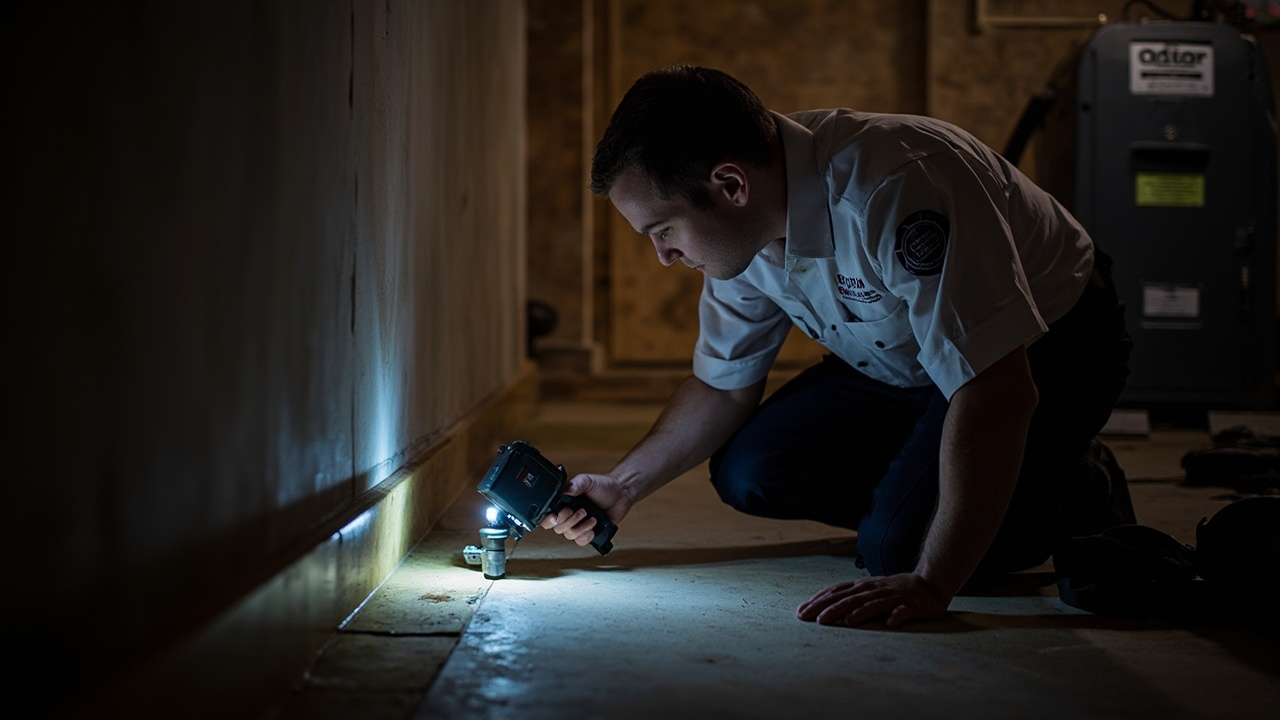
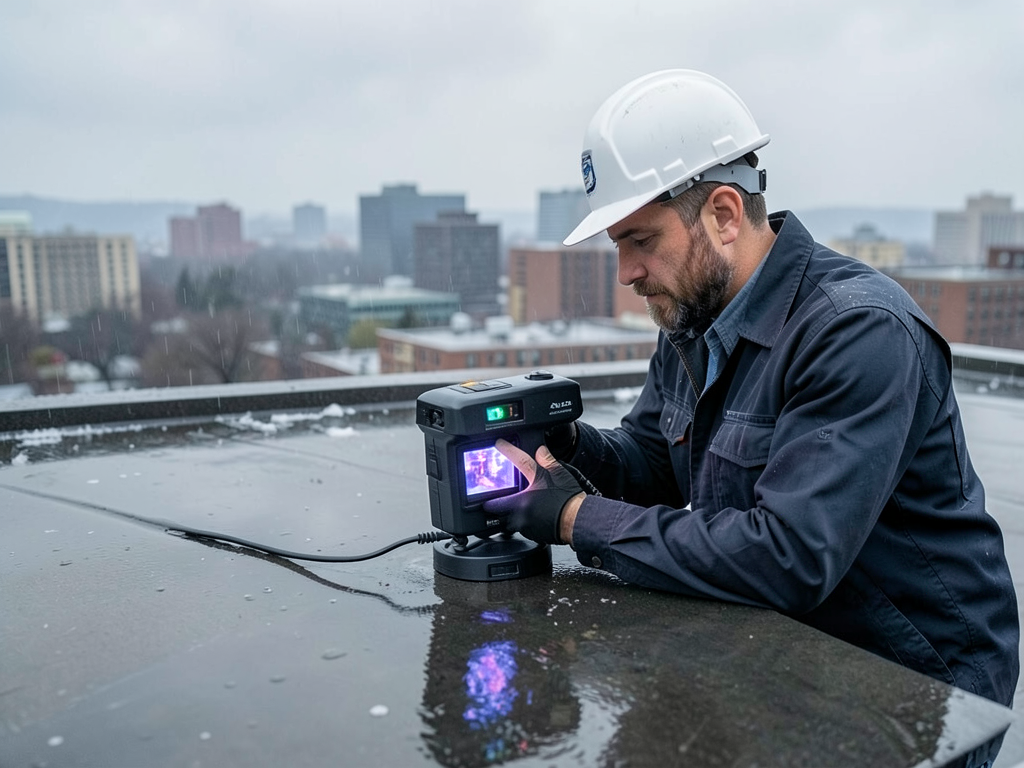
Effective mildew odor elimination starts with moisture mapping. We use thermal imaging cameras to identify temperature differentials that indicate hidden water intrusion. Infrared scanning reveals wet insulation inside wall cavities, saturated subfloors under tile, and moisture wicking up through concrete slabs. These areas do not show visible damage but release volatile organic compounds that create the musty smell.

Next comes source control. We trace moisture back to its entry point. Common culprits include failed exterior grading that slopes toward foundations, clogged gutters overflowing against siding, leaking rim joists where floor systems meet foundation walls, and condensation on uninsulated cold water pipes. Pittsburgh's clay soil holds water against basement walls longer than sandy soils, increasing hydrostatic pressure that forces groundwater through porous masonry.

Contaminated materials must be removed. Drywall and insulation act like sponges. Once saturated and colonized by mold, they continue releasing spores and mycotoxins even after drying. We perform selective demolition, removing only affected sections rather than entire rooms. This surgical approach minimizes disruption while eliminating the biological load.

Air scrubbing follows demolition. HEPA filtration units create negative air pressure, pulling airborne particulates through multilayer filters that capture particles down to 0.3 microns. This removes mold spores circulating through your HVAC system. We also fog affected areas with EPA-registered antimicrobial solutions that denature mold proteins on surfaces that cannot be removed, like floor joists and concrete foundations.

The final phase involves odor counteractants and hydroxyl generators. These devices produce oxidizing molecules that break down odor compounds at the molecular level. Unlike ozone generators that simply mask smells temporarily, hydroxyl technology achieves permanent damp smell remediation by destroying the chemical structures responsible for the odor.

What Happens During Your Odor Assessment and Removal

Musty Smells & Odor Removal in Pittsburgh – Expert Diagnosis and Permanent Elimination
01

Comprehensive Moisture Investigation

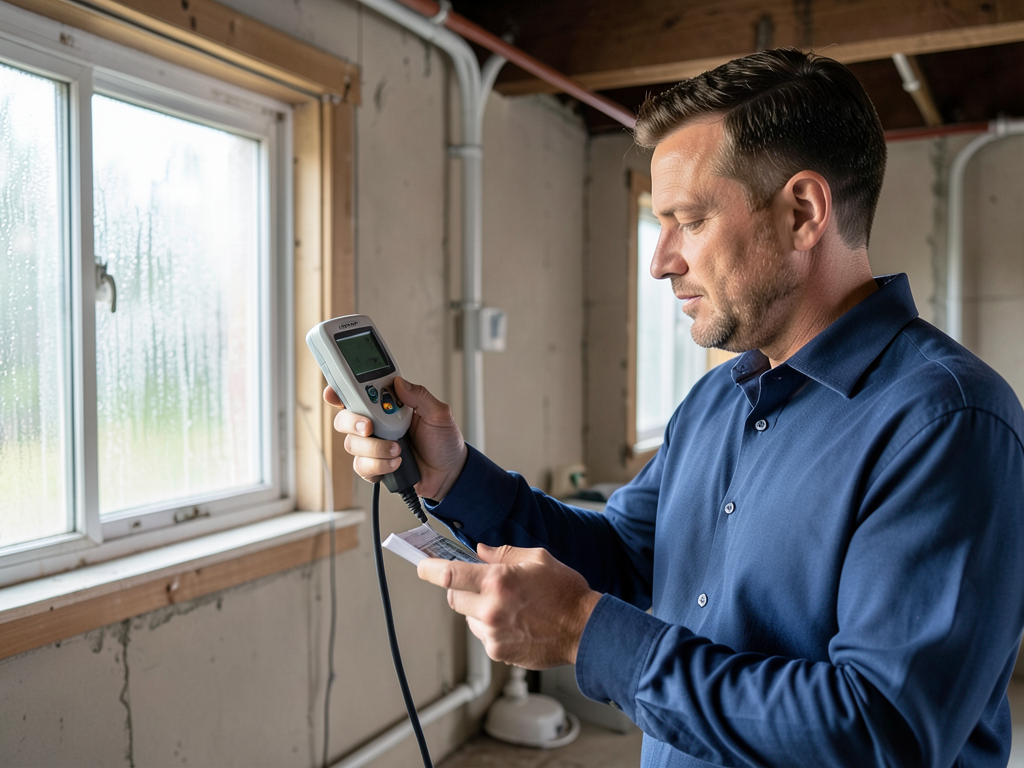
We map your entire structure using moisture meters and thermal cameras to identify every wet area. Readings document moisture content in wood framing, concrete, and drywall. We inspect crawl spaces, check HVAC condensate lines, and examine exterior drainage patterns. This diagnostic phase reveals why moisture accumulates and where odors originate, creating a complete removal plan before any work begins.
02

Targeted Material Removal

After isolating affected areas with plastic containment barriers, we remove contaminated materials that cannot be salvaged. Wet insulation comes out first, followed by moldy drywall and damaged subflooring. All debris goes into sealed bags for safe disposal. We clean exposed framing with HEPA vacuums and antimicrobial treatments. This selective demolition preserves structural elements while eliminating biological contamination that causes persistent odors.
03

Air Purification and Verification

Industrial air scrubbers run continuously during and after remediation, filtering the entire air volume multiple times per hour. Hydroxyl generators neutralize remaining odor molecules embedded in porous surfaces. We perform final moisture readings to confirm all materials have returned to normal levels. You receive documentation showing before and after measurements, proving the space is dry and odor-free before reconstruction begins.

Why Pittsburgh Property Owners Choose Reliance for Odor Problems

Removing moldy scents requires understanding Pittsburgh's specific building challenges. We work daily in the Hill District, Polish Hill, and Bloomfield neighborhoods where century-old brick rowhouses have unique moisture pathways. These structures were built with lime mortar that absorbs water differently than modern Portland cement. We know how water travels through these older assemblies and where odors concentrate.

Our technicians recognize local foundation types. Pittsburgh sits on sedimentary bedrock with varying permeability. Homes in the South Hills often have different drainage issues than properties in the North Side river valleys. We adjust remediation strategies based on your specific geology and water table conditions. This local knowledge prevents recurring problems that generic approaches miss.

We also understand Allegheny County building code requirements for remediation work. When structural repairs follow odor removal, work must meet current standards for moisture barriers and vapor retarders. Our processes align with these regulations, ensuring your project passes inspection without delays or rework.

Equipment capacity matters for commercial properties. We maintain truck-mounted extraction units and generator-powered desiccant dehumidifiers that handle large spaces like Strip District warehouses or Oakland apartment buildings. Residential jobs receive the same professional-grade equipment scaled appropriately for single-family homes.

Response time determines odor severity. The longer moisture sits, the deeper contamination penetrates building materials. We dispatch crews within hours, not days. Quick action means less demolition, lower costs, and faster recovery. You get your space back sooner with minimal disruption to daily routines.

Documentation protects your investment. Insurance claims require proof of damage extent and remediation scope. We photograph every phase, maintain detailed moisture logs, and provide written protocols. This evidence supports claims and demonstrates professional standards if questions arise during the settlement process.

What to Expect During Musty Odor Removal

Rapid Response Timeline

We arrive within two to four hours for emergency calls. Initial assessment takes 45 minutes to two hours depending on property size. You receive a written scope and estimate the same day. Simple odor jobs involving one room complete in two to three days. Extensive remediation requiring structural drying and reconstruction takes one to two weeks. We provide realistic timelines upfront, then meet those commitments. Our crews work extended hours to minimize how long you live with containment barriers and equipment noise.

Thorough Diagnostic Process

Your assessment includes moisture mapping of all suspect areas, thermal imaging to find hidden water, and air quality sampling when mold is visible. We check attic ventilation, inspect exterior grading, and evaluate interior humidity levels. You get a detailed explanation of what caused the odor, what materials are affected, and what work is necessary. We identify optional versus essential repairs, letting you make informed decisions about scope. The diagnostic report includes photos, moisture readings, and a room-by-room breakdown of recommended actions.

Complete Odor Elimination

Finished spaces smell neutral, not chemically treated. We do not cover odors with fragrances or sealants. The space passes the smell test because contamination is removed and all surfaces return to dry conditions. Final moisture readings confirm materials are below 15 percent moisture content, the threshold where microbial growth stops. You receive copies of these readings for your records. Air scrubbing continues until particle counts drop to background levels. The result is genuinely clean indoor air without lingering dampness.

Prevention and Monitoring

After remediation, we identify modifications that prevent recurrence. This might include installing a sump pump, improving crawl space ventilation, or adding exterior drainage. We provide written recommendations with priority rankings. For high-risk properties, we offer annual moisture inspections that catch problems before odors develop. These checkups include thermal scanning and moisture readings in previously affected areas. Early detection saves money by addressing small leaks before they require major remediation. You get a maintenance plan tailored to your property's specific vulnerabilities.

Frequently Asked Questions

You Have Questions,
We Have Answers

How to get rid of a strong musty smell? +

First, find the source. Strong musty smells in Pittsburgh homes often come from basement dampness, crawl spaces, or hidden water intrusion. Open windows to ventilate, then inspect for leaks or standing water. Run a dehumidifier to drop moisture below 50 percent. Clean affected surfaces with a mix of water and white vinegar. If the smell persists after 48 hours, you likely have hidden mold or trapped moisture in walls or flooring. Professional odor removal identifies the source with moisture meters and thermal imaging, then eliminates it permanently rather than masking it with sprays.

What is the best spray to get rid of musty smell? +

No spray truly eliminates musty smells. They mask odors temporarily. The smell returns because you have not addressed the moisture problem. Products with enzymes or oxidizers work better than typical air fresheners, but they cannot penetrate porous materials like drywall or subflooring where odor-causing bacteria live. In Pittsburgh's humid climate, surface treatments fail quickly. The best solution is source elimination. Remove the wet material, dry the space completely, and treat affected areas with antimicrobial solutions. Sprays are a temporary band-aid, not a fix.

How to get rid of old lady smell in house? +

This smell comes from a mix of stale air, old fabrics, and low ventilation. Start by washing all textiles including curtains, upholstery, and bedding. Vacuum carpets thoroughly, then sprinkle baking soda, let sit for two hours, and vacuum again. Wipe down walls and hard surfaces with a mild cleaner. Replace HVAC filters and run the system to circulate fresh air. Open windows on dry days. If the smell lingers in carpets or upholstery, professional cleaning with hot water extraction removes deep odors that surface cleaning cannot reach.

Will DampRid get rid of musty smell? +

DampRid absorbs moisture in small, enclosed spaces like closets or storage bins. It reduces humidity that causes musty smells but does not eliminate existing odors embedded in materials. In Pittsburgh basements or larger rooms, DampRid is not strong enough to control moisture levels effectively. You need a dehumidifier with adequate capacity for the square footage. DampRid also does not address the root cause. If you have a leak, poor drainage, or groundwater seepage, the smell will return. Treat DampRid as a supplement, not a solution.

What causes a house to have a musty smell? +

Musty smells signal excess moisture and microbial growth. Common causes in Pittsburgh homes include basement seepage, roof leaks, poor attic ventilation, HVAC condensation, or plumbing leaks. The region's humid summers and freeze-thaw cycles stress foundations and roofing, creating entry points for water. Crawl spaces with dirt floors release ground moisture into the home. Older homes with outdated vapor barriers or inadequate drainage are especially vulnerable. The smell comes from mold, mildew, or bacteria breaking down organic material in damp conditions. Find the moisture source or the odor will persist.

How long will a bowl of vinegar absorb odors? +

A bowl of vinegar absorbs light odors in a small room within 12 to 24 hours. For stronger smells, it may take several days and multiple bowl changes. Vinegar works by neutralizing odor molecules in the air, but it does not penetrate materials or remove embedded smells from carpets, drywall, or wood. In Pittsburgh's humid conditions, vinegar alone rarely solves musty odor problems. It is a short-term tactic for minor issues. If the smell returns after the vinegar evaporates, you have a deeper moisture or contamination problem that requires professional attention.

What is the strongest odor eliminator? +

The strongest odor eliminator is source removal. No product eliminates smells if the contaminated material remains. For surface treatment, hydroxyl generators and ozone machines are powerful but require professional handling. Ozone is toxic and requires full evacuation. Enzyme cleaners break down organic odors in fabrics and porous surfaces. Activated charcoal absorbs airborne molecules. But in Pittsburgh homes with persistent musty smells, the real answer is removing wet insulation, damaged drywall, or contaminated subflooring. Elimination beats masking every time. Treat the cause, not the symptom.

Is a musty smell always mold? +

Not always, but usually. Musty smells indicate microbial activity, which includes mold, mildew, and bacteria. All three thrive in damp conditions. Mildew grows on surfaces and is easier to clean. Mold penetrates porous materials and spreads inside walls, insulation, or subflooring. In Pittsburgh's humid climate, both are common. If you smell mustiness but see no visible growth, mold may be hidden behind drywall, under flooring, or in HVAC ducts. Do not ignore the smell. Even without visible mold, moisture problems cause structural damage and poor indoor air quality.

What do house cleaners use to make the house smell so good? +

Professional cleaners use a combination of deep cleaning, ventilation, and targeted products. They start by removing dirt and grime that trap odors. Then they use enzyme cleaners on fabrics, steam clean carpets, and wipe surfaces with disinfectants. Some use commercial-grade air fresheners or essential oil diffusers. The key is not the product but the thoroughness. They clean areas most people skip, like baseboards, light fixtures, and vents. For persistent odors, they address the source rather than layering fragrances. Clean air and clean surfaces create that fresh-house smell, not sprays alone.

What is the hardest smell to get rid of in a house? +

Smoke, pet urine, and decomposition odors are the hardest to remove. All three penetrate porous materials like drywall, wood, and concrete. Smoke particles embed deep into surfaces and HVAC systems. Pet urine soaks subflooring and padding, where bacteria multiply. Decomposition from rodents or flooding leaves biofilm residue. In Pittsburgh's older housing stock with plaster walls and hardwood, these odors settle into cracks and crevices. Standard cleaning fails. You often need to remove contaminated materials, seal surfaces with odor-blocking primers, and use professional-grade equipment like thermal foggers or ozone treatment.

How Pittsburgh's River Valley Humidity Drives Basement Odor Problems

Pittsburgh's position at the confluence of three rivers creates year-round humidity challenges. The Allegheny and Monongahela join to form the Ohio River downtown, creating a river valley microclimate where morning fog and elevated humidity persist longer than surrounding areas. Summer dew points regularly exceed 65 degrees, the threshold where condensation forms on cool basement surfaces. This constant moisture exposure means Pittsburgh basements experience chronic dampness that feeds mold growth and creates persistent musty smells requiring professional mildew odor elimination and damp smell remediation services unavailable through DIY methods.

Reliance Water Damage Restoration Pittsburgh has worked in every neighborhood from Mount Washington to Lawrenceville. We understand how Pittsburgh's topography affects drainage. Homes on hillsides have different water problems than properties in river floodplains. Our technicians recognize local construction methods, from stone foundations in century-old homes to poured concrete in post-war ranch houses. This local expertise means accurate diagnosis the first time. We know which Pittsburgh contractors built solid foundations and which developments have recurring issues. That knowledge protects you from incomplete repairs that let odors return.
Water Damage Restoration Services in The Pittsburgh Area

While we provide rapid mobile service directly to your location, you can also find our physical business location on the map below. This map highlights our primary service area and shows our commitment to serving the Pittsburgh community. We are always ready to dispatch our expert team to your home or business, no matter where you are in our service region. Feel free to use the interactive map to get directions or to visualize our proximity to you.

Address:
Reliance Water Damage Restoration Pittsburgh, 201 S Craig St, Pittsburgh, PA, 15213

Additional Services We Offer

Our news updates

Latest Articles & News from The Blogs

How to tell if you have a expensive slab leak under your Franklin Park home Franklin Park homeowners face a…

How to tell if you have a expensive slab leak under your Franklin Park home

How to tell if you have a expensive slab leak under your Franklin Park home Franklin Park homeowners face a…

What to do when your office fire sprinklers go off by mistake in Downtown Pittsburgh

What to do when your office fire sprinklers go off by mistake in Downtown Pittsburgh When fire sprinklers discharge without…

Preserving the original masonry in Mexican War Streets homes after a water leak

Preserving the original masonry in Mexican War Streets homes after a water leak When water infiltrates the historic brick and…

Contact Us

You do not have to live with damp odors. Call Reliance Water Damage Restoration Pittsburgh at (412) 382-8788 right now. We will send a technician to identify the source and give you a clear remediation plan. Same-day assessments available.