




Menu

Signs of Hidden Mold in Pittsburgh – Expert Detection and Comprehensive Removal for Your Home or Business

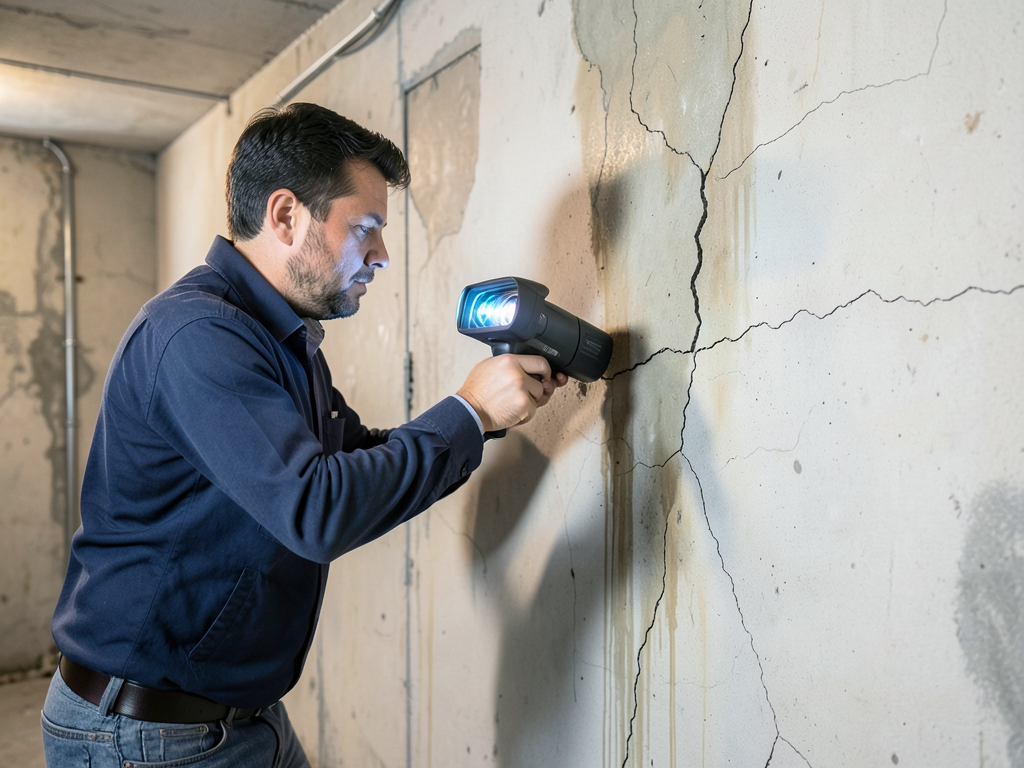
Reliance Water Damage Restoration Pittsburgh uses advanced moisture mapping and thermal imaging to find symptoms of concealed mold in crawlspaces, behind drywall, and inside HVAC systems before serious health problems develop.

Slider Image 1
Slider Image 2
Slider Image 3
Slider Image 4
Slider Image 5
Slider Image 7
Slider Image 8
Slider Image 9
Slider Image 10
Slider Image 11

Pittsburgh's Climate Creates the Perfect Storm for Hidden Mold Growth

Pittsburgh's average 160 cloudy days per year and proximity to the Allegheny, Monongahela, and Ohio rivers create a persistently humid environment. When you combine this with the city's aging housing stock, many built before 1950 with balloon framing and minimal vapor barriers, you get ideal conditions for mold behind walls and inside ceiling cavities.

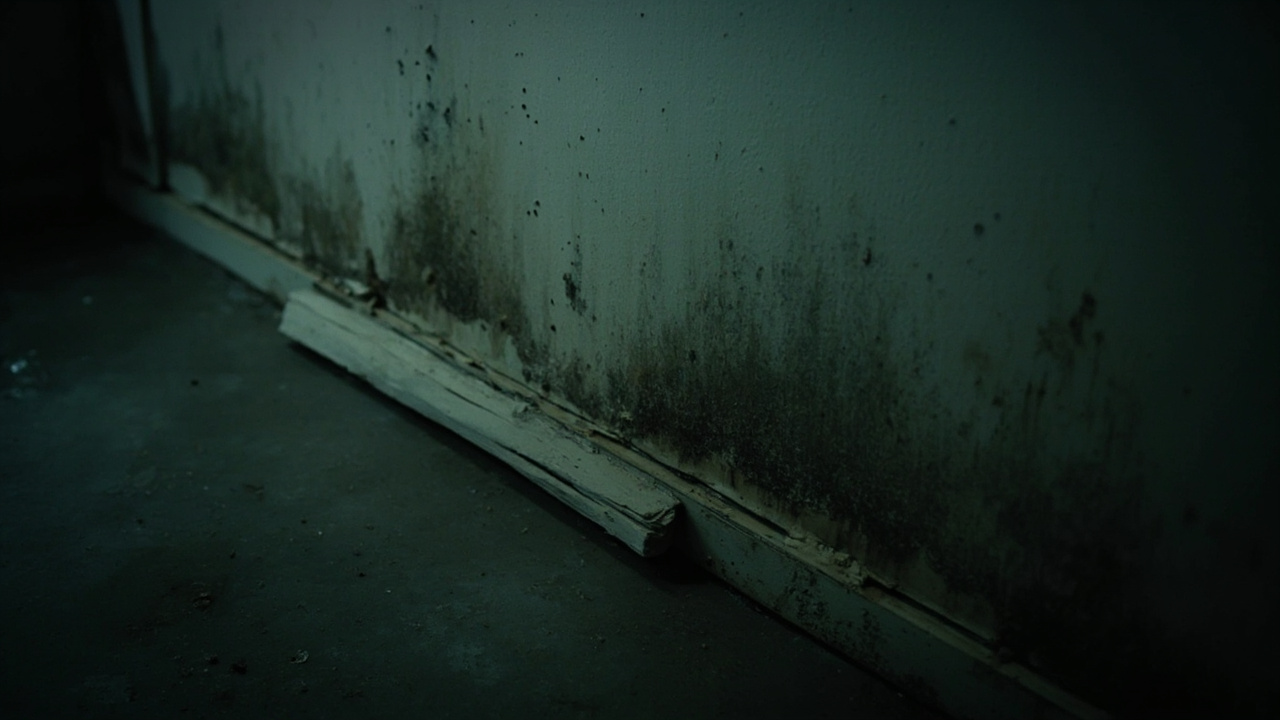
The symptoms of concealed mold often appear as persistent musty odors, unexplained respiratory irritation, or dark staining along baseboards. You might notice condensation on windows in Polish Hill or Mount Washington homes where hillside properties trap moisture. The freeze-thaw cycles common to western Pennsylvania crack foundations, allowing groundwater to seep into Lawrenceville row houses and Shadyside basements.

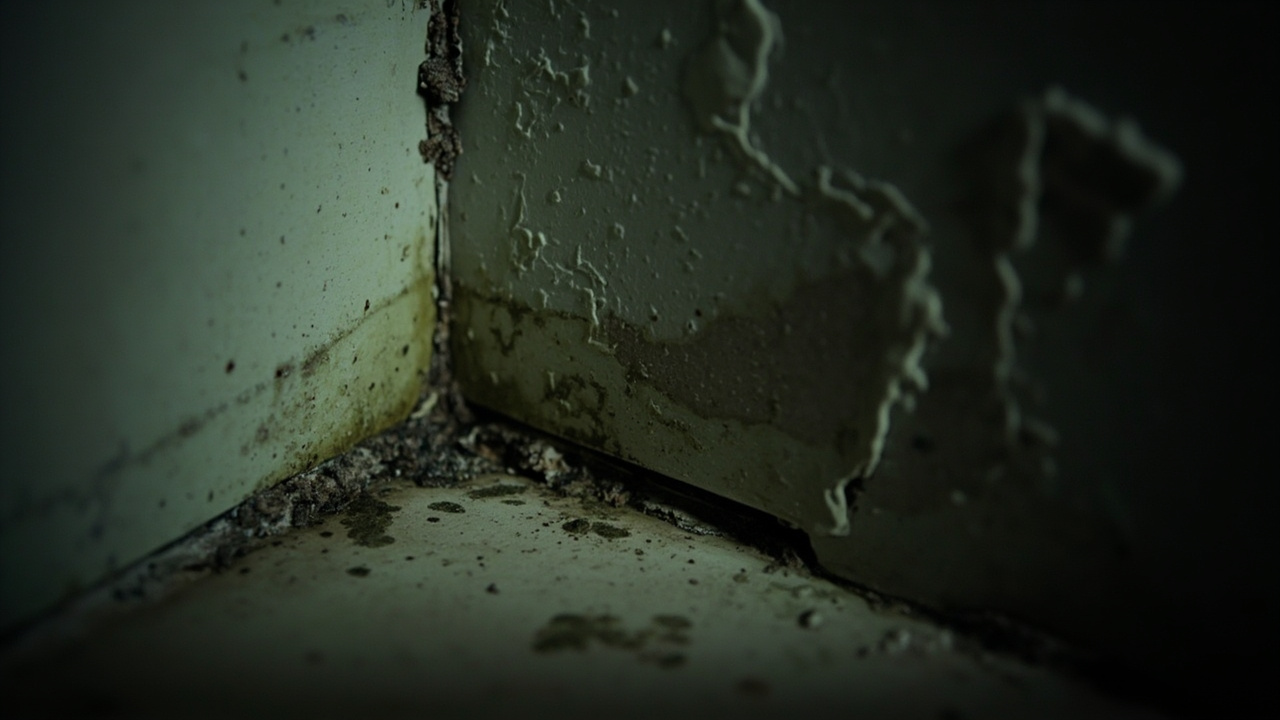
Many Pittsburgh homeowners miss the indicators of invisible mold because it grows in hidden spaces. Behind vinyl siding on Squirrel Hill bungalows. Inside wall cavities after ice dam damage on steep North Side roofs. Under hardwood floors in Highland Park where old cast iron plumbing develops pinhole leaks.

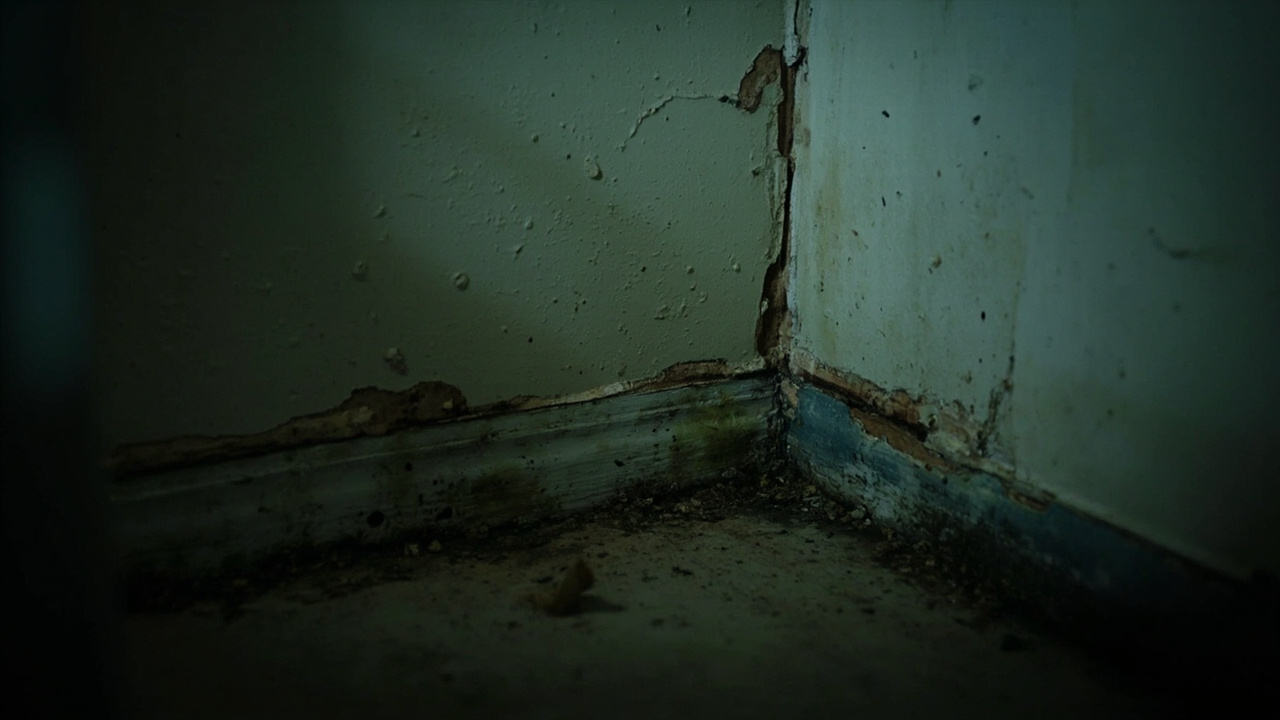
The evidence of unseen mold includes peeling paint, warping baseboards, or discolored grout in bathrooms. You might feel fine in your living room but develop headaches in your bedroom. That's because mold concentrates where moisture accumulates, often in exterior walls facing north where sunlight never dries the structure.

Detecting hidden mold requires more than a visual inspection. Pittsburgh's brick rowhouses and masonry construction hold moisture differently than wood-frame construction. The signs of mold behind walls demand professional assessment with calibrated instruments, not guesswork.

Pittsburgh's Climate Creates the Perfect Storm for Hidden Mold Growth
How We Locate and Document Concealed Mold in Pittsburgh Properties

How We Locate and Document Concealed Mold in Pittsburgh Properties

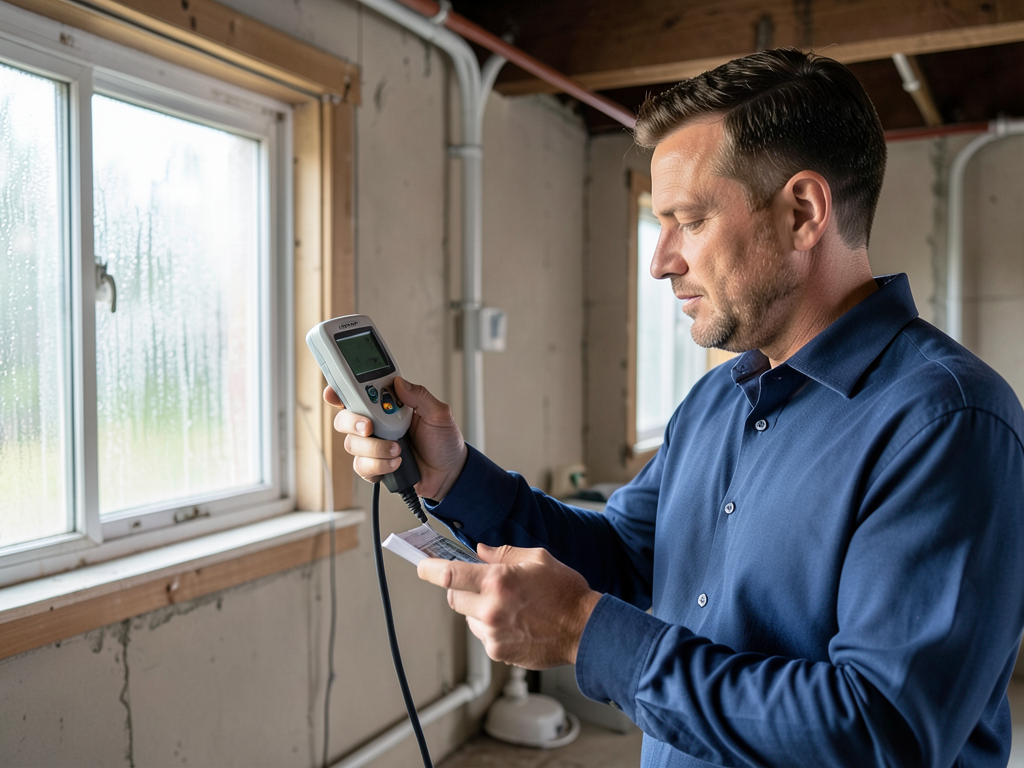
Reliance Water Damage Restoration Pittsburgh begins every assessment with a detailed moisture map of your property. We use pin-type and pinless moisture meters to measure water content in drywall, wood framing, and subflooring. These tools detect elevated moisture levels that signal active mold colonies before you see visible growth.

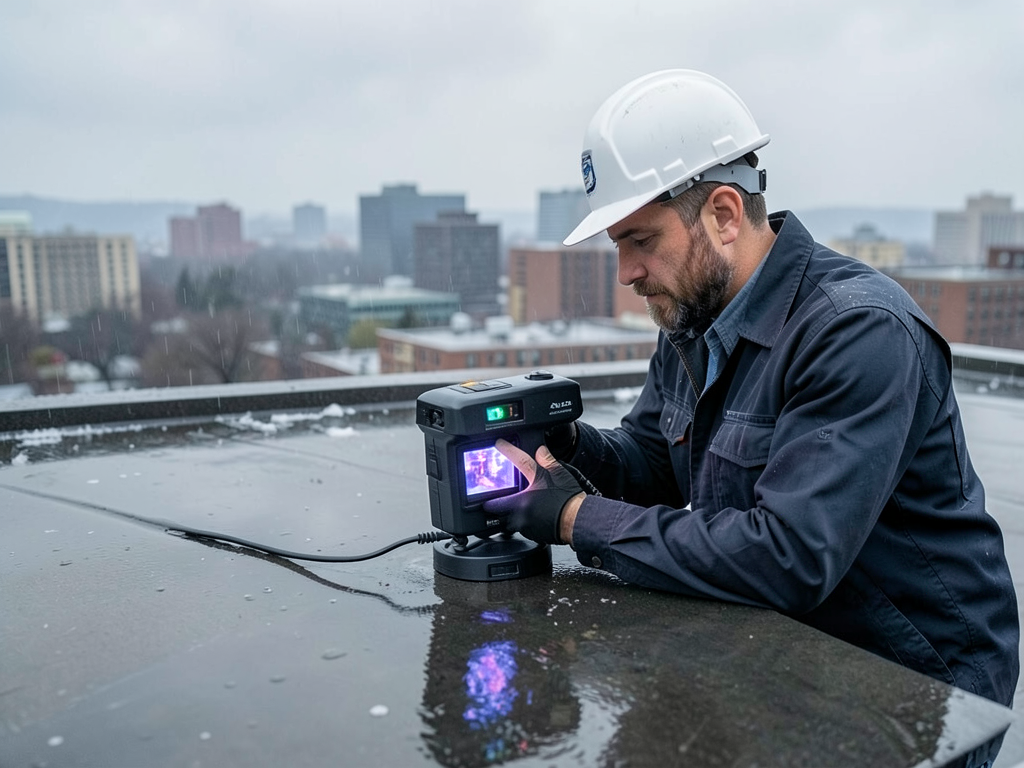
Our thermal imaging cameras identify temperature differentials that indicate wet insulation, roof leaks, or plumbing failures inside walls. Cold spots often mark where moisture evaporates, cooling the surface. On a South Side flat with shared walls, thermal imaging reveals which unit contributed to the water intrusion.

We collect air samples in suspected rooms and compare them to outdoor baselines. Pittsburgh's outdoor mold spore counts fluctuate seasonally, so we establish what's normal for your neighborhood before testing indoor air quality. Elevated indoor spore counts confirm active mold amplification inside your home.

Surface sampling with tape lifts or swabs identifies specific mold species. This matters because Stachybotrys, commonly called black mold, requires different remediation protocols than Aspergillus or Penicillium. We document findings with photos, moisture readings, and lab reports to provide your insurance adjuster with clear evidence for claims.

Our technicians inspect HVAC systems because ductwork spreads mold spores throughout your home. We remove register covers and examine plenums, coils, and condensate pans. A moldy air handler in your basement affects air quality on all three floors of your Bloomfield townhouse.

We check crawlspaces and attics where most homeowners never look. Poor ventilation in these areas traps humidity and creates microclimates perfect for mold colonization. The detection process is systematic because missing one hidden reservoir means the problem returns after remediation.

What Happens During a Professional Mold Inspection in Your Pittsburgh Home

Signs of Hidden Mold in Pittsburgh – Expert Detection and Comprehensive Removal for Your Home or Business
01

Initial Visual Assessment

Our certified technicians walk through your property and document visible water damage, staining, and areas where occupants report odors or health symptoms. We identify moisture sources like leaking pipes under your kitchen sink, condensation on basement walls, or roof damage from Pittsburgh's heavy spring rains. This visual inspection guides where we deploy testing equipment and helps us understand your property's unique moisture challenges.
02

Moisture and Thermal Scanning

We use calibrated moisture meters to scan walls, ceilings, and floors in affected areas and adjacent rooms. Thermal imaging cameras map temperature patterns that reveal hidden water intrusion. These tools locate wet drywall behind bathroom tile, saturated insulation above your ceiling, or moisture wicking up foundation walls. We document readings with photos and create a moisture map that shows exactly where problems exist beyond what your eyes can see.
03

Sample Collection and Reporting

We collect air samples, surface samples, or both depending on what the assessment reveals. Samples go to an accredited microbiology lab for analysis. Within days you receive a detailed report identifying mold species, spore counts, and moisture levels. We review findings with you, explain health implications, and provide a written scope of work for remediation. This documentation supports insurance claims and gives you a clear action plan.

Why Pittsburgh Property Owners Trust Our Mold Detection Expertise

Reliance Water Damage Restoration Pittsburgh understands how this city's unique construction methods affect mold growth patterns. We work regularly in East End neighborhoods where century-old homes have stone foundations that wick groundwater, in Northside rowhouses with shared party walls that transfer moisture between units, and in South Hills split-levels built into hillsides where drainage problems cause basement seepage.

Our technicians know Pittsburgh's building codes and how they've evolved. Homes built before 1970 often lack proper vapor barriers. Renovations done in the 1980s and 1990s sometimes trapped moisture by adding vinyl siding over wood clapboard without adequate ventilation. We recognize these patterns and know where to look for hidden problems.

We communicate directly with local insurance adjusters who handle water damage claims in Allegheny County. Our documentation meets their requirements for coverage, and our reports include the specific details they need to process claims quickly. You don't waste time going back and forth because we know what information matters.

Many Pittsburgh homeowners discover mold during real estate transactions. We provide pre-sale inspections that identify problems before buyers find them and post-remediation clearance testing that satisfies buyer contingencies. Our lab reports hold up to scrutiny from home inspectors and real estate attorneys.

We also work with commercial property managers throughout the Golden Triangle and Strip District. Office buildings, restaurants, and retail spaces can't afford extended closures for mold remediation. We assess problems quickly, provide accurate scopes of work, and coordinate with your contractors to minimize business interruption.

Our investment in professional-grade testing equipment means accurate results. We don't guess about moisture levels or estimate spore counts. We measure, document, and provide you with facts backed by laboratory analysis.

What to Expect During Your Mold Inspection

Same-Day or Next-Day Scheduling

We respond to inspection requests within 24 hours. Most Pittsburgh homeowners get same-day appointments when they call before noon. Our technicians arrive in marked vehicles with all necessary testing equipment. The inspection takes two to four hours depending on your property size and the extent of suspected contamination. We work around your schedule and can conduct inspections on evenings or weekends if that works better for you. You don't wait days wondering about air quality while mold continues growing.

Comprehensive Property Assessment

Our assessment covers all areas where moisture problems typically develop in Pittsburgh homes. We inspect basements and crawlspaces, examine attics and roof structures, check bathrooms and kitchens, and scan exterior walls. We open access panels to inspect HVAC systems and look inside wall cavities if we detect elevated moisture. Our technicians explain what they find during the inspection so you understand the problems as we discover them. We answer your questions in plain language without technical jargon that confuses rather than clarifies.

Detailed Written Documentation

You receive a comprehensive report with photos, moisture readings, thermal images, and lab results if we collected samples. The report identifies specific problem areas, explains moisture sources, and provides recommendations for remediation. We include a detailed scope of work with steps required to fix the problem properly. This documentation satisfies insurance companies, real estate attorneys, and home buyers. The report becomes your roadmap for addressing the mold issue completely rather than applying temporary fixes that fail within months.

Post-Remediation Clearance Testing

After remediation work concludes, we return to verify that mold levels have returned to normal. We collect new air samples and compare them to baseline outdoor readings. Clearance testing confirms that containment barriers worked properly during remediation and that all contaminated materials were removed successfully. You receive documentation proving your home is safe to occupy. This clearance report satisfies real estate contingencies and provides peace of mind that your family isn't breathing elevated mold spores. We don't charge for follow-up visits if initial clearance testing shows remaining issues.

Frequently Asked Questions

You Have Questions,
We Have Answers

How do I tell if my house has hidden mold? +

Look for musty, earthy odors that persist even after cleaning. Check behind appliances, under sinks, and in crawl spaces for visible discoloration or peeling paint. Pittsburgh's humidity and older housing stock make basements and attics common hiding spots. Water stains on ceilings or walls signal past leaks that may harbor mold. You might notice increased allergy symptoms indoors or warping in wood floors and baseboards. Condensation on windows or pipes also creates conditions for hidden growth. If you suspect mold but cannot locate it, a professional inspection can identify concealed colonies behind drywall or insulation.

What are signs of mold sickness? +

Mold exposure triggers respiratory issues like persistent coughing, wheezing, or nasal congestion. You may experience itchy eyes, skin rashes, or throat irritation that worsens indoors. Fatigue, headaches, and difficulty concentrating are common neurological symptoms. Some people develop asthma-like symptoms or frequent sinus infections. Pittsburgh residents with pre-existing respiratory conditions often notice symptom flare-ups during humid months when mold thrives. Digestive issues and joint pain can also occur in sensitive individuals. If symptoms improve when you leave your home and return when you come back, hidden mold could be the culprit. Vulnerable groups include children, elderly residents, and those with compromised immune systems.

Can mold cause croup? +

Mold does not directly cause croup, but it can aggravate respiratory conditions that mimic or worsen croup symptoms. Mold spores irritate airways and trigger inflammation, making children more susceptible to viral infections that lead to croup. In Pittsburgh homes with poor ventilation and basement moisture issues, mold exposure can exacerbate the characteristic barking cough and breathing difficulties. If your child experiences recurring croup-like symptoms at home, inspect for hidden mold in bedrooms, bathrooms, and HVAC systems. Addressing mold problems can reduce respiratory triggers. Always consult a pediatrician for proper diagnosis and treatment of croup or persistent respiratory symptoms in children.

Can mold cause twitching? +

Mold exposure can cause neurological symptoms, including muscle twitching, in individuals sensitive to mycotoxins. These biotoxins affect the nervous system and can trigger involuntary muscle spasms, tremors, or fasciculations. Symptoms often accompany other signs like brain fog, memory issues, and mood changes. Pittsburgh's older homes with hidden water damage in walls or basements create ideal conditions for toxic mold species. However, twitching has many potential causes unrelated to mold, so proper medical evaluation is critical. If you notice twitching alongside other mold illness symptoms and suspect indoor air quality issues, professional mold testing can identify the source. Neurological symptoms warrant immediate medical attention.

What are the symptoms of silent mold? +

Silent mold grows undetected behind walls, under flooring, or in HVAC systems without obvious visible signs. Symptoms include chronic fatigue, persistent headaches, and unexplained respiratory issues. You might experience brain fog, difficulty concentrating, or memory problems. Many Pittsburgh residents report worsening allergies or sinus pressure that doctors cannot explain. Skin irritation, joint pain, and digestive issues can also signal hidden mold exposure. The musty smell may be faint or absent. Symptoms often improve away from home and return upon re-entry. Silent mold is particularly dangerous because exposure continues unchecked. Professional inspection using moisture meters and thermal imaging can locate concealed growth.

Can air purifiers help with mold? +

Air purifiers with HEPA filters can capture airborne mold spores, reducing exposure and symptoms. However, they do not eliminate the mold source itself. You must address the underlying moisture problem and remove existing growth. Air purifiers work best as part of a comprehensive strategy in Pittsburgh homes where humidity control is challenging. They help during remediation but cannot replace proper mold removal. Place units in rooms with known air quality issues, and change filters regularly. Models with activated carbon filters also reduce musty odors. For significant mold problems, professional remediation is necessary. Air purifiers are a temporary measure, not a permanent solution.

What are the 10 warning signs of mold toxicity? +

Watch for chronic fatigue that rest does not relieve, persistent respiratory issues like coughing or shortness of breath, and recurring sinus infections. Brain fog, memory problems, and difficulty concentrating are common neurological signs. You may experience headaches, dizziness, or vertigo. Skin rashes, hives, or unexplained itching can indicate toxin exposure. Digestive issues including nausea, diarrhea, or abdominal pain may occur. Joint pain and muscle aches without clear cause are warning signs. Mood changes like anxiety or depression can result from mycotoxin exposure. Increased sensitivity to light or sound affects some individuals. Finally, symptoms that worsen at home but improve elsewhere strongly suggest mold toxicity.

What kills mold permanently? +

Professional remediation using antimicrobial treatments and complete removal of affected materials kills mold permanently. You must eliminate the moisture source first or mold will return. EPA-registered fungicides and encapsulants stop regrowth on treated surfaces. Porous materials like drywall, insulation, and carpet often require removal and replacement. Non-porous surfaces can be cleaned with detergent solutions. Pittsburgh's climate demands proper dehumidification and ventilation after treatment. Bleach only works on hard, non-porous surfaces and does not penetrate porous materials. DIY solutions are inadequate for extensive growth. Professional remediation includes moisture control, containment to prevent spread, HEPA filtration, and proper disposal of contaminated materials.

How do I test my house for mold? +

Professional mold testing provides the most accurate results. Certified inspectors use moisture meters, thermal imaging, and air quality testing to locate hidden growth. They collect samples for laboratory analysis to identify mold species and spore concentration. Visual inspection checks common problem areas in Pittsburgh homes including basements, crawl spaces, attics, and around plumbing fixtures. DIY test kits are available but less reliable and cannot pinpoint hidden mold. Professional testing costs vary based on home size and testing methods. If you see visible mold or smell musty odors, skip testing and proceed directly to professional remediation. Testing is most useful when symptoms exist without obvious sources.

How do I tell if mold is in my lungs? +

Only a physician can diagnose mold in your lungs through medical tests like chest X-rays, CT scans, or bronchoscopy. Symptoms include persistent cough, shortness of breath, chest tightness, and wheezing that worsens over time. You may cough up mucus or experience pain when breathing deeply. Pulmonary aspergillosis, a fungal lung infection, causes fever and fatigue. If you have respiratory symptoms and known mold exposure in your Pittsburgh home, see a doctor immediately. Lung function tests can measure breathing capacity. Blood tests check for antibodies or fungal markers. Early diagnosis is critical. Do not attempt self-diagnosis. Address any home mold issues while seeking medical treatment.

How Pittsburgh's River Valley Humidity Amplifies Hidden Mold Problems in Homes

Pittsburgh sits at the confluence of three rivers in a valley surrounded by hills. This geography traps humid air, especially during summer months when dew points regularly exceed 65 degrees. Morning fog in neighborhoods like Homewood and East Liberty indicates high overnight humidity that never dries building materials completely. Homes built into hillsides in Mount Washington and Squirrel Hill face additional challenges because groundwater flows downhill toward foundations. These conditions create chronic moisture problems that allow indicators of invisible mold to develop in wall cavities, under flooring, and inside insulation. The evidence of unseen mold accumulates over months or years before homeowners notice symptoms.

Reliance Water Damage Restoration Pittsburgh has assessed mold conditions in thousands of local properties since our founding. We understand how Pittsburgh's brick and masonry construction holds moisture differently than wood-frame homes common in newer developments. We know which neighborhoods have combined sewers that back up during heavy rains and which areas have high water tables that cause persistent basement dampness. Our familiarity with local building practices means we recognize patterns that out-of-town contractors miss. When you hire local experts who understand Pittsburgh's specific challenges, you get accurate assessments and effective solutions rather than generic advice that doesn't address your property's real problems.
Water Damage Restoration Services in The Pittsburgh Area

While we provide rapid mobile service directly to your location, you can also find our physical business location on the map below. This map highlights our primary service area and shows our commitment to serving the Pittsburgh community. We are always ready to dispatch our expert team to your home or business, no matter where you are in our service region. Feel free to use the interactive map to get directions or to visualize our proximity to you.

Address:
Reliance Water Damage Restoration Pittsburgh, 201 S Craig St, Pittsburgh, PA, 15213

Additional Services We Offer

Our news updates

Latest Articles & News from The Blogs

How to tell if you have a expensive slab leak under your Franklin Park home Franklin Park homeowners face a…

How to tell if you have a expensive slab leak under your Franklin Park home

How to tell if you have a expensive slab leak under your Franklin Park home Franklin Park homeowners face a…

What to do when your office fire sprinklers go off by mistake in Downtown Pittsburgh

What to do when your office fire sprinklers go off by mistake in Downtown Pittsburgh When fire sprinklers discharge without…

Preserving the original masonry in Mexican War Streets homes after a water leak

Preserving the original masonry in Mexican War Streets homes after a water leak When water infiltrates the historic brick and…

Contact Us

Don't guess about mold growth in your Pittsburgh home or business. Call Reliance Water Damage Restoration Pittsburgh at (412) 382-8788 for professional testing and documentation. We provide same-day inspections and detailed reports that give you facts, not fears. Protect your property and your health with accurate detection.